
Wearable tech has evolved beyond just smartwatches. Smart rings are passive devices worn on your finger that can capture all of the same health, wellness, and activity metrics, without a screen, notifications, and apps. As technology continues to advance, these tiny yet powerful devices are becoming increasingly popular. Smartwatches, with their versatile functionality and sleek designs, have long dominated the market. Now, smart rings are emerging as a game-changing alternative for those seeking a more discreet option. Both devices offer unique features that cater to different needs and lifestyles. But which wearable is right for you? Let’s explore the key differences between smart rings and smartwatches to help you decide.


What are smart rings and smartwatches?
Wearable devices have redefined how users manage health, productivity, and connectivity. Smart rings and smartwatches are two popular options, each with their own strengths. While smart rings are compact and subtle, smartwatches are feature-packed and highly interactive. Let’s dive deeper into what these devices offer.
Smart rings
Smart rings are worn as a fashionable accessory on your finger. They’re perfect for those who want essential health monitoring in a minimalist package and without distractions. Despite their small size, they pack impressive features and activity tracking, many with automatic detection of certain activities, vitals tracking, and sleep monitoring with detailed sleep stages. Many also have robust apps with additional features like AI assistants for asking questions, actionable insights that help you make positive changes, even things like nutrition tracking.
Smartwatches
Smartwatches are a fantastic addition to any look. With larger screens, they offer a broader tech experience. They typically include all the same features as smart rings within their apps. But the added benefit is everything you can do on the screen. This includes viewing at-a-glance information, like your sleep and activity data, vitals, and more. With many, you can access apps for everything from a mobile wallet to maps. Some show on-screen metrics as you exercise. You can also use some models as a remote for smart devices, access a voice assistant, and more. They’re like little computers on your wrist!
| Best for | Recommended Wearable Type |
| Best for discreet health tracking | Smart ring |
| Best for fitness enthusiasts and regular exercisers | Smartwatch |
| Best for runners, GPS, and training metrics | Smartwatch |
| Best for sleep tracking and comfortability | Smart ring |
| Best for notifications and apps | Smartwatch |
| Best screen-free wellness companion | Smart ring |
| Best for battery life | Smart ring (or screenless tracker and some select smartwatches) |
| Best for AI companion | Smartwatch (on device), smart ring (in-app) |
Feature comparison: smart rings vs. smartwatches

When choosing between a smart ring and a smartwatch, it’s important to understand their key features and functionalities. While both wearables offer impressive benefits, they cater to different preferences and needs. Check out this detailed comparison to help you make an informed decision.
Health and fitness tracking
Smart rings
These compact wearable devices excel in tracking vital health metrics such as heart rate, sleep patterns, blood oxygen levels (SpO2), and stress levels. One standout is the Oura Ring 5 (see our Oura Ring 5 review), which is highly regarded for its exceptional sleep monitoring features. The Samsung Galaxy Ring offers daily Energy Score to help you assess your readiness before workout.
Other options like the RingConn Gen 3 (see our RingConn Gen 3 review) and Ultrahuman Ring Air (see our Ultrahuman Ring Air review) do a fantastic job as well. One important area with smart rings is automatic activity detection, which can sense what you’re doing so you don’t have to manually start and stop a workout. Since there’s no screen, the only way to do that is with the app. The Oura Ring 5 is by far the best wearable I have used for this feature.
Smartwatches
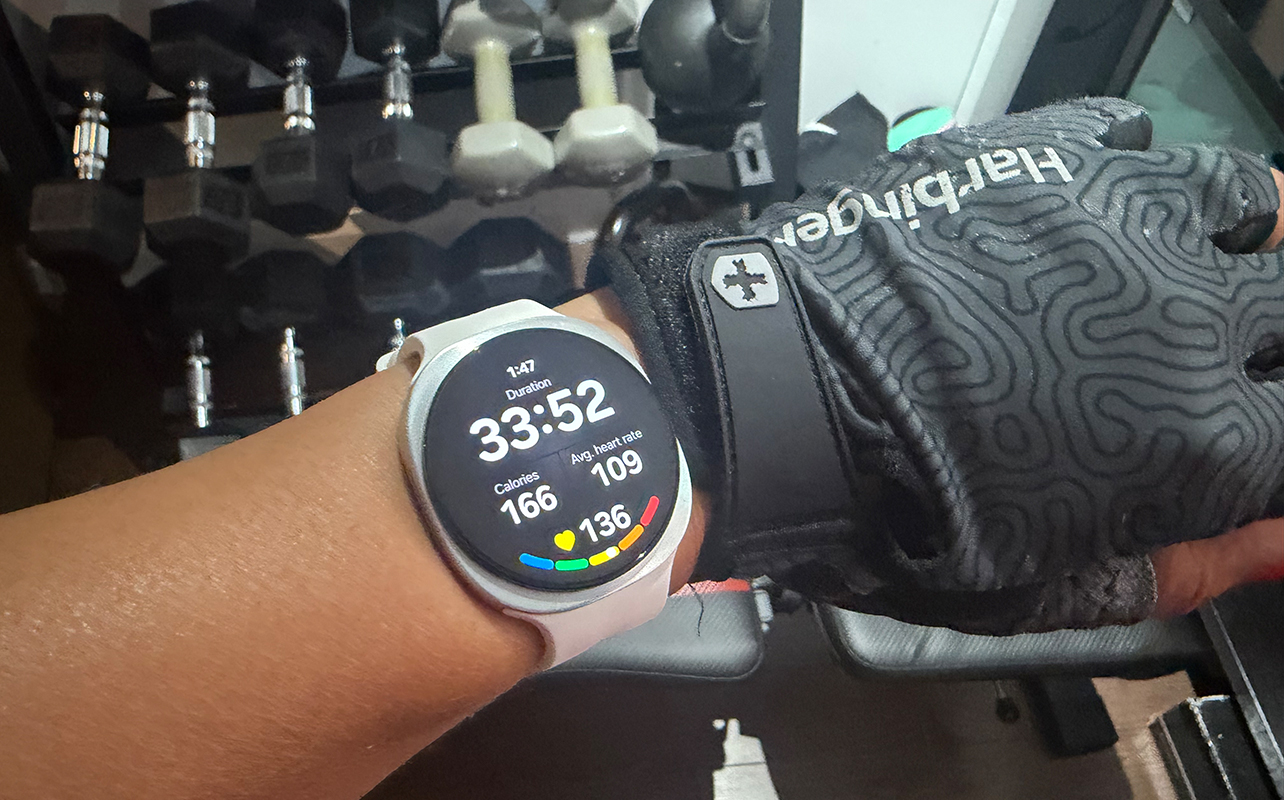
Smartwatches offer an extensive array of health and fitness tracking capabilities, with the advantage of being able to access it all on screen. Some have built-in GPS for outdoor activities, step counting, calorie tracking, and even advanced fitness metrics. Fitbit fitness trackers, for instance, including smartwatches like the Fitbit Versa 4 (see our Fitbit Versa 4 review) and Fitbit Sense 2 (see our Fitbit Sense 2 review) are known for their user-friendly interfaces and comprehensive data for everyday fitness. That’s especially so now with the switch to the robust Google Health app.
Garmin smartwatches offer specialized metrics like oxygen levels, training load, and performance analytics, making them indispensable for serious training and outdoor adventures. The brand has different lines for different types of users, like the Forerunner line for runners and the fenix series for outdoor adventurers. There’s even a line of smartwatches for kids!
Meanwhile, smartwatches from brands like Apple, Google, and Samsung have unique fitness and health features that set them apart. The Apple Watch Series 12 (see our Apple Watch Series 12 review), for example, can now capture real-time heart rate every five seconds and promises more reliable heart rate tracking. Google Pixel Watch 5 (see our Google Pixel Watch 5 review) works alongside the Google Health app that, with Premium, provides an AI Coach that can guide you on everything from creating the perfect workout to achieving goals and working around injuries. Health Guardian adds blood pressure and insulin resistance trends. Samsung Galaxy Watch 9 (see our Galaxy Watch 9 review) has its BioActive sensor for reliable tracking and interesting measurements like AGEs index and Antioxidant Index.
Screen and notifications
Smart rings
Smart rings don’t offer any notifications at all aside from those you get from the companion app on your smartphone (if you allow them). Some send more notifications than others, but you can adjust settings if you want more or less. A few smart rings do offer subtle vibration alerts, like the RingConn Gen 3. But with that ring, it’s only for things like reminders to move or when you manually start and stop a workout.
The benefit is that you can trust it’s doing its thing in the background. Look to the app maybe once or twice a day, or if you receive a notification alerting you of something, and enjoy the distraction-free experience.
Smartwatches
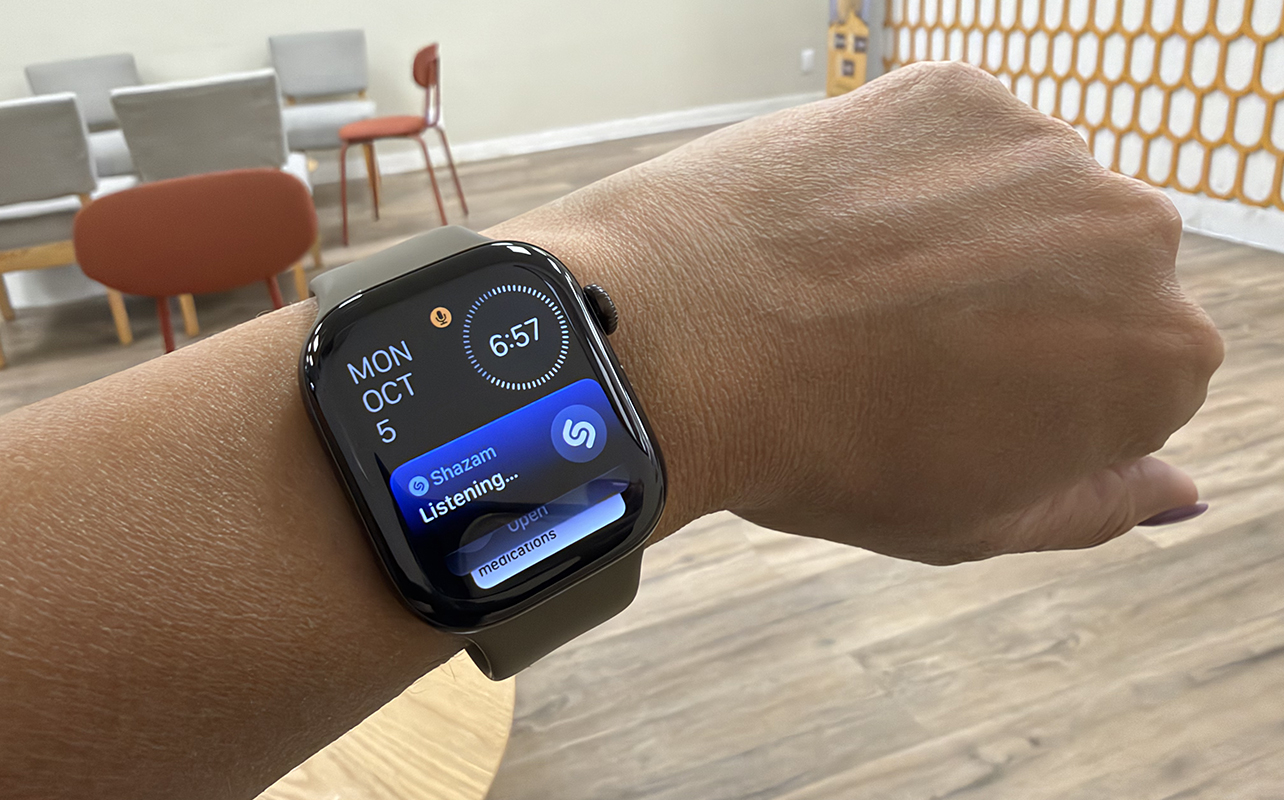
With larger displays, you can access your favourite apps and check notifications on-screen. With immediate access to calls, texts, and other alerts, smartwatches offer convenience for those who need constant connectivity. Models like Apple Watch offer access to tons of apps so you can use one to pay for items in a store or the subway, for example, with Apple Wallet on your wrist. You can check the status of your Uber or follow on-screen walking directions from Apple Maps or Google Maps, a feature I use often. With WearOS on Google Pixel watches, you can access Google apps like Google Home to control comparable smart devices, even your TV.
Some models have built-in mics and speakers so you can make and take calls (with your phone nearby, without your phone if you have an LTE model with a plan). You can reply to messages using a tiny on-screen keyboard, voice, or predetermined replies like “I’ll call you later.” You can control music playing from your phone and with some, store music in memory and play offline. The sky’s the limit!
Style, comfort, and fit

Smart rings
The minimalistic design of a smart ring is ideal for all-day wear. With comfort in mind, many smart rings are lightweight yet durable. For example, the Ultrahuman Ring Air features an outer shell made from fighter jet-grade titanium. Plus, it has a tungsten carbide carbon coating for exceptional strength. The most comfortable and discreet option, however, is the Oura Ring 5, the smallest smart ring I have worn and one that truly looks like a piece of jewelry. But with most smart rings, you’ll easily forget you’re wearing one. Many also come in multiple finish options, so choose one that you’ll be comfortable wearing all day. Black will stand out on fairer skin, for example, while a matte silver or rose gold would on darker skin. Consider material, as well, with options like ceramic now available from brands like Oura.
One important detail to note about smart rings when it comes to fit is that they come in a variety of sizes. This means you must order a sizing kit first, which includes dummy rings of all available sizes. Try them on, find the one you think is right, then wear it for at least 24 hours. This accounts for day-to-day use while sleeping, washing dishes, and working. It also takes into account fluctuations in your finger circumference throughout the day. The ring should fit securely but not too tight. You should be able to take it off easily, but with a little tug. If it slides off too easily, the sensors won’t be in proper contact with your skin. Plus, it will be easy to lose.
Smartwatches
Compared to smart rings, smartwatches are bulkier and more noticeable due to their larger displays and additional hardware. Many are designed with a sporty or fitness-focused aesthetic, which appeals to users who prioritize function over subtlety. The Samsung Galaxy Watch Ultra 2, for example, boasts a robust build that can withstand the toughest environments, a reliable companion for people who love outdoor adventures or extreme sports. The same can be said for the Apple Watch Ultra 4. But you can find sleeker options, too, like the Google Pixel Watch 5, one of the nicest looking smartwatches, and the Garmin vivoactive 6.
While you don’t need to ensure a proper fit, most come with either a small/medium or large/extra-large band so you’ll want to make sure you get the right size. There’s also the option for almost every smartwatch to swap the band for a different style, both from the brands themselves and third-party sellers.
Battery life
Smart rings
Most smart rings last at least 5-6 days per charge, and many can extend beyond that with a battery saver mode, or a pared down mode that reduces 24/7 tracking for things like Sp02. But some of the latest smart rings boast really incredible battery life. The RingConn Gen 3, for example, lasts for about two weeks per charge. The Ultrahuman Ring Pro about 12 days.
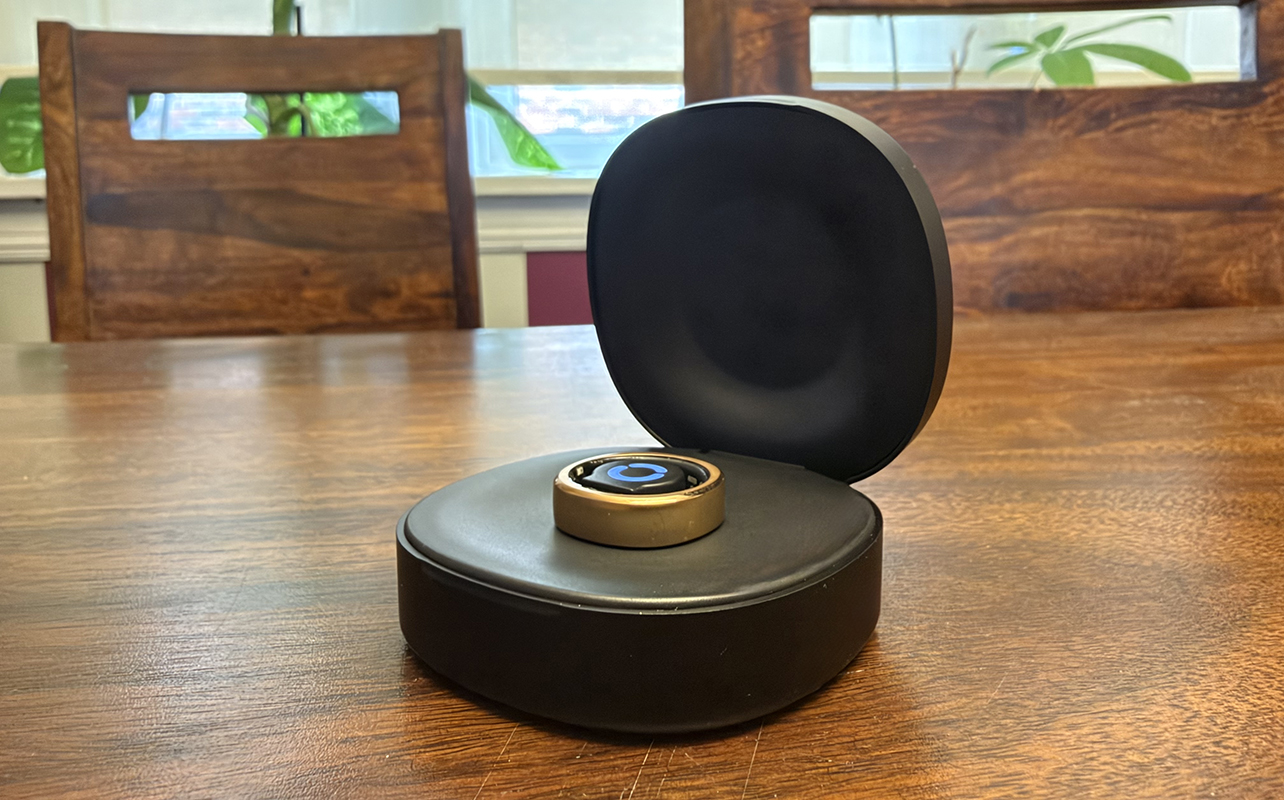
Some brands have switched from charging docks to wireless charging cases. This holds multiple extra chargers on the go, so you can pop it into your bag and recharge the ring at lunch. Some, like Oura, sell the wireless charging case separately. Others, like RingConn Gen 3, come with the charging case.
Smartwatches
Smartwatches vary considerably when it comes to battery life. Ones from top brands like Apple, Samsung, and Google will require charging daily, at least every day and-a-half to two days. This is largely because of features like always-on displays, 24/7 tracking, GPS usage, activity tracking, notifications, apps, and more, all of which consume a lot of power.
You can find smartwatches that last much longer, some as long as smart rings. Brands like Garmin, for example, even have models with solar-powered variants that gain supplemental charge from the sun. The Amazfit Active lasts for up to 14 days, and the Garmin Forerunner 165 lasts for up to 11 days. But generally, you can expect to charge a traditional smartwatch with apps more frequently than a smart ring.
Price

Smart rings
Smart rings can potentially rival smartwatches in cost, depending on the model. This makes them an accessible option for users who want the core features. An Oura Ring 5 and Apple Watch Series 12, for example, are around the same price. Most smart rings come in at around $280 up to $500+. It makes sense since they pack such powerful sensors into these tiny rings and are expensive to produce.
One thing to note is the answer to the big question: do smart rings need a subscription? The answer is that it depends. Any Oura Ring works with an Oura membership and doesn’t offer much without one. Most other smart ring brands do not require a subscription. Ultrahuman does have something called PowerPlugs, add-on apps-within-the-app, that you can pay for separately. Some are free, like caffeine window, but others cost a small monthly fee, like Afib detection or advanced women’s cycle tracking. Ultrahuman has also added a subscription tier called Ultrahuman Max that bundles all the paid PowerPlugs in one monthly fee along with more advanced AI insights.
Smartwatches
Smartwatches offer a broader price range, starting from budget-friendly options that are as low as $150 to premium models exceeding $1,000. The variety allows you to choose a device that fits your budget while offering the desired level of functionality.
Most do not require a subscription, like Apple Watch, Google Pixel Watch, and Samsung Galaxy Watch. However, you can opt for Google Health Premium for access to things like advanced sleep analysis and access to the AI Coach, as well as deeper overall insights into your health and wellness. Samsung does not offer a subscription tier, but the company has mentioned that it’s considering it for Samsung Health. Garmin has Connect+ but it’s optional, not mandatory to access all the most crucial functions.
Pros and cons: smart rings vs. smartwatches
Compare the advantages and disadvantages of smart rings and smartwatches to help you decide which aligns better with your needs:
| Device | Pros | Cons |
| Smart rings | 1. Compact and discreet 2. Long battery life 3. Excellent for sleep and recovery tracking | 1. Limited features compared to smartwatches 2. No display for direct interaction with device |
| Smartwatches | 1. Broad functionality and app integration 2. Ideal for fitness enthusiasts and tech-savvy users | 1. Shorter battery life 2. Bulkier design, compared to smart ring, may not suit all users |
What about screenless fitness trackers?
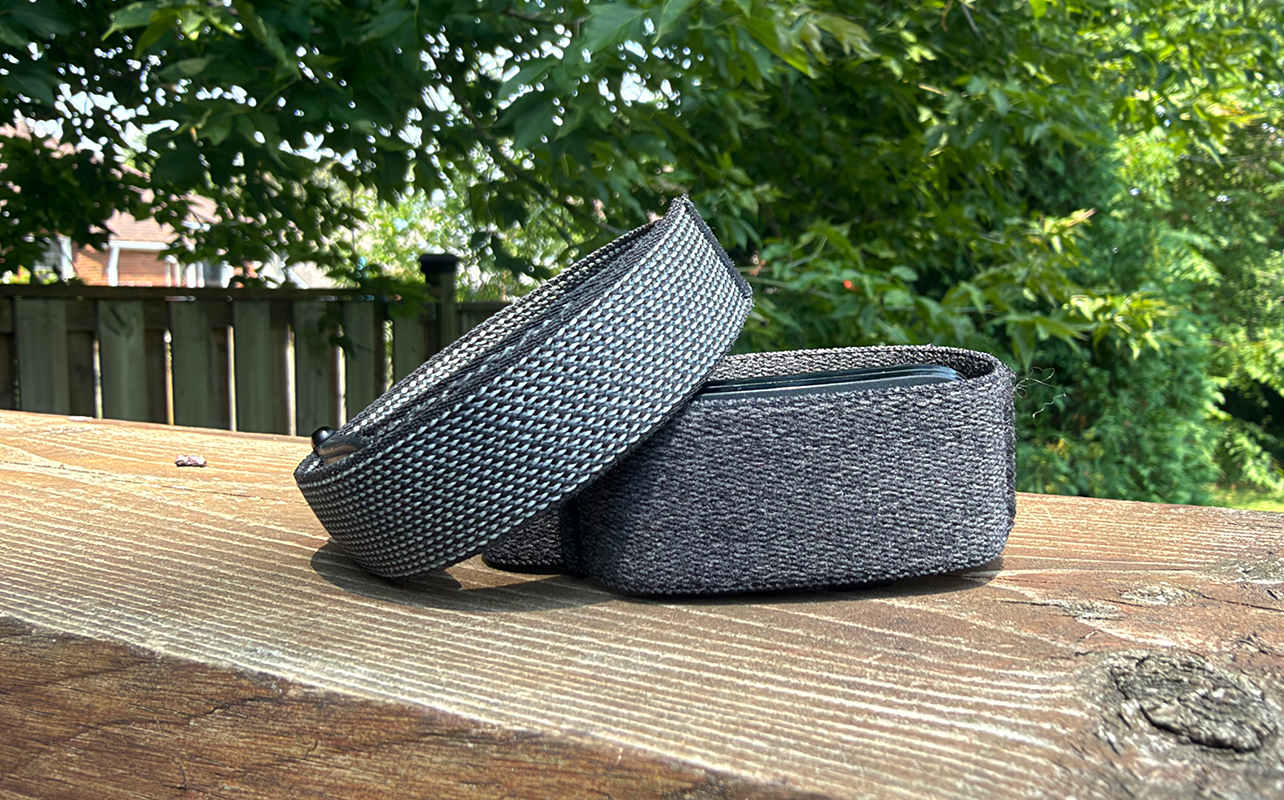
There’s a growing category of screenless fitness trackers to consider as well. What is a screenless fitness tracker? They offer the same benefits of a smart ring except they’re bands you wear around your wrist. Small sensors are housed in a fabric strap to capture activity, sleep, vitals, and more.
Whoop is one of the best-known brands in this space with its newest models, the Whoop 5.0 and Whoop MG. Both require a membership that includes the price of the band, and that you pay annually. Newer models include the Fitbit Air (see our Fitbit Air review) and Garmin CIRQA (see our Garmin CIRQA review). Both work with or without a subscription (there’s tremendous value with Google Health Premium, though), are comfortable to wear, and last for up to a week per charge. Like smart rings, they prioritize wellness over connectivity. Read our detailed screenless fitness tracker versus smartwatch comparison if you’re deciding between these two.
Who should choose a smart ring or a smartwatch?
Choose a smart ring if you:
- Want discreet, lightweight wearables for all-day comfort: Its sleek design ensures it’s comfortable for wearing all day long. Oura Ring 5 can’t be beat in this department.
- Prioritize sleep tracking and recovery insights: A smart ring can provide detailed sleep analytics to help you improve your rest and overall health. Oura Ring 5 is, once again, the best, though others like Ultrahuman Ring Air and RingConn Gen 3 do a fantastic job as well.
- Want basic health tracking without constant screen interaction: A smart ring offers a discreet way to track your health metrics, allowing you to stay focused on your activities without frequent distraction. Every model offers this advantage in spades.
Choose a smartwatch if you:
- Want to monitor advanced health and fitness tracking and workout-specific metrics on your wrist: While both track the same metrics, a smartwatch can provide real-time detailed insights right on your wrist, which you might find more motivating.
- Want multiple functionalities for communication, navigation, as well as entertainment: Many smartwatches let you make calls, send text or e-mails, or use GPS for directions. They also provide access to streaming apps, so you can play music or crank up the volume right from the watch.
- Engage in outdoor sports or activities that require rugged wearables: Built for people with active lifestyle, top-tier smartwatches can not only withstand harsh conditions, they also have safety features like the option for LTE connectivity, SOS, fall detection, crash detection, and more.
- Need a device for contactless payments: With built-in NFC technology, many smartwatches allow you to make secure transactions right from your wrist.
Ready to explore more about smartwatches? Read our smartwatch buying guide.
Which wearable tech is right for you?

To sum it up, smart rings are best for a minimalist, distraction-free look and prioritization of wellness, vitals, and sleep tracking as well as battery life. A smartwatch is ideal if you want connectivity as well, along with on-screen controls. Consider them to be extensions of your smartphone. Most premium models will require daily charging. Finally, don’t forget about screenless trackers. You get the same benefits as a smart ring but with a fitted fabric band on your wrist. They’re a good option if you don’t want to worry about sizing (say, if you’re concerned about weight loss or gain) and prefer something on your wrist without a large screen.
Explore our collection of smart rings and smartwatches to find the wearable that suits you.
FAQs
No. Both typically track the same metrics, including activities, wellness, and sleep. Both have robust companion apps. The only difference is you can access data on the smartwatch screen itself. Smartwatches also provide notifications, app access, and more. It’s a lifestyle choice.
Yes. While it ultimately comes down to the brand and specific model, they are generally great for sleep tracking. Oura Ring is among the best but rings from brands like Ultrahuman and RingConn accurately track sleep as well.
Yes, since it tracks all of the same things. However, with fitness, you either have to rely on automatic activity detection, which is hit and miss with some models and doesn’t work for every activity, or use the companion app. If you don’t need notifications and don’t mind doing that, a smart ring can absolutely replace a smartwatch.
A screenless fitness tracker goes around your wrist but it does not have a screen. A fabric band covers the sensor. But it achieves the same tracking. You just have to rely on the app alone to see the data.
This depends, but generally, smart rings or some screenless fitness trackers. But this isn’t an absolute rule. You can find smartwatches that last beyond a week per charge. Virtually every smart ring and smart band, however, lasts at least five days.