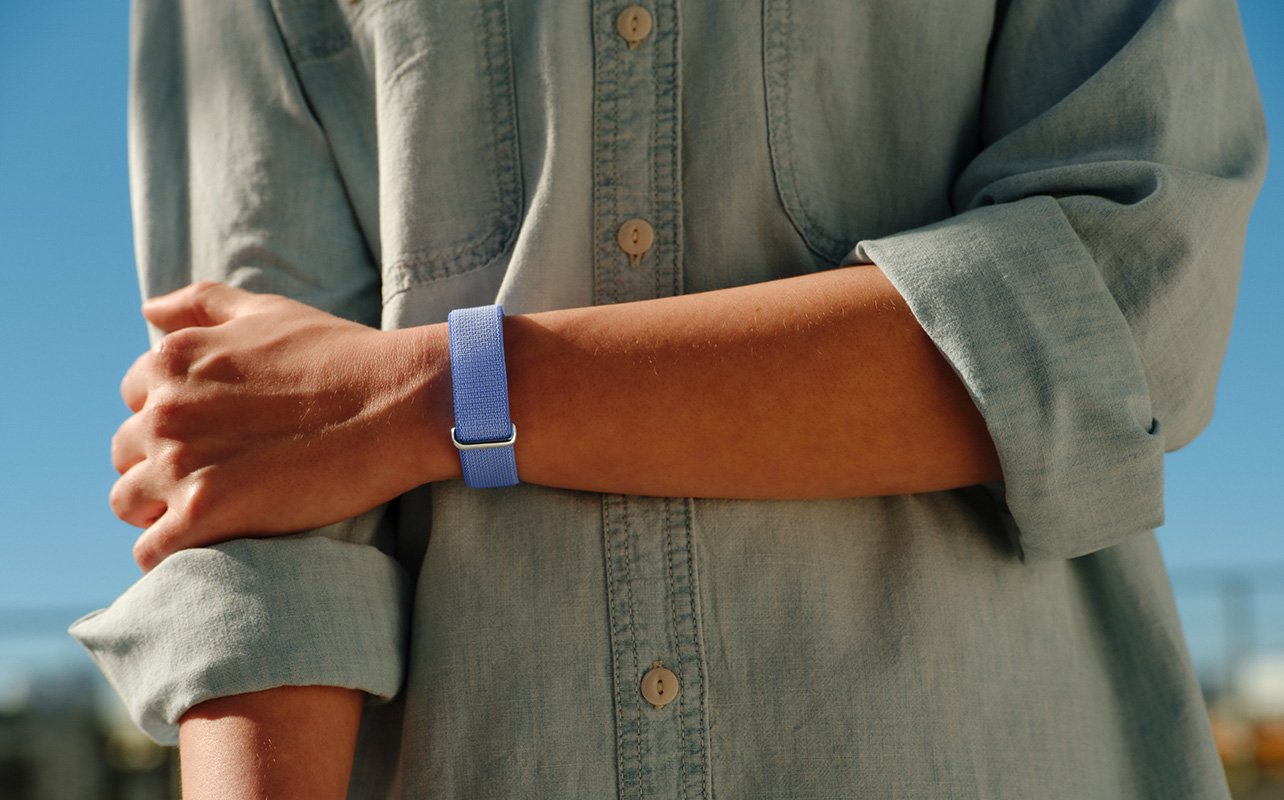
You can probably guess from the name that a screenless fitness tracker is one that doesn’t have a screen. But wait, how does that work? The device, including models like the Fitbit Air, houses a tiny sensor in a fabric bracelet that wraps around your wrist. All the data is captured and you can see it in the companion app. It’s not that much different from a traditional fitness tracker that has a small rectangular screen, like the Fitbit Charge 6. Except screenless trackers are an entirely app-driven experience versus a primarily app-driven one. The advantage is that you get passive, no-distraction tracking while still benefitting from the same health, fitness, and wellness support.


The main difference compared to a traditional tracker

Without a screen on the device itself, you must rely on the app for everything. This includes starting workouts, checking progress, seeing vitals, and more. With a tracker that has a screen, you can do these things from the touchscreen itself. You can usually do more, too, like see incoming calls and messages, control music playback from your phone, even pay for items via NFC contactless payments. Both types, however, can include features like automatic workout tracking. This senses if you’re doing a specific activity, like walking, running, cycling, or rowing, and starts tracking automatically.
How a screenless fitness track works

A screenless fitness tracker like the Fitbit Air I recently reviewed works the same way one with a screen does. Fabric, however, covers the tiny pebble-like device with the sensors instead of them being under a tiny screen. The sensors usually include an accelerometer, optical heart rate, altimeter, and gyroscope. Often, they also include GPS, pulse oximeter, temperature, and bioelectrical impedance sensor (ECG). All these sit on the underside of the pebble. They take measurements based on movements and physiological responses via photoplethysmography (PPG), the absorption of light determining blood flow.
They track data the same way a tracker with a screen does, capturing fitness, health with vitals, sleep, and more. This all happens in the background, however, so there are no distractions.
Why people choose a fitness tracker without a screen
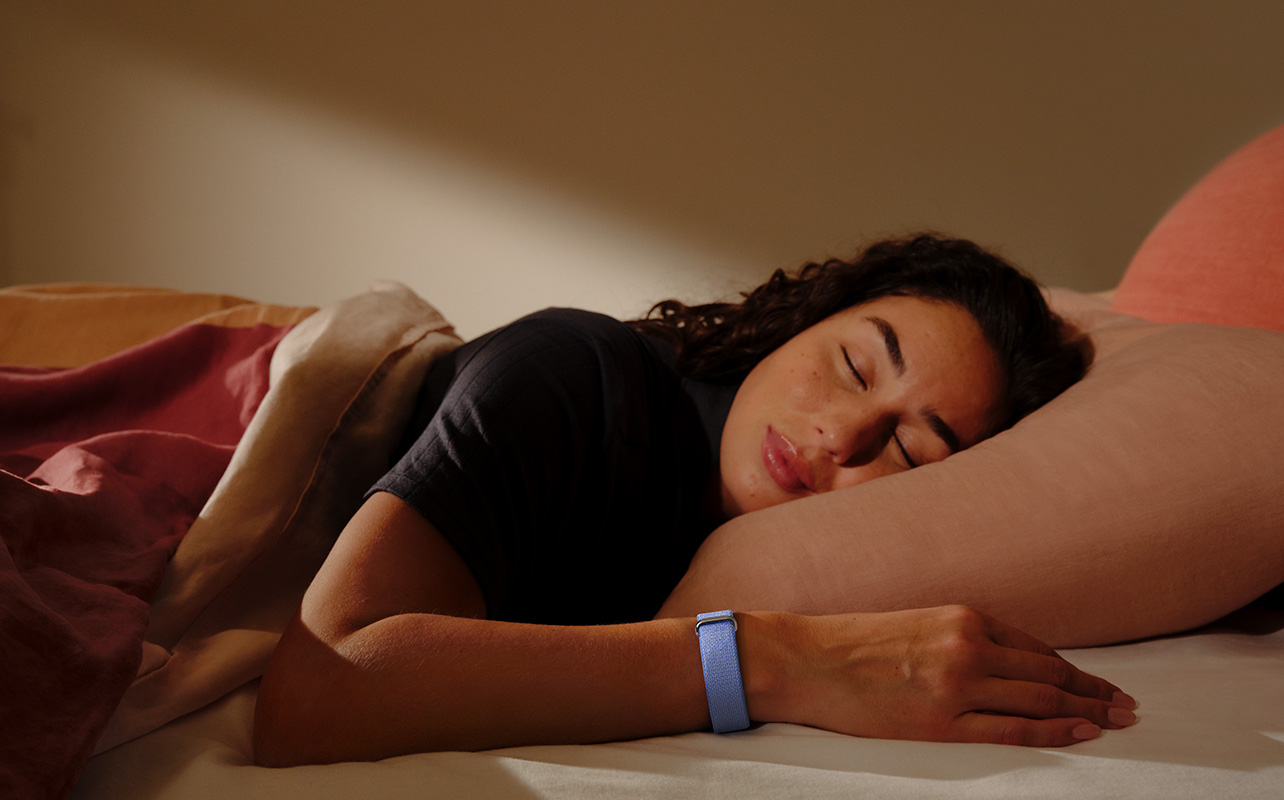
The reason fitness trackers are going screenless and shoppers are gravitating towards them is because they offer a distraction-free experience. They track the same data as wearables with screens, but they are exclusively for fitness. You aren’t tempted to look over at your wrist constantly and there are no notifications to prompt you to do so. Because of the design and lack of screen, they tend to last longer per charge as well. It’s overall a simpler experience.
Screenless trackers offer reliable everyday activity tracking. They are suitable for those who want something low distraction to support their wellness routines. When you want to check in on progress, open the app and sync. You can make that part of your daily routine, as I found when reviewing the Fitbit Air. I would check in the mornings, afternoons, and before bed instead. I didn’t obsess over metrics and progress all through the day.
Common use cases
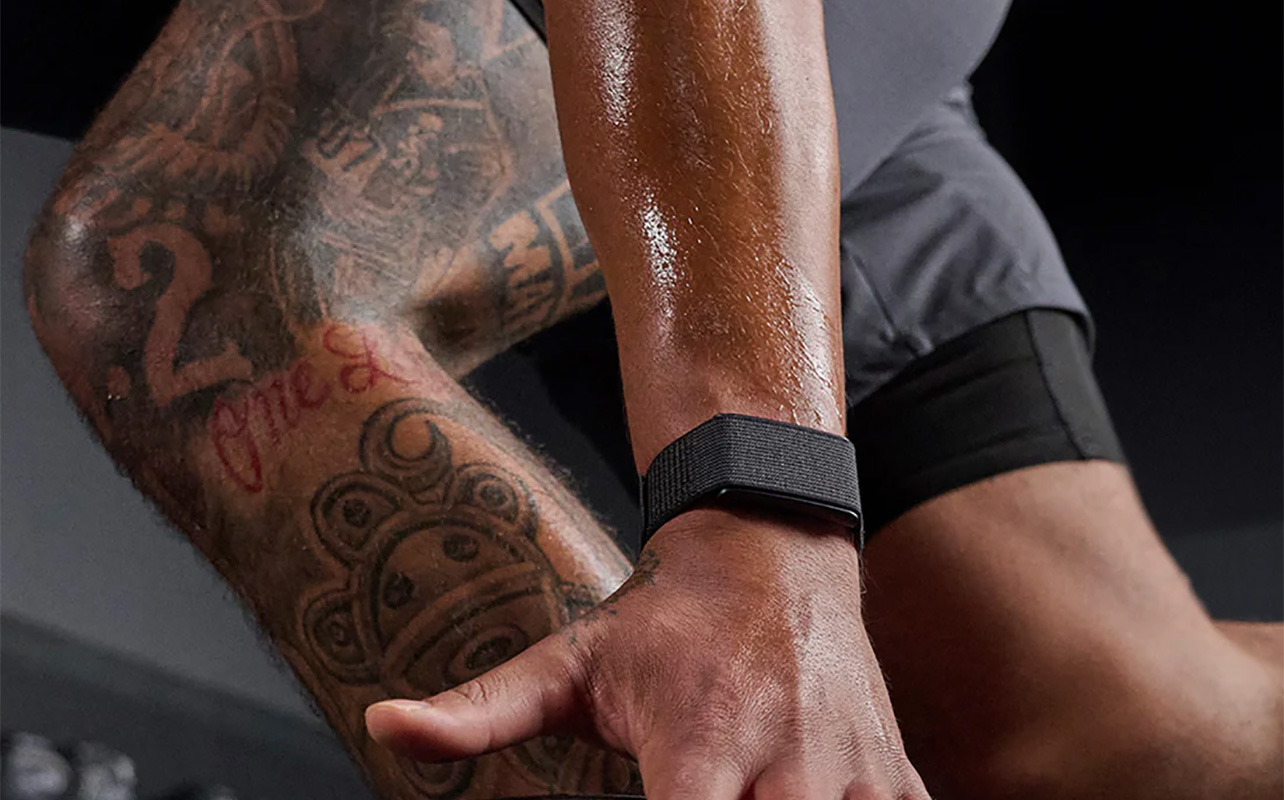
There are certain use cases when a screenless tracker is especially great.
Sleep tracking: The slim, fabric bands are more comfortable than any other tracker. Plus, there’s no screen to light up and distract you. You don’t have to remember to put the device into a do not disturb or sleep mode. Some can be set to vibrate as a subtle wake-up alarm.
General health tracking: Keep taps on vitals 24/7 without other bells and whistles. Some models like the Fitbit Air can deliver haptic vibration notifications if anything critical is amiss. This might be if it detects an irregular heart rhythm.
Everyday activity tracking: With such great battery life, you can wear one all week to track virtually everything. From 24/7 vitals to sleep, resting heart rate, activities, and more, it keeps going.
Low-distraction fitness: Track your fitness without yet another screen to distract you. It looks and feels just like a bracelet. But all the work is being done passively, captured in the app as soon as you sync.
Who is screenless wearables best for
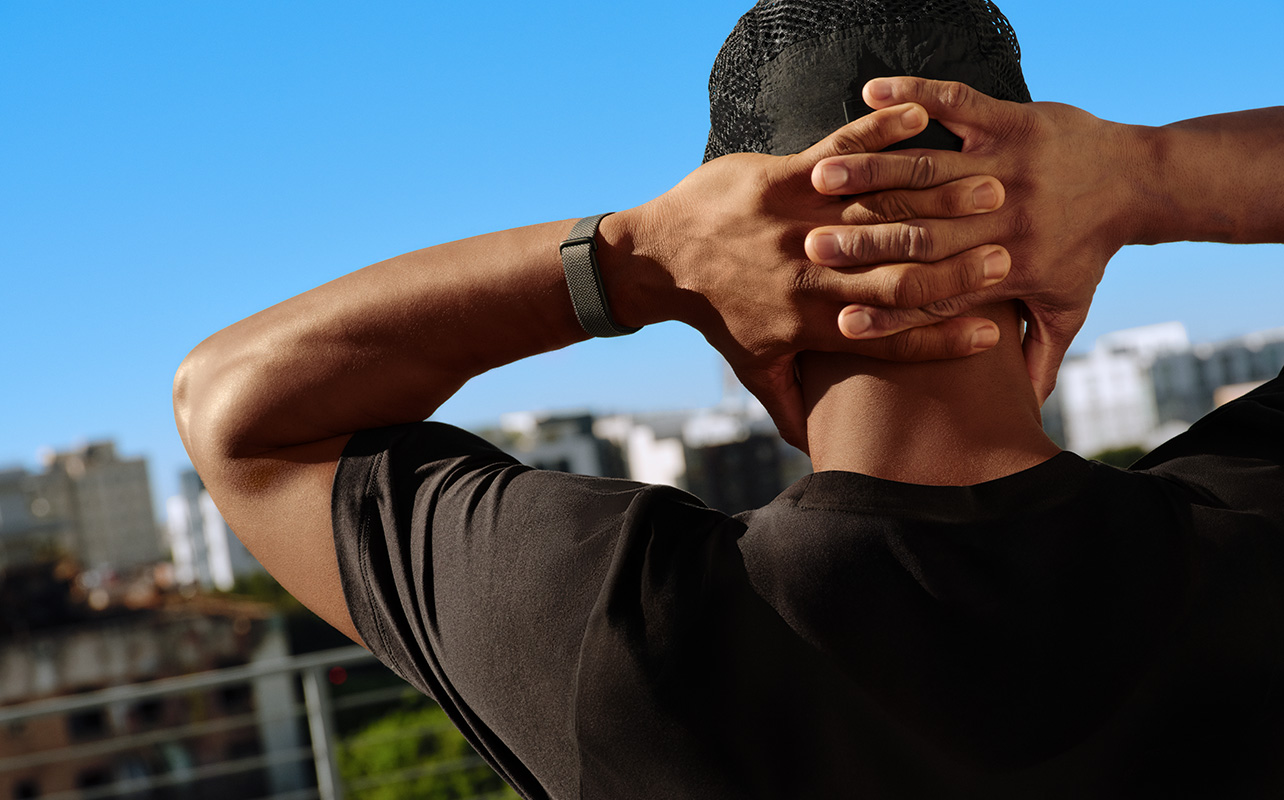
Anyone can benefit from a screenless wearable. But there are a few shoppers in particular who are prime candidates for one when deciding which fitness tracker to buy.
Someone who wants a simple experience: It works in the background while you control when to check the app. There’s typically nothing you can do from the tracker itself but potentially get vibration notifications.
Someone who prioritizes sleep tracking: The design makes a screenless fitness tracker a perfect dedicated sleep tracker. It’s slim and comfortable with no hard screen or lights. It has the added benefit of tracking other vitals both while you’re sleeping and awake.
Someone who wants a digital disconnect: If you’re looking to reduce overall screen time, a fitness tracker that doesn’t have a screen eliminates one unnecessary screen from the equation. This can help you stick with screen time reduction goals.
Those who can’t wear screens: Whether it’s a teen who isn’t permitted tech with screens in school or someone with a job where a tracker with a screen isn’t feasible, you can wear one and still stay on top of vitals and activity.
Screenless fitness trackers vs. traditional fitness trackers

So, to screen or not to screen? What makes the most sense for you? It comes down to preference but there are a few things to note. With a screenless tracker, you may find that you check the app more often, which means you rely more on your phone. If you feel like you might still obsess over the stats, having them accessible on your wrist for quick and easy access without the phone might be best.
To access things like music controls, navigation, and tap-to-pay, you’ll need a tracker with a screen that supports those. Further, if you participate in a specific sport or frequently do an activity that automatic tracking won’t pick up, you might want a tracker with a screen. This makes it easier to manually start and stop the workout from your wrist.
However, if you want a distraction-free option that captures the same data, a screenless tracker will be a welcome addition. You don’t have to mix your health and wellness with things like notifications and other secondary functions. Continue to wear that fancy wristwatch your partner got you for your birthday on one wrist and the tracker on the other without it looking odd. Plus, there’s no need to charge the battery as often and wearing it while sleeping will be incredibly comfortable.
Find the right tracker for you

Now that you understand what a screenless fitness tracker is, you can make a more informed decision when choosing between models like the Fitbit Air vs. Fitbit Charge 6, or other options from brands like Amazfit. It’s worth noting that along with what the device itself offers, what’s most important with either type of fitness tracker is the companion app experience. So, make sure you understand what that looks like. Also, consider if a subscription is needed and factor that into the price. As far as the design goes, however, it’s either about distraction-free wellness or an on-wrist control experience.
Find a wide selection of screenless and screened fitness trackers at Best Buy Online.