
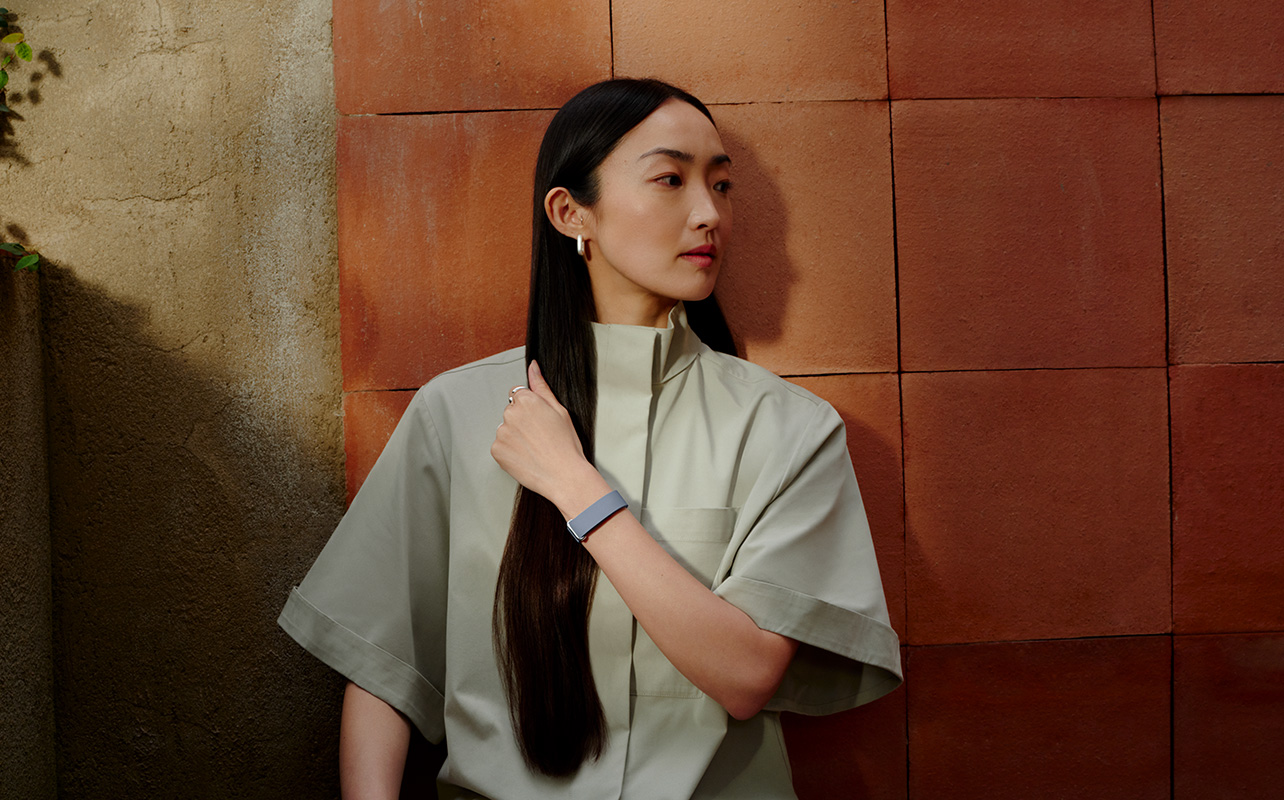
I discussed the differences and pros and cons between a screenless fitness tracker like the Fitbit Air and one with a screen like the Fitbit Charge 6. But what about a screenless fitness tracker vs smartwatch? This is a much bigger change, and the choice really depends on your needs and lifestyle. I wear both, one on each wrist, giving me a unique view of how they differ and compare. But most people will probably go with one or the other. Deciding if you should make the switch can be a challenging decision.
It isn’t just about which model to choose. It’s more about a complete design departure. There’s a mentality shift between either distraction-free, passive tracking or daily on-wrist interactions, no matter which brand you choose. The choice really comes down to preferred behaviours, and how you want the fitness, health, and wellness device to fit into your daily routines.


The basic differences
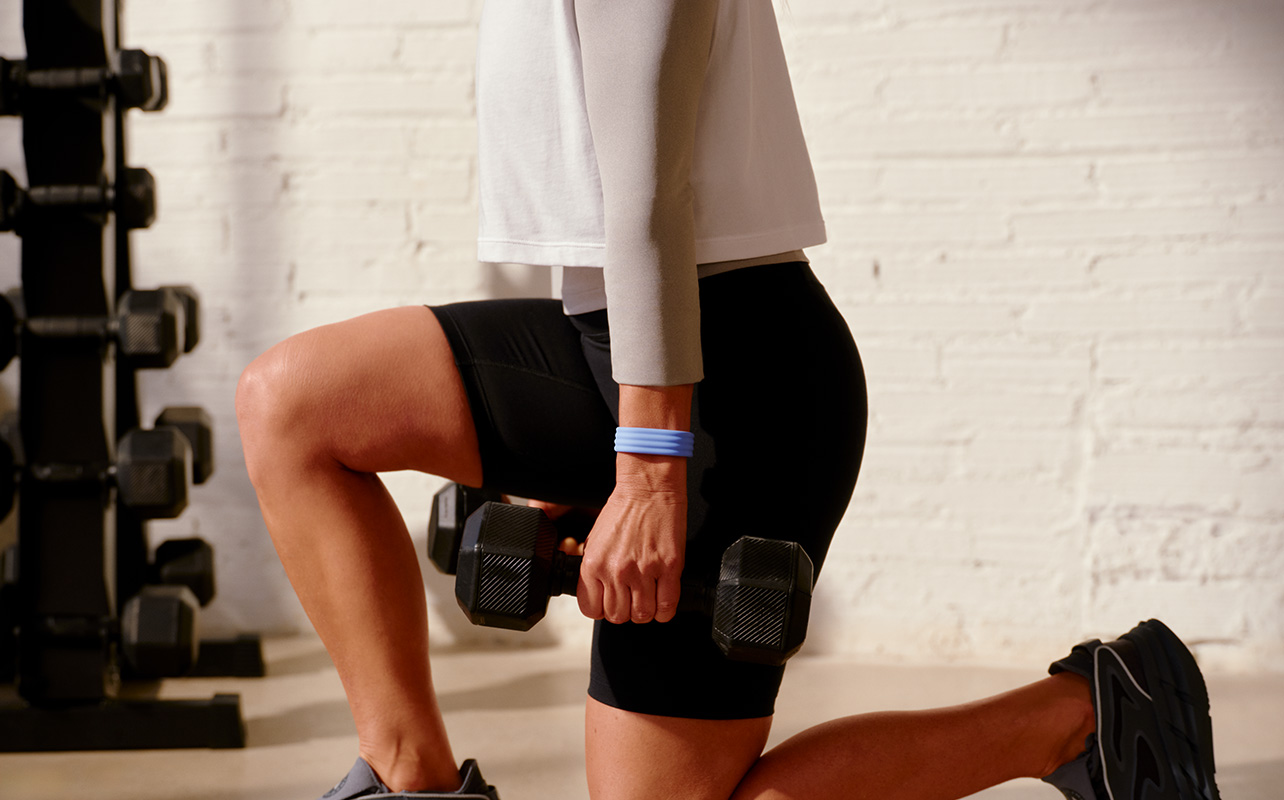
A screenless tracker is like a bracelet on your wrist, the pebble-sized sensor hidden within a fabric band. You don’t do anything with the actual device except charge it. It might work with haptic vibrations for things like alarms. It might also have a tiny LED to indicate battery life, like the Fitbit Air I recently reviewed. But beyond that, the entire experience is housed within the companion app.
A smartwatch works alongside a companion app as well. But you can view the information from the larger square, rectangular, or circular screen as well. It’s usually a touchscreen with side buttons as well for navigating menus. You can see your daily progress, initiate workouts, and more. It also displays the time and you can access apps to do things beyond health. This could be to pay for items in the store, see boarding passes, navigate to destinations, read notifications, get calendar appointments, maybe even listen to or at least control music. With some, you can even make and receive calls. More premium smartwatches add features like built-in AI assistants and even gesture controls. They are like tiny computers on your wrist.
Choose a screenless tracker if you want fewer distractions
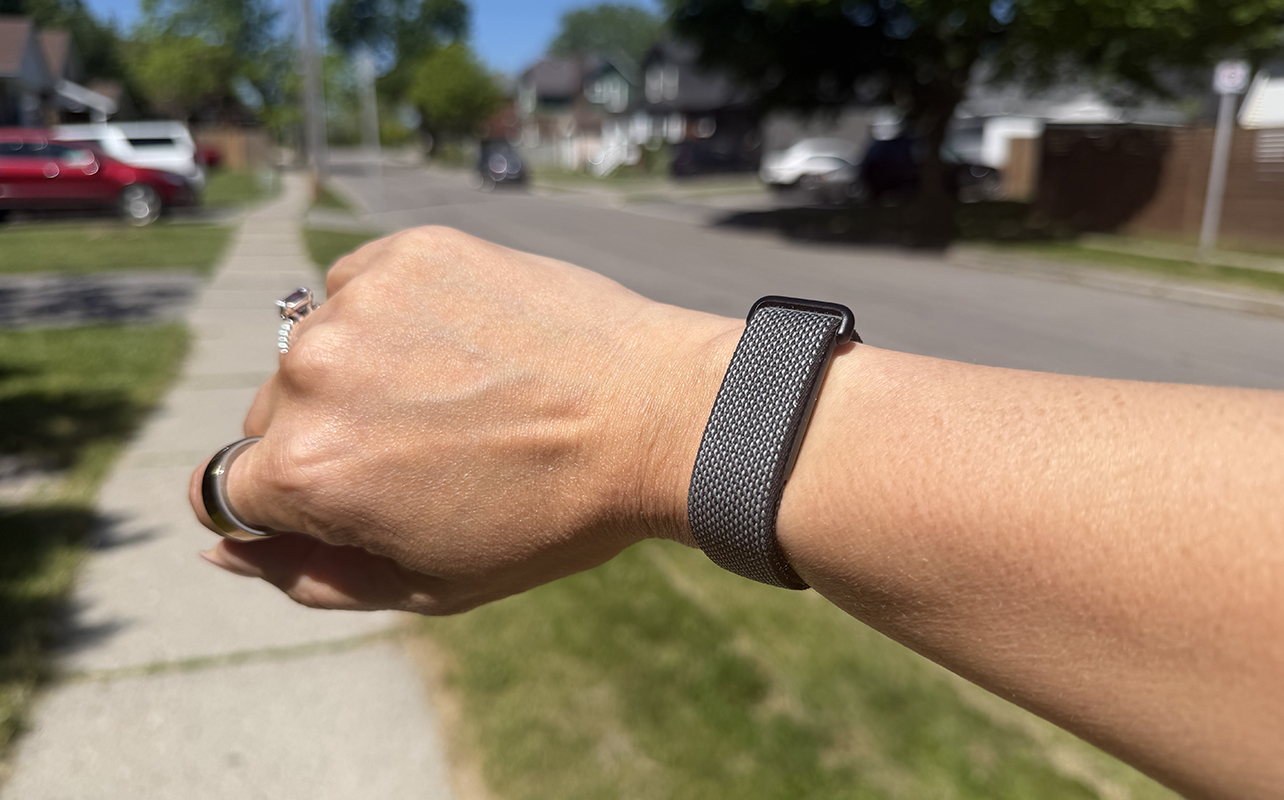
The biggest advantage with a screenless tracker is you don’t have anything distracting you. You can go about your day and get an idea of your progress only when you actively open the app and sync it. While I thought this could lead to becoming obsessed with checking the app versus the on-wrist screen, I found with my review of the Fitbit Air that I was content to check in only a few times a day.
I’d open the app in the morning to see how my sleep was and get recommendations for the day (with the Google Health Premium subscription), after lunch to review my late morning workout stats, and right before bed. I would also check in from time to time if I wanted to ask a question or log nutrition. Logging in is necessary as well to manually start a workout the band won’t automatically track.
But overall, it’s low-interruption usage that allows you to focus on your days and minimize screen time. It’s also a minimalist design that’s especially comfortable while sleeping. Plus, you can continue to wear a wristwatch on the opposite arm without it looking odd.
Choose a smartwatch if you want on-wrist controls
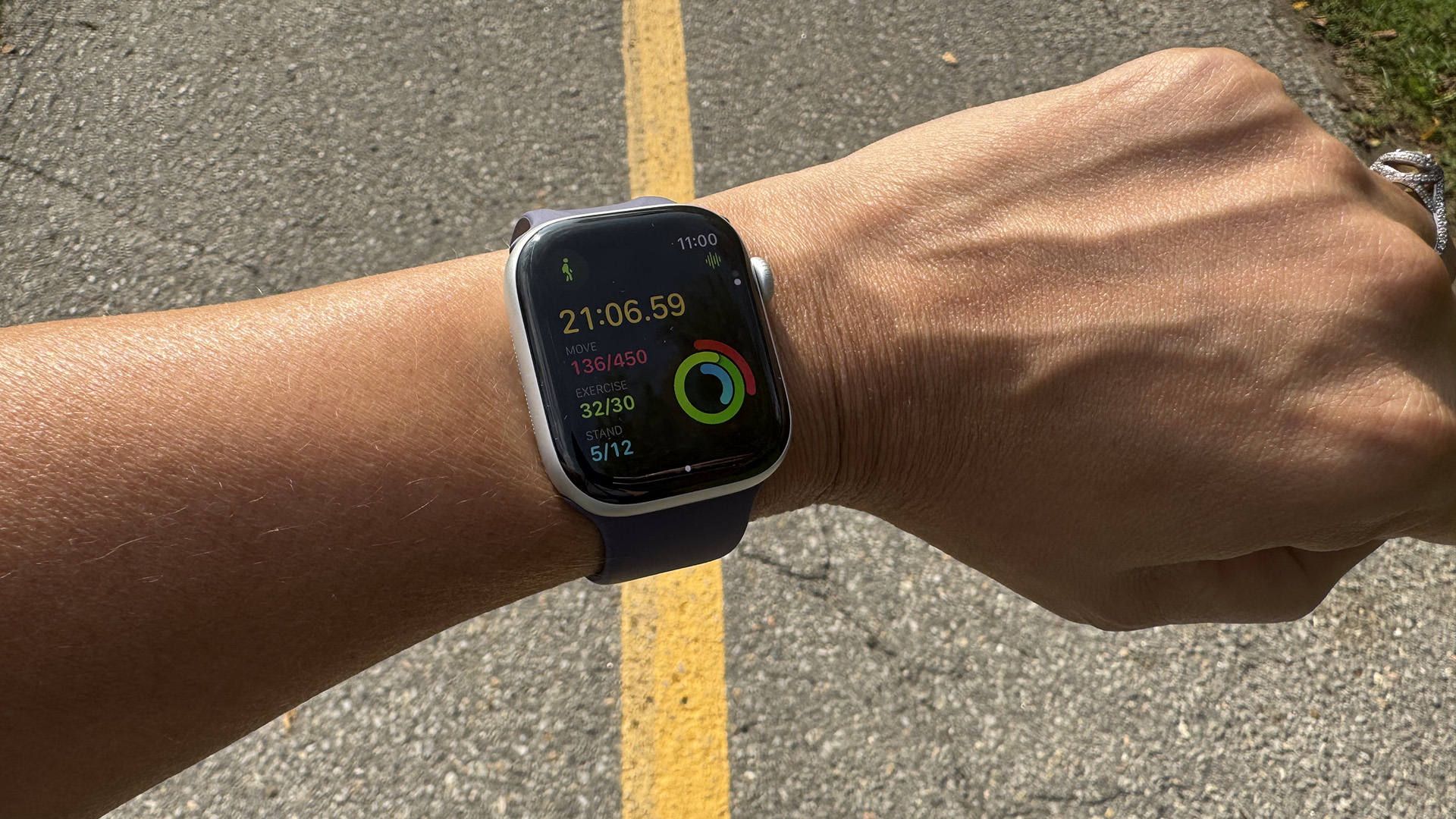
A smartwatch is a very different animal. You get on-wrist controls for starting and stopping workouts and following along with the live data on screen. But you can also easily check in on your stats at any time. Want to know if you’re close to hitting those 10,000 steps, have burned enough calories yet, or what your current heart rate is? You can tap the device to see without needing your phone and the app.
They function for so much more as well. You can pay for items from your wrist if it supports a mobile wallet. Control music playback, maybe even play tunes right from built-in storage. Follow turn-by-turn directions, play mobile games, see notifications, control your phone’s camera, and more. It’s a very different experience for someone who wants a wearable that becomes part of their day, not just tracks in the background.
Choose a fitness band (or hybrid smartwatch) if you want the middle ground

It doesn’t have to be an all-or-nothing proposition. There are simpler hybrid smartwatches that have minimal features like the Withings Scanwatch and Garmin vivomove Trend. You can also consider a traditional fitness tracker that has a screen. The small, rectangular screens display minimal information and scrolling text. Some can do almost everything a smartwatch can, but the smaller screen may encourage fewer distractions. These offer the best of both worlds between a screenless fitness tracker and a smartwatch.
Best choices by lifestyle
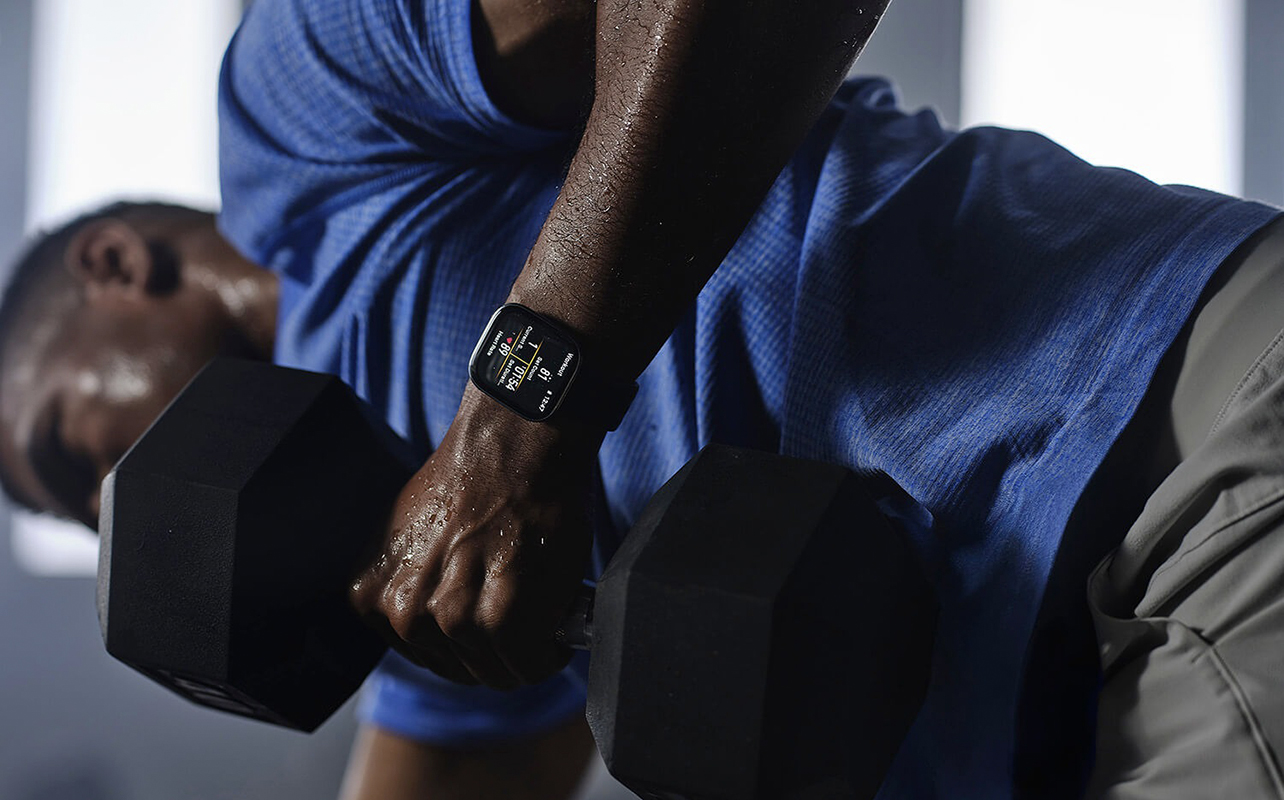
Still need more help making a decision? Having worn all three types extensively for many years, these are my recommendations for the type to get based on your lifestyle and priorities.
Sleep tracking
If this is most important to you, go with a screenless tracker from a reputable brand. As long as the brand is known for reliable sleep tracking, it will be the most comfortable to wear with no hard screen to interfere with your sleep positions and no lights to distract you. You may also want to consider a smart ring.
Running
Runners will want a running smartwatch as these often capture data and show stats that a screenless tracker and even a traditional fitness tracker doesn’t. This includes runner-specific information like pace, elevation, and lap time. This is all useful to see on the fly, especially for someone who is training for a marathon or looking to gradually improve performance.
Gym use
You will probably want to track different exercises and reps for circuit training, strength training, and cardio machines. In this case, a fitness tracker is best. It won’t get in the way, but that you can manipulate it easily to start and stop tracking for each exercise. You’ll also be able to see precise data as you go to ensure you’re getting into the right heart rate zones, for example. A smartwatch is worth considering, too, if you want to leave your phone in the locker and play tunes right from the watch to your headphones. Some fitness trackers like the Fitbit Charge 6 can pair with gym equipment to capture heart rate data as well.
Productivity
A smartwatch is the hands-down best choice if you want a device to assist with your days. They can notify you of reminders, calendar appointments, incoming calls and messages, and more. They’re ideal for everyone from busy professionals to students who need something for school. A smartwatch, as mentioned, is like a mini computer on your wrist. It’s an extension of your phone that allows you to stay on top of things without having to pull out the cellular device.
Everyday wellness
You can get away with wearing just a screenless tracker if everyday wellness tracking is your primary purpose. They keep on top of data passively and you can tap into the app whenever you want updates. Some, like the Fitbit Air, can vibrate to alert you of anything concerning, like an irregular heart rhythm. They work in the background without interrupting your day. But they still capture every wellness metric a fitness tracker with a screen or a smartwatch does.
Accommodate your lifestyle
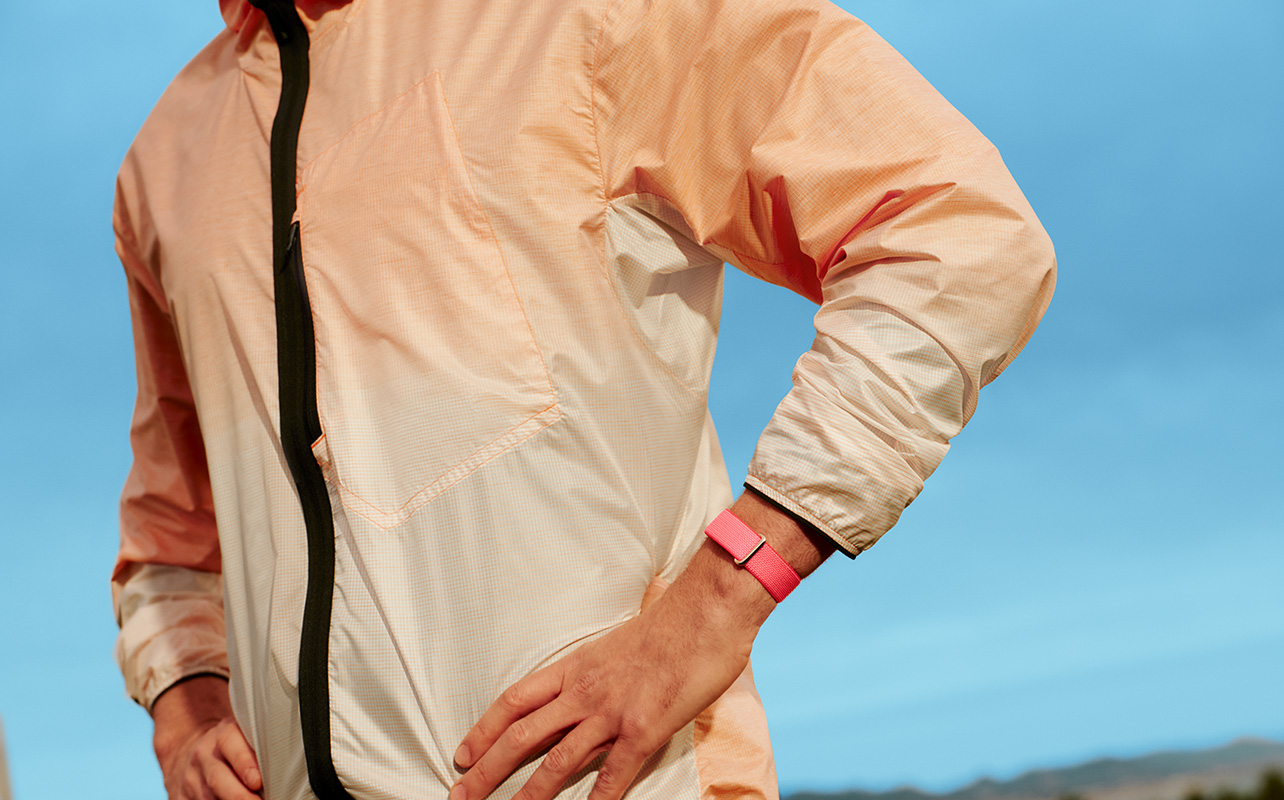
Whether you choose a screenless fitness tracker or a smartwatch, the most important thing to remember is that both will keep tabs on your fitness, health, and wellness. All the top models measure sleep, activity, calorie burn, heart rate, and other vitals. If you want something distraction-free, go with a screenless fitness tracker. Just keep in mind that while they are generally cheaper, many require a subscription to get the most out of the app. If you want something to assist with your days above and beyond fitness, or you have specialized needs like running or tracking individual exercises during gym circuits, go with a smartwatch. And if you can’t decide, consider a traditional fitness tracker with a smaller screen as a compromise.
Find a wide selection of fitness trackers including screenless models and smartwatches at Best Buy Online.