The Oura Ring 5 does the same—and more—than its predecessor, except it’s noticeably thinner and lighter in comparison. What matters is the slimmer profile doesn’t force compromises or take away the features and performance Oura’s smart rings are known for. The best part is that tracking improves and battery life lasts longer.
That all makes the Ring 5 a really compelling choice as a smart ring. It doesn’t feel weird to wear it, nor does it necessarily come off as a smart ring at first glance. Its purpose doesn’t change, either, which is to track sleep and movement to help you better understand where you stand on a daily basis.


Watch my review of the Oura Ring 5
How the Oura Ring 5 fits
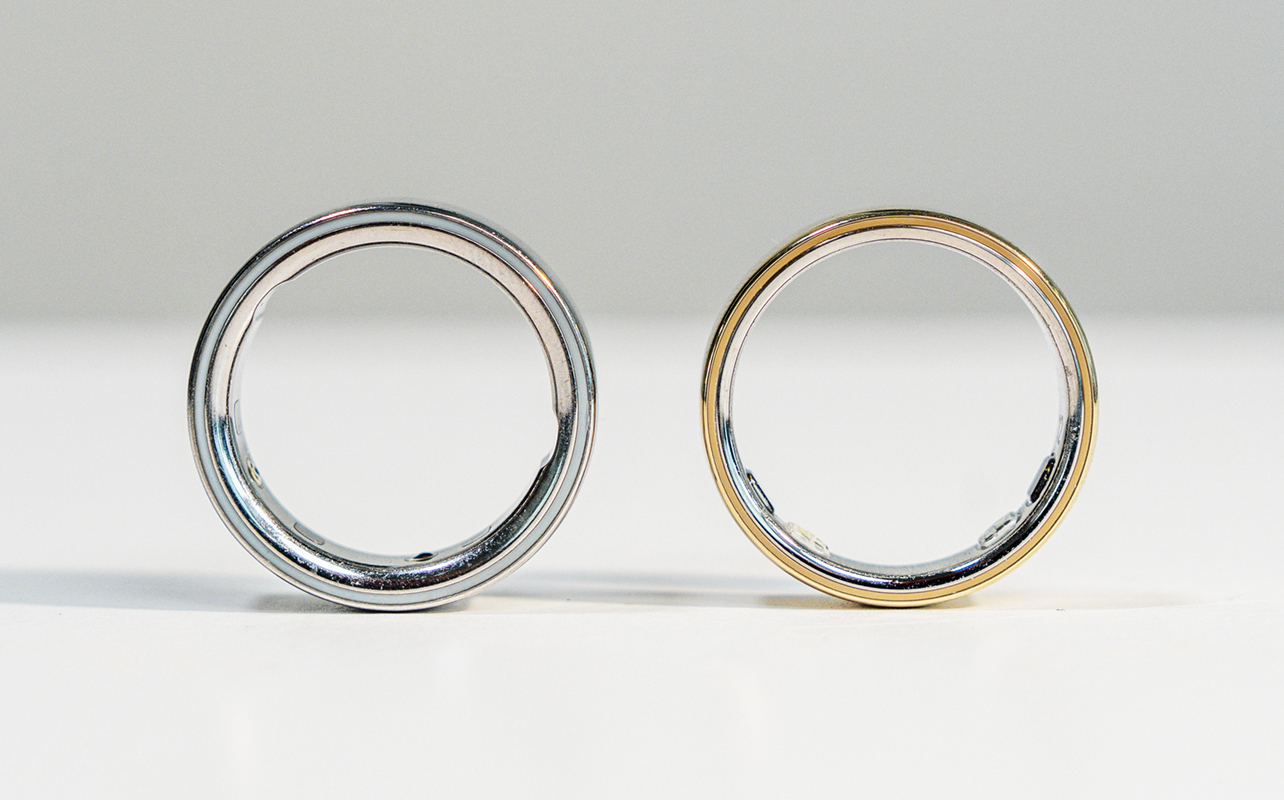
The most obvious difference is that Oura cuts the Ring 5 down for size in two key ways. First, it slims the total width to 6.09mm, and second, it trims down the thickness to 2.28mm. Compare that to the Ring 4’s 7.9mm and 2.88mm and we’re essentially talking about 40% less volume. That’s huge by any measure because it simply makes the ring look and feel different while wearing it.
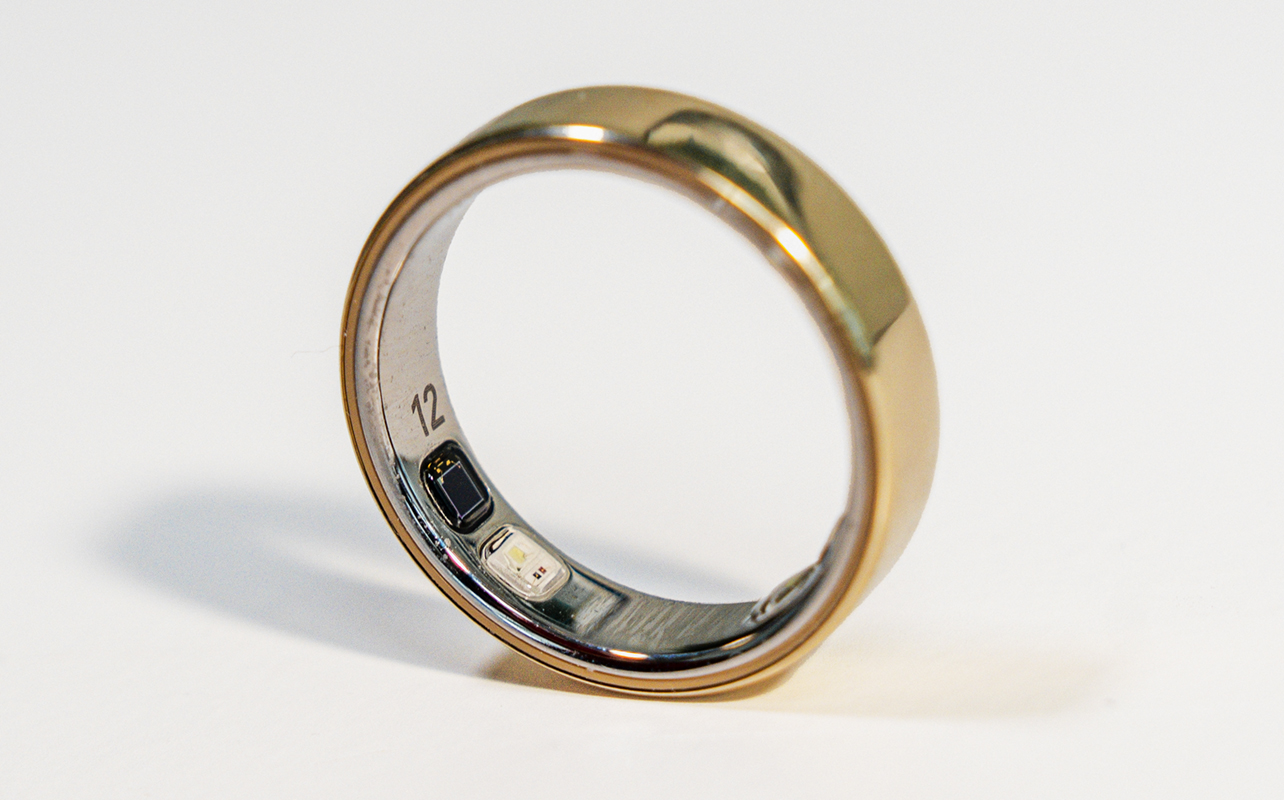
This is also the biggest reason why size doesn’t translate from one to the other. I wear a size 11 for Ring 4 but had to go with a 12 for the Ring 5. The biggest reason why is because the onboard sensors protrude slightly in a way they didn’t before. Understandably, it’s the only way to make the ring thinner, and it’s not unusual for smart rings, generally, but I do highly recommend trying out the ring sizing kit first. You just never know what will fit best.
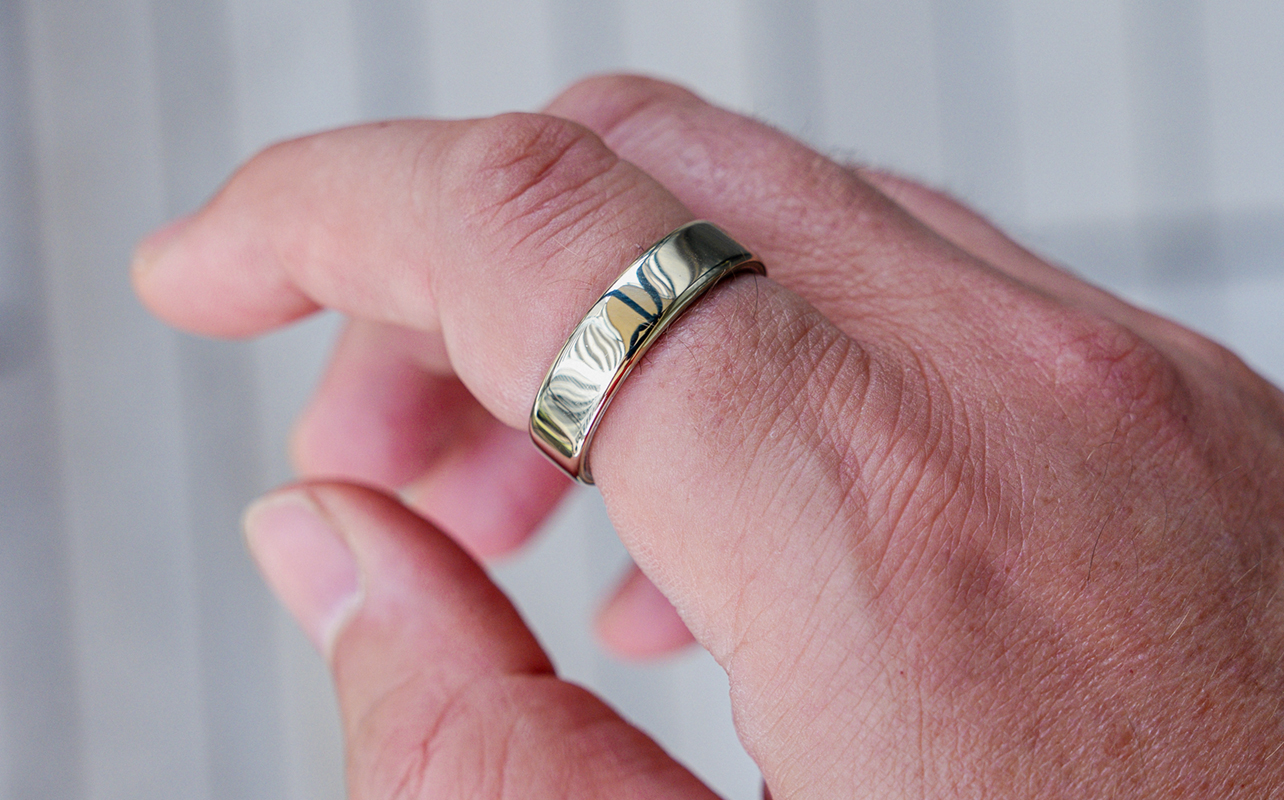
As before, Oura recommends wearing the ring on the index or middle finger for the best readings, though you can use your ring finger as well if you find it the most comfortable. This makes the sizing kit all the more integral because you may be surprised at which finger you prefer. For me, I prefer my index finger but I did try it out on the others as well.
Tougher titanium makes it more durable than before, along with a new coating to make it more scratch-resistant. I’ve noticed a difference in both cases but given I’ve been using it for about a month, I can’t be sure of how both hold up long-term.
Design and comfort
A major point here is that the sizing options aren’t the same. The Ring 4 comes in a range from size 4-15, whereas it’s 6-13 for the Ring 5. Why the narrower range? Oura says it’s harder to make the smaller sizes, in particular, with the new design and architecture.
Oura retains the visible slit on the bottom of the outer side to help you orient the ring the right way. So long as that slit is facing down (like the palm of your hand), the sensors will get the best readings. A snug fit is the most important element but I personally try to make sure that slit is down.
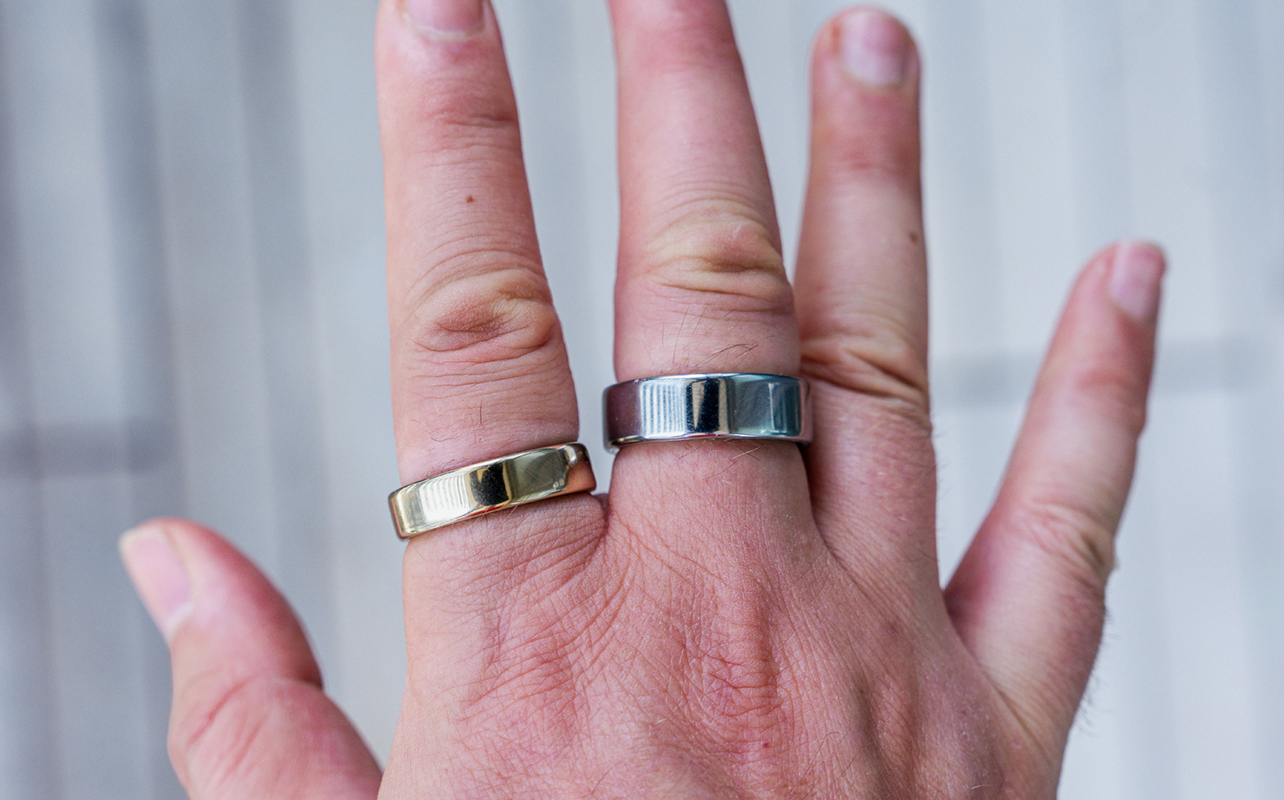
The smaller and lighter body blends in a lot more like a regular ring, so I can say it does feel different to wear the Ring 5 over the Ring 4. Not surprising given that getting thinner in both respects is going to be obvious as you move your finger a lot throughout the day. Mind you, I’m not saying the Ring 4 is uncomfortable since I wore it without noticing for a long time. I just got to that point faster with the Ring 5.
Oddly, though, Oura chooses to not change the charging cradle. It’s still the same as before, meaning it’s not a case that you can close shut and take with you. This is a miss, in my opinion, but the company does offer a case as a separate accessory.
Setup and Oura app
Nothing much changes for the setup process, and fortunately, you don’t need to remove a previous Oura Ring first before setting up the Ring 5. The app is available on iOS and Android and runs through the same step-by-step guide.
If you’re moving on from a previous Oura Ring, the app simply carries on from your established data with the new ring. It still takes about two weeks to get a fuller picture of all the metrics. The same three tabs—Today, Vitals, My Health—remain the primary sections leading to a daily summary, sleep data, daytime stress, heart rate, and more holistic scores that encompass the various metrics.
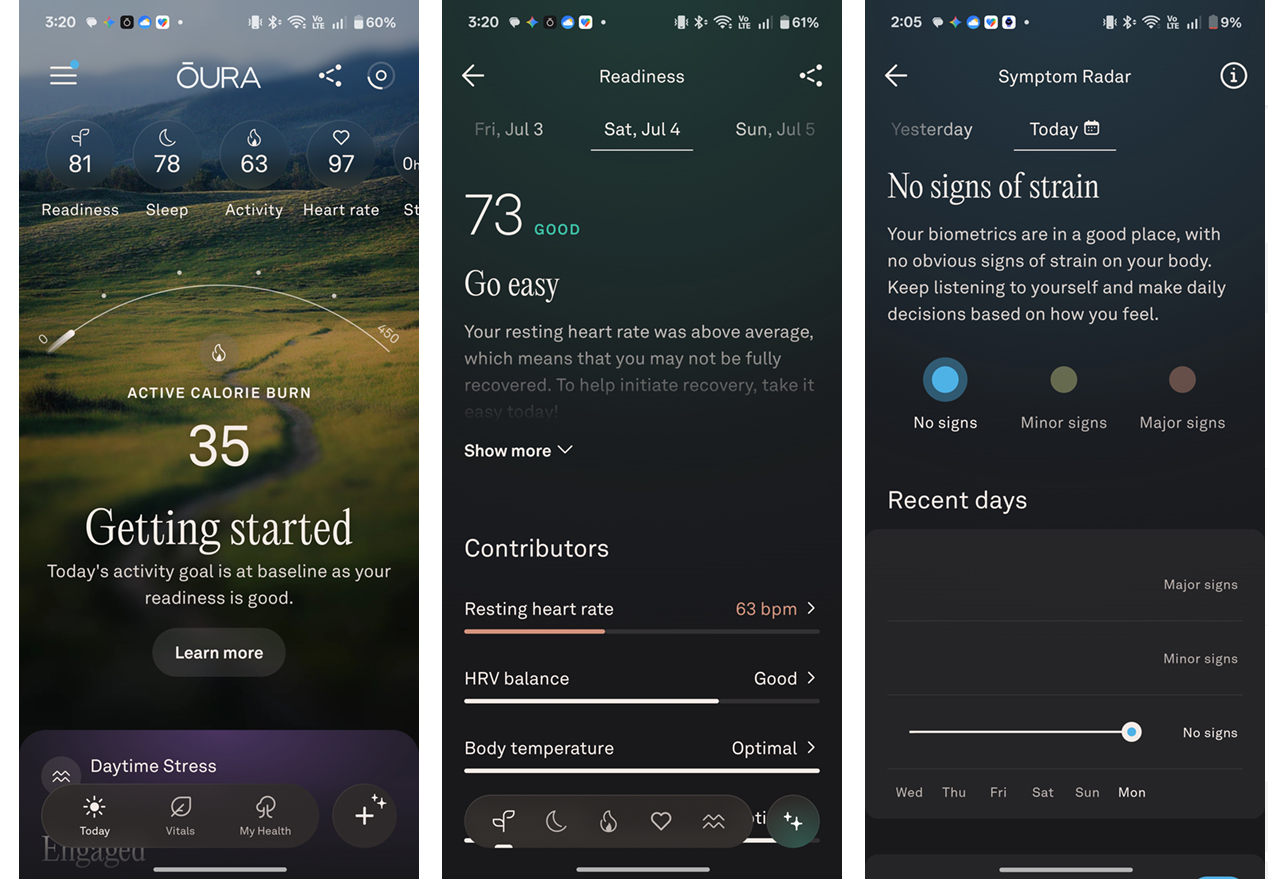
At a base level, the Ring 5 isn’t focusing on different things but is better at bringing in the information. The exposed sensors make better contact with the skin, thereby leading to, in my estimation, more accurate data.
While Oura keeps updating the software, the general focus across the board remains. Vitals lays out the various sections as a quick way to dive into sleep, readiness, activity, and other scores. Since these are daily readings, they become all the more interesting when you dive into the numbers and understand what’s happening.
One of the more fascinating aspects in this is the ring’s ability to know if you’re coming down with something through Symptom Radar. Based on your sleep data, the app can warn you that you might be coming down with a cold or flu. For now, you can find it under Readiness but eventually it will roll into a broader setting called Health Radar. Note that only a few countries have that rollout but Canada will get it sometime in the future.
The subscription matters a lot
If you already subscribe to Oura, then you know what I’m about to note here. If you’re new to it, you get 30 days to try out all the features before signing up. I will tell you that you don’t have much of a choice because the vast majority of tracking and features fall behind the paywall. Without it, you only really see basic Readiness, Sleep and Activity scores.
It’s still $7.99 per month or $89.99 annually (plus tax) in Canada. The annual fee is cheaper in the long run and, frankly, worth it if you want to better understand where things are at in the grander scheme.
Activity tracking and wellness
Oura makes some impressive adjustments in tracking movement and exercise, now capable of recognizing over 40 exercises and tracking them automatically. You can also start and stop an activity or workout yourself manually.
Despite that, I have to stress that these features, while cool to have, won’t match the capabilities of a smartwatch or fitness tracker. There’s still no screen, no onboard GPS, nor haptics to provide physical feedback upon reaching a certain goal or metric. It can leverage some of the elements phones offer, like visual feedback and GPS but you’re using this as more of a passive tracker in the sense you’re not interacting with it.
The good news is the better sensor readouts plus the software updates combine for improved accuracy in some respects. Not that a smart ring is great for tracking steps but at least the numbers won’t look inflated. Previously, Oura struggled to avoid that because swinging your arms while walking or even talking would be misconstrued. That doesn’t happen now.
I still like Cardiovascular Age as a telling metric because it provides at least some indication of whether my heart is doing well for my age. But the app doesn’t let me off the hook by consistently noting that I need to be more active. The main thing about the Ring 5 that stands out is the disparate tracking numbers all mean something when aggregated together.
Even so, I would totally understand the idea of having both this ring and a fitness tracker. Third-party app integrations with Strava, Wild AI, Noom, Zero, Headspace, Flo, Glow, Clue and Natural Cycles also maintain.
Sleep tracking
Sleep tracking is the biggest reason why. As always, this is the best feature of an Oura Ring, and it comes off as exceptional in this ring. Personally, I never felt uncomfortable wearing the Ring 4 but the Ring 5 is easier to forget. I often had to remind myself to make sure the slit was facing down after washing my hands and brushing my teeth before bed.
Improved heart rate tracking is a key reason why sleep scores feel more accurate. When I see a Fair, Good, or Excellent score, I concur because it reflects how I’m feeling. I’m fortunate that sleep quality isn’t a general issue for me but I appreciate the extensive insights into what’s helping me keep it that way.
It’s excellent at recognizing naps or snoozes and can adjust broader figures to reflect the restfulness that might come from the limited slumber. Oura’s strength, at least to me, has long been the way it presents sleep-related info, complete with graphs, charts, numbers, and context. Sleeping later than usual or possible alcohol intake can be factors. If you go further and manually log food and beverage consumption, context only gets more specific.
That latter part makes you put work in but it’s worth it if you’re managing a lingering issue or trying to improve your overall health. It’s just not a substitute for a true medical device. It won’t recognize AFib (atrial fibrillation) for sleep apnea, but it can pick up on breathing irregularities and warn about them.
Battery life
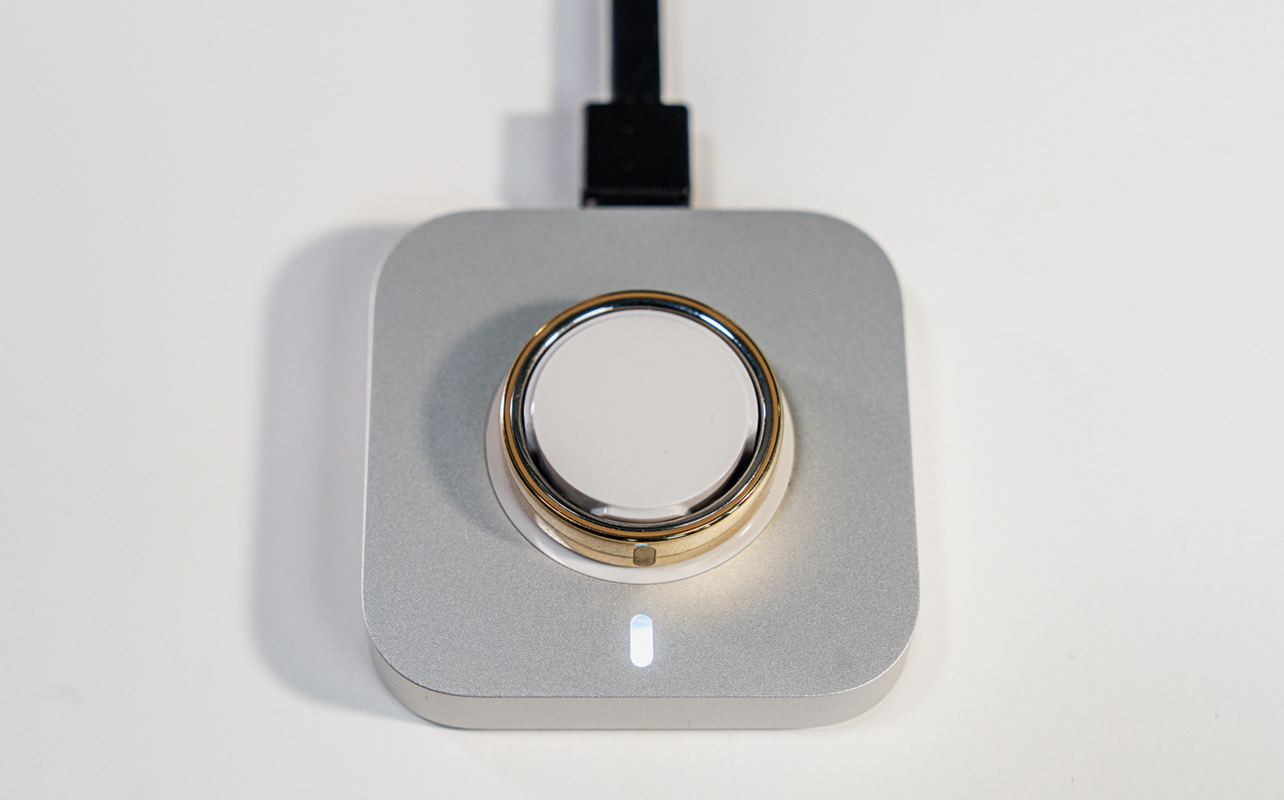
I’m impressed that the Ring 5 can last a full day longer than the Ring 4 despite its smaller size. The range is between 6-9 hours, mostly determined by the physical size of the ring itself. Mine, being a size 12, gets into the longer side of that where I charge it roughly every nine days. That won’t happen if you’re wearing a size 6, which will tend to need a charge after six days.
Final thoughts on the Oura Ring 5
So much of what Oura adds or improves upon in the app is available to the Ring 4 as well. The way the sensors capture data may differ based on how it fits but there are no feature contrasts between them as far as what one ring tracks compared to the other. It’s just down to a thinner, lighter fit, along with improved sensor contact with the newer ring.
If you choose to buy the Ring 5, know that the subscription is an integral part of the purchase. It’s necessary just to get everything it can do, unlike competitors who don’t do things the same way. And yet, Oura is still the best in the industry in how it tracks metrics. Cutting down for size finally addresses one of the drawbacks from previous models.
Check out the Oura Ring 5, available now in multiple colours and sizes.