
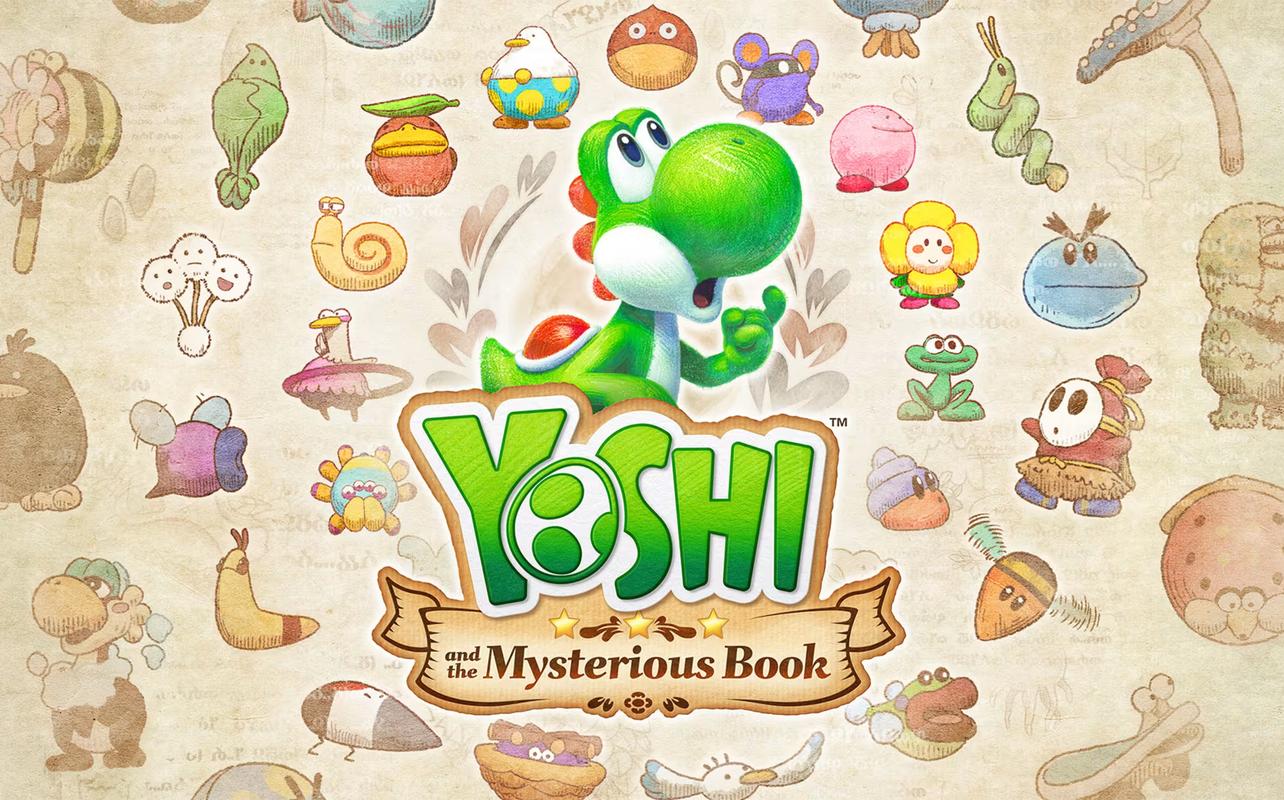
Yoshi and the Mysterious Book is one of the easiest Nintendo Switch 2 games to recommend for families, but not for the reason I expected. This isn’t a traditional Yoshi platformer with harder jumps, hidden paths, and a straight run to the goal. It turns Yoshi’s usual moves into ways to study creatures, filling Mr. E’s pages as you figure out how each habitat reacts to him.
That makes it a great fit for younger Nintendo fans, completionists, and anyone who likes experimenting without a lot of pressure. I kept going back into pages because one missing entry would make me rethink what I had tried, who I had carried, or which part of the habitat I had ignored. The challenge comes from observation and curiosity, not missed jumps or constant danger. But does Yoshi’s new book-based adventure offer enough variety to make it worth adding to your Nintendo Switch 2 library? Let’s take a closer look.

Yoshi and the Mysterious Book details
Platform(s): Nintendo Switch 2
Reviewed on: Nintendo Switch 2
Developer(s): Nintendo
Publisher(s): Nintendo
Genre: Action, Adventure
Modes: Single-player
ESRB Rating: E (Everyone)
Mr. E’s pages keep the story simple
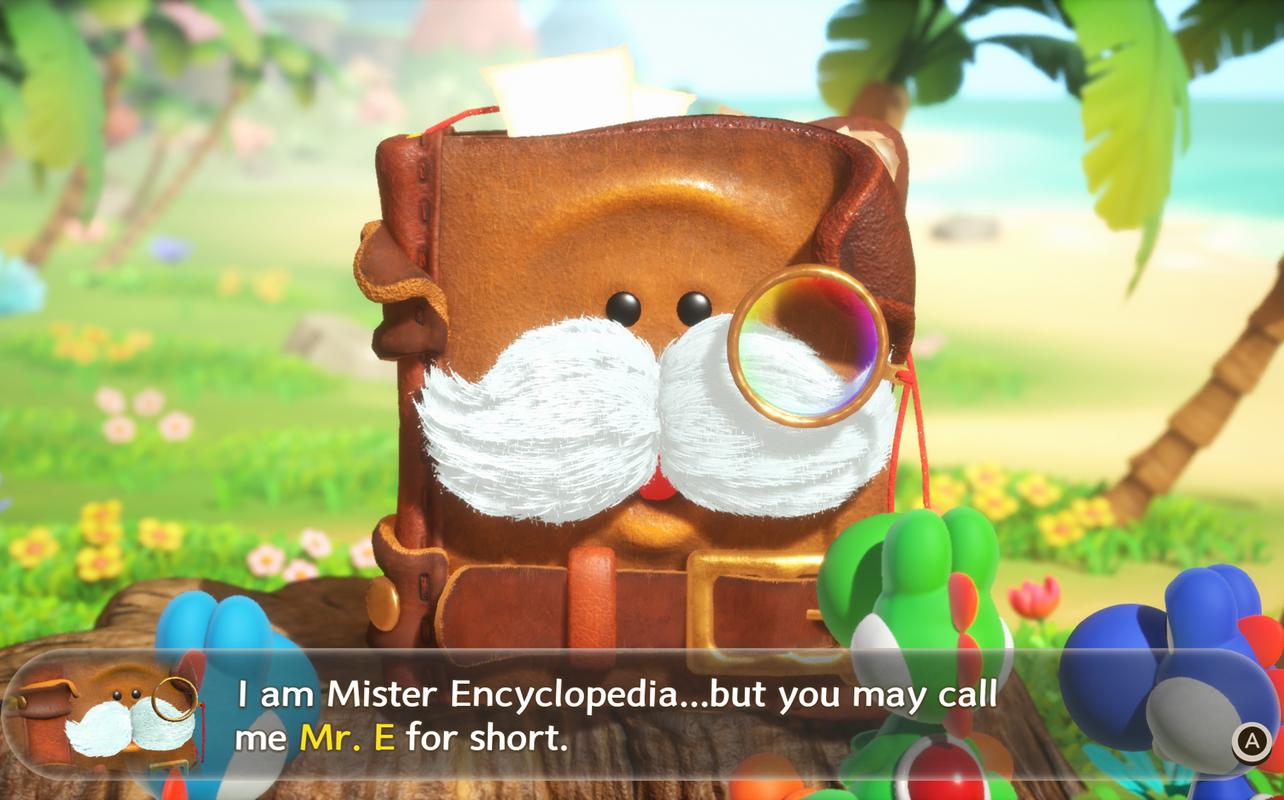
Yoshi and the Mysterious Book begins with Mister Encyclopedia, also known as Mr. E, a talking book that has lost the creature knowledge inside its pages. Bowser Jr. enters the book looking for a creature of his own, and Kamek follows him to keep the young Koopaling out of trouble. Yoshi jumps into the book’s chapters to study creatures, record discoveries, and help Mr. E rebuild his missing entries.
The story stays light from there. Bowser Jr. and Kamek appear throughout the adventure, but they aren’t chasing Yoshi through every page or turning the book into some urgent rescue mission. Their role is more playful than threatening, giving the adventure a few boss encounters and rescue moments without turning the story into a major showdown. Most of the time, they add a bit of mischief before Yoshi moves on to the next habitat. That works for the kind of game this is, since each page is more about learning what a creature does than waiting for the next plot turn.
I do wish Bowser Jr. had more screen time because he’s fun when Nintendo lets him be a pest. There are moments where his search inside the book hints at a stronger story thread, and I wanted the game to pull on that a bit more. Still, the lighter story fits the pace. Yoshi and the Mysterious Book is more interested in what’s hiding inside each page than in building toward a big villain payoff. The adventure also has more to say after the credits first roll, which helps Mr. E’s story wrap up with a little more purpose.
Creature entries make each page worth revisiting
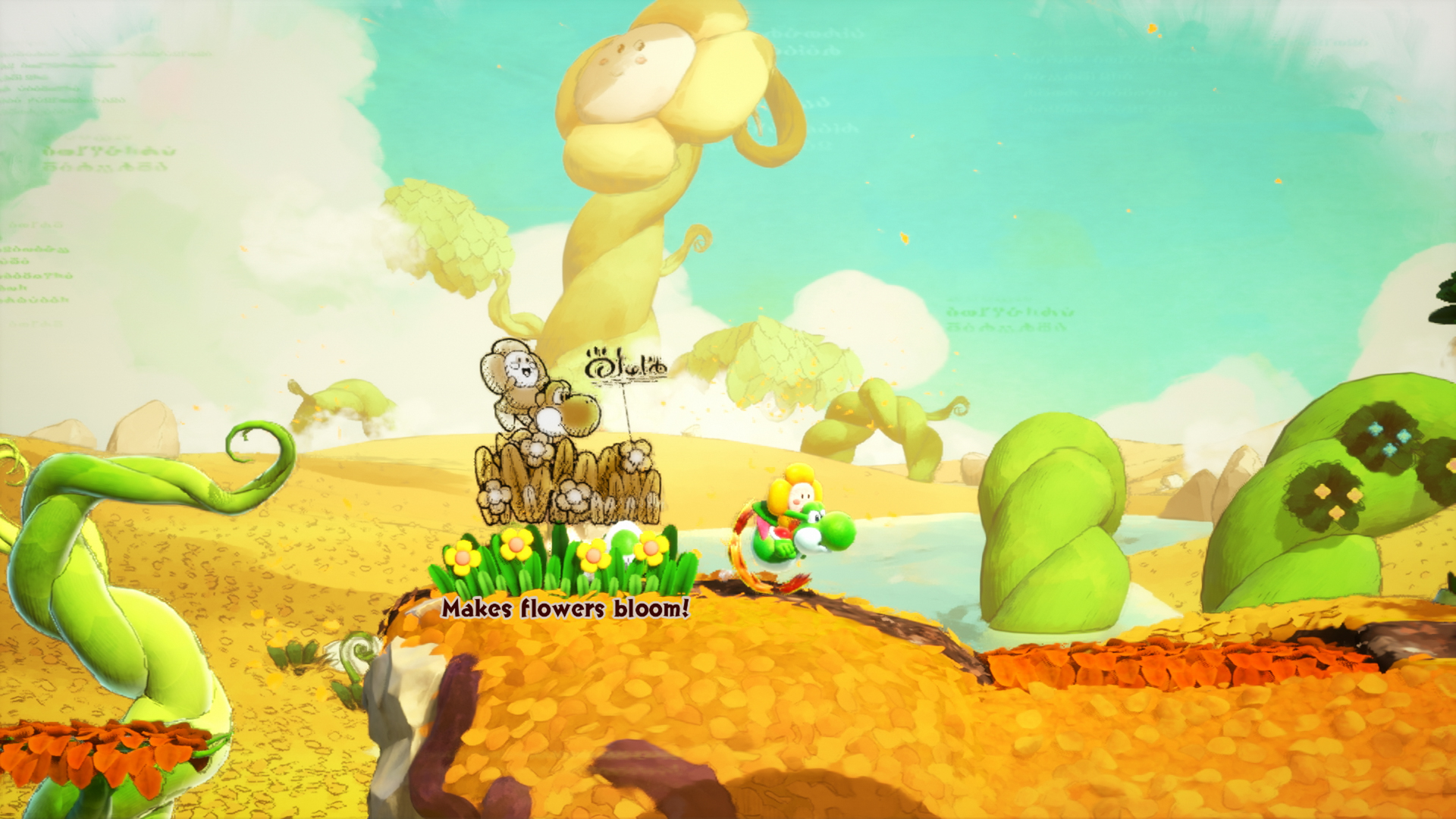
Yoshi and the Mysterious Book changes the usual Yoshi formula by making discovery the main goal. You aren’t always trying to reach an exit or collect everything on the way there. Each page gives you a habitat, a creature, and a set of entries to uncover by experimenting with Yoshi’s moves. That means a familiar enemy or object isn’t just something to avoid. It might react to being eaten, carried, hit with an egg, moved near another creature, or brought to a different part of the page. When something works, Mr. E records a discovery and gives you stars that open more chapters. It’s a simple idea, but it changes how you play. Instead of rushing forward, you start asking what else a creature can do.
This is where the game started to get me. I’d clear what looked like the main task, check the page results, and realize I still had entries missing. That usually sent me back in with a different plan. Maybe I had ignored part of the habitat, or I had used the right creature in the wrong spot. Maybe I needed to bring an item somewhere I hadn’t considered yet. That structure gives Yoshi and the Mysterious Book more staying power than it first seems to have. It’s not difficult in the usual platforming sense, but it does ask you to observe, test, and rethink how each page works. For completion-focused Nintendo fans, that gives every return visit a real purpose.
Yoshi’s familiar moves have a different job
Yoshi still plays like Yoshi, which is important. He eats enemies to make eggs, throws those eggs at targets, ground pounds through parts of the area, carries items or creatures on his back, and uses the Flutter jump to stay in the air longer. The difference is that those moves aren’t just there to get him from one side of the page to the other.
Eating an enemy creates an egg, and that egg may hit a target, reach a creature, or trigger a reaction somewhere else. Carrying a creature changes what Yoshi brings into the page, so a small area may open up once you move the right creature to the right spot. Ground pounding still breaks through parts of the environment, but it also gives you another way to test how creatures respond.
That’s where the game’s lower difficulty makes sense. Yoshi and the Mysterious Book isn’t trying to punish missed jumps or enemy contact. It gives you room to experiment without constantly sending you back. For younger gamers, that makes the adventure more welcoming. For completion-focused Nintendo fans, it means the challenge comes from asking better questions about each page. I found myself using Yoshi’s basic moves differently as the game went on. Instead of throwing an egg because something looked breakable, I started throwing one because I wanted to see what would react. That’s a small change, but it does a lot for a Yoshi game built around discovery.
Hints keep discovery from turning into guesswork
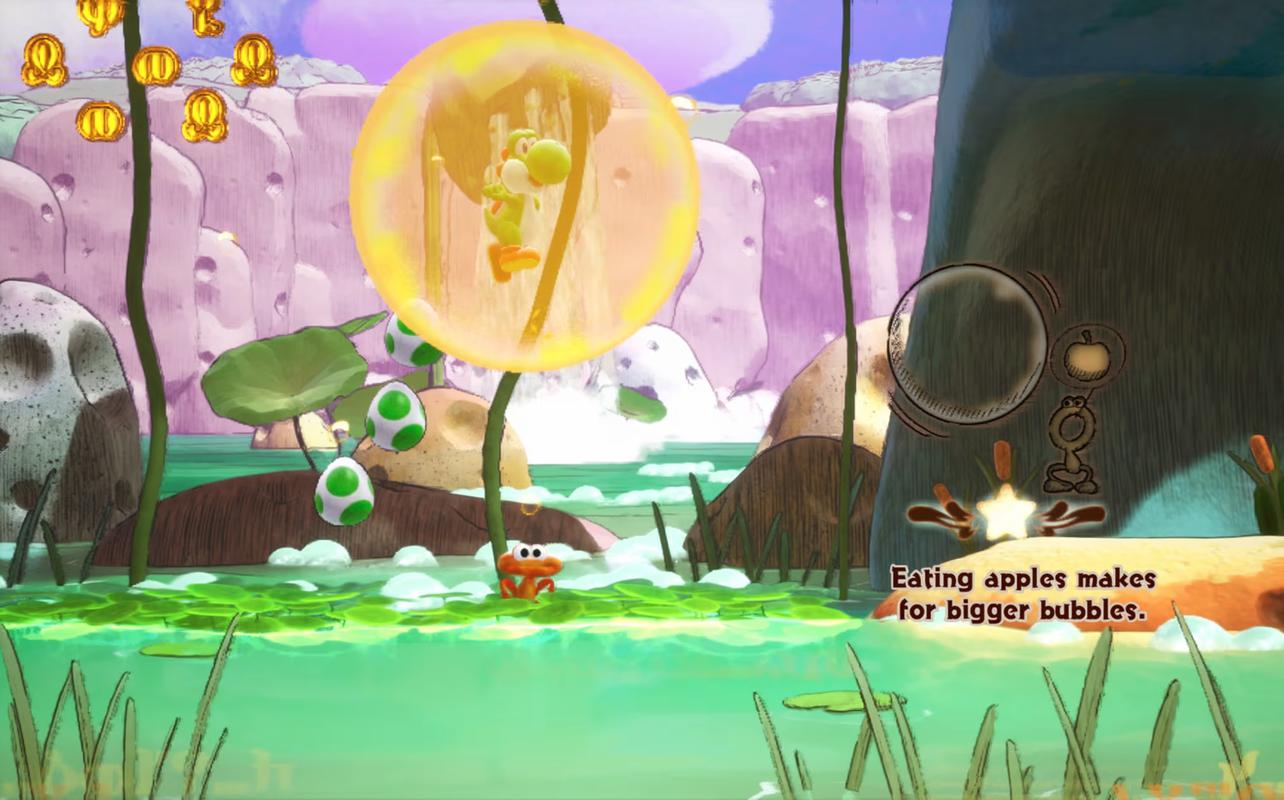
Yoshi and the Mysterious Book gives you help without taking away the fun of figuring things out. Coins can be used for hints, which is useful when a page has one missing entry and you’ve already tried every obvious interaction. Later on, tracking tools help point you toward unfinished discoveries, so cleaning up Mr. E’s book doesn’t become a blind search.
That balance is important for a family-focused Nintendo game. A younger gamer can use hints to keep moving instead of getting stuck on one creature. A completionist can ignore them until the cleanup stage, then use them to narrow down which page still needs work. The game doesn’t force one approach, and that makes the discovery structure work for more than one type of Nintendo fan.
Creature naming adds a small personal touch too. After studying a creature, you can give it a name, which makes Mr. E’s book come across less like a plain checklist. Choosing Yoshi’s colour does the same thing before you enter the pages. These are small details, but they fit the idea that you’re learning about the creatures rather than just clearing levels. The tradeoff is still there. If you want Yoshi to test your timing or push back with tougher platforming, the hints and tools won’t change that. Boss encounters and Bowser Jr. moments add action, but the main draw is still observation, testing, and filling in the book one entry at a time.
Storybook art brings Mr. E’s pages to life
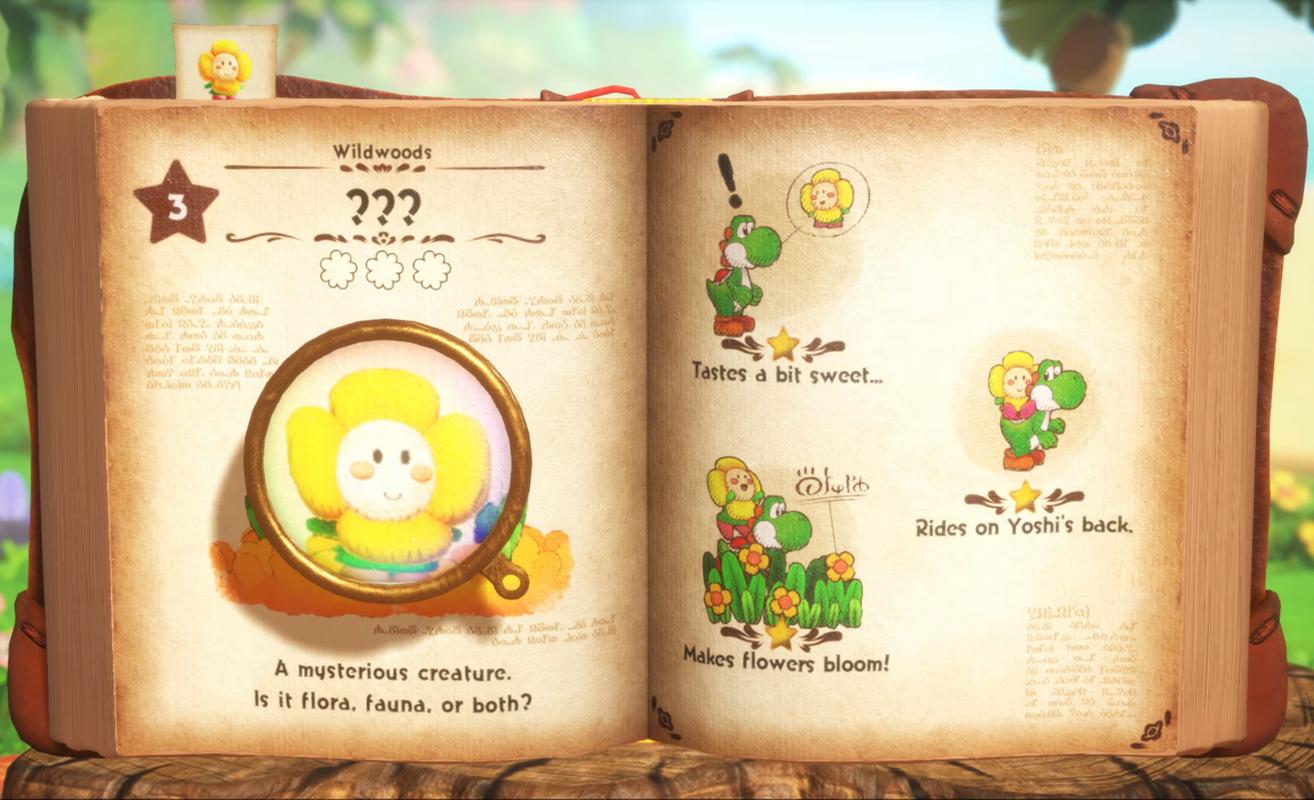
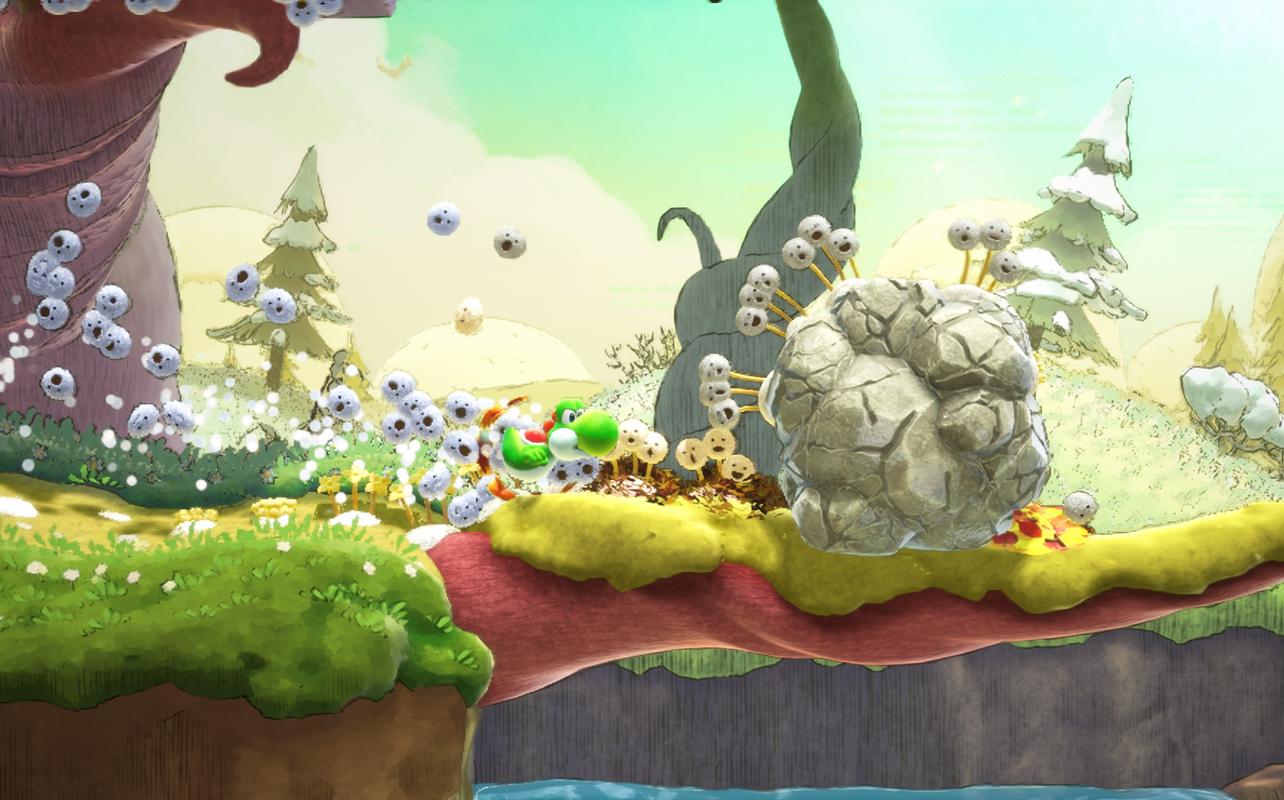
Yoshi and the Mysterious Book gets a lot of personality from its storybook art direction. The world inside Mr. E’s pages uses hand-drawn details, soft backgrounds, and creature designs that fit the book theme. It doesn’t look like Yoshi’s Woolly World or Yoshi’s Crafted World, but it follows the same idea of giving each Yoshi adventure its own visual identity.
Yoshi himself is a big part of why the presentation works. His reactions make discoveries more fun to watch, especially when he responds to creatures, food, or a successful experiment. Yoshi and the Mysterious Book doesn’t need long cutscenes to show who Yoshi is because so much of that comes through in small motions. The way he carries something on his back, reacts after a discovery, or watches a creature change gives the book world more personality.
Creature animation also helps you figure out what to try next. If a creature changes colour, moves differently, reacts to an object, or behaves differently after Yoshi does something nearby, that visual cue can point you toward another entry. That’s important in an adventure where watching carefully is part of the challenge. The music has the right mood for Yoshi, but it repeats itself more than I wanted. I came away remembering the creature reactions and storybook look far more than the soundtrack. Yoshi and the Mysterious Book is at its best when you’re watching Yoshi react to something small and realizing that tiny moment may lead to another entry in Mr. E’s book.
Yoshi and the Mysterious Book is an easy family recommendation
It’s easy to see that Yoshi and the Mysterious Book works because it knows exactly what kind of game it wants to be. It isn’t chasing tough platforming, a big story twist, or constant action. It’s about studying creatures, testing Yoshi’s usual moves in new ways, and slowly filling Mr. E’s book with discoveries.
| Pros | Cons |
| Creature discovery changes how you approach each page. | Some music repeats more than expected. |
| Very approachable for families and younger gamers. | Not meant for those looking for a tough platformer. |
| Yoshi’s animations add a lot of personality. | The story takes a back seat to creature discovery. |
| Optional hints and tracking tools help without taking over. | |
| Strong fit for completion-focused Nintendo fans. |
That makes it an easy recommendation for families, younger Nintendo fans, and completion-focused gamers who like checking every corner before moving on. It’s also a good choice if you enjoy clearing a page, checking what’s missing, and going back in with a new plan. You always have another creature entry to find, another page to revisit, or another hint to follow when you’re stuck.
Overall assessment of Yoshi and the Mysterious Book
Gameplay: 4/5
Graphics: 4.5/5
Sound: 4/5
Lasting Appeal / Replayability: 4.5/5
Overall Rating: 4.3/5 (86%)
The trade off is worth knowing before you buy. If you want Yoshi to push your platforming skills or tell a more involved story, Yoshi and the Mysterious Book may come across as too light. But if you’re buying it for a younger gamer, a Yoshi fan, or someone who enjoys slower discovery-based adventures, this is a strong addition to the Nintendo Switch 2 library.