
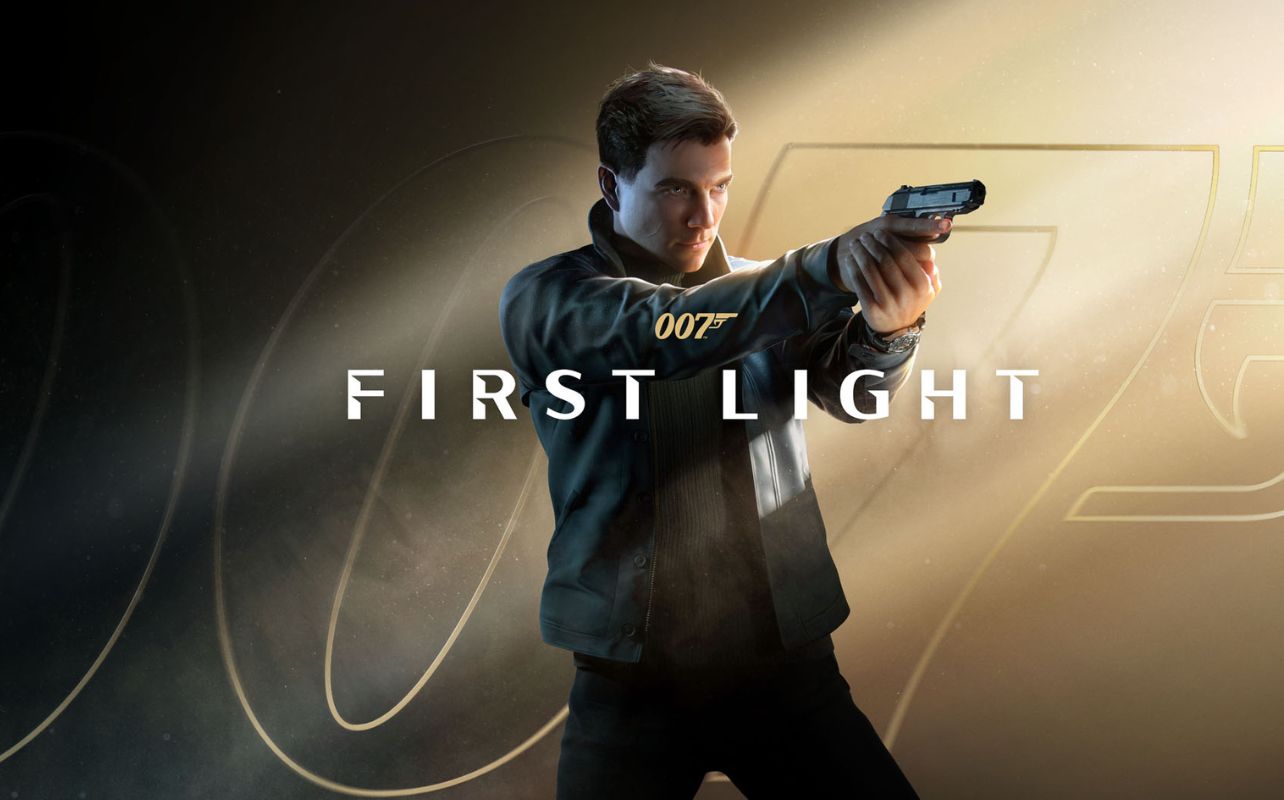
Playing 007 First Light reminded me how hard it is for a James Bond game to get the spy side right. The shooting and car chases are here, but the game finds its footing when Bond is bluffing past suspicion, reading a room, using Q-Branch gadgets, and recovering after his cover falls apart. That is where IO Interactive’s take on Bond finds its identity.
If you’re looking for a massive open-ended Hitman-style sandbox, 007 First Light isn’t that game. This is a directed third-person action-adventure with stealth, gadgets, close-quarters fights, gunplay, and short vehicle sequences built around a young James Bond origin story. I’d recommend it most to Bond fans and action-adventure fans who want a full single-player campaign with personality, not a replay-first stealth playground.
007 First Light’s main tradeoff is replay value. The campaign runs around 15 to 20 hours, depending on how much you explore, and Tactical Simulation mode adds extra challenge content beyond the story. Even so, the main draw is the campaign itself. But does 007 First Light bring James Bond back to games in a way that’s worth buying? Let’s take a closer look.

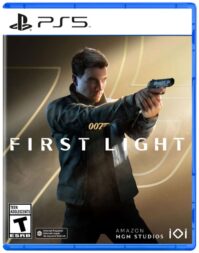
007 First Light details
Platform(s): PS5, Xbox Series X|S, PC, Nintendo Switch 2 (Later in 2026)
Reviewed on: PS5
Developer(s): IO Interactive
Publisher(s): IO Interactive
Genre: Action-adventure
Modes: Single-player
ESRB Rating: T (Teen)
A younger Bond makes the story more interesting
007 First Light starts before James Bond has earned 00 status, and that gives the story a stronger way in because he isn’t treated like the finished super-spy from minute one. He begins as a talented but unproven operative who catches MI6’s attention after a mission goes wrong. From there, he enters the Double 0 program and gets pulled into a larger threat involving a rogue agent.
That early stretch works well for both longtime Bond fans and newcomers. Longtime Bond fans get a version of the character who still has the nerve, charm, and danger they expect. Newcomers get an origin story that explains why MI6 sees him as more than another reckless recruit. You don’t need to know a lot about James Bond to follow the story, but the familiar pieces are there for anyone who knows the films. You also spend time around MI6, Q-Branch, Universal Exports, and other recruits, which gives the agency more presence than usual. The story is packed with familiar Bond ingredients, including M, Q, Moneypenny, gadgets, dangerous missions, and global stakes, but it doesn’t rely only on recognition.
John Greenway also plays an important role as Bond’s mentor. His relationship with Bond helps balance the younger-agent angle because Bond has someone pushing back against his instincts. Bond is charming, capable, and dangerous, but he’s also still figuring out how far self-assurance can carry him before it becomes a problem. Some story turns are easier to spot than others, and the villains don’t get the same room to breathe as the MI6 cast. Still, the cast is one of the main reasons the campaign holds together. This version of Bond has enough familiar attitude to work as 007, but the younger approach gives the campaign its own flavour.
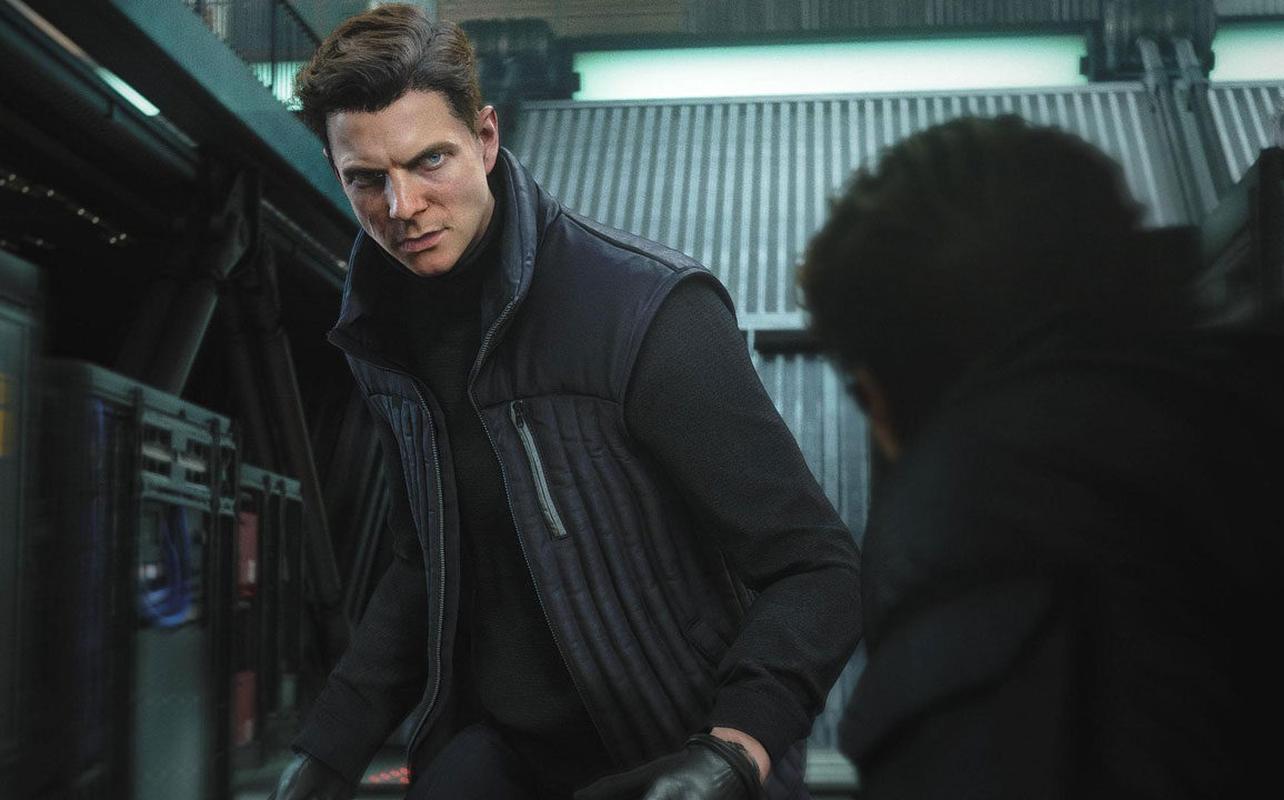
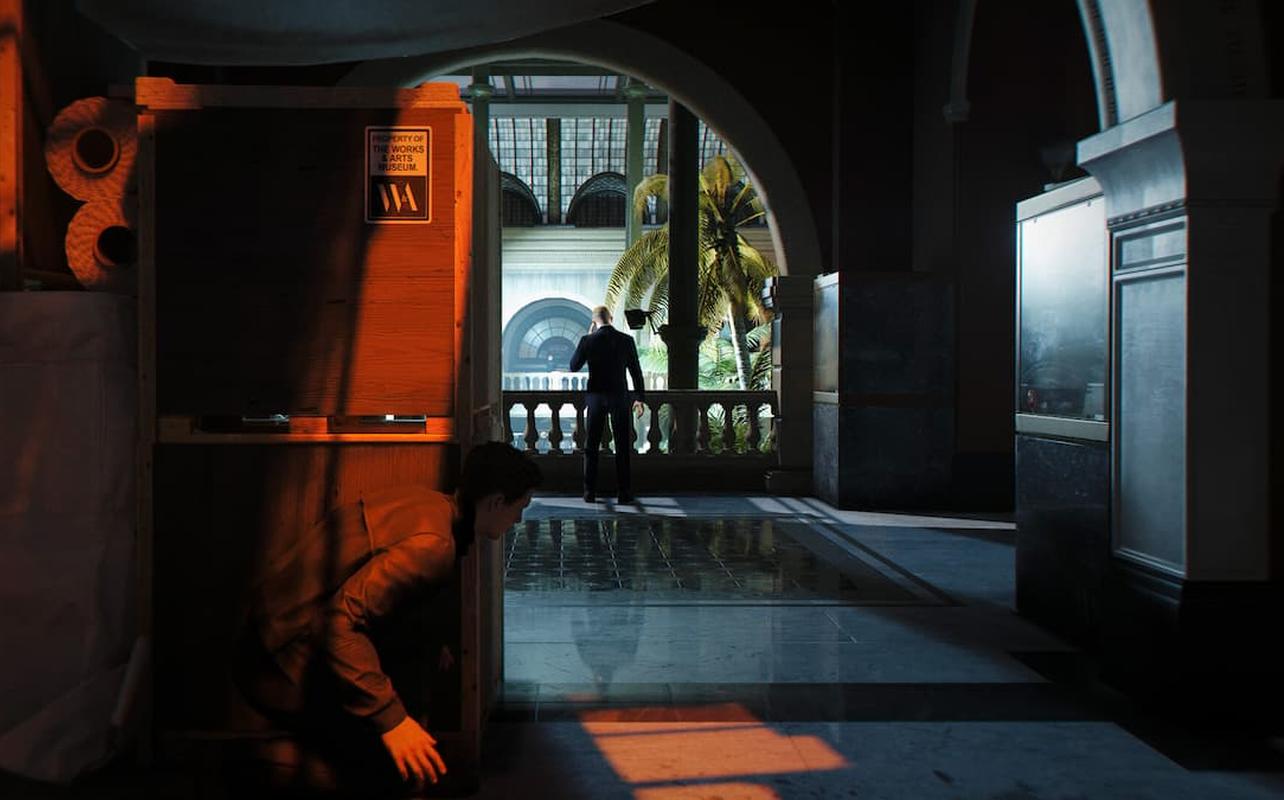
Social stealth and Q-Branch gadgets drive the spy work
The best missions in 007 First Light are built around reading a space before acting. Bond can eavesdrop on conversations, watch guard patterns, find alternate routes, and use Q-Branch tools to create openings. That makes each restricted area more than a simple crouch-walk section. You’re looking for the small crack in the room that lets Bond move forward without turning every mistake into a shootout.
The Q-Lens, Q-Watch, Laser Strap, Dart Phone, Smoke Pod, and Flash Mine all support that spy fantasy. The Q-Watch can interfere with electronic devices, which lets you distract guards or cover Bond’s movement through a restricted area. The Dart Phone can remove a guard from a patrol path by forcing them to leave their post. The Laser Strap and other tools add more ways to interrupt a situation before it turns into a full fight.
Bluffing is one of the most useful ideas here. When Bond is caught somewhere he shouldn’t be, he isn’t always finished. In some situations, he can talk his way through suspicion long enough to keep moving. That makes failure less binary. Instead of restarting because one guard turned at the wrong time, you get a chance to recover and improvise. The gadgets also keep each objective easy to follow. You’re usually solving a smaller problem in front of you. Move one guard, create a distraction, get through a restricted door, or escape before the room turns hostile. That keeps the spy work involved without making it overwhelming.
That approach also helps the game avoid becoming a pure stealth test. You can sneak through plenty of spaces, but the fun comes from combining the tools. Distract one guard, use a gadget on another, walk through a crowd, then talk your way out when someone questions you.
Close-quarters combat has more bite than gunplay
When stealth breaks down, 007 First Light shifts into close-quarters combat quickly. Bond can punch, counter, grab, disarm, and use nearby objects to turn a bad position around. These fights are more physical than I expected from IO Interactive. Bond doesn’t just trade punches in a clean arena. He crashes through spaces, uses furniture, and forces enemies out of position. That makes brawling a smart fit for this version of Bond. He’s not only a spy with gadgets. He’s someone who can survive when a careful plan falls apart. If a guard blocks your path, a gadget can distract them. If that fails, a bluff can buy time. And, if that fails too, Bond can grab, counter, or use the room itself to create an opening.
Gunfights are more straightforward. They help the campaign shift into big Bond action, but they don’t have the same personality as the stealth and brawling. You’ll move between cover, use explosive objects when enemies group together, and fight from a distance when stealth is no longer an option. The issue is that shooting rarely has the same spark as using gadgets or working through a restricted area. The combat is more fun when it starts because your stealth plan falls apart. Getting caught, recovering with a bluff, knocking one guard aside, then grabbing a weapon from the room fits Bond well. Longer shooting sections are less memorable because they move the game closer to familiar cover-based action.
Driving sections show up in short bursts and help bring in the Bond car-chase flavour without taking over the campaign. They’re entertaining as breaks from sneaking and fighting, but they don’t become the centre of the experience. Keeping those sections brief was the better choice.
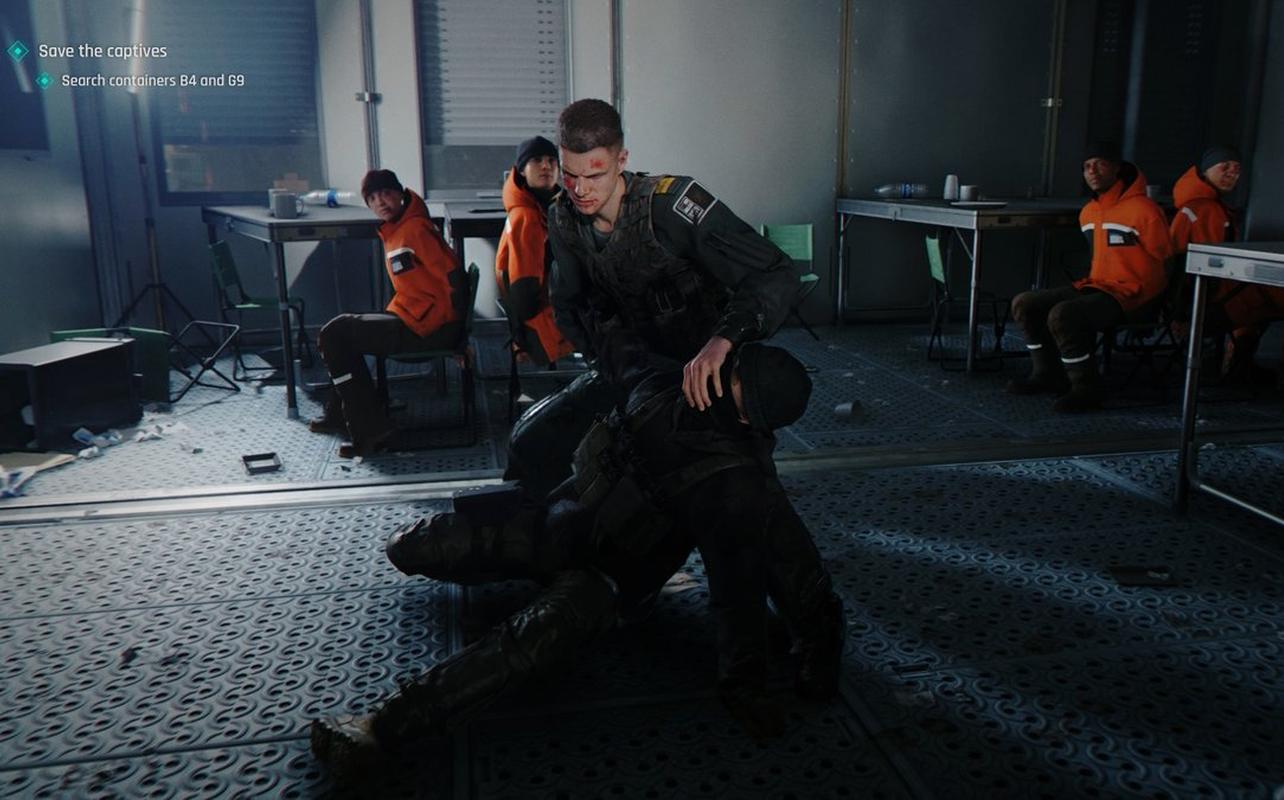
007 First Light looks sharp and plays better in Performance mode
007 First Light looks like a modern Bond game should, with sleek MI6 spaces, luxury interiors, crowded social areas, and enemy compounds that all fit the spy setting. These locations have enough detail to make the world look appropriately high-end without turning every space into a sightseeing tour. The campaign moves through a wide range of places, and the more detailed areas make you want to slow down and look for routes instead of rushing straight to the marker.
Character work is just as important as the environments. Patrick Gibson’s Bond has the right mix of swagger and inexperience for an origin story. The supporting cast helps keep the campaign from revolving only around Bond. Moneypenny, Q, Greenway, and the other MI6 figures make the agency more than a briefing room between missions.
007 First Light has two graphics modes to choose from, and Performance mode is the one I recommend. Resolution mode runs at 4K and 30 frames per second, while Performance mode targets 60 frames per second. In a game where sneaking through a restricted area can turn into a fistfight fast, the quicker response makes more of a difference than a higher resolution image. Resolution mode is still worth trying if you care most about image quality, but 007 First Light plays better when the controls respond faster. You’re often reacting to a guard spotting you, moving between cover, or recovering after a gadget plan goes sideways. Performance mode is the best choice for how the game actually plays.
007 First Light has a few visual rough edges worth mentioning. Distant pop-in can show up, and some background faces don’t have the same detail as the main cast. I wouldn’t call either one a deal-breaker, but they’re noticeable next to the game’s better-looking locations and character scenes. 007 First Light also includes useful accessibility options, including reduced light effects, flashbang dark effect settings, subtitle adjustments, ambient dialogue settings, and menu narration options. Those settings are helpful in a spy game where eavesdropping, background chatter, and visual effects can all play into how you follow a mission.
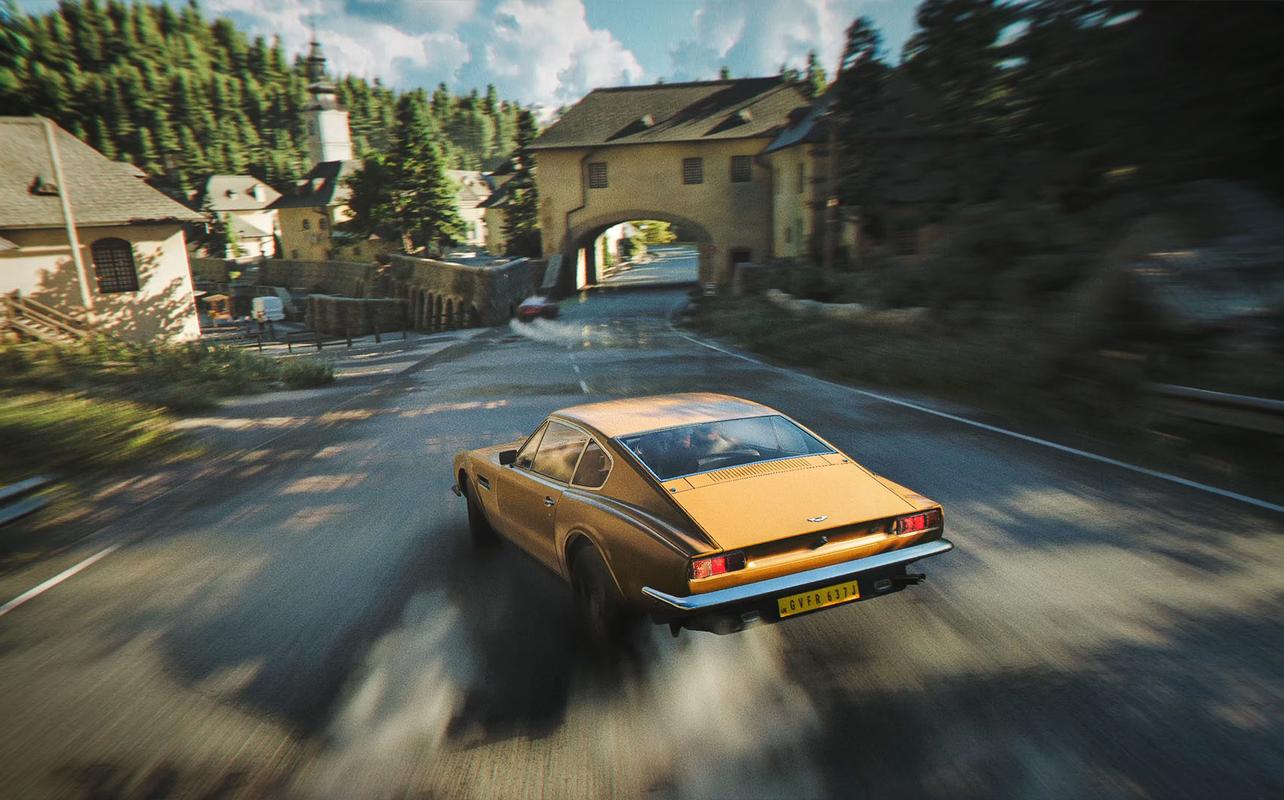
007 First Light brings Bond back with the right focus
007 First Light is the kind of Bond game that understands the license is about more than guns, cars, and suits. Those pieces are all here, but the game has more personality when Bond is acting like a spy. Eavesdropping, bluffing, Q-Branch gadgets, restricted areas, and hand-to-hand escapes help turn James Bond into a modern single-player action-adventure.
007 First Light isn’t perfect. The shooting is serviceable, the action scenes don’t always match the stealth missions, and the campaign isn’t built around constant replaying. If you expected IO Interactive to give Bond the same replay-heavy structure as Hitman, go in with different expectations. 007 First Light is a guided Bond campaign with optional paths inside missions.
| Pros | Cons |
| Strong young Bond origin story | Not as replay-focused as IO Interactive’s Hitman games |
| Bond’s bluffing and social stealth tools make missions more interesting | Shooting is less interesting than stealth and brawling |
| Q-Branch gadgets create useful options during missions | Vehicle sections are brief |
| Hand-to-hand combat makes failed stealth fun to recover from | Some story turns are easy to predict |
| Tactical Simulation mode adds extra challenge content |
If you go into 007 First Light expecting a story-driven Bond adventure, it’s much easier to appreciate what IO Interactive has built here. It’s worth your time if you want stealth tools, gadgets, close-quarters fights, and a campaign that moves with purpose. It also works well if you like action-adventure games but don’t want a massive open stealth map to learn from scratch.
If you’re hoping for deep replay value or wide-open stealth spaces, you may want to hold off on 007 First Light until you’ve seen more of how the missions are built. For most Bond fans, though, 007 First Light is the kind of comeback the franchise needed.
Overall assessment of 007 First Light
Gameplay: 4/5
Graphics: 4.5/5
Sound: 4/5
Lasting Appeal / Replayability: 4/5
Overall Rating: 4.1/5 (82%)
007 First Light brings James Bond back to games with a campaign that puts spy work first and action second. Its best missions let you read the room, use the right gadget, and recover when a plan falls apart. That makes it well worth a look for Bond fans who want a story-driven single-player adventure built around stealth, gadgets, brawls, and a younger version of 007 finding his place at MI6.