
Musical Instruments

Mackie OnyxGO wireless clip-on microphone review
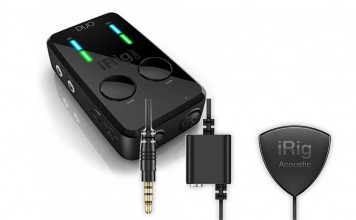
iRig Acoustic and iRig Pro Duo take music recording mobile.
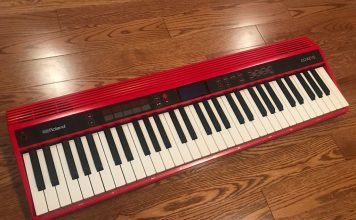
Roland GO:KEYS 61 Keyboard review
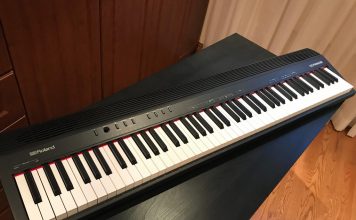
Roland GO 88-Key Digital Piano review
NAMM 2016: Roland Keyboards
NAMM 2016: A new generation of Marshall amplifiers
IK Multimedia iLoud Review
The iLoud Studio Monitor Speaker is a small package that can pack a hefty little punch. It’s meant for listening to music like other wireless speakers, but it also has special features. If you’re a musician looking for a small keyboard amp or software-driven guitar amp, or if you need to check mixes on the go to make sure they’ll translate well to other systems, the iLoud has you covered.

NAMM 2014: IK Multimedia
IK Multimedia makes a number of well-respected products for the pro-audio market, but has struck a chord, in a big way, by creating simple devices and apps for the iOS platform. Their “i” line of hardware products allow musicians and music lovers to create, record and produce music on their iOS device in a way that is not intimidating, but also gives access to deep features. They’ve come out with two new iOS products this year: the iRig Mic HD and the iRing.