

AI here, AI there—that pretty much summed up the vibe around the world’s biggest consumer tech show at CES, and it came in many forms. Products and gadgets? Plenty of those. Software that can do wild things? No doubt about it. While some brands stretch the notion of what AI actually is in their products, there are signs of maturity this time around.
Much of what we got to see on the show floor is either prototypical, conceptual, or actually set to hit the market. It would be too difficult to run through all the different products in one article but there are certainly themes to think about.

Edge AI is forging a path forward
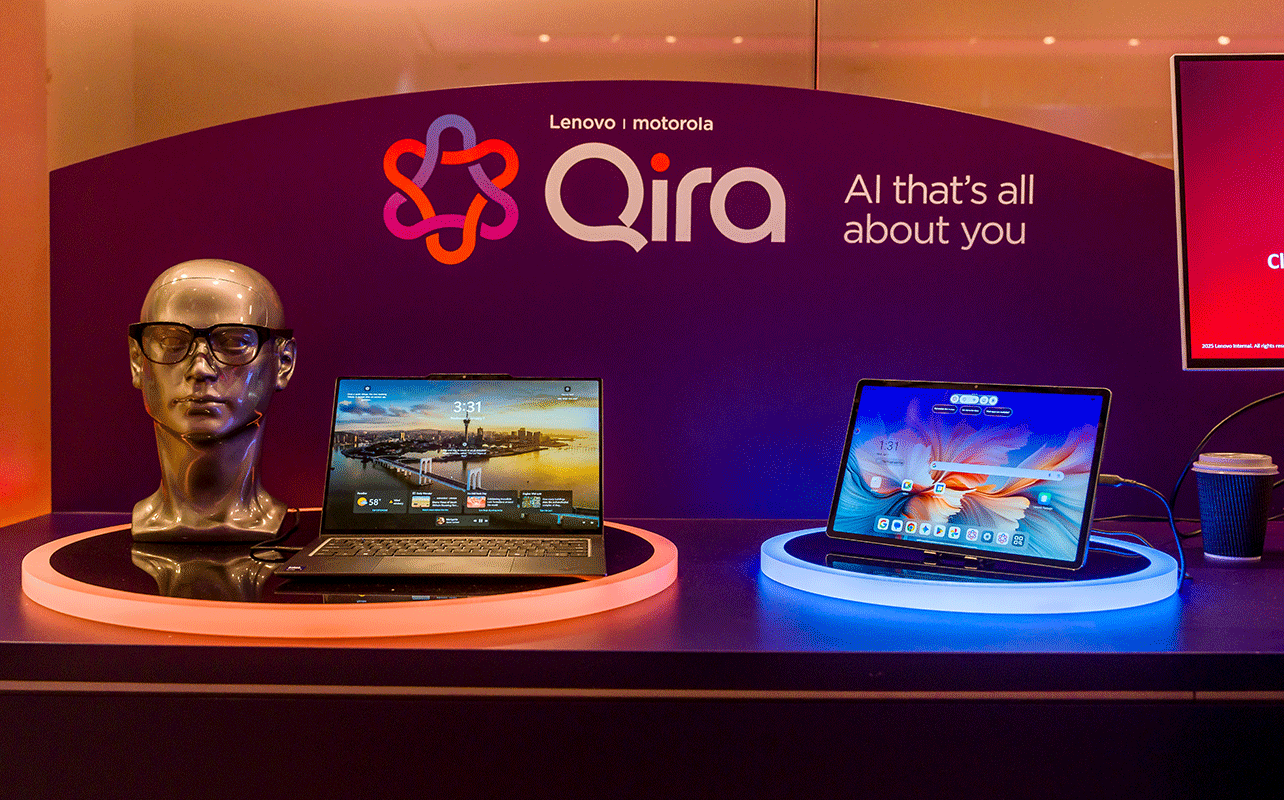
What is Edge AI, you ask? In a nutshell, it’s the terminology the tech industry is generally using for on-device AI processing. Rather than go to the cloud, where privacy isn’t always entirely assured, on-device AI processes never use the internet. Thus, data never leaves the device. You could use Edge AI on a camping trip with zero reception, for instance. A good, everyday example of this is the way your phone unlocks when seeing your face. It doesn’t need a data connection to do that.
With that in mind, chipmakers like Intel, Qualcomm, Nvidia, and AMD all talked about processors designed to increase that capacity. PC manufacturers alike showcased AI workloads running directly on-device, be they laptops, smartphones, cameras, or wearables. In the case of Lenovo’s upcoming Qira AI platform, the idea is to bridge your experience across those devices. Start on one and pick up where you left off on the other. NPUs (Neural Processing Units) are fast becoming standard specs to take on the load in handling real-time vision processing, language translation, and contextual awareness.
The messaging around this is largely about you being in control of your own data. Edge AI is a way to do that for companies who want to be on the right side of any upcoming regulations. It also signals that AI assistance will be part of the user experience regardless of whether the device has connectivity or not.
Robots are getting more capable
Where to even begin with this one. Robotics were a key theme at CES 2026 but they fork into different utility points. You have humanoid robots that can walk, run, dance, roll, pick up heavy things, fight, stretch, and even smile. Many of these are novelties that prove a concept rather than a practical solution. One exception is humanoid robots that can fit into industrial settings, like lifting heavy items, stacking boxes/crates, or operating machinery. Industrial automation may take on a very different form in the years to come.
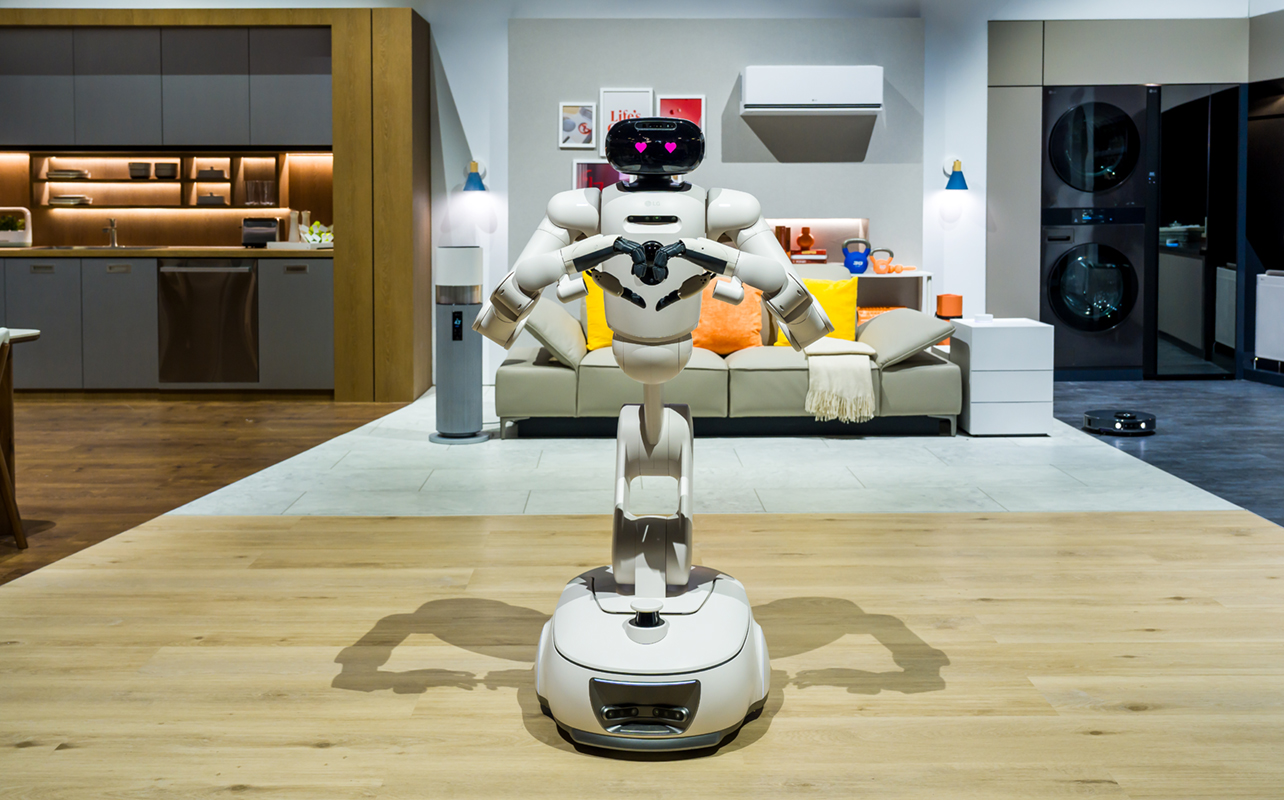
Home robots came in so many different forms, most of which are built to handle domestic tasks, like cleaning floors, stairs, furniture, pools, lawns, and what feels like no stone unturned. For the elderly, help may be on the way. Roborock’s Saros Rover can climb stairs as it cleans, making it ideal for multi-floor homes. LG’s CLOiD robot captured a lot of headlines for not just making heart signs with its hands, but also doing menial tasks like loading towels into a washing machine and fetching water. Its articulated arms and hands show real progress in fine motor skills that look more human, even if the pace is slow by comparison.
SwitchBot’s Onero H1 operates in a similar way, complete with articulated arms to take care of chores like picking up laundry, organizing objects, and interacting with smart home devices. Dreame is also involved in this evolution by demoing units with built-in arms for lifting light objects and stair-climbing prototypes. Not to mention AI-driven lawnmowers and pool cleaners.
That’s only really scratching the surface of all the working robots roaming around the show. There were some for kids, smaller robots focused on companionship, and certain ones all about pet interactions.
Cooking and food prep with a machine twist
Speaking of AI in the home, cooking and food preparation also have their place in this arena. There were devices built to do the job more efficiently but much of the conversation was about optimizing machine learning for what they’re supposed to do well. Smart appliances are hardly new, so the focus pointed more towards consistency. The jury’s still out on how long software updates will continue to roll out for these products given their shelf life is made to last for years.
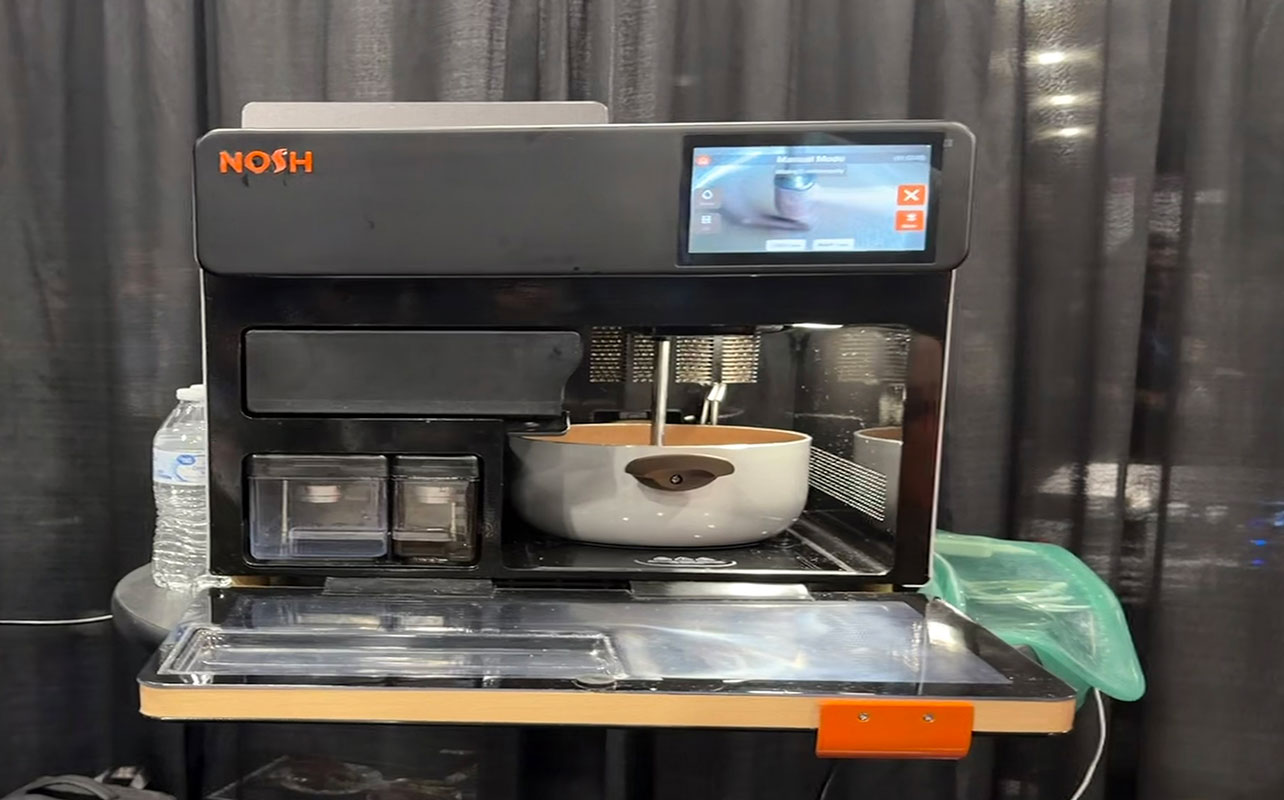
The emphasis now lies in how built-in AI can recognize what’s in the fridge, for example, and adapt recipes based on the available ingredients. This means you can plan for meals days in advance, or even before grocery shopping so you know what to buy and how much to get.
Health and tech continue to intersect
Always a tricky industry to navigate because of the rules and regulations around it, healthcare and tech can make good bedfellows when done right. Vendors at CES are wise not to make grandiose diagnostic claims, instead communicating what a device aims to achieve. The caveat is that it’s not a medical device unless it has the approval of Health Canada or the FDA in the United States. And even then, making that claim isn’t always proper.

Nevertheless, AI is already playing a role in how healthcare and medicine advance and enter new territory. Part of the trend I witnessed is moving toward AI-assisted health platforms that synthesize data from multiple sources to provide deeper insights. An example of this is NuraLogix’s Longevity Mirror, which uses AI to analyze your health metrics after you look at it for a 30-second scan of blood flow in your face. It scores your cardiovascular, metabolic, physiological age, and mental health. The company has shown concepts like this before, but this mirror will actually be coming to market. While not in any way a medical device, it may at least deliver a result that makes a doctor’s visit worth your time.
This is just one example of many. Withings’ Body Scan 2 can track over 60 longitudinal biomarker measurements by stepping on the AI scale with a handle attached by cable to track everything through foot sweat stimulation and analyzing cellular membranes to present an assessement. That assessment is only meant as an early warning rather than a definitive diagnosis, but if generally accurate, it could mitigate bigger problems down the line.
Vehicles are more computerized, led by AI
This process has actually been underway for the last decade, particularly with autonomous driving technologies that we see from various brands already. Self-driving cars don’t dominate the conversation anymore, even if Zoox vehicles are ferrying people to and from various points in Las Vegas on a daily basis. The general idea instead is to take an incremental approach by acknowledging human drivers won’t be replaced tomorrow. It will take time. Thus, AI will improve perception, prediction, and driver monitoring rather than promise hands-free driving everywhere.

This coincides well with the in-car experience. Both Amazon and BMW demonstrated what Alexa+ will be like while acting as the vehicle’s primary AI voice. More than just an assistant, the same enhanced intelligence seen in the home-based products will apply in the car. Only in this case, it will also tie into vehicle functions, like navigation, climate, diagnostics, and more. It will also personalize the dash and infotainment screen depending on who’s driving the car. The 2026 BMW iX3 is the first to showcase this combination.
Expect a lot more to come on that front. Google Gemini is slowly rolling out on Android Auto, while built-in Google infotainment systems are earmarked for the same treatment. That’s not even involving Google’s autonomous driving progress with Waymo. Nvidia announced its own AI model called Alpamayo, a reasoning-based vision language acton (VLA) designed for self-driving vehicles, including robotaxis. The Mercedes CLA EV will be the first to deploy it, though it will start at Level 2 autonomy, which still requires humans to do most of the driving. The goal is to hit Level 4 sooner than later, leaving the human driver much less to do behind the wheel.
AI is spreading and growing fast
I could go on with other categories that AI is either evolving or disrupting. Smart glasses were a noticeable theme at the show—far more than other wearables. Content creation devices keep shifting how to produce the images that entertain and inform. From preventative health to more efficient productivity and even the way TVs work, new forms of intelligence are quickly changing how we interact and interface with them.
That trend shows no signs of slowing down given the pace CES 2026 showcased. Explore all the CES 2026 highlights and emerging tech trends.






In 2026 focus on privacy, offline functionality, and incremental gains (rather than overpromising autonomy) feels much more grounded than what we saw a few years ago.
examples around robotics and smart home appliances also make it clear that AI is quietly becoming infrastructure rather than a headline feature.
Looking forward to seeing how many of these concepts make it into real consumer products over the next 12–18 months.