When people talk about power bank “size,” they’re usually talking about capacity. And the right size really depends on how you plan to use it, whether that’s quick phone top-ups, full-day commuting, travel, or charging multiple devices. Capacity is measured in mAh, short for milliamp-hours, which indicates how much energy a power bank can store. Simply put, the higher the mAh number, the more power the power bank holds and the more charging it can provide before needing a recharge.
A bigger power bank isn’t always the better choice for everyone. That’s especially since the price can go up as capacity, and power banks with higher capacities tend to be bigger and bulkier as well. It’s important to find the right power bank size that fits your needs and lifestyle. How many mAh do I need? Which capacity makes the most sense for different devices? This article breaks down power bank sizes in a practical way.

Best for light, everyday use: Power banks up to 6,100 mAh
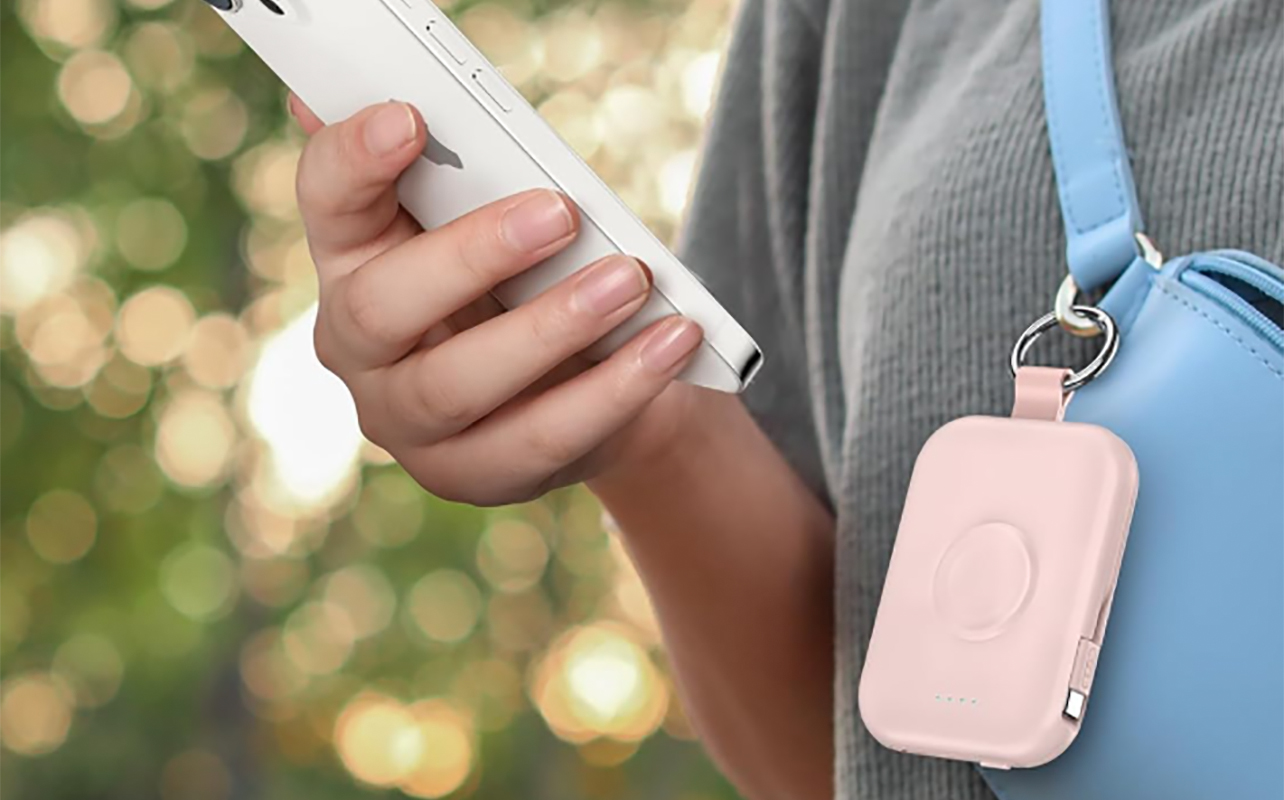
Power banks up to about 6,100 mAh are generally considered small-capacity power banks. They are best suited for light, everyday use, like topping up your phone when it dips into the danger zone. If your phone battery is at 20% on the way home from work or school, a compact power bank can give you enough juice to get through the rest of the day. These are ideal for those who find that if they’re out all day without access to a power outlet, their phone is generally getting close to the red. The extra boost can be helpful to ensure you can navigate or call a ride home.
Most phones have batteries between 4,000 and 5,000 mAh. Because power banks aren’t 100% efficient, a 5,000 mAh power bank usually delivers about 60–70% of its rated capacity. That means you can expect roughly a half charge to a single full charge, depending on your phone model.
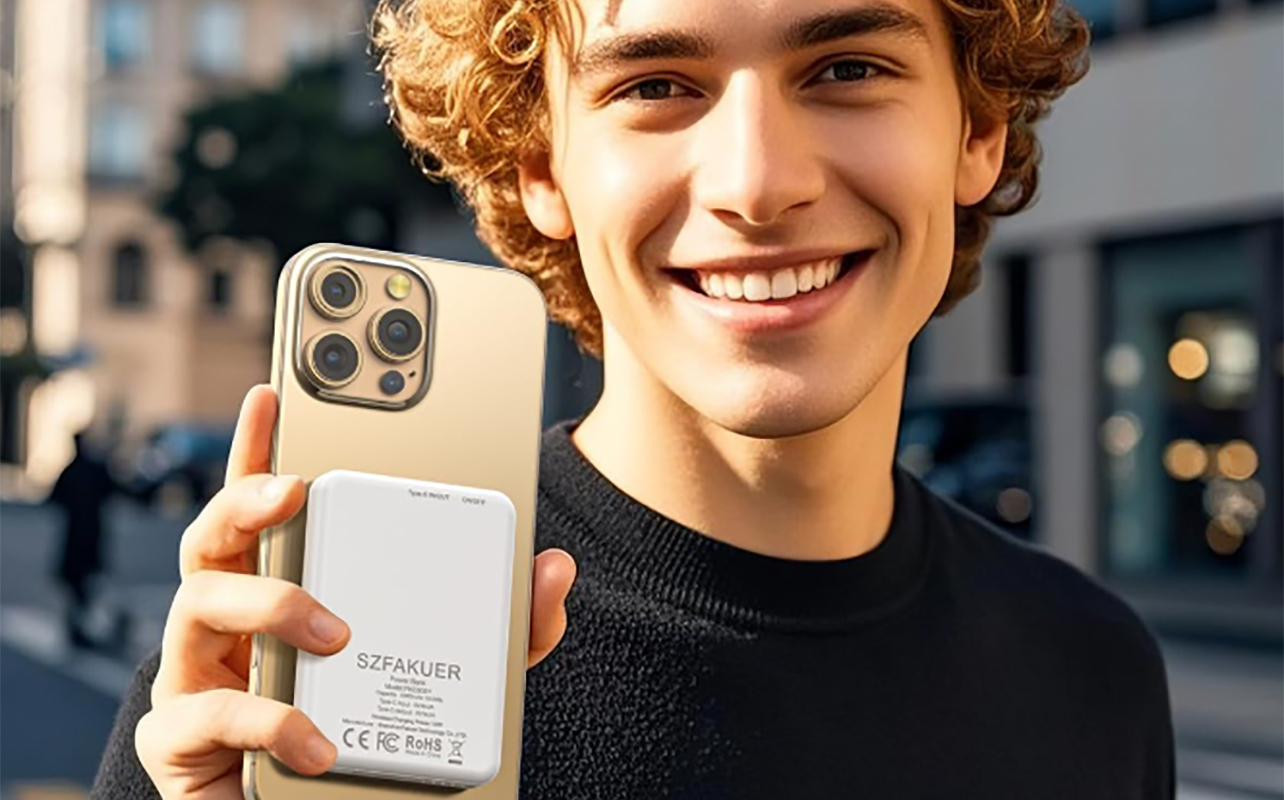
The big advantage here is portability. These power banks are often slim, lightweight, and genuinely pocket-friendly. They slip easily into a jacket pocket, purse, or small backpack without adding noticeable weight. Some even attach magnetically to phones via Qi2 charging or plug directly into the charging port. They are generally affordable as well. This makes them popular for quick errands and nights out. The disadvantage is that you don’t get boatloads of power and can usually only boost one device enough to get you to a power outlet.
The everyday sweet spot: 6,001–12,499 mAh power banks
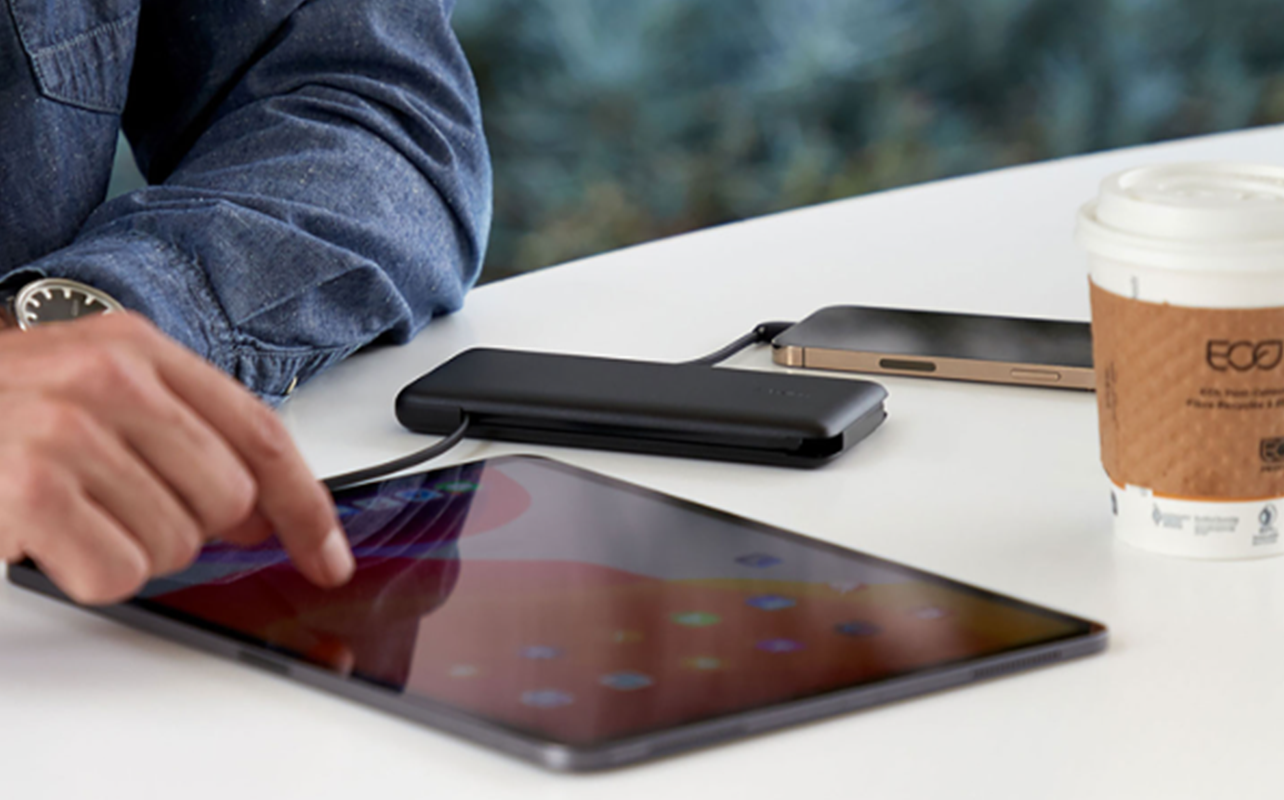
The 6,001-12,499 mAh power banks are sweet spot. The best power bank size for most users nowadays is 10,000 mAh. This is typically capable of charging a smartphone one to two full times, sometimes more if the phone has a smaller battery. That makes them ideal for everyday scenarios where you’ll be away for most of the day but don’t want to carry anything bulky. Think commuting, school days, work shifts, or casual travel around town. If you’re taking public transit, spending time on campus, or juggling work and social plans, this size gives you flexibility.
Another reason this range works so well is portability. While slightly thicker than ultra-compact models, most 10,000 mAh power banks still fit easily into bags and many jacket pockets. They’re light enough that you won’t hesitate to bring them along, which is important. The best power bank is the one you actually carry.
This category also tends to offer more features. Many include dual charging ports so you can charge more than one device at the same time (think a phone and wireless earbuds), USB-C input and output, and support for fast charging standards. That means you can top up your phone quickly and recharge the power bank itself overnight without hassle. The only downside with this category is that they tend to be more expensive, especially when you’re looking at wireless magnetic chargers.
For longer days and multiple devices: 12,500+ mAh power banks
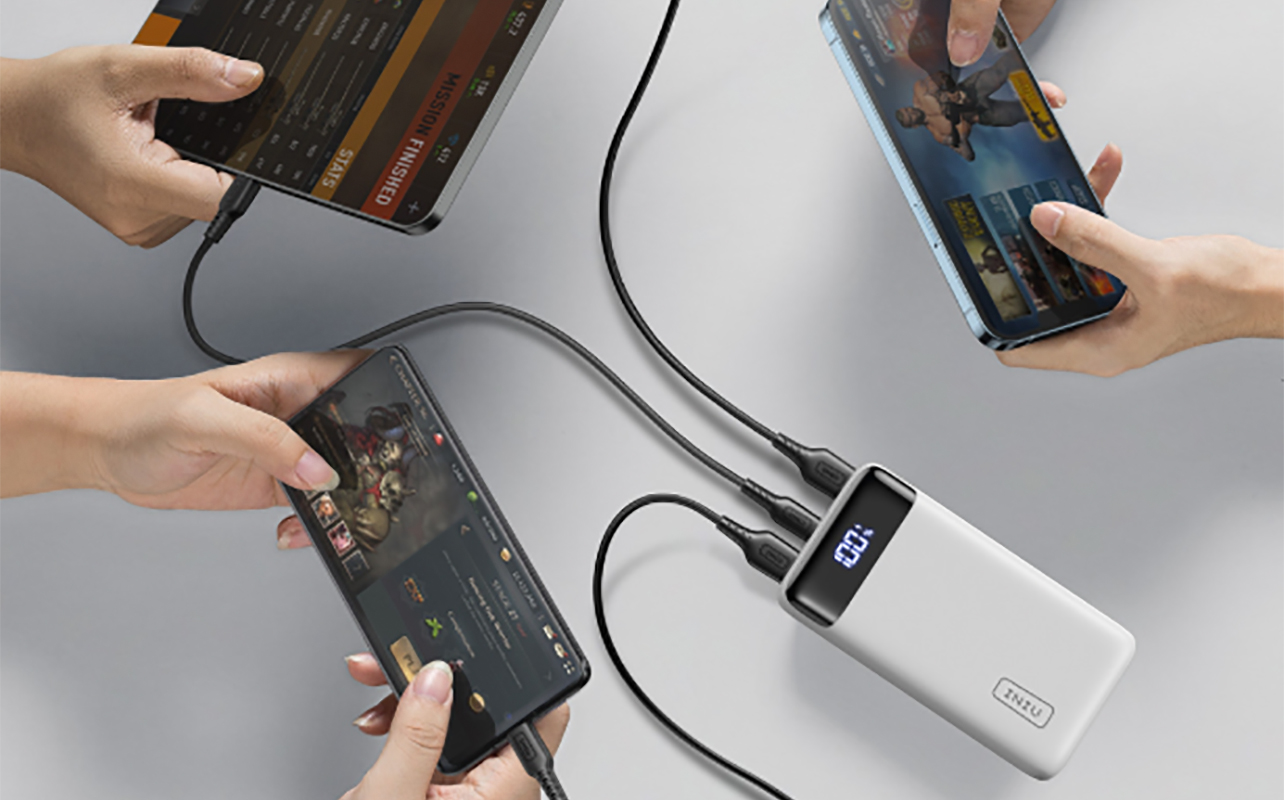
With power banks over 12,500 mAh, you’re stepping into serious backup territory. These power banks are designed for long days, heavy usage, or charging more than just a phone. At this capacity, you can usually recharge a smartphone two to four times, depending on the phone’s battery size and efficiency. This makes them useful for people who rely heavily on their devices, such as those who stream video, use GPS all day, or work remotely from cafés or shared spaces.
They also start to make sense if you’re charging multiple devices. Wireless earbuds, smartwatches, fitness trackers, and even some tablets can all be powered from a single high-capacity unit. It’s common for these models to include multiple output ports so you can charge more than one device at a time.
The trade-off is size, recharge time, and price. A 20,000 mAh power bank is noticeably heavier and thicker than a 10,000 mAh one. It’s still portable, but it’s more “bag-friendly” than pocket-friendly. Recharging it also takes longer, especially if you’re not using a high-wattage wall charger.
For people who know they’ll need reliable power throughout the day, however, this range offers flexibility and confidence. Just be prepared to plan ahead for recharging and for carrying something a bit bulkier in your bag.
Maximum capacity: 25,000+ mAh power banks

Power banks in the 25,000 mAh and above range are not casual accessories; they’re mobile power stations in compact form. This capacity makes sense for travellers, campers, photographers, remote workers, or anyone who needs to keep multiple devices or a high-capacity device like a laptop running over extended periods. They’re particularly useful in situations where outlets are limited or unreliable, such as long train rides, road trips, or outdoor adventures.
At this level, power banks can support several full phone charges, multiple accessories, and often tablets or even lightweight laptops. Many models include high-wattage USB-C ports capable of delivering enough power for larger devices, which adds to their versatility.
That said, size and weight are significant considerations. These power banks are heavier, thicker, and usually require a backpack or carry-on bag. They also take much longer to recharge, sometimes several hours even with a fast charger. Naturally, they cost more, too.
For airline travel, it’s also important to note that most airlines have limits on battery capacity in carry-on luggage. While many 25,000–27,000 mAh power banks fall within acceptable limits, it’s always worth checking airline guidelines before flying.
This category isn’t for everyone, but for those who genuinely need it, the extra capacity can be a game-changer.
How to choose the right size for your devices
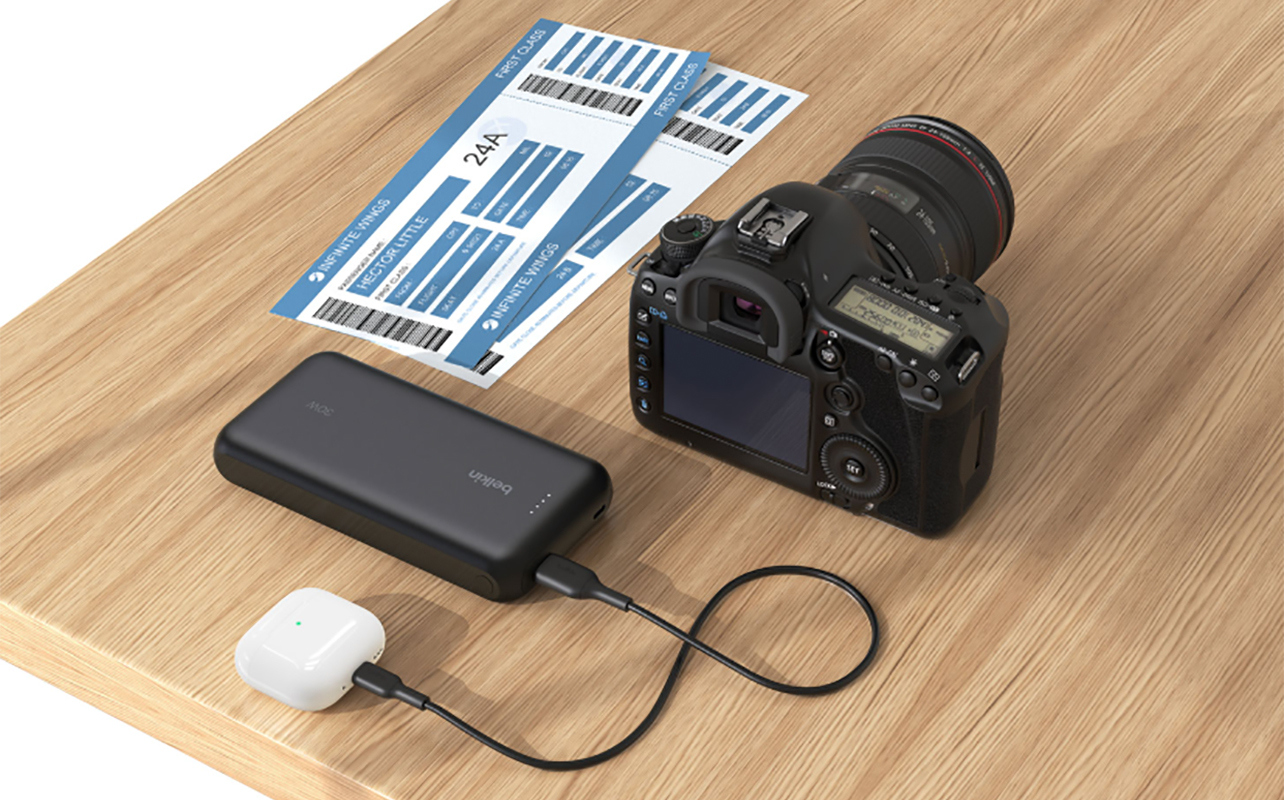
To decide on the right size power bank to meet your needs, start by thinking about what you’re charging. Smartphones generally need less power than tablets, and accessories like earbuds use even far less.
If your main concern is keeping your phone alive during the day, you don’t need a massive power bank. If you’re charging multiple devices or larger screens, capacity becomes more important. Consider how and where you’ll use the power bank. An everyday carry option should be light and easy to bring along. A travel or emergency backup power bank can be larger, since portability matters less than endurance. If you’re going to be out all day, like on vacation, having a higher capacity battery that can give your phone another full recharge can be a lifesaver.
It’s also worth avoiding the trap of overbuying. A huge power bank that stays at home because it’s too heavy isn’t helping anyone. On the flip side, underbuying can lead to frustration if you’re constantly running out of power when you need it most.
This is where understanding what mAh you really need pays off. Think in terms of real usage: how many full charges you want, how long will you be away from outlets, and how much weight are you willing to carry. That mindset will naturally guide you toward the best power bank size for your needs. A 10,000 mAh power bank will suit most users, and nowadays, you can find many that are just as small and lightweight as 5,000 mAh ones, so it’s worth the upgrade. For laptop power or serious power on the go, look at bigger ones.
Power bank size FAQs
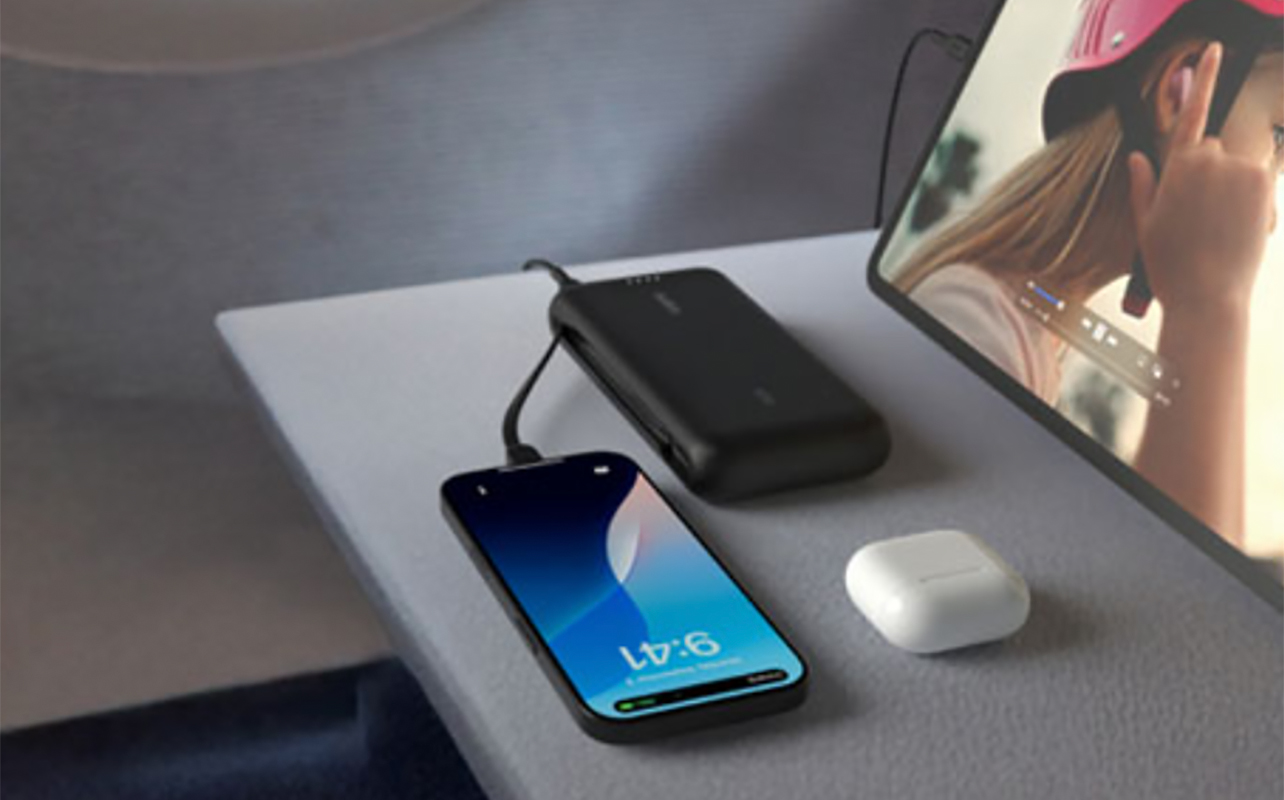
Is a bigger power bank always better?
Not necessarily. A bigger power bank gives you more stored energy, but it also adds weight, size, and longer recharge times. For many people, a mid-range power bank offers the best balance between usability and capacity. Bigger only makes sense if you’ll actually use the extra power.
How long does it take to recharge higher-capacity power banks?
Recharge time depends on both capacity and input speed. A small power bank might fully recharge in a couple of hours, while a high-capacity model can take four to eight hours or more. Using a fast wall charger and a power bank that supports high-wattage input can make a big difference.
Does fast charging change how much power you actually get?
Fast charging affects speed, not total capacity. A power bank with fast charging can deliver power more quickly, but it doesn’t increase the total amount of energy stored. You’ll still get roughly the same number of charges—just in less time. Keep in mind that you need a fast cable to charge at maximum speed as well, along with a device that supports fast charging.
Are wireless magnetic chargers as fast?
Wireless magnetic chargers that use the Qi and MagSafe standard tend to recharge your devices more slowly than ones with built-in cables or, more commonly, that work with separate cables. Qi2 is the faster standard now, so you’ll get a quicker charger for devices that support it, though the list is limited right now. You’ll always get a faster charge with a wired set-up. But magnetic chargers are convenient for back-up power or if you plan to keep it attached for a longer time and don’t mind the slower charge.
Are wireless power banks compatible with any phone?
Currently only the latest iPhones models as well as the Google Pixel 10 series phones (via Pixelsnap) have built-in magnets that are strong enough to work with wireless charging banks. Some other phones, like Samsung’s S and Z series devices, are Qi-ready. This means they work with a MagSafe/wireless compatible case to facilitate the connection with a wireless power bank. (You might get it to charge without the case, but the power bank won’t secure to the back of the phone the way it should). Many phones can work with standard Qi wireless chargers. But for wireless power banks, specifically, you need one with a strong enough magnet, or a separate case. Check the phone’s product page to confirm.
Find the right power bank capacity for your needs
Whether you want a slim, pocket-friendly backup or a high-capacity companion for long trips, there’s a power bank size that fits your lifestyle. By focusing on how you actually use your devices and not just the biggest number on the box, you’ll find a solution that’s practical, reliable, and genuinely useful. Considering the price and design of the latest 10,000 mAh power banks, it’s a good idea to step-up to at least this unless you are truly looking for the smallest, lightest option for back-up emergency boosts in a pinch.

This article was drafted using AI technology and then reviewed, fact-checked, and revised by a member of our editorial team.