

If you’re running a neighbourhood café or bakery, commercial-grade appliances are a great investment. You want equipment that won’t blink during a busy Saturday morning. Yet many homeowners are thinking the exact same thing—minus the storefront. Home chefs are installing commercial freezers in their garages to store bulk groceries. Passionate bakers are investing in heavy-duty mixers that can handle three batches of sourdough without breaking a sweat.
In this article, we’ll clarify what are commercial appliances, explain how they differ from residential models, and help you decide what makes sense for your specific needs. It will also cover important limitations of installing commercial appliances in residential homes—including safety considerations, electrical requirements.
Whether you’re upgrading your home setup or launching a small food business, this guide will help you make a practical, informed decision.


What are commercial appliances?
In simple terms, commercial appliances work harder and recover faster. From refrigerators to ovens, dishwashers, ventilation systems, and specialty kitchen tools, commercial kitchen equipment is built for heavy use. It is designed to run continuously for extended hours, maintain consistent temperatures even under heavy load, and meet health and safety regulations.
You’ll typically find commercial appliances in restaurants, food trucks, and specialty retailers. However, they are increasingly common in residential settings as well. A gardener preserving seasonal produce, or a home baker supplying weekend markets may choose commercial-grade equipment because it offers durability and performance that residential models sometimes can’t match.
Some commercial kitchen equipment may also need to comply with fire and building codes depending on how and where it is installed. For example, the National Fire Code of Canada 2020 outlines strict design, installation and maintenance requirements for commercial ventilation systems. Local building codes and provincial authorities may also require officially certified equipment and licensed installation for gas or high-voltage appliances.
Before purchasing commercial equipment for a small business—or even for home use—it’s important to confirm what your municipality requires in terms of ventilation clearances, fire suppression systems, and electrical capacity.

Planning for a kitchen upgrade? Check out our major appliances buying guide.
Commercial vs residential appliances: what’s the difference?
It all comes down to four main factors: durability, performance, installation requirements, and long-term value.
Built for heavier daily use
Typically made with heavy-duty materials, commercial appliances prioritize function over aesthetics. With a commercial refrigerator, for example, you’ll often notice thicker insulation, stronger shelving designed for bulk storage, and more powerful compressors to handle frequent use. The interiors are usually simpler and easier to sanitize.
Residential appliances, by contrast, focus on design, quiet operation, energy efficiency, and features that suit everyday home life. They may include smart displays, custom shelving layouts, or sleek finishes that blend into cabinetry.
Capacity and performance differences
Commercial appliances are designed for higher output and faster recovery. When comparing a commercial vs residential stand mixer, the difference becomes clear the moment you scale up production. Commercial mixers are built for continuous operation, higher torque, and sustained heavy loads. They can knead dense dough for extended periods without overheating, thanks to more powerful motors, reinforced gear systems, and industrial-grade components.
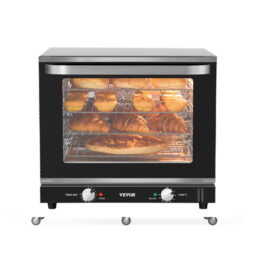
Similarly, commercial cooking equipment offers high capacity and performance. Many commercial ovens heat up faster, reach higher temperatures, and maintain consistent output for batch cooking. That consistency is crucial when you’re baking trays of pastries back-to-back or cooking multiple menu items simultaneously.
Installation and power requirements
Higher installation standards and greater electrical capacity are typically required when working with commercial-grade kitchen equipment. They may require dedicated electrical circuits, higher voltage connections, or specialized gas lines to run at full performance. Some equipment must be installed by a certified professional to comply with local building and fire codes in Canada. Ventilation is another major factor: commercial equipment may require enhanced airflow, clearance space, and properly rated ventilation hoods to ensure safe operation.
Residential appliances, by contrast, are typically plug-and-play. They’re designed for standard household electrical systems and minimal installation complexity. Commercial units can absolutely be used outside of restaurants—but planning ahead might be required.
Cost vs lifespan tradeoffs
Commercial appliances generally cost more upfront. The higher price reflects stronger components, higher-grade materials and serviceable parts that can often be repaired rather than replaced.
For small business owners, the real question is reliability. If a refrigerator fails during a busy weekend market or catering event, lost inventory can cost far more than the price difference between residential and commercial equipment.
Residential appliances are more affordable and often more energy-efficient for home use. However, they are not designed for continuous, high-volume operation. Choosing between the two depends largely on how intensively the appliance will be used.
Types of commercial appliances
Let’s explore the main categories and how they might benefit small businesses.
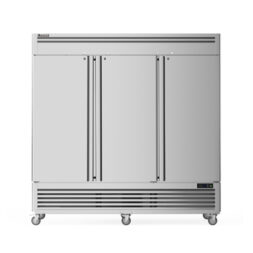
Commercial refrigerators and freezers
Commercial refrigerators and freezers are built around airflow, durability, and temperature stability. If you’re running a neighbourhood deli stocking specialty cheeses and cured meats, consistent cooling is critical—even as you open and close the doors frequently throughout the day.
At the same time, if you operate a catering business storing pre-prepared meals or a home-based meal prep service handling large weekly volumes, commercial freezers provide the faster temperature recovery and reinforced shelving needed for bulk storage.
Whether refrigerating ready-to-serve items or deep-freezing inventory, commercial units are designed to maintain strict food-safe temperatures despite frequent access and heavy loads.
Ice makers and beverage equipment
Many food and beverage businesses, whether big or small, need commercial ice makers and beverage dispensers. Standalone commercial ice machines produce far more ice than a residential fridge ice maker. A smoothie bar, bubble tea kiosk, or small café can quickly exceed the capacity of residential equipment.
Running out of ice during peak service isn’t just inconvenient—it can cost sales. Commercial beverage dispensers, like refrigerated juice dispensers and specialty drink machines, are designed to maintain consistent temperature and portion control throughout the day. These pieces of commercial equipment ensure output matches demand—especially during busy periods.
Cooking equipment and ovens
Commercial cooking equipment is designed for output and endurance. A small café preparing breakfast sandwiches throughout the morning may rely on a commercial griddle that maintains consistent heat during continuous use. A busy pizzeria, on the other hand, benefits from an oven with higher BTU output to reach and maintain the intense temperatures required for crisp, evenly baked pizzas during peak dinner hours.
For businesses operating limited menus but high turnover, this reliability is invaluable.
Dishwashers
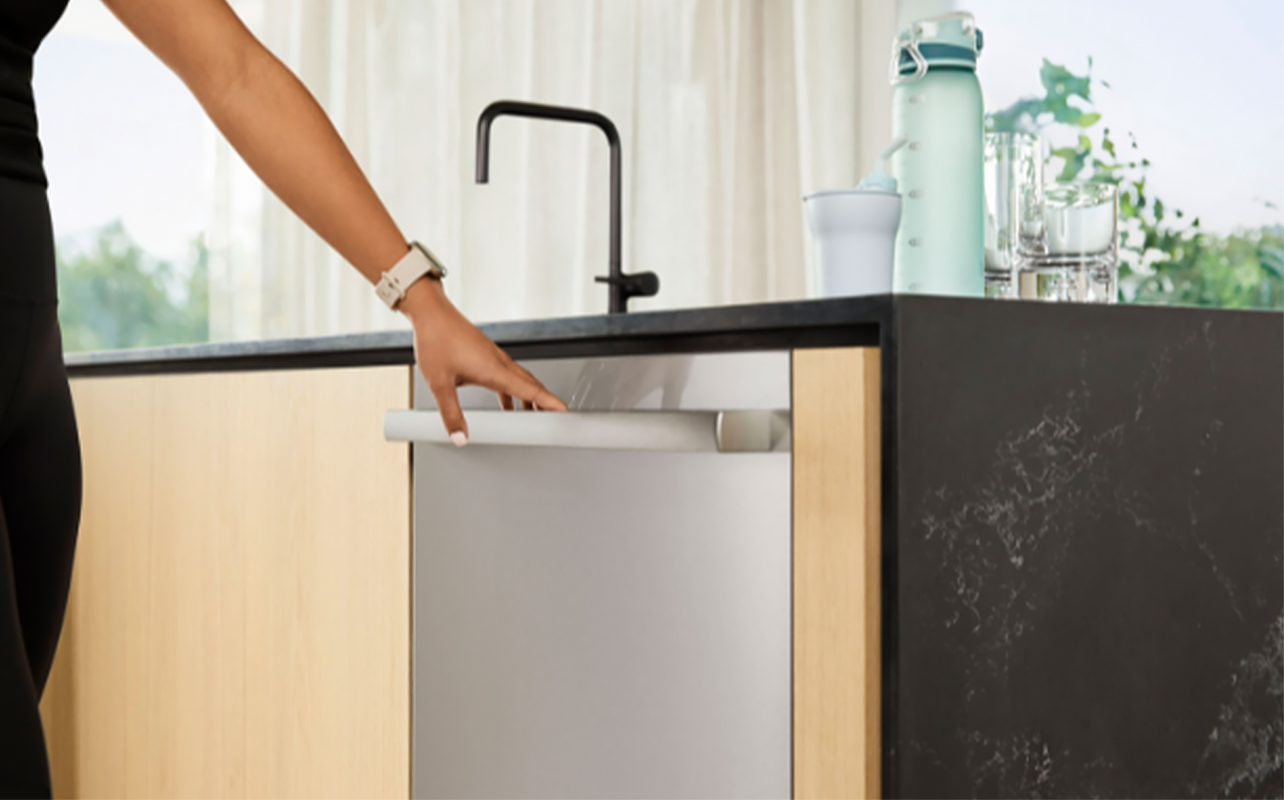
Commercial dishwashers are built for speed and sanitation. They run shorter cycles at higher temperatures to meet health inspection requirements. For a food business that needs rapid turnaround to keep dishes circulating, commercial equipment significantly reduces bottlenecks and ensures compliance.
Food prep and specialty equipment
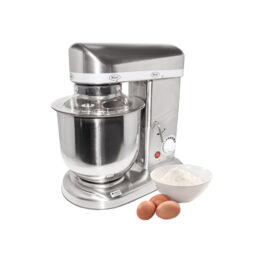
Commercial mixers, slicers, and food processors are designed for repetitive, heavy-duty tasks.
For example, a commercial-grade mixer offers a more powerful motor, larger bowl capacity, and reinforced internal gears designed to handle dense doughs and repeated batches. For a small bakery producing multiple batches of breads and pastries daily, a residential stand mixer may overheat or wear out quickly. A commercial mixer, by contrast, can knead stiff dough consistently without straining the motor.
Ventilation
Ventilation is essential for managing heat, grease, and smoke. Commercial range hoods are more powerful than residential models and may be required for certain business operations. Proper ventilation not only protects equipment and improves air quality but also ensures compliance with safety regulations. Find commercial ventilation systems designed in conformance to the the National Building Code of Canada.
Small restaurants, food trucks, and catering kitchens that use high-BTU gas ranges, fryers, or griddles typically require commercial ventilation systems. Without adequate airflow, grease buildup can become a fire hazard, and indoor air quality can quickly deteriorate.
In many municipalities across Canada, commercial-grade ventilation is mandatory for licensed food establishments using certain types of cooking equipment.
When do you need commercial appliances?
You likely need commercial equipment if:
You operate continuously
If your refrigerator or freezer is running at near capacity all day, every day, commercial-grade durability matters. For example, a small café serving breakfast and lunch may open its refrigerator dozens of times per hour. A food truck operating at festivals might rely on equipment running non-stop during service. In these cases, residential appliances may struggle to maintain consistent performance.
You handle high food volume
If you’re preparing large quantities of food daily—such as a meal prep business producing 100 weekly orders—commercial equipment can handle the strain. Residential appliances may overheat, recover temperature slowly, or wear out faster under this level of demand.
You must meet health regulations
In many Canadian provinces, licensed food businesses must use NSF-certified or equivalent commercial kitchen equipment. Health inspectors may require commercial refrigeration, dishwashing systems capable of sanitizing at specific temperatures, and approved ventilation systems. If you’re in the food business, this isn’t optional—it’s required.
You have significant storage needs
If you’re storing bulk frozen goods, raw meat, dairy, or pre-prepared meals for sale, stable temperature control is critical. A small butcher shop, farm store, or home-based meal service benefits from the consistent cooling and faster recovery offered by commercial freezers and refrigerators.
Can commercial appliances be used at home?
Yes, many commercial appliances can be used at home—and in some cases, they offer meaningful advantages. Many Canadian homes install commercial-grade equipment because of durability and performance. A commercial freezer in the garage can be ideal for bulk meat storage to last for more than month. Serious home cooks may also appreciate the faster heat recovery of a commercial oven or the power of a commercial mixer.
What to know before installing commercial equipment in your home
Sometimes the most powerful option isn’t automatically the most practical one. Before bringing a commercial appliance home, make sure your space can handle it.
- Safety considerations differ: Residential appliances are engineered with home environments in mind. They often include added insulation, enclosed components, and safety features designed for households where children, pets, or guests may be present. Commercial appliances, on the other hand, are built for professional kitchens staffed by trained personnel. For example, a commercial stand mixer may have exposed bowl-lift mechanisms or higher-torque motors that require careful handling.
- Noise levels may be higher: Commercial units often prioritize performance over quiet operation, meaning compressors and fans can be more noticeable than those in residential models.
- Energy consumption can differ: While some commercial units are efficient, they are designed for continuous operation and may consume more electricity depending on usage patterns.
- Installation may require electrical upgrades: Certain commercial appliances need dedicated circuits or higher voltage connections which may require hiring a licensed electrician.
- Size and ventilation requirements: Commercial units are often deeper, taller, and heavier than residential counterparts. A commercial mixer may require reinforced countertops or dedicated floor space. Some commercial cooking appliances also require specific ventilation clearances that standard residential range hoods cannot support.
- Some warranties are designed for business use: Some commercial appliances carry warranties intended for business use only. Others may have limitations when installed in residential settings. Additionally, certain insurance policies or local building codes may treat commercial equipment differently in a home environment. Before purchasing, it’s worth confirming how warranty coverage applies—and whether installation meets local electrical and safety standards.
Does your home need commercial appliances?
Not every household needs a full commercial kitchen—and most don’t. Instead of upgrading everything, consider your specific pain points. Are you running out of freezer space every month? Is your stand mixer overheating during holiday baking? Are you storing large quantities of temperature-sensitive food?
Evaluate your situation based on three practical factors: 1) need, 2) usage, and 3) space and infrastructure:
1. Need
Start with the problem you’re trying to solve. Are you consistently running out of freezer space because you buy meat in bulk or preserve large garden harvests? Is your stand mixer struggling during holiday baking marathons? Are you storing large quantities of temperature-sensitive food for a home-based catering side business?
If a residential appliance is limiting your capacity, overheating, or failing under pressure, that’s a strong indicator that a commercial-grade alternative may provide real value.
2. Usage
How hard will the appliance work? Commercial equipment is built for high-frequency, high-capacity use. If you’re baking multiple batches several times a week for sale, storing bulk food long term, or opening and closing your fridge constantly throughout the day, durability becomes important.
However, if your heavy use happens only a few times per year—like during holidays—high-quality residential equipment may still be the more practical choice.
3. Space and infrastructure
Before upgrading, consider whether your home has the proper electrical capacity, clearance space, and airflow to support it safely. A commercial freezer in a garage with proper space and a dedicated outlet may make perfect sense. Installing a full commercial range without proper ventilation in a standard kitchen likely does not.
In many cases, homeowners discover they only need one commercial-grade appliance rather than a complete overhaul. A targeted upgrade—based on real usage rather than appearance—delivers the best long-term value.
Choose the right fit for your kitchen
Choosing the right fit comes down to demand. How hard will this appliance work?
Commercial appliances provide durability, performance, and reliability for high-volume settings. They’re built to handle continuous operation and strict safety standards. Residential appliances are ideal for lighter daily use, quieter environments, and modern home design preferences. Choose based on usage and safety, not assumptions. Match the equipment to your workload, and your kitchen—whether at home or in your small business—will run smoothly for years to come.
Explore our wide selection of commercial appliances at Best Buy Canada.

This article was drafted using AI technology and then reviewed, fact-checked, and revised by a member of our editorial team.