
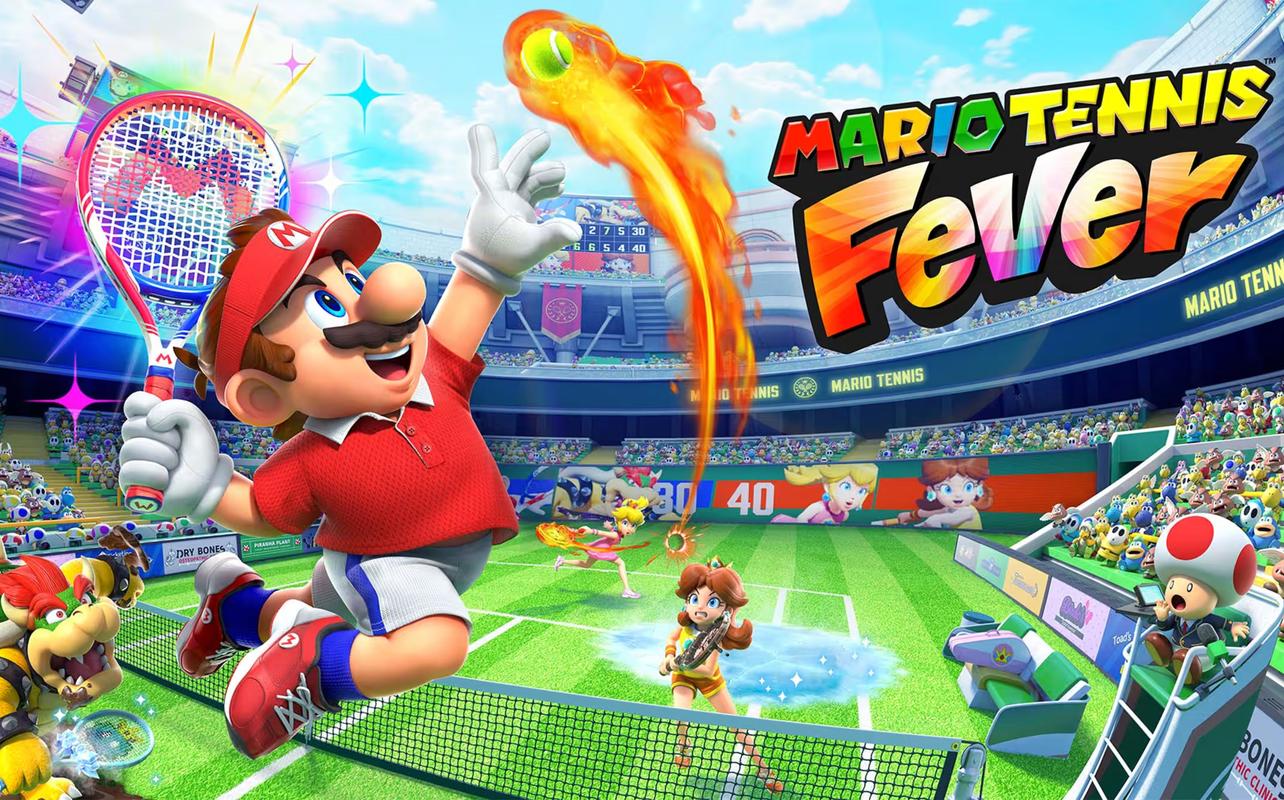
Mario Tennis Fever arrives on Nintendo Switch 2 with quicker rallies, clearer controls, and a new way to shape matches through Fever shots and specialized racquets. It sticks closely to the fundamentals of tennis, but keeps asking you to react to changing conditions, whether that’s a sudden hazard on the court or a powered shot coming back faster than expected.
From the first few matches, it’s clear that Mario Tennis Fever isn’t trying to reinvent how Mario Tennis plays. Instead, it cuts back on some of the more complex ideas from earlier entries and focuses on features that make shot direction, timing, and recovery easier to judge, while positioning and shot selection still matter. The result is a game that’s quick to pick up but still demanding once rallies start stretching out.
Between a full Adventure mode, a wide range of match types, and a large roster of characters and racquets to unlock, Mario Tennis Fever gives you plenty of ways to learn how its version of tennis works. Some modes are more focused than others, but everything comes back to how the game handles once you’re in a rally and reacting shot by shot.

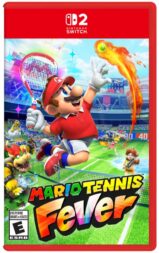
Mario Tennis Fever details
Platform(s): Nintendo Switch 2
Developer(s): Camelot Software Planning
Publisher(s): Nintendo
Genre: Party, Sports
Modes: Single-player, multiplayer (local and online)
ESRB Rating: E (Everyone)
A simple story built around training and progress
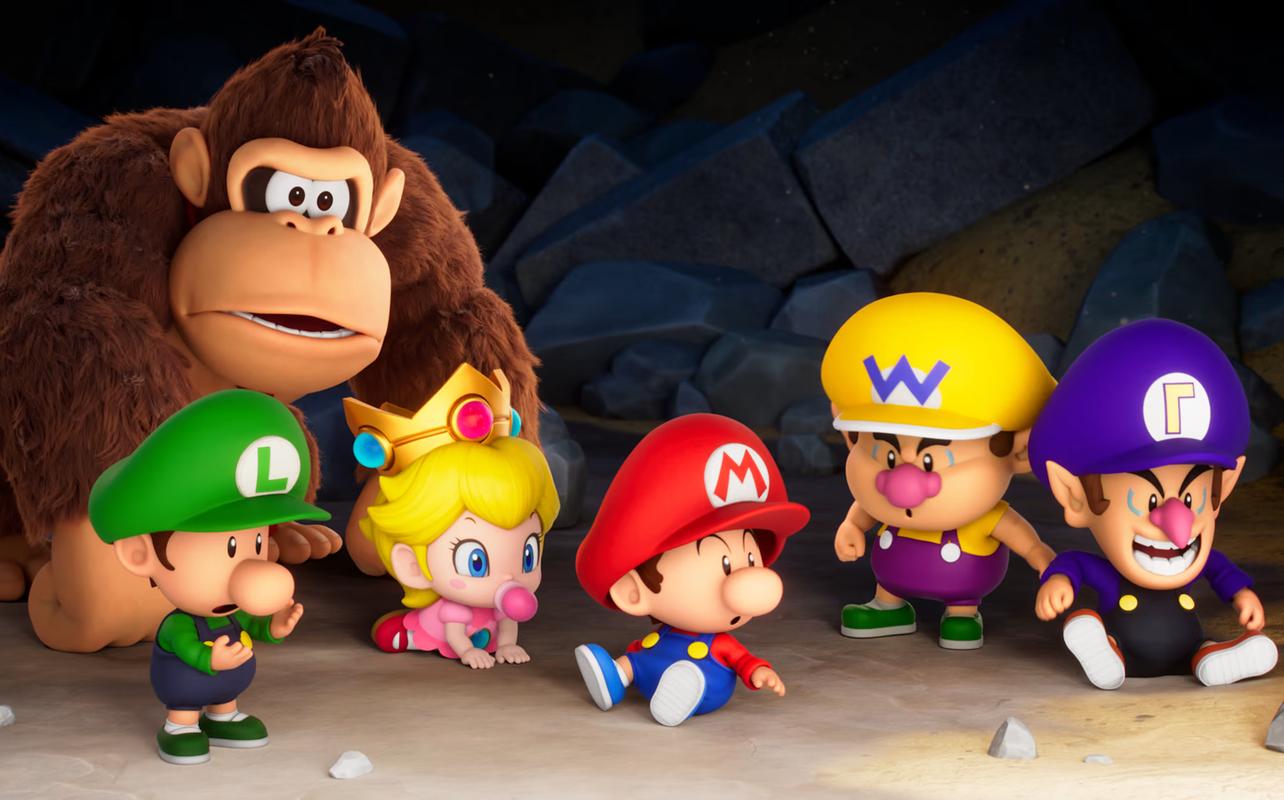
Mario Tennis Fever opens with a light, self-contained setup that sets the stage without getting in the way. Mario, Luigi, Wario, and Waluigi are transformed into babies after a run-in with a group of monsters, leaving them too weak to play tennis properly. The only way to return to normal is to rebuild their skills through training and competition at a tennis academy.
The academy acts as the main hub for the story, with Toads running lessons, challenges, and tournaments across a variety of courts. Progress through the story is tied to completing these activities, which steadily move the cast closer to undoing the curse. The story exists mainly to give structure to the journey and a clear reason to move from one challenge to the next.
The story keeps its focus by staying simple. The baby transformation sets a clear goal, and the academy setting provides a consistent sense of place as you move through the Adventure mode. It doesn’t overstay its welcome or interrupt play with lengthy scenes, letting the focus remain on learning the game and moving forward.
Reading the court and reacting shot by shot
At its core, Mario Tennis Fever is about reading the court, reacting quickly, and choosing the right shot under pressure. Matches move at a fast pace, but they never feel out of control. Serves, returns, and volleys all rely on clear timing windows, and it doesn’t take long before you understand how much space you have to work with on each exchange. Whether you’re trading groundstrokes from the baseline or rushing the net, positioning always matters.
Shot options stick to the basics, with topspin, slice, flat shots, lobs, and drop shots each mapped to simple inputs. As rallies stretch out, recovery speed and anticipation become just as important as raw accuracy. You’re constantly deciding whether to play it safe, push your opponent wide, or take a risk and go for a finishing shot.
Fever shots and racquets change how rallies unfold
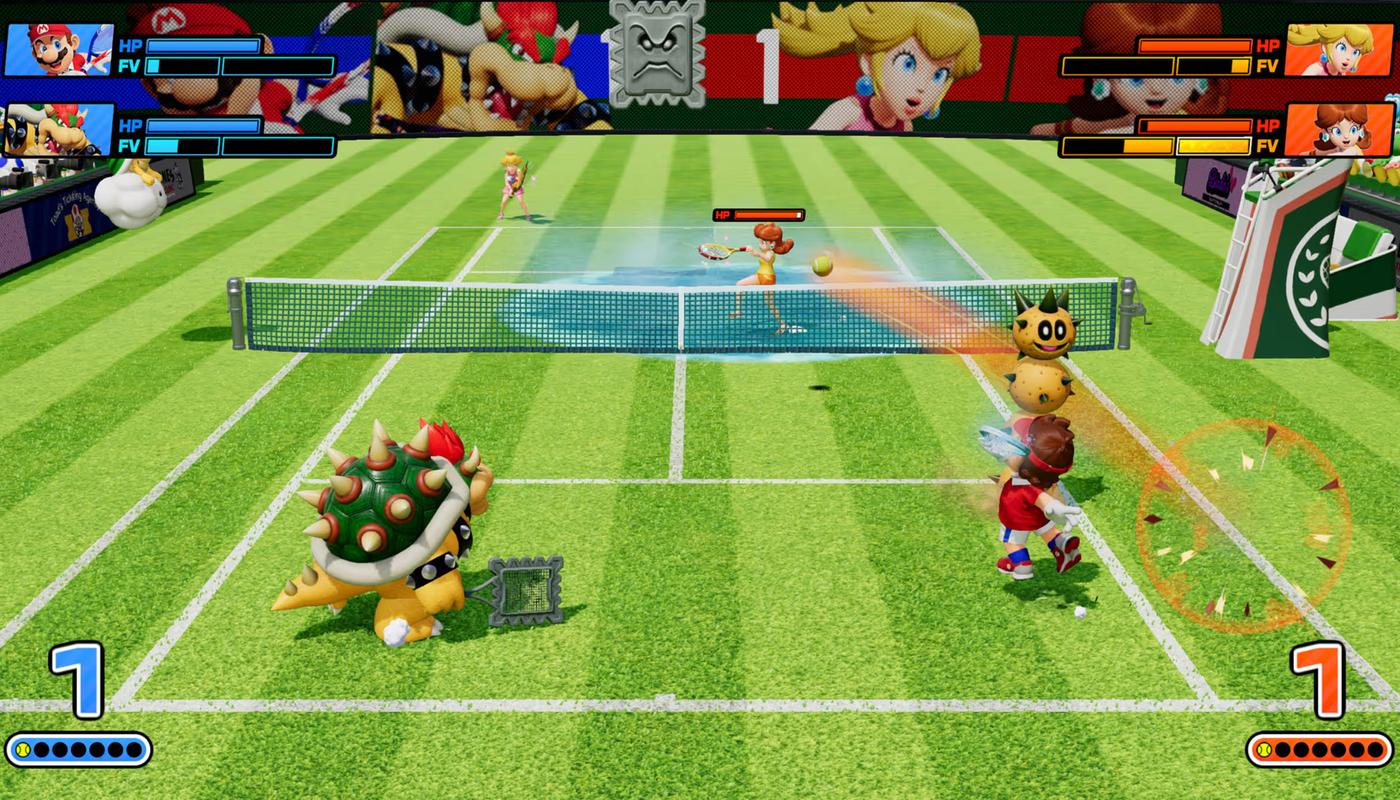
The biggest shift in Mario Tennis Fever comes from how Fever shots and specialized racquets affect each point. As rallies continue, a meter fills, giving you access to a Fever shot that closes distance quickly and sets up a powerful return. Instead of stopping play or breaking the flow, these shots fit naturally into rallies and demand quick reactions from both sides.
Specialized racquets change what happens after the ball hits the court by introducing obstacles, altered footing, or visibility effects. These effects don’t replace good tennis fundamentals. You still need solid timing and positioning to take advantage of them. Choosing when to trigger a Fever shot or which racquet to bring into a match can completely change how a rally plays out, especially once both players start responding to each other’s choices.
Match types and learning through play
Outside of standard matches, Mario Tennis Fever offers several modes that put these ideas to the test in different ways. Tournament play sticks close to traditional tennis, while other modes introduce specific conditions that push you to adapt. Trial Towers, for example, places you against opponents using unique racquets or court effects, asking you to adjust on the fly instead of relying on a single approach.
Adventure mode also plays a role here by gradually introducing concepts through structured challenges. While it isn’t the fastest way to jump into competitive play, it does a good job teaching timing, recovery, and shot placement in a controlled setting. By the time you step into open matches, you’ve already learned how to deal with varied situations without needing extra prompts or tutorials.
Once rallies extend, the game responds closely to timing and positioning, making each exchange feel controlled even at higher speeds. Wins come from smart decisions and steady play, not from memorizing patterns or relying on a single trick.
Clean visuals built for fast exchanges
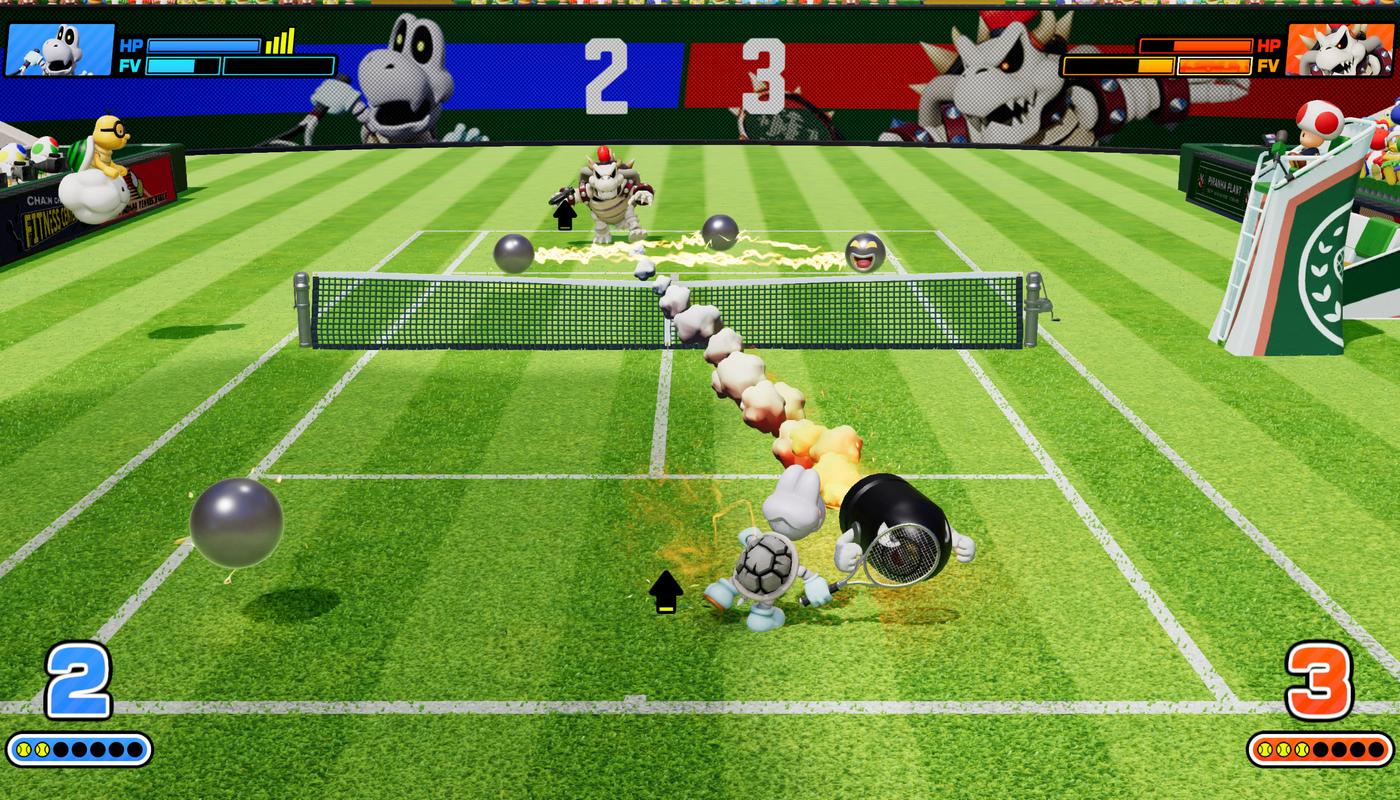
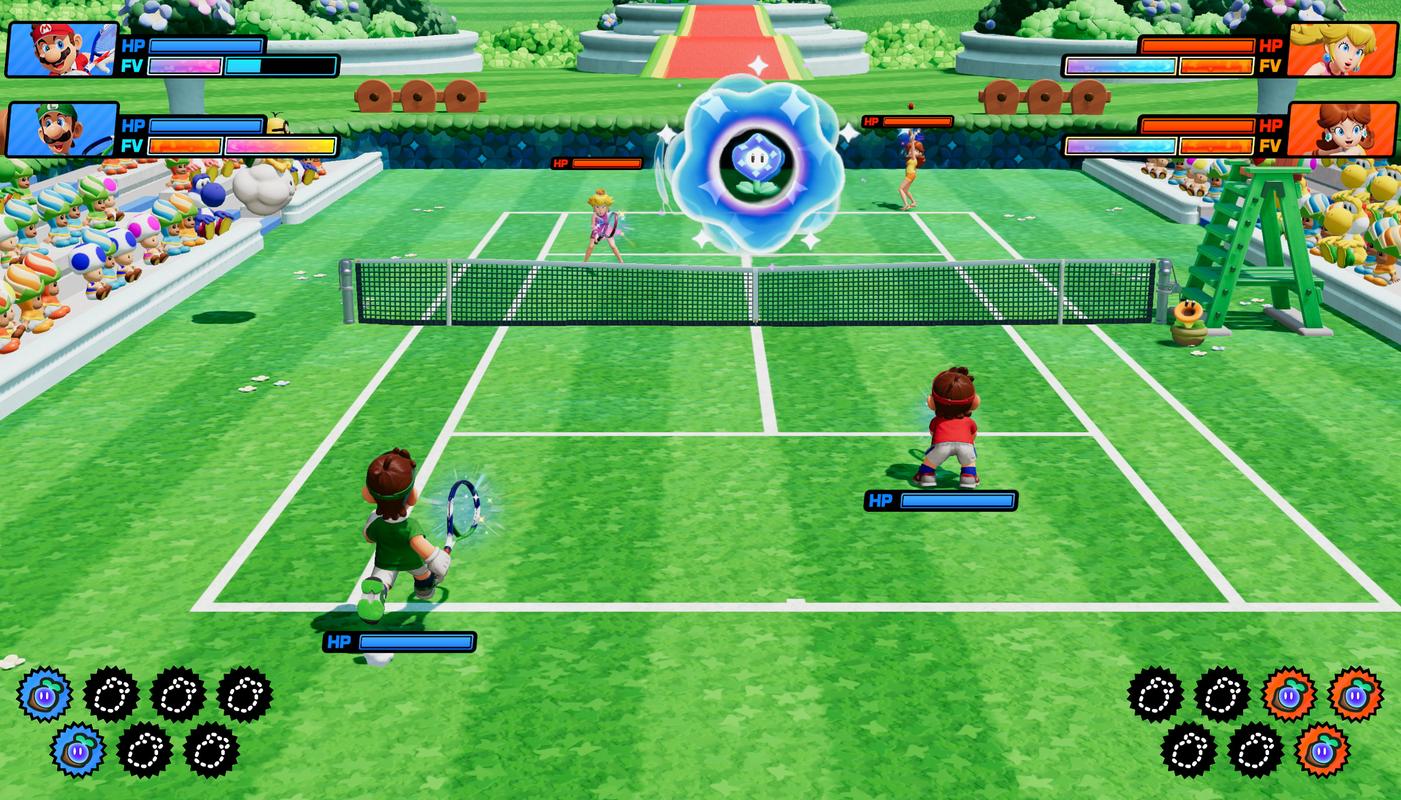
Mario Tennis Fever keeps things clear once matches start moving quickly. Courts are bright and colourful without drowning out the action, and it’s easy to keep track of the ball even when effects and hazards start filling the screen. Shot trails, court obstacles, and player movement are all easy to pick out, which helps when rallies turn into fast back-and-forth exchanges.
Character models follow Nintendo’s familiar look, and their animations make movement and reactions easy to pick up during rallies. You can tell when a character is stretching for a return, recovering late, or setting up for a stronger shot. The camera stays steady and predictable, giving you a consistent view of the court in both singles and doubles. Interface elements are kept simple, with meters and indicators placed where you can check them quickly without losing track of the point.
Performance stays smooth during regular matches, Fever shots, and moments where the screen fills with effects. Moving between matches and modes is quick, so you’re not waiting around before getting back on the court. Even when rallies get hectic, the game holds together without noticeable slowdowns. Audio is a bit less consistent. The music fits the upbeat feel of the series and works fine in the background during matches, but character voice lines repeat often and start to stand out the longer you play. There are also moments where sound effects spike during busy rallies. None of this gets in the way of playing, but it’s noticeable if you’re spending a lot of time on the court.
Sharing the court in singles and doubles
Mario Tennis Fever is at its best when you’re playing against other people, whether that’s locally or online. Matches are easy to set up, and it doesn’t take long for everyone on the court to understand what’s happening, even when Fever shots and racquet effects start coming into play. Seeing where the ball is going, what’s happening on the court, and where everyone is positioned helps multiplayer matches stay competitive even when rallies speed up.
Local multiplayer supports both singles and doubles, and doubles matches in particular highlight how spacing and awareness matter just as much as shot timing. Covering the court with a partner means watching positioning closely, deciding when to move up or hang back, and reacting quickly when a Fever shot shifts the flow of a point. Communication helps, but even without it, the game does a good job making each player’s role clear during rallies.
Online play sticks close to the same structure as local matches. Standard rules apply, and the focus stays on clean exchanges rather than gimmicks that interrupt play. In my online matches, the connection held up during longer rallies, and inputs stayed responsive even when points started moving faster. Ranked and casual options give you a reason to keep playing beyond local matches, especially once you’ve unlocked more characters and racquets.
What helps multiplayer work is how quickly matches move along. Games don’t drag, and it’s easy to jump from one match to the next without long breaks. Whether you’re playing a few quick games with friends or settling into longer online sets, Mario Tennis Fever keeps multiplayer focused on rallies, reactions, and steady decision-making rather than lengthy setup or downtime.
Mario Tennis Fever feels focused, fast, and easy to keep coming back to
Mario Tennis Fever brings the series to Nintendo Switch 2 with a clear understanding of what makes these games fun. Matches move quickly, controls stay straightforward, and the added pressure from Fever shots and specialized racquets gives rallies a steady sense of push and pull without overwhelming the basics of tennis. Whether you’re learning the game through Adventure mode or jumping straight into matches, everything feeds back into reading the court and reacting in the moment.
| Pros | Cons |
|---|---|
| Matches feel fast and responsive, with rallies that reward good positioning and smart shot choices. | Adventure mode moves at a slower pace at times, especially when shifting between training challenges. |
| Fever shots and specialized racquets add variety without pulling focus away from the basics of tennis. | Character voice lines repeat often and can become noticeable during longer play stretches. |
| A wide range of modes gives you different ways to play, whether you want structured challenges or quick matches. | Motion controls are limited to a separate mode and aren’t available across the rest of the game. |
| Multiplayer works well in both singles and doubles, keeping matches easy to follow and fun to play with others. |
Not every mode carries the same weight, and some parts of the game are more structured than others, but the core experience holds up well. Once you’re in a rally, the game feels responsive and consistent, and wins come from smart positioning and shot choice rather than relying on a single trick. That focus makes it easy to keep playing match after match, especially with friends or online.
Overall assessment of Mario Tennis Fever on Nintendo Switch 2
Gameplay: 4.5/5
Graphics: 4/5
Sound: 3/5
Lasting appeal/Replayability: 4/5
Overall rating: 3.9/5 (78%)
Mario Tennis Fever doesn’t try to reinvent the series or push itself in a different direction. It refines what’s already there, trims back ideas that added extra steps without improving how matches play, and builds a version of tennis that feels approachable while still rewarding time spent getting comfortable with how matches play out. If you’re looking for a Mario sports game that stays focused on how it plays once the ball is in motion, Mario Tennis Fever delivers exactly that.