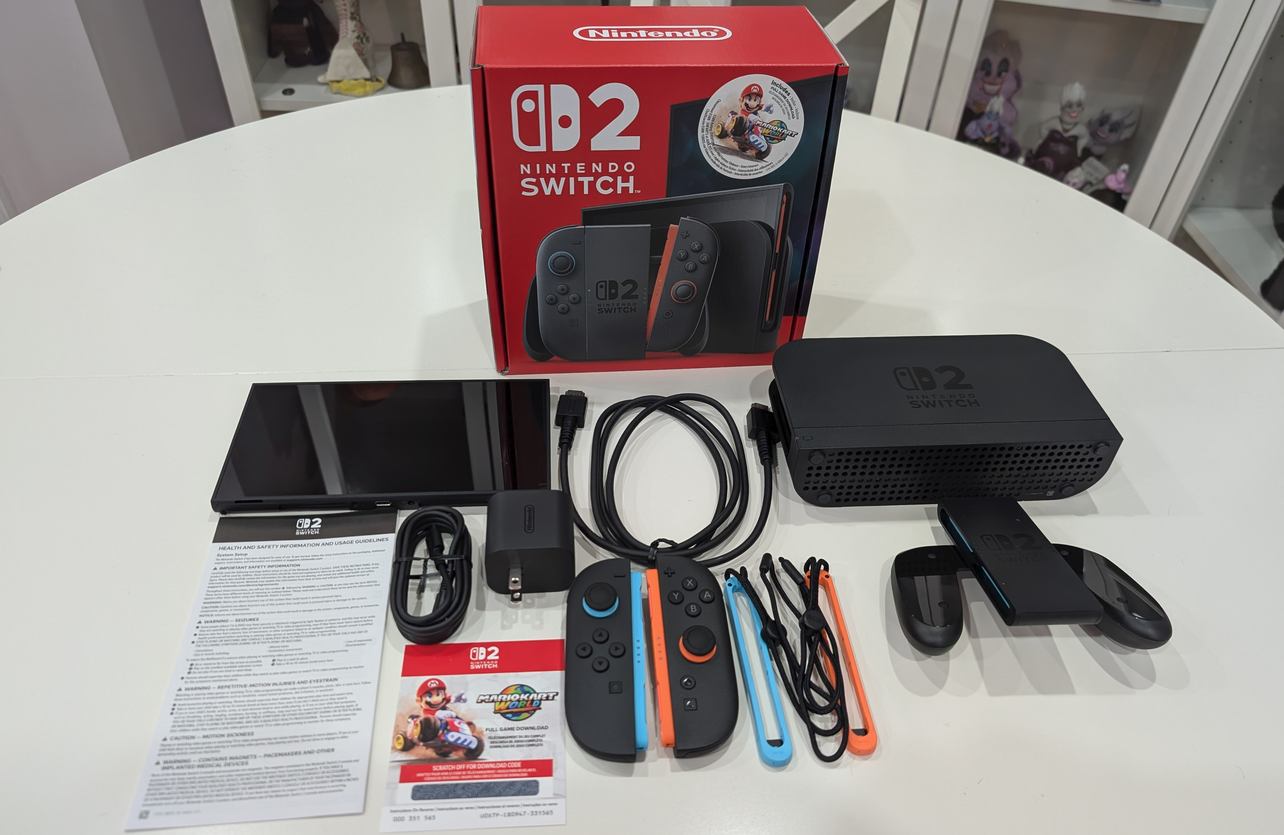
Nintendo Switch 2 proves something quickly once you get it in your hands. This is Nintendo’s next-generation hardware, not just an upgraded version of Nintendo Switch. It keeps the same hybrid idea, but the larger screen, stronger performance, improved Joy-Con 2 controllers, and growing Nintendo Switch 2 game library make it feel built for the next several years. If you still own a Nintendo Switch, Nintendo Switch 2 is an easy upgrade to recommend.
The answer is more personal if you already own a Nintendo Switch – OLED Model. Nintendo Switch 2 is more powerful, has a larger 1080p screen, includes much more internal storage, and supports the next wave of Nintendo games. The tradeoff is that you’re moving from an OLED screen to an LCD screen, and battery life depends heavily on the game. If faster load times, smoother play, future Nintendo Switch 2 games, and long-term support matter most, the upgrade makes sense. If you mostly play older games in handheld mode and love the OLED screen, waiting is a reasonable choice.
This Nintendo Switch 2 review covers the hardware, screen, Joy-Con 2 controllers, battery life, games, price, and who should upgrade.
For families, Nintendo Switch 2 also feels like the better long-term console. The hybrid design still works well in the living room, on the couch, or on a trip, and the improved Joy-Con 2 controllers make shared play easier. But does Nintendo Switch 2 offer enough value to justify the upgrade? Let’s take a closer look.
Nintendo Switch 2 at a glance
Nintendo Switch 2 keeps the hybrid design that made Nintendo Switch so popular, but this is clearly Nintendo’s next-generation hardware. The Nintendo Switch 2 system’s custom NVIDIA processor brings 10x the graphics performance of Nintendo Switch. That extra power allows Nintendo Switch 2 games to look better, run smoother, and build bigger worlds than Nintendo Switch could handle.
You can still play on a TV, remove the console from the dock, or use it in tabletop mode. That familiar flexibility is still the foundation. The difference is that the power, storage, display, controllers, and game support are built around a new generation of Nintendo software.
The screen is now a 7.9-inch LCD display with 1080p resolution in handheld mode. Nintendo Switch 2 also supports HDR, variable refresh rate, and frame rates up to 120 frames per second in supported games. When connected to a compatible TV, it can output up to 4K. Not every game reaches those numbers, but the extra power lets newer games do more than Nintendo Switch could offer.
Storage is another major upgrade. Nintendo Switch 2 includes 256GB of internal storage, which is a big jump from the 32GB in the Nintendo Switch and the 64GB in the Nintendo Switch – OLED Model. You’ll still want a microSD Express card if you buy a lot of digital games, but the console feels more practical from the start.
Design and build quality
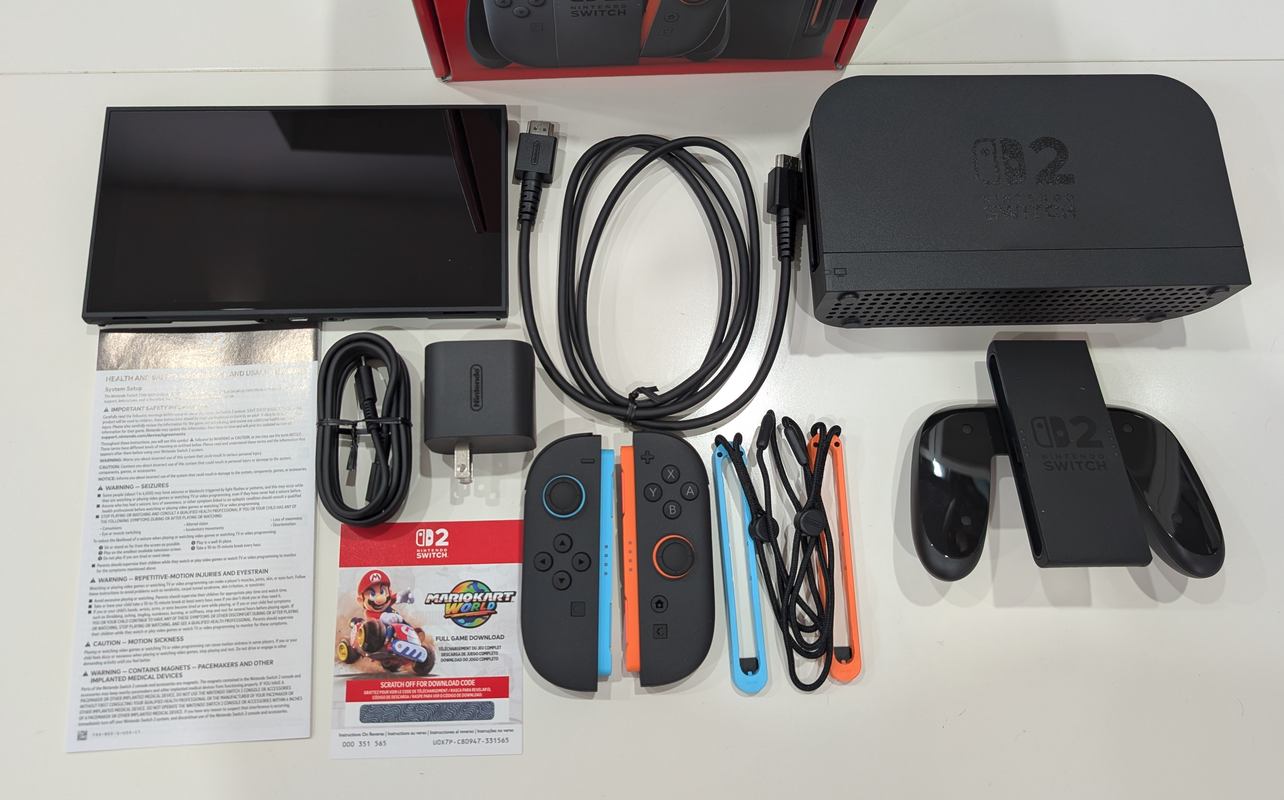
Nintendo Switch 2 looks familiar at first, but it feels more mature once you pick it up. The larger body gives the 7.9-inch screen more breathing room, and handheld play no longer feels as cramped as it did on Nintendo Switch. It is heavier with the Joy-Con 2 controllers attached, but the weight feels balanced enough for regular handheld play.
The kickstand is one of the most practical design improvements. The Nintendo Switch kickstand always felt like one of the weakest parts of the console. Nintendo Switch 2 uses a wider adjustable stand that feels much more useful. Tabletop mode now feels like something you can rely on, not a backup option you only use when nothing else is available.
The two USB-C ports also make everyday use more flexible. One sits on the bottom, and one sits on the top. That makes charging easier during tabletop play or when you’re connecting accessories. It’s the kind of change that doesn’t sound exciting on a spec sheet, but it solves a real annoyance.
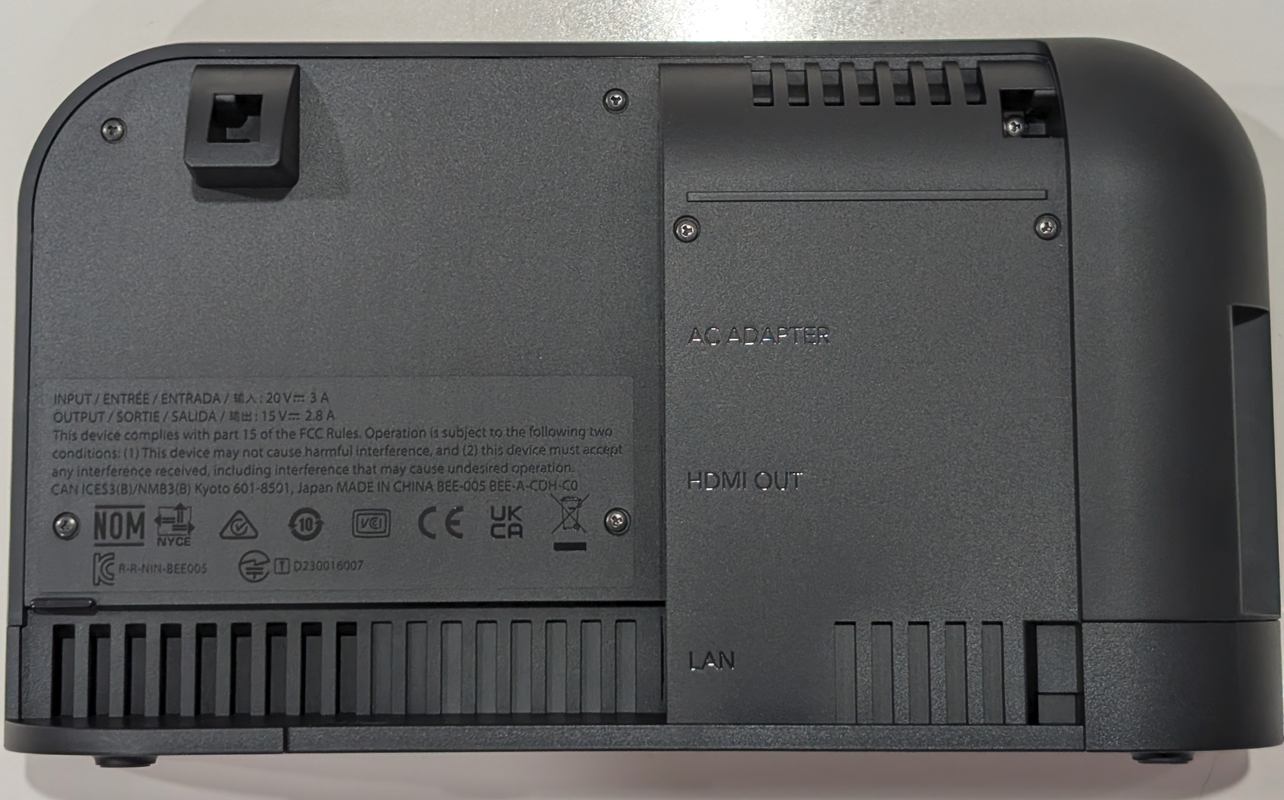
Docked play still works the way it should. You place Nintendo Switch 2 into the dock, and the game moves to the TV quickly. The dock also includes built-in Ethernet, which is a welcome upgrade if you play online often. For a family room, that easy move between handheld and TV play remains one of the console’s biggest strengths.
Display and performance
Nintendo Switch 2 system’s larger 1080p screen is one of the first upgrades you notice in handheld mode. Text is clearer, menus are sharper, and games with a lot happening on screen benefit from the extra screen space. The jump from Nintendo Switch is obvious.
The Nintendo Switch – OLED Model still has an advantage for contrast and black levels. If you’ve spent a lot of time with the OLED model, you’ll notice the change. Nintendo Switch 2 makes up for it with higher resolution, a larger display, HDR support, and smoother play. The question is which tradeoff matters more to you.
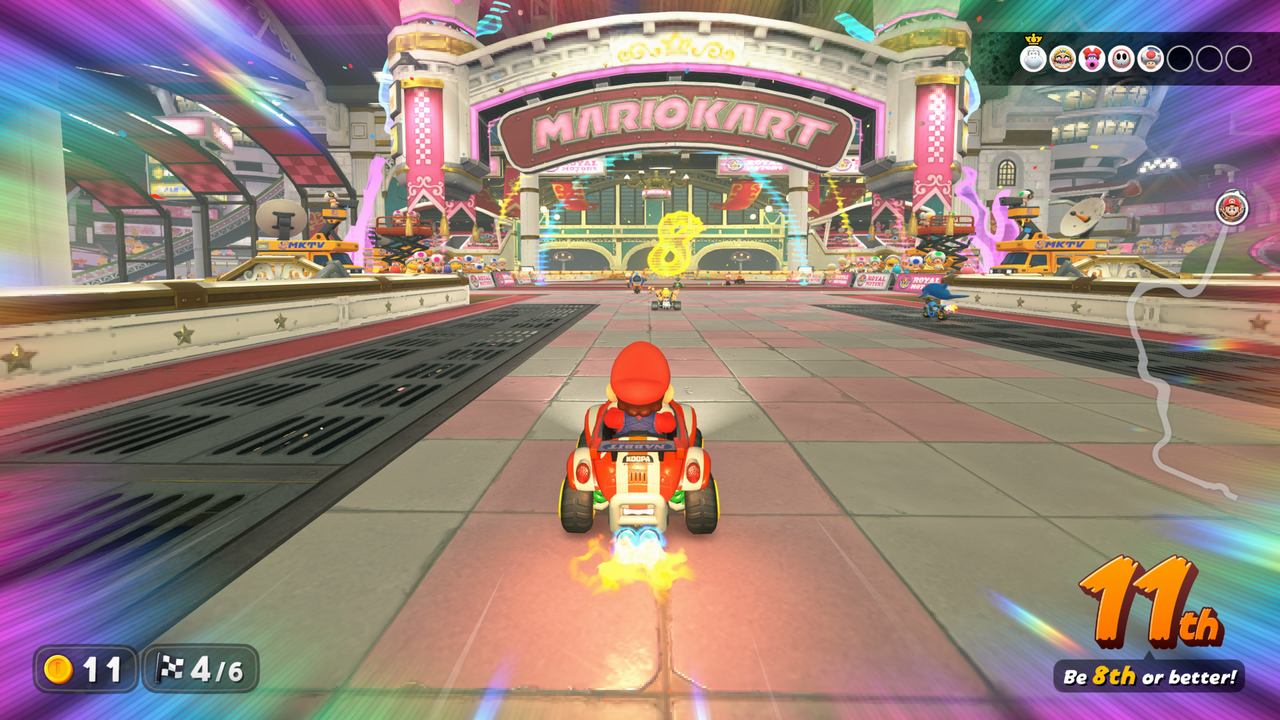
Performance is where Nintendo Switch 2 makes its clearest case. Mario Kart World shows what software built around the new generation can do when it is not being squeezed onto older technology. The Legend of Zelda: Breath of the Wild and The Legend of Zelda: Tears of the Kingdom also benefit from Nintendo Switch 2 Edition upgrades. Faster loading and smoother performance make those huge worlds easier to return to.
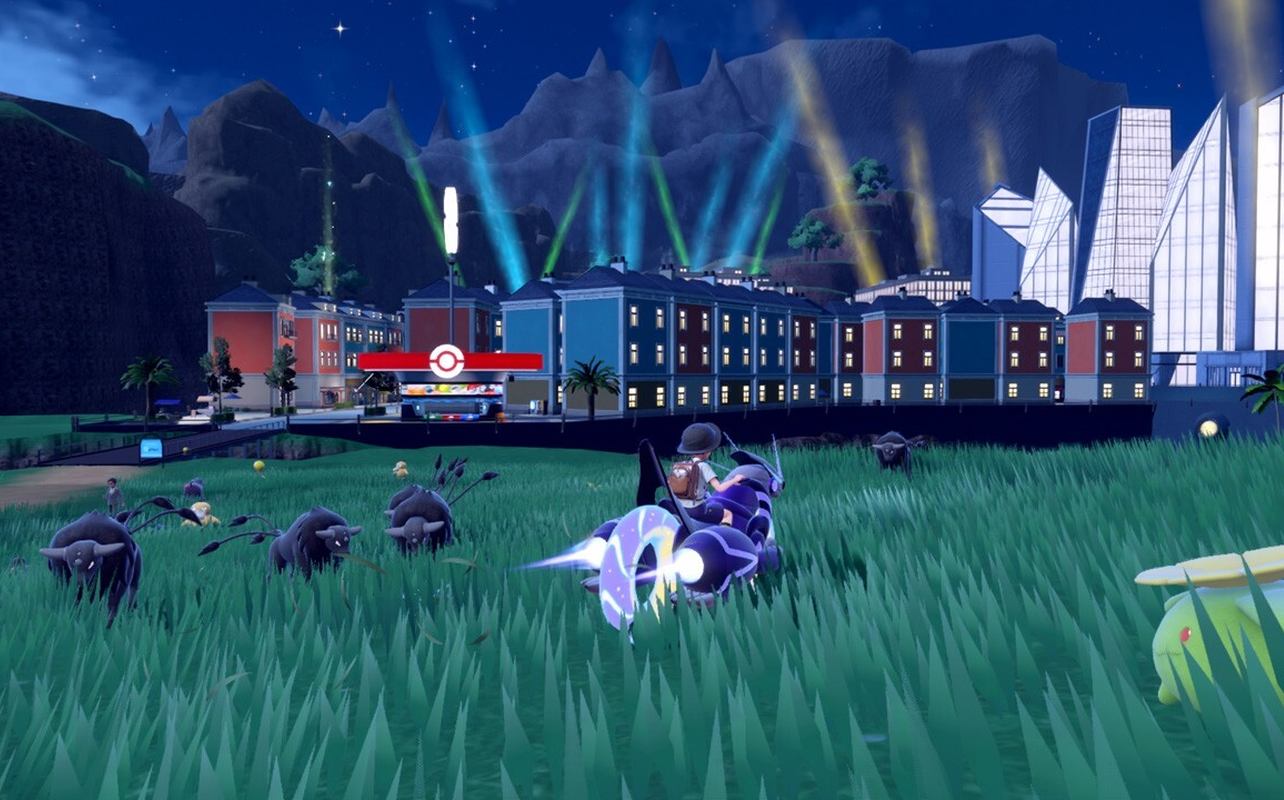
The difference is even clearer with games that struggled on Nintendo Switch. Pokémon Scarlet and Pokémon Violet feel far more stable on Nintendo Switch 2 than they did at launch on Nintendo Switch. The upgrade isn’t only about future games. It can also improve parts of your existing library.
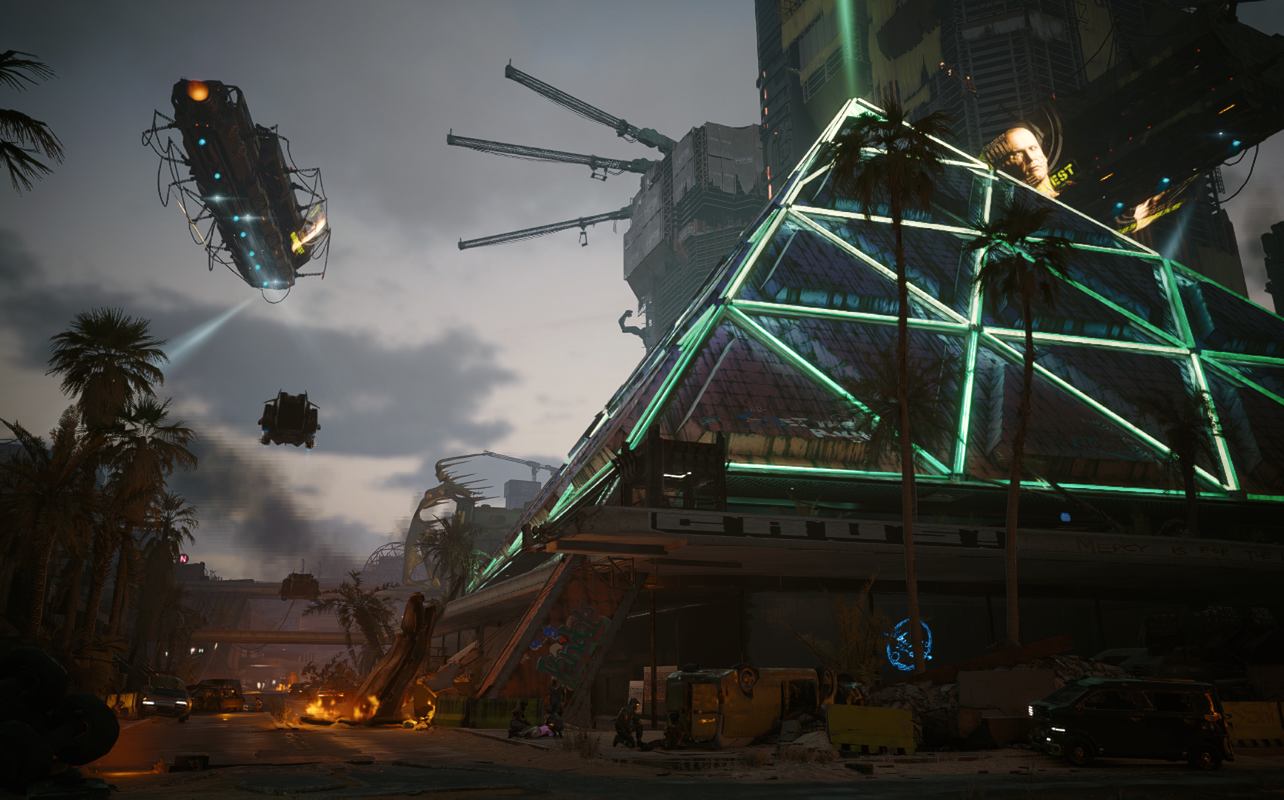
Third-party support adds a lot to that value. Cyberpunk 2077 Ultimate Edition running natively on Nintendo Switch 2 would have sounded unrealistic during the Nintendo Switch years, and the first year has brought several major third-party games to the console. Call of Duty: Modern Warfare 4 is also coming to Nintendo Switch 2 alongside other current-generation platforms, which shows how differently publishers are treating the Nintendo Switch 2.
Nintendo Switch 2 Joy-Con 2 controllers review
The Joy-Con 2 controllers are one of the easiest upgrades to appreciate. They attach magnetically instead of sliding onto rails, and the connection feels more secure. Removing and attaching them is quicker, and the console feels sturdier in handheld mode.
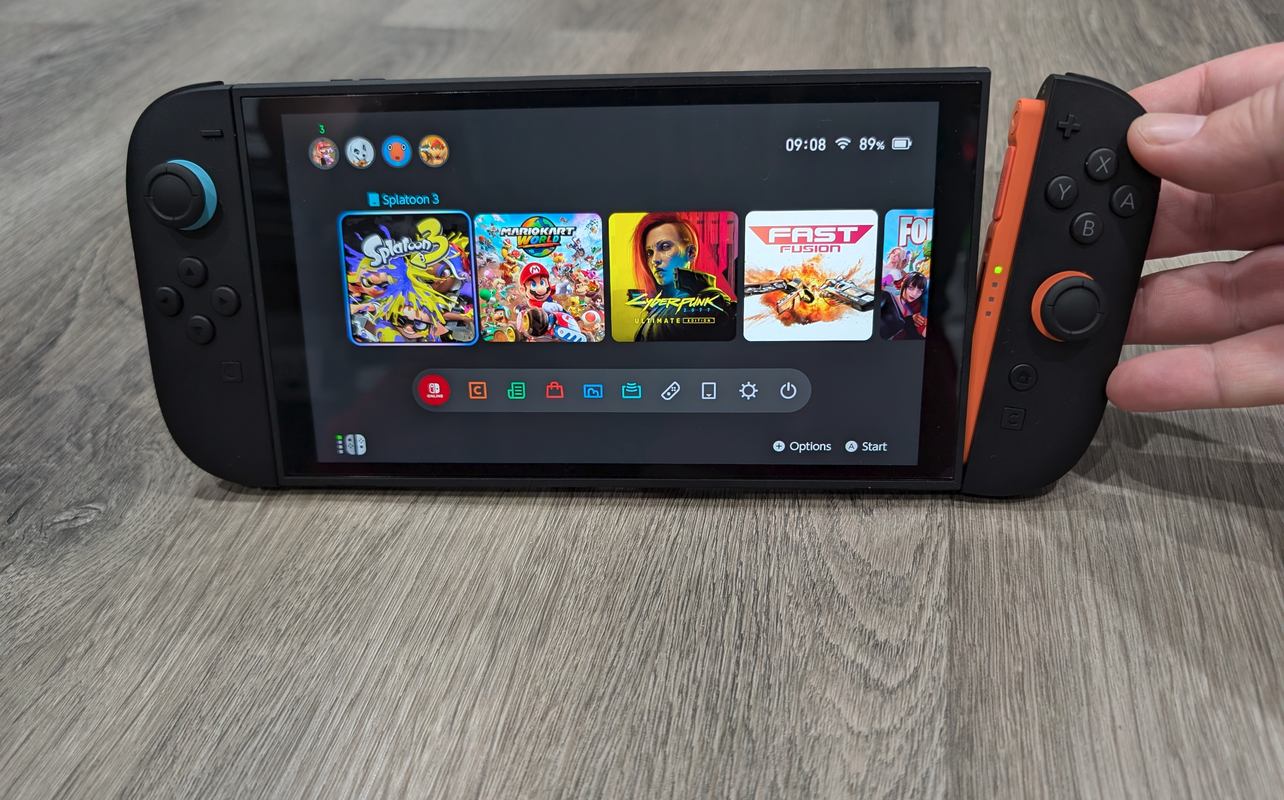
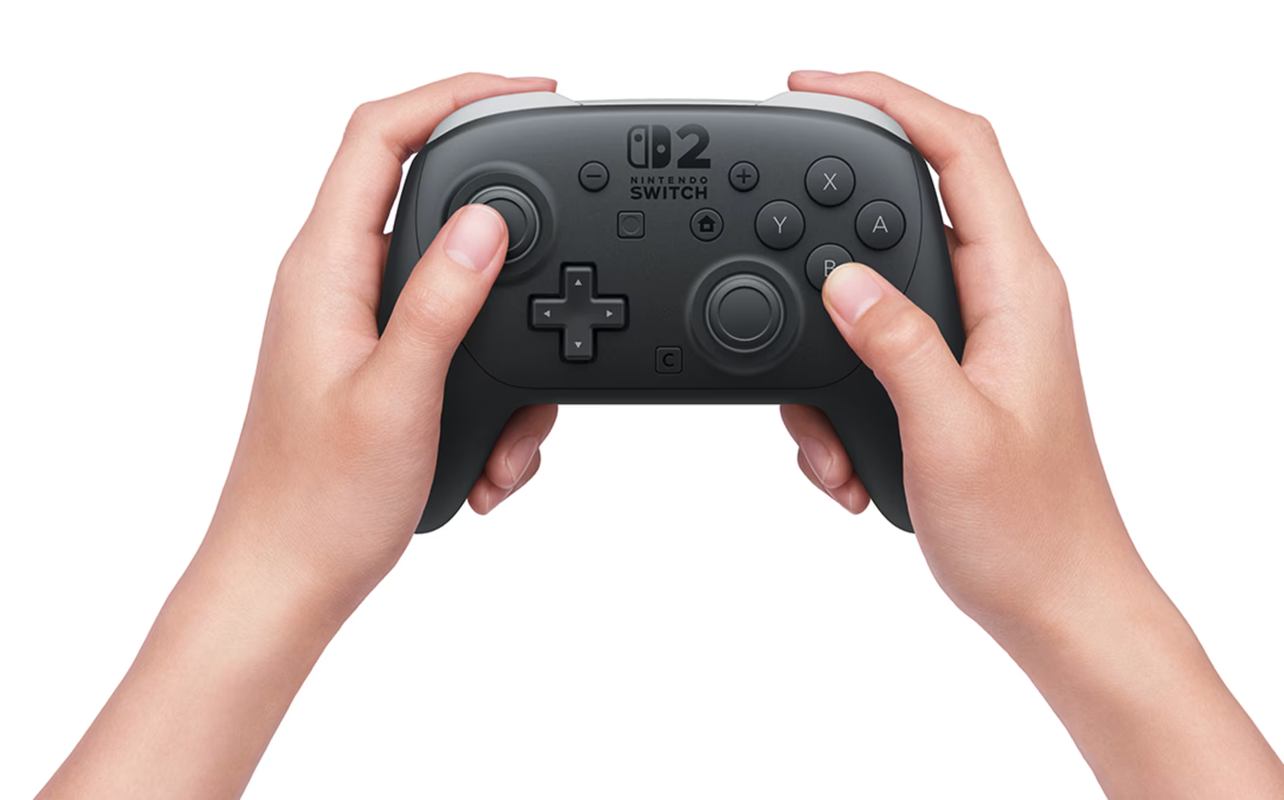
The larger buttons and analog sticks also make a real difference. The Nintendo Switch Joy-Con controllers were clever, but they often felt too small for longer play sessions. Joy-Con 2 still won’t replace a Nintendo Switch 2 Pro Controller for when you are playing at home on your TV, but handheld play feels more comfortable.
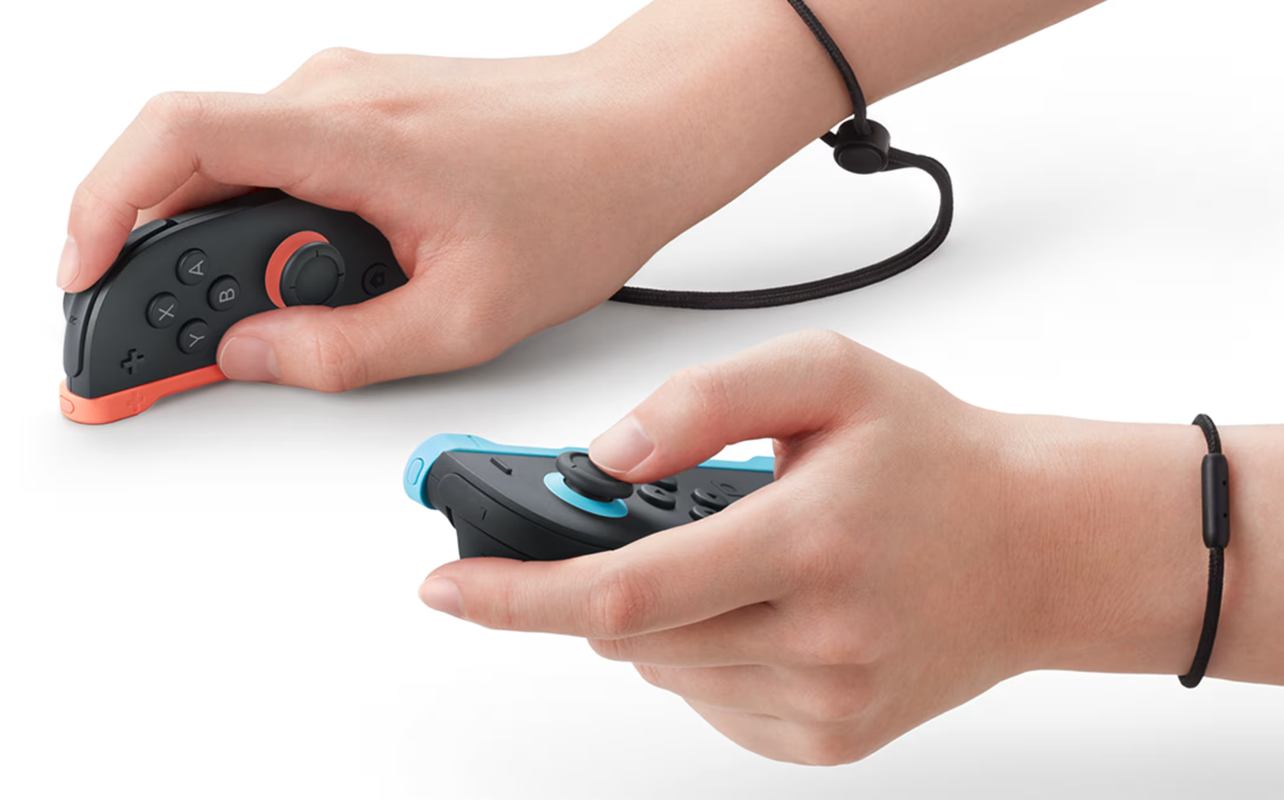
Mouse control is the most interesting new addition. Compatible games can use the Joy-Con 2 controllers like a mouse, which opens the door for strategy games, shooters, menu-heavy games, and pointer-style controls. I tested the feature on different surfaces including fabric, and it worked better than I expected. It won’t change every game, but it adds another control option for developers.
The C button also gives quick access to GameChat, one of Nintendo Switch 2 system’s new features. Once set up, pressing the C button on the right Joy-Con 2 controller can start GameChat, respond to chat invitations, or mute your microphone. Nintendo Switch 2 also includes a built-in microphone, so voice chat doesn’t require additional accessories right away.
After nearly a year with Nintendo Switch 2, I haven’t run into Joy-Con 2 drift. There have been some reports online, but it doesn’t appear to be a widespread issue right now. As with any controller, long-term durability is something to watch over time.
Battery life and everyday use
Battery life is one of the biggest areas where you need realistic expectations. Nintendo Switch 2 battery life ranges from about two to 6.5 hours, depending on the game. Charging takes about three hours in Sleep Mode.
That range is wide, and it changes how you should think about portable play. A smaller or less demanding game will last longer. A larger 3D game, online play, brighter screen settings, or a more demanding game will drain the battery faster. If you’re playing something like Mario Kart World online or Cyberpunk 2077 Ultimate Edition, expect the lower end of the range.
In everyday use, Nintendo Switch 2 works well for couch play, commuting, shorter trips, and moving between rooms. I wouldn’t treat it as a full-day handheld without thinking about charging. The second USB-C port helps in tabletop mode because you can plug in from the top without blocking the bottom edge.
Compared with the Nintendo Switch – OLED Model, battery life is not an automatic upgrade. Nintendo Switch 2 has a larger screen and stronger performance, but those improvements ask more from the battery. If handheld battery life is your top priority, that tradeoff deserves serious thought.
Backward compatibility and games
Backward compatibility is a major part of Nintendo Switch 2 system’s value. Many physical and digital Nintendo Switch games work on Nintendo Switch 2, which means most existing owners aren’t starting from zero. Compatibility isn’t perfect across every game, but Nintendo continues to improve support through testing and updates with publishing and development partners.
If you’ve owned Nintendo Switch for years, your existing game library carries more value when it remains useful on Nintendo Switch 2. A large Mario, The Legend of Zelda, Pokémon, Kirby, or party game collection can continue to play a role on Nintendo Switch 2. It also makes the upgrade easier for families because the games already in the house still have a place.
Nintendo Switch 2 Edition releases are a big part of the picture. The Legend of Zelda: Breath of the Wild, The Legend of Zelda: Tears of the Kingdom, Pokémon Legends: Z-A, and Metroid Prime 4: Beyond all show how existing or cross-generation games can benefit from Nintendo Switch 2. Sharper image quality, smoother performance, and faster loading make those upgrades easier to understand.
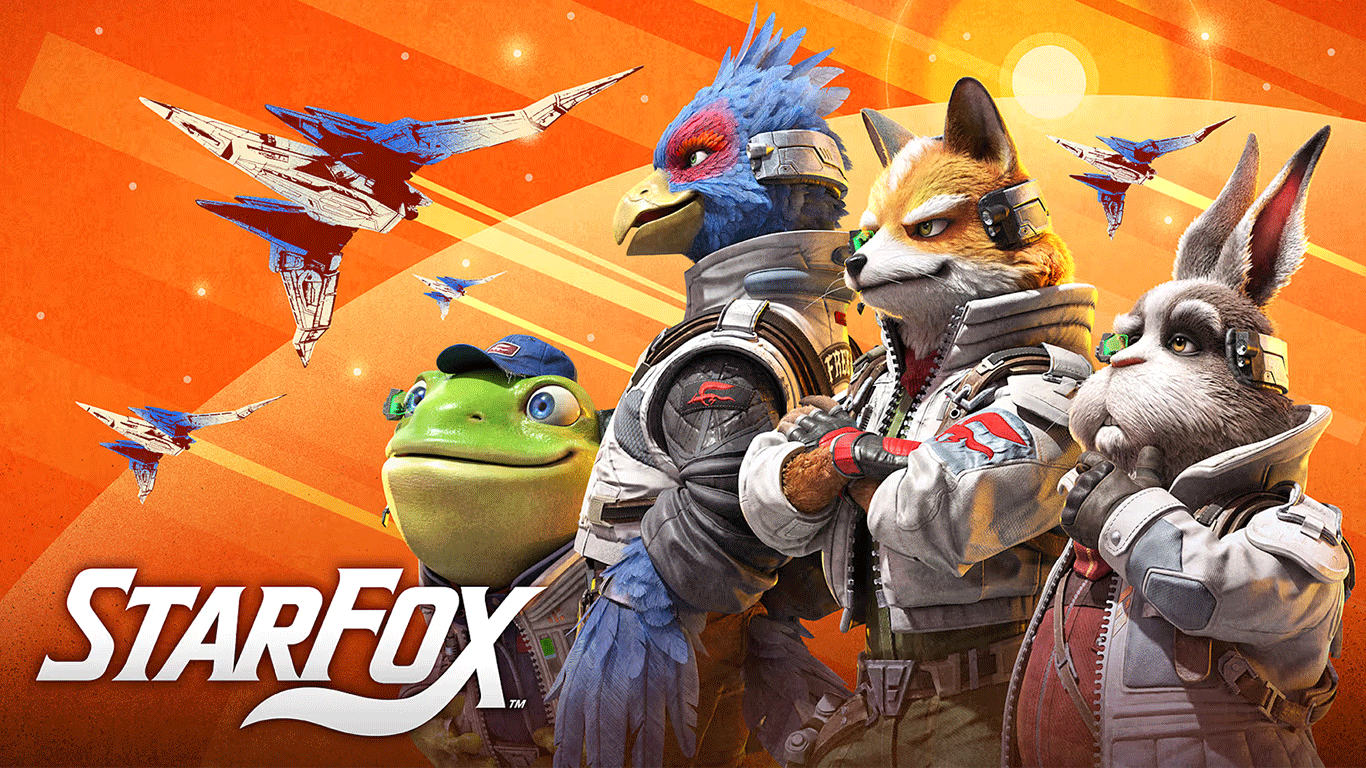
The mix of exclusive, upgraded, and upcoming Nintendo Switch 2 games is also clearer now than it was at launch. Current and upcoming examples include Mario Kart World, Donkey Kong Bananza, Kirby Air Riders, Pokémon Pokopia, Yoshi and the Mysterious Book, Mario Tennis Fever, Star Fox, Hyrule Warriors: Age of Imprisonment, and Splatoon Raiders.
That makes the upgrade easier to understand now than it was at launch. Nintendo Switch 2 is where Nintendo’s future support will move over time, and not every new Nintendo game will come to Nintendo Switch. If you’re moving from an older Nintendo Switch, you’re getting stronger performance for compatible older games and a growing Nintendo Switch 2 catalogue.
How much does the Nintendo Switch 2 cost?
Nintendo Switch 2 is a serious purchase. The standard Nintendo Switch 2 Console is currently $629.99, while the Nintendo Switch 2: Choose Your Game Bundle is $699.99. It’s important to note that the Nintendo Switch 2 price is scheduled to increase from $629.99 to $679.99 on September 1, 2026.
That puts Nintendo Switch 2 above the Nintendo Switch – OLED Model, but below the current starting price of Steam Deck OLED. That price needs to be part of the upgrade decision. The console is only the beginning. Once you add games, storage, a case, a screen protector, or an extra controller, the total can climb quickly.
Games are another important cost. Nintendo Switch 2 games include first-party titles, third-party games, and upgraded Nintendo Switch 2 Edition releases across a wide range of prices. Some major Nintendo Switch 2 games sit closer to premium new-release pricing, so buying two games with the console can change the total quickly.
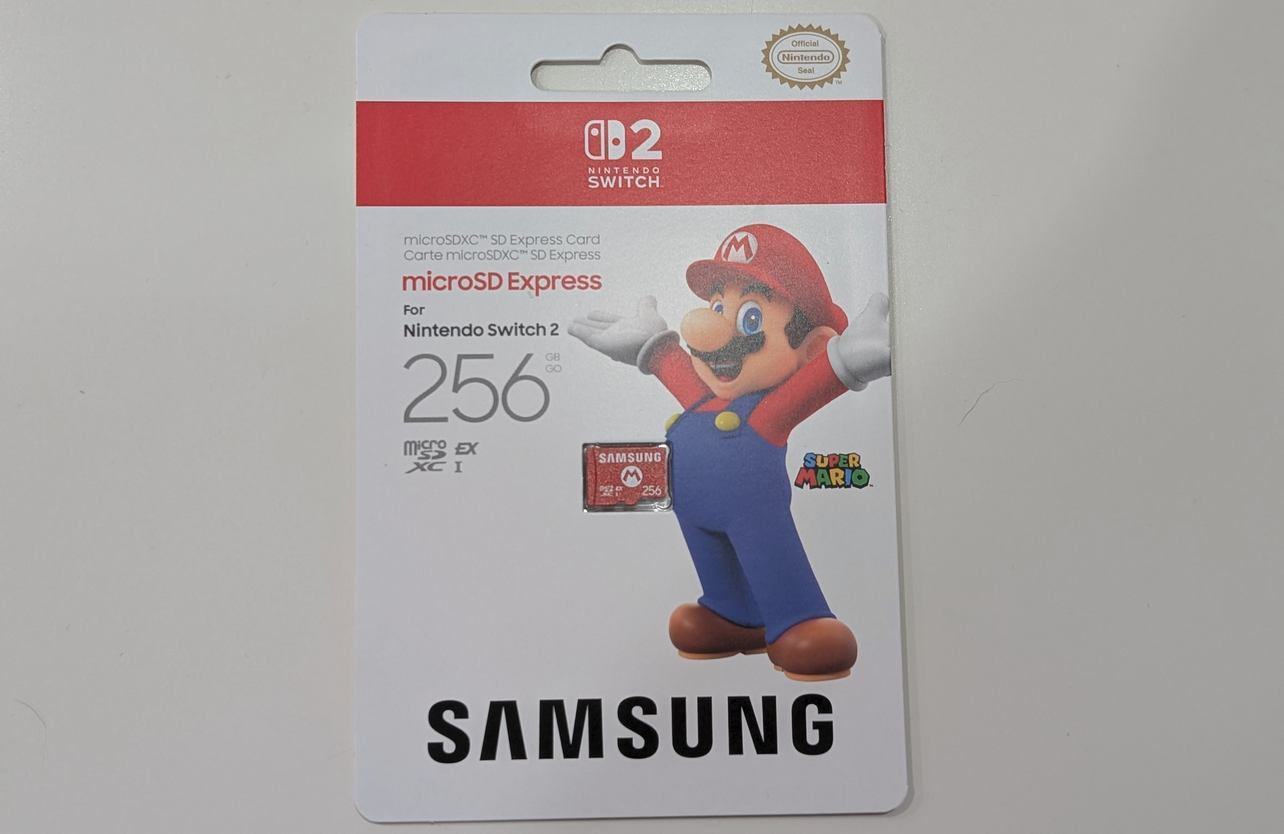
Accessories also add up. Nintendo Switch 2 accessories include the Nintendo Switch 2 Pro Controller, Joy-Con 2 controllers, cases, cameras, and microSD Express cards. A Pro Controller is still the accessory I’d recommend first if you plan to play docked often. A microSD Express card becomes important if you prefer digital games.
The value depends on how you plan to use the console. If Nintendo Switch 2 becomes your main family console or your main handheld device, the price is easier to justify. If you only play Nintendo games once in a while, the upgrade is harder to rush.
Nintendo Switch 2 vs Nintendo Switch vs Nintendo Switch – OLED Model
Nintendo Switch 2 is the best long-term choice if you want newer games, smoother performance, and more internal storage. The Nintendo Switch – OLED Model still has the best screen contrast for handheld play. The original Nintendo Switch is now the lower-cost option, but it feels older in nearly every area.
| Feature | Nintendo Switch 2 | Nintendo Switch – OLED Model | Nintendo Switch |
|---|---|---|---|
| Screen | 7.9-inch 1080p LCD | 7-inch 720p OLED | 6.2-inch 720p LCD |
| Handheld resolution | 1080p | 720p | 720p |
| TV output | Up to 4K in supported use cases | Up to 1080p | Up to 1080p |
| Internal storage | 256GB | 64GB | 32GB |
| Controllers | Joy-Con 2 with magnetic attachment and mouse control | Joy-Con controllers | Joy-Con controllers |
| Best fit | Newer games, stronger performance, long-term ownership | Handheld OLED screen fans | Lower-cost Nintendo gaming |
| Biggest tradeoff | Higher price and LCD screen | Older performance level | Smaller screen and less storage |
If you’re buying a Nintendo console for the first time, Nintendo Switch 2 is the best long-term choice unless price is the main concern. For original Nintendo Switch owners, the upgrade is easy to recommend. For Nintendo Switch OLED Model owners, the screen tradeoff is the only real hesitation.
Who should upgrade to Nintendo Switch 2?
Original Nintendo Switch owners have the clearest reason to upgrade. Nintendo Switch 2 improves the screen, storage, controls, dock, online options, and performance. If you’ve been using the original model for years, this is the upgrade that makes the whole experience feel current again.
Nintendo Switch – OLED Model owners should think more carefully. You gain smoother performance, a sharper screen, more storage, newer controls, and future Nintendo Switch 2 game support. You lose the OLED screen’s deeper contrast. If you mostly play older games in handheld mode, waiting makes sense. If you want the more capable console for newer releases, Nintendo Switch 2 is the better choice.
If you’re buying into Nintendo’s ecosystem for the first time, start with Nintendo Switch 2. It has the clearest path forward, and backward compatibility means you can still explore many Nintendo Switch games you missed.
Families also have a strong reason to consider it. Nintendo Switch 2 still moves easily between the TV and handheld play, Joy-Con 2 controllers are better for shared play, and Nintendo’s library remains one of the easiest to recommend for mixed-age households.
If you already own a Steam Deck or another handheld PC, Nintendo Switch 2 serves a different purpose. Steam Deck is built around PC gaming and platform flexibility. Nintendo Switch 2 is built around Nintendo games, simple TV play, physical games, easy local multiplayer, and broader third-party support than Nintendo Switch had at the same stage.
Pros and cons
| Pros | Cons |
|---|---|
| Larger 7.9-inch 1080p screen makes handheld play clearer | LCD screen may disappoint some Nintendo Switch OLED Model owners |
| Stronger performance improves newer games and compatible older games | Higher price makes the full upgrade more expensive |
| Joy-Con 2 controllers feel more secure and comfortable | Battery life depends heavily on the game |
| Magnetic controller attachment is easier to use | Some older Nintendo Switch games only receive modest improvements |
| 256GB internal storage is a major upgrade | microSD Express cards add to the total cost |
| Backward compatibility protects much of your existing library | Some games still need compatibility updates |
| Growing Nintendo Switch 2 game library makes long-term ownership easier to justify | Some Nintendo Switch 2 features depend on game support |
Final Verdict – Is Nintendo Switch 2 Worth It?
Nintendo Switch 2 is worth upgrading to for most original Nintendo Switch owners because it’s Nintendo’s next-generation console, not a small refresh. The sharper screen, faster load times, improved Joy-Con 2 controllers, larger internal storage, and smoother performance make the console feel more current in daily use. It keeps the hybrid design that made Nintendo Switch so popular, then brings it forward with the power and software support expected from next-generation Nintendo hardware.
For Nintendo Switch – OLED Model owners, the decision depends on what you value most. Nintendo Switch 2 is the more capable console and the clearer long-term choice for new games. Nintendo Switch – OLED Model still has an advantage for screen contrast. If you mainly play older games in handheld mode, you don’t need to rush. If you want smoother performance and access to Nintendo’s future lineup, upgrading makes sense.
The price is the biggest barrier. Once you add games, accessories, and storage, Nintendo Switch 2 becomes a real investment. But if your Nintendo console gets regular use, the improvements add up quickly. Nintendo Switch 2 doesn’t need to reinvent the idea. It is the Nintendo console I’d recommend first if you’re buying into the ecosystem now.
Frequently asked questions
Is Nintendo Switch 2 worth buying?
Yes, Nintendo Switch 2 is worth buying if you want Nintendo’s most capable console for current and upcoming games. It’s also the best choice if you’re buying a Nintendo console for the first time because it has stronger performance, more storage, and backward compatibility with many Nintendo Switch games.
Is Nintendo Switch 2 worth upgrading to from the Nintendo Switch?
Yes, the upgrade from the original Nintendo Switch is easy to recommend. Nintendo Switch 2 has a larger 1080p screen, faster load times, better controllers, more storage, and access to Nintendo Switch 2 games.
Is Nintendo Switch 2 worth upgrading to from the Nintendo Switch – OLED Model?
It depends on what you value most. Nintendo Switch 2 has stronger performance, more storage, and newer game support. The Nintendo Switch – OLED Model system still has the advantage for screen contrast. If you mostly play handheld and love the OLED screen, waiting is reasonable. If you want stronger performance and future Nintendo games, Nintendo Switch 2 is the better choice.
How is battery life on Nintendo Switch 2?
Battery life ranges from about two to 6.5 hours, depending on the game and settings. Larger games and online features drain the battery faster. It works well for couch play, shorter trips, and moving around the house. For longer portable sessions, bring a charger.
How are the Nintendo Switch 2 Joy-Con 2 controllers?
Joy-Con 2 controllers are a clear improvement over the Joy-Con controllers. They attach magnetically, feel more secure, have larger buttons and sticks, and support mouse control in compatible games. For long docked sessions, the Nintendo Switch 2 Pro Controller is still the better option.
Is Nintendo Switch 2 backward compatible with Nintendo Switch games?
Nintendo Switch 2 supports many Nintendo Switch games, including physical and digital releases. Compatibility isn’t guaranteed for every game. Nintendo continues to test and improve compatibility, and selected games will receive updates that improve support on Nintendo Switch 2.
What are Nintendo Switch 2 exclusive games?
Nintendo Switch 2 exclusives include games such as Mario Kart World, Pokémon Pokopia, Donkey Kong Bananza, Kirby Air Riders, Hyrule Warriors: Age of Imprisonment, and Mario Tennis Fever. Upcoming Nintendo Switch 2 exclusives include Star Fox, Splatoon Raiders, The Duskbloods, and Fire Emblem: Fortune’s Weave. Nintendo Switch 2 also has upgraded Nintendo Switch 2 Edition games, including The Legend of Zelda: Breath of the Wild and The Legend of Zelda: Tears of the Kingdom.
How does Nintendo Switch 2 compare to Steam Deck?
Nintendo Switch 2 and Steam Deck serve different needs. Steam Deck makes more sense if your PC library is the priority and you want a handheld PC. Nintendo Switch 2 is currently cheaper, has a sharper 1080p handheld screen, supports 4K output through the dock, and is the better fit if you want Nintendo games, simple TV play, easy local multiplayer, physical games, and a growing third-party lineup built for Nintendo’s new hardware.
What are the best reasons to upgrade to Nintendo Switch 2?
The best reasons are stronger performance, faster load times, the larger 1080p handheld screen, Joy-Con 2 controller improvements, 256GB of internal storage, backward compatibility, and access to Nintendo’s next wave of games.