
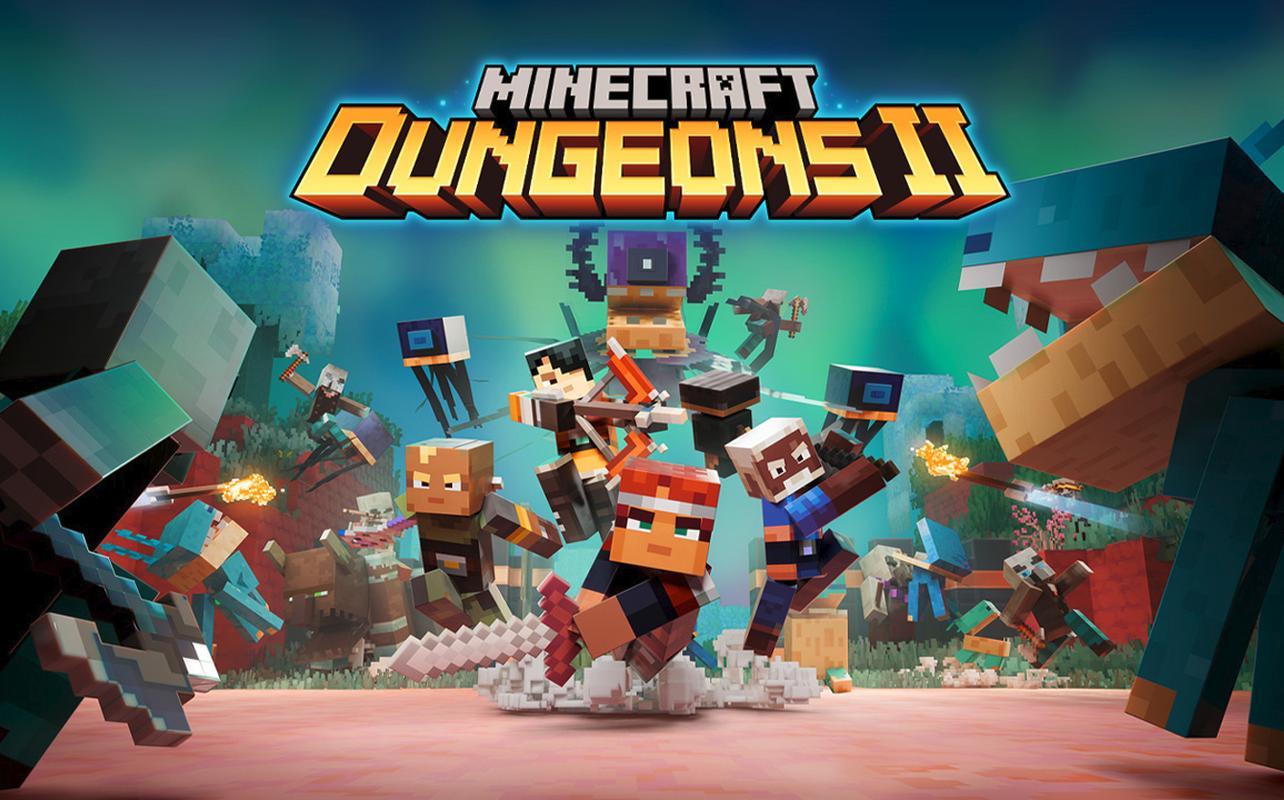
Playing Minecraft Dungeons II, I noticed right away how much more freedom I had between fights. Instead of going straight from one battle to the next, I could jump up to higher areas, check side paths, find side quests, and search for better gear. It gave me more reasons to look around and see what else was nearby.
The combat itself is very familiar if you played Minecraft Dungeons. You’re still fighting groups of mobs, collecting loot, and improving your character as you go. I stayed interested because there was more to do between fights, especially with the larger connected world and deeper character builds. It doesn’t completely change what Minecraft Dungeons is, but it does address some of the areas where the first game felt limited.
If you played the original and are wondering whether Minecraft Dungeons II changes enough to bring you back, let’s take a closer look at what’s new and how those changes affect the experience.

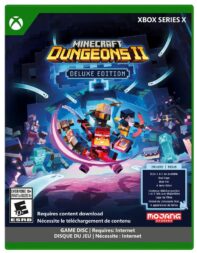
Minecraft Dungeons II details
Platform(s): XBOX Series X|S, PS5, Nintendo Switch, Nintendo Switch 2, XBOX One, and PC
Developer(s): Mojang Studios / Double Eleven Limited
Publisher(s): XBOX Game Studios
Genre: Action Adventure RPG
Modes: Single-player, local co-op and online co-op for up to four players
ESRB Rating: E10+ (Everyone 10+)
The Sift gives the story more purpose
Minecraft Dungeons II takes place after the first game, with a new threat spreading across the Overworld. The Illager High Council discovers a portal in the Deep Dark that opens into the Sift, a new Minecraft dimension. I found the story easier to follow because I understood what I was trying to stop.
Villagers also have a bigger role this time. They’re caught up in the conflict instead of just standing around in the background, and I cared more about what happened to them. Cutscenes are short and get the point across without slowing things down.
I found the Sift the most interesting part of the story. Its creatures and environments look different from the Overworld. Reaching it felt like heading somewhere new instead of another version of familiar Minecraft scenery.
I didn’t need the story to do much more than that. The villains are easy to follow, and fighting mobs and chasing better gear remain the focus. I had enough context to care about what I was doing without the story slowing down the action.
The connected world rewards looking around
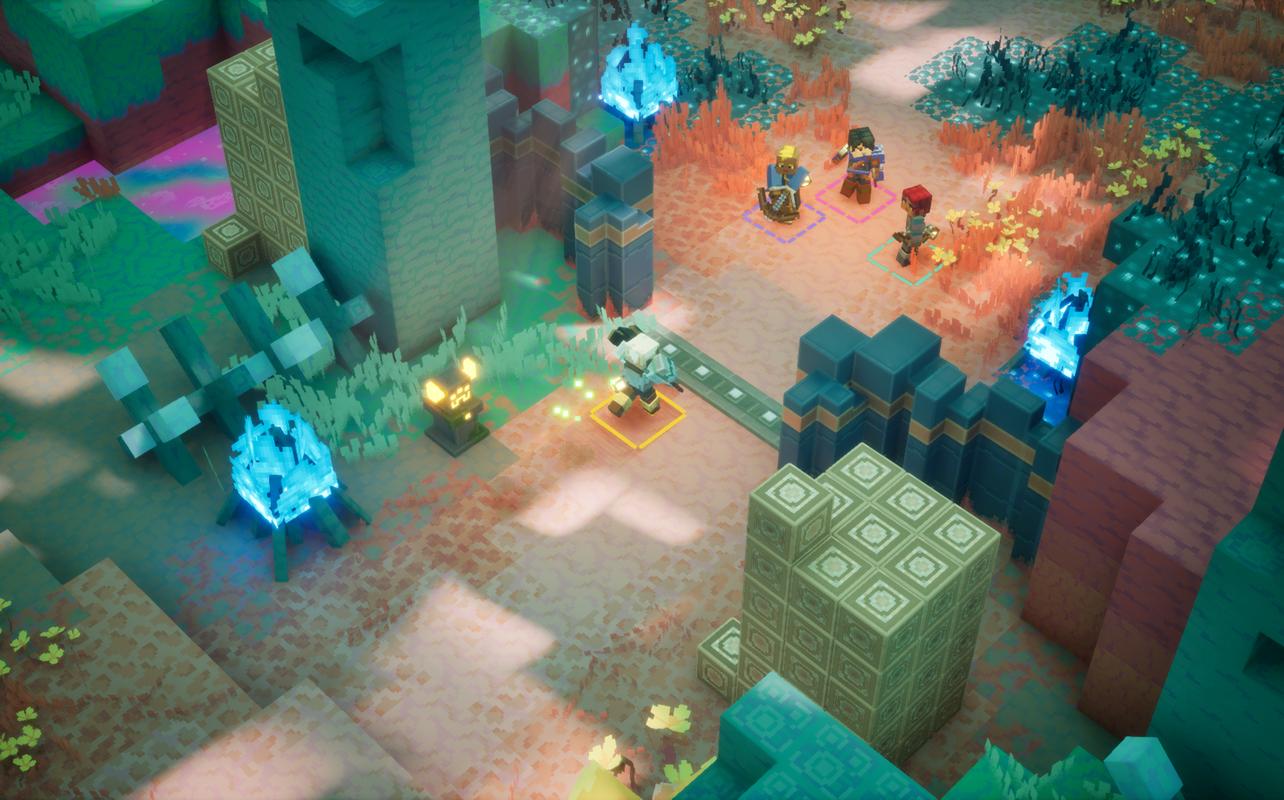
Between fights, I found myself spending more time exploring than I did in the first game. Instead of choosing a stage and pushing straight through it, you explore larger connected areas. Going off the main path can lead to a side quest, hidden area, or better loot, so I had a reason to check what was nearby before heading back to the main objective.
Jumping sounded minor, but it changed how I explored. Higher ledges and gaps had me checking areas I would have ignored in the first game. Jump attacks were useful for dropping into a fight, but exploration was where jumping made the biggest difference.
Even with that extra freedom, the repetition was still there. You’re still clearing groups of mobs, collecting loot, and working toward tougher encounters for much of the game. There was simply more to do between those fights, which kept the world from feeling like a straight line.
I also liked coming across dungeons and rifts while exploring. Finding one gave me another reason to keep looking around rather than heading directly to the next objective. If the first game’s linear missions wore thin for you, this change is easy to notice.
Deeper character builds make loot more interesting
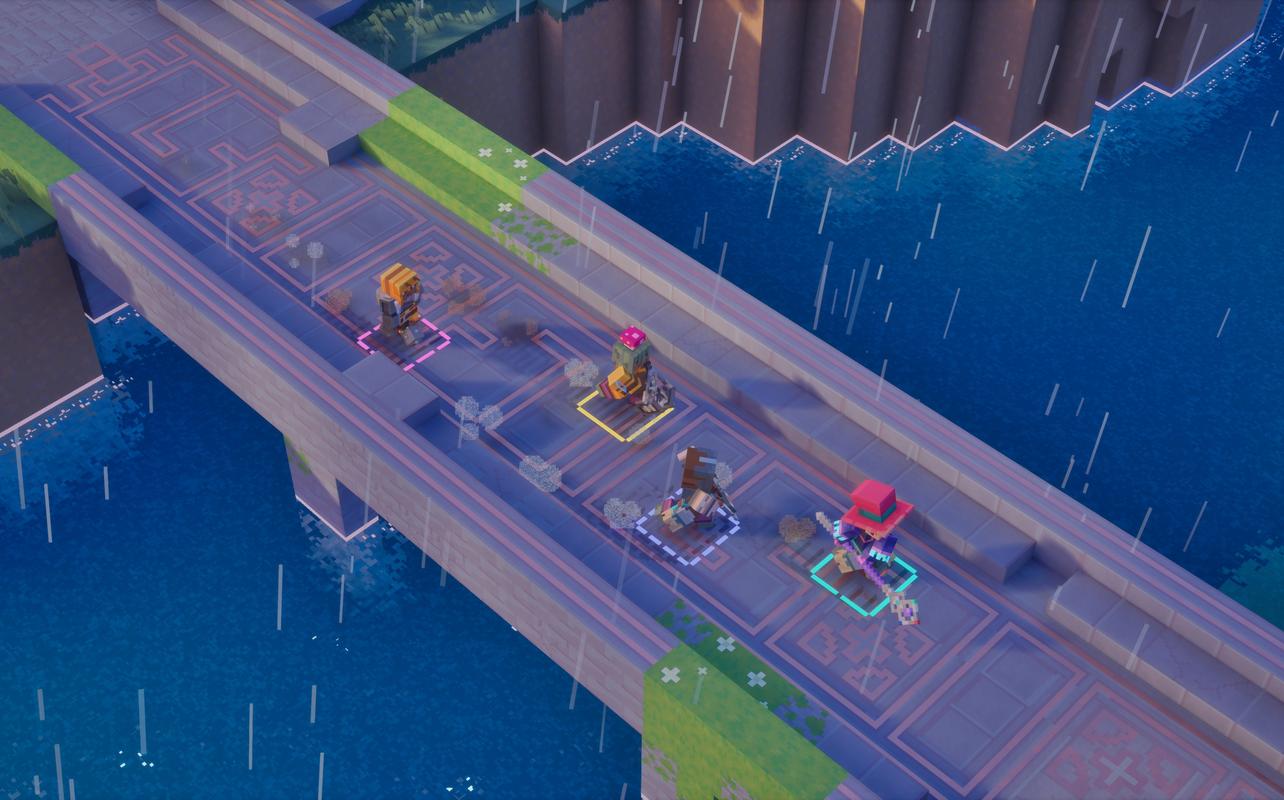
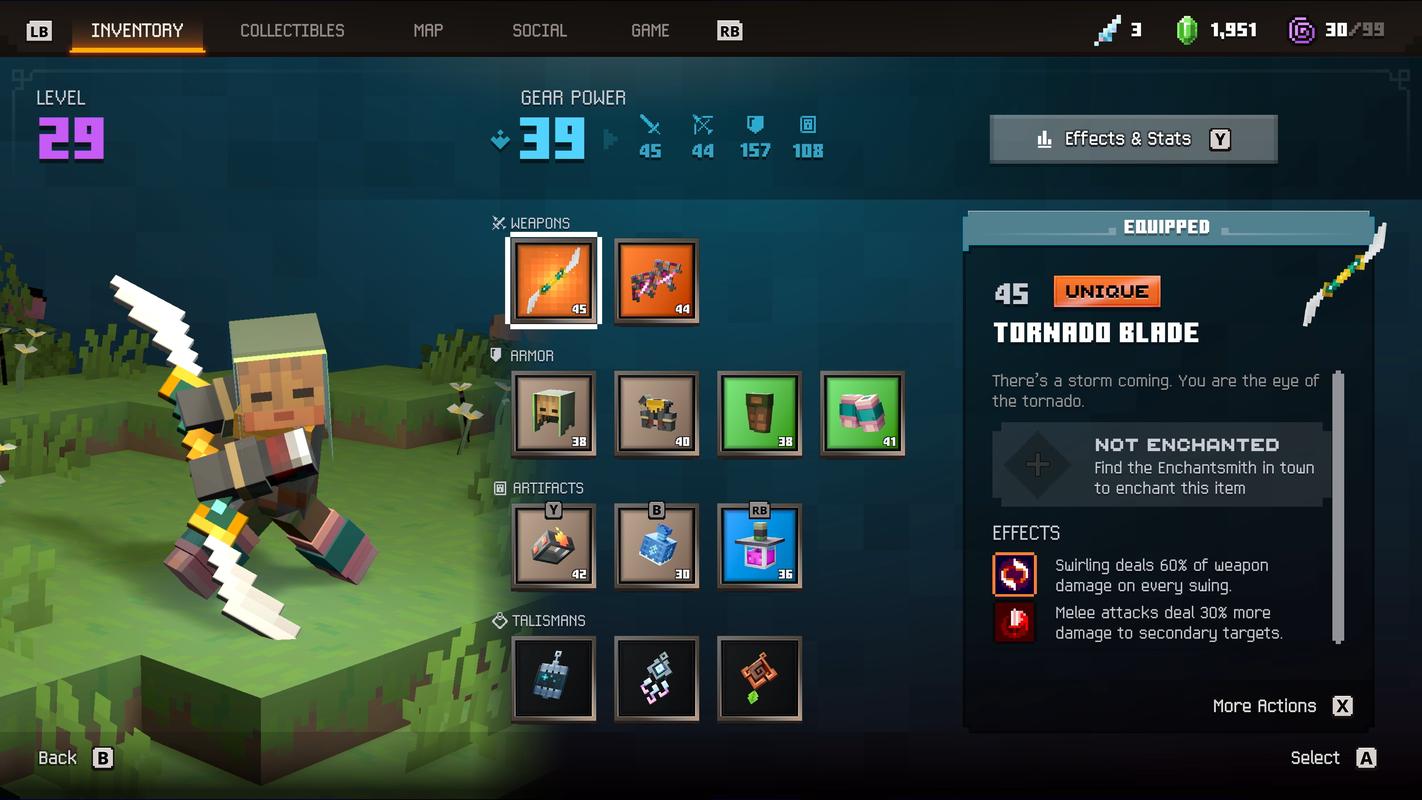
Splitting armour into separate pieces changed how I looked at new gear. You now equip a helmet, chest plate, leggings, and boots, so there’s more to consider when something new drops. I sometimes kept a lower-power piece equipped because it worked better with the rest of what I was using.
Talismans add passive bonuses that can support different ways of playing. I spent more time comparing gear because a useful effect could be just as important as raw power. That made new drops more interesting than simply checking which number was higher.
Enchantment Books open more options for eligible gear, and the Blacksmith can improve equipment you want to keep. The game isn’t always clear about how these options work together. Once I understood what each option did, I enjoyed experimenting with gear much more.
That build freedom changed how I approached fights more than the attacks themselves did. You’re still using melee and ranged attacks while dodging enemies and watching your potion cooldown. Your gear can change how you handle an encounter, but the basic combat remains very close to the first game.
Soul Storms kept me working on my build after the story by throwing stronger enemies and better loot at me. The repetition was still there, but I had a reason to keep chasing better gear.
The Sift looks great, but I sometimes lost track of my character
I enjoyed exploring the Sift more than any other area in the game. Its softer colours, strange wildlife, and unfamiliar scenery gave it a completely different look from the Overworld. Moving into a new biome usually brought a noticeable change in scenery too.
Minecraft Dungeons II still has the blocky look you expect from Minecraft, but I found the environments more interesting to explore this time. The larger areas meant I spent more time looking around instead of treating the scenery like something I passed on the way to another fight.
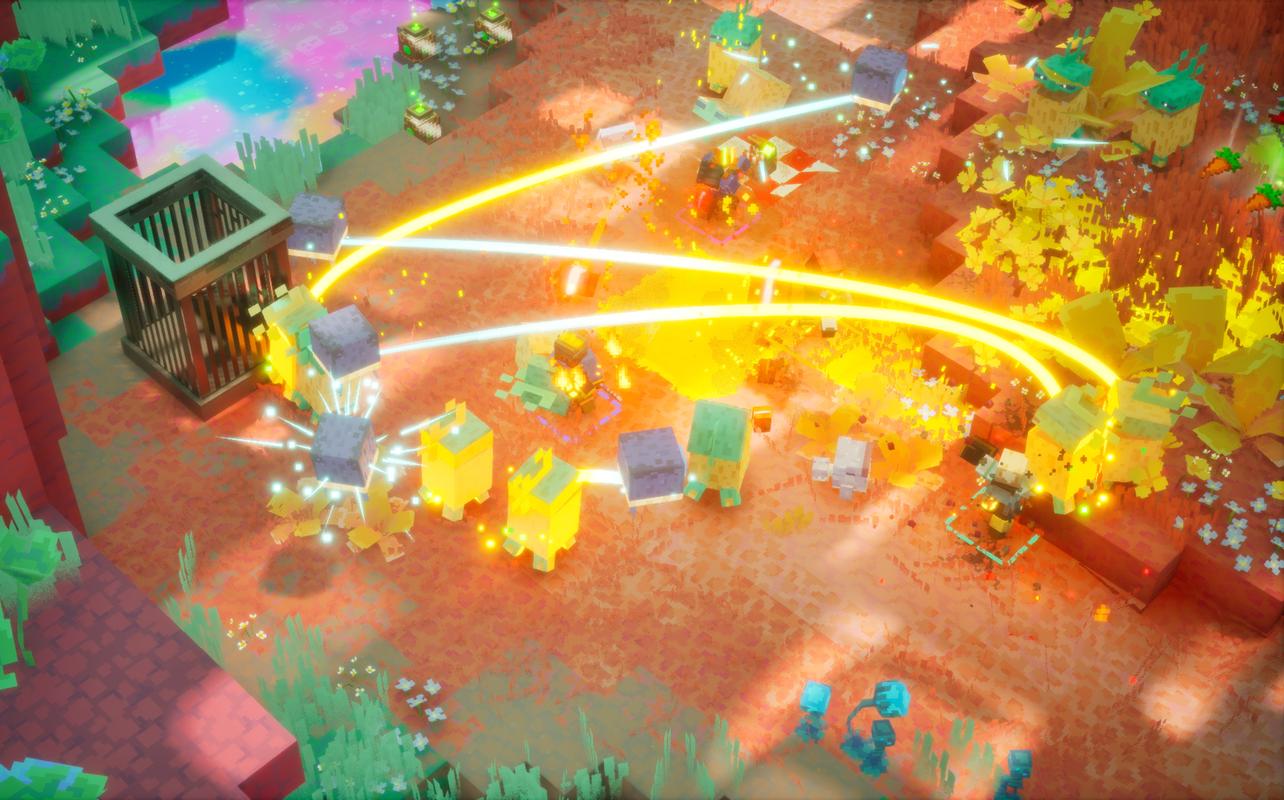
I sometimes lost track of my character when enemies and effects filled the screen. That became frustrating when dodging and positioning could decide whether I made it through an encounter cleanly.
On XBOX Series X, performance was generally smooth during my time with the game. I noticed the on-screen clutter far more often than any slowdown or other performance problem.
Co-op is easier to manage this time
One of my favourite co-op changes was also one of the simplest. A player can open the mini-inventory and sort equipment without making everyone else stop. Gear drops often enough that cutting down those pauses made couch co-op flow better for me.
Playing with friends in different places was easier too. Two people on the couch can join friends online, and cross-play or matchmaking can fill out the group. That’s useful if everyone you want to play with isn’t sitting in the same room.
I also liked being able to build characters around different roles in co-op. One player can focus on survivability while someone else builds around damage or support effects. A group can complement each other without anyone being locked into a class.
Minecraft Dungeons II makes the time between fights more interesting
By the end of Minecraft Dungeons II, I cared more about where I was going and how my gear worked together than I ever did in the first game. That kept me interested even when the combat started to repeat.
Coming back after the first Minecraft Dungeons, I noticed how much more freedom I had between fights in Minecraft Dungeons II. I could leave the main objective, look around for side content, and search for gear instead of pushing straight toward the next battle. Separate armour pieces and Talismans also gave me much more control over how I built my character.
| Pros | Cons |
|---|---|
| Connected areas give you more reasons to explore between fights | The basic combat remains very close to the first game and becomes repetitive |
| Separate armour pieces and Talismans make character builds more interesting | Some of the deeper gear options could be explained better |
| Co-op is easier to manage with the mini-inventory, mixed local and online play, and cross-play | Enemies and effects can make it easy to lose track of your character |
The bigger limitation is the combat itself. If repeating the same basic fights was why you stopped playing Minecraft Dungeons, that part hasn’t changed nearly as much. You’re still fighting groups of mobs with melee and ranged attacks, dodging incoming attacks, and waiting for abilities or your potion to recharge. Exploration and character building changed much more than the combat itself.
If you didn’t play the first Minecraft Dungeons, you can start with Minecraft Dungeons II without needing to go back and play it first. The basic combat is easy to understand, and you don’t need to master every character-building option. Some of the deeper gear choices could be explained better, but you can get comfortable with the combat before worrying about a more specialized build. You may find Minecraft Dungeons II too straightforward if you want much more demanding combat or complicated character building from the start.
Overall assessment of Minecraft Dungeons II
Gameplay: 3.5/5
Graphics: 4/5
Sound: 3.5/5
Lasting appeal/Replayability: 3.8/5
Overall rating: 3.7/5 (74%)
I had the most fun with Minecraft Dungeons II deciding where to go next or what gear to keep, not just fighting another group of mobs. That was the difference I wanted from the sequel. If that sounds like the kind of Minecraft action RPG you want, you can find the Minecraft Dungeons II Standard Edition and Minecraft Dungeons II Deluxe Edition at Best Buy Canada. Minecraft Dungeons II Deluxe Edition includes unique cosmetics and two DLCs as they become available.