
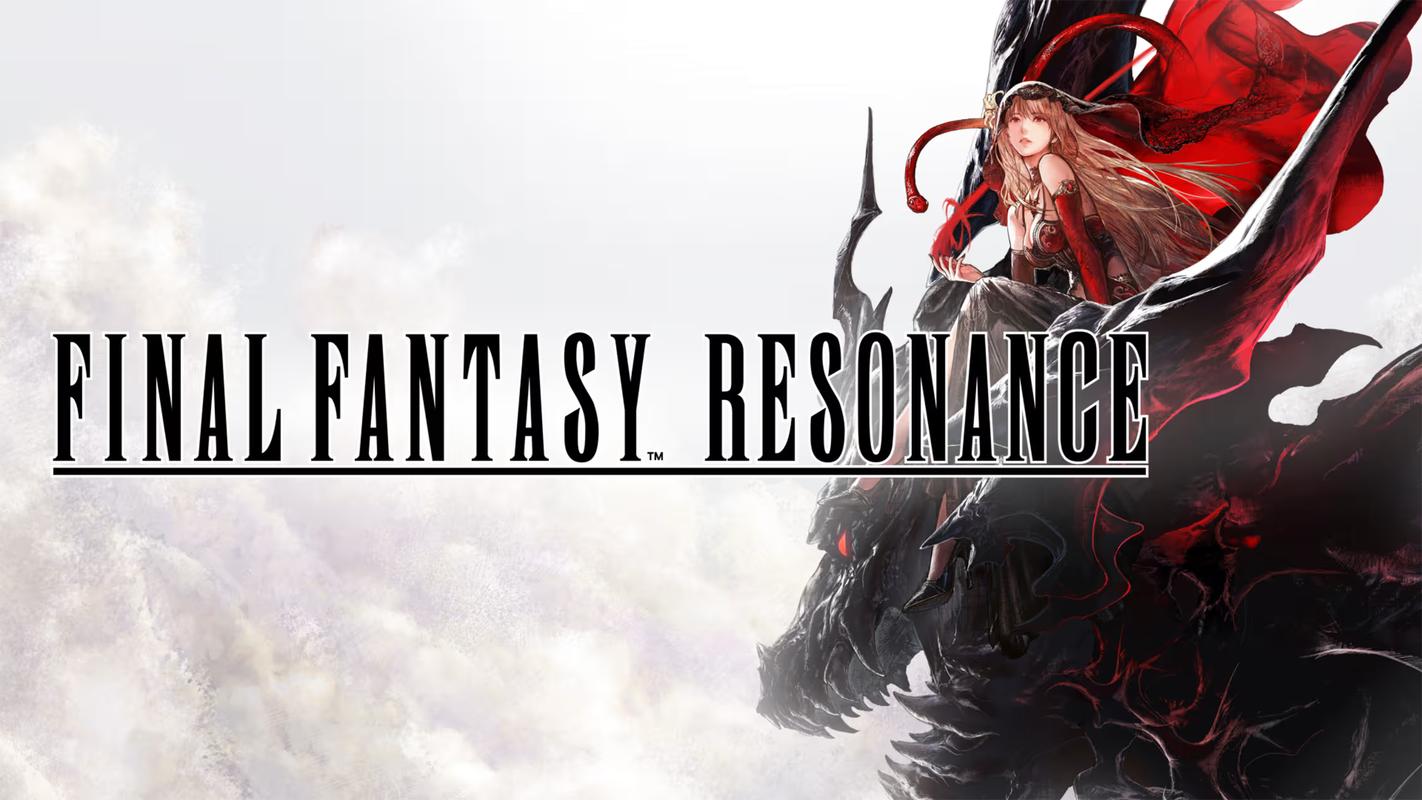
I had a blast with the turn-based battles in Final Fantasy Resonance because going for the most damage wasn’t always the right move. When an enemy was preparing a big attack, I could try to stagger it before its turn and protect my party. I liked having to make that choice instead of using the same powerful spell over and over.
In Final Fantasy Resonance, you follow Rain and Lasswell, two knights whose investigation at the Earth Shrine becomes a journey to protect the world’s Crystals. Along the way, you can equip Visions, heroes from other Final Fantasy games whose abilities change what your party can do. I enjoyed getting to know the characters and trying different Visions as the group grew. The dungeons are too simple and some late-game battles go on too long, but I still think it’s a terrific RPG.

Final Fantasy Resonance details
Platform(s): Nintendo Switch 2, Nintendo Switch, PlayStation 5, XBOX Series X|S, PC
Reviewed on: Nintendo Switch 2
Developer: Square Enix and Lancarse
Publisher: Square Enix
Genre: Role-playing game (RPG)
Available game modes: Single-player
ESRB Rating: E10+ (Everyone 10+)
The characters make a familiar story enjoyable
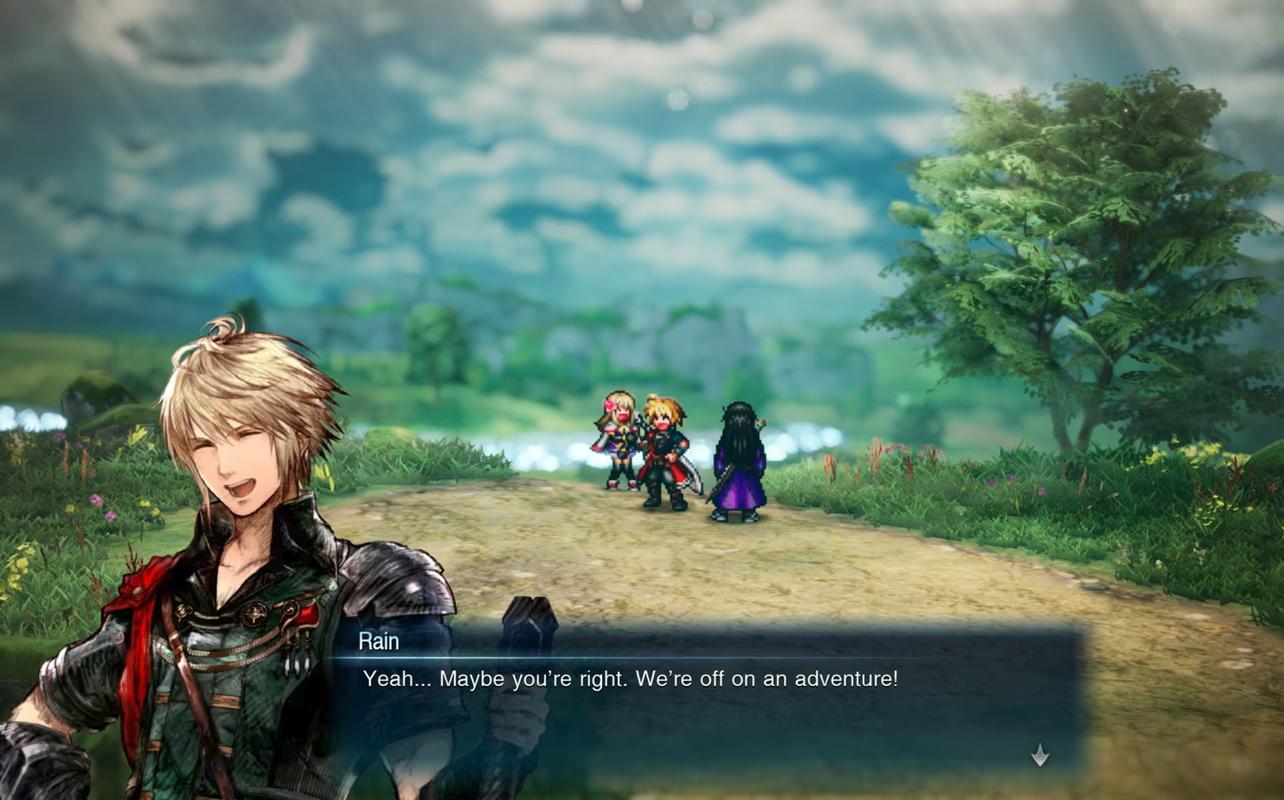
Rain and Lasswell are knights from Grandshelt, a kingdom protected by the power of the Crystals. When they investigate trouble at the Earth Shrine, a mysterious armoured warrior shatters the Earth Crystal. The attack sends them across the world to protect the remaining Crystals.
Rain’s ready to charge into trouble, and Lasswell usually thinks things through first. Their different personalities make the conversations between them fun to follow. Fina joins them after the events at the shrine. She’s connected to the Crystal and remembers almost nothing about her past, which adds another mystery to the journey.
I liked that the other party members have problems of their own. Their conversations aren’t only about fighting the villains or protecting the Crystals. The villains have their own reasons for fighting, too, and the story lets you understand those reasons even when you’re trying to stop them.
Final Fantasy Resonance is based on the mobile RPG Final Fantasy Brave Exvius, but you don’t need to have played it or any other Final Fantasy game to enjoy Rain’s adventure. The story uses some familiar ideas from the series, and I wish one of the later twists had been explained a little better.
Turn-based combat is terrific, even when fights take too long
Battles also got me thinking about the abilities I had equipped before a fight. A character with the right elemental spell could make a difficult enemy much easier to handle, so changing Visions wasn’t just something I did for variety.
Staggering enemies changes how you approach each fight
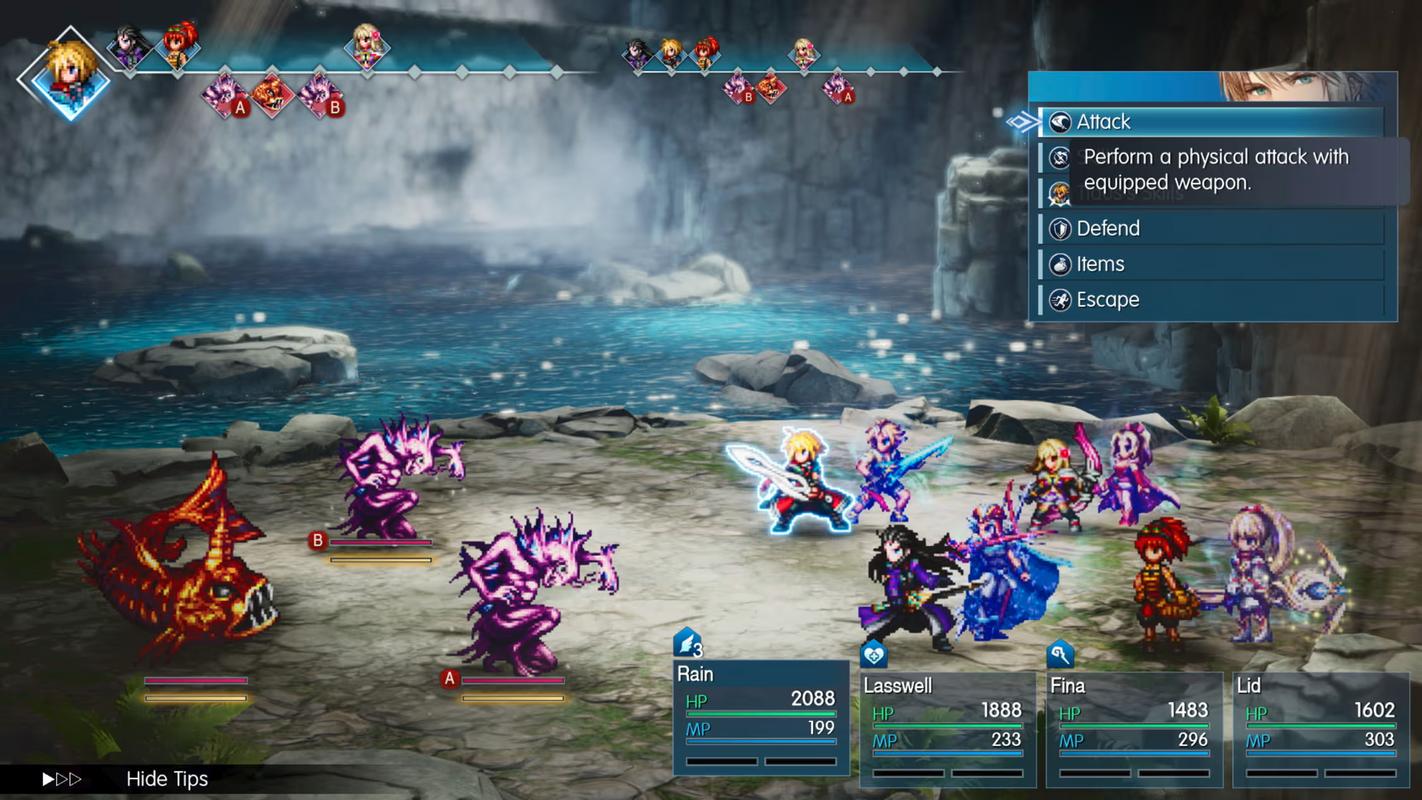
Hit an enemy with an element it’s weak against, and its Stagger Gauge drops faster. Empty that gauge and the enemy loses its next action. It also becomes easier to damage, so you can use that opening to attack without worrying about an immediate response.
The timeline at the top of the screen lets you see whose turn is coming up. It even warns you when an enemy is preparing a powerful attack. Rather than attacking whoever has the lowest health, you can target the enemy that’s about to cause trouble.
If you stagger every enemy, your whole party gets extra actions in a bonus phase. You can also trigger a Resonance, a special attack connected to one of your equipped Visions. I liked going for a stagger on the whole enemy group, knowing my party would get those extra attacks.
Visions let you change what each character can do
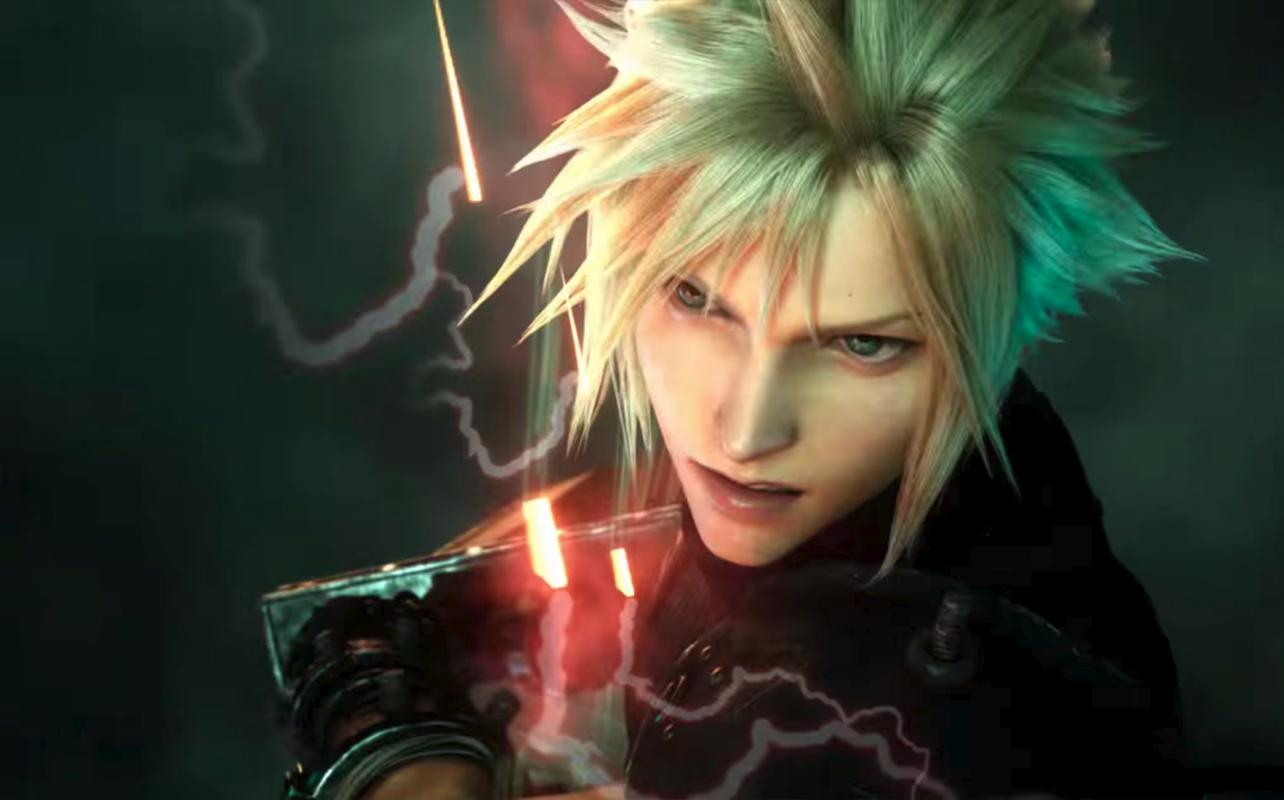
Each party member can equip a Vision to change which abilities they can use in battle. That means a character you normally use for healing can gain more elemental attacks. You don’t need to recognize Cloud or the other returning Final Fantasy heroes to see why that’s useful.
If your party’s having trouble staying alive, you can equip a Vision that adds more healing. If you need to target a boss’s weakness, you can change to one with the right spells. You can keep the characters you like in the party and change their abilities instead of replacing them.
As you develop Visions, you learn abilities that you can still use after changing to another one, as long as you equip them separately. You can’t equip everything at once, so choosing which abilities to keep is part of planning your party.
Longer fights and simple dungeons become tiring later on
Regular battles start taking too long late in the game. Some enemies have so much health and such large Stagger Gauges that you repeat the same approach for several extra turns. They’re not necessarily harder to beat. You just have to keep attacking until they’re finally defeated.
The dungeons don’t offer much variety either. A lot of them follow straightforward paths, with short detours and basic puzzles. I wanted more reasons to explore instead of following a route to the next fight. It’s especially disappointing when the world outside has so many different places to visit.
You can speed up battles, which cuts down the waiting when you’re using the same abilities repeatedly. Still, faster animations don’t change how long it takes to wear down an enemy with a huge health bar.
HD-2D scenery looks great and the soundtrack is excellent
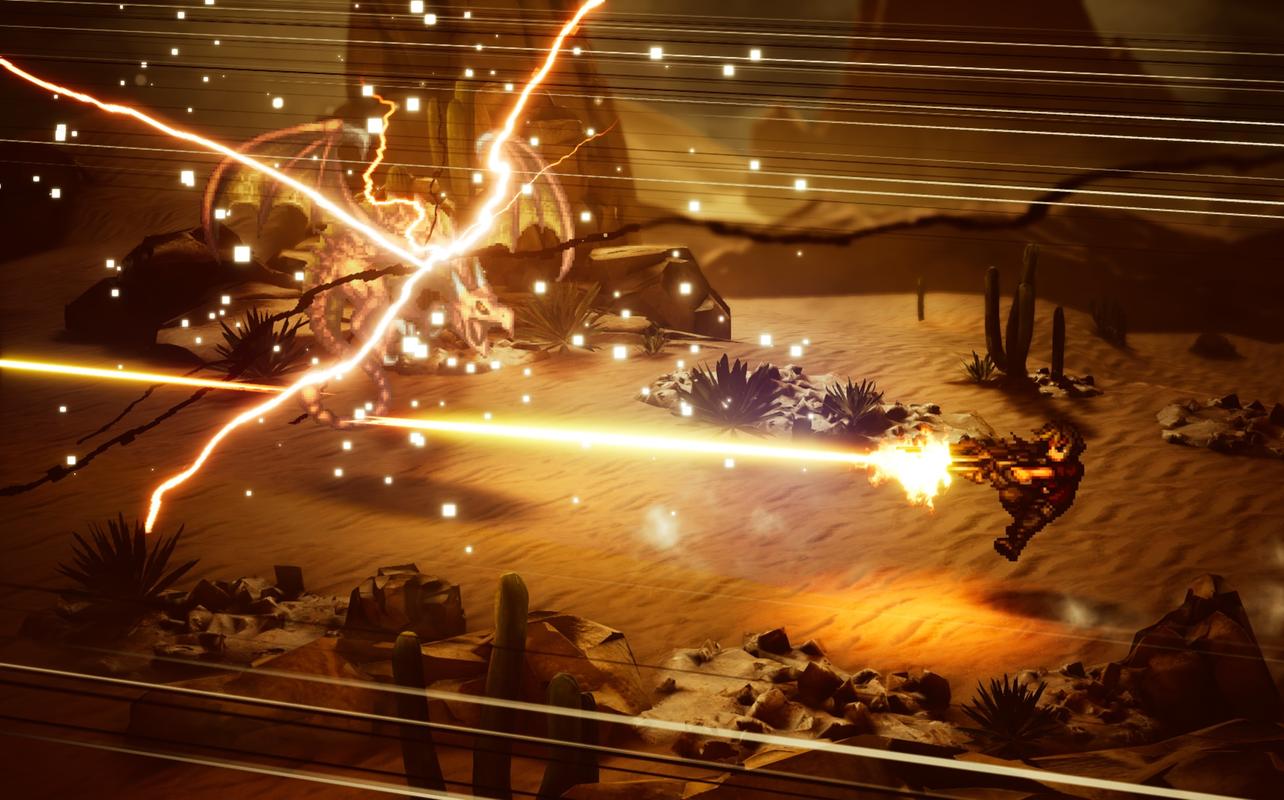
Final Fantasy Resonance looks gorgeous in HD-2D. I loved the detailed pixel-art characters and the way lighting changes the look of each town and surrounding area. The scenery changes enough that I wanted to explore each new place rather than hurry through it.
The battle animations are great, too. Spells light up the screen, and the larger Vision attacks switch into full CGI sequences. Those attacks are exciting to watch, but the jump from pixel art to CGI can look odd. The longer animations also become less exciting after you’ve watched them several times.
The orchestral soundtrack is excellent, especially during battles. The music during exploration suits the different places you visit, too. The voice acting captures Rain’s enthusiasm and Lasswell’s more cautious personality.
There are occasional frame-rate drops in busy overworld areas on Nintendo Switch 2. They’re brief and don’t interfere much with turn-based battles, but they’re noticeable when you’re travelling through the world. They don’t take away from how good the environments look overall.
Final Fantasy Resonance needs shorter fights, not different combat
I really wish Final Fantasy Resonance had shortened some of its later battles. Once I knew how to deal with an enemy, repeating the same attacks for several more turns wasn’t much fun. Still, I never got tired of experimenting with Visions or figuring out how to stop a powerful enemy attack.
The straightforward dungeons are disappointing, especially in a game with such a beautiful world to explore. But I enjoyed Rain’s adventure, the characters, and the combat enough that those problems didn’t ruin the experience for me.
Pros and Cons
| Pros | Cons |
|---|---|
| Turn-based battles that make you plan ahead | Straightforward dungeons and simple puzzles |
| Visions let you build different party combinations | Regular battles can take too long late in the game |
| Beautiful HD-2D art, excellent music, and characters I cared about | Some CGI attacks don’t match the HD-2D art |
If you’ve been missing traditional turn-based Final Fantasy combat, I think you’ll really enjoy what Resonance has to offer. There’s plenty of strategy in its battles, especially when you start experimenting with different Visions. Just be prepared for some lengthy fights and fairly simple dungeons. You might prefer another RPG if action combat or more complicated exploration is what you’re after.
Overall assessment of Final Fantasy Resonance
Gameplay: 4.5/5
Graphics: 4.5/5
Sound: 4.5/5
Lasting appeal/Replayability: 4/5
Overall rating: 4.4/5 (88%)
Want to try out the Vision system for yourself? You can purchase Final Fantasy Resonance for Nintendo Switch 2 at Best Buy Canada.