

Marvel’s Wolverine sinks its claws in quickly with sharp combat, incredible cinematic set pieces and a surprisingly personal story. Developer Insomniac Games has delivered some stellar modern superhero experiences with Marvel’s Spider-Man, Miles Morales, and Spider-Man 2. Wolverine is an entirely different beast.
New York’s family-friendly tone and web-swinging freedom are gone, replaced by a linear, intensely violent adventure about a hero who solves his problems by putting six claws through them. After tearing my way through Logan’s adventure on PlayStation 5 Pro, I found a polished and entertaining action game with great acting and high production values, even if its combat variety eventually starts to lose its edge.
Wolverine certainly leaves his mark on PlayStation’s superhero legacy, but not every part of his adventure cuts as deep as I hoped. Let’s take a closer look at the combat, visuals and a few uneven edges of Marvel’s Wolverine in my full review.

Marvel’s Wolverine details
Platform(s): PlayStation 5
Reviewed on: PlayStation 5 Pro
Developer: Insomniac Games
Publisher: Sony Interactive Entertainment
Genre: Action-adventure
Available game modes: Single-player
ESRB Rating: M for Mature 17+

An epic Wolverine adventure: Equal parts claws and heart
The Wolverine experience wastes no time getting down into the action. The story opens decades after Nathaniel Essex first brought James “Logan” Howlett, aka Wolverine, into his circle, eventually forming Team X alongside mutants including Mystique and Sabretooth. When Bolivar Trask’s campaign against mutantkind escalates, Logan is pulled into a globe-spanning hunt that takes him from Canada to Madripoor, Tokyo and beyond.
If you are well-versed in the comics and movies, this is a pre-X-Men world where mutants are still scattered and vulnerable, giving the story an interesting sense that something much larger is taking shape. Insomniac also wisely avoids simply recreating a familiar movie storyline, instead carving out their own story. Logan’s fractured memories, Team X’s history, and his relationship with Essex provide enough mystery to keep the narrative moving, and it kept me engaged from start to finish.
A strong cast and some standout performances
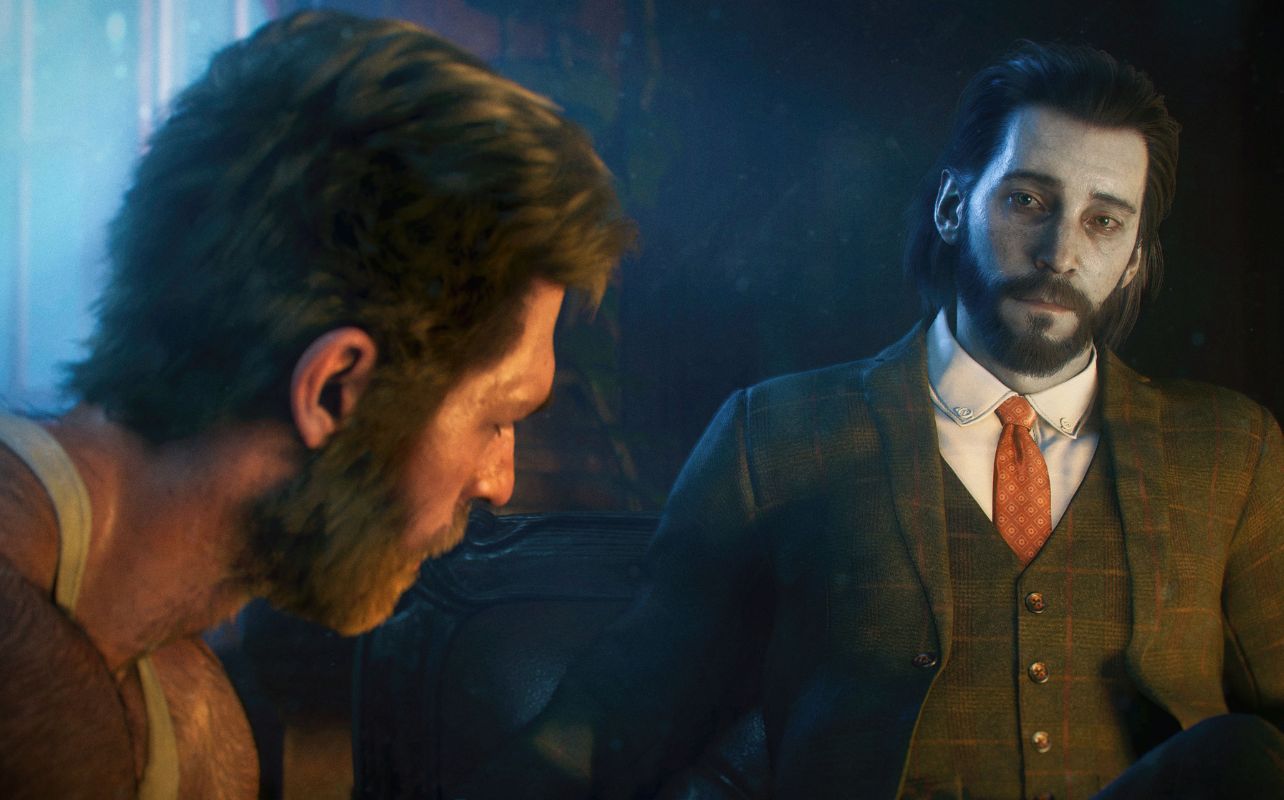
The performances are where the story really made its deepest cuts for me. Liam McIntyre does an excellent job as Logan, balancing the compassion buried underneath the character with the terrifying violence he is capable of unleashing seconds later. What I especially liked about this interpretation is that Logan isn’t defined entirely by his anger. His relationships gradually expose the guilt, affection and uncertainty underneath the claws, giving McIntyre plenty of room to make this version of Wolverine feel distinct.
However, Troy Baker’s performance as Nathaniel Essex was my standout; he absolutely steals every scene he’s in. Baker gives Essex charisma, warmth and just enough uneasiness that I found myself hanging on his dialogue; he makes some of the story’s more complicated turns even better with his delivery.
Uneven story pacing
My biggest issue with the story is its overall pacing. Some of the best character moments feel compartmentalized between long stretches of combat: clear an arena, reach the next waypoint, watch a story sequence or play through parts of it, then repeat. I really liked these quieter scenes enough that I often wished the game allowed them a little more room to breathe.
I found the pacing improves a lot during the latter half of the game, and it really hits its stride. This is partly because larger mysteries come into clearer focus and new targets reveal themselves, but the frequent return to combat arenas still keeps some of the strongest character moments from landing as naturally as they could.

Fast and ferocious combat
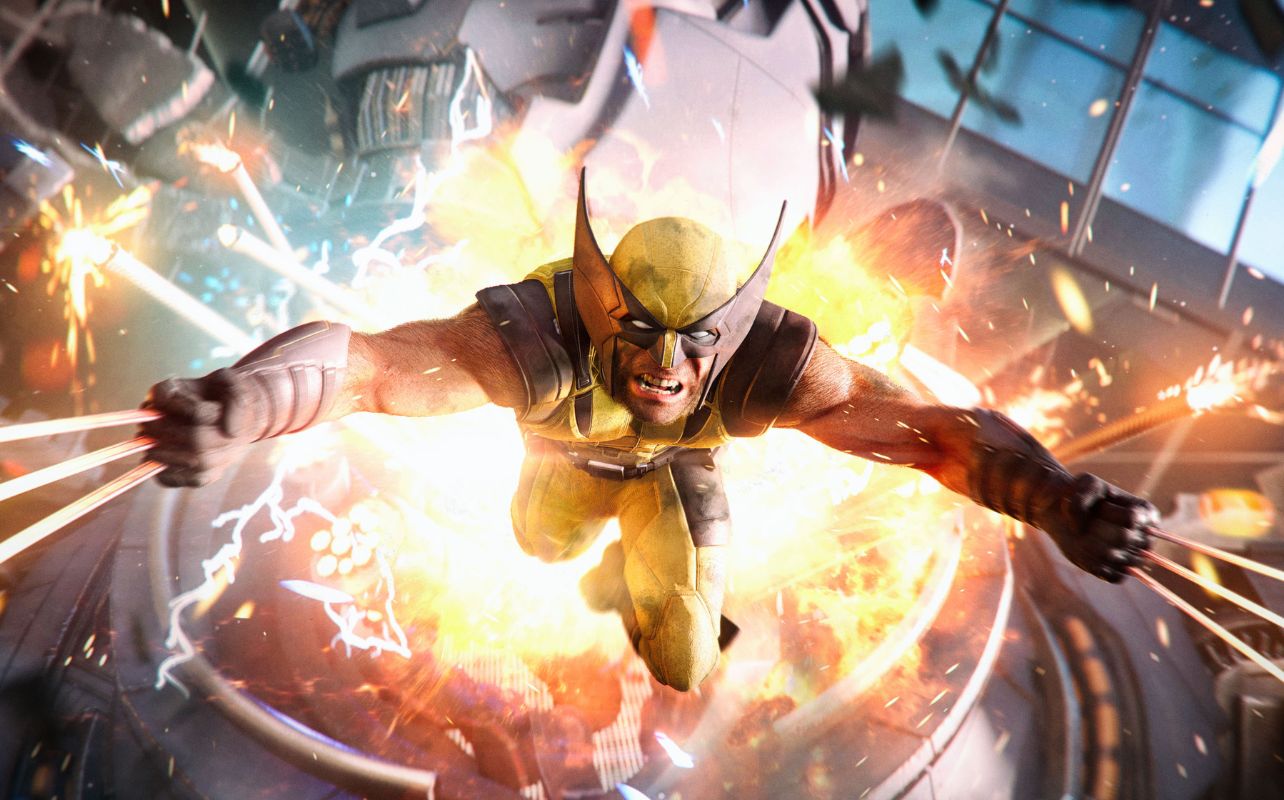
As I mentioned in my Marvel’s Wolverine hands-on preview, combat immediately makes Logan feel unique from other superheroes. He fights up close using claw barrages, lunges, dodges and parries, while aggression fills a three-tier Rage meter. Unlockable techniques such as Tornado Spin and Knee Breaker deliver heavier attacks with a satisfying build-up. In addition, “Adaptations” let you tweak attributes and your playstyle. They offer passive bonuses such as wider parry windows, stronger Rage effects and improved critical-hit opportunities, letting you fine-tune Logan around your preferences. They’re unlocked and expanded using Adaptation Points earned through activities such as Nightmare Door challenges and collectible whisky bottles, with additional Strands opening as you progress.
Wolverine’s rage, regeneration, and raw power
I also found Logan’s healing factor fits naturally into combat, as a “last stand” style of extra life that fills up your health bar if you have a tier of your Rage Meter available. At full Rage, encounters turn into a furious blur of critical strikes and dismemberment; it’s a ballet of carnage that, when it hits its stride, is immensely satisfying.
The violence is extreme, but it comes with the territory with Wolverine. Insomniac does have settings that can reduce dynamic blood and dismemberment if you are squeamish. That design flexibility extends much further through an extensive accessibility suite covering visual, audio, motor, and gameplay assists, with options including high-contrast visuals, audio descriptions, game-speed adjustments and QTE automation. In past games, Insomniac has looked for ways to add to accessibility, and Wolverine offers the same.
There are also Enhanced Senses for tracking and occasional stealth sequences, although quietly removing guards feels somewhat unnecessary when your protagonist is essentially a walking tank with claws and anger-management issues.
A static arsenal that needs to evolve
Although I enjoyed Wolverine’s ferocious combat, it never evolves quite as dramatically as its collection of systems initially suggests. That said, I still had a ton of fun tearing through enemies. The animations are brutal, parries feel satisfying, and lunging across a room before introducing someone to Logan’s claws does an excellent job of making you feel like Wolverine.
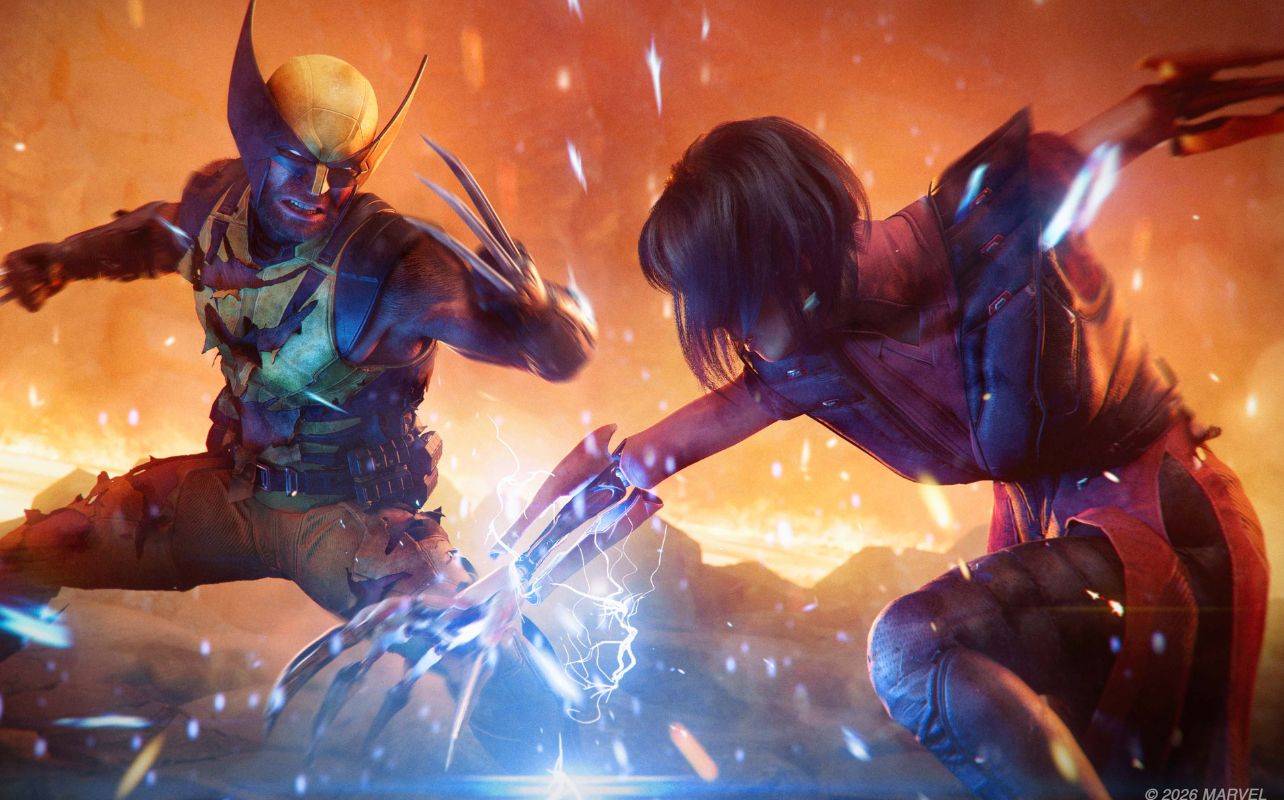
Over time, though, I realized I was approaching many encounters in often similar ways and didn’t need to change much when it came to combat. Boss encounters help break up that rhythm and frequently deliver the kind of big-budget spectacle I expected from an Insomniac superhero game. However, some confrontations still lean heavily on familiar parry patterns and prolonged exchanges rather than forcing me to rethink how I used Logan’s abilities. Overall, despite the repetitive aspects, Wolverine is a roller coaster with claws and extremely entertaining.
Linear levels can feel restrictive
Unfortunately, some of the combat repetition also carries into Wolverine’s level design. Its more focused structure is clearly intentional and helps keep the story tight and combat close-range, but many areas funnel Logan through narrow paths, traversal sequences, and combat arenas with little room to experiment. Later in the game, this improves, especially in more urban areas with multiple paths, but it would have been nice to see different routes available more often in more levels. I appreciate that Wolverine tries to be something different from the sprawling structure of Insomniac’s Spider-Man games, but at times the environments felt overly restrictive.
Optional challenges and reasons to explore
There are still reasons to venture away from the most direct path, although it doesn’t ask you to venture very far. Collectibles, material chests, unlockable costumes and Nightmare Doors provide additional objectives if you want to dig deeper into Logan’s world. Nightmare challenges are particularly interesting because they mix combat and traversal while uncovering more about Logan’s splintered memories. These activities add welcome variety and give you a little extra to pursue.
Marvel’s Wolverine graphics and performance
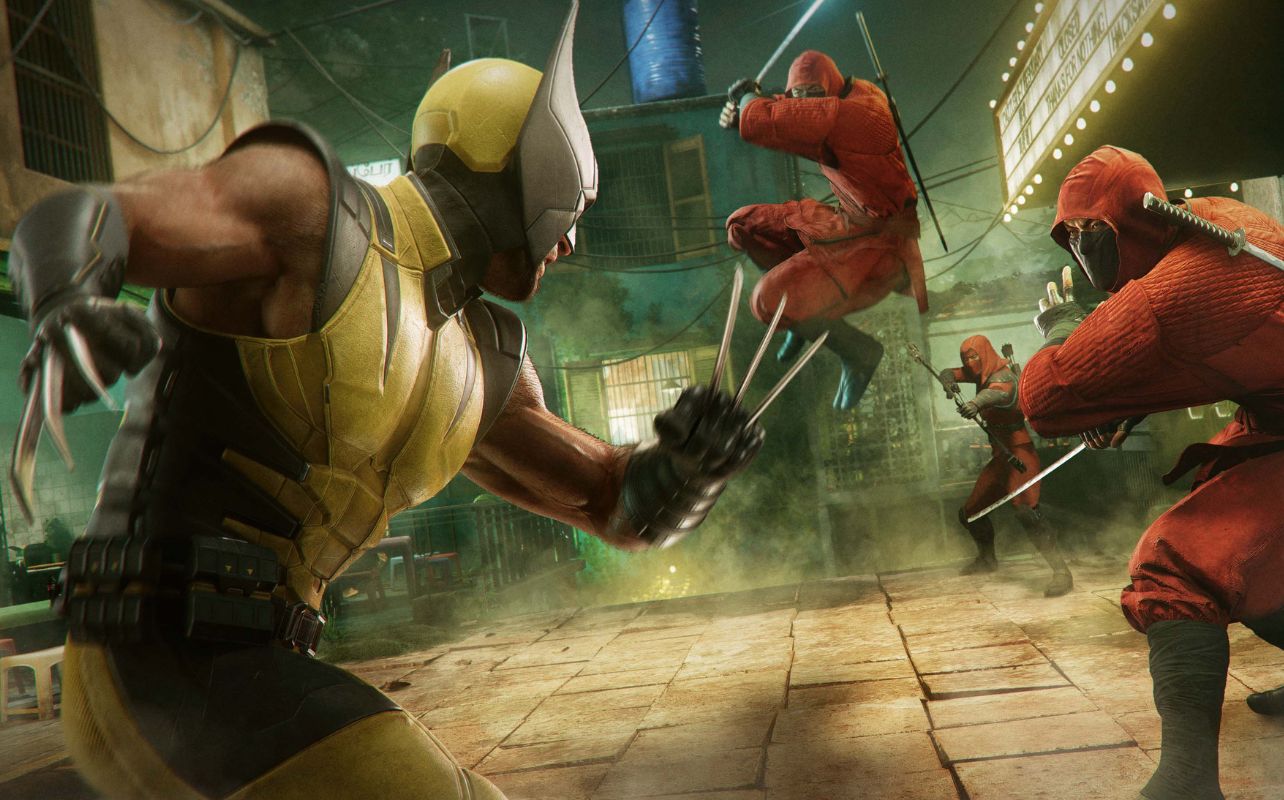
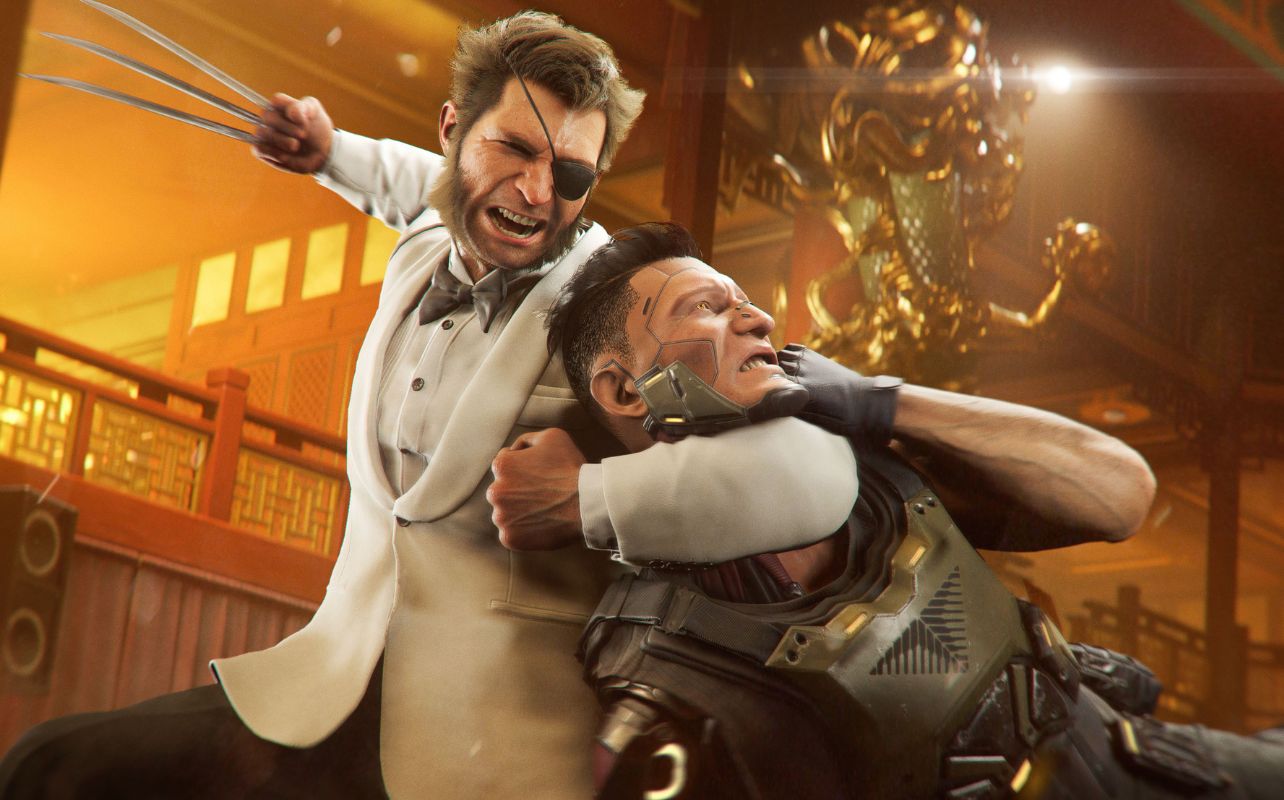
Visually, Marvel’s Wolverine impressed me at every turn, especially in the sheer variety of environments. Insomniac’s technical prowess on PS5 hardware continues to impress, and on PS5 Pro it’s a showpiece, especially when it comes to lighting effects. Character faces are remarkably detailed; injuries visibly accumulate and heal. I really liked how diverse the environments are, and everything from neon-soaked Tokyo streets to Logan’s blood-covered battlefields is distinct and stunning.
Visual fidelity options
I spent most of my time favouring Performance Pro, which targets 60fps while retaining a highly detailed presentation, and combat remained incredibly fluid throughout my playthrough. Fidelity Pro is available if you’d rather prioritize additional visual detail at 30fps, with an Advanced Ray Tracing option that further improves reflections, ambient occlusion and lighting.
My experience on PS5 Pro was also remarkably polished from a technical standpoint, with the consistent fluidity of Performance Pro becoming my preferred way to play. That responsiveness matters in a game built so heavily around timing parries, dodges and rapid close-range attacks. Overall, this is one beautiful but bloody game.
Photo mode options
The game also features a robust Photo Mode, and I often jumped in to capture its detailed environments and impressive character models and costumes. With options for camera position, lighting, filters and Logan-specific touches like toggling his claws and cowl, it’s a great addition for players who enjoy capturing memorable moments.
Final thoughts on Marvel’s Wolverine
Marvel’s Wolverine is an interesting experience to evaluate because I enjoyed a majority of my time with it, while still wishing Insomniac had pushed its ideas further. On one hand, this is an incredibly polished, visually spectacular superhero game with a strong cast, memorable locations and some wonderfully intense action. On the other hand, the restricted level design and repetitive combat keep it from reaching the same heights as Insomniac’s best work. Beyond those critiques, I still come away easily recommending Marvel’s Wolverine, because there’s a lot to really have fun with here. If you are looking for an adrenaline-fuelled experience, it offers some fantastic claws-out superhero action you shouldn’t miss.
| Pros | Cons |
|---|---|
| Outstanding visuals and excellent PS5 Pro performance | Combat becomes repetitive and doesn’t evolve enough |
| Brutal, immediately satisfying combat with strong production values | Linear environments can feel overly restrictive |
| Liam McIntyre and Troy Baker deliver terrific performances | Story pacing separates some of its best character moments from the action |
| Impressive DualSense feedback and accessibility options |
Overall Assessment of Marvel’s Wolverine
Gameplay: 3.5/5
Graphics: 5/5
Sound: 4.5/5
Lasting Appeal / Replayability: 3/5
Overall Rating: 4/5 (80%)
Take your gaming experience beyond the screen with the PlayStation 5 DualSense wireless controller – Marvel’s Wolverine Battle Yellow Limited Edition.