

Halo: Campaign Evolved didn’t take long to bring me back into Master Chief’s first campaign. After a few missions, I stopped thinking about each change on its own and started enjoying how much better the campaign played. It’s still unmistakably Halo, only without some of the slower movement that dates the 2001 original. Sprint cuts down the walks between battles, and the Energy Sword lets you rush Covenant forces instead of always keeping your distance.
Longtime Halo fans will recognize the campaign they remember. If this is your first Halo game, you’ll get a clear introduction to Master Chief, Cortana, and Alpha Halo. Not everything has aged as well as the combat. Some missions still run longer than they should, audio cut out during later parts of my playthrough, and split-screen ran at a lower frame rate than single-player. Competitive multiplayer isn’t included either, so Halo: Campaign Evolved is built around the campaign and co-op. Even with those drawbacks, it’s an excellent remake of Master Chief’s first adventure.
But does Halo: Campaign Evolved do enough to justify another trip to Alpha Halo? Let’s take a closer look.


Halo: Campaign Evolved details
Platform(s): XBOX Series X|S, PC, and PlayStation 5
Reviewed on: XBOX Series X
Developer(s): Halo Studios
Publisher(s): XBOX Game Studios
Genre: First-person shooter
Modes: Single-player campaign, two-player split-screen co-op on consoles, and up to four-player online co-op with cross-play and cross-progression
ESRB rating: M (Mature 17+)
Alpha Halo remains a fascinating mystery
Halo: Campaign Evolved includes the complete 10-mission story from Halo: Combat Evolved. Master Chief awakens aboard the Pillar of Autumn as humanity fights the Covenant. He soon reaches Alpha Halo with Cortana at his side, only to discover that the ring contains far more than either side expected. You don’t need prior Halo knowledge to follow the story. The campaign explains the conflict as Master Chief experiences it, leaving the larger history of the Covenant and Forerunners in the background. This makes Halo: Campaign Evolved an approachable starting point without turning its opening missions into a lengthy history lesson.
The setup is straightforward, but Halo knows when to hold information back. Alpha Halo initially appears peaceful and strangely empty. Enormous structures stretch across its surface, and the Covenant seem as interested in the ring as the human survivors are. The campaign gradually changes what you understand about the location without giving away its secrets too early. The rebuilt cinematics made conversations with Cortana, Captain Keyes, and Johnson feel more natural to me this time. Newly recorded voice acting and new motion capture make each exchange easier to follow without changing Halo’s restrained storytelling. Master Chief still says little. Cortana provides direction and context, while Alpha Halo’s environments continue raising questions before the campaign answers them.
Some returning locations still go on too long. Similar Forerunner interiors appear too often in later missions, making it difficult to judge how far you’ve travelled through them. The story remains effective, but those repeated areas can make certain objectives take longer than they should.

Operation: Meteorite adds more time with Sgt. Major Avery Johnson
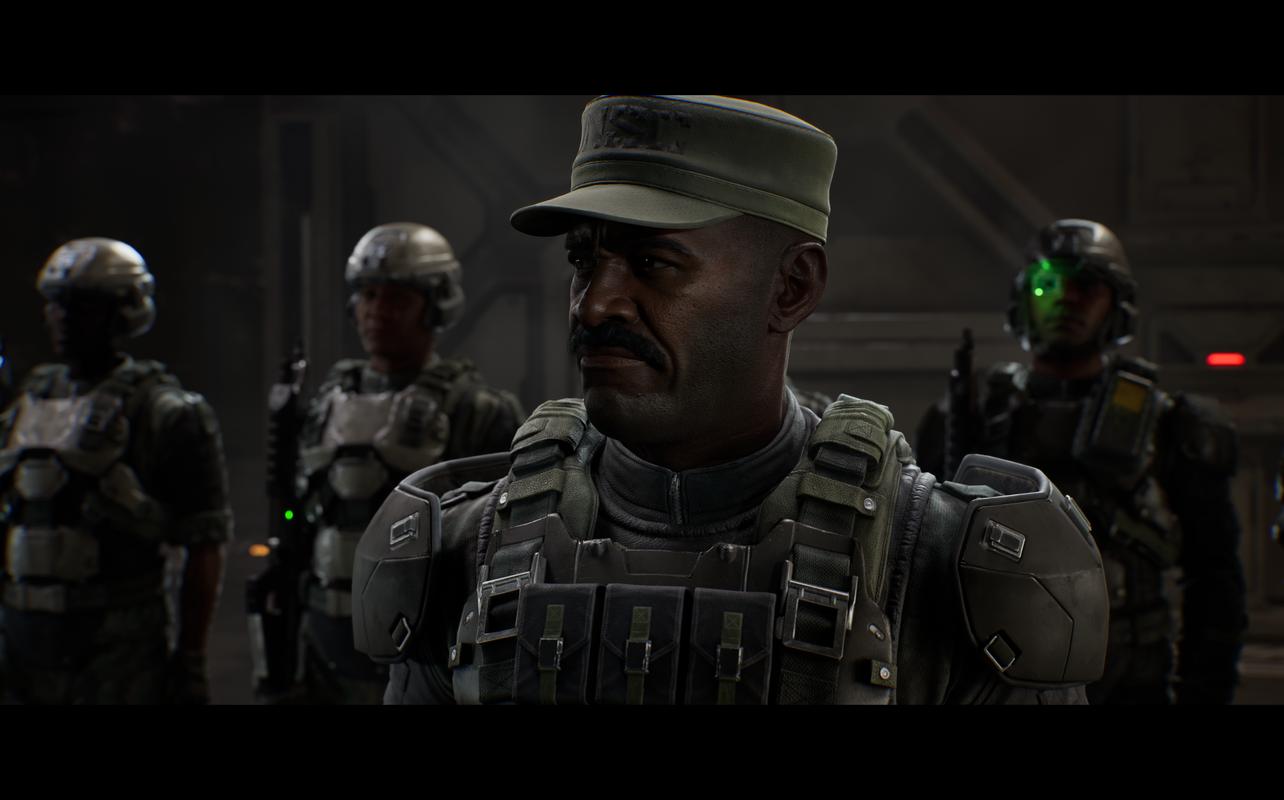
The three Operation: Meteorite missions take place before Halo: Combat Evolved. Master Chief joins Sgt. Major Avery Johnson aboard a Covenant vessel, placing their partnership at the centre of the new material. Johnson makes these missions feel different from Master Chief’s time with Cortana. He talks more freely, responds to the fighting around him, and brings more personality to their time aboard the Covenant vessel. As someone who’s followed Halo for years, I enjoyed getting more time with Johnson.
The Covenant setting also separates Operation: Meteorite from many returning locations on Alpha Halo. These missions can introduce enemies and weapons from later Halo games without altering the original 10-mission campaign.
Operation: Meteorite plays like a bonus chapter rather than a second campaign. Its missions move through one Covenant fight after another, and the story wraps up before it can explore every new idea. Even so, it adds context and lets you see more of Master Chief and Johnson before the Pillar of Autumn reaches Alpha Halo.
Modern movement improves the original combat
I started using sprint without thinking about it early in the campaign. It cuts down the empty travel between fights, but the original mission layouts and enemy placement remain intact. That’s the type of update this remake needed because it addresses the slower stretches without changing how the battles are arranged. Sprint made the biggest difference after I cleared a large outdoor area or another long Forerunner corridor. Halo: Combat Evolved often has you backtrack through an area after the fighting has ended. Sprint makes that return trip less tiring without changing the objective or placing enemies where they don’t belong.
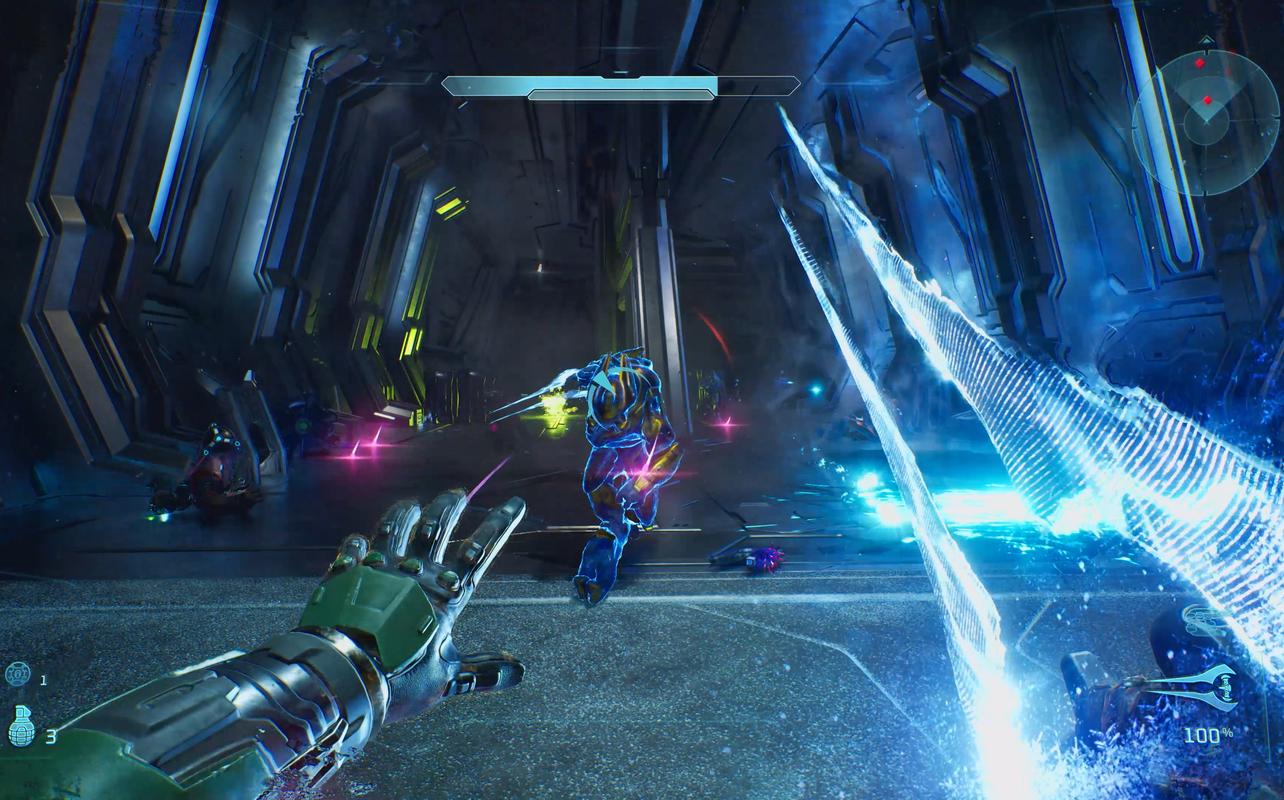
The Energy Sword changes combat in another way. It creates a reason to close the distance instead of controlling Covenant forces from farther away. Charging an Elite becomes a calculated risk because the sword can end the fight quickly, but reaching that enemy may expose Master Chief to nearby fire. Weapons from later Halo games don’t push the original arsenal aside. The Magnum remains dependable at range, and the Plasma Pistol still removes shields before you switch weapons. You simply have more choices when an encounter doesn’t suit what you’re carrying.
Vehicle hijacking changes how you deal with Covenant armour. A Wraith is no longer only something you need to destroy. Reaching it safely can turn the Covenant’s firepower against the enemies protecting the area. A few times, I reached a Wraith and the boarding action didn’t register right away. It never blocked my progress, but it made those close approaches more frustrating than they should’ve been.
Halo Studios has kept the returning mission layouts largely intact. That preserves the areas fans remember, but it also preserves their limitations. Long sections of similar Forerunner architecture can make certain missions run longer than necessary. Several outdoor areas also have too much empty travel between battles. Sprint reduces the wait, but it can’t change the structure underneath it. Halo’s combat has aged far better than some of the paths connecting each encounter.
Campaign Remix changes completed missions
Halo: Campaign Evolved hides 39 collectible Skulls across its 13 missions. Finding any three unlocks Campaign Remix and automatically adds three more Skulls, bringing the total number of modifiers to 42.
Once unlocked, Campaign Remix changes completed missions by swapping enemy factions and pre-placed weapons. You may know where the objective takes you, but a familiar fight can play differently when the enemies or weapons change. It doesn’t add new levels, but you can’t rely entirely on memory during another run.
Campaign Remix is mainly for people who already enjoy replaying Halo campaigns. Skull hunters and co-op groups can keep changing how missions play after completing the story. If you only plan to finish the campaign once, you can ignore it without missing any story content.
The rebuilt Alpha Halo looks enormous and still sounds like Halo
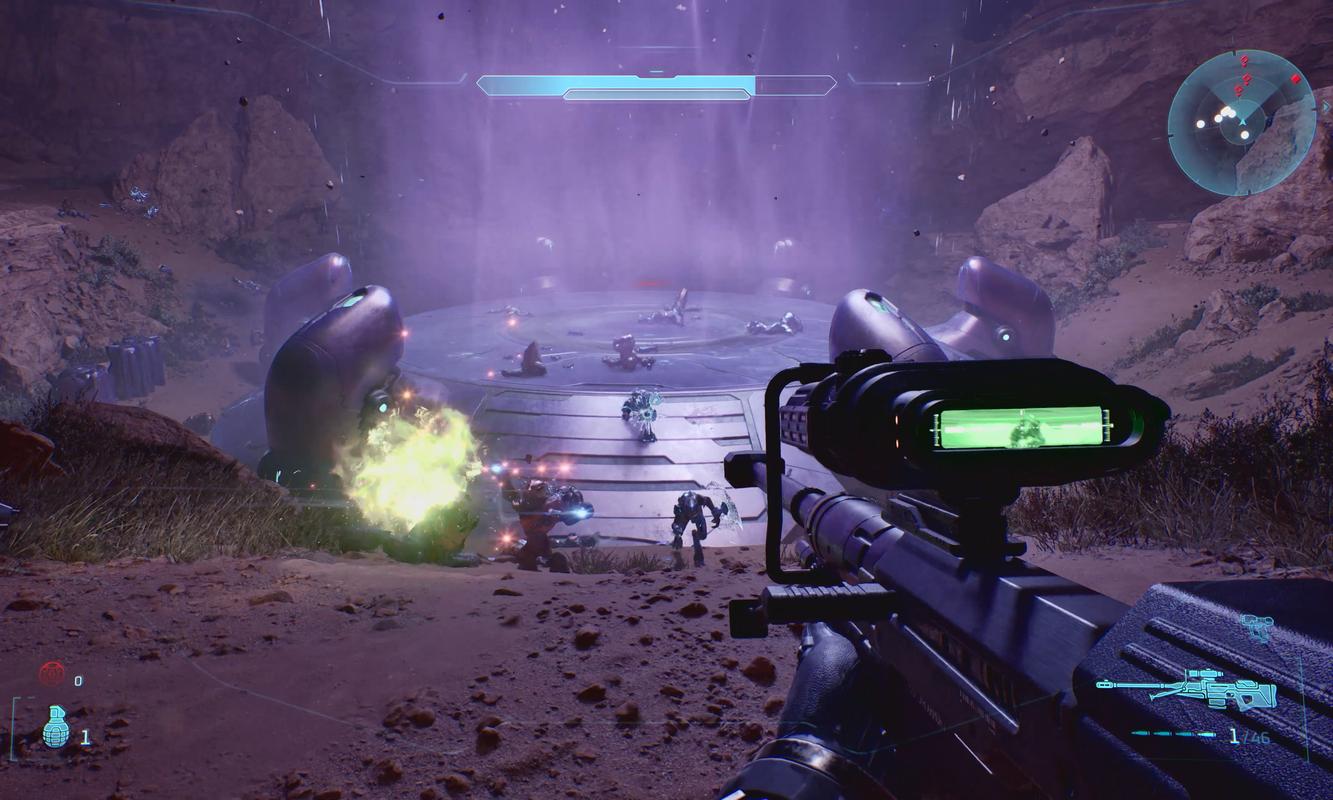
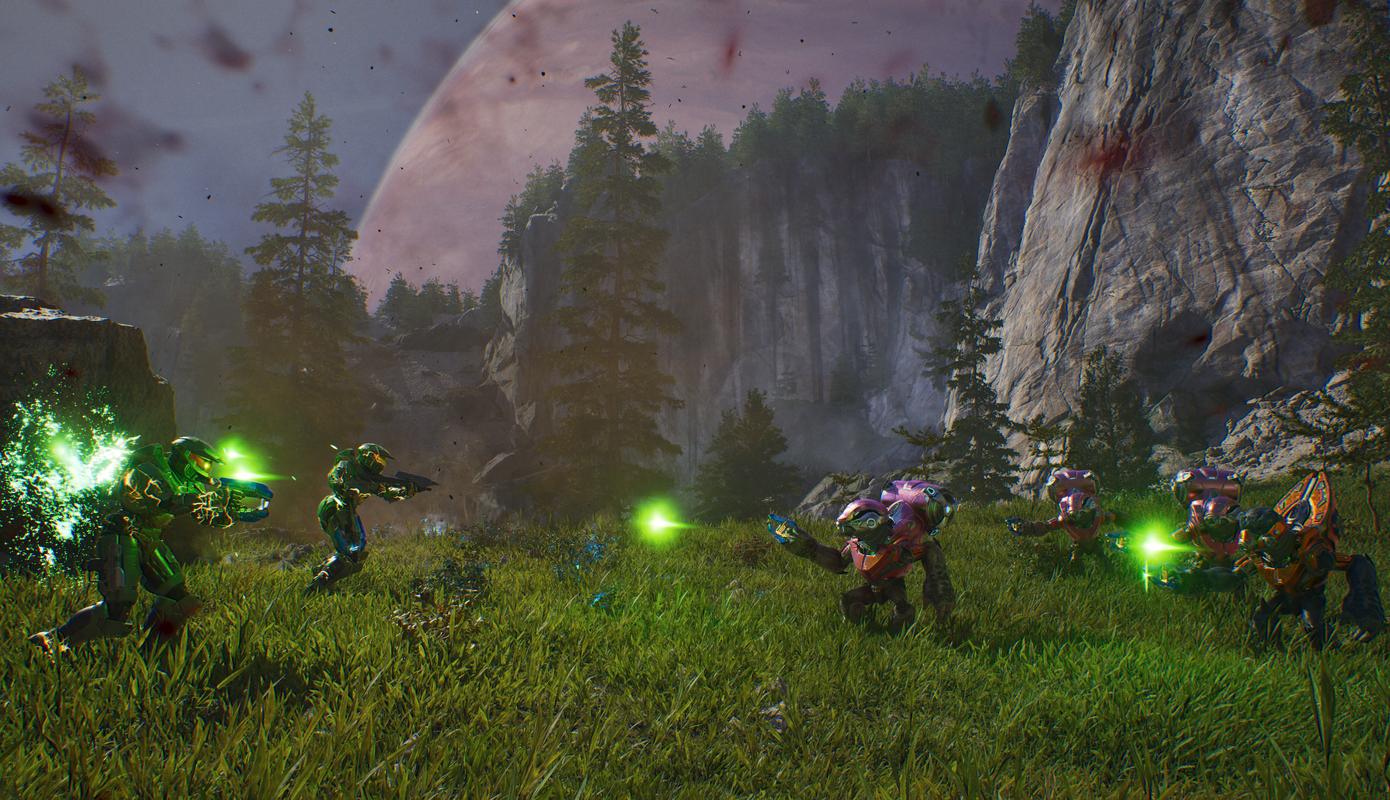
Right away, Alpha Halo looked far bigger than I remembered. Outdoor missions now extend well beyond the immediate combat area, making the ring feel like one enormous place rather than a collection of connected levels. Familiar locations haven’t changed shape, but the scenery surrounding them makes the world feel much more expansive.
Covenant locations stand apart more clearly now. Their curved architecture has more detail, and the lighting separates them from the colder Forerunner interiors. Warthogs, Wraiths, weapons, and armour also look like they belong in the rebuilt environments rather than older assets placed inside new scenery.
New motion capture makes conversations less stiff than they were in the original game. Cortana’s redesigned face occasionally looks awkward beside the other character models, although it never became a major distraction for me. Halo’s music remains instantly recognizable. The remastered score gives its quieter melodies more room before the chanting and percussion take over during larger battles. Weapon fire and vehicles still have the distinct Halo sound I remember.
The audio problems stood out more than anything else during my playthrough. During later missions, parts of the sound occasionally cut out or stuttered for extended periods. Those interruptions took away from battles built around the music, enemy dialogue, and weapon audio working together. Outside those issues, the single-player campaign ran well, including during large outdoor fights and tighter interior encounters.
Halo’s campaign is still more enjoyable with a friend
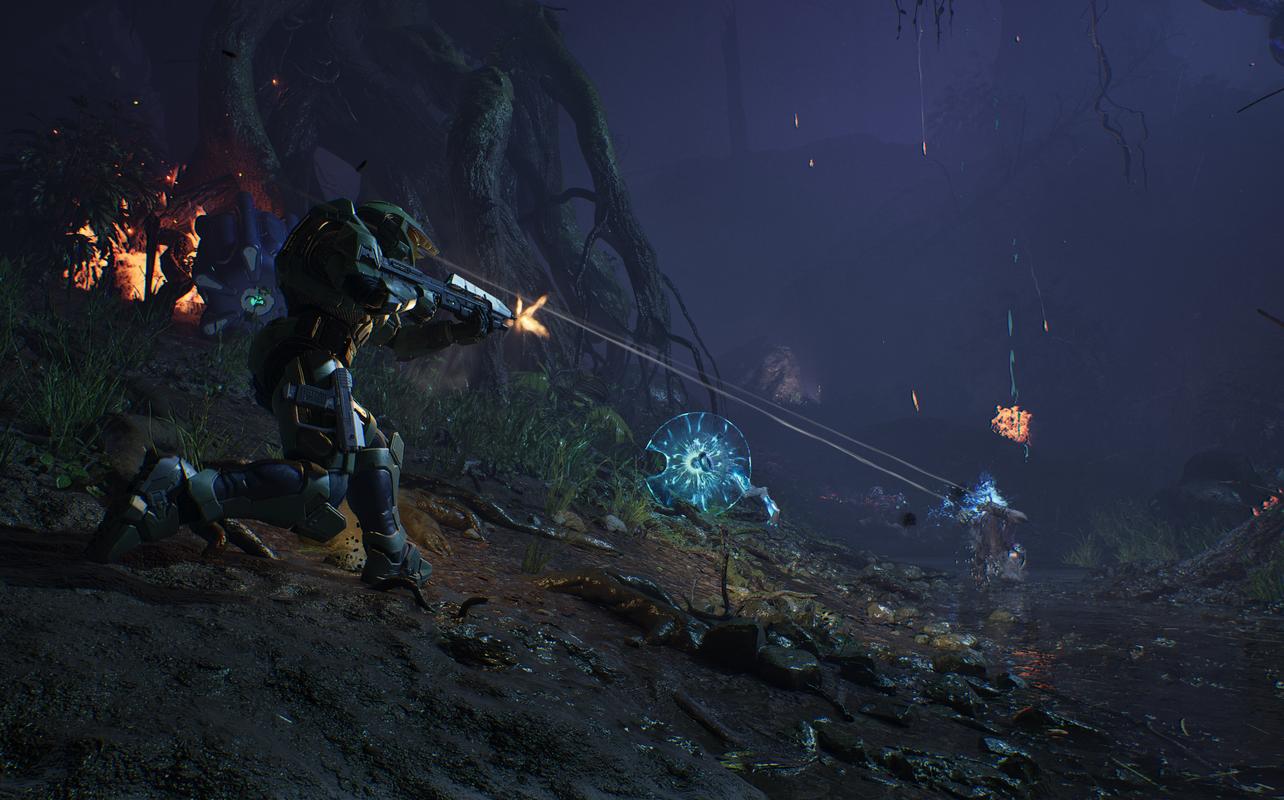
I was glad split-screen campaign co-op is still here. Halo is more fun with someone beside you, and both the original campaign and Operation: Meteorite can be played that way. Adding another person changes more than the difficulty. Covenant forces can’t focus entirely on one Spartan, which lets you attack from another side or recover after making a mistake. Vehicle encounters also become more enjoyable when one person drives and the other controls the mounted weapon.
Online co-op supports up to four people, and cross-play means your group doesn’t need to own the same platform. Cross-progression also lets you continue on another compatible version. Split-screen performance wasn’t as steady as single-player. The frame rate dropped enough to be noticeable during play. You can still complete the campaign this way, but online co-op ran better for me.
Competitive multiplayer isn’t included. Halo: Campaign Evolved focuses entirely on campaign play and its cooperative options. If you’re buying it for traditional arena matches, you won’t find them here. That means Halo: Campaign Evolved can’t replace the original for anyone who still wants arena multiplayer. The campaign is excellent, but this release is built around playing through the story alone or with friends.
Halo: Campaign Evolved respects the past without getting stuck there
Halo: Campaign Evolved makes it easy to return to Master Chief’s first story, and it’s just as welcoming if this is your first Halo game. The campaign is immediately recognizable, but moving through it no longer feels tied to a shooter from 2001. Returning fans can get back into the battles they remember without dealing with the original’s slower movement.
You won’t need any Halo background before starting. The story introduces Master Chief, Cortana, the Covenant, and Alpha Halo as you play. Operation: Meteorite gives Sgt. Major Avery Johnson a larger role, but the journey across the ring remains the heart of the game.
Campaign Remix is there once you know the missions well and want another run through them. Changes to enemies and weapon placement keep you from relying on the same plan every time without changing the campaign itself.
| Pros | Cons |
|---|---|
| Sprint reduces downtime without changing the original encounters | Similar Forerunner interiors still repeat too often |
| Later-series weapons expand your choices during combat | Competitive multiplayer isn’t included |
| Operation: Meteorite adds three missions with Master Chief and Sgt. Major Avery Johnson | Audio interruptions affected later missions |
| Campaign co-op supports local and cross-platform play | Split-screen lowers the frame rate compared with single-player |
Halo: Campaign Evolved gives you a clear way to return to Alpha Halo or experience Master Chief’s first campaign for the first time. You can play through the full story alone or with friends. If arena multiplayer is what you’re after, you’ll need to look elsewhere.
Overall assessment of Halo: Campaign Evolved
Gameplay: 4.5/5
Graphics: 4.5/5
Sound: 4/5
Lasting appeal/Replayability: 4.3/5
Overall rating: 4.3/5 (86%)
If someone asked me where to start with Halo today, Halo: Campaign Evolved is where I’d point them toward. It keeps the mystery and combat of Master Chief’s first adventure, even if a few level-design choices still show their age.