
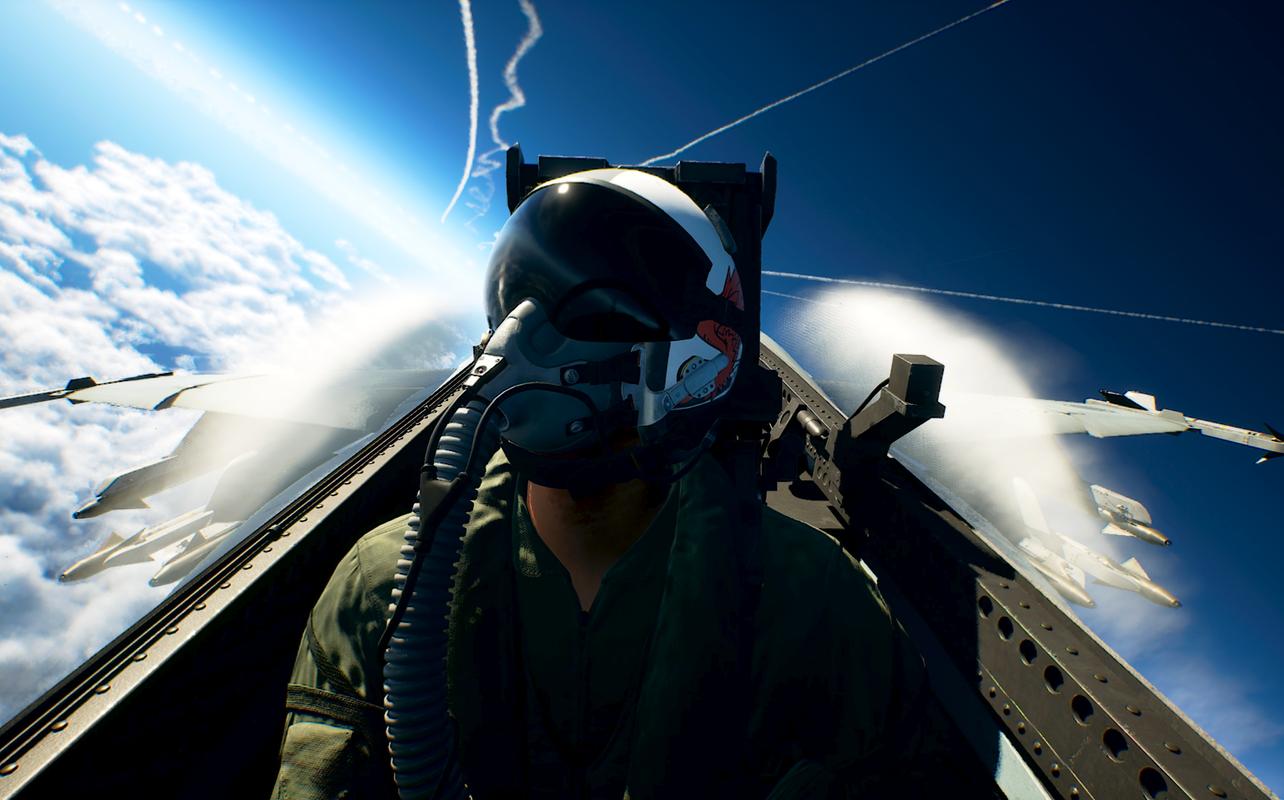
I had to break one habit before Ace Combat 8: Wings of Theve really opened up for me. I was firing as soon as the lock-on tone told me I had a shot. Once I started watching my speed, angle, and where an enemy was trying to go, the dogfights changed completely. Sometimes the better move was to hold the missile, stay on a tail a little longer, or break away before a hard turn killed too much speed.
That learning curve is a big reason I enjoyed Ace Combat 8 as much as I did. Missions can change after takeoff, so the aircraft and weapons you bring only get you so far. You still have to react once the plan changes in the air. The story doesn’t move at the same speed. Long stretches of military exposition can slow things down just when I’m ready to fly again. Even so, I was always ready for the next sortie because I could tell I was getting better at controlling the fight.
Can the rest of Ace Combat 8 keep pace with the flying? Let’s take a closer look.

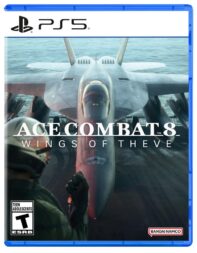
Ace Combat 8: Wings of Theve details
Platform(s): PS5, XBOX Series X|S, and PC
Developer(s): Bandai Namco Aces Inc. / PROJECT ACES
Publisher(s): Bandai Namco Entertainment Inc.
Genre: Flight Shooting
Modes: Single-player, online co-op, and competitive multiplayer
ESRB Rating: T (Teen)
Joker Flight gives the war a more personal side
Ace Combat 8 takes place during a war between the Federation of Central Usea, or FCU, and Sotoa. You take on the Wings of Theve identity and lead Joker Flight from the carrier Endurance. The war explains why you’re flying these missions, but I cared much more about the pilots beside me.
Baxter, Tasha, and Coster are a big part of that. Their radio chatter gives Joker Flight personality without stopping the action. Hearing them react to what’s happening in the air made me feel more connected to Joker Flight than I ever did to some of the political material between sorties.
That connection is also why the long briefings bothered me so much. Some briefings keep talking long after I already understood what I needed to do. There were times when I’d finish an exciting mission and just wanted to get back into the cockpit. Instead, another long explanation about battle plans or military details would slow everything down.
The silent protagonist doesn’t help those conversations either. Joker Flight talks to you throughout missions, but your pilot can’t really answer them. It never stopped me from liking the squad, but it does make some relationships feel one-sided.
For me, the story is much easier to get into when Joker Flight is talking during a mission. Those exchanges give the squad more personality than another long briefing ever does.
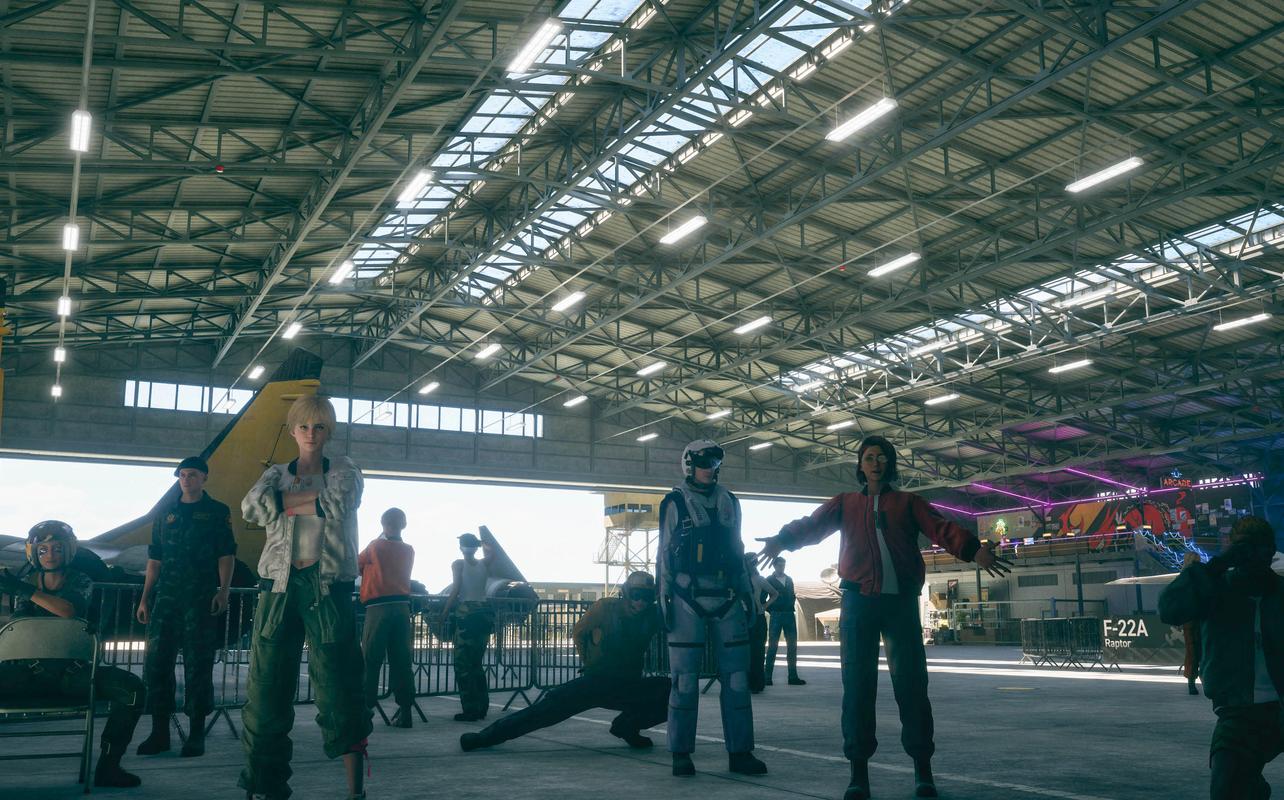
Every sortie demands a different plan
Two sorties rarely ask exactly the same thing from you. You can take off ready for one type of fight and suddenly have a different problem once the objective changes. That kept me thinking about both the aircraft I chose and the way I flew it.
Positioning matters as much as missile lock
Getting behind an enemy only works if you still have enough speed to control the aircraft. Push a turn too hard and you can bleed away speed at the worst possible time. That made me think much more about how I entered a dogfight instead of simply keeping a target somewhere in front of me.
Ace Combat 8 has two flight control options, Standard and Expert. Standard was easier for me to learn because turning is more direct, which let me focus on tracking enemies and managing speed. Expert adds roll and pitch if you want finer control over the aircraft. If you’re new to Ace Combat, I’d start with Standard and learn the basics first. You can switch to Expert later if you want more say over how the aircraft moves.
High-G turns make the risk of losing speed clear. You can swing the aircraft around when an enemy crosses your path, but you pay for it quickly. Lose too much speed and you’re suddenly worrying about a stall instead of the jet you were chasing.
Understanding the distance and angle machine guns need changed how I used them. They became more than a way to conserve missiles. If an enemy keeps slipping out of a clean missile shot, closing the gap can be the better answer.
Better flying still decides whether all that firepower actually connects. Carrying more weapons won’t fix a bad approach.
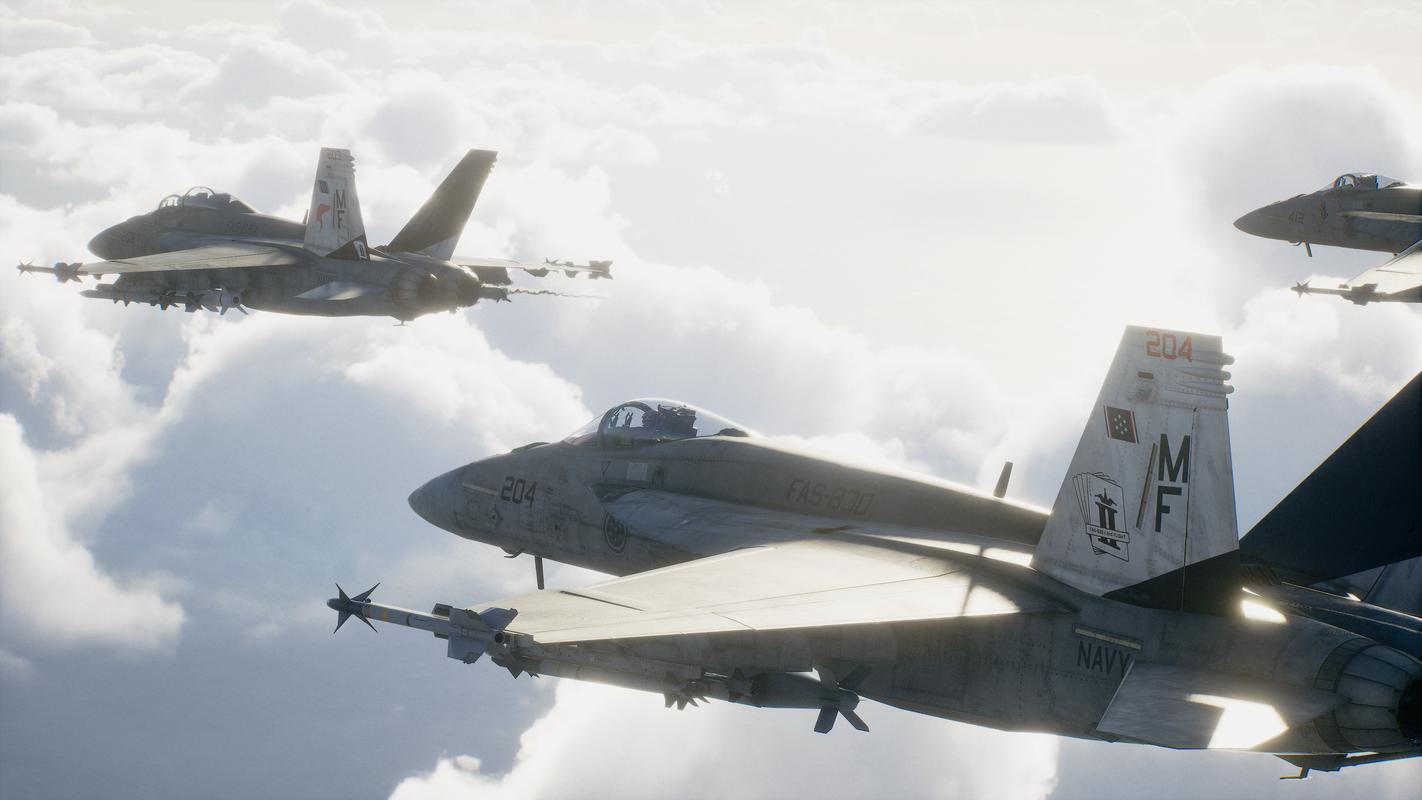
Mission preparation starts before takeoff
Aircraft choice can make the next mission easier or much harder, so I was reading the briefings for clues about what I’d face. A sortie filled with surface targets calls for a different setup from one dominated by enemy fighters. Bring the wrong aircraft or weapons and you’ll notice pretty quickly.
Progression uses Military Result Points, or MRP, through the Aircraft Tree. You spend those points on aircraft, parts, and special weaponry. It looks intimidating at first because there’s a lot to unlock.
After a few missions, I knew what I wanted from the Aircraft Tree. I wasn’t trying to clear every branch anymore. The question became what I wanted available for the next sortie. That keeps progression tied to how you’re actually playing instead of turning it into another checklist.
Even the best preparation only takes you so far. Objectives can change once you’re already in the air, and new threats can force you to rethink what matters. You might take off expecting one type of fight and suddenly have to change priorities.
Joker Flight can take some of that pressure off. You can send wingmen toward attacks, support, or special weapons when several threats are competing for your attention. You’re still responsible for the main fight, but you don’t have to handle every target yourself.
The multiplayer I played before launch was fun, especially when human pilots did things the AI wouldn’t. Those dogfights were harder to predict because another player won’t always react the way you expect. I still wouldn’t buy Ace Combat 8 mainly for multiplayer yet. The pre-launch window wasn’t long enough for me to tell how the online community will grow or how stability will hold up over time.
Weather and sound become part of the fight
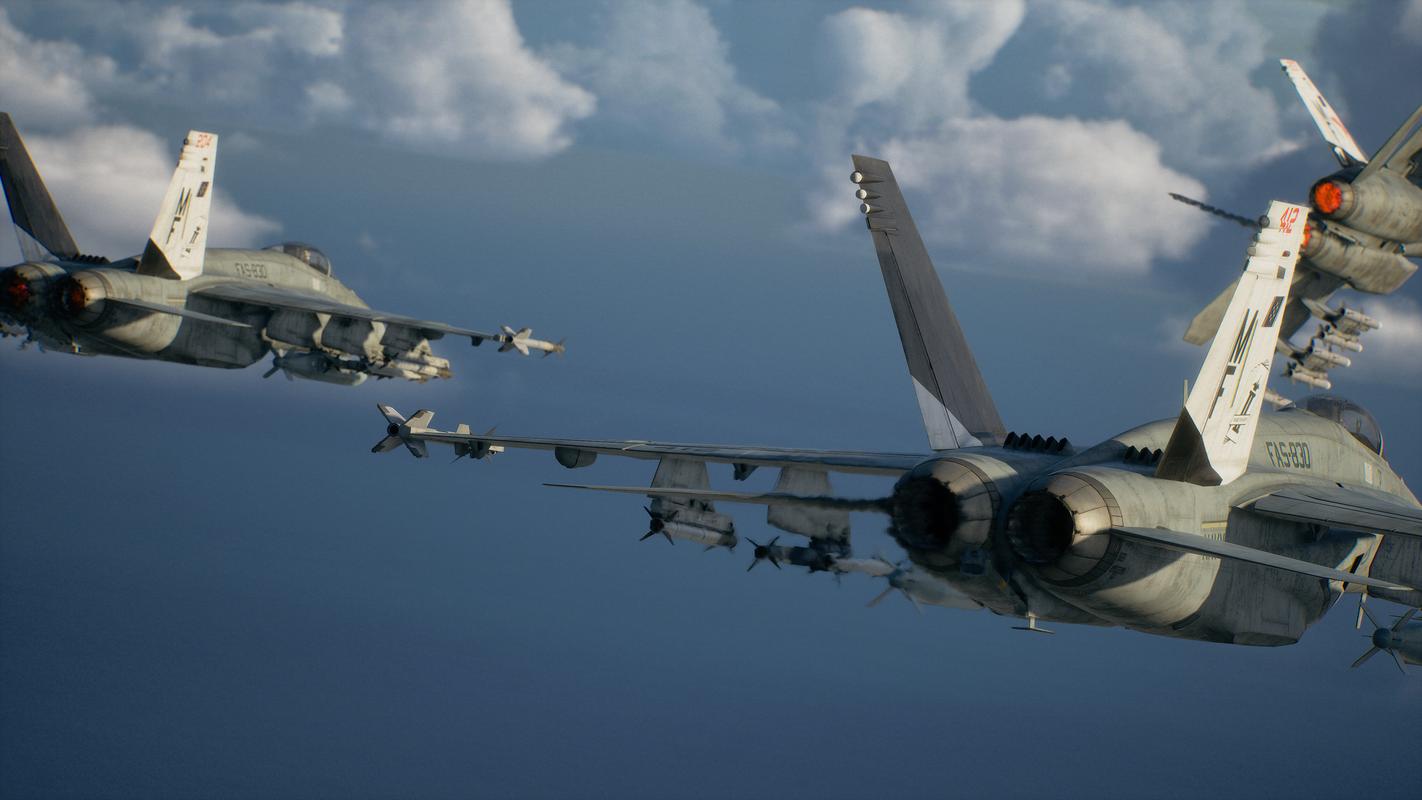
The sky in Ace Combat 8 can mess with your plan just as much as the enemies do. Fly into cloud cover and it gets harder to see what’s ahead or hold a missile lock. Stay in bad weather too long and the aircraft can become harder to manage. You start watching the clouds for the same reason you watch enemy positions.
Those effects aren’t just there to look pretty. Clouds and changing conditions become part of how you fly rather than something happening in the background.
You get the best look at the aircraft detail during climbs, dives, and crowded fights. The sense of speed comes through especially well when the sky is full of aircraft and missiles. You don’t need a cutscene to tell you the battle is getting bigger.
The soundtrack adds energy without getting in the way of the radio chatter. I liked hearing Joker Flight react while I was still trying to stay on a target. Those exchanges kept me connected to the squad without taking me out of the action.

Ace Combat 8: Wings of Theve changes how you approach every mission
The more I played Ace Combat 8: Wings of Theve, the less I treated every dogfight like a race to get a missile lock. I was thinking about speed, angle, weather, and what could happen if the objective suddenly changed. Getting better at flying changed how I approached an entire mission, not just how quickly I could shoot something down.
If you’re still playing Ace Combat 7, the changing missions are what would bring me back for Ace Combat 8. Briefings prepare you for one problem, then weather, new targets, or a changing objective can force you to adjust once you’re already flying. It still has the Ace Combat formula you know, but this campaign gave me enough to think about that I never thought I was repeating the same flight.
| Pros | Cons |
|---|---|
| Aircraft handling rewards better positioning, speed management, and timing | Long briefings can slow things down between missions |
| Changing objectives and weather keep sorties from becoming predictable | The silent protagonist makes some character relationships feel one-sided |
| Aircraft, weapon, and wingman choices give you meaningful ways to prepare | It’s still too early to judge how the multiplayer community will develop over time |
You also don’t need years of Ace Combat experience to enjoy Ace Combat 8. Standard controls, training, and adjustable difficulty give newcomers room to learn. If you’ve skipped recent games, you shouldn’t have much trouble getting back into the cockpit either.
There’s a lot of military terminology to keep straight, and some briefings last longer than they need to. If you want a story-first action game or a strict flight simulator, this probably isn’t what you’re looking for. I’d also wait before buying mainly for multiplayer until we know more about how the online community develops.
For me, none of that outweighed how much I enjoyed learning the aircraft and figuring out what a mission wanted from me once I was in the air. I had the most fun when the plan changed and I had to decide what to do next.
Overall assessment of Ace Combat 8: Wings of Theve
Gameplay: 4.7/5
Graphics: 4.5/5
Sound: 4.4/5
Lasting appeal/Replayability: 4.0/5
Overall rating: 4.4/5 (88%)
If you’re looking for a flight-action game where learning the aircraft matters as much as lining up the next missile, you can find Ace Combat 8: Wings of Theve at Best Buy Canada.