
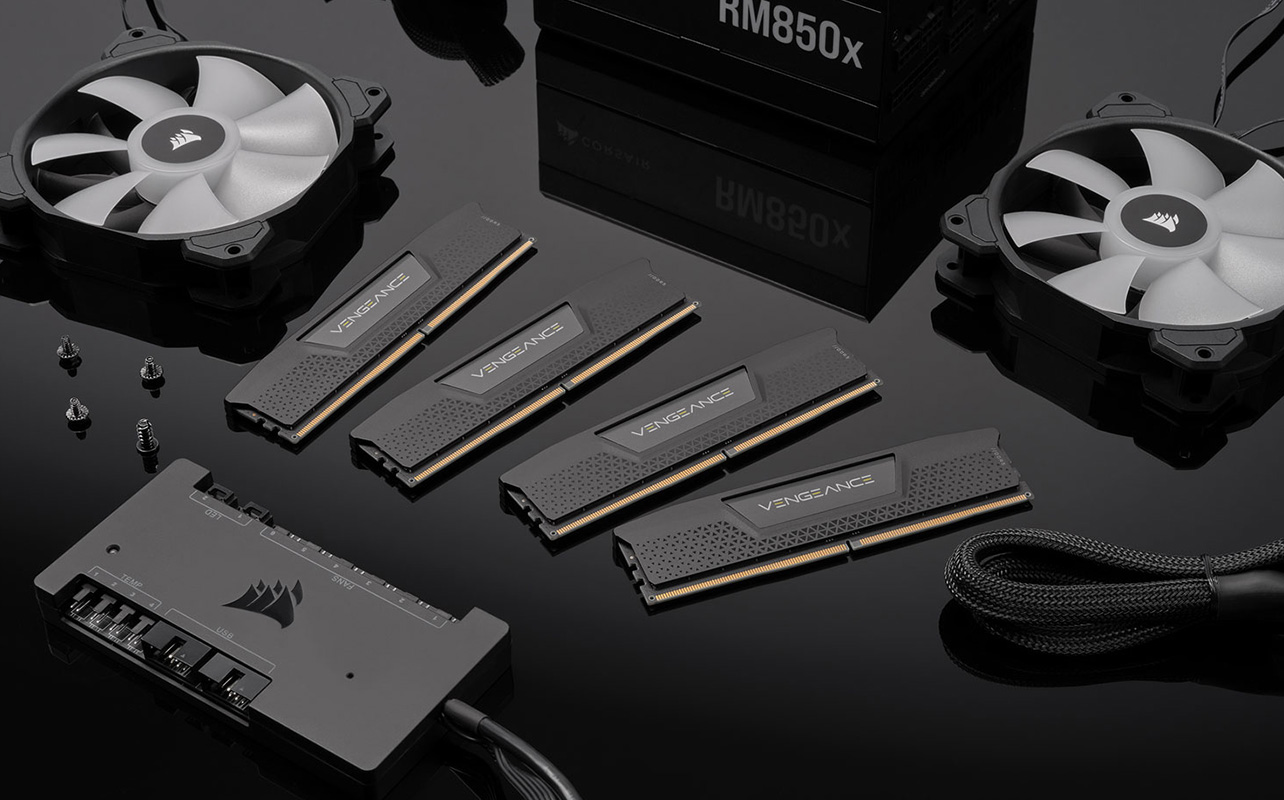
If you’ve been thinking about building or upgrading a PC in 2026, you may have noticed something frustrating: PC component prices are climbing again. Graphics cards are harder to find at reasonable prices, RAM kits cost more than they did a year ago, and even storage and CPUs are creeping upward. At first glance, this might feel similar to the GPU shortages seen during the cryptocurrency boom a few years ago. But the situation in 2026 is different. This time, the biggest driver is artificial intelligence (AI).
Companies around the world are building massive AI infrastructure data centres filled with powerful GPUs, high-speed memory, and enterprise storage. The same components used in these systems are also used in consumer PCs. When large tech companies buy hardware in huge volumes for AI training and cloud computing, it changes the entire supply chain. The result is simple: less hardware available for consumers, and higher prices for what remains.
Understanding why this is happening can help PC buyers make smarter decisions about when to upgrade, what components to prioritize, and whether it might make sense to wait for prices to stabilize.

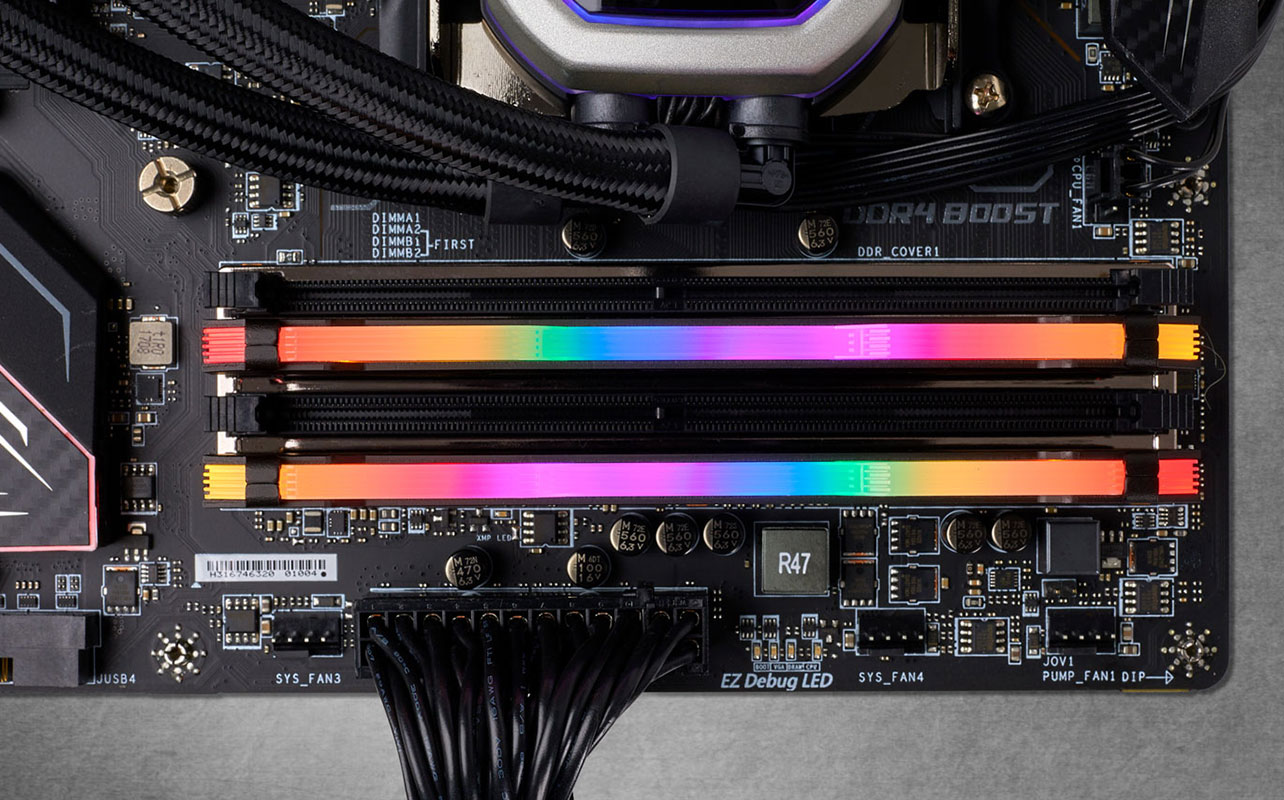

Overview of PC component price trends in 2026
In 2026, several key PC components have seen noticeable price increases, particularly graphics cards, RAM, and SSD storage. While the exact changes vary depending on the product category and performance tier, the overall trend is clear: demand for high-performance hardware is rising faster than supply.
A major driver behind this shift is the rapid expansion of artificial intelligence computing. Training modern AI models requires enormous amounts of processing power, memory, and storage. As a result, large technology companies and cloud providers are purchasing hardware in massive volumes to build and expand AI data centres.
When manufacturers allocate more production capacity to enterprise hardware used in AI systems, fewer components remain available for consumer markets such as gaming PCs and custom desktop builds. Several factors are contributing to rising component prices in 2026, including:
- Rapid growth in AI infrastructure and data centre hardware
- Large-scale enterprise purchases of GPUs and memory
- Increasing demand for high-performance computing
- Supply chain constraints in semiconductor manufacturing
- Rising energy and production costs in chip fabrication
While none of these factors alone explains the entire situation, together they are creating a market where certain PC components are becoming more expensive and sometimes harder to find. For consumers, this means the cost of building or upgrading a PC may be higher than expected, particularly when it comes to graphics cards, memory kits, and high-speed storage.
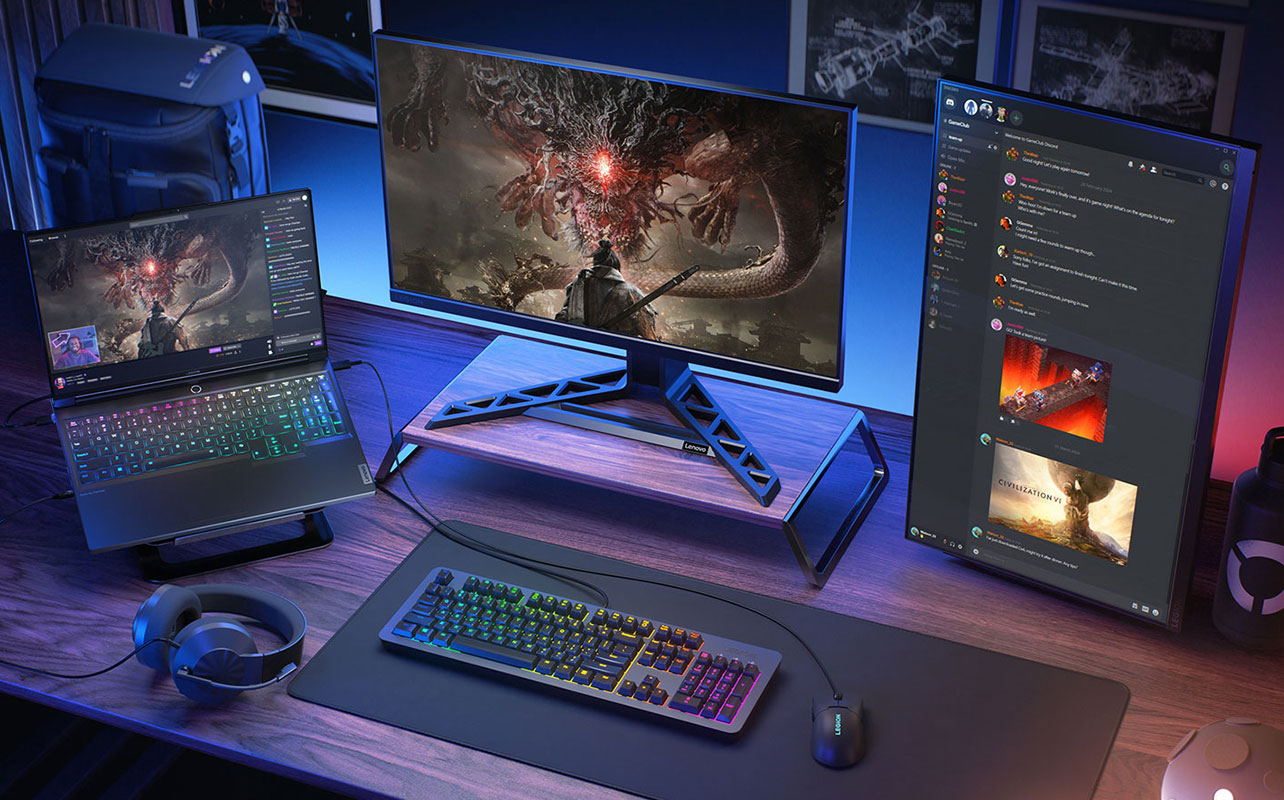
Memory and storage shortages driven by AI demand
Memory and storage are two of the most important resources in modern AI infrastructure. Training large machine learning models requires enormous datasets and extremely fast data access, which means AI data centres rely heavily on both high-capacity memory and high-speed storage. Two technologies are especially important here: DRAM and NAND flash.
DRAM is the system memory that allows applications and operating systems to run smoothly by providing fast, temporary data access. NAND flash, on the other hand, is the storage technology used inside solid-state drives (SSDs) to store files, applications, and large datasets. AI systems require massive amounts of both. Large AI clusters often run on servers equipped with huge amounts of DRAM and enterprise-grade SSD storage to manage and process training data efficiently.
Because enterprise customers purchase hardware in bulk and often sign long-term contracts, manufacturers frequently prioritize those orders over consumer markets. When data centres increase their purchases of DRAM modules or enterprise SSDs, it tightens the supply available for desktop memory kits and consumer SSDs.
Even when production levels remain stable, this shift in demand can push prices higher for everyday PC components. For PC builders, that may translate into more expensive RAM kits and rising SSD prices, particularly for higher-capacity or high-performance models. As AI infrastructure continues expanding, these memory and storage pressures can ripple through the broader PC hardware market, affecting availability and pricing for consumer systems.
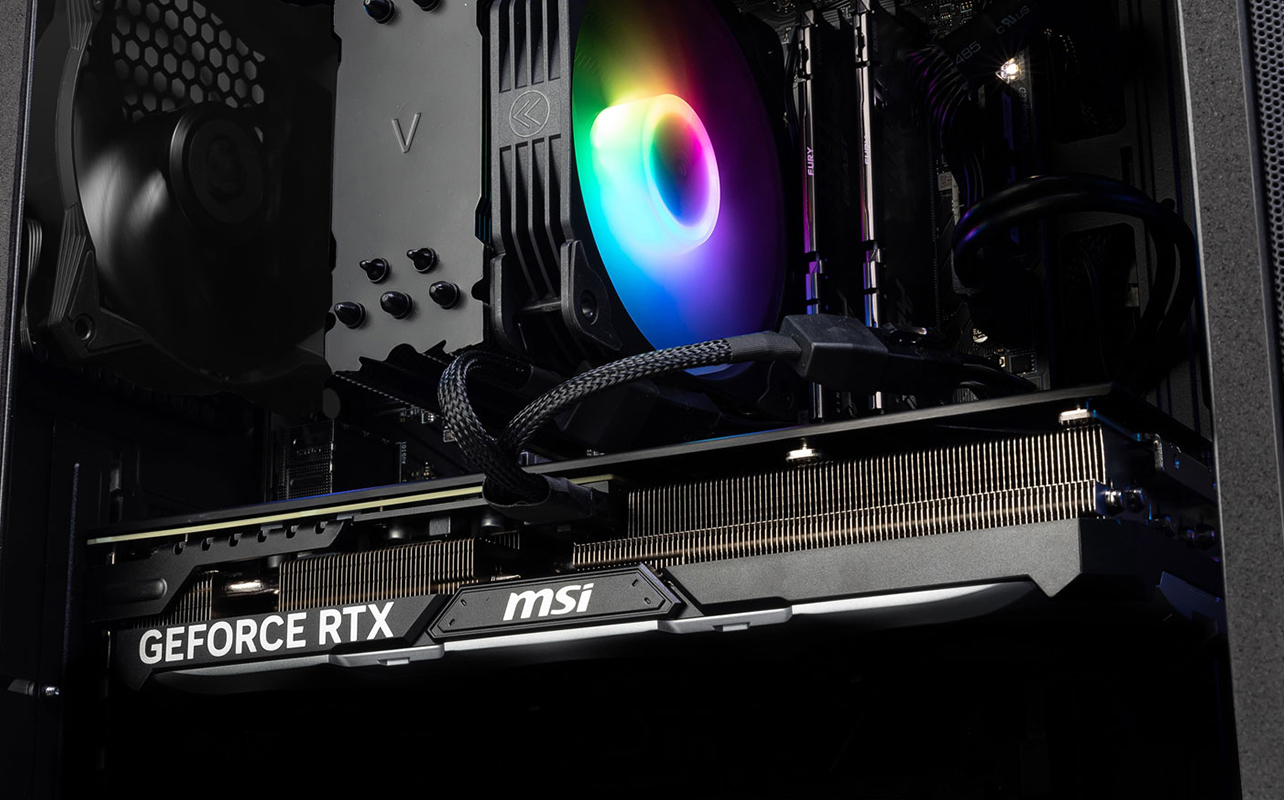
GPU market dynamics and AI influence
Graphics cards are arguably the PC component most affected by the rapid growth of artificial intelligence. While GPUs are widely known for powering modern games, their architecture is also well suited for AI workloads. Unlike traditional processors, GPUs can perform thousands of calculations simultaneously. This ability to process many tasks in parallel makes them ideal for training and running machine learning models, which has significantly increased demand for powerful GPUs.
Many of the same chip architectures used in gaming graphics cards are also used in enterprise AI accelerators. In practice, this means the silicon used to produce high-end gaming GPUs often comes from the same manufacturing pipelines used for AI data-centre hardware. When demand for AI infrastructure increases, manufacturers may allocate more production toward enterprise GPUs sold to cloud providers and technology companies. As a result, fewer chips may be available for consumer graphics cards.
This shift can tighten supply in the gaming market, pushing prices higher and making certain high-performance GPUs harder to find. For gamers and PC builders, it means graphics cards that are already one of the most expensive PC components, can become even more difficult to purchase at reasonable prices.
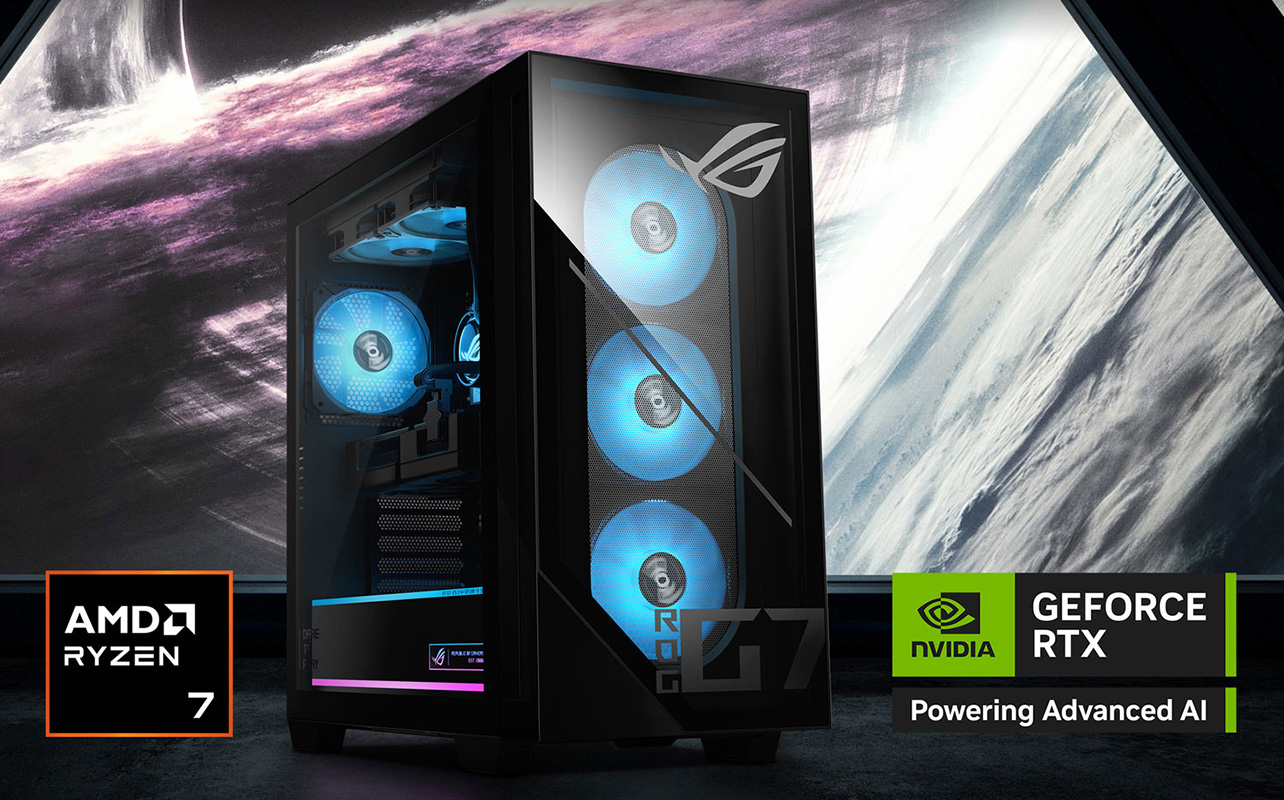
Impact of AI chip production on the PC market and pricing
The growth of artificial intelligence is not only increasing demand for hardware, it is also changing how computer chips are designed and produced. In recent years, chip manufacturers have begun building processors specifically optimized for AI workloads. Many new CPUs and system-on-chip platforms now include AI acceleration features, such as neural processing units (NPUs). These specialized processors are designed to handle AI tasks directly on a device instead of relying entirely on cloud-based systems.
This shift is contributing to the rise of what many companies are calling “AI PCs.” These systems are designed to run AI-powered features locally, including real-time image enhancement, voice processing, intelligent search tools, and advanced productivity software. While these innovations bring new capabilities to personal computers, they also increase development complexity and manufacturing costs. Chipmakers must invest heavily in research, new architectures, and advanced semiconductor fabrication processes to support AI acceleration.
At the same time, manufacturing capacity is often shared across multiple product categories, including AI accelerators, enterprise processors, and consumer PC chips. When demand for AI hardware grows rapidly, more production resources may be directed toward enterprise and data-centre products. For consumers, this shift can contribute to higher prices for certain PC components and platforms, particularly in the early generations of AI-enabled hardware.
Supply chain and external factors affecting prices
Artificial intelligence demand is a major driver behind rising PC component prices, but it is not the only factor influencing the market. Global semiconductor supply chains remain sensitive to several external pressures, including manufacturing costs, energy prices, logistics disruptions, and geopolitical tensions. Producing modern computer chips is a complex process that requires advanced fabrication plants, specialized equipment, and highly controlled environments.
Semiconductor fabrication facilities (often called fabs), also require enormous amounts of electricity and precision machinery. As energy and manufacturing costs rise, these expenses can ripple through the hardware ecosystem and contribute to higher component prices.
Another factor is the geographic concentration of advanced chip manufacturing. Only a small number of companies and facilities produce the most advanced semiconductors used in GPUs, CPUs, and high-performance memory. When demand increases across industries such as AI computing, smartphones, and automotive electronics, these facilities must divide their production capacity among multiple markets.
For PC buyers, this competition for manufacturing capacity means that even small disruptions or demand spikes in other industries can affect the availability and pricing of everyday PC components.
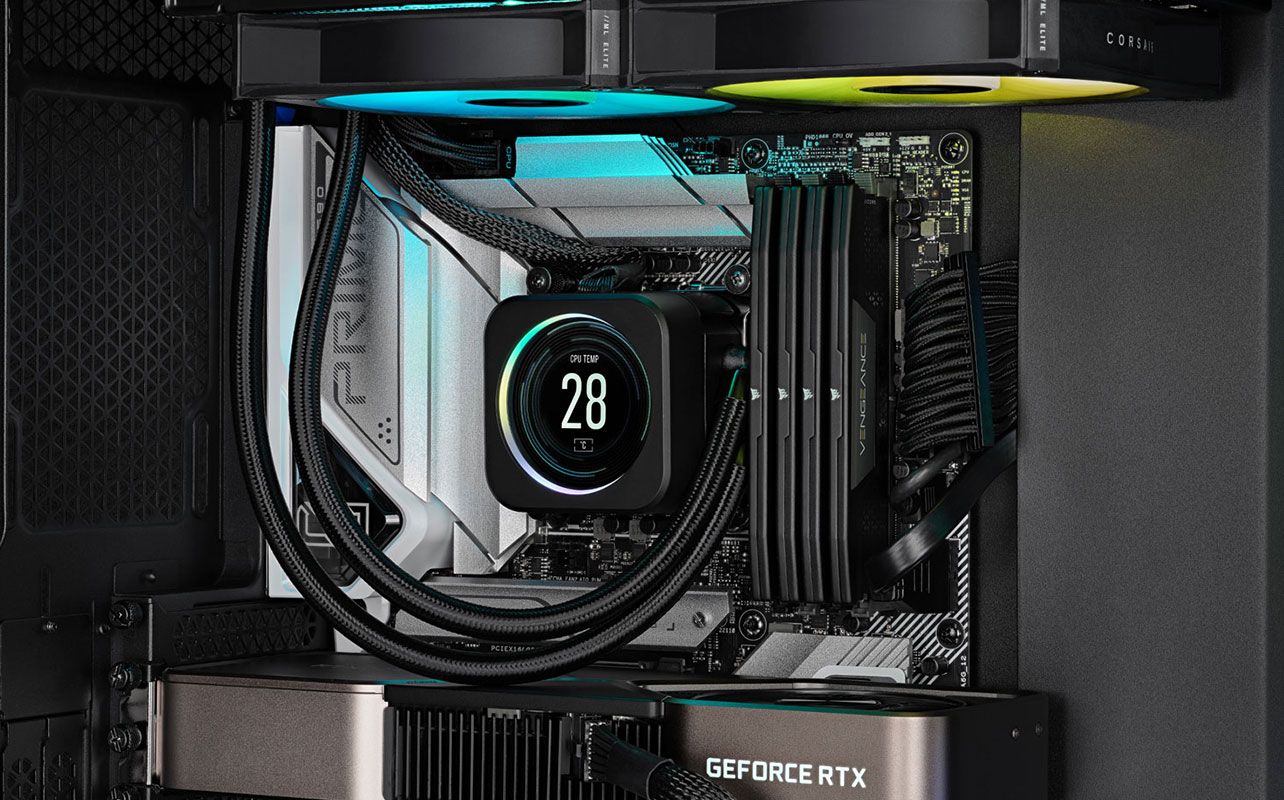
How AI demand affects PC component prices
The impact of artificial intelligence on PC hardware does not affect every component in the same way. Some parts are directly used in AI infrastructure, while others experience indirect price increases due to changes in platform design, chip manufacturing priorities, and overall demand for computing hardware.
The table below highlights how AI demand influences key PC components and what that means for consumers building or upgrading their systems:
| Component | AI impact | Consumer effect |
| GPUs | Massive demand for AI training and inference workloads in data centres | Higher gaming GPU prices and occasional shortages |
| DRAM memory | Data centres purchase large volumes of high-speed memory for AI clusters | Rising prices for consumer RAM kits |
| NAND storage (SSDs) | Enterprise SSDs prioritized for storing and processing AI datasets | Increased prices for consumer SSDs |
| CPUs | AI optimization and integration of AI acceleration features | Limited availability in some high-performance segments |
| Motherboards | Indirect demand through new chipsets and platform upgrades | Gradual price increases due to evolving hardware platforms |
Effects on gamers and PC builders
For gamers and PC builders, current market conditions create several practical challenges. Building a new PC can cost noticeably more than it did just a few years ago. Graphics cards remain the most expensive component in many builds, and rising prices for RAM and SSDs can further increase the overall cost. Limited availability can also make things frustrating, as newly released GPUs or high-capacity memory kits may sell out quickly.
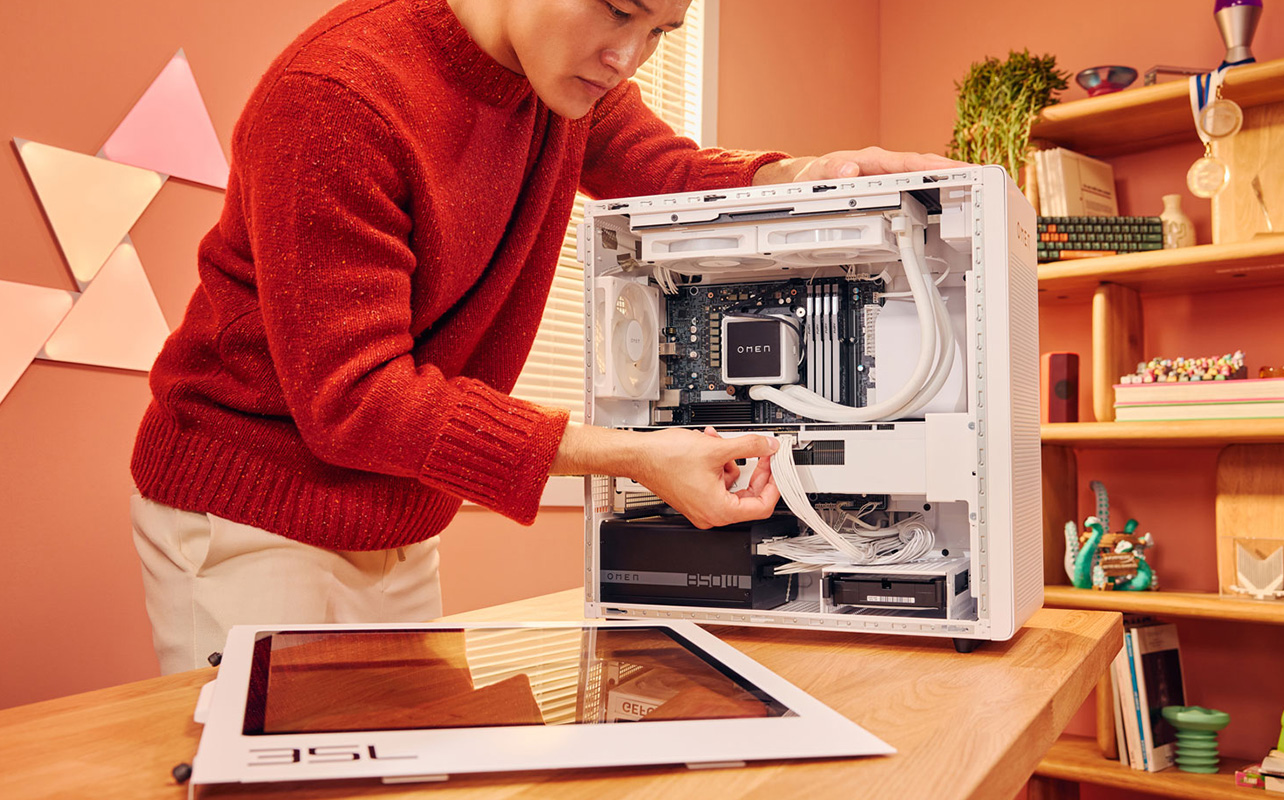
Because of these challenges, many enthusiasts are adjusting how they build and upgrade their systems. Some buyers are choosing pre-built PCs, where manufacturers can secure components in larger quantities and sometimes offer better value. Others are delaying full upgrades and focusing on smaller improvements, such as adding more storage, increasing RAM, or replacing a single component like a GPU. If you’re planning a new build, it can also help to understand how each part fits together. This PC gaming buying guide walks through the key components involved in building a gaming PC.
Another common strategy is considering previous-generation hardware, which can still deliver strong gaming and productivity performance while often costing less than the latest releases. As prices fluctuate, many builders are becoming more strategic about when and how they upgrade their systems, balancing performance needs with changing market conditions.
Consumer demand for AI features and hardware costs
Another trend shaping the PC hardware market is the growing interest in AI-enabled consumer devices. While much of the demand for hardware comes from large data centres, consumer computers are also beginning to include AI-focused capabilities. Many modern laptops and desktops now feature built-in AI tools designed to improve productivity and everyday tasks. Examples include real-time language translation, AI-assisted image editing, background noise removal in video calls, and intelligent search or summarization features within applications.
Supporting these capabilities often requires specialized hardware acceleration, such as neural processing units (NPUs) or enhanced GPU features designed to handle AI workloads more efficiently. As manufacturers integrate these technologies into mainstream PCs, some devices may carry premium pricing, especially in early generations where new chip designs and hardware platforms are introduced.
It is also important to distinguish between two market forces. Large technology companies are purchasing massive amounts of hardware for AI infrastructure, while consumer demand for AI-powered features is encouraging manufacturers to design new processors and platforms. Together, these trends are gradually reshaping how personal computers are designed, built, and priced.
Outlook on PC price stabilization and future trends
Despite the current rise in component prices, the long-term outlook for PC hardware is not entirely negative. The semiconductor industry is expanding manufacturing capacity to meet growing global demand for chips. Major chipmakers and manufacturing partners are investing billions of dollars into new semiconductor fabrication plants across North America, Europe, and Asia. These facilities are expected to increase production over the next few years, which could help ease supply constraints and stabilize hardware prices.
However, the rapid growth of artificial intelligence computing means demand for high-performance chips will likely remain strong. AI infrastructure, cloud services, and enterprise computing will continue competing for advanced semiconductor manufacturing capacity.
In the short term, this may lead to continued price volatility, especially for high-performance components such as GPUs and high-speed memory. Over time, expanded production and improvements in chip manufacturing technology could help bring the market closer to balance. For PC buyers and enthusiasts, this means prices may fluctuate in the coming years, but increased semiconductor investment should gradually improve supply and availability.
Practical tips to save money on PC components in 2026
Even in a market where hardware prices are rising, there are still several ways to reduce the cost of building or upgrading a PC. With a bit of planning and timing, buyers can often find better deals on key components.
Time purchases around major sales events
Large retail events such as seasonal promotions, back-to-school sales, or holiday discounts can offer meaningful savings on PC components. Waiting for these events can make a noticeable difference when purchasing higher-priced hardware like GPUs or CPUs.
Use price trackers
Online price tracking tools allow buyers to monitor price trends over time. Watching how prices change can help identify the best time to buy rather than purchasing during a temporary price spike.
Consider bundles or combo deals
Some retailers offer bundled discounts that combine multiple components, such as CPUs paired with motherboards or memory kits. These packages can reduce the overall cost of building a system.
Look at refurbished or open-box hardware
Refurbished or open-box components can sometimes provide excellent value, especially for storage drives or graphics cards. These products are often tested and certified while still offering a lower price than brand-new hardware.
Consider previous-generation components
Hardware from the previous generation often drops in price when new models launch. While they may not include the very latest features, many of these components still deliver strong performance for gaming, content creation, and everyday computing.
Upgrade strategically
Instead of replacing an entire PC, upgrading specific components—such as adding more RAM, installing a faster SSD, or upgrading a graphics card can extend the life of an existing system and spread costs over time.
Frequently asked questions
Why are PC component prices increasing in 2026?
PC component prices are rising largely due to strong demand from AI infrastructure. Data centres require large quantities of GPUs, memory, and storage to train and run AI models. At the same time, supply chain pressures and manufacturing constraints are limiting how quickly hardware production can expand.
How is AI technology affecting PC component costs?
AI systems require enormous computing resources. As companies purchase large volumes of GPUs, memory, and storage for AI clusters, fewer components remain available for consumer markets, which can push retail prices higher.
Which PC components are most impacted?
Graphics cards and DRAM memory are the most directly affected components. NAND storage and certain high-performance CPUs can also experience price increases as demand grows across the technology industry.
Are supply chain issues contributing to higher prices?
Yes. Semiconductor manufacturing depends on complex global supply chains. Rising energy costs, logistics disruptions, and geopolitical factors can all affect chip production and distribution, contributing to higher prices.
Will PC component prices stabilize?
Prices may stabilize over time as new semiconductor fabrication plants increase production capacity. However, continued growth in AI computing could maintain upward pressure on certain components in the short term.
Are gamers more affected than general users?
In many cases, yes. Gaming GPUs often share similar architectures and manufacturing pipelines with AI accelerators, which means demand from AI companies can directly impact the availability of consumer graphics cards.
Is consumer demand for AI features increasing hardware costs?
Yes. Many new PCs now include hardware designed to accelerate AI features such as intelligent assistants, image editing tools, and productivity applications. These capabilities can increase design complexity and influence device pricing.
How do tech companies influence pricing?
Large technology companies purchase hardware in massive quantities for AI infrastructure. These large contracts are often prioritized by manufacturers, which can reduce the supply available for consumer hardware.
What this means for PC builders and gamers?
The PC hardware market has always evolved alongside new technologies, and artificial intelligence is quickly becoming one of the most influential forces shaping it. As companies invest heavily in AI infrastructure, the same components used in gaming PCs and custom builds are now competing with the demands of massive data centres.
In the short term, this surge in demand can push prices higher and make certain components harder to find. At the same time, it’s accelerating innovation across the semiconductor industry. New chip designs, AI-enabled processors, and expanded manufacturing capacity are already shaping the next generation of personal computing. For gamers, creators, and PC builders, understanding these shifts helps make sense of the changing hardware market and makes it easier to plan upgrades more strategically.
And when the time comes to start that next build or upgrade, it helps to have a place where the latest components are easy to explore and compare. From graphics cards and processors to memory and storage, Best Buy Canada offers a wide range of PC hardware that can help turn a plan for your next system into a finished build.






Great breakdown! It’s frustrating but makes sense — when AI data centres are gobbling up GPUs and RAM by the truckload, there’s just less left for the rest of us. I’ve been checking out Amazon, ebay and etech devices lately for some of my component needs, and even there you can feel the price creep. The tip about considering previous-gen components is solid advice right now. Hoping the new fabs come online sooner rather than later!