
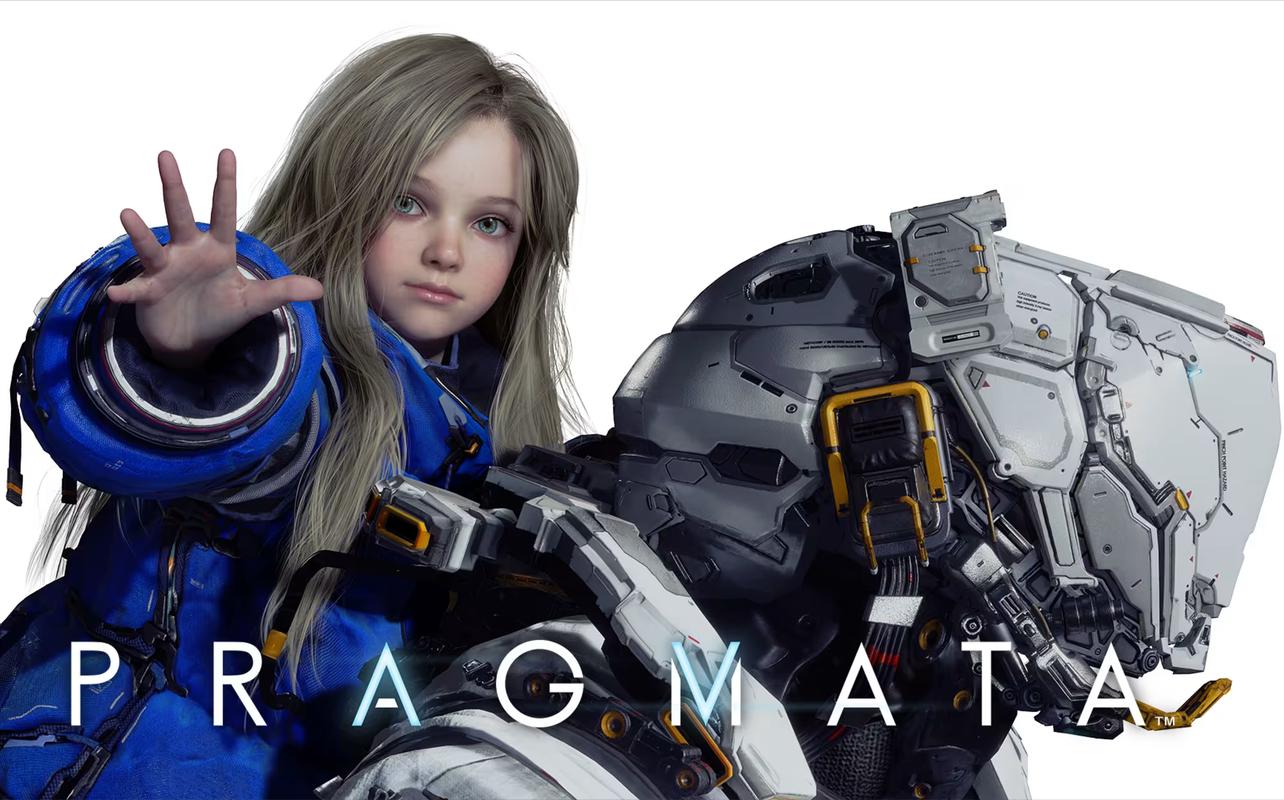
I’ve been playing Pragmata for the last week, and it’s a rare kind of science fiction game that values its characters just as much as its shooting. Honestly, I was worried that this game might not live up to the high bar Capcom set with its other franchises. After seeing and experiencing the bond between Hugh and Diana develop, I can say it’s one of the most unique experiences available this year. This is a must-buy if you want an action game that manages to have a lot of heart without slowing down the combat.
If you own a Nintendo Switch 2, this is exactly the kind of game that justifies the console. It provides a high-fidelity look that I usually expect to see on home consoles like the PlayStation 5 or Xbox Series X. The game manages to be both a big technical victory and a human story about two people trying to survive on a crumbling moon base. Whether you’re a long-time Capcom fan or someone new to the genre, this is an essential addition to your library. But does it have the staying power to keep you coming back? Let’s take a closer look.

Pragmata details
Platform(s): Nintendo Switch 2 (physical format and digital download), PlayStation 5, Xbox Series X|S, and PC
Reviewed on: Nintendo Switch 2
Developer(s): Capcom
Publisher(s): Capcom
Genre: Action-Adventure
Modes: Single-player
ESRB Rating: T (Teen)
A journey through the Cradle
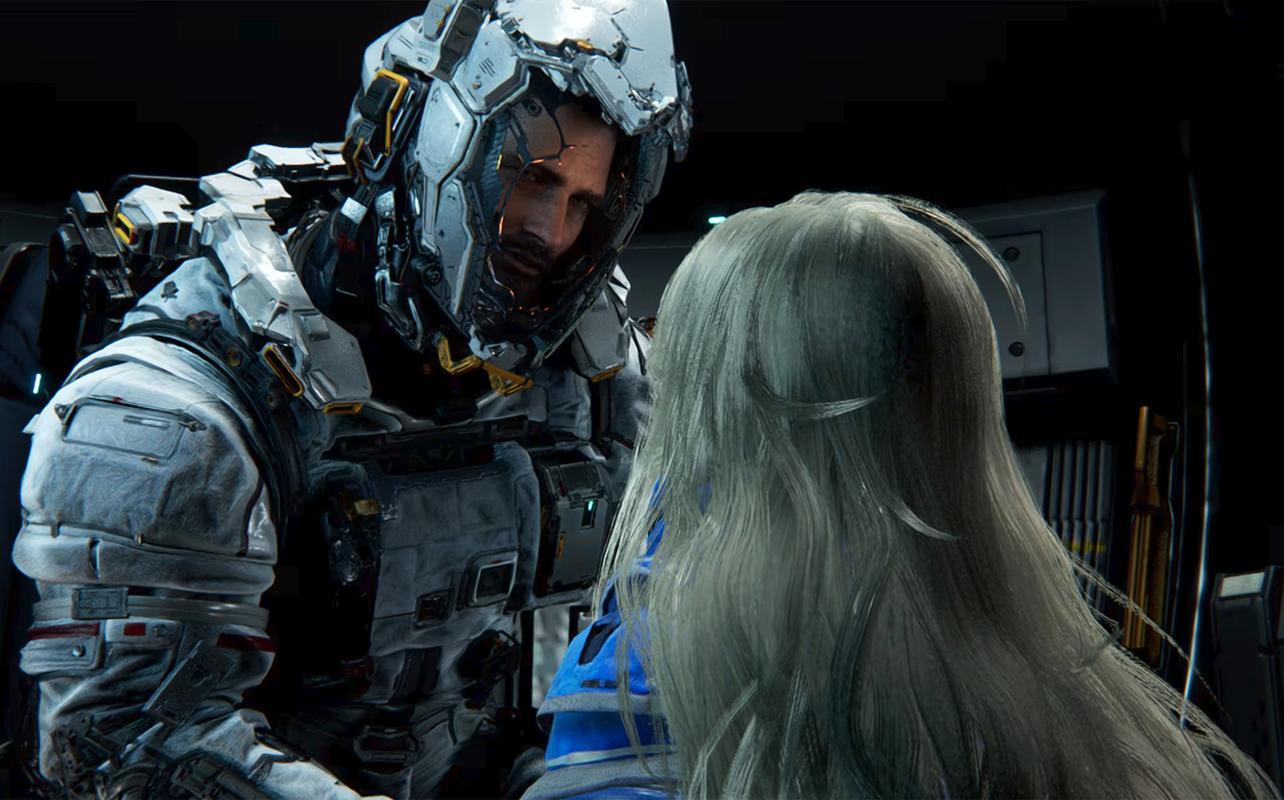
The story centres on Hugh Williams, a lunar worker who gets stranded on a station called the Cradle. To give you some background, the Cradle is the giant, decaying space station orbiting the moon where the whole story takes place. You quickly pair up with Diana, a human-like android child who has a mysterious link to the facility’s networks. I really liked that the plot avoided the usual grumpy protector clichés. Instead of being a reluctant father figure, Hugh is kind. I loved seeing Hugh explain everyday human concepts to her during these breaks, whether he was talking about why families eat together or how a simple slide works.
These bonding moments take place in a hub area called the Shelter. You can find items called Earth Memories scattered through the stages. These allow you to 3D print toys and furniture for Diana back at base. Watching her interact with these items triggers optional dialogues that give the setting more life than any text log. It made the stakes feel personal for me. I wasn’t just trying to stop an out-of-control A.I. named IDUS. I was trying to protect a child who was seeing the beauty of the world for the first time. Seeing them grow closer kept me from checking out even as the lunar conspiracy story went in some pretty wild directions.
Multitasking in combat
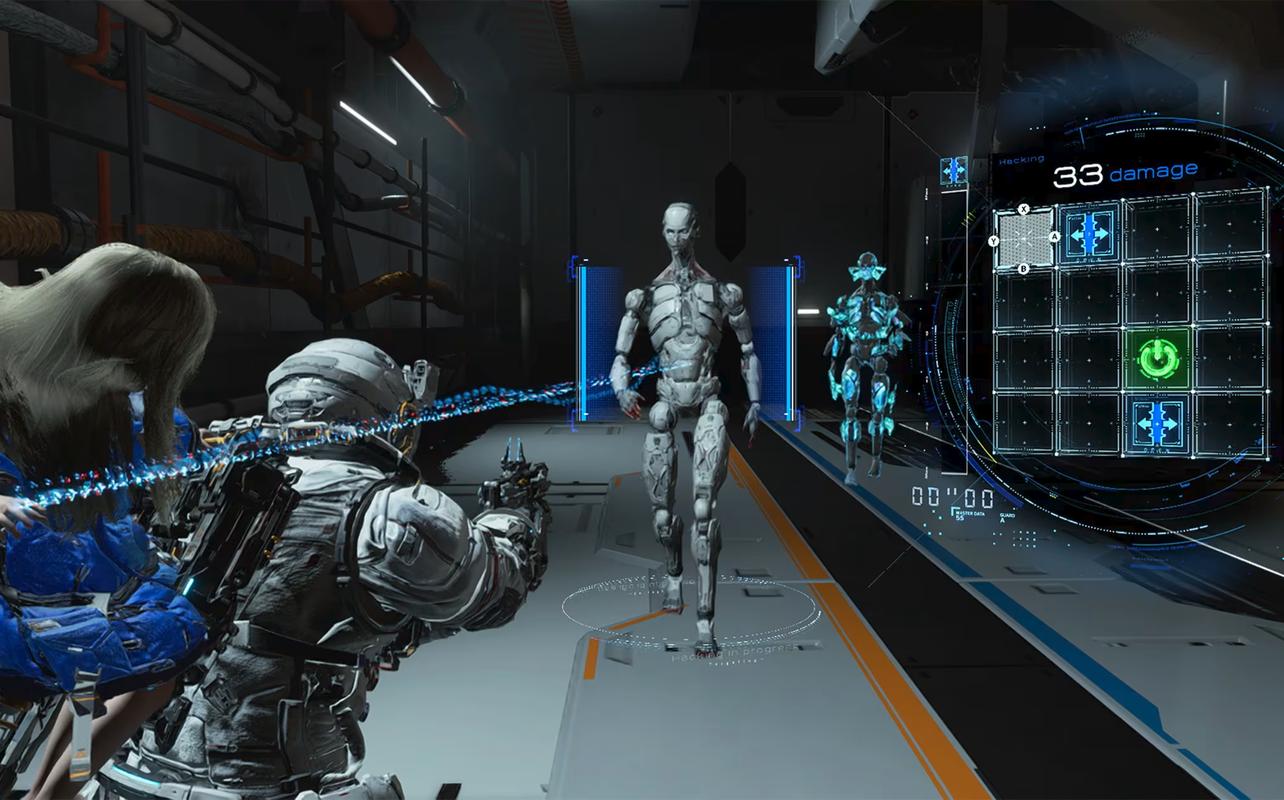
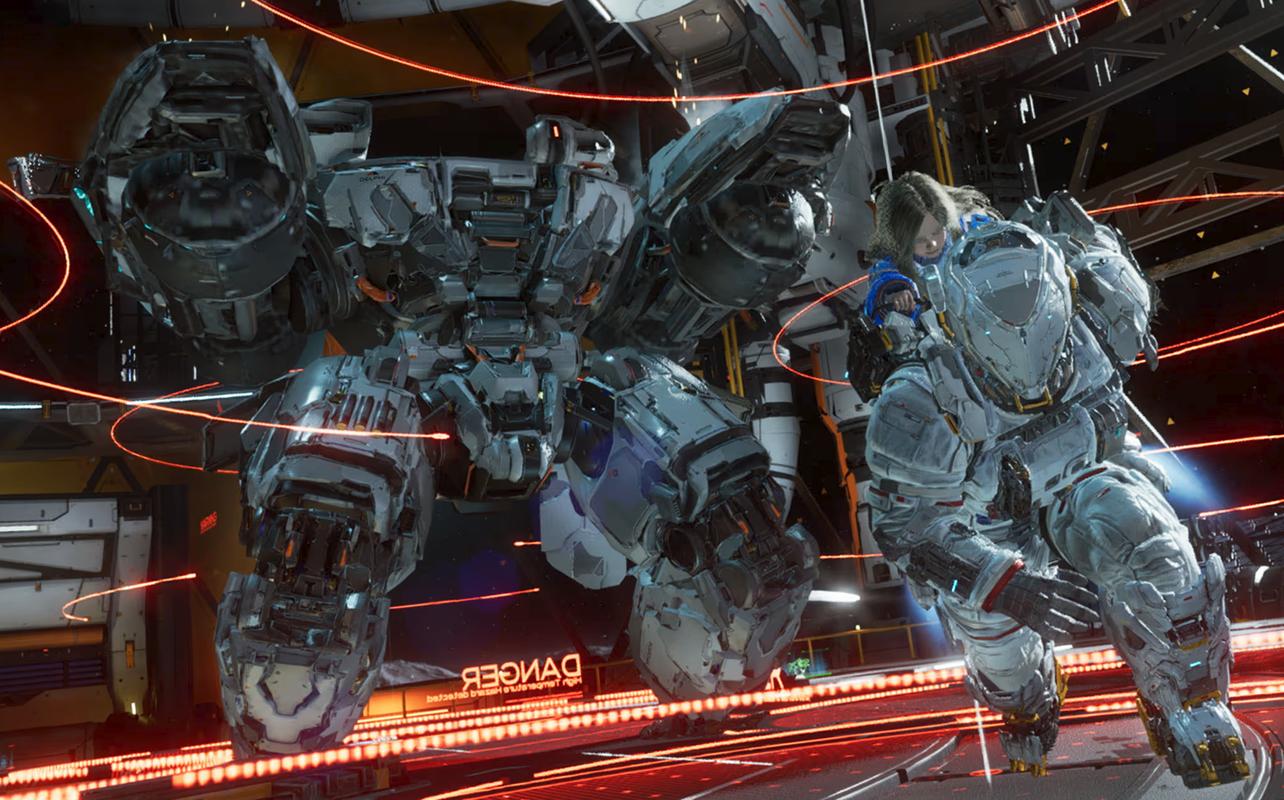
Scrapping in Pragmata is a frantic balancing act that forces you to stay on top of two totally different tasks at the same time. The standard gunfire is mostly useless against the Walkers’ thick plating. You actually have to rely on Diana’s hacking skills to strip away their shields before Hugh can finish them off. The biggest brain-melts happen when you’re busy with a hacking puzzle at the same time Hugh is scrambling to stay alive in the middle of a scrap.
You’ll guide a cursor to a goal node as Hugh dodges incoming missiles using his thrusters. This multitasking makes every fight feel “sweaty” and urgent. There is a constant need to prioritize which enemy to hack first because the openings are only temporary. The gameplay loop doesn’t get repetitive because the game frequently introduces new types of Walkers. Some enemies use cloaking devices. Others can actively disrupt Diana’s hacking attempts. You have to stay mobile and keep an eye on both Hugh’s position and the progress of the hacking maze. It’s a tactical cycle that rewards you for being able to manage your focus between the two characters.
Using your Lunafilament arsenal
The gear you use is just as temporary as those hacking windows. Aside from the starting handgun, every weapon is 3D printed using Lunafilament. This is a multipurpose resource you gather from scrap found in the environment or from fallen enemies. These tools have limited ammo and break once they’re empty. In my experience, I was constantly swapping between heavy shotguns and Stasis Net guns to adapt to new threats. This prevents you from ever getting too comfortable with a single strategy.
Using different hacking modules to boost damage also changes how you handle every scrap. These modules provide one-time buffs or status effects that can turn the tide when you’re outnumbered. Because resources are finite, you have to decide when it’s worth printing a heavy rail cannon and when it’s better to save your scrap for healing items. This management aspect makes exploration meaningful. Finding a hidden cache of Lunafilament back in the station feels like a big victory. It ensures that every combat encounter requires a bit of thought regarding your current inventory.
Pragmata’s technical performance on Nintendo Switch 2
Following the high bar set by Resident Evil Requiem earlier this year, Capcom’s RE Engine once again proves itself on the Nintendo Switch 2. In my time with Pragmata, it stayed at a steady 60fps, even when the screen was full of explosions and red beams. The base resolution can occasionally look soft, I noticed that the Nintendo Switch 2’s DLSS feature does a great job of sharpening the edges and keeping the world looking crisp. The art direction is particularly distinct in the Times Square stage. It looks like a digital hallucination, with buses sinking into the asphalt and buildings sprouting in weird directions. This “maximalist” style makes the Cradle feel alien and dangerous.
The performance stayed stable during the massive boss fights that fill the entire screen with particles. I didn’t see the stuttering or frame drops that often happen with early console ports. The hair physics on Diana and the level of detail on Hugh’s gear and the way Diana’s hair moves proves Capcom put real effort into the port. Whether playing in handheld or docked mode, the experience was responsive and the image stayed clear. It’s a powerful display of what the Nintendo Switch 2 can do when developers optimize for the specific features of the console. The way the light hits the moon dust in the open sections is particularly detailed.
Pragmata is a big win for fans of sci-fi and action
It’s rare to see a big publisher take a gamble on an experimental game like this. Pragmata earns its place with combat that requires real skill and a story that is genuinely moving. I found myself retreading the same lunar corridors a few too many times once I hit the ten-hour mark. Thankfully, the variety of gear and the constant updates to your hacking tools stop the exploration from feeling like a slog. The Cradle is full of secrets to find. Locating a hidden Red Gate combat challenge usually rewards you with enough scrap to upgrade your gear back at the Shelter.
| Pros | Cons |
| Juggling firearms with real-time hacking makes every scrap feel frantic and different. | You might find yourself retreading the same lunar hallways a few too many times after the ten-hour mark. |
| Hugh and Diana’s growing relationship is one of the most genuine stories I’ve played in a long time. | The story moves a bit slowly during the opening hours as you learn the ropes. |
| The lunar station is highly detailed and features some of the best art direction on the console. | Having a printed weapon break when you’re in the middle of a big fight can be a real headache. |
Pragmata really sticks the landing as a sci-fi adventure with a lot of soul. It’s a moving story about choosing your own family in a world that’s falling apart. I often went back to the hub just to see Diana’s latest drawing or to print her a new gift. It’s one of those rare games that makes you care about the characters just as much as the gameplay. The way it balances heavy-duty robot scraps with an intimate, personal story is what really makes it work.
Overall assessment of Pragmata
Gameplay: 5/5
Graphics: 4.5/5
Sound: 4.5/5
Lasting Appeal / Replayability: 4.5/5
Overall Rating: 4.7/5 (94%)
Pragmata is a rare sci-fi adventure that values heart as much as it does high-speed action. It’s a memorable journey that proves you can have heavy-duty robot scraps without losing the human connection. You’ll be thinking about Hugh and Diana’s journey long after you’ve put the controller down.




Thanks for the review. That is a game I will definitely play as soon as I get the Switch 2.
Merci.