
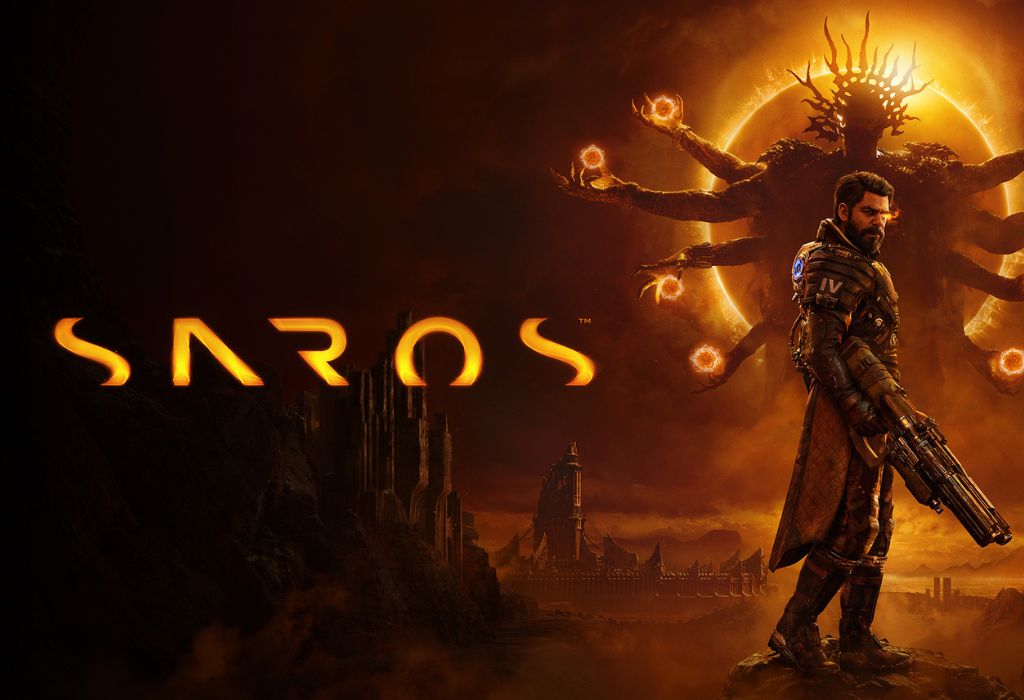
Saros is one of the most exciting games of 2026, and after three hours of hands-on time, it already feels like a faster, more rewarding evolution of its predecessor, Returnal. PlayStation Canada invited me to check out the game, and my biggest takeaway is that developer Housemarque has built something special. It’s refined the signature bullet-hell formula into a more accessible, dynamic experience without losing its intensity. It’s a tough feat to balance and improve all these elements, but based on the early stages of the game, they’ve pulled it off.
This preview breaks down everything you need to know, from gameplay and narrative improvements to a deeper look at the new progression system and other standout moments. It’s shot to the top of my list of most anticipated games of 2026. I can’t wait to play more. Let’s dive in and explore all that this early look at Saros had to offer.

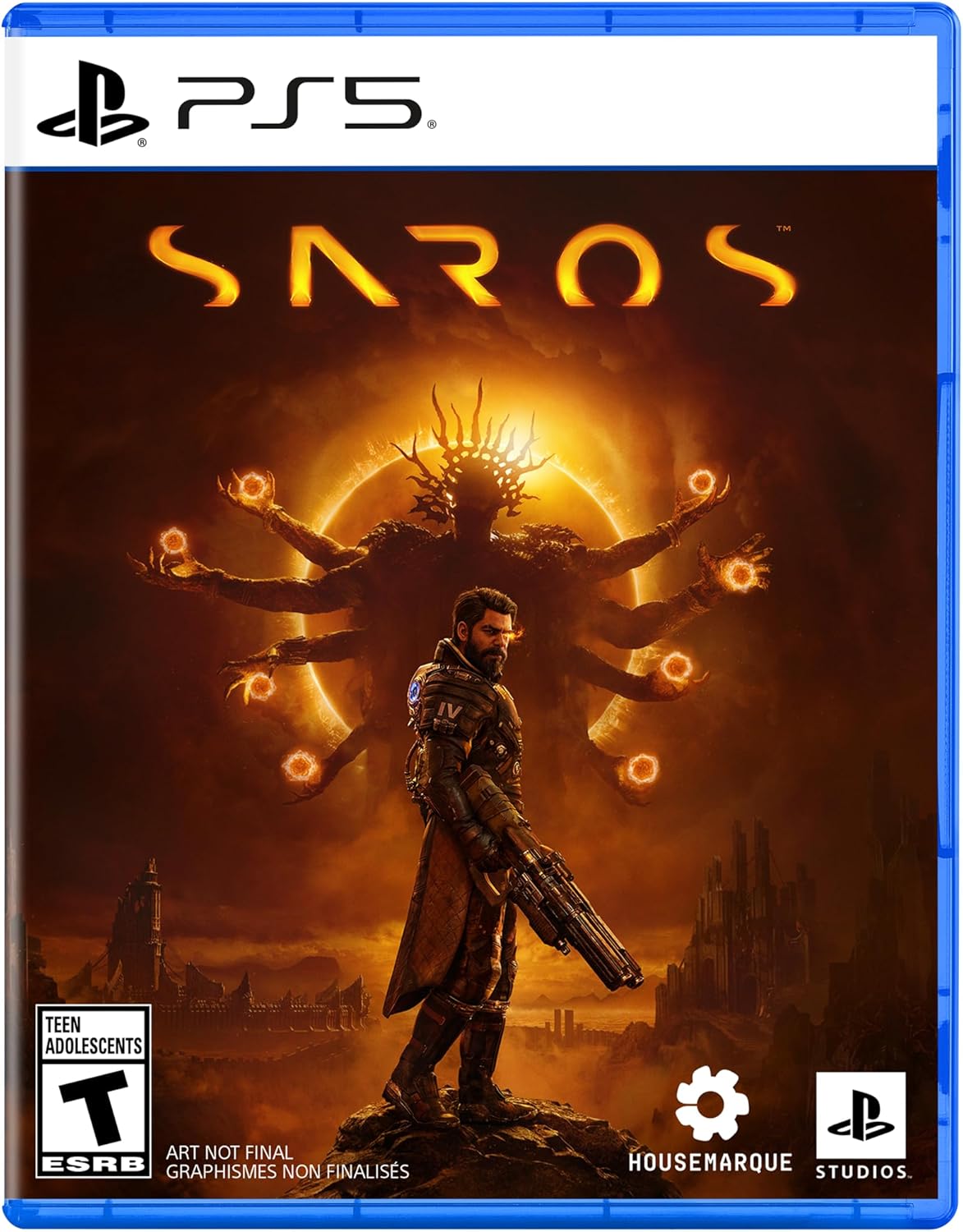
Saros Details
Platform(s): PlayStation 5, PlayStation 5 Pro
Previewed on: PlayStation 5
Developer: Housemarque
Publisher: Sony Interactive Entertainment
Genre: Action, Third-Person Shooter, Roguelike
Available game modes: Single-player
ESRB Rating: T for Teen
Release Date: April 30th, 2026 – Preorder Today
What is Saros about?
Saros is a fast-paced, third-person roguelike action shooter set on the mysterious alien world of Carcosa. Its premise sets the stage for some very promising deep-space sci-fi horror, and the early story beats had me hooked. You play as Arjun Devraj, portrayed by Rahul Kohli, known best for his roles in iZombie and Midnight Mass.
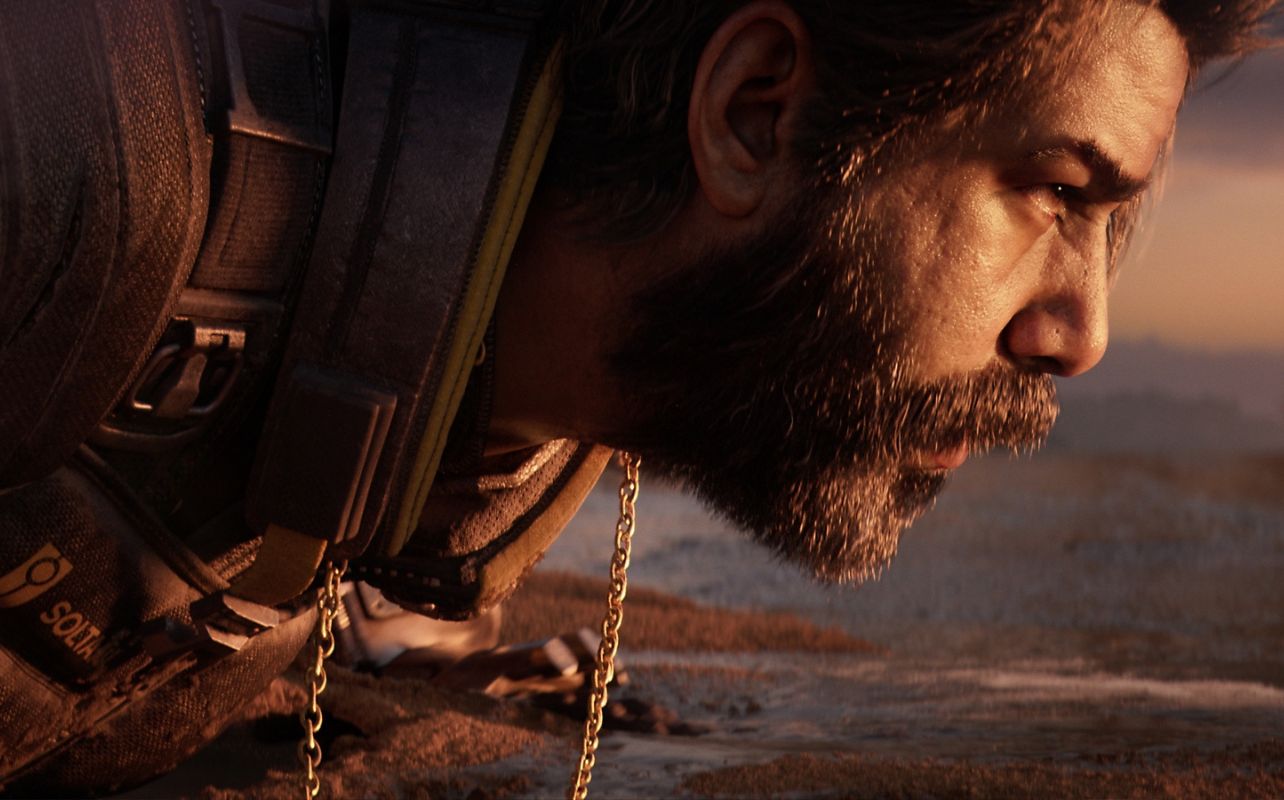
Even in the opening cutscenes, Kohli’s portrayal hits the mark with raw emotion and quiet intensity; he’s an excellent lead. The acting, characters and setting set up some seriously interesting narrative threads. There’s an underlying tension that something is deeply wrong beneath the surface. The game wastes no time pulling you into that unease, blending psychological horror with high-stakes sci-fi in a way that feels both immersive and unpredictable.
Saros offers a layered sci-fi horror mystery
Things kick off with Arjun being dispatched with a team to investigate the disappearance of multiple colonists. They were originally sent to extract a highly valuable resource called Lucenite before things went sideways. What begins as a search-and-rescue mission quickly spirals into something far more unsettling. Abandoned outposts, fragmented transmissions, and distorted logs hint at a catastrophe tied to the planet itself, and something more dangerous. What unfolded during my 3-hour preview was a layered narrative of corporate conspiracy, cosmic horror, and survival. I wanted to explore as much as possible and find out more.
Saros is an addictive, adrenaline-soaked “bullet ballet”
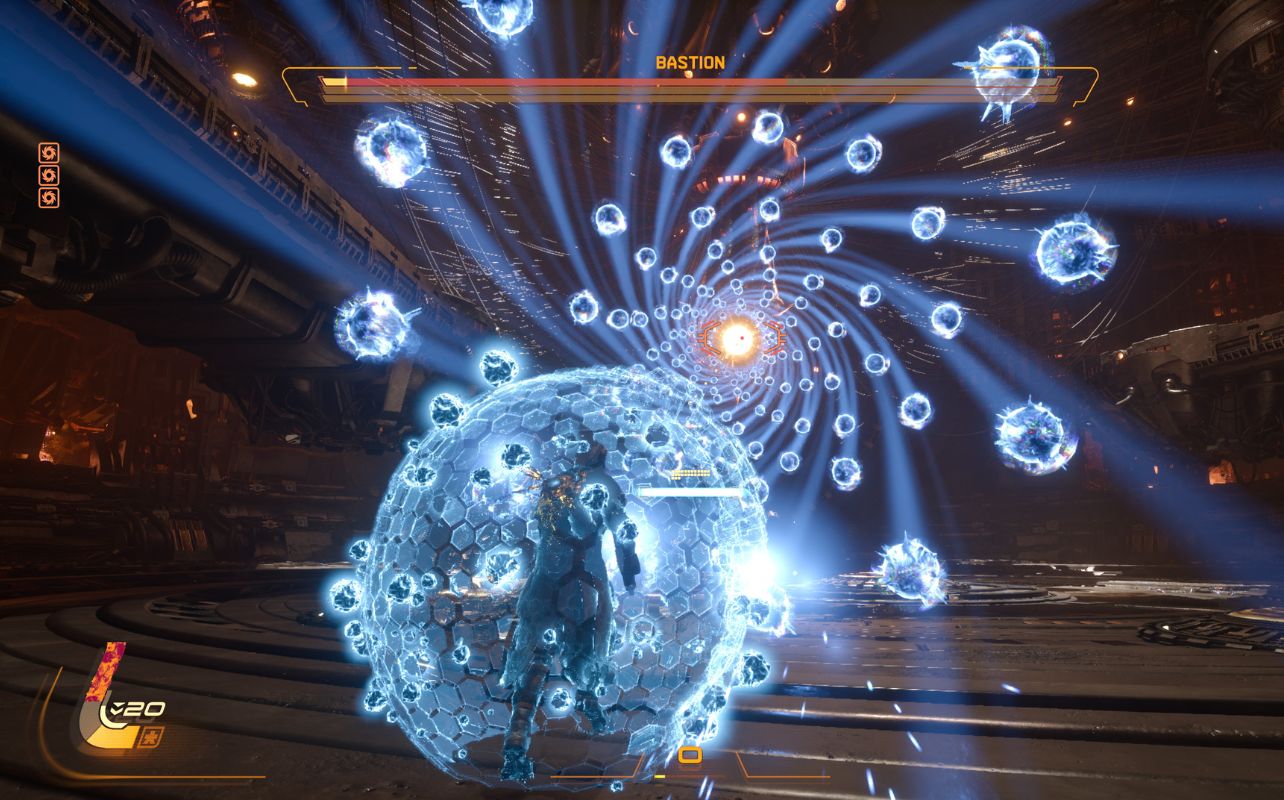
At its core, Saros retains Returnal’s white-knuckle gameplay DNA while speeding up its moment-to-moment action. It felt like I was picking up right where I left off with Returnal, but this time around, controls are tighter and more responsive. Housemarque aptly calls it a “bullet ballet,” and the moniker suits what I experienced perfectly.
Does Saros improve on Returnal’s gameplay formula?
Yes, and the improvements are immediately noticeable. Like Returnal, Saros is built around a cyclical loop where death sends you back to a starting point before your next run. However, this time around, that reset feels far less punishing thanks to the game’s improved progression systems. This is driven by its “come back stronger” design, which allows you to retain meaningful upgrades between runs. It’s a smart design that addressed one of my biggest qualms with Returnal: repeated failure can feel discouraging and a “time killer,” since you’re back at square one with practically nothing to show for it.
More value in each run
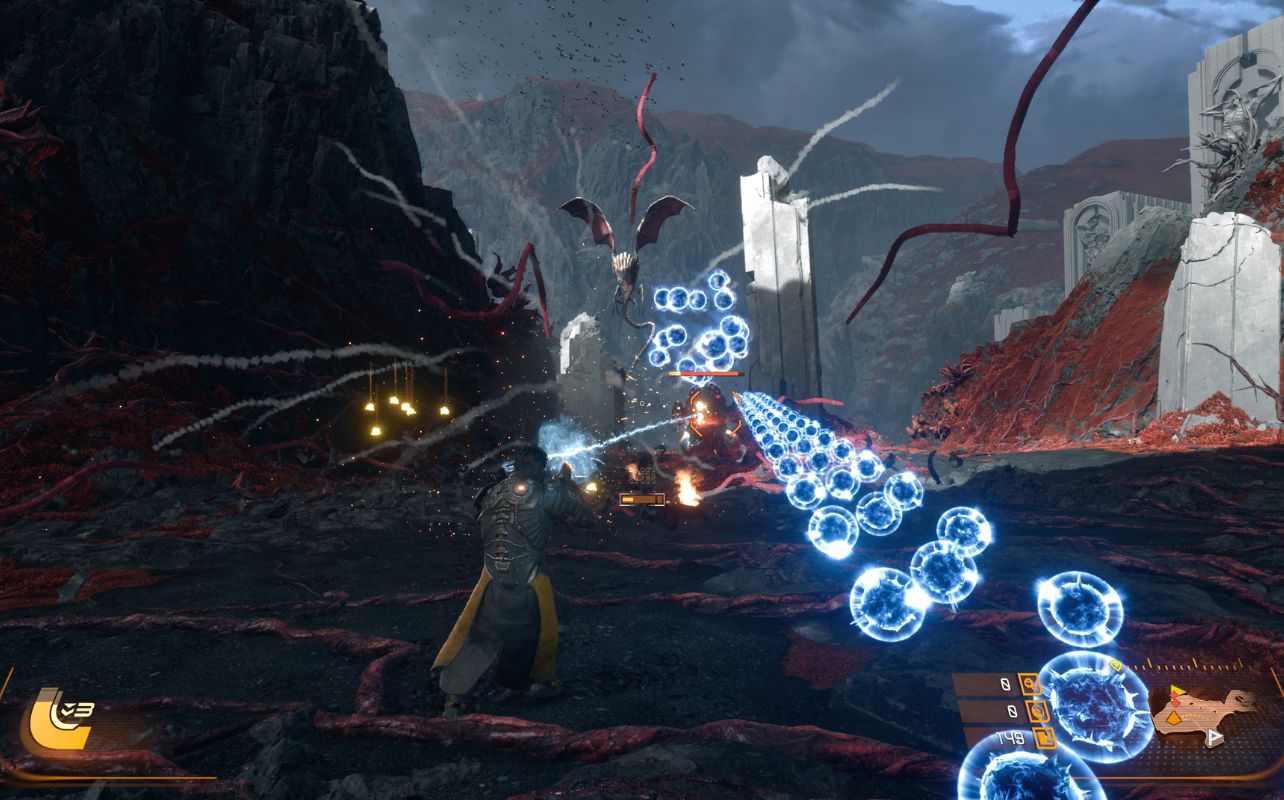
What I absolutely loved about my experience with Saros is that each run felt valuable; whether it was 5 minutes or 30, I got something out of it. For example, even if I had a bad run and was eliminated quickly, I might have gathered resources toward a small upgrade, picked up an audio log or two, or even discovered a new part of the map. Even failure felt like progress because I gained something each time, and this hooked me much deeper than Returnal ever did, making it very hard to put down my controller.
How does the gameplay loop work in Saros?
One of the most significant changes in Saros is the pacing of its runs. Instead of lengthy sessions, runs are designed to be more focused, typically lasting under 30 minutes. This makes the game far more accessible if you want to jump in for shorter sessions without sacrificing meaningful progress.
The eclipse system feeds directly into this pacing as well, acting as a dynamic pressure point that can instantly raise the stakes mid-run. When it hits, the intensity ramps up in a way that can either push a strong run to the next level or completely derail your momentum. The environment turns blood red, tendrils reach out from the ground for you, and enemies become much stronger. Housemarque has also confirmed that auto-saving will be available day one for Saros, so you can resume longer runs across multiple sessions.
How does character upgrading work in Saros?
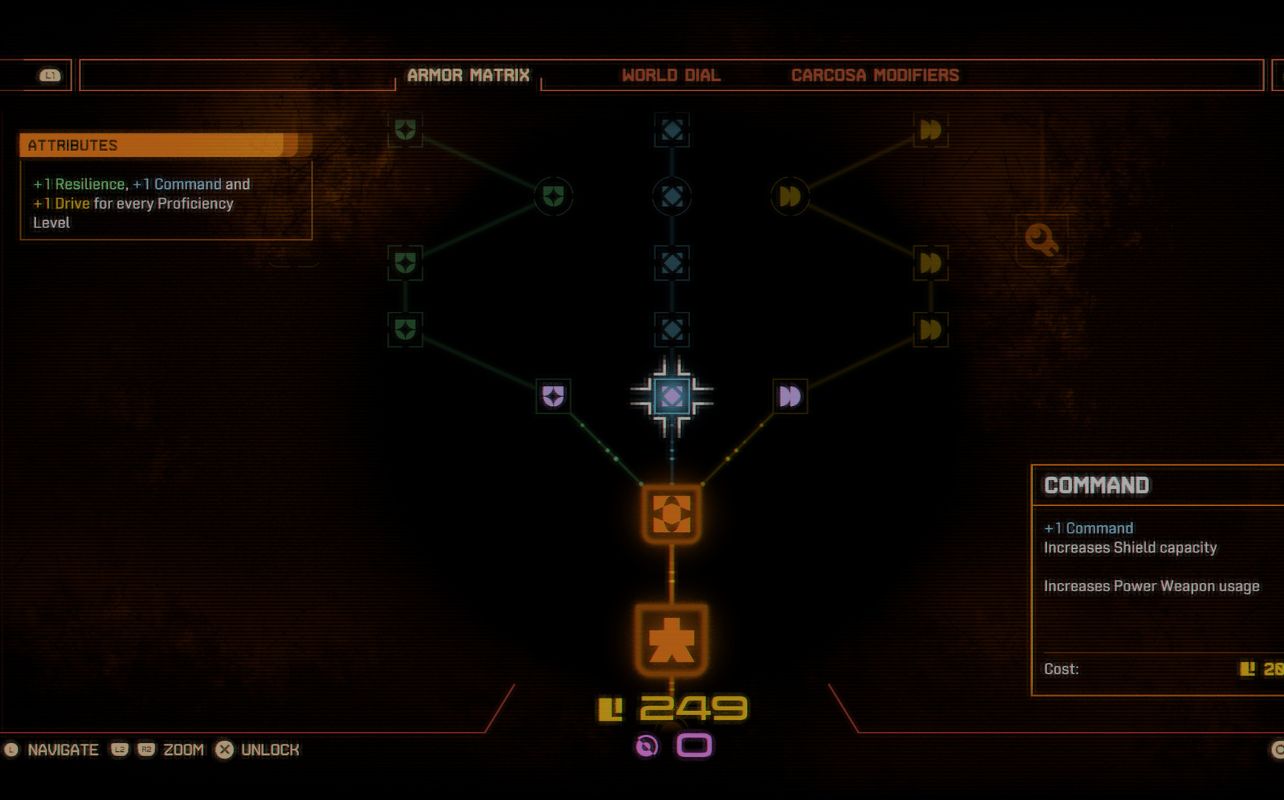
During my hands-on session, progression felt both generous and impactful. As I progressed, I noticed my character becoming tangibly stronger, with enhanced shields, improved survivability, and access to more powerful weapons. As you battle through Carcosa, you collect Lucenite, which acts like XP and can be used to upgrade your character through what is called the “Armour Matrix.” Here you can pick from different areas to enhance, such as Resilience (Armour), Command (Shield/Weapon upgrades), and Drive (Lucenite drop rate upgrades). It reinforces that sense of constant progression, where every run contributes to something bigger. This made my experience feel less punishing and more motivating, and was a welcome change.
You can skip ahead to previously unlocked biomes
The game’s level progress structure also introduces greater flexibility. You can move between previously unlocked biomes rather than restarting from the beginning each time, like in Returnal. I found this really helped to reduce repetition and keep the experience fresh. Permanent unlockables further reinforce this sense of progression, ensuring that time invested always feels worthwhile.
What are the new abilities and combat mechanics in Saros?
Combat in Saros builds on Housemarque’s expertise in creating fast, precise action systems while introducing new layers of depth. One of the most notable additions is the Soltari Shield. It not only blocks incoming damage but also reloads your secondary weapon when timed correctly. This creates a satisfying risk-reward dynamic, as you need to carefully manage its limited duration to maximize its effectiveness.
Saros makes great use of the PS5 Dual Sense controller’s features
In my time with the game, the weapons felt more dynamic than ever, with upgrade paths that evolve throughout a run. You can veer off your main path and sometimes uncover buffs to your weapon’s power or rate of fire. Combined with the DualSense controller’s adaptive triggers, each attack feels distinct and intentional. For example, pulling L2 halfway engages a weapon’s secondary fire, with a noticeable resistance point that physically “locks in” the mode before you unleash it with R2. That subtle tension creates a satisfying, mechanical feedback. Overall, it felt great, and I am excited to see how the DualSense’s features are further optimized in the full game.

How does the eclipse transform gameplay in Saros?
The world of Carcosa is one of Saros’ most compelling features, described by Housemarque as a “shape-shifting” environment. This isn’t just a visual gimmick; it directly impacts gameplay. The world changes dynamically during runs, altering layouts, enemy encounters, and overall atmosphere.
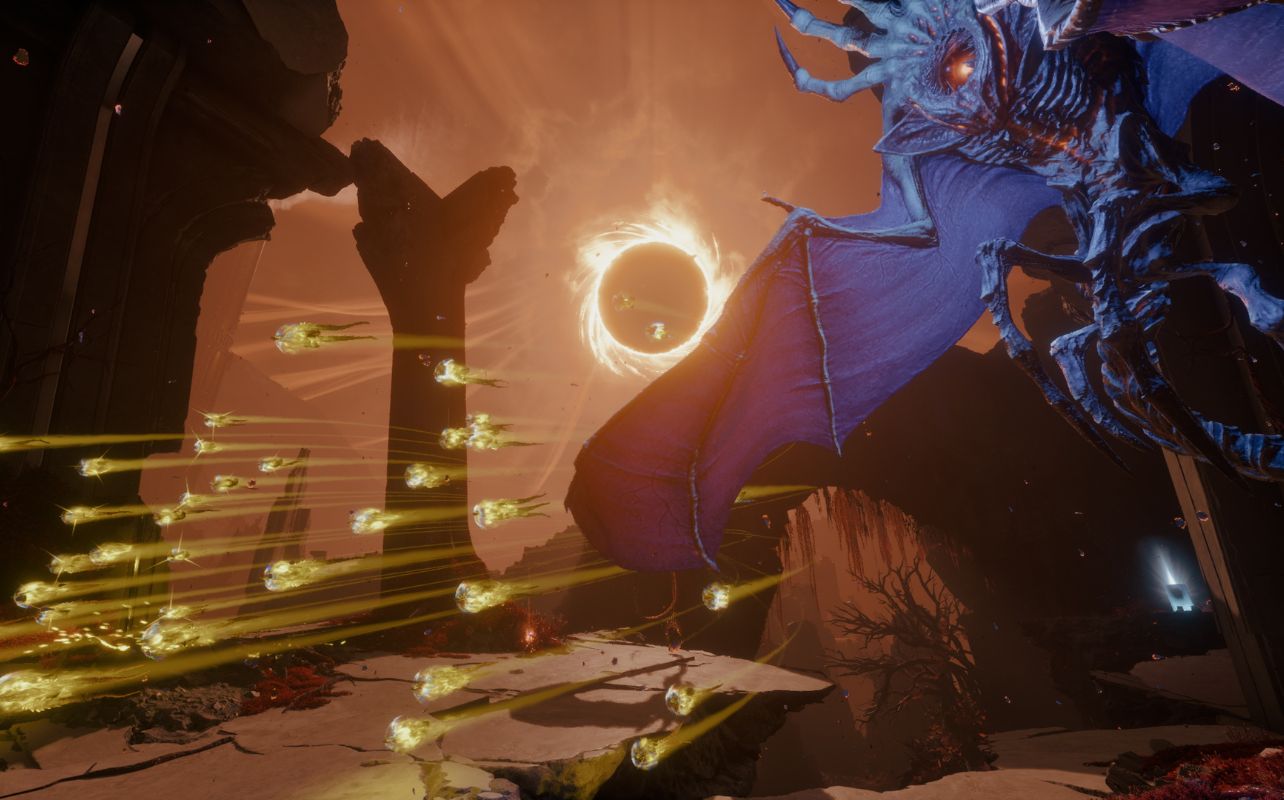
The most impactful system tied to this is the eclipse. When it occurs, the entire world undergoes a transformation, becoming darker and more hostile. Enemy behaviour shifts, environmental hazards increase, and the tone becomes significantly more intense. It’s more than just a visual shift; it fundamentally changes how you approach combat, forcing you to adapt on the fly as encounters become faster, more aggressive, and far less forgiving. With all this risk, there is more reward: Lucinite drops increase, allowing you to upgrade faster. This mechanic adds unpredictability and keeps players constantly engaged, as no two runs feel exactly the same.
Final thoughts: Why Saros left me wanting more
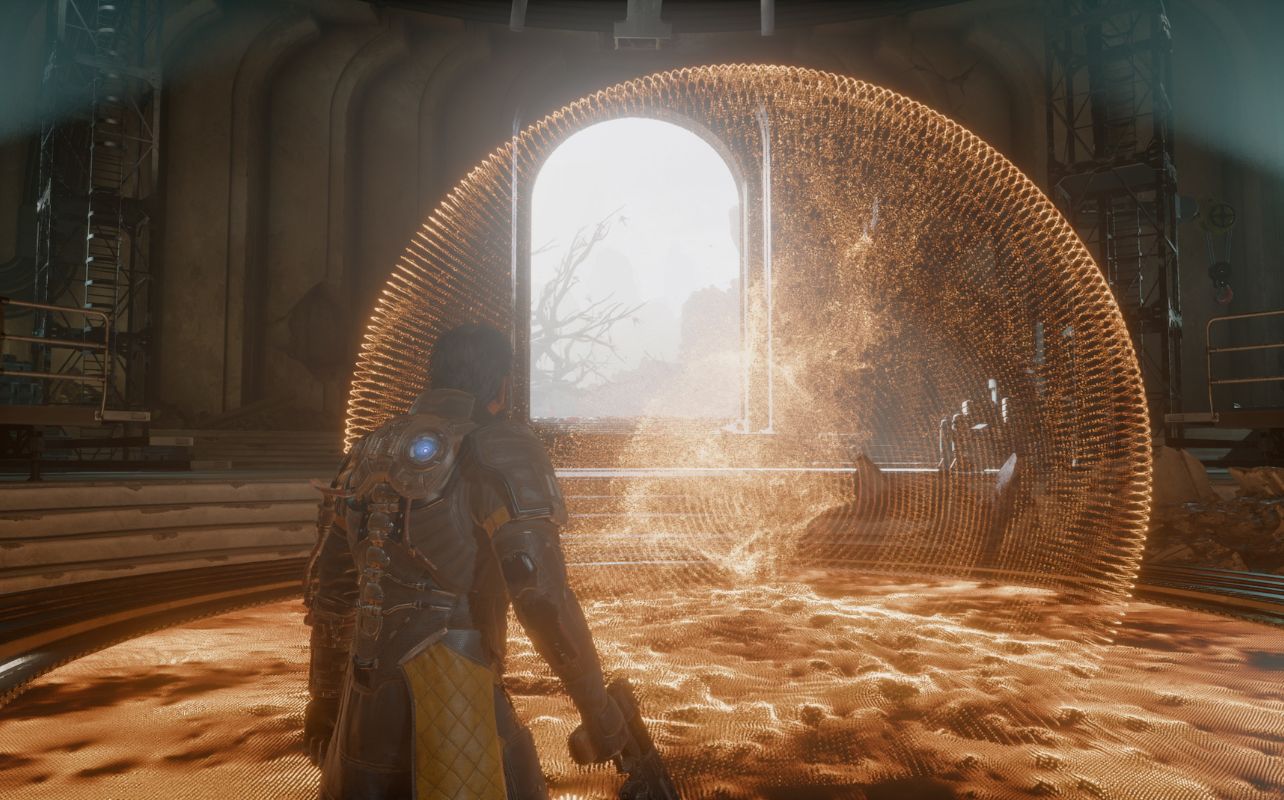
Saros feels like a confident evolution of Housemarque’s formula. With its shorter run structure, meaningful progression systems, stronger narrative focus, and dynamic world design, it creates an experience that is both familiar and refreshingly new. The improvements make it easier to jump into while still offering depth for players who want to master its systems. After just one session, I found myself thinking about my next run almost immediately, which speaks volumes about how compelling the gameplay loop is.
If this early hands-on preview is any indication, Saros is shaping up to be one of the most exciting PlayStation releases of 2026. Pre-order today!






Love the review