
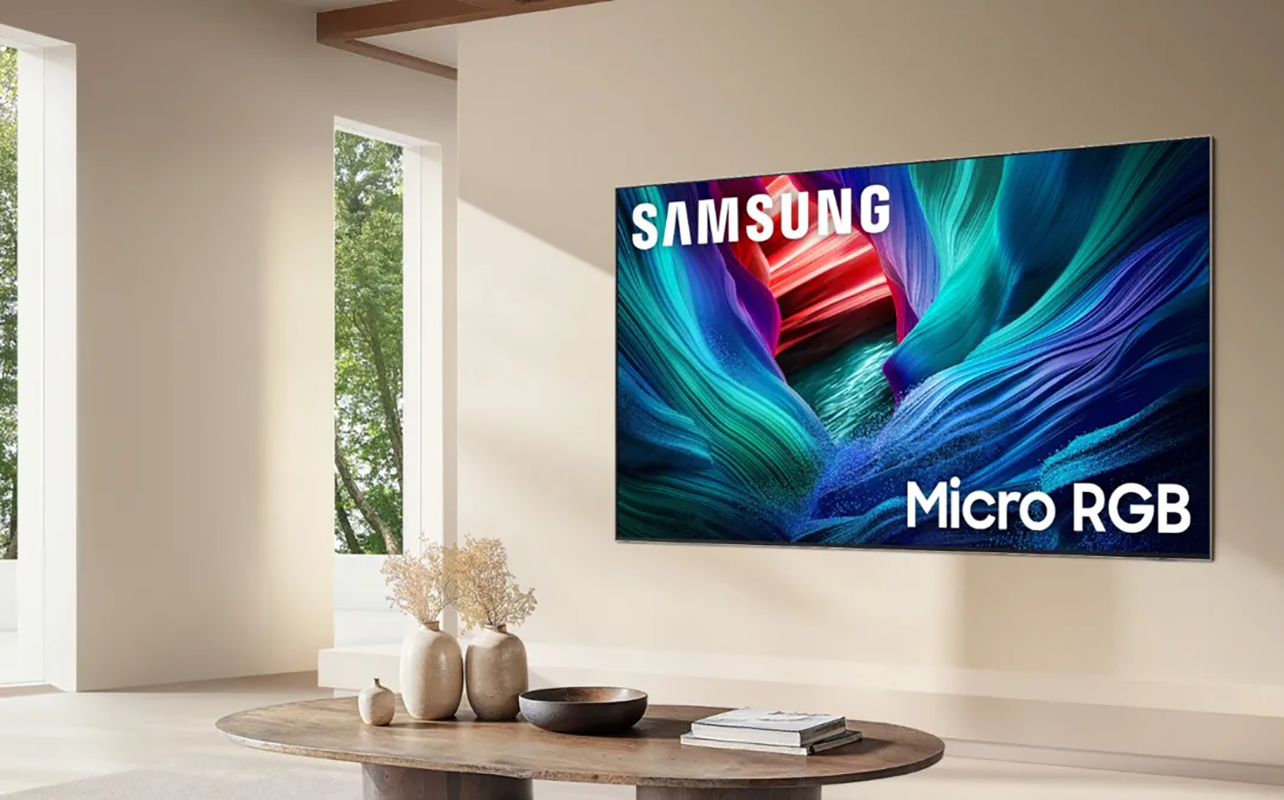
Thanks to improved colour reproduction, clarity, and brightness, RGB LED TVs are perfect for watching a wide variety of content, from movies to TV shows, and even gaming. There are meaningful upgrades with this TV type that make a noticeable difference in how content looks on screen. If you’re an avid TV viewer like me or someone who enjoys Friday movie night weekly with the family, you should consider the RGB LED TV models coming out this year.
Here, I’ll explain how RGB LED TVs are different from other TV display technologies and what features make them great for watching all sorts of content.
Time for an upgrade? Receive free Geek Squad delivery and installation with the purchase of an RGB LED TV.


What is an RGB LED TV?
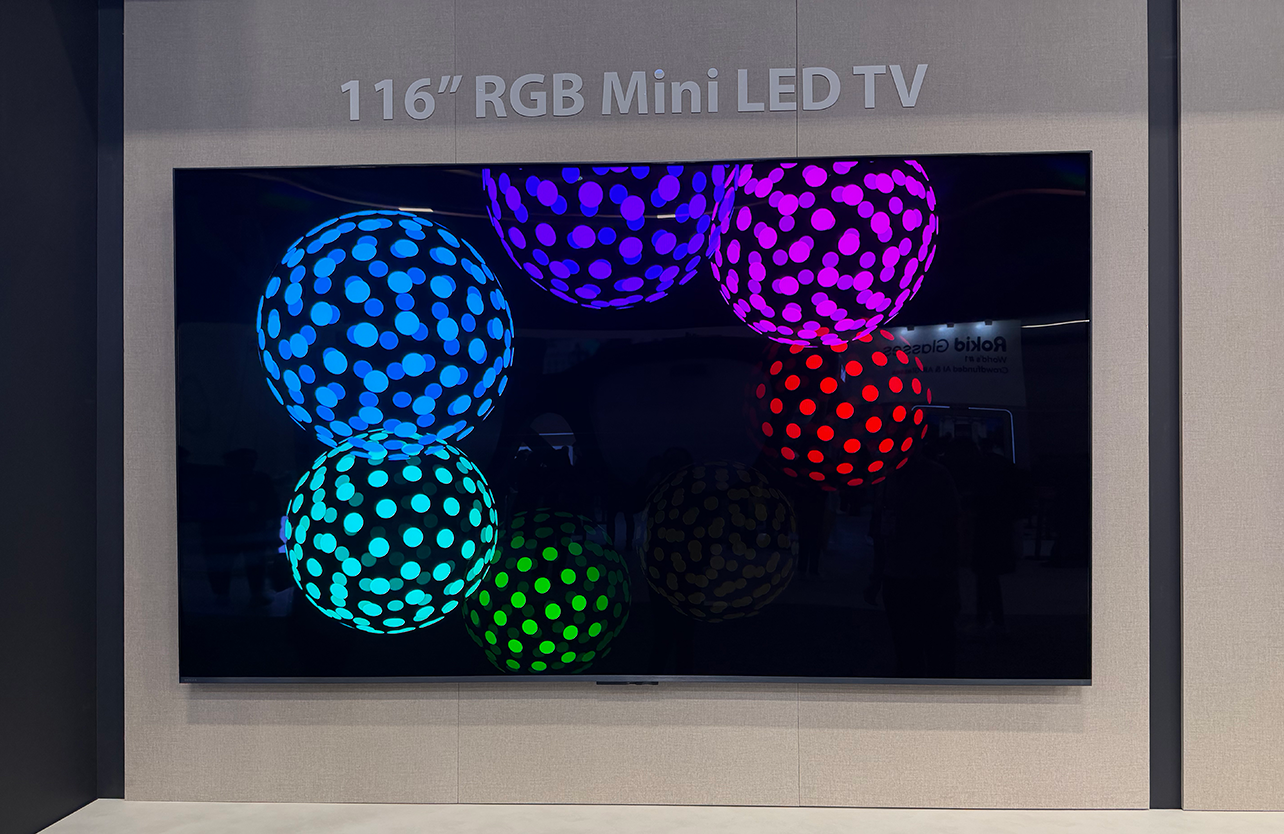
Before getting into why RGB LED TVs are among the best TVs for movies and TV shows, you’ll need to understand what an RGB LED TV is and how the technology works. RGB LED TVs use LED backlighting that consists of independent red, green, and blue LEDs. With individually coloured LEDs, a colour filter isn’t needed, and this results in purer, richer, more vibrant colour reproduction. There are widely available RGB Mini-LED TVs with small LEDs. But the latest wave, with many models coming this year from top brands, is Micro-RGB LED TVs with even tinier LED lights behind the display.
With both movies and TV shows, there’s an element of visual storytelling that involves scenes ranging from dark ones that require deep blacks to brighter content filled with colour. An RGB LED TV can excel at both ends of the spectrum, delivering deep blacks and bright white as well as vibrant colours thanks to this very precise colour control.
Watching movies and TV shows will never be the same
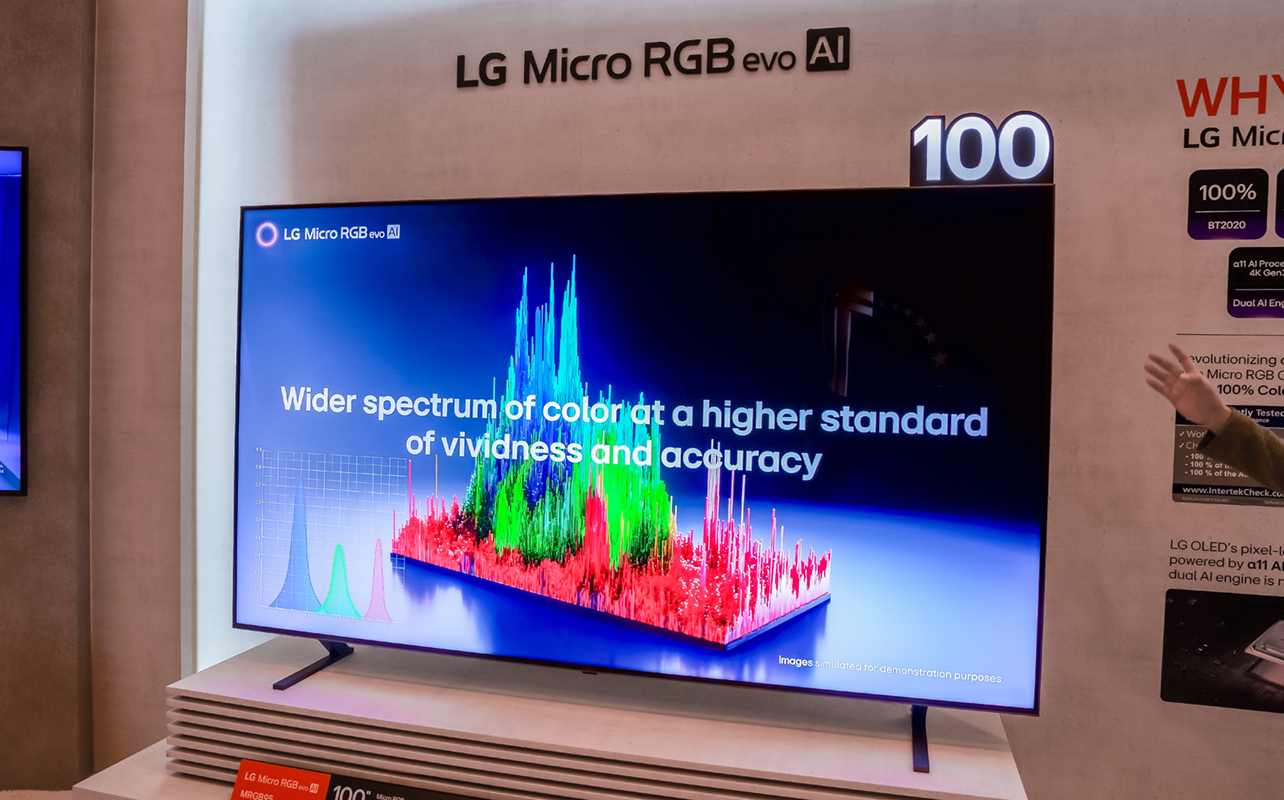
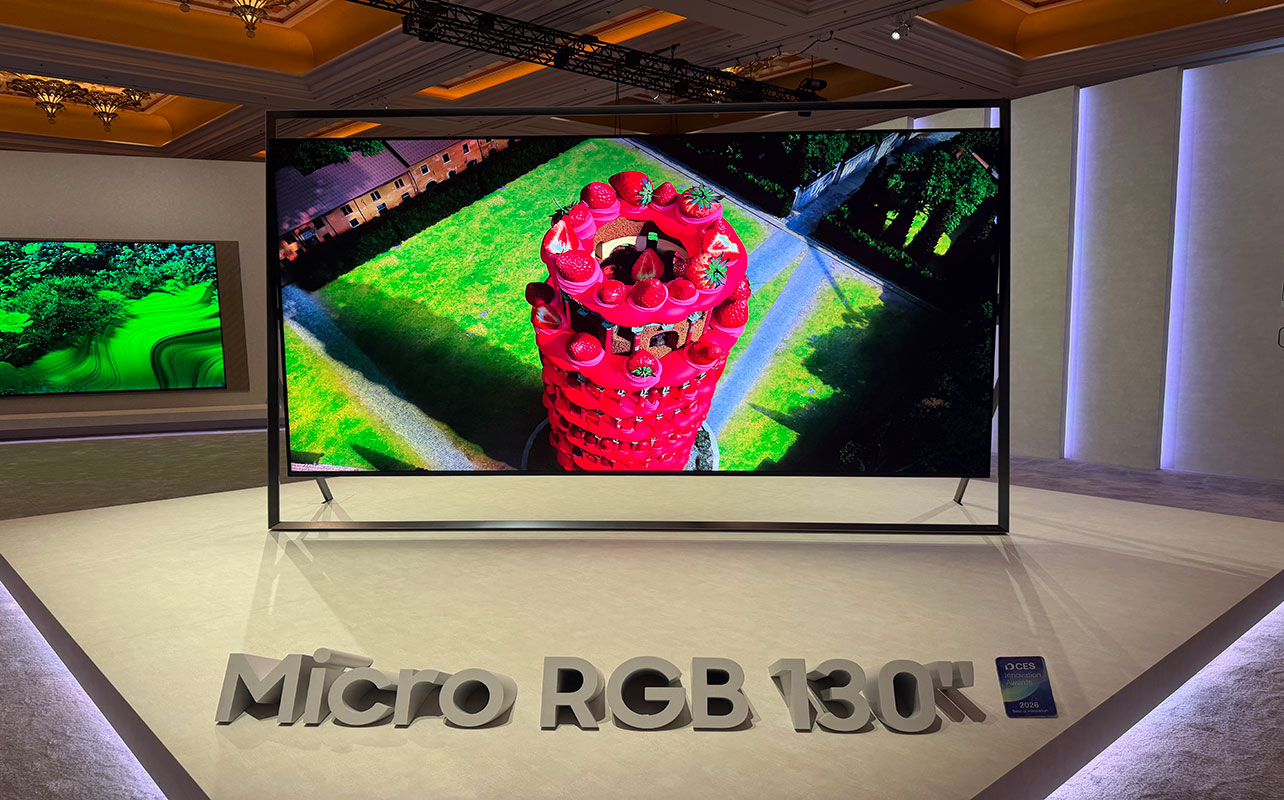
I don’t yet have an RGB LED TV at home but upgrading to it could be in the near future. I’ve seen the RGB LED TVs’ cinematic benefits at shows like CES 2026, and I can imagine how wonderfully it would translate to my own home. RGB LED TV is a future‑focused display choice for serious viewers. There are a few places in particular where you’ll notice improvements.
Colour accuracy
The true colours can better match how movies are mastered. With more studios focusing on filming in ultra high-quality, including even 8K, it’s important to see the content as the creators intended. That’s not just important for movies, but TV shows too. Consider the high production value of shows like A Knight of the Seven Kingdoms or The Crown. Before the highly anticipated final episodes of Stranger Things were released, the show’s creators, The Duffer Brothers, urged fans via social media to adjust settings on their TVs to ensure the best viewing experience. With an RGB LED TV, you’ll notice improved skin tones (or facial details in monsters!), more natural-looking environments, and subtle colour gradients.
Colour gradients
There’s a reason many RGB LED TV manufacturers showcase images like brightly coloured costumes and shiny fruit in demo videos at trade shows: they want you to see things like vibrancy and colour gradients. Translate that at home to the Regency era costumes in Bridgerton, a classic movie like Indiana Jones, or an animated film, and you’ll notice it immediately.
Enhanced clarity
RGB LED TVs offer better light control, especially with low-light scenes: think series like Game of Thrones. You’ll see enhanced detail in shadows without crushing blacks, so they come through rich and deep. Lots of content relies on atmospheric lighting, including shows like True Detective and movies like Blade Runner. This is also important for people like me who watch at night in a dark room, or if you have a dedicated home theatre for movie nights.
Brightness without losing detail
On the flip side, RGB LED TVs also perform well for high brightness scenes. Think the latest animated movie for the kids like Goat, movies and shows with lots of sunlit scenes like The White Lotus, or action-packed films and thrillers with explosions and special effects like Avatar. It adds depth and dimension to movies and TV shows that rely on evoking emotion from viewers, such that you feel like you’re right there with the characters on screen.
Screen size and viewing angle
RGB LED TVs come in a wide range of sizes. You can get something small for the bedroom or up to a massive 116-incher for the living room; Samsung even has a 130-inch Micro-RGB LED TV! Picture quality and colour is consistent from any seat as well thanks to the wide-angle viewing. There’s no more fighting for the “sweet spot.”
Other features that improve the viewing experience
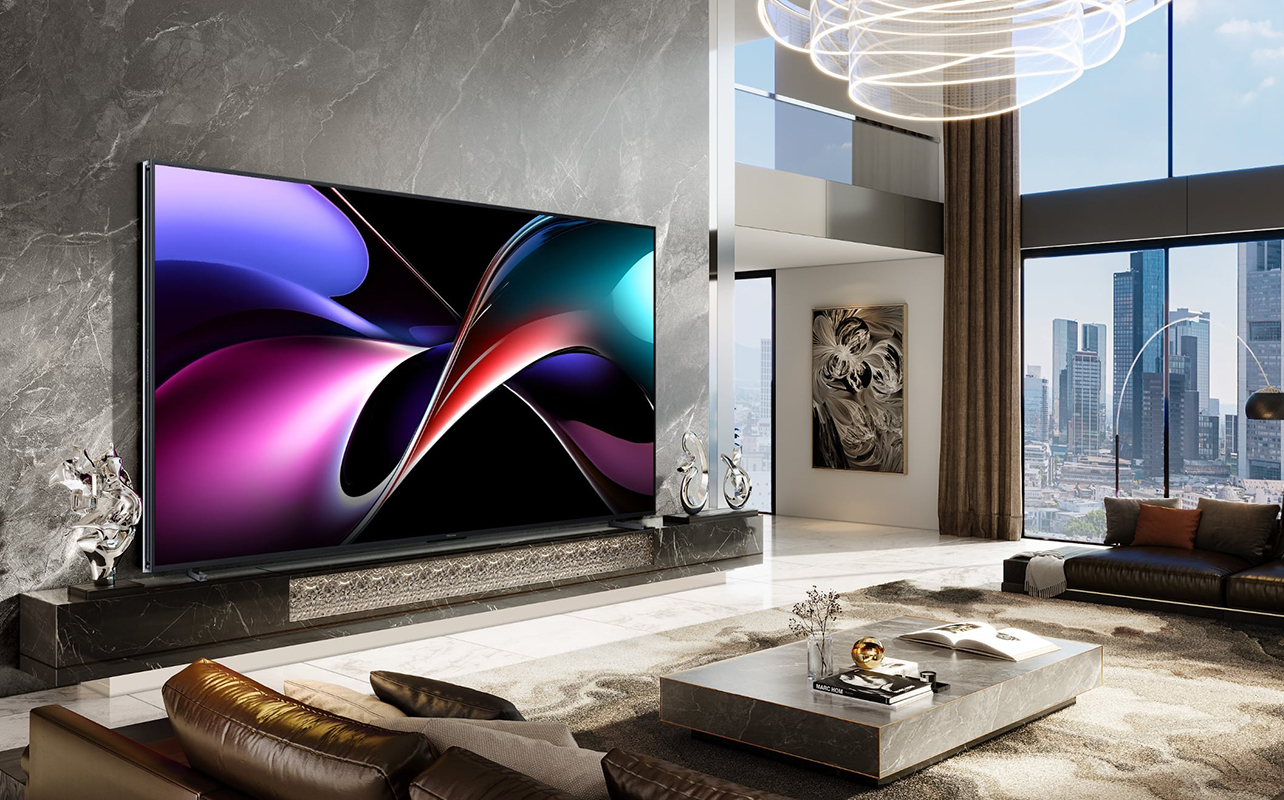
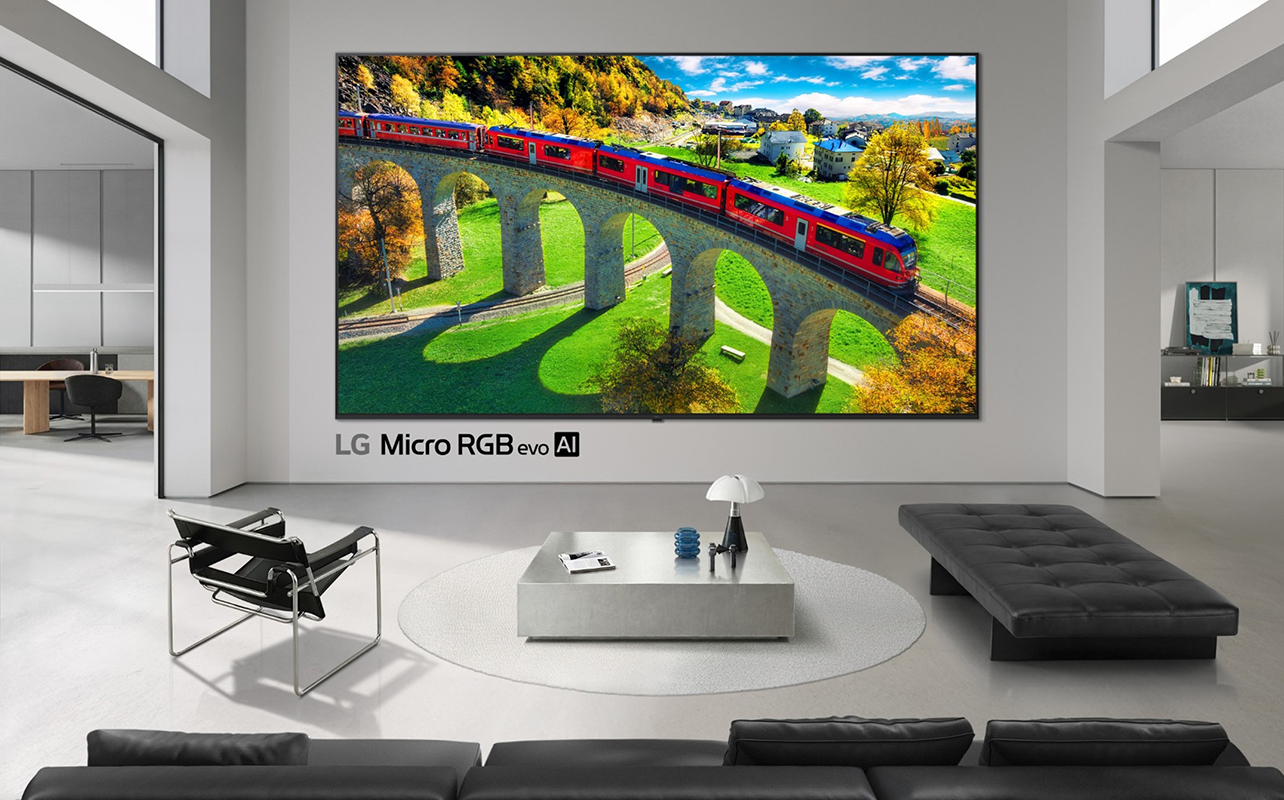
Every brand that offers RGB LED TVs, like Samsung, LG, and Hisense, adds its own flavour to the experience.
- The Samsung Micro-RGB LED TV line, for example, includes Samsung’s proprietary Glare Free technology to help minimize reflections. Dolby Atmos support offers immersive audio with compatible content and speakers. Adaptive Sound Pro optimizes sound based on your space, complementing the visuals with great audio. Samsung offers upgraded Vision AI Companion with large language model (LLM) powered intelligence and features like Live Translate, Generative Wallpaper, and Perplexity. There’s also 4K AI upscaling to improve the look of lower resolution content.
- The Micro-RGB LED TVs from LG use the intuitive webOS interface and you get better contrast thanks to Micro Dimming Ultra. LG’s Dual AI Engine helps further refine sharpness and texture for a more natural-looking picture. The LG Alpha 11 AI processor delivers full-spectrum colour reproduction in the latest models.
- Sony Micro RGB TVs aren’t here yet, but they’re coming. They will feature the next-generation True RGB backlight and Sony’s XR processor, ensuring stunning colour, contrast, and clarity. While there aren’t yet many details about Sony’s upcoming Micro RGB TVs, Sony promises they will be its “brightest and most colourful TVs at any viewing angle.” I currently have a Sony Bravia 9 Mini-LED TV in my living room, and considering how well it performs in colour, contrast, clarity, and viewing angle, I can’t wait to learn more about the Micro RGB line-up and how it improves in these areas even more.
Watching movies on RGB LED TV vs other TV technologies
You’re still going to get a fantastic viewing experience for movies with other TV technology types. The biggest advantages with RGB LED TVs is brighter displays, better colour gamut, reduced blooming (a halo effect that can be visible around bright objects on dark screens), and improved off angle viewing.
RGB LED vs. OLED
When comparing RGB LED TVs to OLED TVs, the latter are considered the gold standard. OLED is better in dark rooms but typically don’t perform as well in bright ones. You may get more precise colour with RGB TVs, especially Micro-RGB. Plus, there’s no risk of burn-in (when a static image can “burn into” the screen) which remains an issue for OLED (less so thanks to new technology in the latest models). OLED still excels, however, when it comes to reproducing perfect blacks, fantastic contrast, and viewing angles. But the latest Micro-RGBs have the potential to close that gap.
RGB LED vs. other popular TV types
What about other TV types? QLED TVs and QNED TVs are great in bright environments with wonderful colour accuracy and vibrancy, making them worth considering for well-lit rooms. Traditional mini-LED TVs offer great brightness and precise dimming, making them suitable for varied viewing. Traditional LED and LCDs are decent options for casual or secondary viewing, but they are less often chosen as primary displays in favour of newer TV types, especially with attractive pricing.
Who should choose an RGB LED TV?
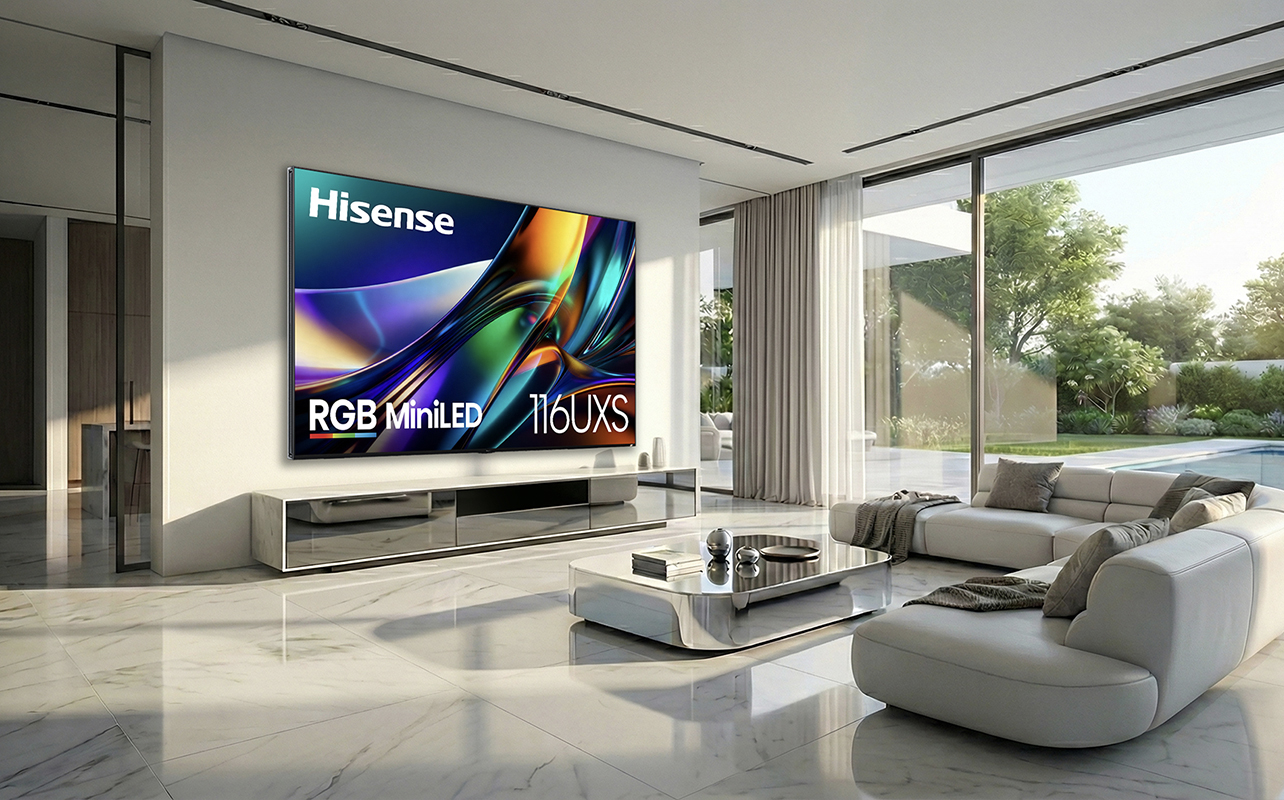
If you’re buying a new TV for the living room or home theatre, an RGB LED TV is the best choice to balance picture quality, design, and advanced features with price. OLED is still the best option for movies or late night TV, but finding one of the size you want at a price in your budget might be tough. RGB LED TVs are a worthy alternative.
They’re ideal for brighter living rooms given the high brightness. Images won’t be washed out when your kids are watching Sunday morning cartoons with the curtains open or you’re enjoying sports before the sun goes down. Families will appreciate that no matter where someone is sitting, they’re getting an equally pleasant viewing experience. If you’re planning a movie marathon night or prepping to binge-watch the newest season of your favourite TV show, an RGB LED TV provides a consistent experience from day to night, one show or movie to another.
For all-around film and TV fans, RGB LED TVs are a solid choice. Movie enthusiasts who value colour accuracy will appreciate them, while TV lovers like me who watch everything from sitcoms to dark dramas and sci-fi will like that they adapt to all types of genres and lighting conditions. If you’re upgrading from a traditional LED TV, especially, an RGB LED TV will provide a noticeable difference, especially if you go bigger!
A better way to watch movies and TV at home
As someone who reviews TV shows, I watch a lot of content across genres from different sources, including streaming services and linear TV. My 14-year-old son watches content like YouTube videos as well and plays video games. Compare these bright colours with darker WWE matches my son and partner watch several nights a week and an RGB LED TV would handle everything like a pro. When it’s movie night, from old classic movies my partner loves to watch to animated films my son pops on from time to time and hot new titles we watch together, it would all be handled with ease.
Throwing a watch party? Read our feature on how RGB LED TV can level up your game day viewing.
FAQs
Looking for quick answers? We have you covered!
What’s the difference between RGB Mini-LED TVs and Micro-RGB LED TVs?
Both types have smaller individual red, green, and blue RGB LED backlights, giving you more precise colour reproduction. But Micro-RGB TVs have even smaller LEDs for more precise colour and contrast.
Are Micro-RGB LED TVs widely available?
You’ll find some models in the market, typically larger and higher priced. Smaller Micro-RGB LED TVs are coming later in 2026.
Are RGB LED TVs better for movies than OLED TVs?
OLED TVs are still considered the best for black levels, contrast, and viewing angle, so if you’re a heavy movie-watcher, it’s the ideal option. But they are also usually more expensive. Micro-RGB LED TVs and even RGB Mini-LED TVs offer a very good experience at a lower price point to satisfy movie lovers.
Should I get an RGB LED TV for the living room?
Absolutely! Since they perform well in brighter environments with high brightness, they’re a good choice for your main viewing area, including a well-lit living room.
Which brands make RGB LED TVs?
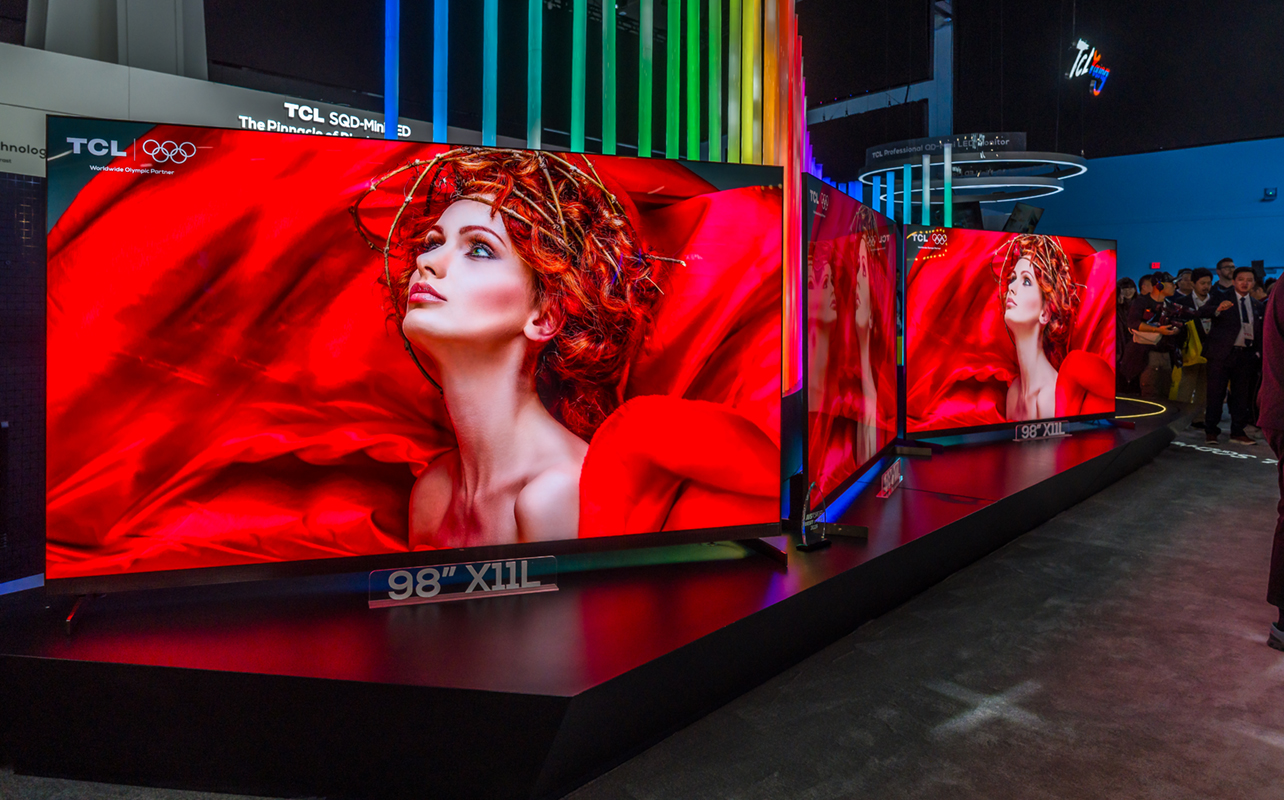
All the top brands make RGB LED TVs, including Samsung, Sony, LG, Hisense, and TCL, though TCL is focusing on its own SQD mini-LED technology and Sony models are coming soon.