
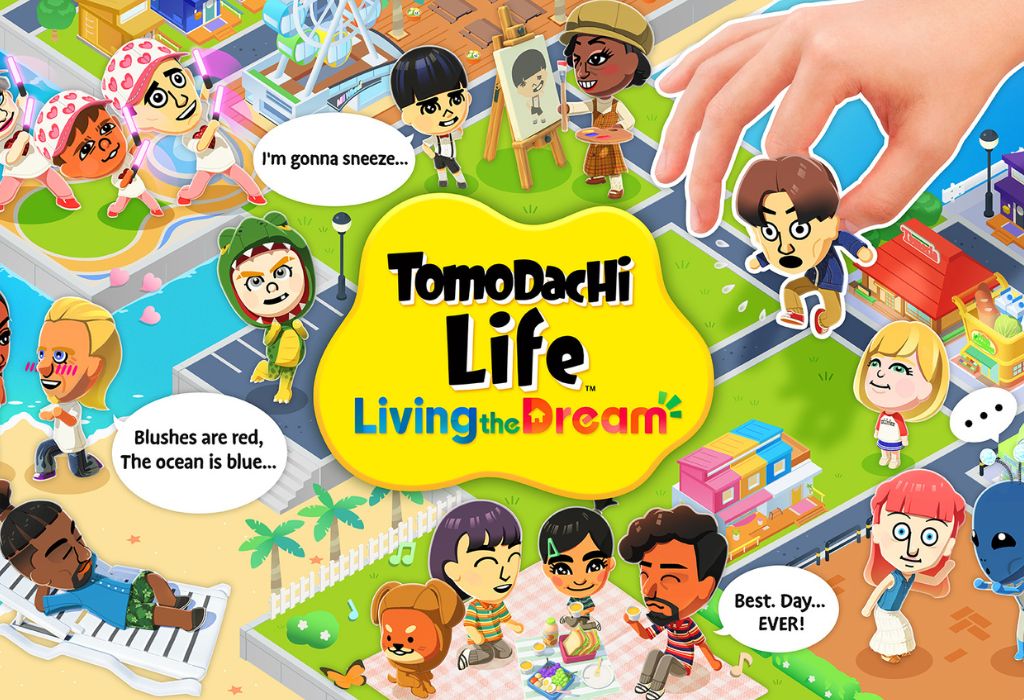
Tomodachi Life: Living the Dream marks a surprising and very welcome return for one of Nintendo’s most delightfully unique franchises. Right from the start, it’s clear this is a game built on personality, unpredictability, and pure charm that its predecessors are known for.
At its best, it feels like a blend of Animal Crossing: New Horizons and the cozy, systems-driven loop of Pokémon Pokopia, creating a laid-back life simulation where your imagination helps to drive the experience in fun, hilarious ways.
After hours of play, I had a blast with Tomodachi Life: Living the Dream. It’s a fun, creative sandbox that thrives on humour and personal storytelling. Unfortunately, it also stumbles under content-sharing limitations that keep it from true social-sim greatness. Let’s pack our bags for the island life and explore all the Tomodachi Life: Living the Dream experience has to offer.

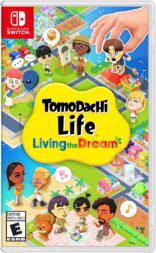
Tomodachi Life: Living the Dream details
Platform(s): Nintendo Switch and Nintendo Switch 2
Reviewed on: Nintendo Switch 2
Developer: Nintendo EPD
Publisher: Nintendo
Genre: Life Simulation / Social Sim
Available game modes: Single-player
ESRB Rating: Everyone (E)
Island drama: a story you create
Unlike traditional narrative-driven games, Tomodachi Life: Living the Dream doesn’t hand you a scripted story. Instead, it gives you tools and says, “Go make something different.” And honestly, that’s where the best parts of the game happen.
You begin by populating your island with Mii characters, they can be friends, family, celebrities, or completely absurd creations and then sit back as their relationships unfold in unpredictable ways. I’ve had Miis fall in love, argue over food, and react in hilariously dramatic fashion to the smallest things. It’s like watching a sitcom where you’re also the casting director.
That said, one of the biggest disappointments is how restricted the sharing system feels. In older entries, creating and sharing Mii characters online was part of the fun. Now, things are more locked down to local wireless sharing, and it feels like a major step backward for the experience. In my experience, it’s limited the community’s creativity, because this series shines brightest when it’s fueled by other players’ bizarre and brilliant creations.
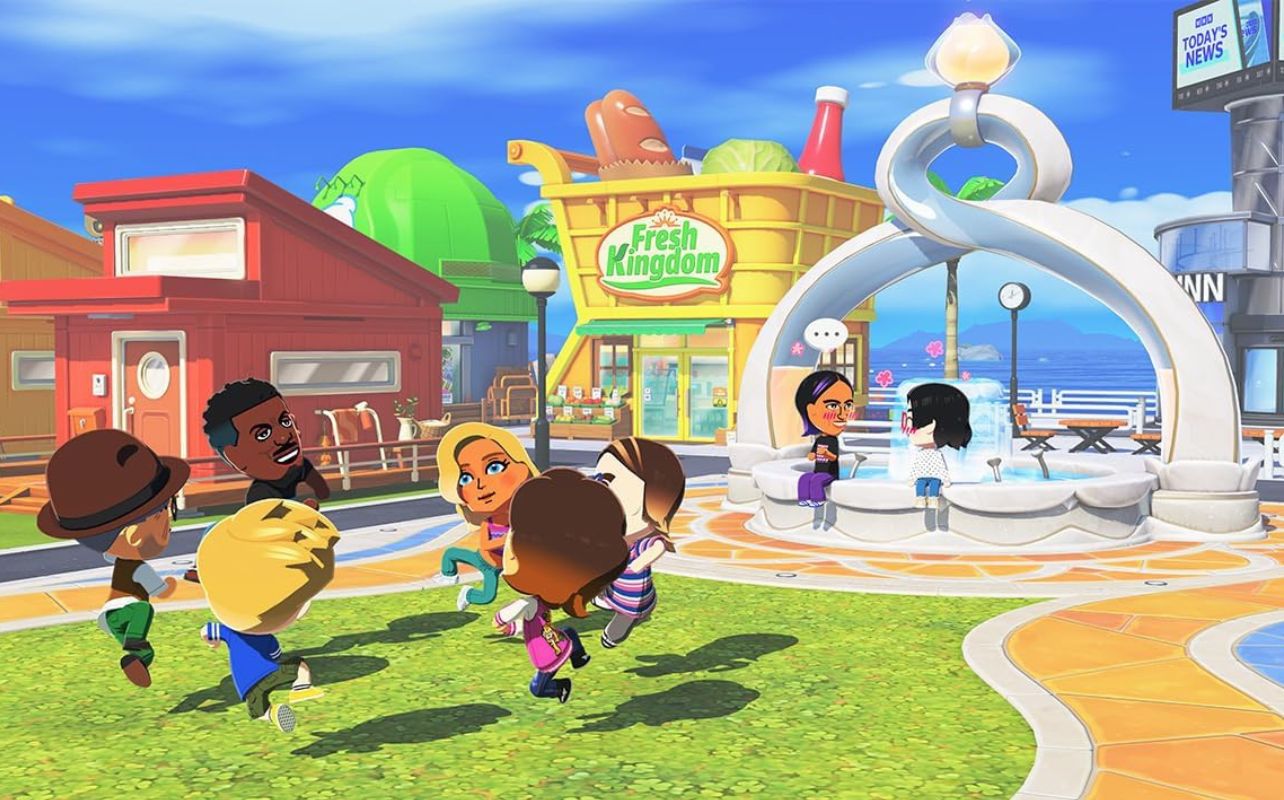
Social chaos meets cozy routines
The gameplay loop is simple but very engaging, especially in the early going of the game. You build your community using a deeper version of the Mii creator, customizing everything from appearance to personality traits. Once your Miis move in, your job becomes part caretaker, part observer and the social experiment that ensues is hilarious.
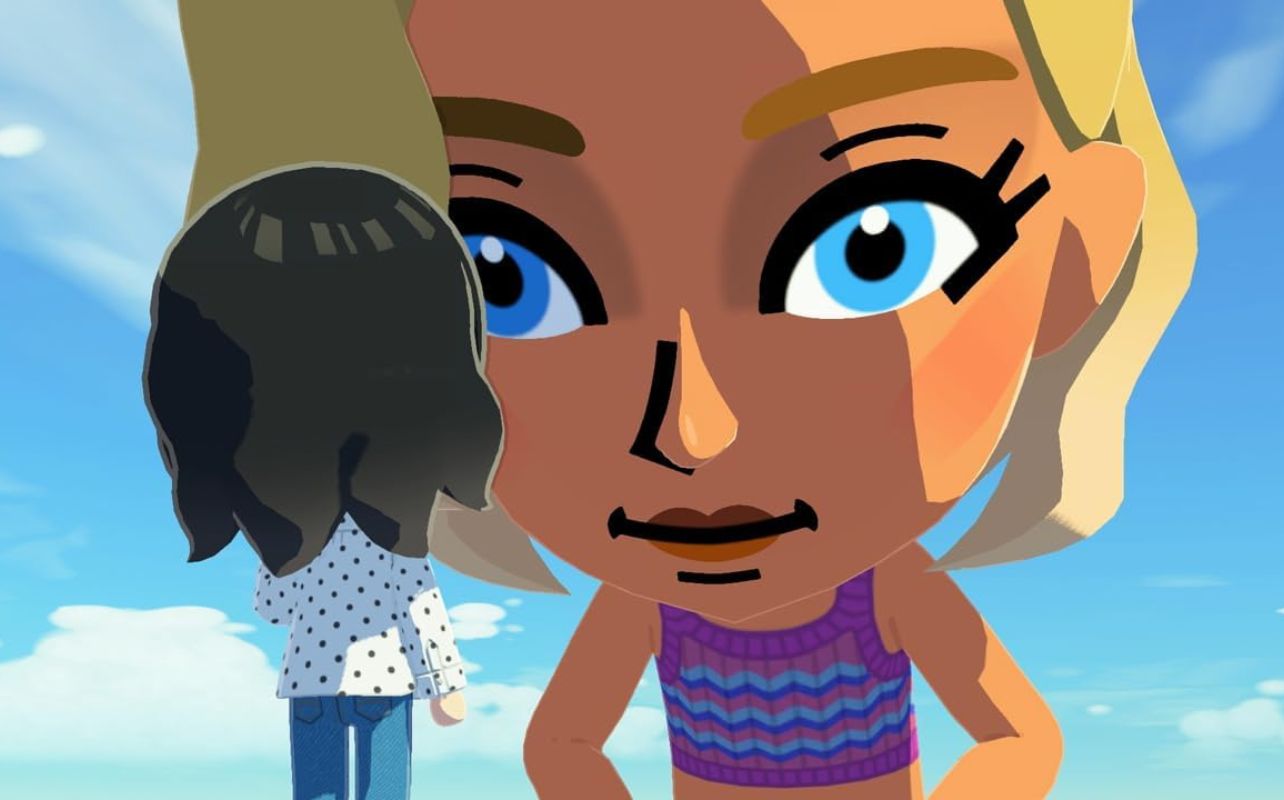
Little people, big personalities
When it comes to managing your Mii characters, there are plenty of ways to engage with them. You feed them, give them gifts, introduce them to other Mii characters, and watch their personalities evolve over time. As they level up, you unlock more interactions and customization options, including new ways to emote. This all creates a satisfying sense of progression, making each small moment feel meaningful as your island gradually comes to life.
A vocal majority
One standout feature for me is the text-to-speech system. The way characters talk to each other is consistently hilarious. Even after hours of play, I still found myself laughing at completely unexpected reactions, whether it’s a Mii dramatically rejecting a gift or delivering a line with perfect comedic timing.
However, the repetition does creep in. After a while, the loop of checking in, solving small problems, and watching interactions becomes predictable. For example, I noticed I was frequently repeating the same cycle of feeding Miis, resolving minor disputes, and waiting for new events to trigger. It never becomes boring, but it does lose some of its initial spark over time. This is where I felt having more online social systems to invite friends and their Miis onto your island would have really help keep the experience fresh.
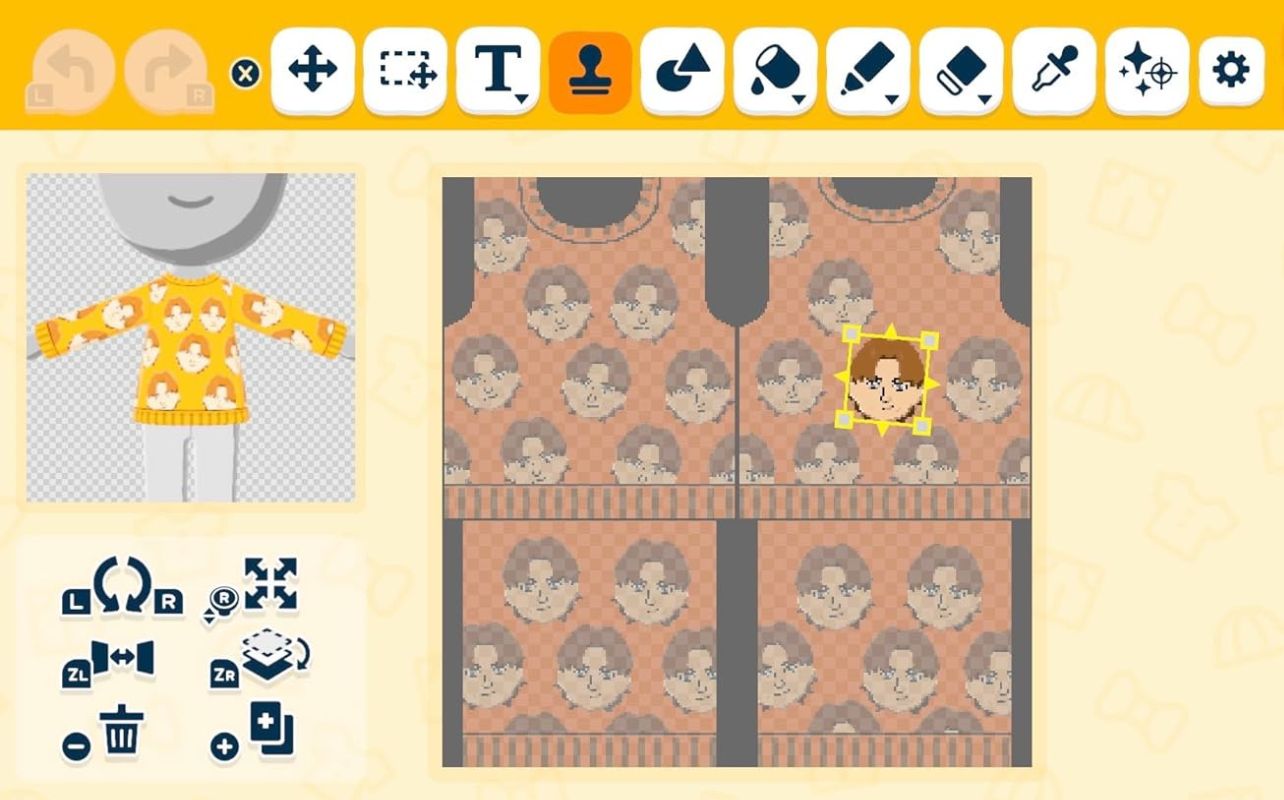
Palette House: creativity unleashed
One of the most exciting additions is the Palette House Hub, which opens up a whole new level of creativity on your island. This is where you can design items beyond your Miis, including food, clothing, home décor, toys and more.
I really liked how deep this system goes. You can tweak designs, assign attributes, and even control how items behave. For example, you can create food with specific taste profiles, leading to wildly different reactions from your Mii characters. Watching a character react dramatically to something “awful” or sweet never gets old.
But again, the sharing limitations hold it back. The inability to easily share creations online feels like a missed opportunity. This system could have been a massive highlight if it had embraced a more open, connected approach.
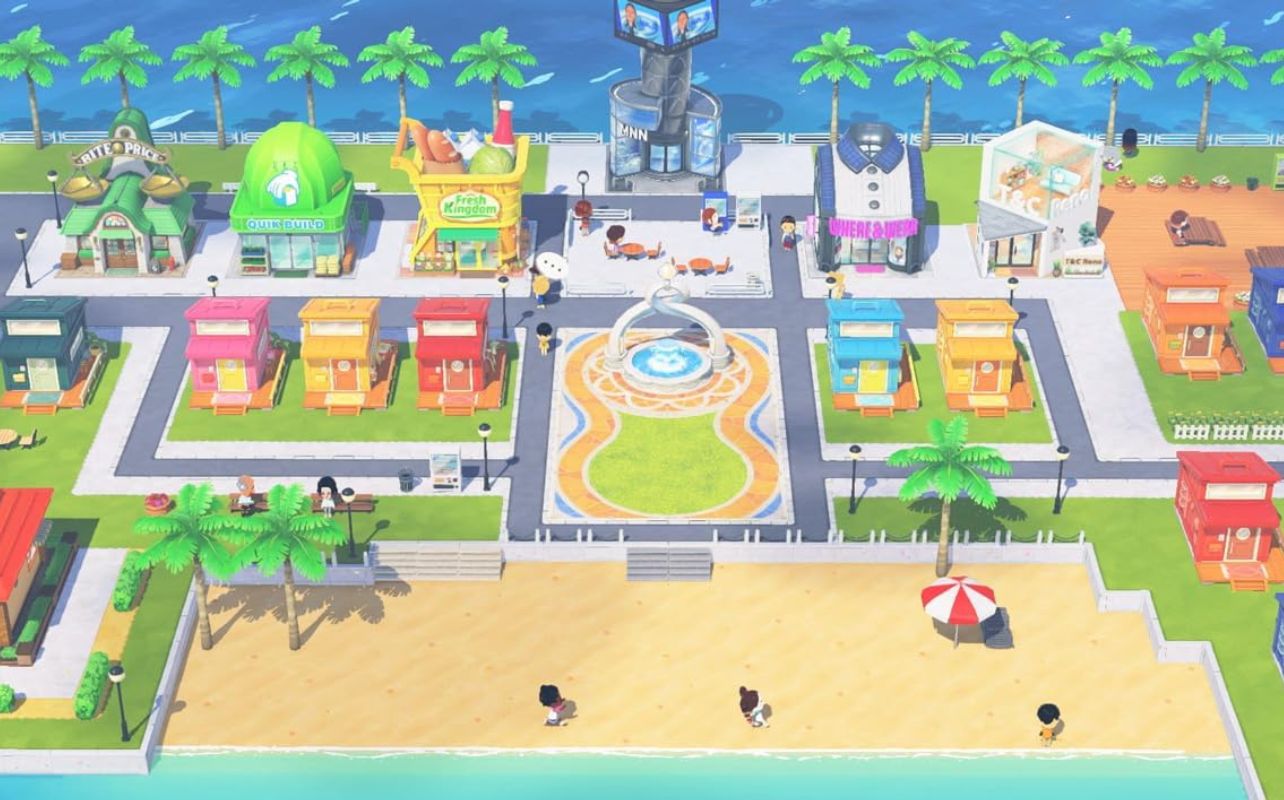
Building your dream island
Island building adds another layer to the experience, and it’s one of the more satisfying parts of the game. As your Miis level up and grow, you unlock new items and features to customize your island.
I found this progression loop really rewarding. There’s something inherently fun about watching your island evolve from a simple setup into a lively, personalized space filled with your creations. It gives you a tangible sense of growth that complements the more abstract social systems.
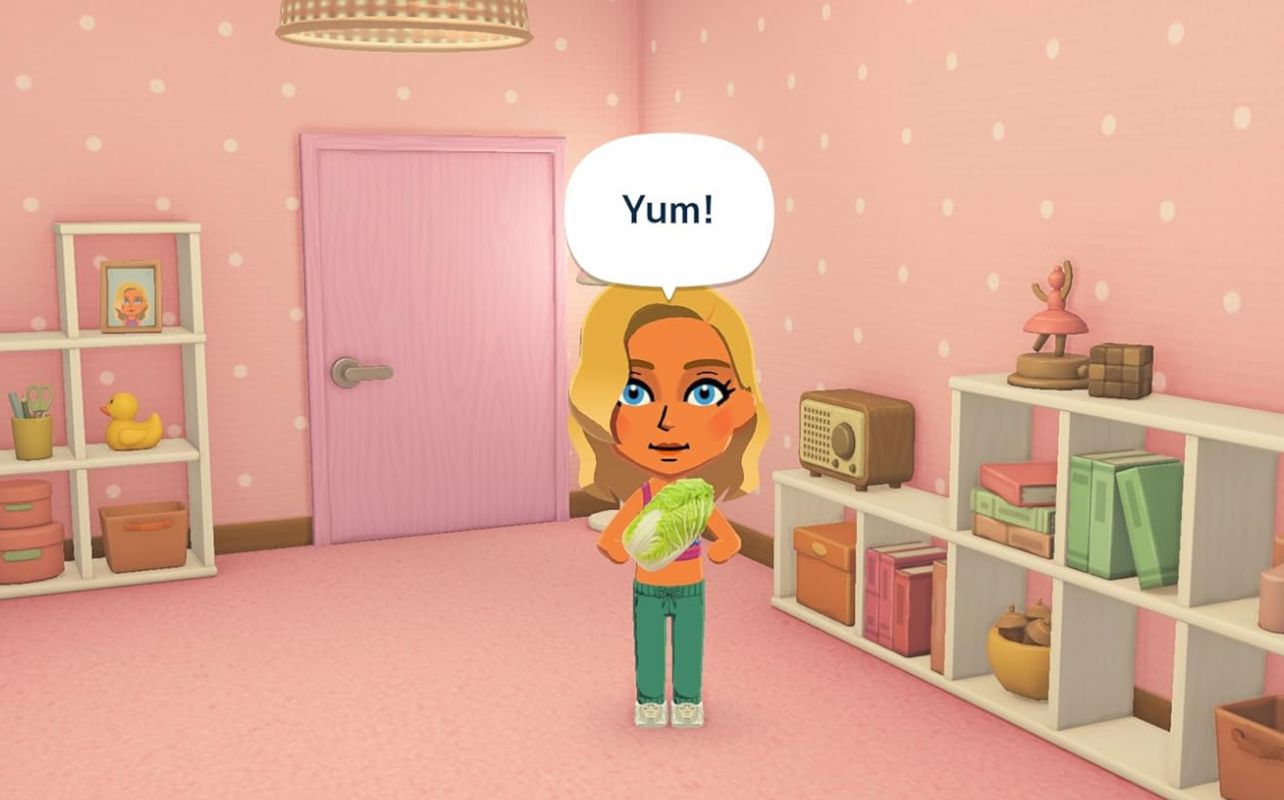
A polished look with classic Nintendo charm
Visually, Tomodachi Life: Living the Dream looks fantastic on the Nintendo Switch 2. The minimalist art style pops with bright colours and clean presentation, and the Miis themselves have never looked better.
If you’re a fan of the classic Nintendo aesthetic from the 3DS and Wii era, this feels like a natural evolution. Everything is sharper, smoother, and more expressive, while still maintaining that signature charm.
Performance is also rock solid. I didn’t encounter any issues, and the game runs smoothly even as your island becomes more populated and complex.
Final thoughts: charming, funny, but slightly held back
At the end of the day, Tomodachi Life: Living the Dream is what I hoped it would be it also missed key social sharing elements that seemed core to the experience.
I loved the humour, the creativity, and the sheer unpredictability of the social interactions. It’s the kind of game that makes you smile constantly, even when you’re just checking in for a few minutes.
But I can’t ignore the limitations either. The restricted sharing features feel out of step with modern gaming, and the social aspects that are a key pillar to the franchise. Still, if you’re looking for a relaxing, quirky, and genuinely funny life sim, this is an easy recommendation. It’s not perfect, but it’s absolutely worth experiencing, especially if you enjoy creating your own stories.
| Pros | Cons |
| Fun character and island building | Formula can start to feel repetitive over time |
Social interactions between Miis are unpredictable and funny | Sharing created Miis and custom items is very restrictive |
Deep customization systems with creative tools | Difficult to share videos, screenshots, and in-game moments |
Overall Assessment of Tomodachi Life: Living the Dream
Gameplay: 3.5/5
Graphics: 4/5
Sound: 3.5/5
Lasting Appeal / Replayability: 3.5/5
Overall Rating: 3.75/5 (75%)
Tomodachi Life: Living the Dream is a charming, laugh-out-loud life sim that thrives on creativity, even if its best ideas feel a little boxed in.