

There’s a reason headphones aisles look so crowded these days. With many different designs, they exist for various listeners. Some headphones are built for audiophiles who want every detail to sound clean and true, while others are made for people squeezing in a run around the neighbourhood or catching a podcast on a packed commute.
From over-ear headphones to open-ear earbuds, it’s a great thing that there’s a wide selection to choose from. This guide will help you compare different headphone types, understand their strengths, and figure out which one fits your day-to-day life.

Table of contents
- Over-ear headphones: immersive and comfortable
- In-ear headphones: small, portable, and versatile
- On-ear headphones: a balanced middle ground
- Open-ear headphones: great for situational awareness
- Different types of headphones: side-by-side comparison
- Which type of headphones should i buy?
- Find the perfect headphones
- Frequently asked questions

Why the type of headphones matters more than you think
It starts with understanding how you actually use them day to day. The same pair that feels amazing on your couch might feel completely wrong on a crowded bus or during a workout. Think about your daily habits:
- Are you commuting in noisy environments? If you’re regularly on transit or walking through busy streets, background noise can quickly overpower your audio and change what kind of headphones make sense.
- Do you wear headphones for hours while working or studying? Long work or study sessions using headphones can highlight comfort issues, so the way they sit on or in your ears becomes just as important as sound quality.
- Are you active outdoors and need to stay aware of your surroundings? If you’re running, cycling, or walking in busy areas, being able to hear what’s around you can be a major safety factor.
- Do you value portability over immersive sound? Smaller headphones are easier to carry, but larger ones often deliver a more engaging listening experience—it’s a trade-off worth thinking about.
Each of these situations points to a different type of headphone. That’s why understanding the strengths and trade-offs of each category is key to making the right choice. To learn more read our headphones buying guide.
Over-ear headphones: immersive and comfortable
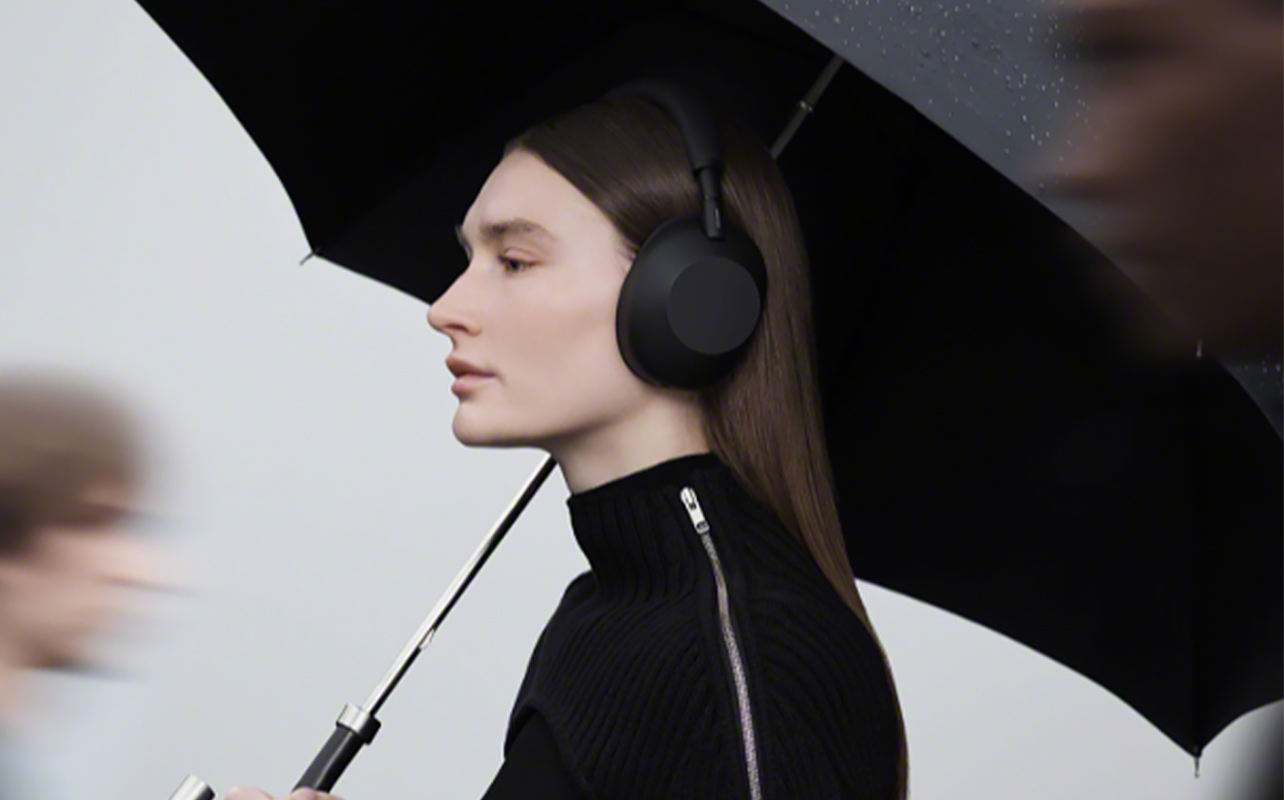
Over-ear headphones fully surround your ears with cushioned ear cups, creating a sealed listening environment. This design is built for comfort and deep, immersive sound.
Because they cover your ears completely, over-ear headphones naturally block out external noise. Many models also include active noise cancellation (ANC), which uses microphones to reduce background sounds like traffic or office chatter. In everyday use, this means you can focus better, enjoy richer audio, and listen at lower volumes without competing with your surroundings.
Where they shine
- You want the best sound quality and immersion: Over-ear headphones create a wider, more detailed soundstage, making music, movies, and games feel more lifelike and engaging. If you enjoy getting lost in your audio, this is where they excel.
- You wear headphones for long periods: The padded ear cups distribute pressure around your ears instead of on them, making them more comfortable for extended listening sessions like workdays or long flights.
- You need strong noise isolation. Whether you’re working in a busy home or travelling, over-ear headphones help block out distractions so you can stay focused without turning up the volume too high.
Where they fall short
- You need something portable: Over-ear headphones are larger and take up more space in your bag, which can make them less convenient for everyday carry. They’re better suited for intentional use rather than quick, on-the-go listening.
- You run warm during long sessions: Because they fully cover your ears, they can trap heat over time, especially during warmer months or extended use indoors.
Is comfort and immersive sound a priority? Over-ear headphones are the perfect choice.
In-ear headphones: small, portable, and versatile
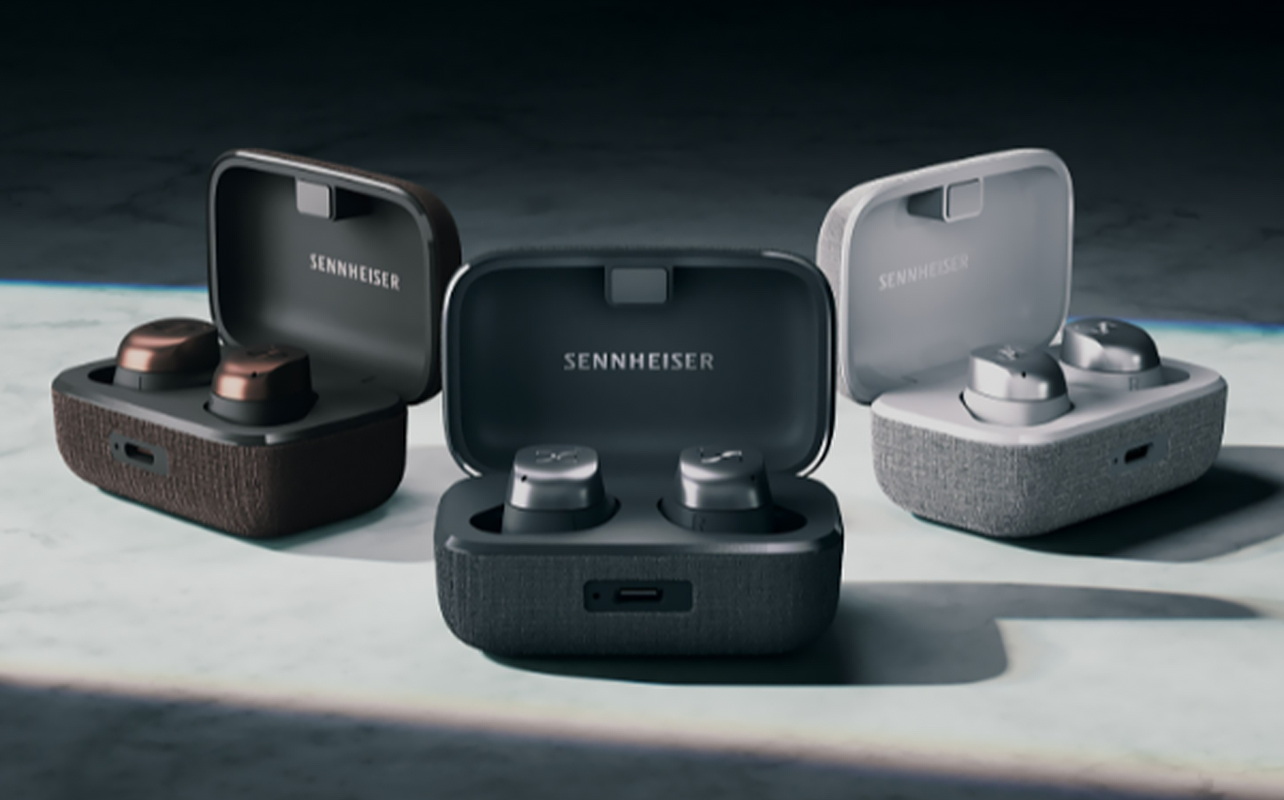
In-ear headphones are designed for convenience. Often called earbuds or earphones, they insert directly into the ear canal to create a seal that blocks outside noise. However, there are also standard earbuds that rest just outside the ear canal. Both of these are the compact, go-anywhere headphones most people rely on daily.
You can carry them in your pocket, pull them out quickly, and use them in almost any situation—commuting, working out, or running errands. The latest in-ear earbuds are becoming more versatile, with features like noise cancellation and transparency modes.
Where they shine
- You’re always on the move: In-ear headphones are lightweight and easy to carry, ideal for commuting, travel, or busy days where you don’t want bulky gear slowing you down. They fit seamlessly into your routine without requiring much thought.
- You want flexibility across different activities: Whether you’re taking calls, listening to music, or working out, earbuds adapt easily to different situations, especially with wireless designs and quick pairing.
- You prefer something discreet. Their small size makes them less noticeable and more convenient in public settings, whether you’re in a café or at the office.
Where they fall short
- Comfort depends on fit: Because they sit inside your ear, the experience can vary depending on ear shape and tip size, and not everyone finds them comfortable for long sessions. A poor fit can also affect sound quality and stability.
- They don’t feel as immersive: While sound quality is strong, they typically don’t deliver the same depth and spaciousness as over-ear headphones, especially for music and movies.
If you want something compact, flexible, and easy to use anywhere, in-ear earbuds are the most convenient option. Ready to take the next step? Read our earbuds buying guide.
On-ear headphones: a balanced middle ground
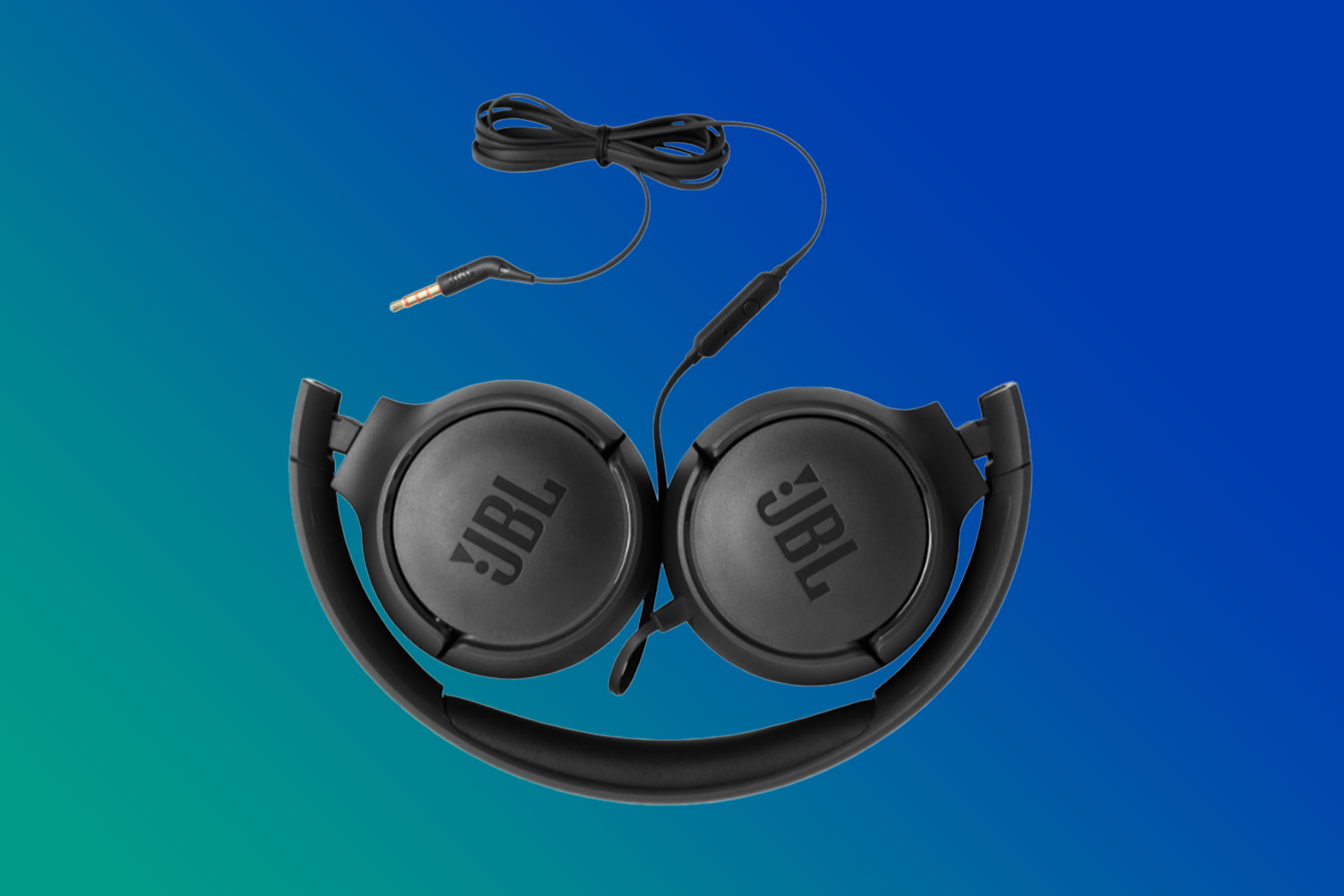
On-ear headphones sit directly on your ears rather than surrounding them. They aim to strike a balance between the size of over-ear headphones and the portability of earbuds.
They’re usually lighter and more compact than over-ear models, while still offering a more traditional headphone feel than earbuds. This makes them appealing for casual, everyday listening.
Where they shine
- You want something lighter than over-ear headphones: On-ear headphones are easier to carry and less bulky. They are a travel-friendly option while still offering decent sound performance.
- You don’t want to be fully cut off from your surroundings: Because they don’t seal around your ears, you can still hear some ambient noise, which can be helpful in shared spaces or offices.
- You prefer a simple, casual listening experience: They’re great for shorter listening sessions where comfort and convenience matter more than maximum immersion.
Where they fall short
- Comfort can decrease over time: Since they press directly on your ears, they can cause discomfort during longer sessions, especially compared to over-ear designs.
- Noise isolation is limited: They don’t block out much external sound. If you want to focus on what your listening, they’re not ideal for noisy environments like transit or busy public spaces.
On-ear headphones are a practical middle-ground option, offering a mix of portability and performance.
Open-ear headphones: great for situational awareness
Open-ear headphones sit outside your ear rather than in or over it. Many use bone or air conduction to deliver sound while leaving your ears open. So instead of isolating you from your surroundings, open-ear headphones let you hear both your audio and everything around you at the same time.

Where they shine
- You spend time outdoors and need awareness: Open-ear headphones allow you to hear traffic, cyclists, and other ambient sounds while still enjoying music or podcasts. They’re a safer choice for active users who like running or walking. The latest open-ear headphones even feature a waterproof design so you can wear them comfortably during swimming.
- You value comfort and breathability: With nothing inside or covering your ears, they can feel more comfortable during long sessions, especially in warmer weather or during physical activity.
- You want a more natural listening experience: Being able to hear your surroundings alongside your audio can feel more balanced and less isolating in certain situations.
Where they fall short
- Sound quality is more limited: Because they don’t seal around or inside your ears, they don’t deliver the same level of bass or immersion as other types of headphones.
- Audio can leak outward: In quieter environments, people nearby may be able to hear what you’re listening to, which can be a drawback in shared spaces.
Perfect for your active lifestyles, open-ear headphones are all about awareness and comfort. Learn more by checking our open-ear headphones guide.
Different types of headphones: side-by-side comparison
Here’s how each type compares across the things most people care about:
| Feature | Over-ear | In-ear | On-ear | Open-ear |
|---|---|---|---|---|
| Sound quality | Excellent, immersive | Very good | Good | Basic |
| Comfort (long use) | Excellent | Good (varies) | Moderate | Excellent |
| Portability | Low | Excellent | Good | Good |
| Noise isolation | Excellent | Good | Limited | None |
| Awareness | Low | Moderate | Moderate | Excellent |
| Best for | Home, travel, work | Commuting, gym | Casual listening | Outdoor safety |
Which type of headphones should I buy?
The answer depends on how and where you’ll use them most.
If sound quality and comfort matter most
- Over-ear headphones create a more immersive experience: They deliver deeper bass and clearer detail. Use them for focused listening at home or work.
- They’re designed for extended wear: The over-ear fit helps reduce fatigue during long listening sessions.
If portability and ease of use are priorities
- In-ear earbuds are the most convenient option: They’re small, lightweight, and easy to carry wherever you go.
- They’re versatile across daily activities: Whether you’re commuting, working out, or taking calls, they adapt quickly.
If you want something in between
- On-ear headphones strike a balance between size and performance: They’re more compact than over-ear models while still offering a traditional headphone feel.
- They allow some situational awareness: This can make them more comfortable in shared or casual environments.
If situational awareness is essential
- Open-ear headphones are designed to keep you aware of your surroundings: They let outside sound in, which is especially useful for outdoor activities.
- They focus on comfort and safety over immersion: This makes them a strong choice for active lifestyles.
Find the perfect headphones
There isn’t a single “best” option—only the one that fits your life best. The right choice depends on where you’ll use them, how long you’ll wear them, and what kind of experience you want from your audio.
If you spend most of your time at home or at a desk, over-ear headphones can transform how you listen by adding comfort and depth. If you’re constantly on the move, in-ear earbuds offer the kind of convenience that keeps up with your day. On-ear headphones sit comfortably in between, while open-ear headphones open up a completely different experience by keeping you connected to your surroundings.
It’s also worth noting that many people don’t stick to just one type. You might rely on over-ear headphones for focused listening at home or work, then switch to a pair of in-ear earbuds when you’re heading out. Ultimately, the best headphones are the ones that feel natural the moment you put them on—or in—and fit seamlessly into your routine.
Frequently asked questions:
Are over-ear headphones better than in-ear headphones?
Not necessarily—it depends on how you use them. Over-ear headphones are better for comfort and immersive sound, while in-ear earbuds are more portable and convenient for daily use.
Are open-ear headphones safe for running?
Yes, they’re one of the safest options for outdoor use. Because they don’t block your ears, you can hear traffic and your surroundings while listening.
Do in-ear earbuds fall out easily?
It depends on the fit and design. Many earbuds now come with different ear tip sizes or stabilizers to help them stay secure when you’re moving a lot.
Are on-ear headphones comfortable for long use?
They can be comfortable for shorter sessions, but may cause pressure on the ears over time. For all-day use, over-ear headphones are usually more comfortable.
Do all headphones have noise cancelling?
No, noise cancelling is typically found in mid-range to premium models. It’s most common in over-ear and in-ear headphones designed for travel or commuting—so you won’t hear ambient noise while you’re trying to focus on what you’re listening.
Which type of headphones should I buy for work or studying?
Over-ear headphones are often the best choice for focus and comfort, especially if they include noise cancelling. In-ear earbuds can also work well if you prefer something more compact.

This article was drafted using AI technology and then reviewed, fact-checked, and revised by a member of our editorial team.