

The smart ring category is heating up with competition, the Oura Ring remaining the top product but plenty of other brands are entering the space, including Ultrahuman, Samsung, RingConn, and others. The first Oura Ring originally launched via a Kickstarter campaign almost a decade ago. The brand really began to take off when the second and third generation rings were introduced in 2018 and 2021, respectively. Oura Ring 4 launched in 2024 and in 2026, the latest Oura Ring 5 was introduced.
While the Oura Ring arguably dominates the category, there’s more choice now than ever with alternatives, some of which don’t require a membership or subscription. In this guide, I’ll walk you through everything you need to know about smart rings. This includes how they work, what they track, how accurate they are, and how to find the right fit. I’ll also discuss how smart rings compare to alternatives like fitness trackers, including new screenless models, as well as smartwatches. Important factors will also be addressed, including what to look for based on your needs, smartphone compatibility, and what to know about subscriptions and apps. Finally, I’ll look at who would be best suited for a smart ring and why.

Table of contents:
- What is a smart ring?
- What can smart rings track?
- Smart ring vs. smartwatch
- Smart ring vs. fitness tracker (including screenless)
- What to compare before buying
- How to choose the right size
- Who should consider buying a smart ring?

What is a smart ring?

A smart ring works by using infrared LEDs on the underside that come in contact with your skin. They detect changes in blood flow to capture useful biometric data. This includes skin temperature, heart rate, sleep, and more. They are worn around the finger just like a traditional ring though they are often a bit thicker (the Oura Ring 5 claims to be the smallest on the market to date). Position them with the sensors in line with your palm; some have sensors all around for more accurate tracking even as they shift. The captured data can be viewed in the companion app. You can manually track workouts from the app. Many smart rings also have automatic tracking for common workouts with distinct movements and heart rate elevation, like walking, running, and rowing.
What can smart rings track?

Smart rings can track virtually all the same metrics as fitness trackers and smartwatches and do so accurately.
Sleep and readiness score
Some believe smart rings are best for sleep tracking because of both comfort and accuracy. Receive a sleep score based on total sleep, how much time you spent in each sleep stage, heart rate variability, and more. A good night’s sleep isn’t just about getting a solid duration but also about quality sleep. A readiness score, meanwhile, factors in recent activity, sleep, and biometric signals. This lets you know when to tackle a workout or when you need a rest. This helps you avoid skipping workouts when your body is ready for activity or overtraining when you need more recovery. The activity score considers inactivity, activity level, and recovery.
Heart rate and heart rate variability (HRV)
While a smart ring is always passively capturing heart rate data in the background, you typically review your stats in the companion app after workouts or throughout the day. Some models also allow live heart rate viewing through the companion app or a connected device. Heart rate variability is the measurement between your heartbeats and can help you determine how well your body handles stress as well as recovers after an intense workout.
Stress tracking
Many smart rings can identify signs of stress and how you react to them. This can help you make positive changes towards better self-care. You can also use this information to eliminate or manage stress triggers.
Activity and vitals
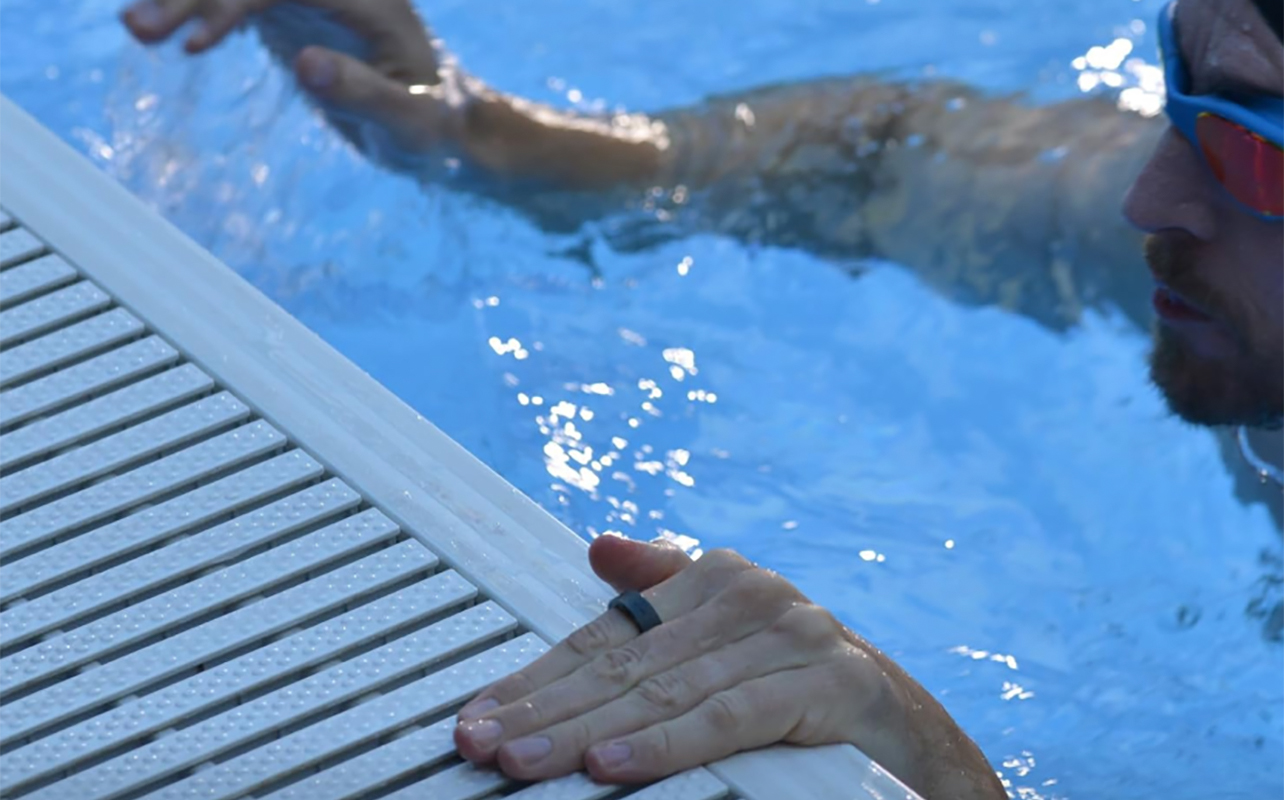
Along with basics like step count, calories burned, inactive time, training frequency and volume, and blood oxygen, you also get automatic activity detection for common activities with many smart ring models. This means you can head out for a walk or run, for example, and the ring will automatically detect that’s what you’re doing and start tracking the workout if you forget. You can set personalized goals as well to help motivate you and ensure you are reaching target heart rates, step counts, activity levels, and more. You can also see post-workout insights to compare, contrast, and applaud yourself for a job well done.
Sp02 and blood oxygen
Many premium smart rings can measure Sp02, otherwise known as blood oxygen. Sp02 stands for Saturation of Peripheral Oxygen and tells you how much hemoglobin is in your red blood cells, transporting oxygen through your system. A normal reading is anywhere from 95 per cent to 100 per cent. Smart rings that measure this will show the measurement in the form of a percentage in the app.
Skin temperature
Some more advanced smart rings can capture your skin temperature through a dedicated sensor. This can alert you if something is up, like an oncoming cold or that you are presenting with a fever. For women, it’s a good indication of menstrual cycles, since your body temperature tends to rise as you approach a certain phase in the month. Measurements like this are also helpful for women going through perimenopause and menopause, something that many smart ring brands like Oura and Ultrahuman are increasingly focusing on.
Additional features
Every smart ring has its own selection of additional features that you can track either with the ring, exclusively in the app, or both. This might include nutrition, hydration, vitamin D exposure, caffeine intake, meditation sessions, Afib, and more. Some also have app communities where you can connect with other smart ring owners to help motivate you or see where you fall with others of the same gender and age.
Smart ring vs. smartwatch
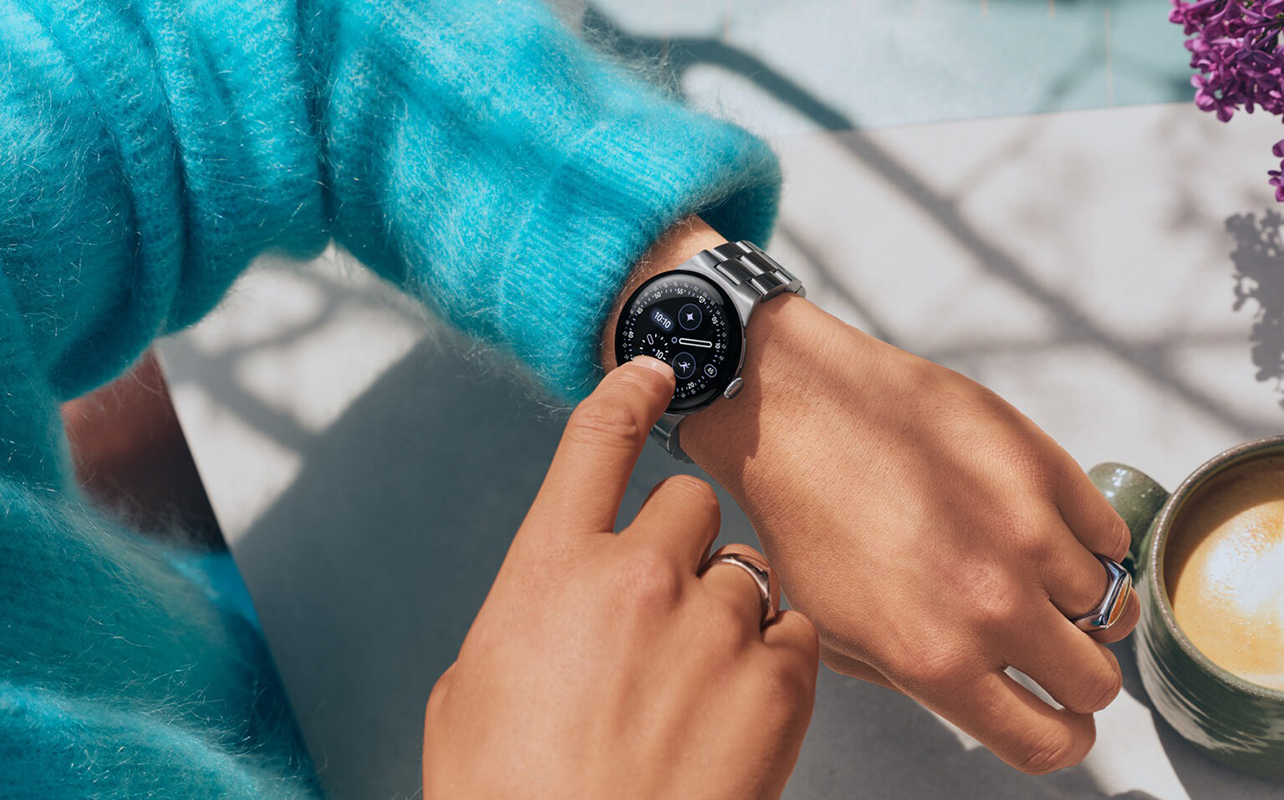
So, does a smart ring replace a smartwatch? Many people still like to wear smartwatches alongside a smart ring, especially for notifications, mobile pay, and other features. The two types of wearables can also work together to paint a more holistic picture of your health and wellness. There are specific advantages, for example, when wearing a Samsung Galaxy smart ring alongside a compatible Samsung Galaxy smartwatch. One picks up the slack for the other as needed to provide a more holistic picture of your health.
A smart ring is an unobtrusive health and wellness tool you could easily wear on its own if you wanted a passive experience, too. They track tons of metrics and real-time vitals and show a history of data in the companion app. You get a full picture of your health and wellness whenever you want to explore the data.
Smart ring vs. fitness tracker (including screenless)
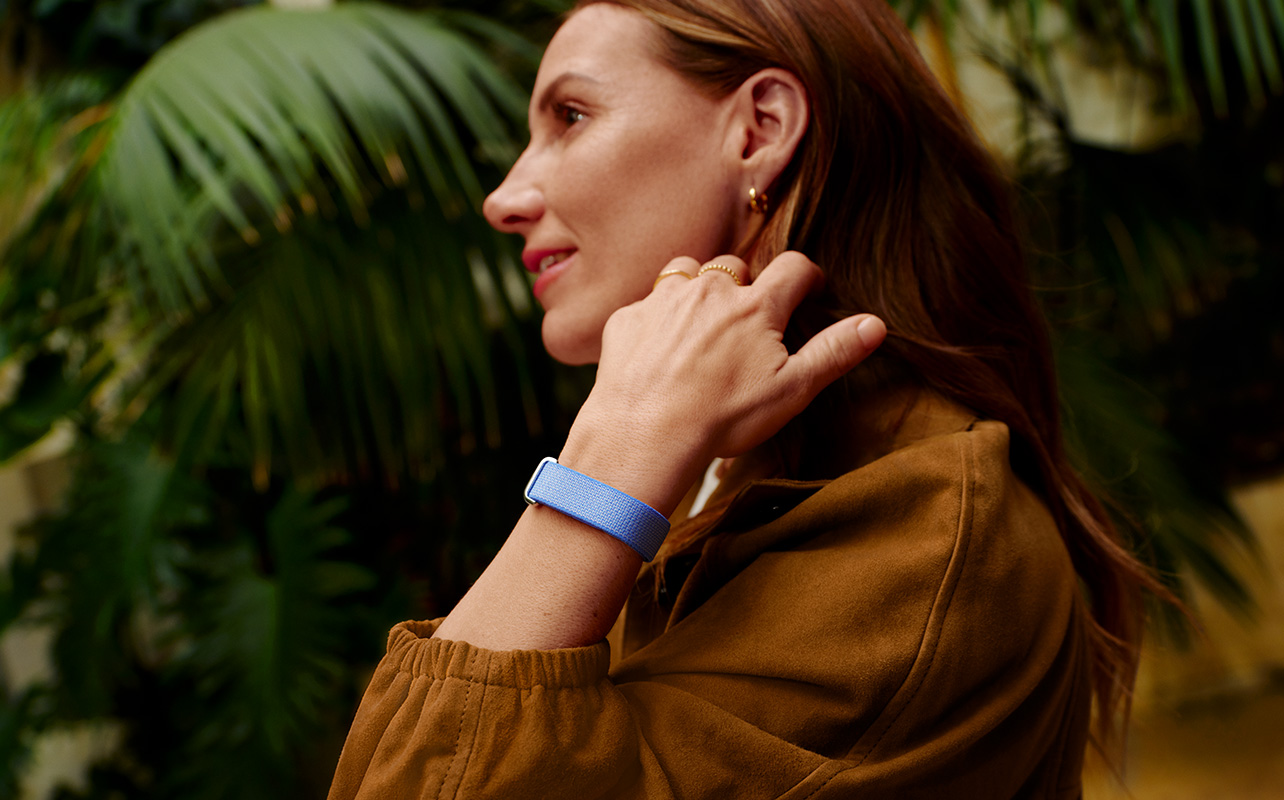
A fitness tracker is the in-between option. It has a small screen on your wrist you can use to view stats and even get notifications, but it isn’t as distracting as a smartwatch with a big screen. You might prefer it if you still want on-wrist control.
There’s a growing category, however, of screenless fitness trackers that are more comparable to smart rings, like the Fitbit Air. They, too, are passive, like a bracelet on your wrist with no screen. The sensor is in a pebble hidden inside. Which one you prefer comes down to wearability preference: wrist or finger. Smart rings tend to be more expensive as well and must be of the right size. Screenless fitness trackers are more affordable with adjustable bands. But they often require a subscription for more detailed data.
What to compare before buying

How do you know which smart ring is for you? There are a few key things to compare.
Compatibility
First and foremost, the ring’s companion app needs to be compatible with your phone. Most smart rings are compatible with both Android and iOS devices. But ones like the Samsung Galaxy Ring only works with Android devices and it unlocks more features when used with a Samsung Galaxy phone.
Battery life
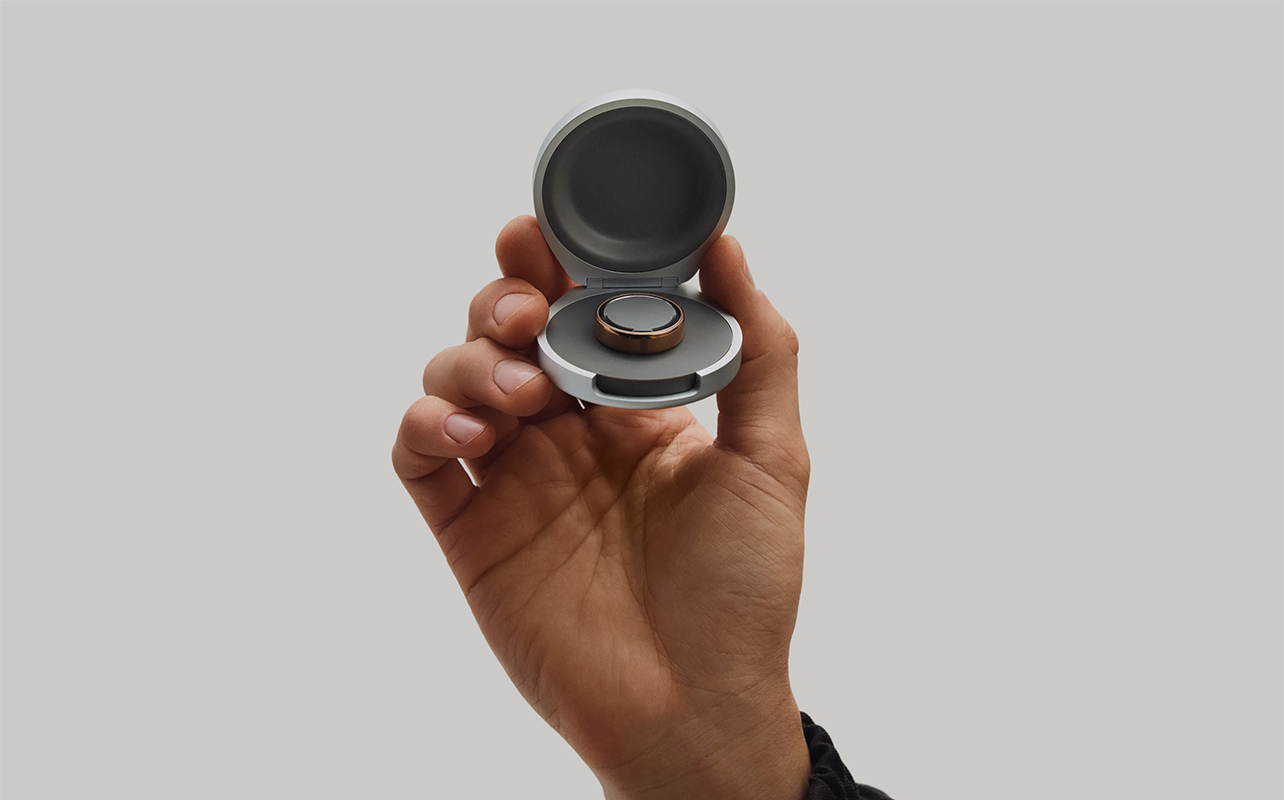
Smart rings generally have better battery life than smartwatches and even fitness trackers. You can expect anywhere from four up to seven or more days per charge. Some have reduced battery “eco” modes that turn off 24/7 tracking for things like Sp02 so you can extend it further. Some work with charging docks, some come with charging cases for convenient charging on the go. Oura Ring 4 and Oura Ring 5 work with an optional charging case you can buy separately (they come with the dock).
Fit/sizing
With any smart ring, you need to order a sizing kit first. Even if you know your ring size, it’s still important to try one on since the sensors inside, thickness, and circumference can differ. These are either ordered for free or for a small fee that is discounted from the ring purchase once you know your size and you’re ready to buy.
Subscription requirements
This is a big one since some smart rings, like Oura Ring, require a subscription to unlock all the benefits. Learn what features are behind paywalls, what free trial is offered, and what the recurring monthly cost is so you can budget accordingly. Some smart rings offer all the core data for free but have add-on options for a small monthly fee. For example, there are ones like Afib detection and advanced snoring analytics with the Ultrahuman Ring Air and Pro.
Sizing and comfort
As noted, having the right size smart ring is crucial. Having reviewed dozens of smart rings, I can’t express enough how much size matters. It’s important to wear a sizing ring for 24 hours to account for fluctuations in your finger size. That’s especially for women where finger circumference changes can be more pronounced during different stages of your cycle. I once had a smart ring fall into the washing machine multiple times because it was too big and kept slipping off my finger!
Choosing the right size
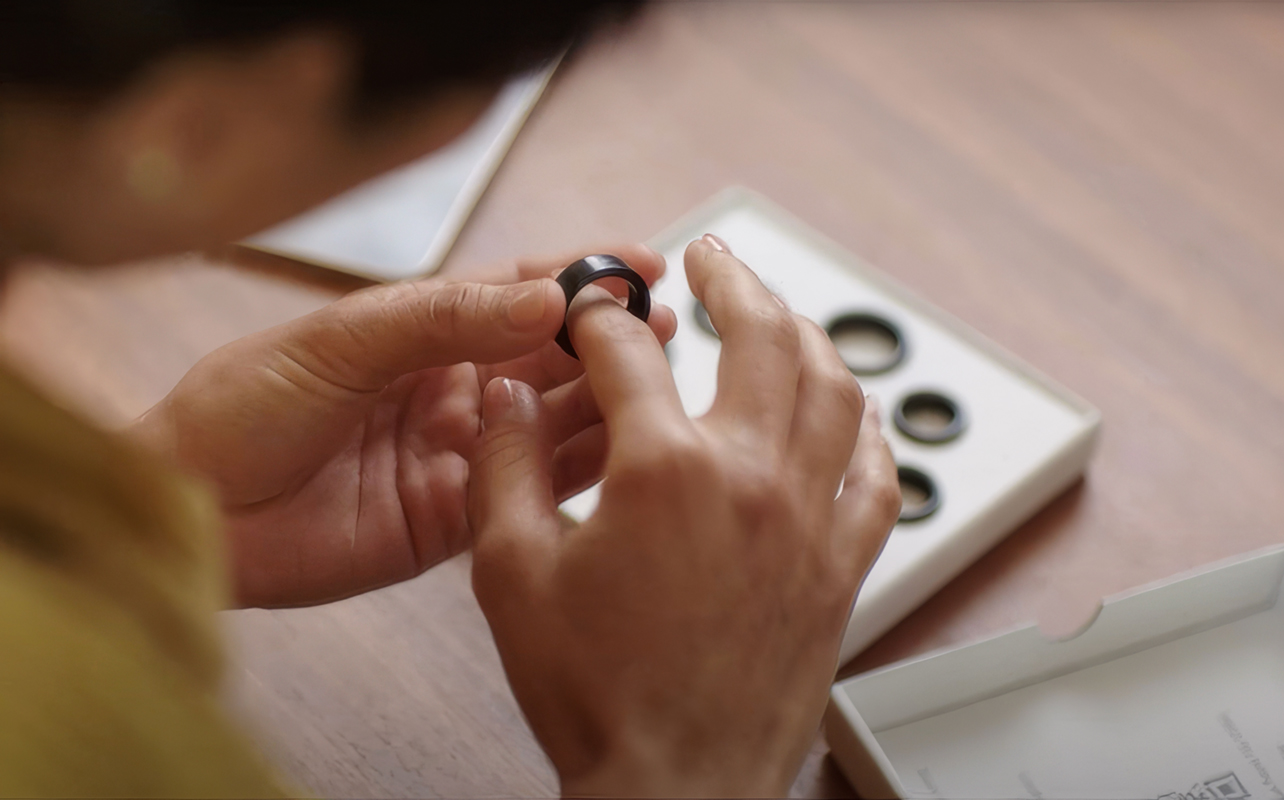
It’s essential to get the correct version and size not only to ensure it doesn’t fall off but also to accurately track data through contact with your skin. A smart ring size isn’t the same as your traditional ring size. Smart rings come in varying sizes from as small as 4 up to as large as 15. I have fairly long and slim fingers and my typical size is an 8.
Where to wear the ring
A smart ring can be worn on the index, middle, or ring finger. The index finger is the best option for the most accurate tracking and performance.
Order the sizing kit
Before selecting a size, use the sizing kit, which you can find at Best Buy Online for all smart ring models including Samsung Galaxy Ring, Oura Ring 5, Oura Ring 4, RingConn, and Ultrahuman. These sets include mock rings that are identical in size to the actual ones. With Oura Ring, if you purchase the sizing kit from Best Buy, you will receive a $10 eCertificate.
Using the sizing kit
Follow the instructions in the kit, making sure to position the sizer ring with the placeholder sensor bumps on the palm side of your finger. Wear the ring for at least 24 hours to test how it fits throughout the day as you go about regular activities. You also want to see how it feels while you sleep. Note that it might not be as comfortable as the real thing, but you’ll still get a good idea of how it feels. Most important, the size is identical to the real thing. Once done, the sizing kit does not need to be returned. You can then order the right sized ring.
Try it on for size in store
If you need the ring more quickly, visit a Best Buy store near you to get an instant measurement.
Tips on ensuring a comfortable and secure fit
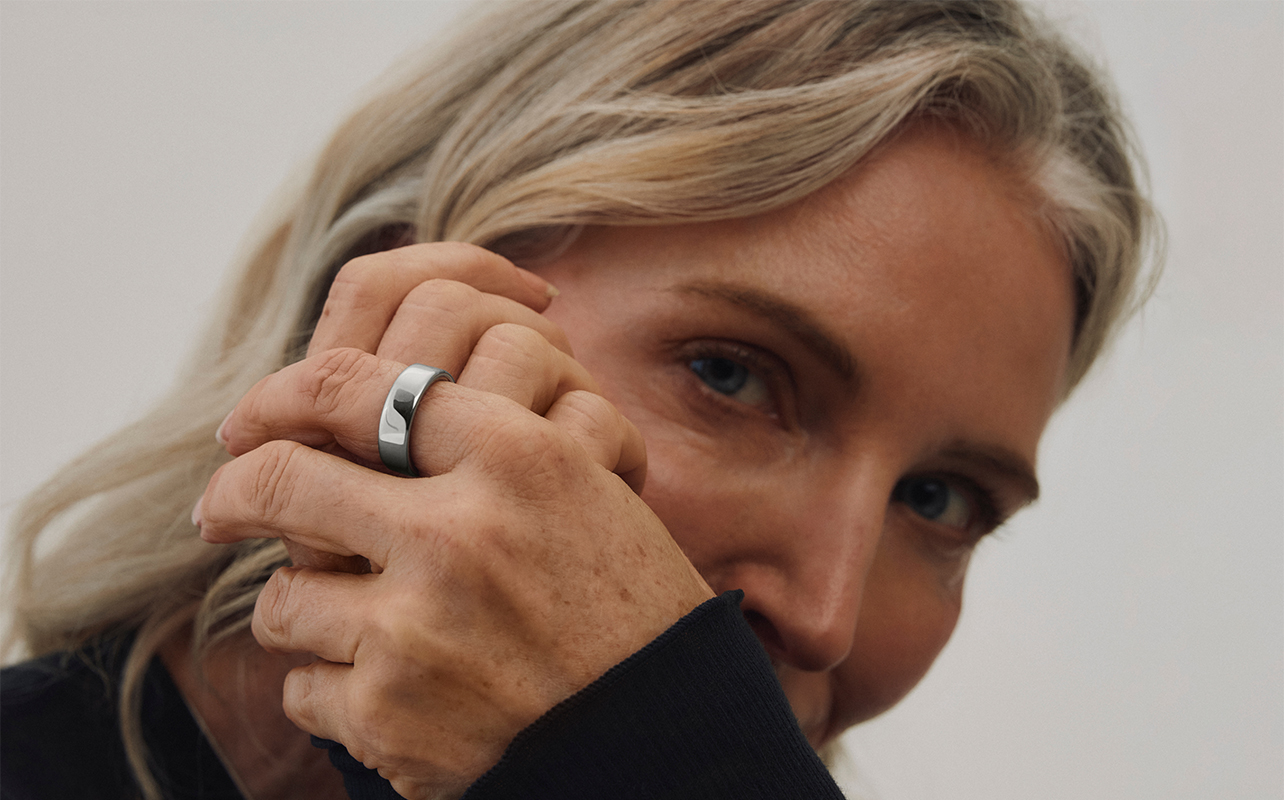
Once you have your new smart ring, there are some things to remember as you prepare to wear it.
Choose the right finger
Choose a finger that affords minimal disruption to your daily activities, noting that the ring will likely be slightly thicker than a traditional piece of jewelry. You may prefer a finger on your non-dominant hand, for example. Avoid choosing a finger with larger knuckles. I find the index finger to be the least disruptive for my days.
Make sure it fits right
The ring should fit tightly and securely while also being comfortable for extended periods. It should not be too tight nor too loose. The snugger the fit, the stronger the signal. You don’t want it to easily slide off or rotate on your finger, but it should be able to come off easily for charging. If there’s a gap between the top of your finger and the inside of the ring, that’s a good indication that you need to go smaller.
Keep it clean
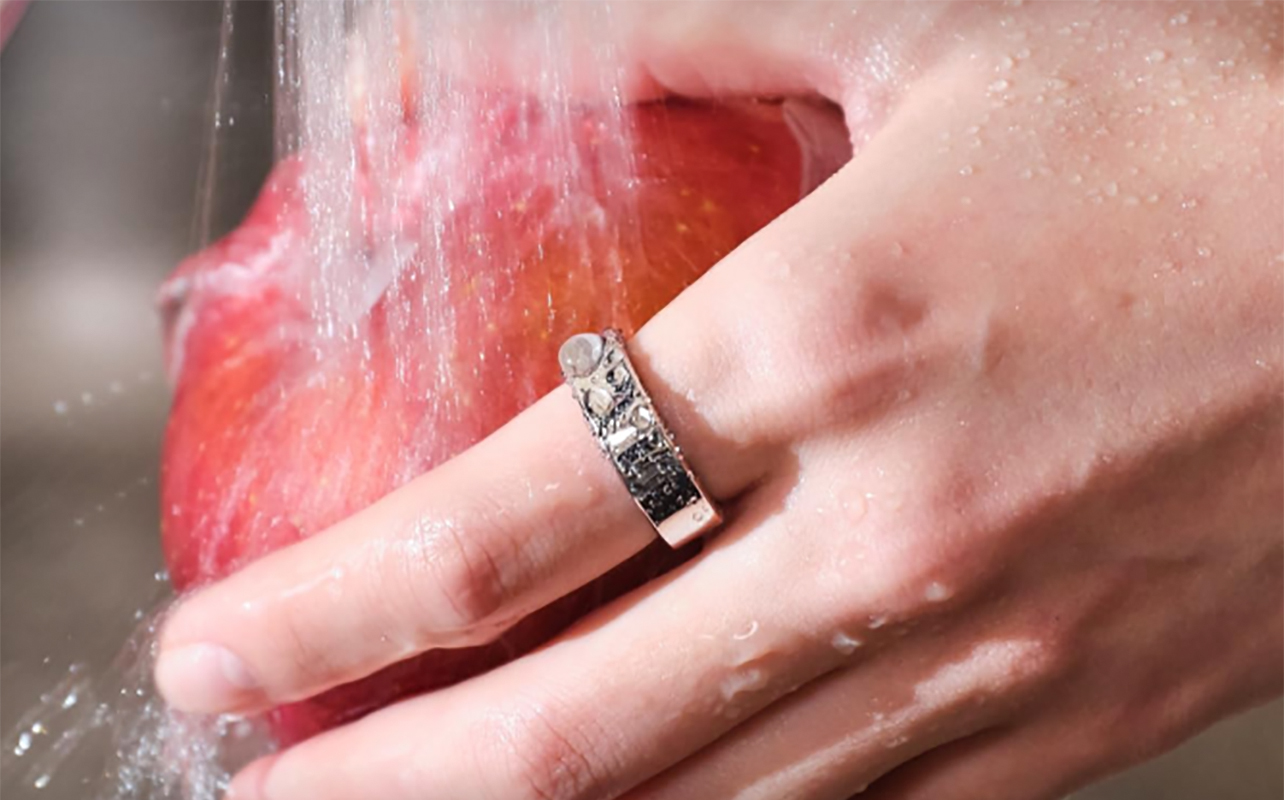
Keep the ring and the underside of your finger clean. Since many smart rings are water-resistant, you can wipe it down. After washing your hands, slide the ring up on your finger and dry the base of your finger. Then slide the ring back down and dry the area above it. This will ensure that water doesn’t get trapped between the ring and your finger.
Subscriptions and apps
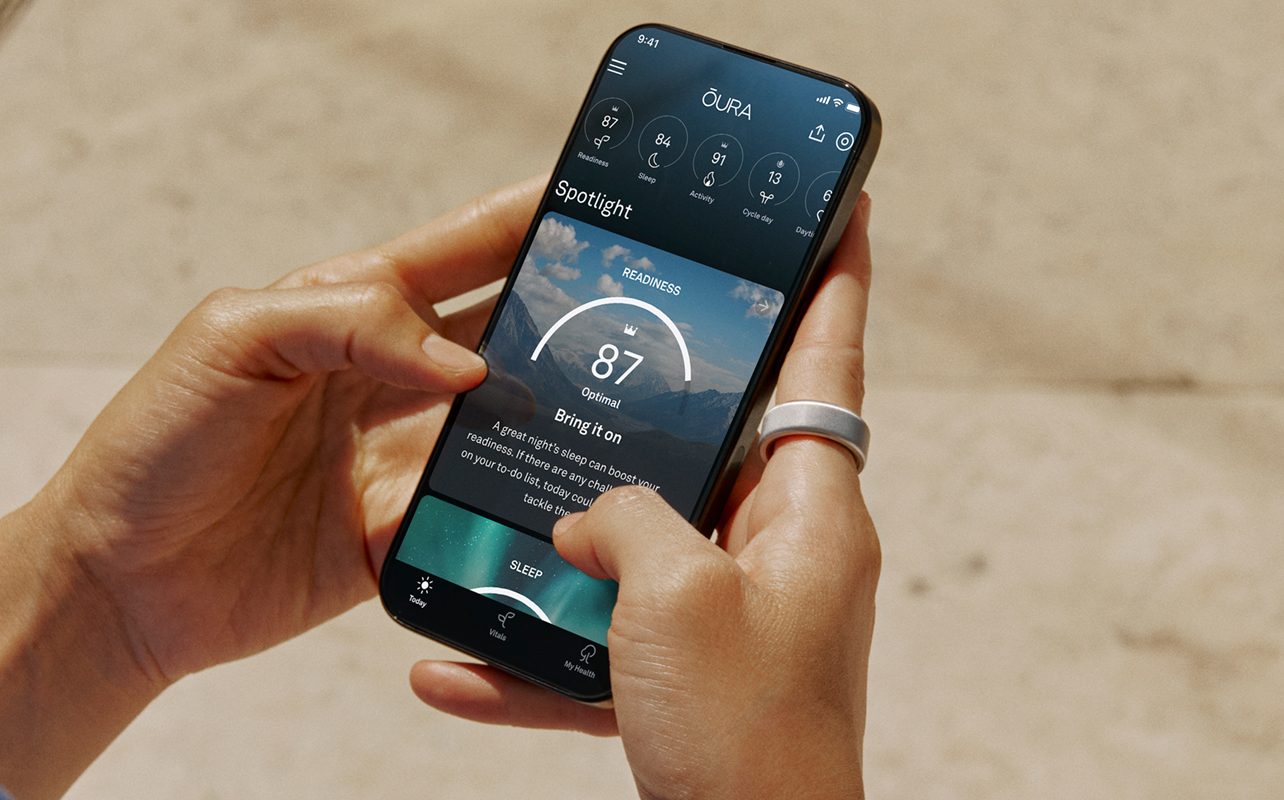
Smart rings tend to be as expensive as smartwatches since they pack a lot of complex technology and a powerful battery into a tiny device. It’s a marvel, really! So, you can expect to pay a premium over a basic fitness tracker. While some offer completely open app experiences without any necessity for a subscription (unless you want niche add-ons), top options like Oura do use memberships. Oura Ring isn’t really worth getting unless you sign up.
An Oura Membership, for example, is $7.99/mo. or $89.99/yr. It’s comparable to a streaming service, or a single coffee shop order once a month. If you view it that way and sacrifice one fancy latte and muffin every month, you can justify the investment.
Compatibility

Along with ensuring compatibility with your phone type and model, which is pretty extensive across the board for almost every smart ring, you may also want to consider app compatibility with third-party services you use. Some smart ring apps, for example, can sync with Apple Health to combine data. Some work with running apps like Strava or nutrition apps like MyFitnessPal. More often nowadays, smart ring brands are integrating similar features into their own companion apps.
Who should consider a smart ring?

A smart ring is a great option for someone who wants distraction-free, passive tracking. It’s ideal for those who are most concerned with vitals over activity since you can sync with the app a few times per day to check in on metrics. They’re ideal if you do common activities like walking, running, swimming, and rowing that the smart ring can automatically track.
They are best for those who prioritize sleep tracking, athletes focused on recovery, women’s health tracking, and anyone who wants a more discreet wearable. They can be a viable companion to a smartwatch, especially since they usually last longer. Many also work with (or come with) a smart charging case you can use on the go. The most feature-rich smart rings, especially those with memberships, could be potential smartwatch replacements, depending on your priorities.
What smart rings can’t do
In terms of tracking data, there’s virtually nothing a smartwatch or fitness tracker can do that a smart ring can’t. However, they can’t display notifications since there’s no display. While a few have features like haptic feedback to alert you of a set alarm or a concerning measurement, like an elevated heart rate, that’s the extent of notification capabilities.
You can’t see real-time workout data and vitals like heart rate zones unless you reference the app. And you can’t start and stop a workout without using the app or relying on automatic tracking, which isn’t foolproof.
Like smartwatches and fitness trackers, they are not medical devices. So, while smart rings can alert you to factors that might be cause for concern, these aren’t diagnoses. If anything, they may prompt you to make an appointment with your doctor or other medical professional to investigate further. Finally, they don’t offer the same advanced features you might get with more specialized smartwatches, like specific running metrics.
Get tracking with a smart ring!

A smart ring is a great complement to a smartwatch as part of your health, wellness, and fitness journey. For those who want a distraction-free, health and wellness-focused device, they can be a viable replacement.
Choose the brand you want first by considering pricing, design, and subscription requirements. Then, order the sizing kit to find the right size. Once you have the ring, download the app, set up your profile, and go about your days as usual. It usually takes about two weeks for the ring to calibrate to your baselines, including how often you exercise and how active you are, what your typical resting heart rate is, how well you usually sleep and what time you usually go to bed and wake up, and so on. After that, the data will become more personalized and precise. Wearing it and periodically checking in on your day will soon become part of your routine. And you’ll love feeling more in tune with your health.
Choose from a wide selection of smart rings at Best Buy Online.