
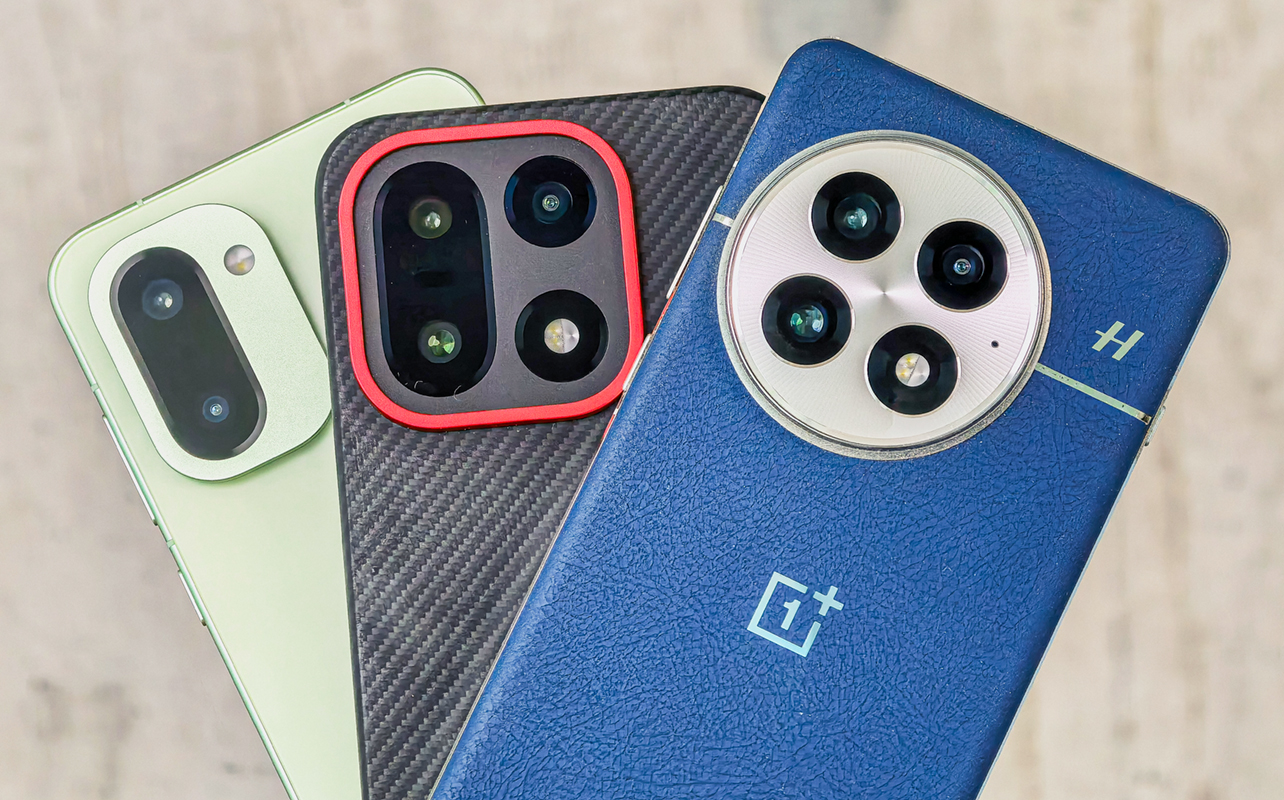
OnePlus has officially announced that it is leaving the North American and European markets, leaving a number of details to address. The news means the brand will no longer release new smartphones, earbuds, smartwatch, or accessories to market in Canada. However, it doesn’t mean that it’s pulling out all remaining product, either.
If you own a OnePlus device, this doesn’t signal the end of the line or “kill” the device. It still has plenty of life left, though there are key points you need to know. You can read OnePlus’ full announcement here, but read on for how it applies to you.

What OnePlus’ exit means for you
In the short term, not much changes at all if you already own a OnePlus device, or even buy one from Best Buy’s remaining inventory. Based on the company’s announcement, it will continue to send software updates and security patches it originally promised for the duration of the phone’s original support window.
For example, a OnePlus 13 has four years of Android OS upgrades and six years of security updates from launch in January 2025. The OnePlus 15 gets the same update schedule as well. This also goes for their more mid-range alternatives, like the OnePlus 13R and OnePlus 15R. The budget-friendly OnePlus Nord N30 is an older device that has already gone through its one Android update and is good for up to three years of security updates.
OnePlus will also honour warranties for its devices, with the company’s support website staying operational for repairs. It’s not entirely clear where or who will handle repairs in Canada since it doesn’t have its own retail presence, nor announced partners who can do it. You always have the option of going to third-party repair shops, which have access to parts, etc. but there’s no clarity yet on whether there’s a way to claim that under warranty.
If you have a OnePlus device with Geek Squad protection, then you can go to your nearest Best Buy location to deal with any warranty or repair concerns first. If not, then OnePlus would have to handle all warranty questions directly.
Your OnePlus device still works
As a smartphone, your OnePlus phone doesn’t lose key functionality. It’s an Android phone that can still make calls, download apps, stream content, and all the other trappings you’d expect from a mobile device. It will work throughout Canada and abroad, capable of using eSIMs or foreign SIM cards. It can share content with Apple devices through the O+ Connect app (mobile and desktop), which isn’t going anywhere.
Here’s where things get a little tricky: Oppo is the parent company of OnePlus, and it makes and sells its own phones under its own brand in other markets. That may be why you’ve never heard of it. Oppo phones use an Android overlay called ColorOS, whereas OnePlus has always used OxygenOS. For the most part, these two are identical.
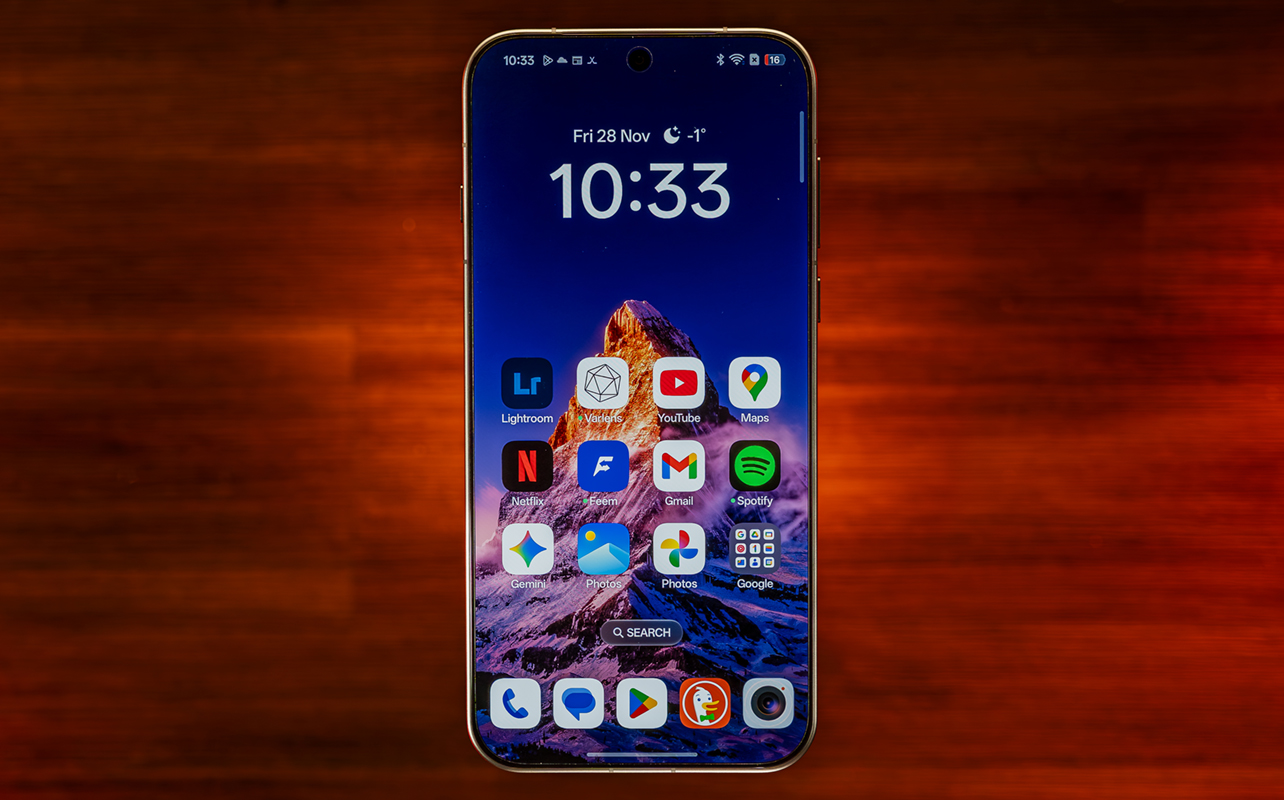
For that reason, you will have the option to switch over to Oppo’s ColorOS with an eligible device, or switch back to OxygenOS within a limited window yet to be determined. Here’s the catch, though: Oppo will naturally prioritize ColorOS for updates going forward, meaning that newer features and upgrades will likely flow through that overlay instead. Starting with Android 17, existing and eligible OnePlus devices will move to ColorOS, which is the point in which you get to decide whether you want to make the move or roll back to OxygenOS. Just bear in mind that the rollback will probably stay in place for a limited time. I just don’t know the answer to that yet.
Oppo won’t force you to make this move but it’s also unclear what happens if you don’t. For older OnePlus models ineligible for the switch, security or maintenance updates will continue unabated.
What happens if you do switch
OxygenOS and ColorOS are built on the same software foundation going back to 2021. As someone who has used both OnePlus and Oppo phones extensively, I can tell you they look and function almost 100% alike. The main differences are largely cosmetic, with some being regional, since ColorOS has never had an official presence in Canada and the U.S.
In practical terms, this means settings, layouts, AI features, battery management, and hardware components largely mirror each other. There may be differences on the camera side, particularly in how, say, the Oppo Find X9 Pro—one of Oppo’s current flagships—has Hasselblad image processing and colour science. While the OnePlus 13 has that, the OnePlus 15 doesn’t. Whether or not a move to ColorOS changes that is not clear at this time.
That amounts to a great deal of familiarity between them, which is why switching over may not feel like a big jump at first. The switch also doesn’t change how to share files with other Android devices. Android Auto works the same way in the car, as does Google Gemini for AI help and Google Home for controlling compatible smart home products. Same with contactless payments and wallets, so you can still store your cards and everything without issue. Plus, none of that payment data is revealed to Oppo, either, so there’s no difference with other brands on that.
Final thoughts: Staying on top of this exit
OnePlus’ exit doesn’t necessarily spell the end of its existing devices. Rather than be rendered obsolete, they will carry on with both hardware and software support. You don’t have to abandon the phone for something else if you’re already using it.
There are still limited quantities of a great product that won’t be available in Canada for long. If you’ve been considering a OnePlus device then OnePlus 15, OnePlus 15R, OnePlus 13 and, OnePlus N30 are available at Best Buy Canada while stocks last. Or if you’re thinking of a similar alternative, Nothing phones are still available.