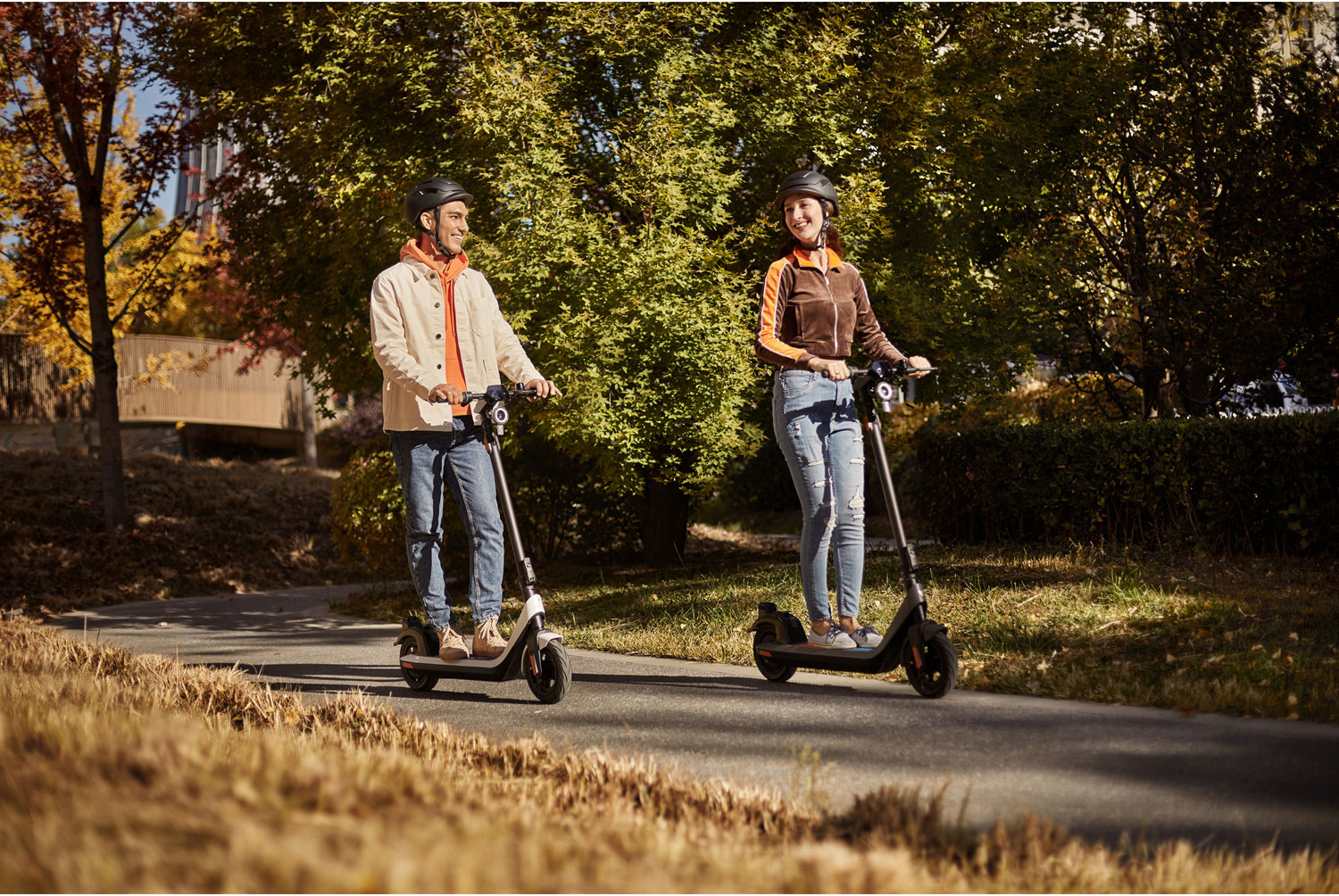
If you’re looking for an inexpensive way to commute or you’d like a fun way to cruise around the streets, an electric scooter is a great choice. Today’s electric scooters are more capable than ever, with longer battery life, improved safety features, and smarter connectivity that allows for smoother rides. They’re a perfect mode of transportation to work, school, and everywhere in between.
This comprehensive guide will cover everything you need to know about electric scooters, including the key features to consider like motor, speed, battery and braking system. Also check out our e-scooter recommendations for different types of users.

Table of contents
- What is an electric scooter?
- What to consider when choosing an electric scooter
- How to choose the perfect electric scooter
- How much should you spend for an e-scooter?
- Common mistakes to avoid when buying an electric scooter
- Electric scooter FAQs
What is an electric scooter?
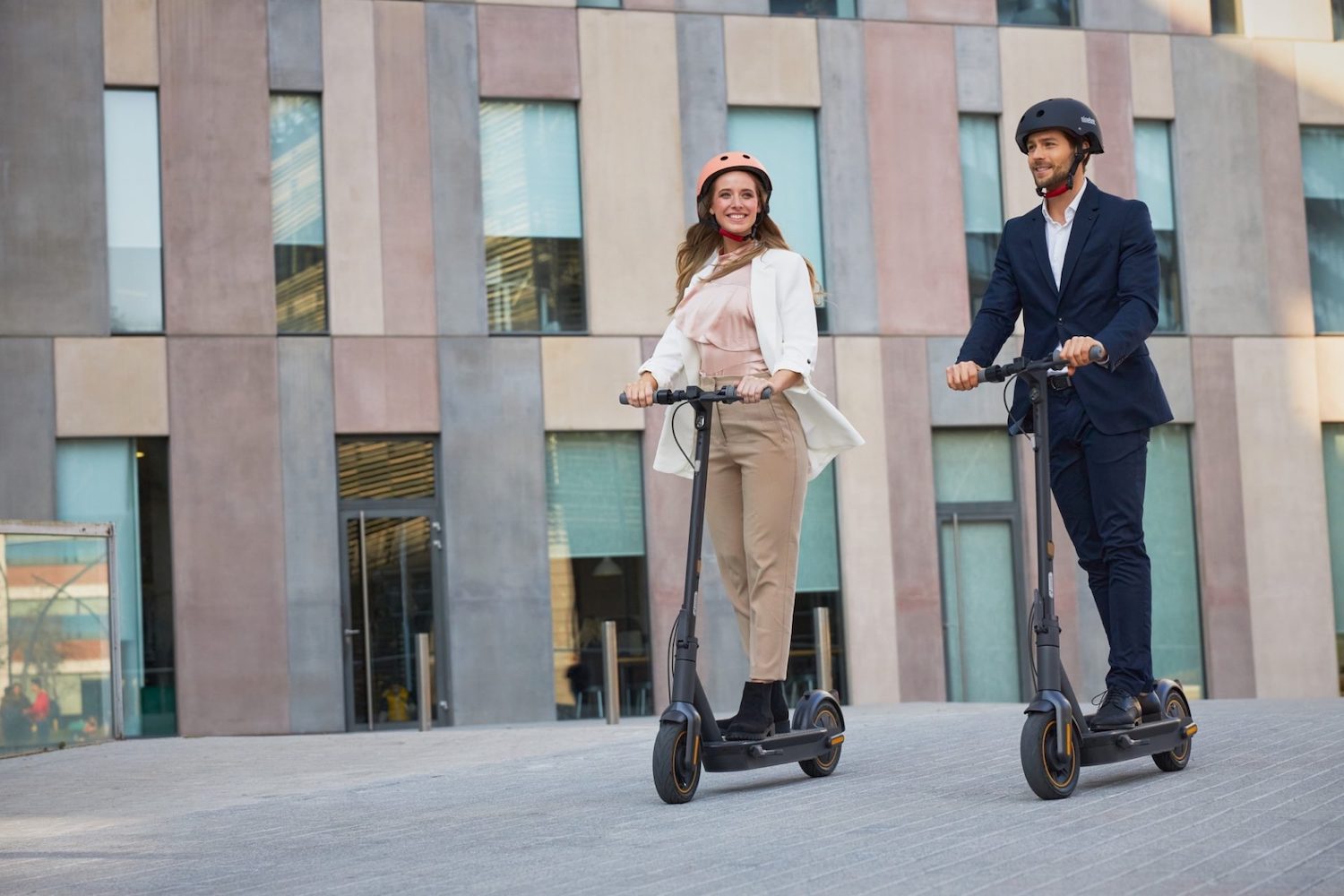
Whether for a quick trip to the convenience store or daily commute to work or school, electric scooters offer a flexible and efficient mode of transport. They’re a popular choice for everyday commuting, an convenient alternative to traditional gasoline-powered vehicles. Their lightweight design and compact size also make them easy to store at home or bring onto public trains and buses, where permitted.
Also known as e-scooters, they look just like a kick scooter but with a motor and a rechargeable battery. The motor provides an effortless ride, allowing you to travel longer distances without exerting physical effort.
Many e-scooters now include bright LED lighting, multiple riding modes, smartphone app connectivity, and intelligent battery management systems for safety and longevity. Many models also support over-the-air firmware updates, allowing manufacturers to improve features and performance after purchase. They’re also easy to maintain, and can be charged using a standard electrical outlet.
Ready to upgrade your ride? Compare e-scooters vs e-bikes to find your perfect e-transportation.
What to consider when choosing an electric scooter
When selecting an electric scooter, it’s important to consider how you’ll be using it. Whether for commuting or recreation, different features will cater to different needs. Here are the key factors to consider:
1. Speed
E-scooter speed is one of the first things many shoppers look at, but it’s important to choose an e-scooter that’s appropriate for how and where you’ll ride. Most entry-level models have top speeds of around 20–25km/h, commuter scooters typically reach 25–35km/h, and high-performance models can exceed 40km/h, where permitted.
Remember, always check local e-scooter laws. Local regulations may limit how fast you can legally ride on public roads, bike lanes, and multi-use pathways. For most riders, a scooter with a comfortable cruising speed, reliable braking, and good range is more useful than simply having the highest top speed.
2. Motor power
The motor power influences both the e-scooter’s speed and its ability to handle inclines. Motor with higher wattage provide faster acceleration and better performance when climbing hills or navigating rugged terrains. Entry-level e-scooters typically use 350W motors, while commuter models commonly offer 500W to 700W of continuous power. Premium e-scooters may feature 800W to 1,200W motors—or dual motors delivering well over 2,000W combined—for stronger acceleration and improved hill-climbing ability.
You’ll also notice that many manufacturers advertise both continuous motor power and peak motor power. Continuous power is a better indicator of how the scooter performs during everyday riding, while peak power refers to the short bursts available during acceleration of steep climbs.
3. Range and battery life
E-scooter range refers to how far it can travel on a single charge. Battery capacity, rider weight, terrain, and speed all impact the range. Depending on your battery type, it can take anywhere from four to 10 hours to charge your e-scooter, although some premium models now support fast charging or dual chargers that significantly reduce charging time. If you plan to use your e-scooter for commuting, consider one with a longer range to avoid frequent charging.
Keep in mind that manufacturer range estimates are measured under ideal conditions. Hills, cold weather, wind, rider weight, tire pressure, and frequent acceleration can all reduce real-world range.
Look for e-scooters equipped with an intelligent Battery Management System. BMS helps protect the battery from overloading, overcharging, and excessive discharge, improving both safety and battery lifespan.
4. Weight and portability
One of the best parts of having an e-scooter is portability. If you need to carry it frequently—whether up stairs or onto public transport—consider its weight and folding mechanism. Lightweight and foldable scooters are easier to store and transport.
The weight of an e-scooter depends on the materials the frame is made out of. Today’s e-scooters are made from lightweight yet durable materials designed to balance strength, portability, and ride quality. Depending on the model, manufacturers may use materials such as aluminum alloy, magnesium alloy, steel, carbon fibre, or a combination of these.
Maximum rider capacity varies by model. Many commuter e-scooters support between 100kg and 120kg (220lb–265lb), while others accommodate rides up to 150kg (330lb).
Always check the e-scooter’s folded dimensions and manufacturer’s recommended weight limit and before purchasing.
5. Durability and water resistance
A sturdy frame and high-quality materials ensure longevity and reliability. Water resistance is another important consideration. Look for an IP water-resistance rating (such as IPX5 or IP55) if you expect to ride in light rain or damp conditions. While these ratings help protect against splashes, very few e-scooters are designed to be ridden through deep puddles or heavy storms.
Also consider how easy the e-scooter to maintain. Popular brands often offer better access to replacement parts such as tires, brake pads, charger, and batteries.
6. Tires and suspension
You’ll find e-scooters with varying types of tires. Some have solid tires while others have pneumatic tires. Solid tires are very hard, heavy, solid all the way through, and cannot go flat. You’ll never have to worry about a flat tire leaving you on the side of the road, but a solid tire doesn’t absorb shock or bumps in the road.
Pneumatic tires are wider, lighter, and are inflated with air. Because they have air inside the tire, they absorb bumps and ridges in the road resulting in a smoother ride. Many newer e-scooters use tubeless pneumatic tires with self-healing technology. These tires automatically seal small punctures to prevent air loss.
Many mid-range and premium e-scooters feature front suspension, rear suspension, or dual suspension systems. Combined with pneumatic tires, suspension helps absorb impact, improving control over rough surfaces. If you’re always riding on smooth city streets, front suspension may be sufficient. Riders who frequent rough pavements and gravel paths may choose the added comfort of dual suspension.
To further reduce vibration, some models of e-scooters have suspension built into the front fork. With suspension and pneumatic tires, you’re assured of a very smooth ride as you cruise over different types of terrain.
7. Brakes and safety features
E-scooters have built with features to ensure every ride you take is as safe as possible.
E-scooter brakes
Entry-level scooters often use drum brakes or mechanical disc brakes, while higher-end models commonly feature hydraulic disc brakes for stronger and more consistent stopping performance. Hydraulic brakes use hydraulic fluid and brake lines attached to a set of discs. The discs work to slow you and stop you. Hydraulic disc brakes have the best stopping power on all types of terrain.
Other e-scooters include electronic regenerative braking, which creates resistance that helps slow the scooter while recovering a small amount of energy and feeding it back into the battery. Although regenerative braking won’t replace mechanical brakes, it can improve efficiency and reduce wear on the primary braking system.
For the best stopping performance, look for scooters that combine front and rear braking systems rather than relying on a single brake.
Integrated handlebar display and controls
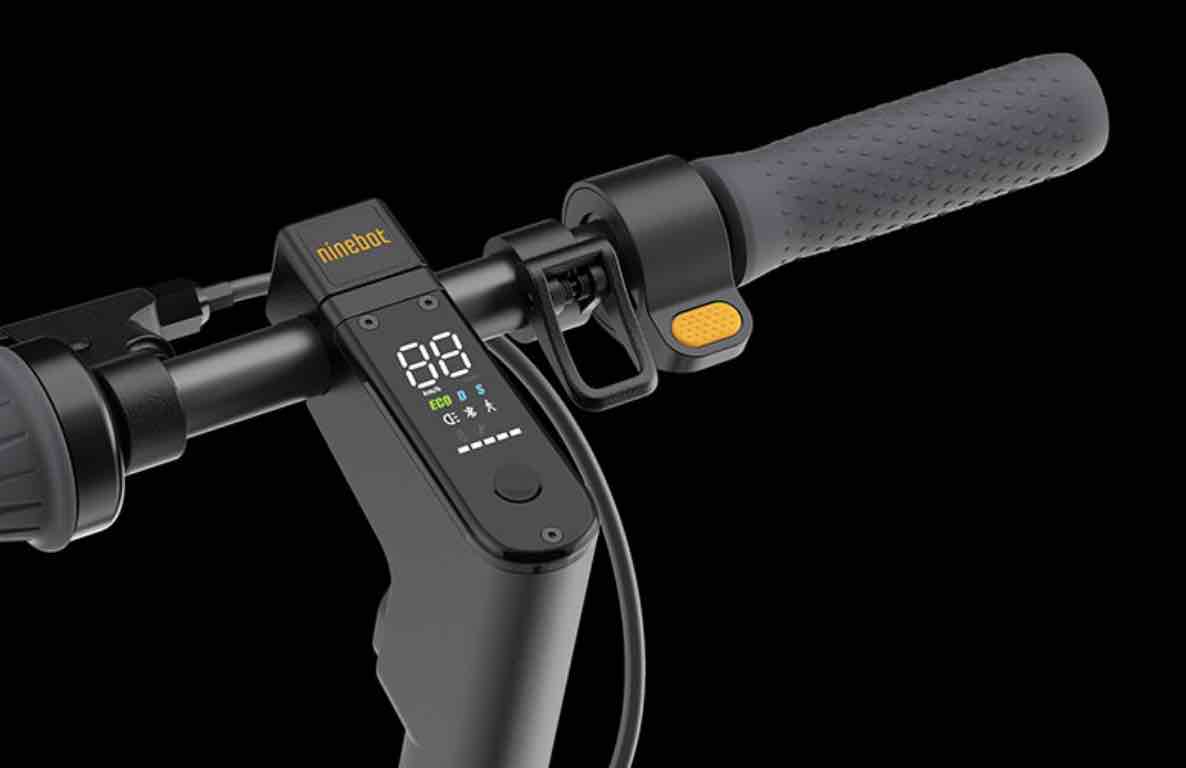
With an integrated display on your handlebars and handlebar controls, you can easily see what speed you’re going and have an estimate of your remaining battery life. Many displays now also show riding mode, estimated remaining range, cruise control status, Bluetooth connection, and maintenance alerts. Premium scooters may even allow you to customize acceleration, regenerative braking strength, and other ride settings directly from the display or companion app.
Lights on e-scooters
Most commuter scooters now include bright LED headlights, rear brake lights, side reflectors, and integrated turn signals on select models. These features improve visibility for both the rider and surrounding traffic, particularly during early morning or evening commutes.
Even if your scooter has built-in lighting, wearing reflective clothing or adding additional bike lights can further improve your visibility at night.
Check out our e-scooter safety tips for a confident ride.
8. Smart features
Smart features have become increasingly common on e-scooters, especially commuter and premium models. Companion smartphone apps let you monitor battery health, track ride history, switch between riding modes, adjust acceleration settings, and install firmware updates that improve performance or add new features.
Many scooters now offer Bluetooth connectivity as standard, while some premium models include GPS location tracking, anti-theft alarms, remote locking, PIN protection, NFC unlocking, or compatibility with device tracking services. These smart features can enhance convenience and usability.
9. Maintenance
Regular e-scooter maintenance helps keep your ride safe, reliable, and performing at its best while reducing the risk of expensive repairs. Look for models with readily available replacement parts, such as tires, brake pads, batteries, and chargers, as these are common wear items. It’s also a good idea to routinely check tire pressure, inspect the brakes, clean the scooter, and make sure all lights are working properly before riding.
To help maximize battery life, always use the manufacturer’s charger, avoid exposing the battery to extreme temperatures, and store it partially charged if you won’t be riding for an extended period. Keeping your scooter clean and periodically checking for loose bolts, damaged wiring, or unusual noises can help identify small issues before they become bigger problems. For more complex repairs or routine tune-ups, consider having your scooter professionally serviced once or twice a year to keep it running safely and efficiently.
How to choose the perfect e-scooter
Finding the right e-scooter depends on your lifestyle and how you plan to use it. Whether you’re a beginner, a daily commuter, or an adventure seeker, there’s a perfect model for you. Here are some top recommendations based on different needs.
Best e-scooters for beginners
Beginners and younger riders should look for a lightweight, easy-to-handle scooter with a stable ride and a moderate speed limit for safety. These models offer a smooth introduction to e-scooters.
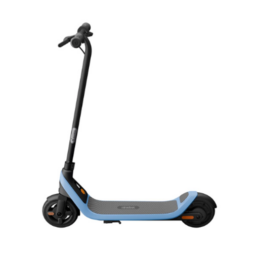
Segway Ninebot C2 Lite
Designed for kids and first-time riders, the Segway Ninebot C2 Lite has a safe speed limit, a comfortable grip, and a lightweight frame for easy handling. With a top speed of 9.9mph, it features a big battery capacity that allows your child to enjoy rides for up to 5.6 miles.
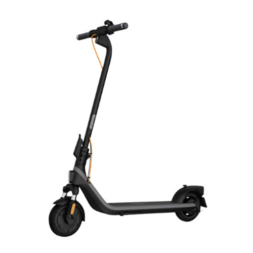
Segway E2 Plus ll
The Segway E2 Plus II makes it easy for new riders to build confidence while learning. Enjoy a fun ride with 25km/h top speed, smooth 500W motor, and stable ride on 8.1-inch shock-absorbing tires. It features three riding modes, reliable front electronic and rear drum brakes, and smart app features like remote lock and firmware updates.
Best e-scooters for commuting
Commuters need scooters with long battery life, foldable designs, and a smooth ride for city streets. These options make daily travel more efficient.
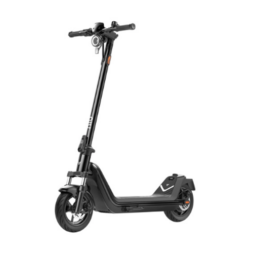
NIU KQi 300P
With a 900W motor and 48km riding range, NIU KQi 300P is built for everyday use whether travelling to work or school. It comes with dual-tube hydraulic suspension, dual-disc brakes with regenerative braking, and customizable ride settings for a smooth city ride.
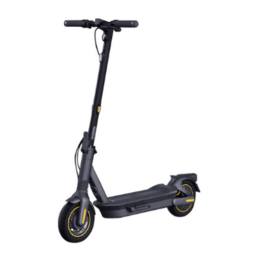
Segway Ninebot KickScooter MAX G2
The Segway Ninebot KickScooter MAX G2 is an outstanding commuter e-scooter. Thanks to its RideyLONG technology, it offers up to 70km of range on a single charge. Combined with front and rear suspension, traction control, and self-healing tubeless tires, it delivers a smooth, dependable ride across a variety of city streets and road conditions.
Best e-scooters for off-road & performance riders
Thrill-seekers and off-road enthusiasts need powerful motors, enhanced suspension, and durable tires to handle rough terrains. These high-performance models deliver speed and stability.
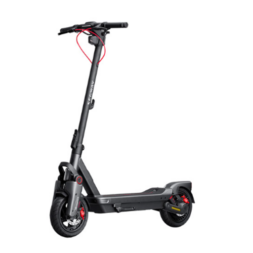
Segway Max G3
The Segway Max G3 features a 2,000W motor, 45km/h top speed, and dual adjustable hydraulic suspension that handles steep hills and rough terrain with ease. Premium features like traction control, 11-inch self-sealing tires, Apple Find My compatibility, and a smart TFT display make it an excellent choice for experienced riders seeking superb performance.
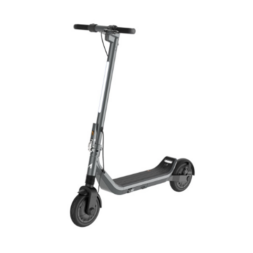
Apollo Go
The Apollo Go combines dual motors, a 44km/h top speed, and up to 58km of range, making it a capable option for riders who want strong acceleration and confident hill-climbing performance. Its Airflow suspension, self-healing tires, IP66 water resistance, and comprehensive 360-degree lighting system deliver comfort, durability, and visibility for spirited rides on a variety of terrain.
How much should you spend for an e-scooter?
Prices vary depending on motor power, battery capacity, build quality, suspension, and smart features. While budget-friendly scooters remain available, many commuter models now include features that were once reserved for premium scooters, such as suspension, companion apps, regenerative braking, and integrated turn signals.
- Entry-level scooters ($300-$700): They’re ideal for beginners, students, and riders travelling shorter distances. Expect moderate speeds, basic suspension (or none), and ranges suited to everyday errands or neighbourhood rides.
- Mid-range scooters ($700-$1,500): A popular choice for commuters, these scooters typically offer longer battery life, improved ride comfort, brighter lighting, better braking systems, and additional smart features.
- High-performance scooters ($1,500+): These type of scooters are designed for experienced riders seeking maximum performance. Expect dual motors, long-range batteries, advanced suspension, premium braking systems, and higher weight capacities. Again, keep in mind that local regulations may restrict where these scooters can legally be ridden.
Remember that the least expensive scooter isn’t always the best value. Spending a little more for better brakes, longer battery life, improved durability, and readily available replacement parts can result in a better ownership experience over the long term.
Common mistakes to avoid when buying an e-scooter
When choosing an e-scooter, it’s easy to get caught up in flashy specs and overlook important details. Here are some common mistakes to avoid to ensure you get the best scooter for your needs.
Overlooking range requirements
Many buyers focus on top speed but forget to check the scooter’s range. A model with a short range might be fine for quick errands, but if you plan on longer commutes, running out of battery mid-ride can be frustrating. Choose a scooter with enough real-world range to comfortably cover your typical rides, rather than relying solely on manufacturer estimates.
Choosing based on speed alone
While speed can be an exciting feature, it shouldn’t be the only factor in your decision. A higher-speed scooter may have a lower range, require better handling skills, or even be restricted in certain areas due to local regulations. Prioritize a balance of speed, range, and control for the best riding experience.
Ignoring safety features
Brakes, lights, and suspension matter just as much as performance. Some scooters come with basic braking systems that may not be sufficient for wet or uneven roads. Look for models with reliable braking mechanisms, bright headlights, and sturdy construction to ensure a safe ride.
Also consider visibility features such as brake lights, turn signals, reflectors, and an audible bell or horn. These can improve safety when sharing roads and bike lanes with other users.
Overlooking portability
If you’ll need to carry your e-scooter up stairs, into an office, or onto public transit, don’t focus only on battery size and range. A heavier scooter may offer better performance but can quickly become inconvenient if you need to lift it every day. Compare both the scooter’s weight and its folded dimensions before buying.
Not checking replacement parts and warranty support
Even the best e-scooters require maintenance over time. Before buying, check whether replacement tires, brake pads, chargers, batteries, and service centres are readily available. Choosing a well-supported brand can make repairs faster and extend the life of your scooter.
Disregarding e-scooter accessories
You’ll find riding your escooter safe and fun when you add a few e-scooter accessories. Helmets are a must-have when riding an e-scooter, and there a variety of different helmets to choose from to keep you safe. You can also wear other protective gear including knee pads or elbow pads.
Some models of e-scooters offer an add-on seat so you can sit during long commutes, and there are different types of phone holders you can choose for different brands of e-scooters.
An additional battery and charger is a great add-on for an e-scooter. When one battery runs dry, you can swap out your other battery and keep cruising. You may also wish to add extra tail lights or a front light to increase your visibility at night. A lock is another accessory worth considering.
For more recommendations, check out our top 15 e-scooter accessories.
Where to buy the best e-scooter
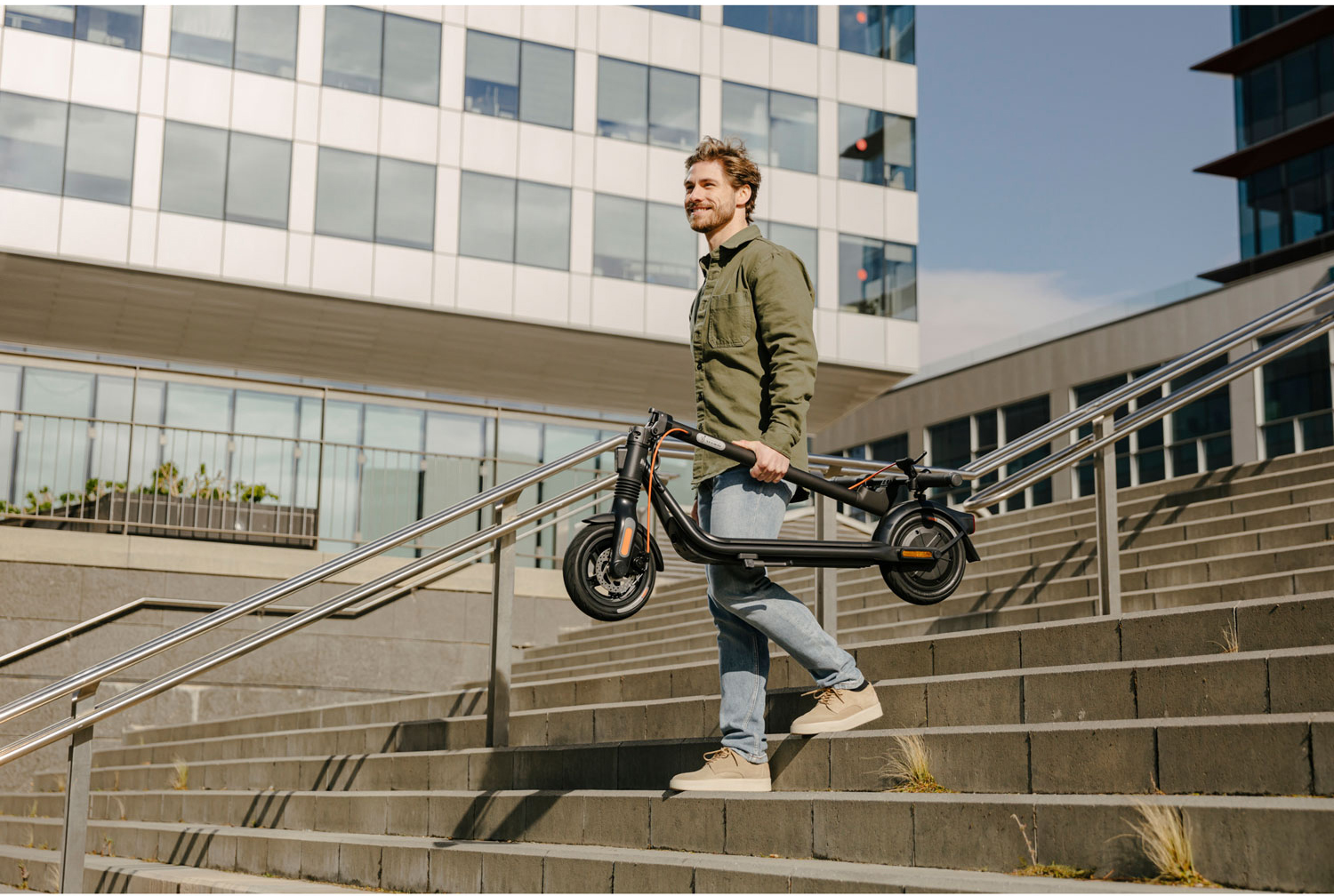
Whether you’re shopping for your first e-scooter or upgrading to a model with longer range and more advanced features, Best Buy Canada offers a wide selection of e-scooters for riders of all experience levels. You’ll find everything from lightweight entry-level scooters for short commutes to premium commuter and high-performance models with long-range batteries, suspension systems, and smart connectivity.
Electric scooter FAQs
Rules vary by province and municipality. In many areas, you don’t need a driver’s licence, but there may be restrictions on rider age, helmet use, speed limits, and where e-scooters can be ridden. Always check your local regulations before heading out.
E-scooter rules vary across Canada. Depending on where you live, there may be rules covering where you can ride, maximum speed limits, helmet requirements, and minimum rider age. Before riding, check your city or municipality’s website to make sure you’re following local e-scooter laws.
Most e-scooters offer a range between 20km and 70km, depending on the model. Real-world range varies based on rider weight, terrain, speed, temperature, and riding style.
Entry-level scooters typically reach 20–25km/h, while commuter models commonly travel between 25 and 35km/h. Performance scooters can exceed 40km/h, although local regulations may limit legal riding speeds.
Many e-scooters are water-resistant but not waterproof. Models with an IPX4, IPX5, or IP55 rating can generally handle light rain and wet roads, but it’s best to avoid riding through deep puddles or during heavy downpours.

This article was drafted using AI technology and then reviewed, fact-checked, and revised by a member of our editorial team.