
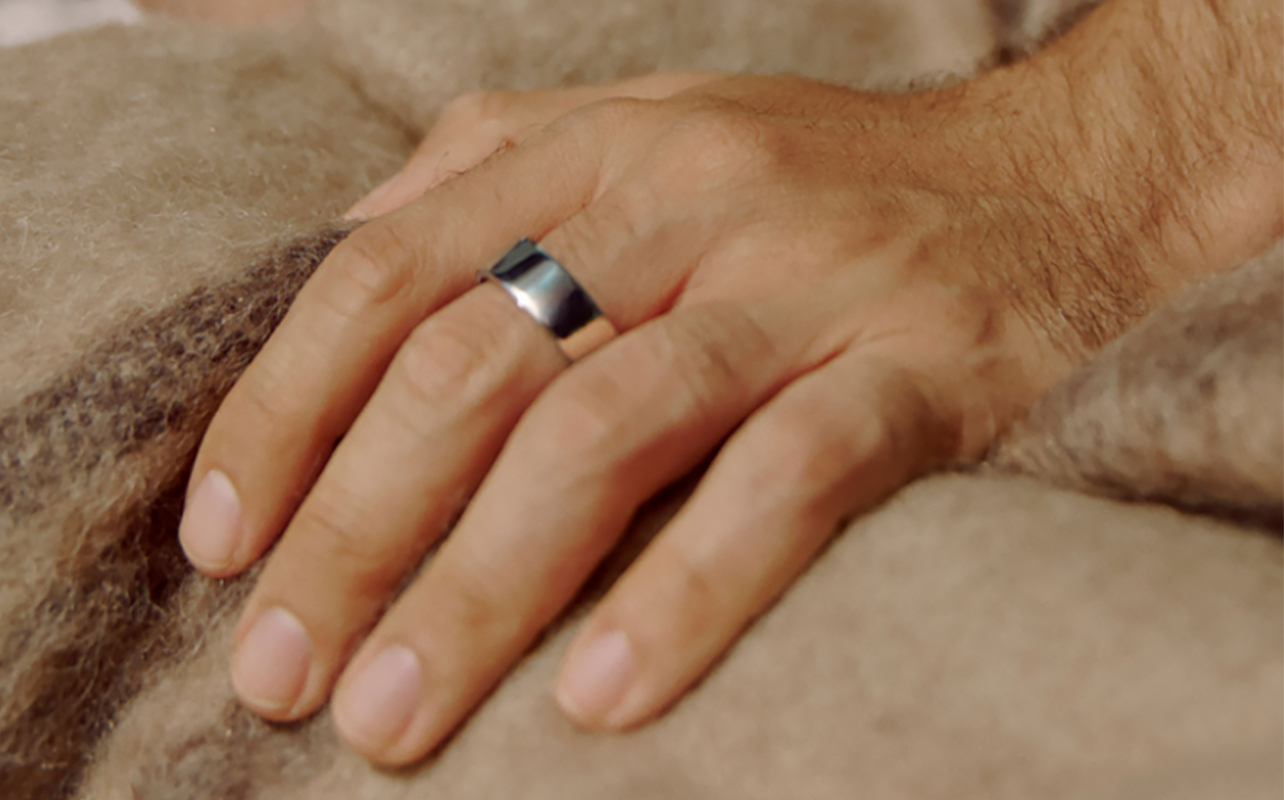
Smart rings aren’t just a novelty anymore! Now they’ve proven they can be legitimate health wearables but that doesn’t make them a one-size-fits-all proposition. The ideal ring for a light sleeper looks very different from the ring a triathlete might want to track multi-sport workouts. Truth is, some features will matter more for your life, so it helps to understand which ones stand out.
Key buying factors include sleep tracking, fitness capability, battery life, sizing, subscriptions, phone compatibility, and comfort. This guide will help you narrow it down based on how you actually intend to use the device.

Table of contents
- Introduction
- What to compare before buying a smart ring
- Sleep tracking: What to look for
- Fitness and activity tracking: What smart rings can and can’t replace
- Battery Life: Why claims vary by ring size, settings, and use
- Sizing: Why smart ring fit matters more than normal jewelry fit
- Subscriptions: Upfront cost vs. long-term cost
- Compatibility: iPhone, Android, and app ecosystem
- Comfort and design: Wearing it overnight, at work, and during workouts
- Final checklist before buying
- FAQ

What to compare before buying a smart ring
Smart rings generally compete across a fairly narrow set of variables. Ring size and fit are crucial for day-to-day comfort for overnight and active wear. The most significant data points are sleep tracking accuracy and depth of said data, with activity and fitness tracking capabilities and battery life coming in right after that. Does the platform require a subscription? What’s the smartphone and app ecosystem compatibility?
These factors often go together. A ring with excellent sleep tracking but an uncomfortable fit won’t stay on your finger long enough to deliver useful data. Hence, the fit sets everything in motion, though tracking features and accuracy may differ from one brand to another.
Sleep tracking: What to look for
Smart rings are arguably stronger in this area than both smartwatches and fitness bands, and it remains the primary reason many people buy one. Because rings sit snugly on fingers, they maintain consistent contact with the radial artery, which gives the optical sensors reliable blood oxygen and heart rate readings throughout the night. This is the key data that underpins sleep stage detection, respiratory rate monitoring, and recovery scoring.
To compare rings for sleep tracking, look beyond the basic sleep stage metrics (light, deep, REM, and awake) and consider what the platform does with that data. Some rings present a single readiness or recovery score each morning, whereas others give granular trend data across weeks and months. You may also get a variation of both. It’s not that one approach is better than the other, just that it depends on whether you want a quick daily signal or deeper insight over time.
Comfort ties directly into sleep tracking quality. A ring that feels bulky or sits a little too loose may not capture the data properly. Sleep tracking relies heavily on consistency in how the ring wears on your finger, so fit is of paramount importance in knowing your sleep metrics.
Fitness and activity tracking: What smart rings can and can’t replace
Smart rings can track fitness but they’re not full smartwatch replacements. Knowing and understanding the distinction can really help avoid making the wrong move. Most current rings track steps, calorie burn, heart rate during workouts, and a range of specific activity types. GPS usually works while connected to a paired phone.
It’s just that smart rings don’t have any sort of display like most fitness trackers do. Without a screen, there’s no way to glance over for details during any activity or workout. Athletes who rely on real-time coaching cues will probably find a ring works better as a complementary device more than a standalone one. Those with a primary interest in daily activity trends, recovery monitoring, and passive health tracking may find a ring is fine—and considerably less obtrusive than a watch.
Battery life: Why claims vary by ring size, settings, and use
Manufacturers typically advertise battery life in a range of about 4-7 days but it largely depends on what the ring is doing for you. Continuous heart rate monitoring, SpO2 tracking throughout the night, frequent GPS syncing, and high workout frequency all sap the battery faster than passive tracking. Ring size is also a factor. Larger ring sizes have slightly more physical space to accommodate a larger battery, which is why numbers may differ from the smallest to the largest size.
A good rule of thumb in comparing battery life is to read through any details or fine print outlining what the manufacturer’s figure is based on. Seven days might sound great up front but it might be closer to four days if you run every day and track sleep with continuous SpO2.
That’s why your tracking needs matter more than the claimed figure on a spec sheet. The latter is giving you an idea of general endurance but it’s how long it lasts during various activity and tracking that stands out. Also consider how charging fits into your routine. Most rings will fully charge in roughly 60-90 minutes, so you have to find the right time to do that. For example, if you’re tracking sleep, daytime charging is the only realistic option.
Sizing: Why smart ring fit matters more than normal jewelry fit
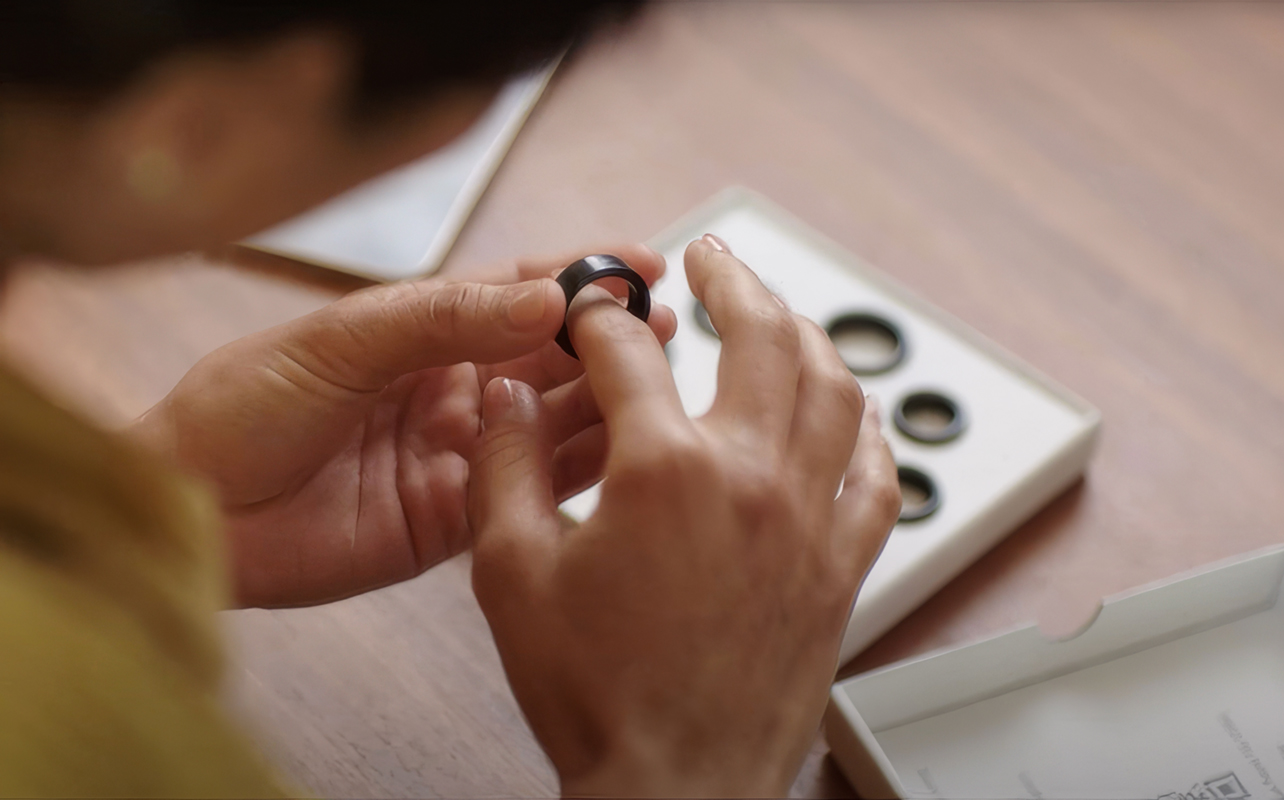
Don’t assume that the ring size you wear for ordinary jewelry will translate exactly for a smart ring. Since a smart ring needs consistent skin contact to read biometric data accurately, it can’t be too loose and shift during activity or sleep. Gaps between the onboard sensors and your skin will mess up the overall readings. Fingers do expand and contract based on temperature and time of day, so a ring that’s too tight can become uncomfortable overnight.
Most brands sell a sizing kit for about $10 made up of a set of plastic sizing rings in multiple sizes. This way, you can wear different sizes at your leisure and be absolutely sure of what size to get beforehand. Wear the sizing rings overnight, during a workout, and through a normal workday. Some people also find that their dominant and non-dominant hands differ by half a size or more. The best tracking typically comes from the index and middle fingers—particularly on your non-dominant hand—to get the best sensor readings.
Subscriptions: Upfront cost vs. long-term cost
For some smart ring platforms, you will have to subscribe to gain full access to all features. That changes the overall cost because it’s not just a straight-up hardware purchase, but rather a monthly or annual residual you have to budget in. For example, Oura charges about $9/month CAD (after tax) to access its full suite of features. Ultrahuman only does for extra features beyond just the core ones. Samsung and RingConn do not have any subscription fees at all.
Compatibility: iPhone, Android, app ecosystem
A smart ring’s functionality generally runs through a companion app, making phone compatibility a genuine limiting factor rather than a footnote. Major rings support both iOS and Android, but the integration depth, like notifications, health app syncing, and third-party connections, can vary by platform.
Some rings sync natively with Apple Health or Google Fit, whereas others maintain their own data silo. If you use a fitness platform like Strava, Garmin Connect, or MyFitnessPal, check whether the ring’s app supports direct integration or whether you’ll need a workaround.
Comfort and design: Wearing it overnight, at work, and during workouts
Comfort is subjective, so it can depend on the overall design. Rings with a domed or beveled inner surface (housing the sensors) might be more comfortable during extended wear, while those with flat inner surfaces might feel that way for someone else.
During workouts, the main concern is the ring should stay centred on the finger throughout. It also has to be durable. Titanium-coated smart ring housings can handle gym, water, and daily wear well. But scratches can happen, so if you work with your hands or do a lot of weight training, consider how the ring’s exterior finish will hold up over time.
Final checklist before buying a smart ring
Before committing to a smart ring, consider some key points. Is sleep tracking, activity tracking, or both the primary use case? Does the ring require a subscription, and what does total three-year cost look like? Is it compatible with the health apps you already use? Have you done your due diligence with the sizing kit?
Does the ring’s profile and weight feel like something you’d keep on 24 hours a day? And finally, does the app platform surface data in a format that’s actually useful to you, not just comprehensive? The answers to those questions will narrow the field faster than any spec comparison.
Check out the latest smart rings available now.
FAQ
How do I choose the right smart ring for my needs?
Start with your primary use case, like sleep, fitness, or general health monitoring, and match the ring’s strengths to that before considering price or brand.
What should I compare before buying a smart ring?
The main points are sleep tracking depth, fitness and activity features, battery life, sizing process, subscription costs, phone compatibility, and comfort for continuous wear.
What should I look for in a smart ring for sleep tracking?
Look for accurate sleep stage detection, overnight SpO2 monitoring, a comfortable design, and a platform that presents sleep data in a user-friendly format.
Can a smart ring replace a fitness tracker or smartwatch?
For passive tracking and recovery monitoring, yes. Not for real-time workout metrics and on-wrist displays. Rings are better as standalone devices for casual users or as complementary devices for more serious athletes.
Why does smart ring battery life vary so much?
Battery performance depends on ring size, which sensors are running continuously, GPS usage, and data sync frequency. Battery claims reflect lighter use, whereas heavy tracking runs shorter.
Why does sizing matter more for a smart ring than for regular jewelry?
Smart rings require consistent skin contact for accurate biometric readings. A fit that’s too loose or too tight affects both data quality and long-term wearability.
How do subscriptions affect the real cost of a smart ring?
A monthly subscription can add $70–$100 or more per year to the total cost of ownership, significantly changing the value calculation compared to platforms that include full app access with the ring itself.
How do I know if a smart ring will work with my phone?
Check for compatibility for iOS and Android, your phone model, and verify whether the features you want are available. There may be slight differences between the iOS and Android apps.
What should I consider for comfort when wearing a smart ring overnight or during workouts?
Look for a lightweight design, a smooth or domed inner surface, and a secure fit that doesn’t rotate during movement. Comfort during sleep is especially important since overnight wear is where most rings collect their most valuable data.
What is the best final checklist to use before buying a smart ring?
Confirm your primary use case, calculate total ownership cost including subscriptions, verify phone compatibility, complete the sizing process under real conditions, assess the app’s data presentation, and evaluate whether the ring’s physical design suits your daily wear habits.