
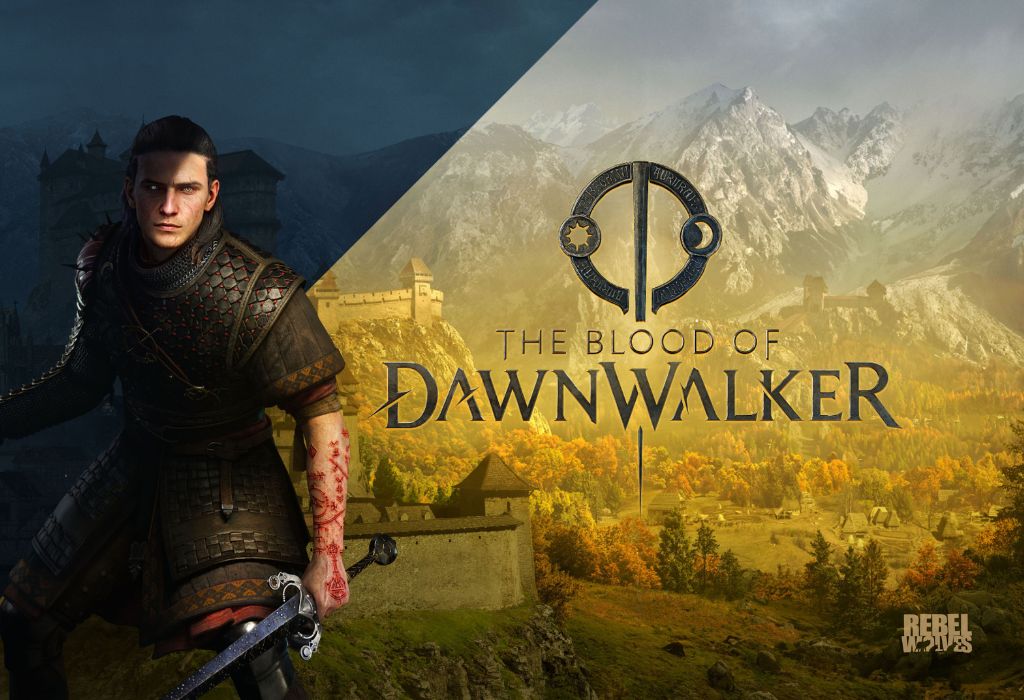
The Blood of Dawnwalker immediately sinks its teeth into familiar dark-fantasy territory, but its ambitious approach to vampirism gives it an identity of its own. Developer Rebel Wolves’ debut RPG casts you as Coen, a young man caught between two existences: human by day and vampire by night. More than a narrative hook, that duality influences how you explore, fight, approach quests, and shape the fate of those around you.
My expectations were especially high given Rebel Wolves’ pedigree. The studio was founded by former CD Projekt Red developers, including veterans of The Witcher 3: Wild Hunt, one of my all-time favourite action RPGs. After spending dozens of hours exploring Vale Sangora, I found an ambitious adventure defined by excellent writing, difficult choices, and consequences that can ripple far beyond the moment you make them.
Not every idea lands cleanly, and some mechanical frustrations occasionally drive a stake through the game’s momentum. Yet when its storytelling, freedom, and vampire-driven systems come together, The Blood of Dawnwalker delivers something genuinely compelling. Let’s venture into the shadows of Vale Sangora and see whether Rebel Wolves’ debut has enough bite to stand alongside the genre’s best.

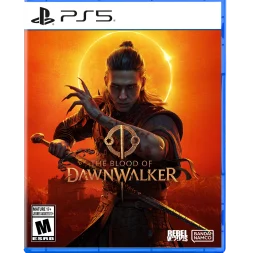
The Blood of Dawnwalker details
Platform(s): PlayStation 5, Xbox Series X|S, PC
Reviewed on: PlayStation 5 Pro
Developer: Rebel Wolves
Publisher: Bandai Namco Entertainment
Genre: Open-world dark fantasy action RPG
Available game modes: Single-player
ESRB Rating: Mature 17+
A story that makes every choice count
Set in a fictional corner of 14th-century Europe ravaged by war and the Black Death, The Blood of Dawnwalker begins after vampire lord Brencis seizes Vale Sangora. His rule brings stability, but at a brutal cost: blood taxes, oppression and fear. Caught between humanity and vampirism after a failed transformation, Coen is forced into action when Brencis takes his family for a blood-magic coronation. With only 30 days and nights to assemble allies in order to save them, every decision matters. The writing is consistently strong, with friends and foes driven by believable motives rather than clear-cut definitions of good and evil.
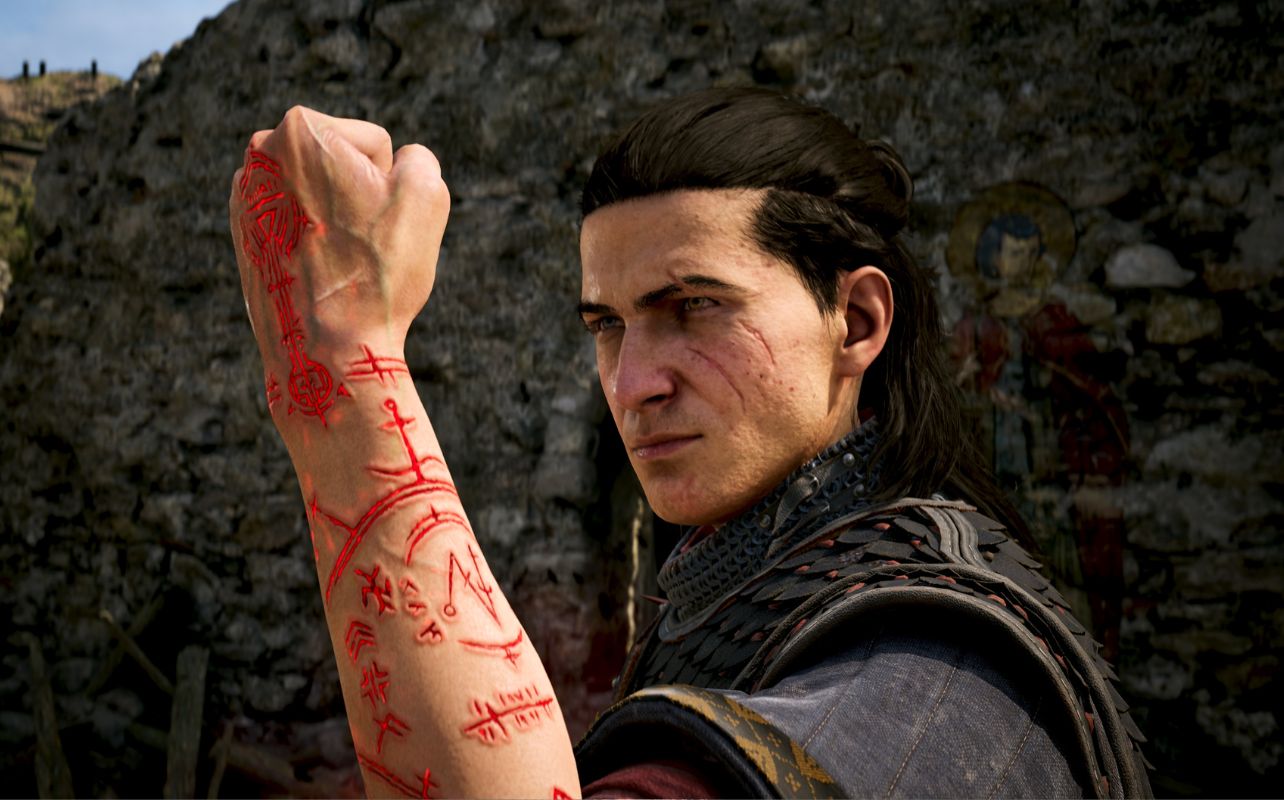
Your choices also leave a meaningful mark. Coen’s appearance, hunger and even the time of day can reshape conversations, relationships and entire questlines. I especially appreciated how mistakes became part of my story instead of something I felt compelled to reload and erase. At its best, The Blood of Dawnwalker feels reactive and personal to your choices.
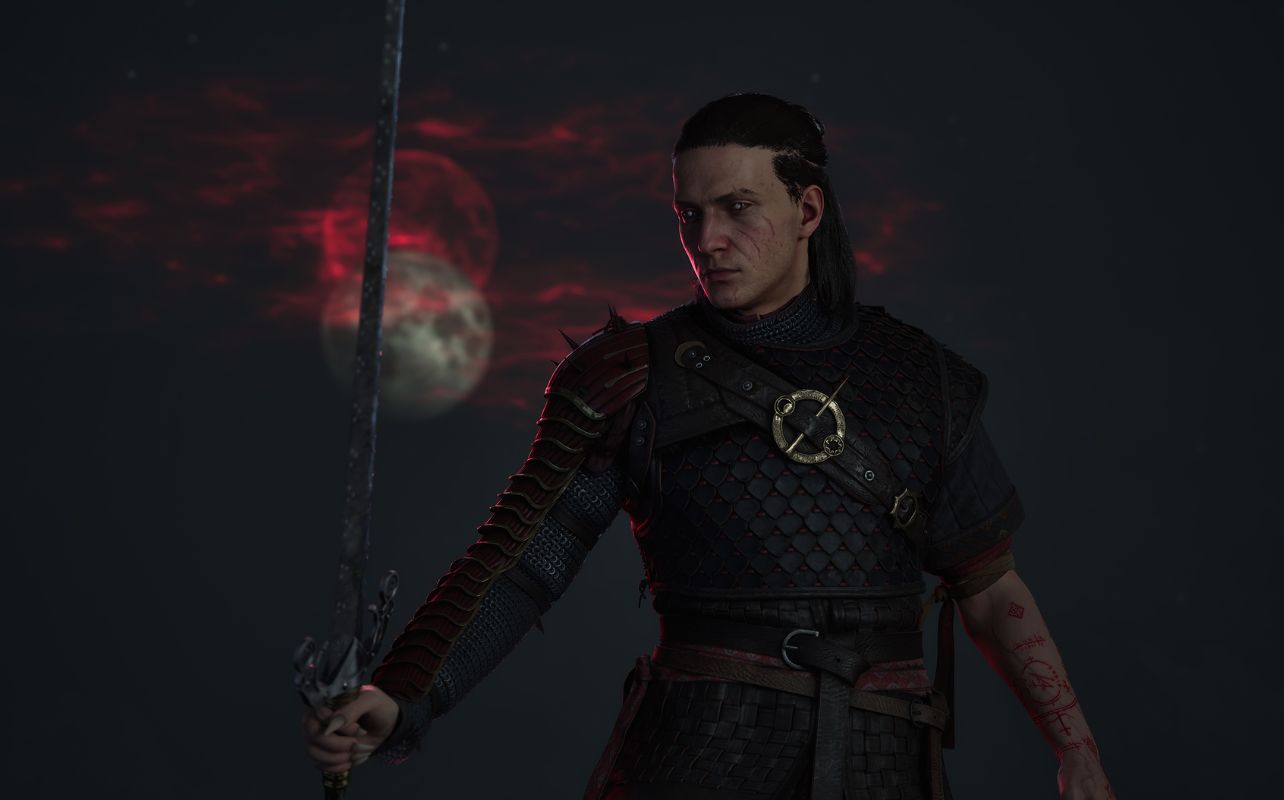
Human by sunlight, monster by moonlight
In The Blood of Dawnwalker, time is currency, and you have only so much of it to spend. There is an in-game 30-day limit to wrapping up the story and reaching the game’s conclusion. It sounds stressful, but it’s not a clock ticking while you explore; instead, your major actions move the timer forward. The passage of “time segments” is marked with quest steps, conversations, and training, while roaming and fighting generally don’t cost you time. Each day and night has eight segments, giving me time to explore freely before deciding whether a reward or alliance is worth the cost.
I liked having to accept that I could not see everything in one run; it adds urgency and more importance to each choice. It also gives you more reasons to come back with another playthrough to see how things unfold. Missed characters, altered outcomes and multiple endings give replaying real purpose.
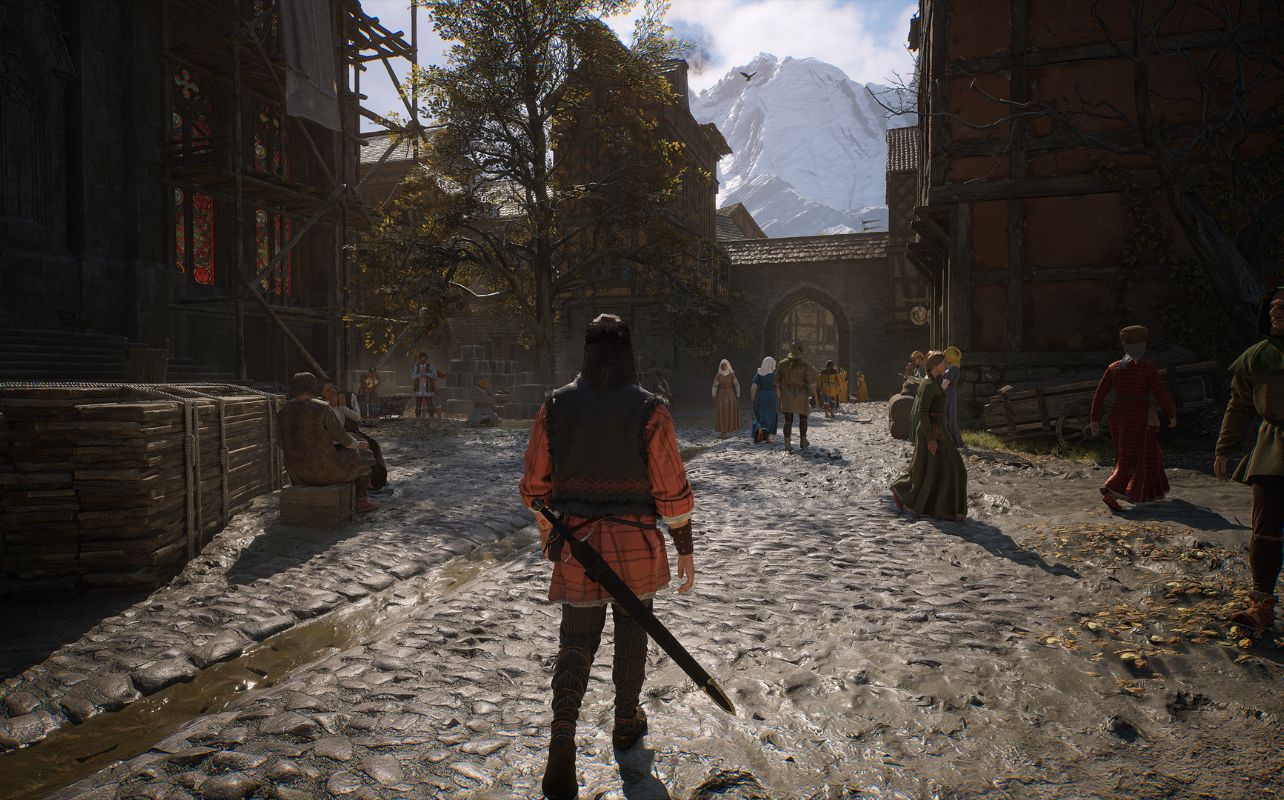
The Blood of the Dawnwalker offers dynamic objectives
Exploration becomes far more interesting once the game begins tying objectives to both the time of day and Coen’s current form. I quickly learned that choosing when to approach a mission could be just as important as deciding how to complete it. For example, meeting human NPCs in your vampire form may make them immediately not trust you, or even close off an entire quest path. On the other hand, approaching during daylight as a human can lead to a much warmer reception.
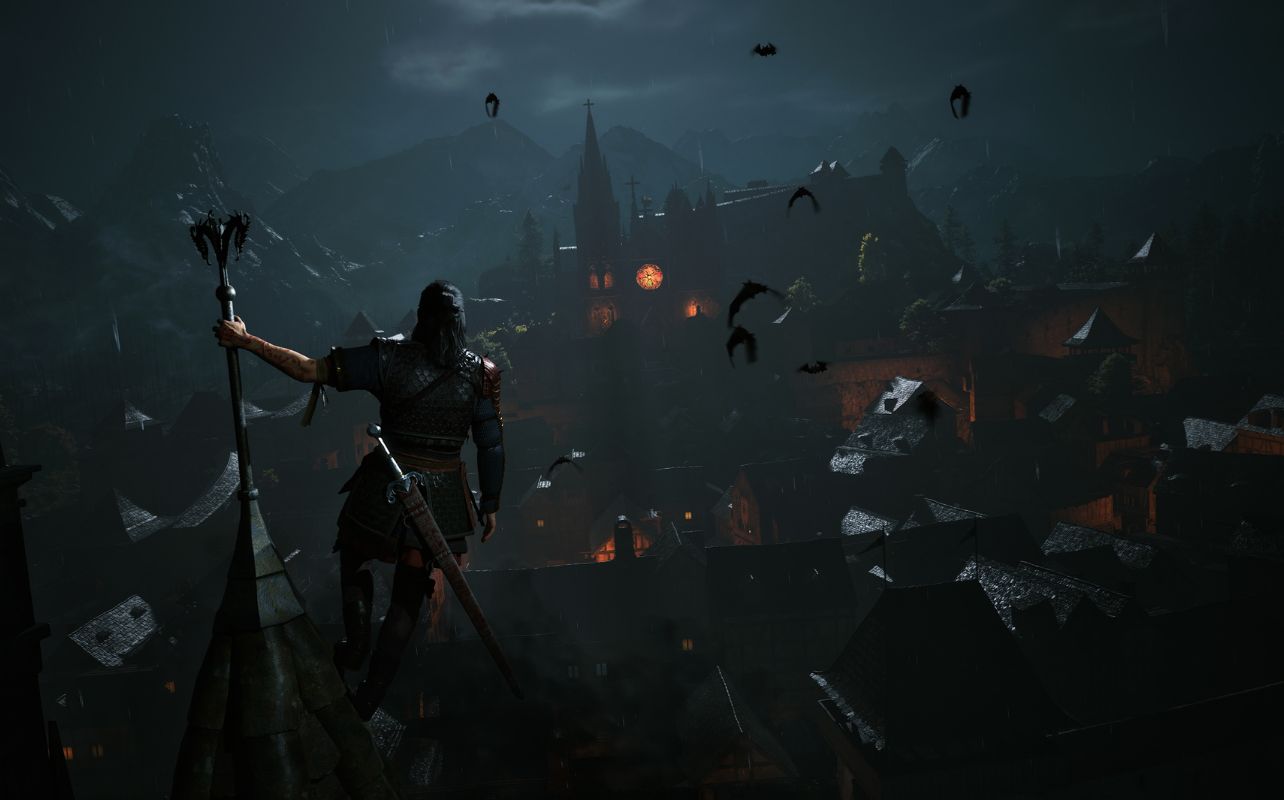
Own the night
Nighttime presents opportunities of its own, as abilities such as Shadowstep and wall-walking allow Coen to reach rooftops, hidden entrances and other areas that are inaccessible to his human form. I liked how this system encouraged me to reconsider familiar locations after sunset, making the day-and-night cycle feel like a meaningful part of exploration rather than a purely visual change.
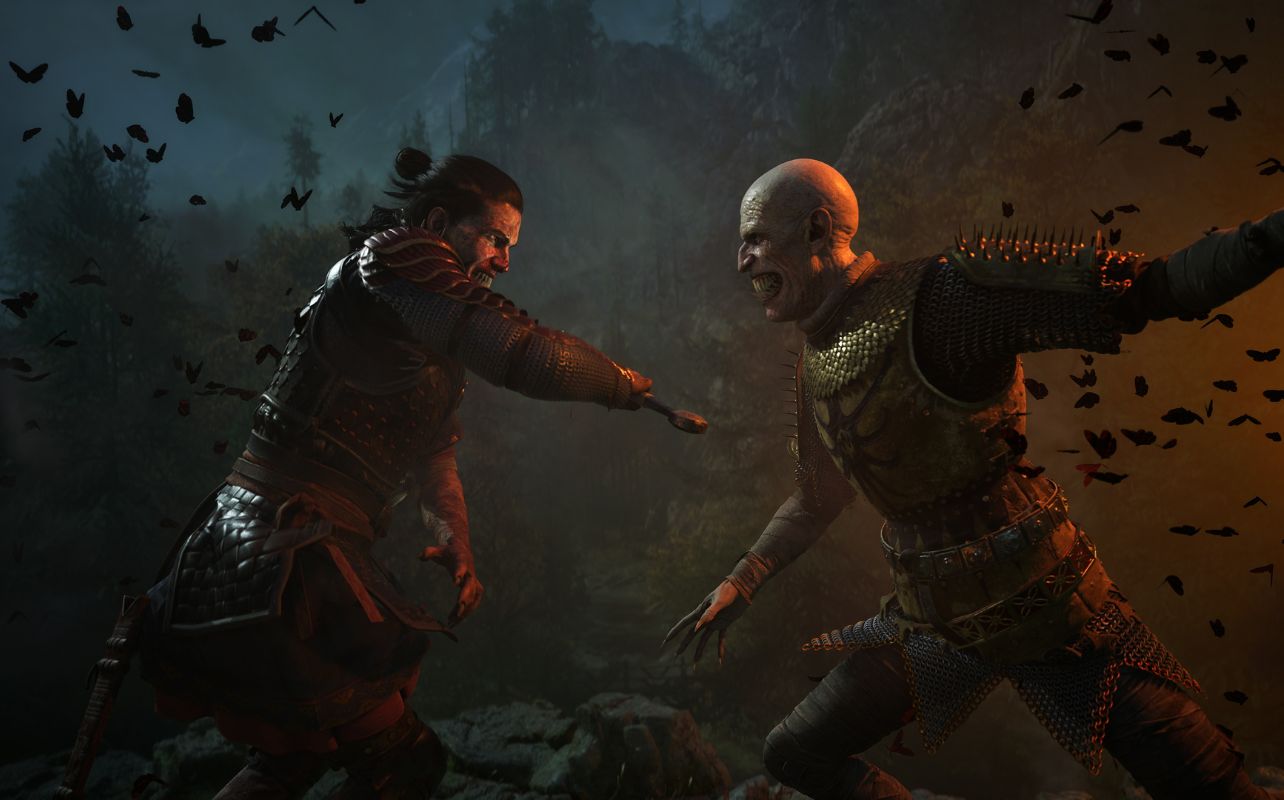
Steel by day, fangs by night
Combat comes with a sharp learning curve, but I found it increasingly rewarding once its directional system clicked. Coen can attack and defend from four angles, with standard blocks consuming stamina. Matching the direction of an incoming strike at the right moment instead delivers a perfect parry, creating an opening for a punishing counterattack. During the day, I developed Coen as a capable swordsman who could supplement his blade with witchcraft, trading health for spells that damage, weaken or stun enemies.
At night, my approach changed completely. I built his vampire form into a close-range melee wrecking ball, tearing through opponents with claws. Although the human, vampire, and shared swordcraft skill paths do not amount to two entirely separate characters, form-specific abilities and individual equipment loadouts gave me plenty of room to experiment. As someone who regularly rerolls characters in RPGs, I enjoyed refining two complementary playstyles within a single adventure. The system is not without friction, however. Lock-on frequently selected anyone other than the enemy I wanted, and the camera angle became especially troublesome in cramped spaces.
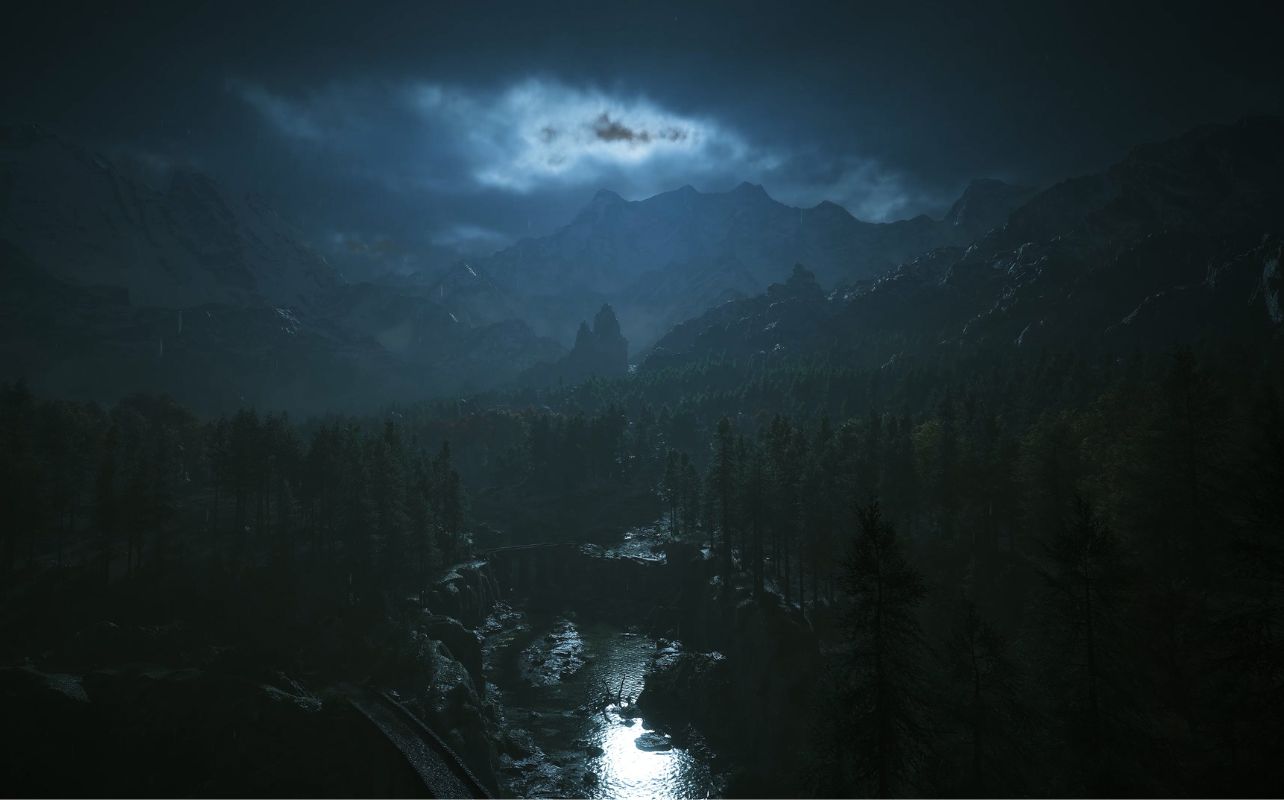
Vale Sangora is beautiful after dark
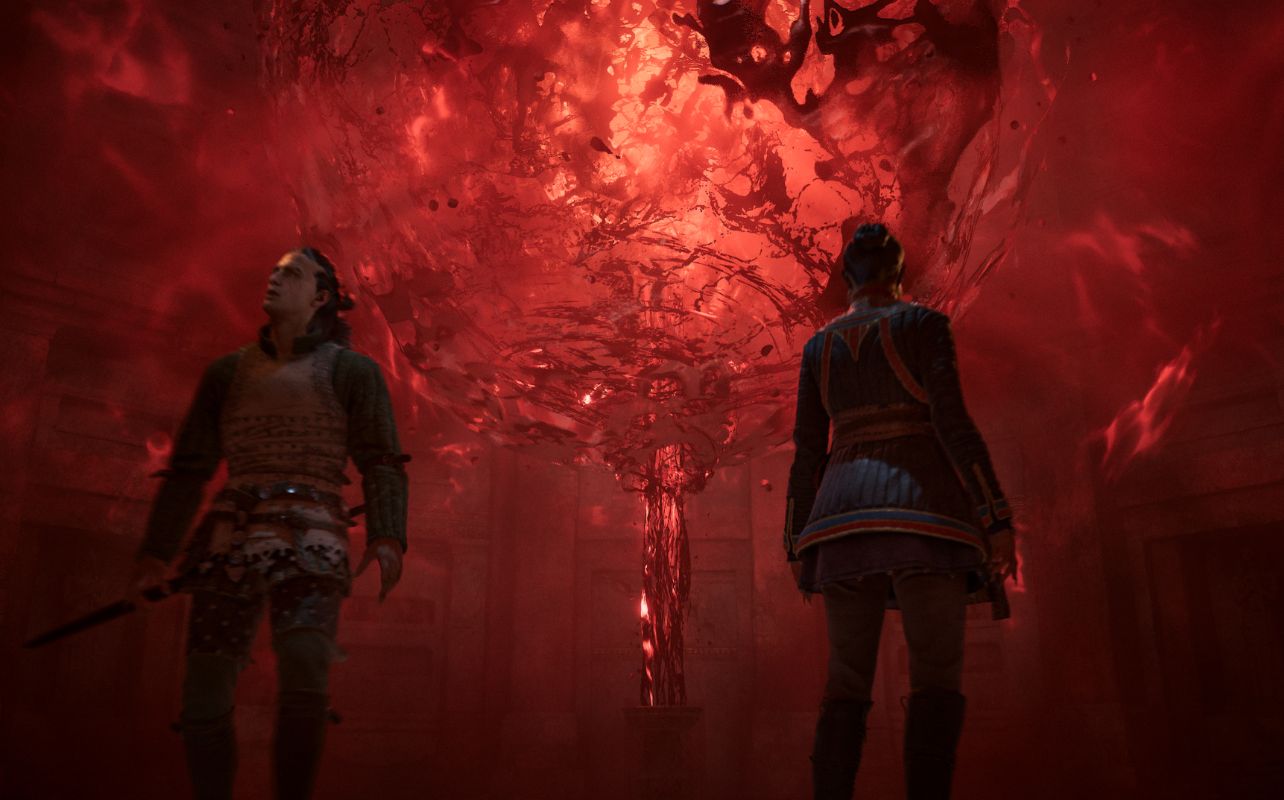
On PS5 Pro, The Blood of Dawnwalker looks very sharp. Unreal Engine 5 gives Vale Sangora a convincing identity, from travel-worn roads and muddy villages to misty forests, castles and moonlit rooftops. Night lighting is especially effective when familiar settlements become threatening, and Coen’s powers paint combat a scarlet red. There are some issues with the visuals: I noticed texture pop-in, stiff facial animations, clipping, and occasional odd camera angles; overall, it is impressive from a technical standpoint but far from perfect. Along with the strong visuals, I really enjoyed the strong voice acting and score. The audio and visuals really helped to pull me into the dark world and it’s compelling characters.
Final thoughts on The Blood of Dawnwalker
The Blood of Dawnwalker is a confident debut and an easy recommendation for choice-driven dark fantasy fans. I love its morally complex world, memorable characters, and the push-and-pull between Coen’s two identities. The 30-day structure gives decisions value without turning exploration into a race, while dual-form progression encouraged me to experiment. It may carry The Witcher 3 in its blood, but it develops an identity of its own. This RPG has bite, heart and enough unfinished business to lure me back after sunset again and again.
| Pros | Cons |
|---|---|
| Excellent character writing and morally grey storytelling | Unreliable lock-on and awkward camera behaviour |
| Human/vampire forms create flexible combat, exploration and progression | Wolves, boars and minor objectives become repetitive |
| Meaningful time management supports choices and replayability | Visual bugs and presentation roughness remain |
Overall assessment of The Blood of Dawnwalker
Gameplay: 4.5/5
Graphics: 4/5
Sound: 4.5/5
Lasting Appeal / Replayability: 4/5
Overall Rating: 4.25/5 (85%)