
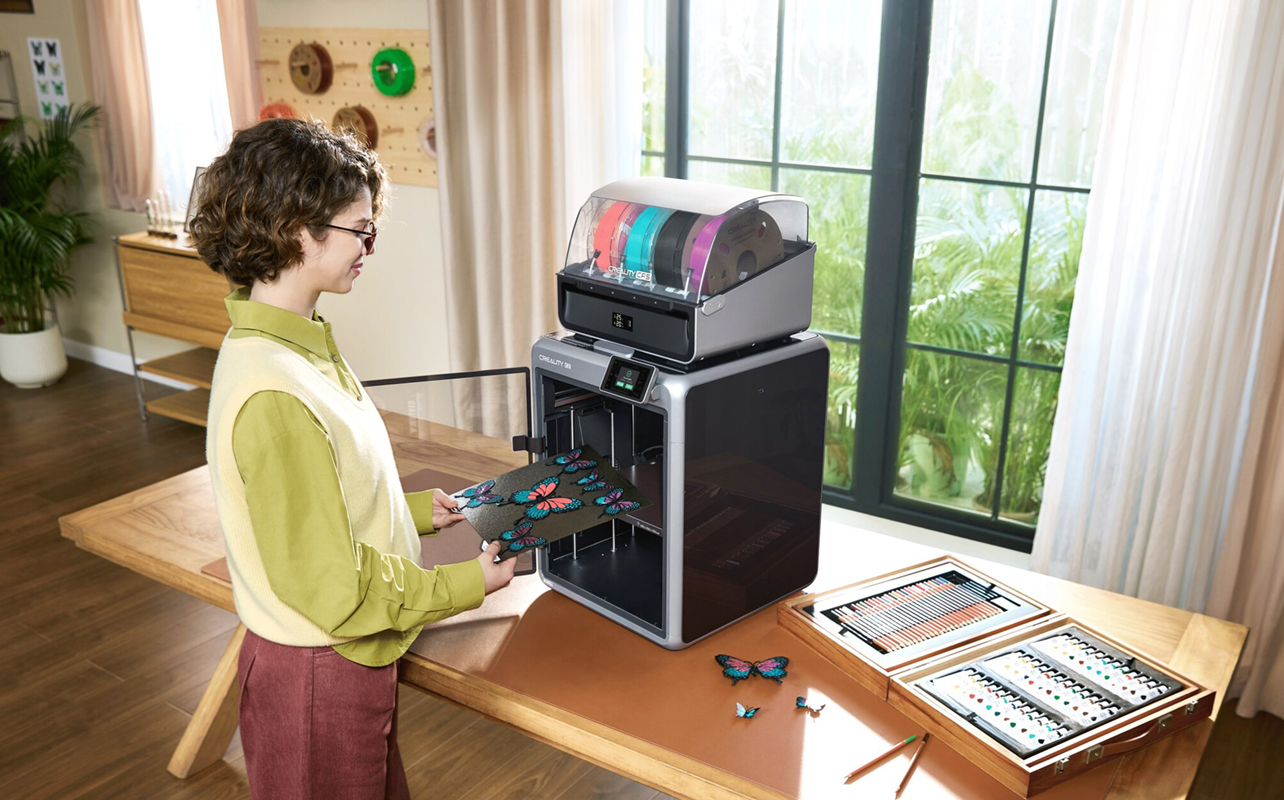
Are 3D printers actually useful for daily life? Today’s 3D printers are surprisingly practical when look beyond the eye-catching models and hobby projects. They can help you organize your home, fix small annoyances, and create custom solutions that fit your space perfectly. These can include cable clips to organize the wires behind your TV or even building phone stands or tablet holders for hands-free setup when you’re streaming.
This 3D printer guide focuses on real, everyday items—things you’ll print once and keep using. Instead of focusing on complex builds, we’re looking at useful, repeatable items—things that solve common problems. Using a 3D printer at home can act like a small, on-demand workshop.

Everyday 3D printing ideas at a glance
Here’s a quick snapshot of practical 3D printing ideas and why they’re useful in everyday life:
- Cable clips and cord organizers: Keep charging cables, headphones, and TV wires neatly in place so your space stays tidy and frustration-free.
- Drawer dividers and desk organizers: Make it easier to find what you need by turning cluttered drawers into well-structured storage.
- Wall hooks and hangers: Add instant hanging space for everyday items like keys, bags, and headphones without needing bulky solutions.
- Name tags and labels: Quickly identify what goes where, especially in shared spaces.
- Phone stands and tablet holders: Make it easier to follow recipes, take calls, or watch content hands-free throughout the day.
- Replacement knobs, clips, and small repair parts: Fix broken items instead of replacing them, saving both time and money.
- Kitchen organizers and storage helpers: Keep frequently used items accessible and reduce everyday mess in high-traffic areas.
- Bathroom accessories and holders: Keep your bathroom clean and tidy with organizers and containers for toiletries, make-up, and more.
Need help choosing the right 3D printer for your type of projects? Read our 3D printer buying guide.
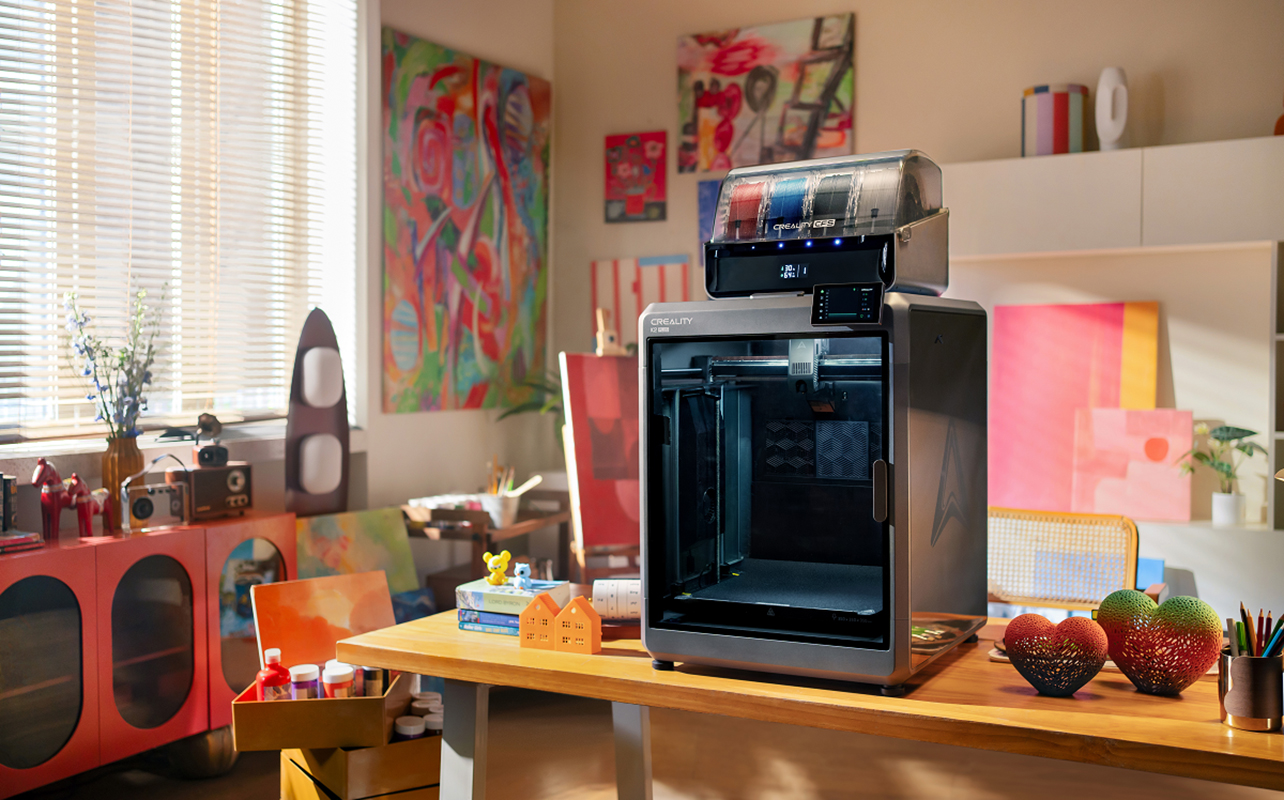
1. Cable clips and cord organizers
If there’s one beginner project that instantly proves the value of 3D printing, it’s cable management. Loose charging cables, tangled headphone wires, and messy TV setups are common in almost every home, and they’re the kind of small annoyance that adds up over time. A simple printed cable clip can fix that in minutes by keeping cords exactly where you need them.
You can design clips that snap onto the edge of a desk, stick neatly along a wall, or hold multiple cables in place at once. Since these are digital designs, you can customize them to match your exact setup—whether that means accommodating thicker charging cables, spacing out multiple wires, or creating a tighter grip so nothing slips. It’s a small upgrade, but one you’ll notice every day, especially in home offices or entertainment areas where cable clutter tends to build up quickly.
2. Drawer organizers and small storage solutions
Standard organizers often feel like a compromise. They rarely fit perfectly, leaving wasted space or awkward gaps that defeat the purpose of organizing in the first place. This is where 3D printing can get it done your way.
A 3D printer lets you create drawer organizers that are sized exactly for your space and what you actually own. For example, that could be a desk drawer filled with pens and chargers, a bathroom drawer with small toiletries, or a kitchen “junk drawer” that needs structure. It just makes for a better situation when you don’t have to force your belongings to fit a generic tray. Instead, you build a solution made for your space that not only improves organization but also makes your daily routines smoother because everything has a clear place.
3. Hooks, hangers, and wall mounts
Hooks might seem simple, but they’re one of the most practical things you can print. Think about how much you use them at home, where they can do everything from holding keys in the entryway to hanging headphones under a desk or keeping bags organized in a bedroom.
The real advantage is flexibility because it’s up to you to adjust the size, shape, and mounting style based on your needs. One example might be a slim hook for a tight space behind a door or a sturdier design for holding up a backpack. These lightweight prints let you add storage exactly where you need it, helping reduce clutter by giving everyday items a consistent place to go.
4. Name tags, labels, and personalized home items
Forget temporary stickers or handwritten labels when a 3D printer gives you the chance to create durable name tags and labels that match your space.
These could fit right in for kids’ rooms, pantry jars, storage bins, or office shelves. Beyond function, they make your setup feel intentional, especially when your space feels more organized and thoughtfully put together. It’s also a great way to involve family members, especially kids, in simple design projects, who can chime in with their own creativity. It helps getting organized feel more engaging rather than a chore to complete.
5. Phone stands, tablet holders, and desk accessories
A 3D printer delivers immediate value for desk accessories. Phone stands and tablet holders are among the most popular beginner projects because they’re quick to print, easy to use, and solve everyday problems.
A dedicated stand improves comfort and convenience when you’re following a recipe in the kitchen, joining a video call, or watching content hands-free. You can also expand into accessories like charging docks that keep cables tidy, headphone stands for a cleaner desk, or pen holders tailored to your workflow. These small additions make your workspace more functional and easy to find things, especially if you spend a lot of time working or studying at home.
6. Small repair parts you can print at home
Many household items stop working because of small plastic parts that break or go missing. Instead of replacing the entire item, you can often print a replacement.
Common examples include appliance knobs, storage bin clips, simple brackets, battery covers, or small tabs that hold components together. While not every part is suitable, especially those exposed to heat or heavy stress, a surprising number of everyday items rely on simple plastic pieces that are easy to recreate. If you run into issues getting those prints right, the guide to common 3D printing problems walks through the most likely causes and fixes. Being able to fix these small issues quickly can save money and extend the life of items you already own.
7. Kitchen and bathroom helpers
3D printing fits naturally into everyday spaces like kitchens and bathrooms, where small improvements can make daily routines easier. Consider bag clips to keep food fresh, soap holders that reduce countertop mess, toothbrush holders for better organization, and utensil organizers that make drawers more functional.
You can also print compact trays or holders that keep frequently used items within reach. These are things you’ll use every day, often without thinking about them until you notice when they’re missing. Because they’re customized to your space, they tend to work better than generic store-bought options, making your home feel more efficient overall.
Why these everyday prints matter
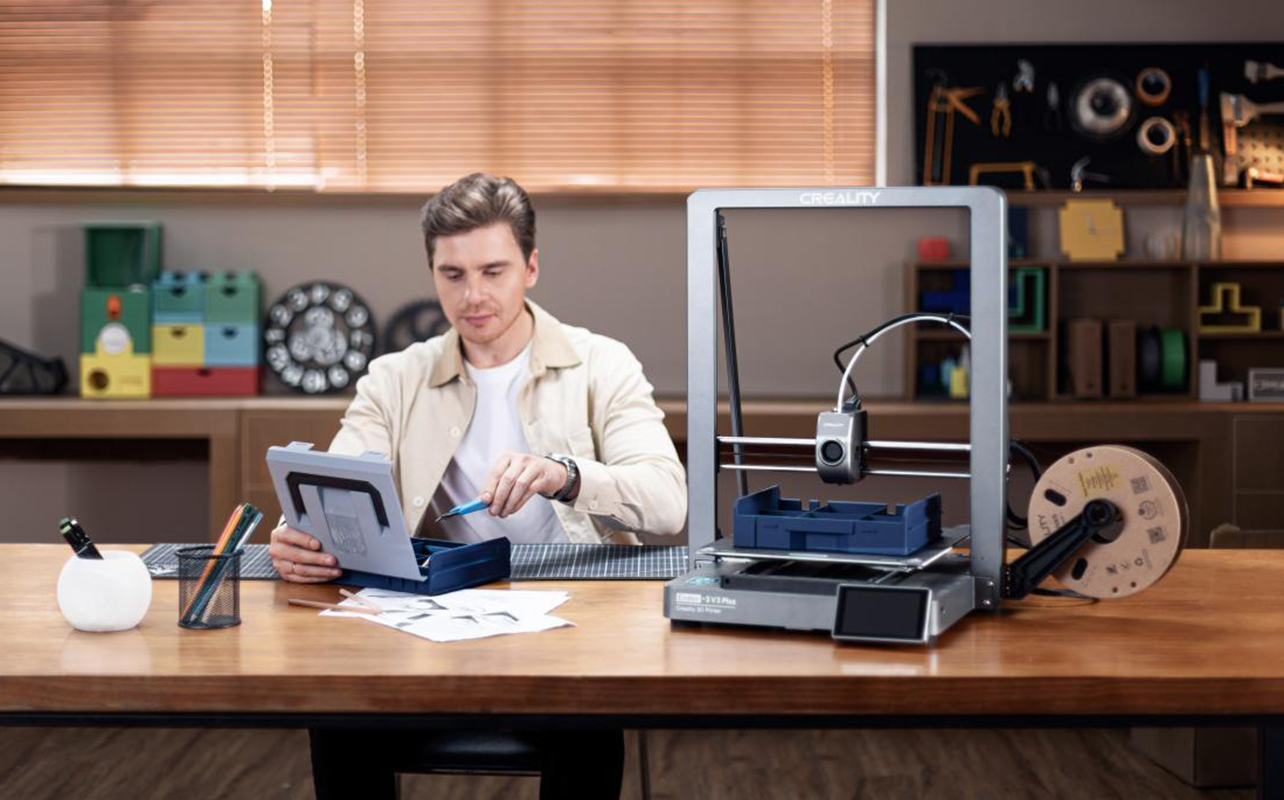
At first glance, these items might seem small, but that’s exactly why they matter. 3D printing excels at solving the kinds of everyday frustrations people usually ignore, like cables slipping off your desk, drawers that feel cluttered, missing hooks for frequently used items, or small plastic parts that are difficult to replace. Instead of working around these problems, you can fix them directly with simple, practical prints.
Over time, these small improvements add up. Your space becomes more organized, your routines become smoother, and you rely less on quick purchases or temporary fixes. That’s also why in-store demos often show 3D printers producing everyday items as a way of showing you can do it yourself and see how they fit into real life.
What makes these good beginner 3D printing projects?
Not all 3D printing projects are ideal for beginners, but the most practical everyday items tend to be. Good starter projects are typically small, quick to print, and use very little material, keeping costs low and reducing the risk of frustration. If you’re wondering where to get the designs for these items, you can start with online libraries offering thousands of ready-to-print files that you can download and use right away.
The learning curve isn’t as steep as you might think given 3D printing is a misunderstood category for many. You can get into it pretty much right away when starting out small with items like cable clips, hooks, and simple organizers on the first try to build confidence. That early success encourages you to keep experimenting, and if you’re still putting together your first setup, the complete beginner’s guide to 3D printing at home walks you through everything from choosing a printer to running your first print.
Here’s a quick look at beginner-friendly 3D printing ideas that are easy to make, quick to print, and useful right away.
| Item | Beginner-friendly? |
|---|---|
| Cable clips | Yes — small, quick prints with simple shapes that are easy to succeed on the first try. |
| Drawer organizers | Yes — basic box designs that are easy to customize and don’t require complex settings. |
| Hooks | Yes — simple structures that print quickly and are useful immediately after printing. |
| Name tags | Yes — low material use and straightforward designs, great for learning basic customization. |
| Phone stands | Yes — beginner designs are widely available and print reliably with minimal setup. |
| Repair clips/parts | Sometimes — simple parts are manageable, but may require slight adjustments for fit. |
| Bag clips | Yes — compact, fast prints that are practical for everyday use. |
| Holders and trays | Yes — easy shapes with low failure risk, ideal for learning how to size and scale prints. |
What material is best for everyday household prints?
If you’re new to 3D printing, there is some lingo to keep in mind. Choosing the right material—called filament—is a big one. The good news is everyday household items really only fall under two common options: PLA and PETG. Each has its strengths, and knowing when to use them makes a big difference in how well your prints perform.
PLA (polylactic acid)
PLA is the most beginner-friendly filament and the one most people start with. It’s a plant-based plastic (often derived from corn starch or sugarcane), and known for being easy to print and reliable.
For everyday use, PLA is ideal for simple indoor items that don’t need to handle heat or heavy stress. Think cable clips, drawer organizers, labels, phone stands, and lightweight hooks. It prints at lower temperatures, sticks well to the build plate, and generally produces clean, detailed results without much trial and error.
From a practical standpoint, PLA is also affordable and widely available, making it a great choice when you’re learning or printing frequently. The main limitation is that it can soften under higher temperatures (like inside a hot car) and isn’t as strong as other materials, so it’s best suited for low-impact, indoor use.
PETG (polyethylene terephthalate glycol)
PETG is a step up when you need more durability without making things overly complicated. It’s a thermoplastic polyester that combines the ease of PLA with added strength and flexibility, making it a popular choice for more functional, everyday items.
This material is better suited for prints that might be exposed to moisture, light stress, or repeated use. For example, PETG works well for bathroom accessories, kitchen organizers, sturdier clips, or parts that need a bit of flexibility rather than being rigid.
It’s also more resistant to water and wear, which makes it a good option for items that need to last longer or handle slightly tougher conditions. While PETG can be a bit trickier to print than PLA (it may require fine-tuning settings), it’s still very manageable for beginners who are ready to level up.
For most households, starting with PLA covers the majority of everyday needs. As you gain confidence and start printing more functional parts, adding PETG to your toolkit gives you more flexibility, and if you want a full breakdown of how PLA, ABS, and PETG compare across strength, ease of use, and best use cases, the filament guide covers all three in detail.
How 3D printing adds everyday value at home
When you look at the bigger picture, the value of 3D printing comes from how it improves daily life in small but meaningful ways. Rather than adapt to what’s available in stores, you’re creating your own solutions on demand. That combination of convenience and customization is what makes 3D printing feel less like a gadget and more like a genuinely useful part of your home.
Here’s how that value shows up in real life:
- Practical organization: Create storage solutions that actually fit your space, from drawer dividers to cable management tools, making it easier to keep your home tidy.
- Personalized storage: Design organizers, labels, and holders that match exactly what you own, so everything has a place that makes sense for you.
- Light repair and replacement: Fix small broken parts like clips, knobs, or brackets instead of replacing the entire item, saving both time and money.
- Small lifestyle upgrades: Improve everyday comfort with simple additions like phone stands, hooks, or kitchen helpers that make daily routines smoother.
A 3D printer can be more useful than you think
A 3D printer isn’t just for making display pieces or hobby models; it’s a practical tool for everyday living. If you’re at the stage of choosing which printer to buy, a direct comparison of Bambu Lab and Creality covers the two most popular options for Canadian buyers across every budget. The real value comes from solving everyday problems quickly and affordably, using solutions that are customized to your space. If you’re getting started, focusing on simple, useful prints is the best way to see that value right away. Once you do, it becomes much easier to understand why so many people are adding 3D printers to their homes.
From cable clips to home organizers, you can make small projects that help you tidy up wires, make drawers more functional and add storage where you need it.
Frequently asked questions
These quick answers cover the most common questions new 3D printer users have:
What practical things can you make with a 3D printer?
You can make cable clips, organizers, hooks, name tags, stands, and small replacement parts for everyday use.
Are 3D printers useful beyond hobby projects?
Yes. Many people use 3D printers for storage solutions, home organization, and simple household fixes.
What are the best everyday 3D printing projects for beginners?
Cable organizers, phone stands, hooks, and drawer dividers are some of the easiest and most useful beginner prints.
Can a 3D printer make replacement parts?
Yes, for some simple plastic components like clips, knobs, brackets, and holders.
What filament is best for practical household items?
PLA is a good starting point for indoor use, while PETG may be better for parts that need extra durability.
Is 3D printing worth it for everyday home use?
It can be, especially if you like making small customized items that solve daily organization or repair needs.

This article was drafted using AI technology and then reviewed, fact-checked, and revised by a member of our editorial team.