
Smartwatches have become essential gadgets for many Canadians. They help track our health, monitor workouts, manage daily tasks, and even keep us connected. But there’s nothing more frustrating than noticing your smartwatch battery is draining quickly, leaving you scrambling for a charger mid-day.
If you’re wondering why your smartwatch battery is draining so fast, the good news is that the problem is often fixable. Settings like an always-on display, frequent GPS use, background apps, and excessive notifications can all shorten battery life. In other cases, outdated software, a faulty charger, or an ageing battery could be the issue.
Quick answer: If your smartwatch battery is draining unusually fast, start by checking your display settings, background apps, GPS and health tracking, notifications, and software updates. If those fixes don’t help, the battery or charger itself may be the problem.
Here are the most common reasons your smartwatch battery drains quickly and how to fix each one.

1. Your always-on display is using too much battery
One of the most convenient smartwatch features is the always-on display. It keeps your watch face visible without requiring you to raise your wrist or tap the screen. However, even when the display is dimmed, keeping the screen active uses additional power.
How to fix it
Go into your smartwatch display settings and turn off the always-on display, particularly if you don’t need it throughout the day.
You can also reduce screen brightness and shorten the amount of time the display stays active after you use it. Your watch screen is one of its biggest battery consumers, so these small adjustments can make a noticeable difference.
2. Too many apps are running in the background
Like a smartphone, a smartwatch can have multiple apps running in the background. Some apps refresh regularly, check for notifications, use data, or continue tracking an activity after you’ve stopped actively using them.
For example, you may have opened a workout, navigation, or music app and forgotten to close it.
How to fix it
Check which apps are currently active and close the ones you don’t need.
You can also review which apps are allowed to refresh in the background and limit unnecessary activity. Keeping only the apps and services you regularly use active can help extend battery life.
3. GPS and health tracking are using extra power
Smartwatches are great for health tracking, but constant use of GPS and heart rate sensors can really wear down your battery. When you’re using features like workout tracking, navigation, or continuous heart rate monitoring, your watch’s power consumption spikes. Using GPS for a walk, run, hike, or cycle will inevitably drain the battery more quickly. Other features like continuous Sp02 monitoring can do the same.
How to fix it
You don’t necessarily need to turn these features off completely. Instead, consider which ones you actually need to run continuously.
If you don’t need GPS for every workout, use it only when route tracking is important. Check whether continuous blood oxygen or other health monitoring features can be adjusted based on your needs.
Keep in mind that turning off certain health features may affect the data and insights your smartwatch provides.
4. Too many notifications are waking up your watch
Every time your smartwatch receives a notification, it may light up the display, vibrate, or communicate with your phone. If you’re receiving dozens of alerts throughout the day, that activity can add up.
How to fix it
Review your notification settings and disable alerts from apps you don’t need on your wrist.
Consider keeping notifications for important things like calls, messages, calendar reminders, and navigation while turning off social media and other non-essential alerts.
You can also use Do Not Disturb or a Focus mode during certain parts of the day to temporarily reduce notifications and save power.

5. Your smartwatch software needs to be updated
Running outdated software is a less obvious but common cause of poor battery performance. Smartwatch manufacturers regularly release updates to improve battery efficiency, fix bugs, and add new features. If you haven’t updated your watch in a while, it might be missing out on important smartwatch battery optimization improvements.
On the other hand, you may notice temporarily higher battery use immediately after a major update while the watch completes background tasks and reindexes data.
How to fix it
Check your smartwatch or its companion app for available software updates and install them when appropriate.
If you recently updated and noticed increased battery drain, give the watch some time to complete its background processes. If the problem continues, restarting the watch can also help resolve temporary software issues.
6. Your battery saver or low power mode isn’t being used
Many smartwatches include battery saver or low power modes, but they’re easy to forget about until your battery is already close to empty.
These modes can reduce background activity, limit certain sensors or features, dim the display, and otherwise help your watch last longer.
How to fix it
Learn where your smartwatch’s battery saver or low power mode is located and use it when you know you’ll be away from a charger.
This can be especially useful when travelling, hiking, or during a long day when you don’t need every smartwatch feature running.
7. Your charger might be the problem
Don’t assume the issue is always with your smartwatch itself. A faulty charging puck, cable, power adapter, or outlet could prevent the watch from charging properly.
Third-party charging accessories can also sometimes cause problems, especially if they aren’t designed specifically for your smartwatch.
How to fix it
Try charging your smartwatch with its original or manufacturer-approved charger.
You can also try a different outlet or compatible power adapter to rule out the charging source. Check the charging contacts for dirt or debris and make sure the watch is properly aligned on its charger.
If your smartwatch appears to charge to 100% but then loses power unusually quickly, the battery itself may be the issue.
8. Your smartwatch battery may be ageing or permanently degraded
Sometimes the problem isn’t something you can fix through settings or software. After extended use, the physical battery inside your watch, or any electronic device for that matter, will degrade. It’s possible the battery can develop faults as well. This is a hardware issue and can cause your smartwatch battery to drain fast regardless of your usage habits. If your watch is a few years old or has been exposed to extreme conditions, the battery itself might be the culprit.
How to fix it
First, check whether your smartwatch provides a battery health reading or diagnostic tool. If the battery health is significantly reduced, you may need to have the device serviced.
Check your warranty coverage or available repair options. Depending on the smartwatch model and age, battery replacement may be possible. However, for some sealed smartwatch designs, replacing the battery may not be practical or cost-effective.
A quick smartwatch battery drain checklist
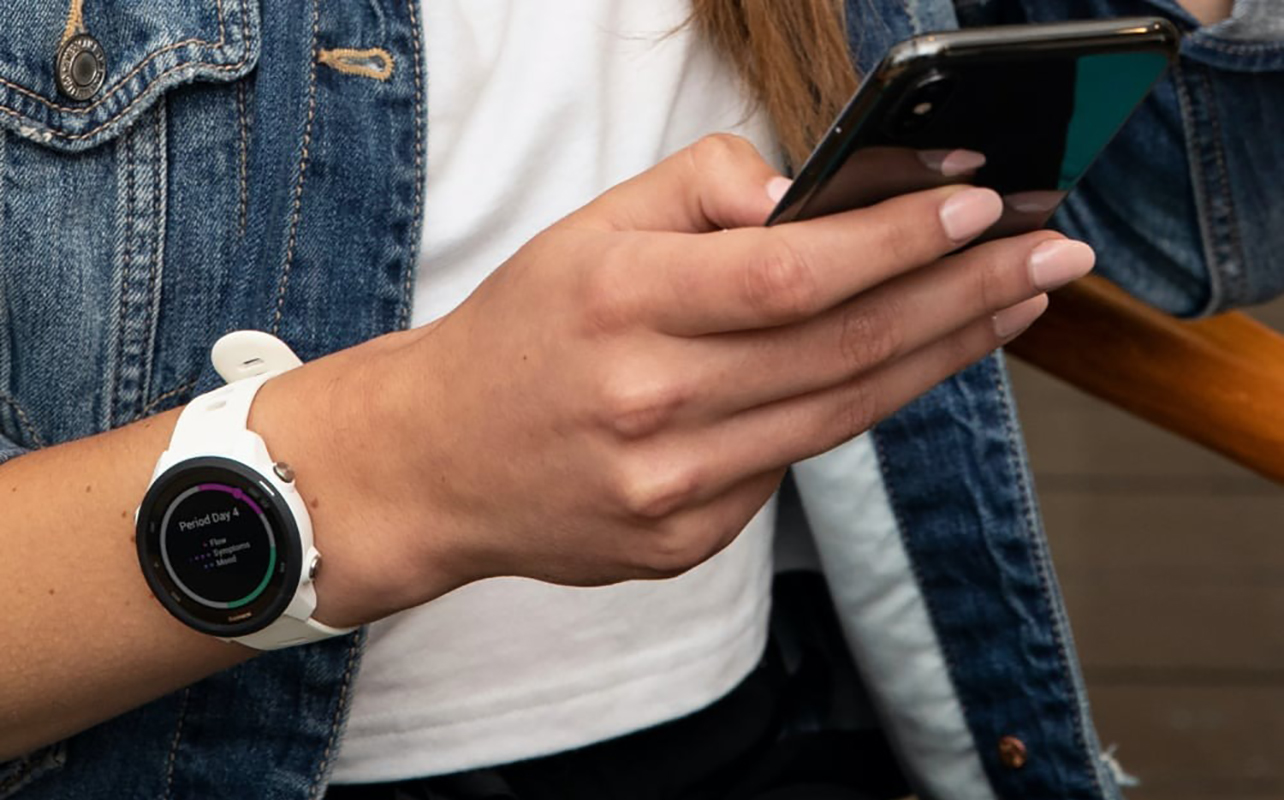
If your smartwatch battery is draining fast, work through these steps:
- Turn off the always-on display or lower screen brightness.
- Shorten the screen timeout.
- Close unnecessary background apps.
- Reduce non-essential notifications.
- Limit GPS and continuous tracking when you don’t need them.
- Update your smartwatch software.
- Restart the watch.
- Use battery saver or low power mode when necessary.
- Test the watch with its original or manufacturer-approved charger.
- Check battery health if the watch is older and the problem continues.
When it might be time to upgrade your smartwatch
Sometimes, no amount of tweaking can fix a smartwatch’s battery woes. It may be time to consider a new smartwatch if:
- The battery drains significantly faster than it used to.
- The watch doesn’t last through a normal day despite troubleshooting.
- The battery health is significantly degraded.
- The watch no longer supports important software updates.
- New apps and features noticeably affect its performance.
- Repairing or replacing the battery isn’t practical.
Newer smartwatch models can offer improved battery technology and more efficient power management. If battery life is one of your biggest priorities, look for a model designed to last multiple days between charges rather than assuming every smartwatch will have similar endurance. We’ve rounded up which smartphones have the best batter life to help narrow it down.
What to do when your smartwatch battery keeps draining
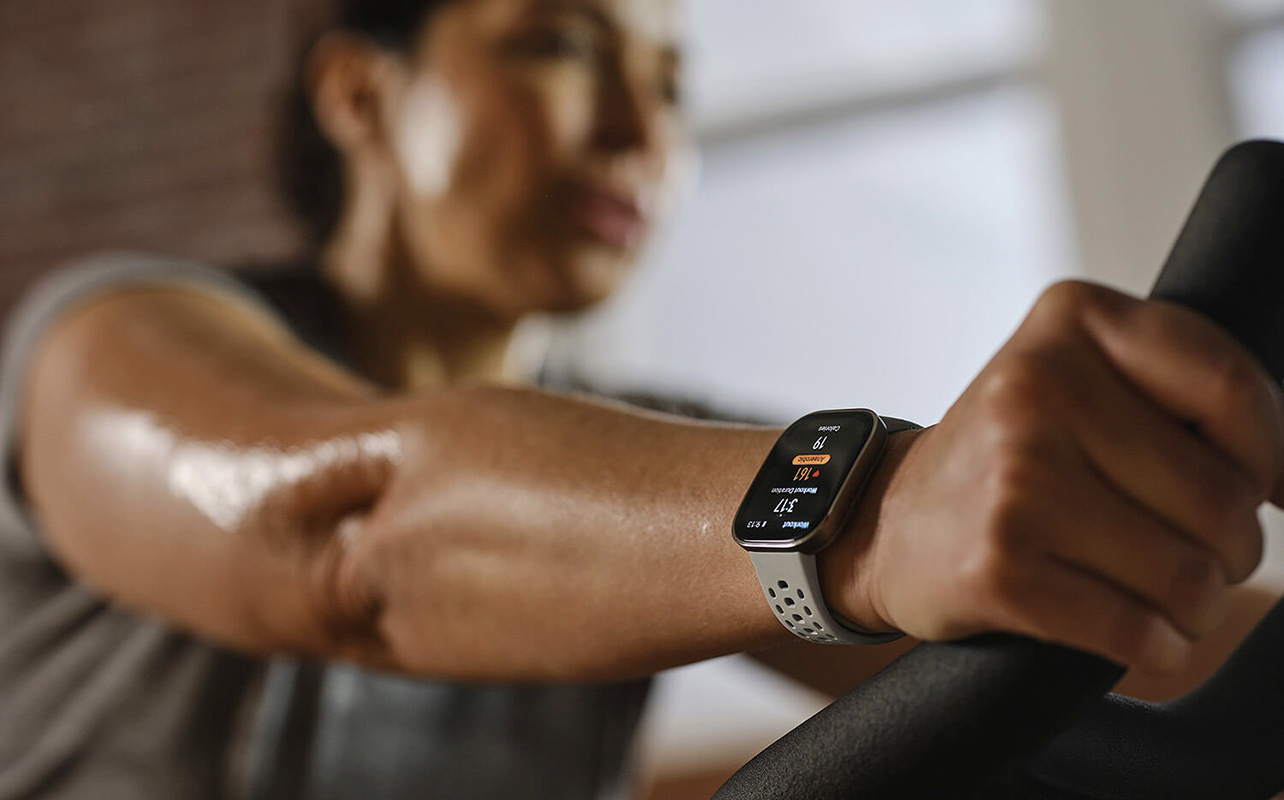
Most smartwatch battery drain issues can be solved by making a few simple changes. Start with the display, background apps, GPS usage, health tracking, notifications, and software. These are some of the most common reasons a smartwatch battery drains faster than expected.
If you’ve worked through the checklist and your watch still loses power unusually quickly, check the charger and battery health. An ageing battery may simply no longer hold the same charge it once did.
And if your current smartwatch just can’t keep up with your day anymore, upgrading to a newer model with longer battery life may be the best solution. This smartwatch buying guide could be a helpful reference.
Looking for a smartwatch that lasts longer between charges? Explore smartwatches at Best Buy Canada and compare models based on the features and battery life that best fit your lifestyle.

This article was drafted using AI technology and then reviewed, fact-checked, and revised by a member of our editorial team.