
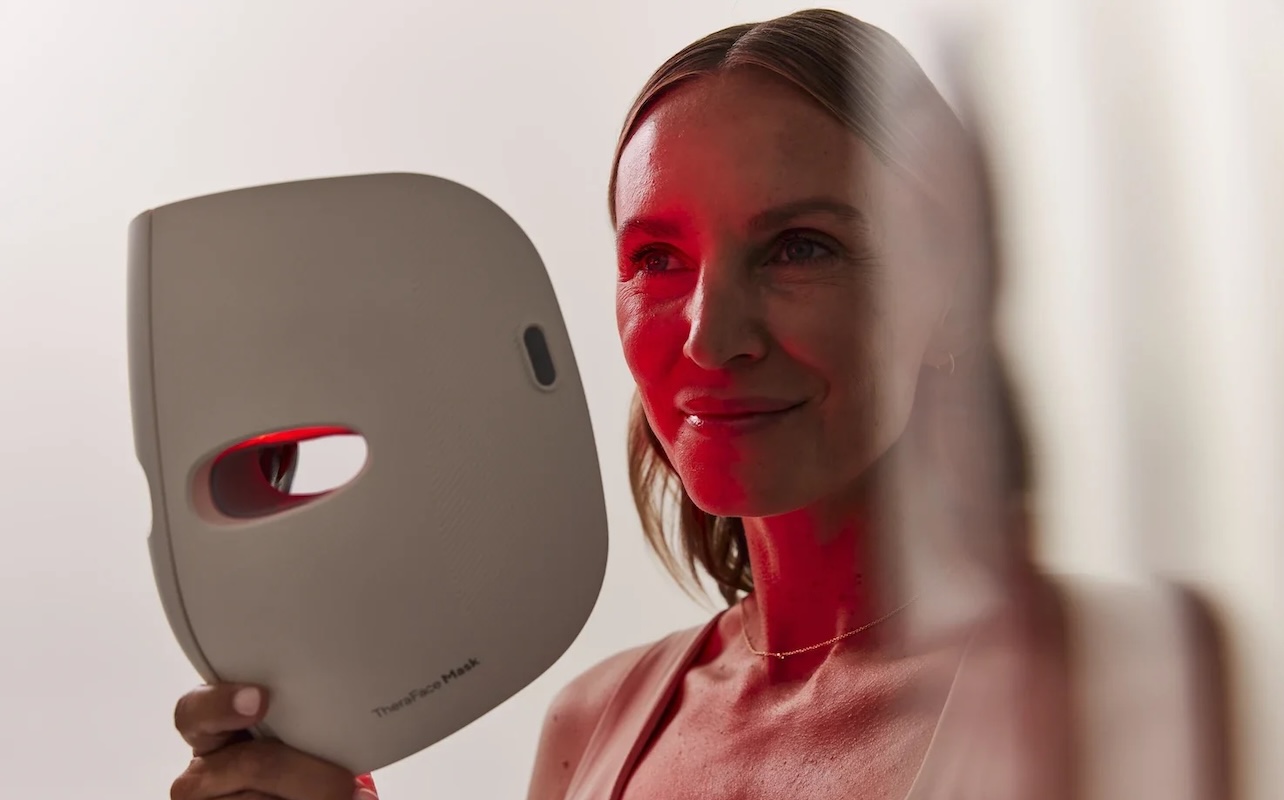
LED masks are a popular, gentle way to bolster your skincare regimen at home. They’re designed to help treat skin concerns like acne, fine lines, and loss of volume. With regular use, they’re a personal care product that can help create and maintain the results you’re looking for.
Like other gentle skincare tools, techniques, and products, LED face masks deliver their results slowly and minimally. They’re meant to be one step in a larger skincare routine, often supported by professional treatments at a dermatologist’s office or medispa.
Keep reading to find out if LED masks are the right choice for you. Plus, answer the question of “what skin concerns can LED masks help with” depending on their colour and wavelength.

How do LED masks work to target different skin concerns?
LED face masks are a type of skincare device that never make contact with the skin that they’re treating. They use different wavelengths of light to improve your skin’s appearance and health, delivering small, incremental results that are extremely gentle on your skin.
To learn more about how this actually happens, check out my earlier post on face masks to learn more about how LED face masks work.
The wavelengths emitted by the LED lights in a mask determine which processes within your skin will be affected by it. As such, the best LED mask for skin concerns will vary based on your concern and the light’s wavelength spectrum.
Red, blue, and near-infrared light all have different wavelength parameters and skincare associations, so it’s important to know what skincare conditions you’re hoping to target before you buy an LED face mask.
What can an LED mask help treat?
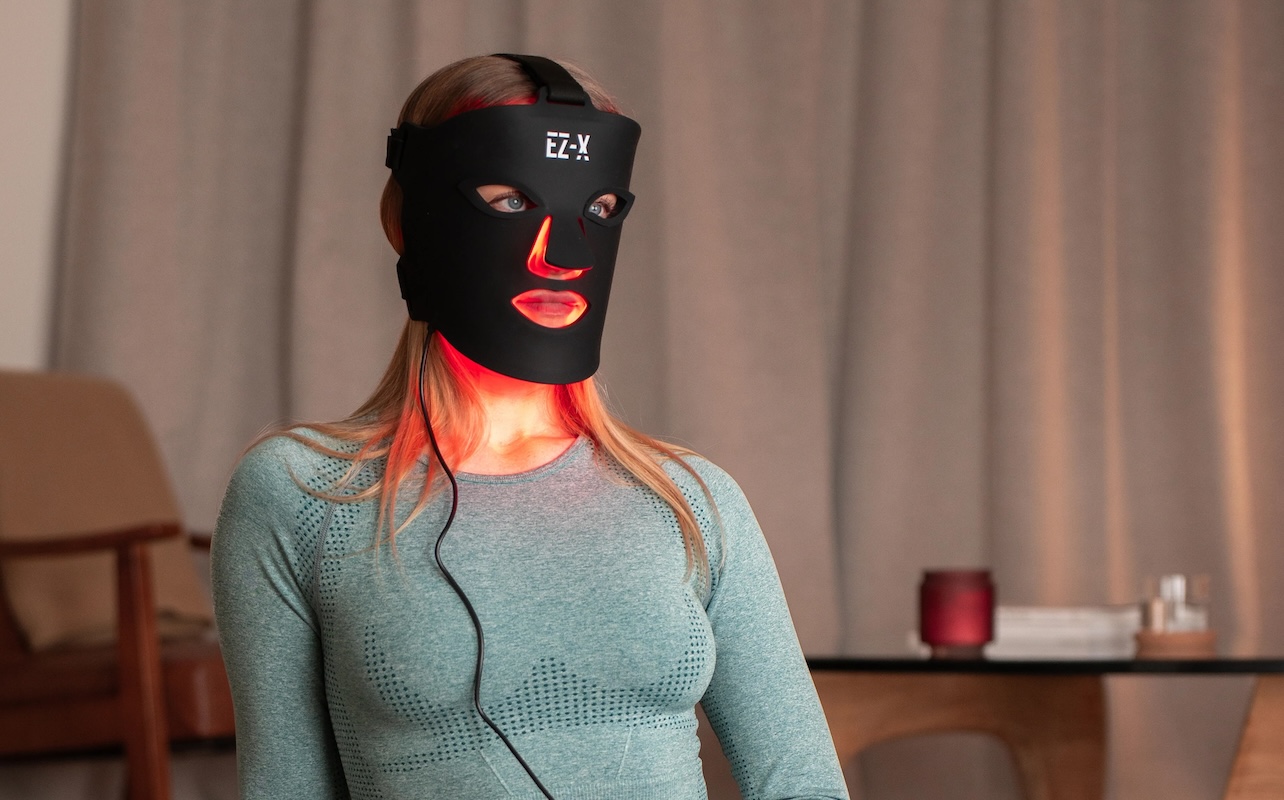
First of all, I want to be very clear about one thing: LED masks are not the be-and-end-all of beauty devices. They’re an excellent tool that’s been backed up by multiple scientific studies and papers, and they’re well-loved by consumers and professionals alike, but they’re not a magic bullet for creating picture-perfect skin.
Dr. Nayan Patel (PharmD), anti-ageing expert and author of The Glutathione Revolution, agrees. He describes LED masks as a treatment option for “hair loss, acne, melasma, skin conditions; even joint healing,” but cautions users that the science on them is “not specific.”
Instead, LED face masks are part of a bigger treatment plan. They work alongside other factors, like your daily skincare, regular trips to the dermatologist, and routine facials to create the healthiest, most optimized version of your skin possible.
LED masks can help treat conditions like acne, early signs of ageing, lack of radiance, and more.
Which LED light colour is best for my skin concern?
LEDs are light emitting diodes: a type of light source that emits energy at specific frequencies. Essentially, these frequencies represent wavelengths of light that our eyes interpret as colours.
As a ray of light’s frequency changes, so (inversely) does its wavelength. At the same time, its ability to permeate our skin also changes. The lower the frequency of light, the longer its wavelength, and the deeper into our skin it can permeate.
| Light colour | Wavelength | Used for what skincare benefits? |
| Ultraviolet (UV, UVA, and UVB) | 200 nm-400 nm | -Not used in LED face masks -Sometimes referred to as “phototherapy” -Improper use increases your chance of developing melanoma and other skin cancers. |
| Blue | 400 nm–500 nm | -Acne reduction -Minimizing oily skin |
| Green | 500 nm-565 nm | -Not typically used in LED face masks (little supporting evidence) |
| Yellow | 565 nm-590 nm | -Not typically used in LED face masks (little supporting evidence) |
| Red | Around 700 nm | -Encourage cellular regeneration, collagen production, and blood flow -Used to treat visible signs of ageing such as wrinkles and hyperpigmentation -Redness reduction |
| Pink | Blend of red and blue wavelengths | -Used to treat acne and early signs of ageing |
| Infrared | Around 830 nm | -Stimulate the production of collagen, elastin, and growth factors |
Red, infrared, and near-infrared light
Red light, infrared light, and near-infrared light (NIR) are the most common wavelengths used in LED face masks. They have the largest amount of data backing efficacy, from both scientific studies and consumer use studies. Each presentation, however, is a spectrum—as Dr. Patel notes. “The science,” he says, “is not specific.”
Rather than a specific wavelength, LED masks are designed to emit wavelength ranges. The most effective wavelength, as such, may be “different for everybody.”
To choose an effective, science-backed LED face mask, make sure you’re focusing on getting the right wavelength(s) of light with appropriate intensity via LED brightness and distribution.
Infrared light for collagen stimulation
Recent studies suggest that infrared and near-infrared light may be your best bet when it comes to stimulating the production of collagen and elastin in your skin. These proteins are essential for your skin’s structure, but their production declines as you age.
Masks like the Therabody TheraFace Mask Glo are specifically designed to stimulate collagen production with infrared light alongside red light therapy.
Can LED masks help with acne-prone skin?
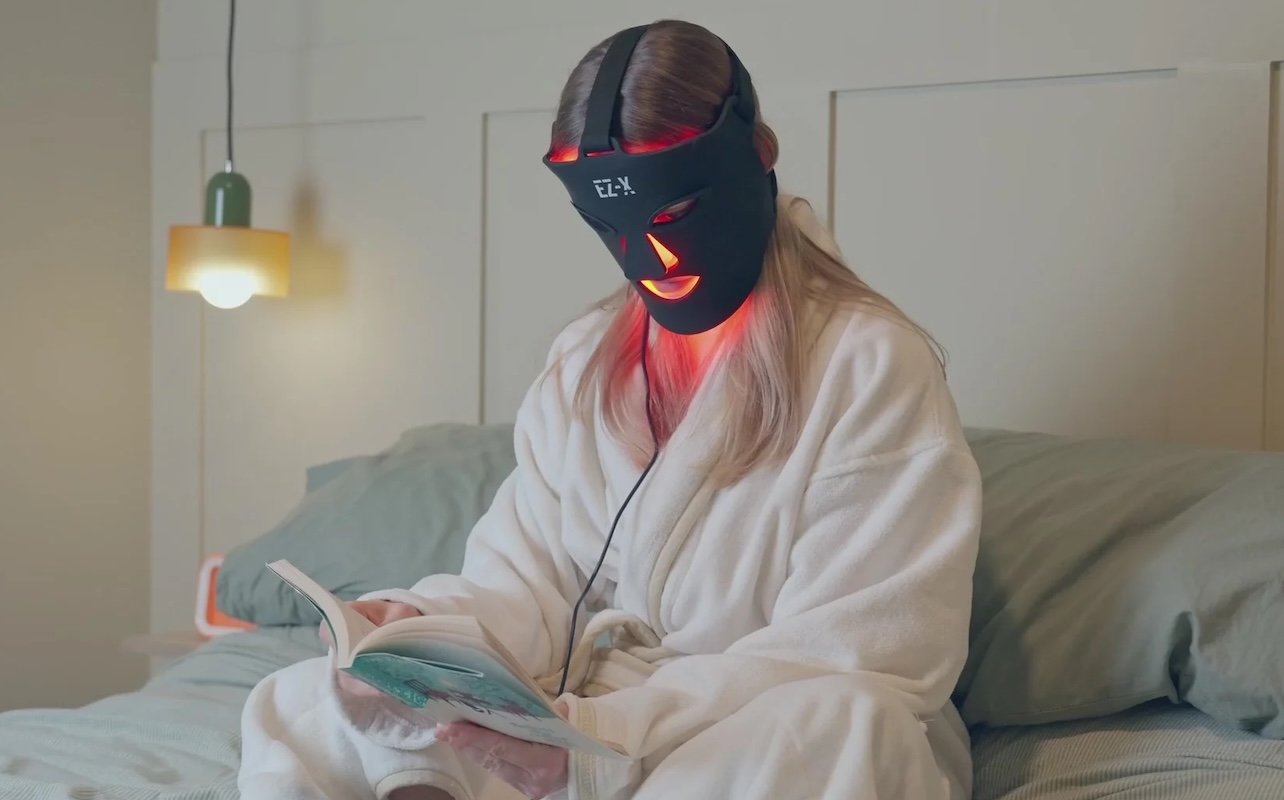
LED masks can help treat acne-prone skin. In fact, acne is one of the most common skin concerns that lead people to start using LED masks.
To help flesh out your skincare routine for acne-prone skin, you can also read my post on how to build a skincare regimen for acne-prone skin. Red and blue light therapy for acne can play a role in your routine, but it’s important to layer that treatment with active ingredients and, if needed, regular trips to see your doctor, dermatologist, or other skincare professional.
When shopping for LED masks for acne, look at the wavelengths used in the product—not just the colours listed in its marketing materials. Some brands will market red and blue light for acne, but others will refer to this combination as “pink light.”
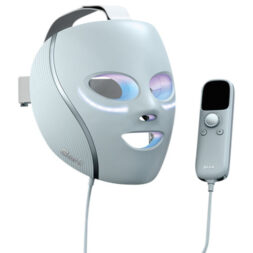
Battle acne with blue and pink light
The Shark CryoGlow Red Blue & Infrared iQLED Face Mask offers two very different light settings to meet different needs.
The CryoGlow’s smoothing and firming treatment features six minutes of red and infrared LED light, while its acne reducing treatment features eight minutes of blue, red, and infrared LED light.
Can LED masks help with fine lines and wrinkles?
LED masks can help reduce the appearance of fine lines. Doing so is another one of their primary uses that’s well backed by scientific studies.
Consumers often choose red light therapy when looking for LED masks for fine lines or wrinkles. Some studies show that adding near-infrared light (often offered in more premium LED face masks) can help increase your results.
Can LED masks help with uneven skin tone and dull-looking skin?
LED masks for uneven skin tone and texture often focus on maximizing your skin’s circulation and cellular production to create small improvements in your skin with regular use. These masks may be marketed as blue, red, or NIR face masks.
There have been fewer studies done on using LED face masks for improving overall “radiance,” so it’s critical to remember that these face masks aren’t a cure-all. Rather, they’re one part of a larger skincare regimen and may help you achieve the results you want when used in conjunction with things like good skincare and ample hydration.
Can LED masks help with post-breakout marks and overall skin clarity?
Like with “radiance,” LED masks have not been studied in depth for treating post-acne scarring. However, many people do use them this way.
Red light LED face masks with NIR support most closely mimic clinical-grade light panels, and as such, they’re often seen as the safest at-home choice for improving the general look and healing of your skin.
How do I choose an LED mask based on my skin?
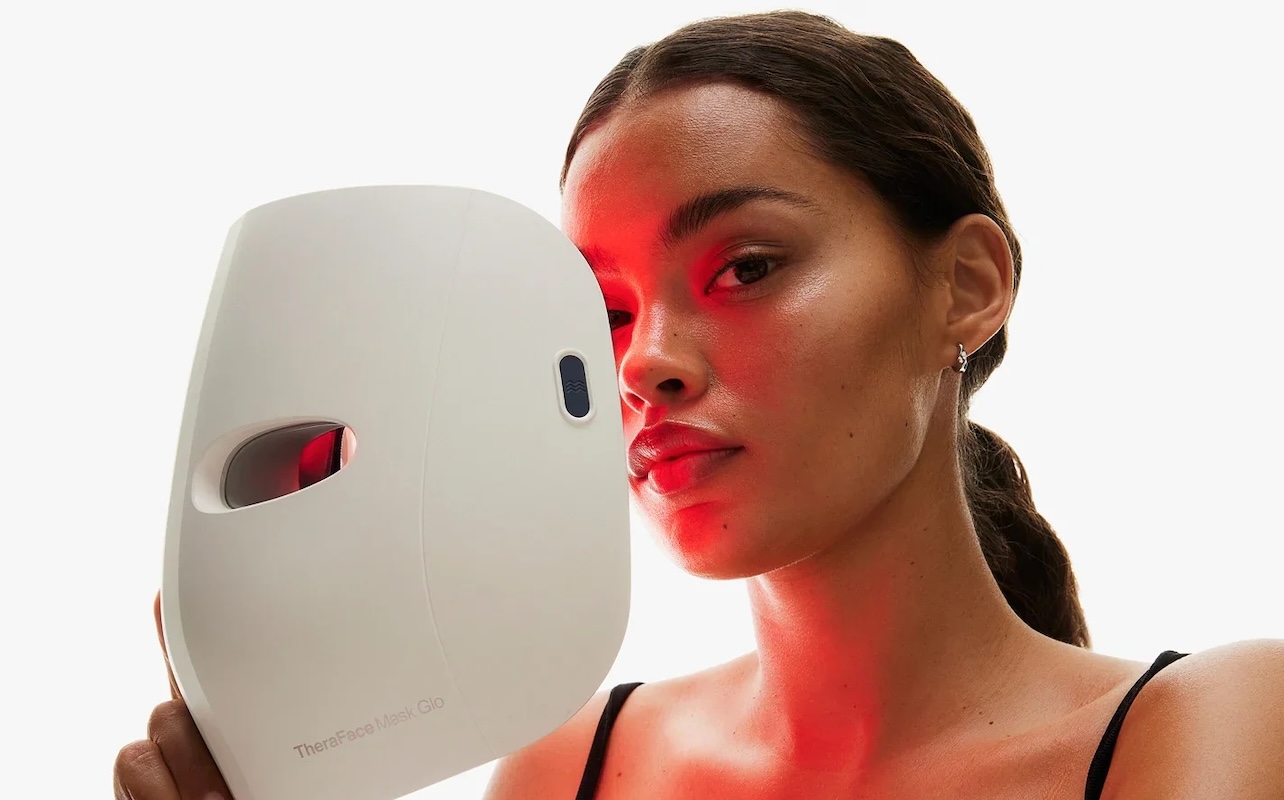
When selecting an LED face mask, let light wavelengths guide you—not marketing materials. Choose which one skin concern you want to primarily treat, and select a face mask that can help you meet your skincare goals.
While shopping, it’s important to also consider factors such as LED density, comfort, and overall mask shape and fit. It’s important to get sufficient light onto your skin during usage, and things like diode density and mask shape can help a lot in achieving that.
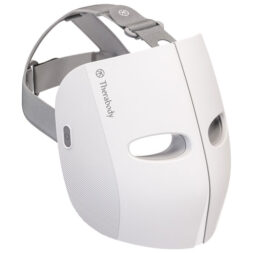
Max out your diode density
One thing that studies seem to agree on when it comes to LED masks is that density matters—density of your diodes, that is. In order to see results similar to the ones reported in studies, you have to use a mask with the same (or greater) diode strength and number.
TheraFace publicizes a diode number for every mask, so you always know your treatment is backed with enough LEDs to reflect their clinical results. The Therabody TheraFace Mask has 648 LEDs.
What LED masks can’t do
LED masks are a great tool to add to your skincare repertoire—but they’re not an instant, magical fix. Instead, they’re a great way to help boost your overall skincare regimen.
LED face masks help support skin health and healing with consistent treatment. They’re not a replacement for intense treatments or doctor’s office visits, but many people do see an overall improvement in their skin when they consistently use an LED mask. Plus, they’re a great option for sensitive skin, as they’re completely gentle and non-mechanical.
If you’re looking for immediate, noticeable results, I recommend reading this article on professional vs at-home beauty devices.
Frequently asked questions about LED masks
What skin concerns are LED masks most commonly used for?
LED face masks are commonly used to help treat acne, fine lines, and overall skin appearance.
Can one LED mask help with more than one skin concern?
Yes. Some LED face masks combine multiple wavelengths of light, or have multiple settings to use different wavelengths of light. However, most treatment sessions are 10-20 minutes, so it’s a good idea to pick one wavelength to use and to stick to it.
Are LED masks better for treating acne or wrinkles?
A masks’ treatment priority depends on what wavelength(s) its diodes are programmed to emit. Reference each product’s description or manual to determine whether it’s better for treating acne, visible signs of ageing, or both.
How do I choose the right LED mask for my skin concern?
To choose the right LED mask for your top skin concern, compare devices based on their wavelengths, fit, treatment time, and diode intensity or density.
How long does it take to see results from an LED mask?
Like many at-home beauty tools, LED face masks provide incremental results. Expect to use your mask consistently for 1-3 months, depending on the timeline laid out by your product’s manual, before seeing results.