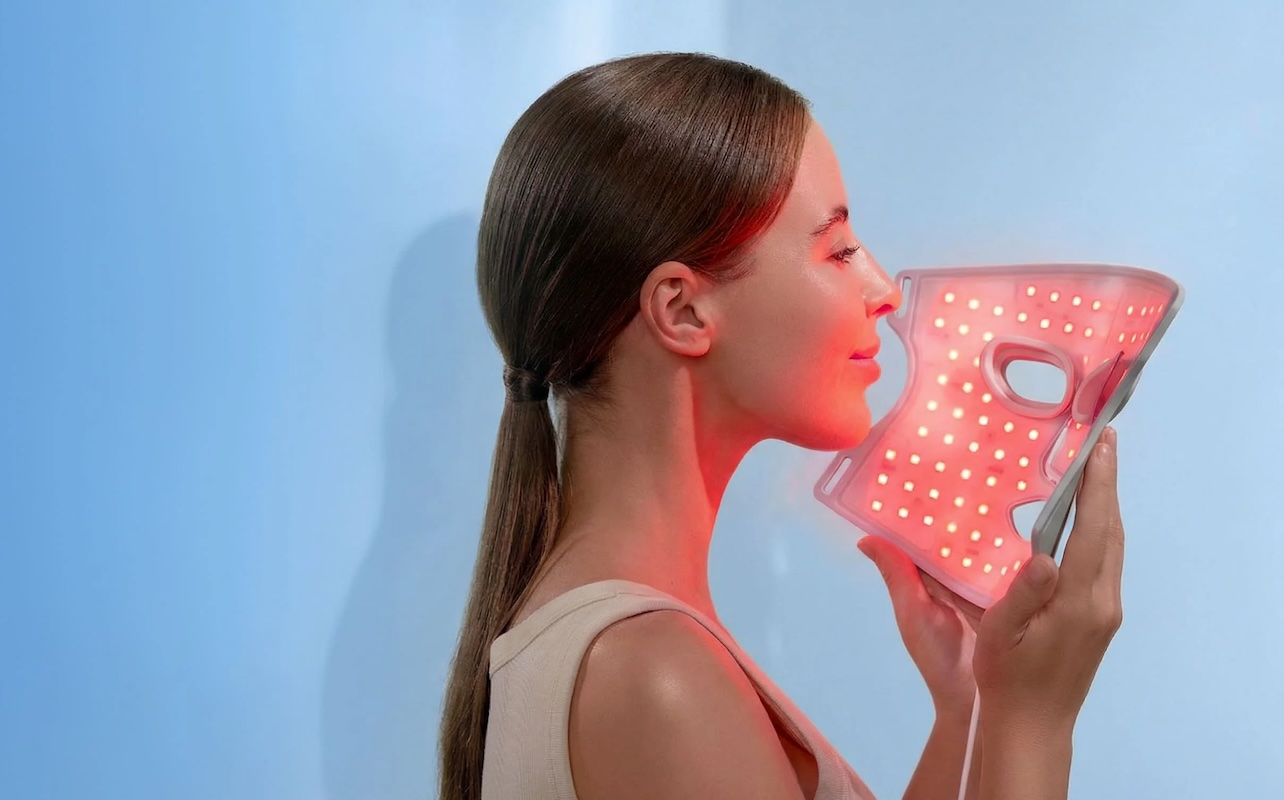
Imagine giving your skin a spa-inspired treatment without leaving your home. LED masks have quickly become one of the most buzzed-about devices in at-home skincare, and they do just that. These light therapy masks combine technology and beauty to support smoother, clearer, and more radiant-looking skin. Part of a growing range of skincare devices in Best Buy Canada’s personal care & wellness section, LED masks bring UV-free, light-based treatment into your daily routine.
You might be wondering how LED masks actually work, whether their results are real, or how to choose the right mask for your needs. This article will break down how LED light interacts with your skin, explain how specific wavelengths differ, and highlight the key features to look for when selecting a mask.

What is LED light therapy?
LED light therapy is a type of non-invasive skincare treatment that uses specific wavelengths of light to stimulate cellular processes in the epidermis. They’re a skincare tool used to slow down the early signs of ageing, and they are rapidly growing in popularity. Their effects are subtle, but many users find them to be both noticeable and a personal skincare essential.
LED stands for Light-Emitting Diode, a type of diode which glows in specific wavelengths rather than producing a broad spectrum of light. LEDs are used in a variety of different products in all of our everyday lives, from TVs to ceiling lightbulbs. The LEDs used in skincare produce targeted wavelengths to penetrate different layers of the skin, and they’re optimized to support different skin treatments.
Light therapy has been widely used in professional settings, including dermatology clinics and medical spas, for years. It’s typically delivered in conjunction with other treatments, often to help support collagen production or acne reduction. At-home LED face masks work on the same principles as clinical devices, but on a much smaller scale—allowing for convenient, repeatable sessions in a home environment.
LED mask skincare is a non-invasive, non-mechanical, UV-free treatment option for routine skin maintenance. This technology does not rely on heat, lasers, or physical manipulation. Instead, the light produced by the mask interacts with your cells to support improved surface appearance, cellular function, and skin wellness. Its effects are subtle, but suitable for long-term use without harsh chemicals or mechanical treatments.
How do LED face masks work?
LED masks operate by placing multiple light-emitting diodes close to the skin. When the mask is turned on, the diodes deliver light at specific wavelengths. Each wavelength penetrates the skin at varying depths, helping stimulate production in different layers of the epidermis for different results. Typical sessions last between 10 and 20 minutes, depending on the device and program.
What LED light therapy does for your skin depends on the wavelength used. Red wavelengths are the most common, and they’re often used to improve the appearance of skin firmness and texture. Blue wavelengths, on the other hand, target acne-causing bacteria on the skin surface. Near-infrared wavelengths, included in many premium devices, penetrate deeper into the skin to support skin elasticity and overall skin resilience.
The process of this type of light penetration is completely non-invasive. There is no pulling or scrubbing of the skin involved, eliminating many potential side effects of other treatments. Effective results depend on consistent use over time, and most masks recommend several sessions per week for 30+ days to see benefits.
What do the different LED light colours mean?
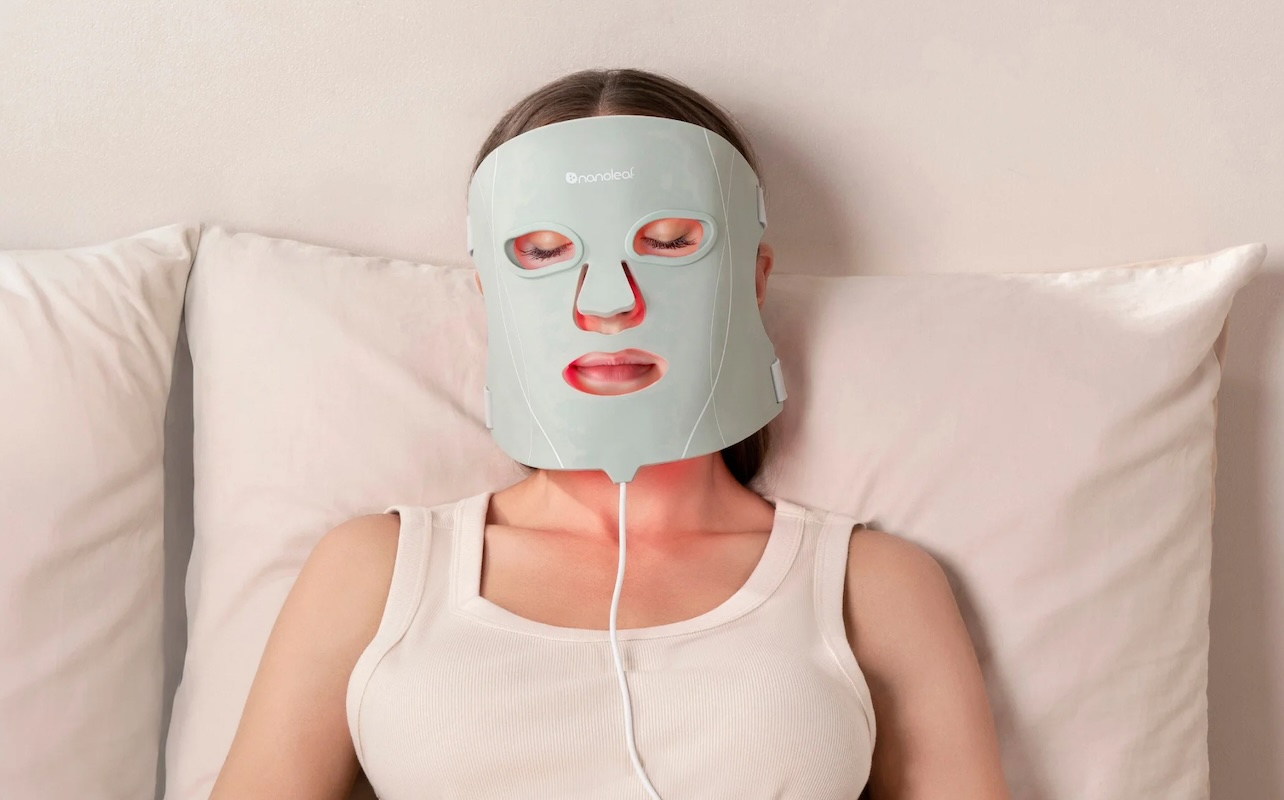
The colours seen on LED masks are comprised of different, specific wavelengths of light. Each is designed to act on different layers of the skin. Understanding these colours (for instance, red vs blue LED light) and the treatment ranges within their wavelengths can help you select a mask that aligns with your skincare goals.
Red light (630–660nm)
Red light is the most common wavelength in LED masks. It targets the upper and mid-layers of the skin and scalp. Red light is often used in conjunction with other treatments to help enhance their effects. It can be used to reduce inflammation and the visibility of fine lines, encourage hair growth, boost blood flow, and aid in wound healing.
Blue light (405–470nm)
Blue light acts at the skin’s surface and is associated with managing acne. It targets bacteria that contribute to breakouts, helping to support clearer-looking skin without irritation or drying.
Near-infrared light (800–900nm)
Near-infrared wavelengths penetrate deeper than visible light, reaching underlying layers of the skin. NIR (near-infrared) light therapy masks are often available in higher-end product ranges. Their wavelenghts help support deeper tissue rejuvenation, elasticity improvement, and skin firming. While invisible to the naked eye, near-infrared light works alongside red light to promote skin wellness at multiple layers.
Other LED mask colours
Additional colours such as yellow or green may be marketed in LED masks for brightening or calming effects. However, very minimal research has been done on them. The most clinically supported benefits come from red, blue, and near-infrared wavelengths.
Red light vs blue light vs near-infrared
Red, blue, and near-infrared LED lights each target different skin concerns. So, choosing a mask depends on your goals. Red light supports firmer, smoother-looking skin and can improve radiance by reaching layers beneath the skin’s surface, making it ideal for visible signs of aging. Blue light works at the skin’s surface to address acne by targeting bacteria, helping reduce breakouts without causing dryness or irritation.
Finally, near-infrared light penetrates deeper than red or blue light. It’s invisible to the naked eye, so it’s typically emitted by masks simultaneously with red light. Together, they can support tissue recovery, improve elasticity, and increase overall skin firmness.
Choosing the right LED mask for your goals
LED masks either feature one wavelength spectrum or multiple. Those with different wavelength options and combinations provide layered benefits, helping you address both surface concerns and deeper skin wellness in a single treatment. They’re a great choice for anyone who wants to vary their skincare treatment, and they’re a great option for people whose skin is in a transition period.
For single-spectrum masks, it’s essential to select by wavelength. For acne management, that means opting for the 405–470nm blue light spectrum; for visible signs of aging, red light and near-infrared may be more appropriate. Devices with multiple wavelengths may offer versatility, but more colours beyond red, blue, and near-infrared may not necessarily offer additional results.
Are all LED masks the same?
Not all LED masks for skincare perform equally. While many look similar, differences in engineering, design, and materials affect performance.
Typically, consumers see greater benefit from full red light panels at medispas compared to at-home red light masks. This is because commercial-grade panels contain more and stronger diodes. To achieve similar results at home, you want to choose masks with a higher LED concentration. It’s also important to buy from a reputable brand and retailer, as LED masks are an often-faked product—and it can be difficult to tell outside of a lab if your device is real or fake.
What impact’s an LED mask’s ability to perform?
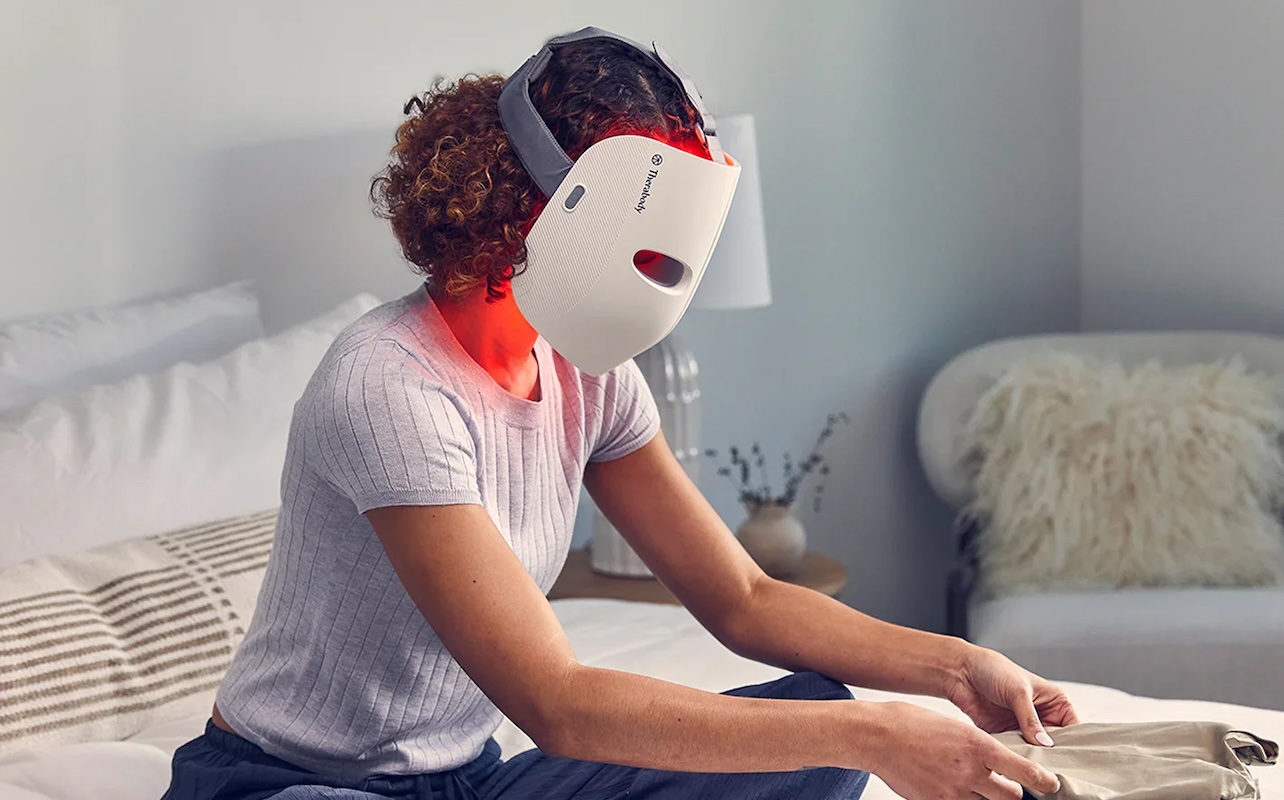
Each face mask’s performance depends on its engineering and design—not its marketing claims or the number of colours included. Devices with precise wavelengths, solid construction, and even coverage are typically more effective.
Other factors that impact a mask’s ability to perform include:
Wavelength accuracy
Devices that deliver precise wavelengths at clinically supported ranges are more likely to interact effectively with your skin cells.
Coverage and uniformity
Even light distribution ensures all areas of your face except your eyes receive treatment, avoiding untreated patches.
Fit and comfort
Masks that adapt to your face shape may provide better contact and make it easier to wear your mask for the full session.
Treatment duration
Session length varies between devices. Some offer short treatments, while others suggest longer sessions.
Build quality and durability
Medical-grade materials and robust, sanitizable construction improve longevity and reliability.
Safety features
Automatic timers, eye protection guidance, and clear instructions ensure secure use.
At-home LED masks vs in-clinic light therapy
Both professional and at-home skincare devices deliver targeted wavelengths to your skin. Clinical systems are usually higher-powered, larger, and administered by trained professionals, but they come at a steep cost—typically in the thousands, if not tens of thousands, of dollars. In-clinic treatments provide intensive exposure in controlled settings, but they involve higher costs and multiple appointments.
On the other hand, LED masks are designed for convenience and regular use at home. While their intensity may be lower, consistent use is designed to compensate by supporting gradual, visible results over time. Using a device multiple times per week makes light therapy masks practical for ongoing skincare maintenance, including improving skin texture, supporting elasticity, and addressing occasional breakouts. This article on best practices for safely using a skincare device can be helpful.
Are LED light therapy masks safe for home use?
Yes. LED masks are generally safe for home use, provided that manufacturer instructions are followed. They are non-invasive and operate at low light levels.
Safety considerations
- Follow recommended session lengths and frequency
- Wear eye protection if advised
- Ensure proper fit to avoid uneven exposure
- Purchase devices from reputable retailers
If you have specific skin conditions or highly sensitive skin, consult a skincare professional before starting an LED routine. Proper adherence to instructions ensures a safe and comfortable experience.
What should you look for in an LED mask?
When choosing an LED mask, consider features that affect both performance and usability. Look for devices that clearly specify red, blue, and near-infrared wavelengths, ideally with their specific wavelength range listed. You want something that can provide even coverage across your face, and that will fit comfortably to ensure effective and consistent use. The device’s session length should also fit easily into your routine, making regular treatments more practical.
It’s equally important to choose light therapy masks from trusted retailers with clear instructions and safety guidance, as fakes are common. Double check your device to make sure all diodes are operational upon delivery, as this is a common way to spot fakes.
Bringing light into your skincare routine
LED masks offer a practical, non-invasive way to support a range of skin treatments for varying concerns at home. Red, blue, and near-infrared wavelengths target different layers and processes, and they each (respectively) encourage smoother-looking skin, a clearer complexion, and overall skin wellness.
Like with many skincare products and tools, consistent use is essential to see results. LED therapy works gradually, and it’s most effective when incorporated into a routine alongside a balanced skincare regimen.
Explore a wide selection of at-home LED face masks at Best Buy. By using the right device consistently, you can help maintain your skin health see results similar to professional treatments in a convenient, home-friendly format.

This article was drafted using AI technology and then reviewed, fact-checked, and revised by a member of our editorial team.