Beauty tech has moved from clinic rooms into everyday bathrooms, and it’s changing how we think about skincare. A few years ago, treatments like LED therapy or microcurrent facials were something you booked weeks in advance, and only at a dermatologist’s office or medical spa. Now, many of those same personal care technologies are available in compact, user-friendly formats designed for home use. It’s no surprise that more shoppers are comparing professional vs at-home beauty devices before deciding where to invest their time and money.
At the heart of this comparison are two simple questions: are at-home beauty devices really comparable, and what are the tradeoffs? In this guide, we will walk you through the key differences between professional beauty devices and at-home beauty devices, covering results, convenience, cost, safety, and how each fits into your routine. Whether you’re curious about LED masks vs professional treatments or wondering if at-home skincare technology is worth it, this article will help you make a confident, informed choice.

What are professional beauty devices?
Professional beauty devices are tools used in clinics, spas, medspas, or dermatologist offices. Trained professionals—such as dermatologists, nurses, and aestheticians—operate them in a controlled setting. By assessing your skin in person, they deliver treatments tailored specifically to your needs.
Professional, often clinical-grade devices are typically stronger than at-home options. They’re designed to deliver noticeable results in fewer sessions (or even just one session), but often come with a higher risk of undesirable side-effects, too. Examples include in-office LED panel therapy, laser treatments, microdermabrasion products, and microcurrent devices—all devices that are available in gentler forms for at-home use.
What are at-home beauty devices?
At-home beauty devices are consumer-friendly tools designed for personal use outside of a clinic. These include a wide range of products, from LED masks and microcurrent devices to facial cleansing brushes and massage tools.
Designed for simplicity and safety, these devices are easy to use. They typically offer pre-set programs, timers, and/or companion apps. Common examples include:
- LED masks for acne or skin laxity support,
- Microcurrent devices for facial toning,
- Manual and ultrasonic skin scrubbers for gentle exfoliation, and
- Temperature-controlled facial tools to enhance circulation and de-puff the skin.
The goal of at-home skincare technology isn’t to replicate clinic treatments, per se. Instead, it’s to make skincare convenient, consistent, and easy to fit into daily routines. At-home options are a gentler way to build up results over time, and to adjunct your in-office treatments between sessions, if those are something you choose to include in your skincare routine. This article on best practices for safely using skincare devices at home can be helpful.
How do results differ between professional and at-home treatments?
When comparing the difference between professional and at-home beauty devices, one concept stands out: strength versus consistency.
Professional treatments tend to be more intense. They’re designed to deliver noticeable results in fewer sessions, often with longer gaps between appointments. Because these treatments are being administered by professionals in well-monitored settings, bigger changes can be made at one time.
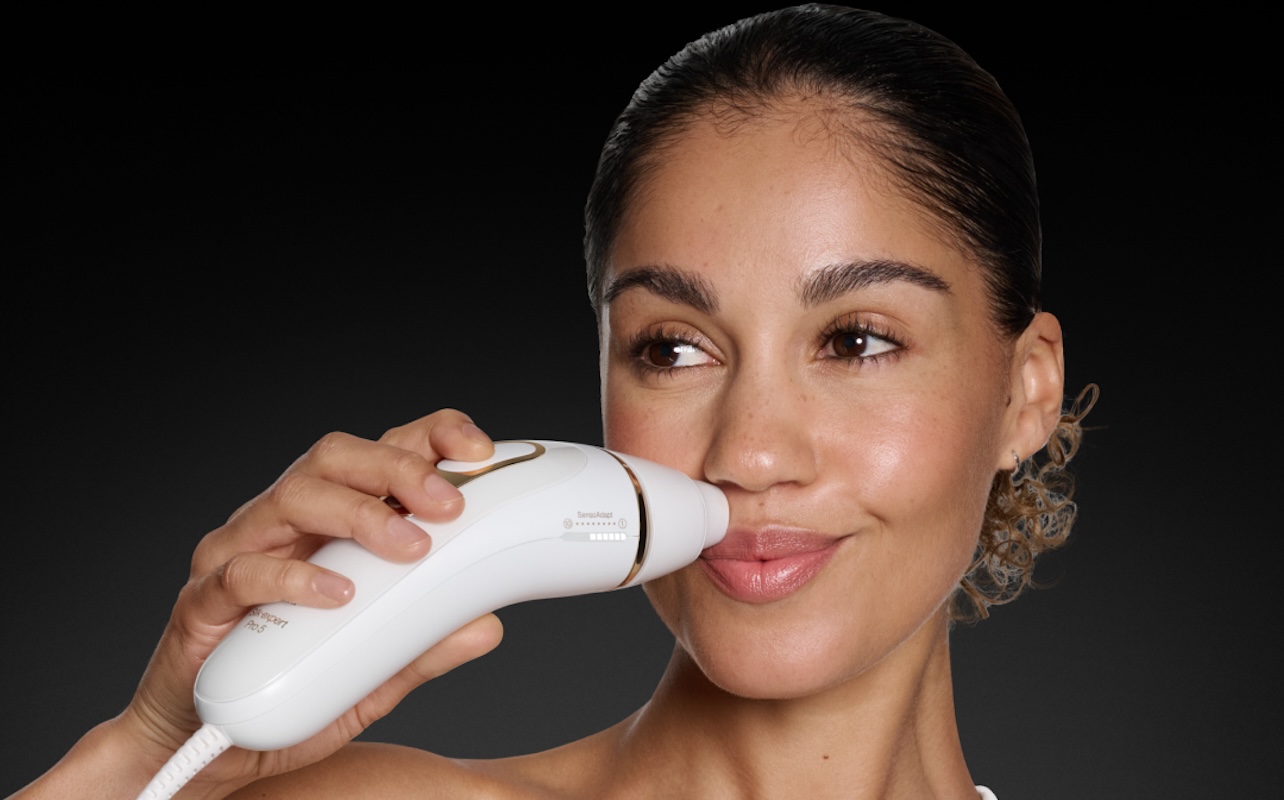
At-home devices, on the other hand, are built for regular use. They operate at lower intensities, which makes them safer for frequent application. Instead of a single powerful session, they rely on repetition and routine, gradually building or sustaining results over weeks. A great example of how these results can differ is laser hair removal: salon treatments typically take 6-10 sessions for complete results, while at-home IPL hair removal devices recommend up to 36 sessions for complete results.
This is where expectations matter. Unlike many in-clinic treatments, at-home devices aren’t about overnight transformations. Instead, they’re about gradual improvement. Think of them as part of a long-term habit designed to maintain results between professional tratements, like brushing your teeth in between dental cleanings.
Professional treatments vs at-home beauty devices for convenience
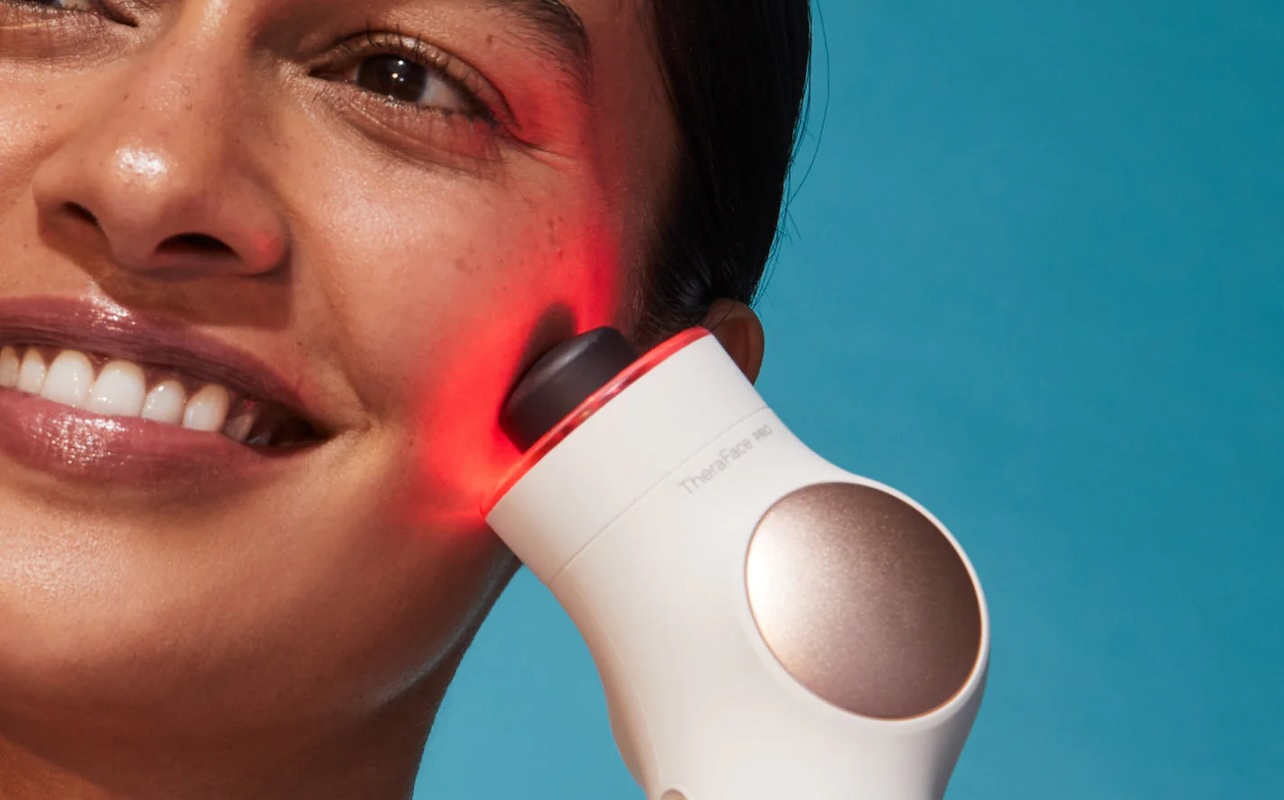
Convenience is one of the most noticeable differences between professional vs home skincare devices.
Professional treatments involve booking appointments, factoring in travel time, and coordinating with a provider’s schedule.
At-home devices, by contrast, are designed to fit into your routine. You can use them while watching TV, winding down before bed, or getting ready in the morning. However, you do have to accommodate a longer treatment duration overall.
For busy households or anyone juggling work, family, and personal time, this flexibility is a major draw. Both professional treatments and beauty devices for home use are the best choice for the right lifestyles.
How safety and guidance differ
Safety is an important part of the skincare devices vs professional treatments conversation.
In a professional setting, treatments are performed by trained providers who understand how to use the equipment safely and effectively. They can adjust settings, monitor your skin, and respond in real time.
At-home devices are designed with built-in safety features like pre-set intensity levels, automatic shut-off timers, and clear user instructions. However, it’s still very important to use the device as intended, avoid overuse, and choose products from trusted retailers.
Which beauty concerns are best suited to at-home devices?
At-home devices are a natural fit for ongoing, routine-based skincare and aesthetic treatments. Rather than delivering a one-time intensive treatment, they support gradual improvements through consistency.
They’re commonly used to help maintain visible signs of aging over time, especially when it comes to skin tone and firmness. Devices like LED masks can also support acne-prone skin, while microcurrent tools are often used for gentle facial toning. Other options, such as cleansing brushes, massagers, or facial tools, can enhance your daily skincare routine by improving product absorption and adding a sense of relaxation.
Because they’re designed for frequent use, at-home beauty devices work best when they become part of your regular routine. Over time, this consistency can make a noticeable difference.
Who might prefer professional treatments instead?
While at-home devices offer flexibility, professional treatments appeal to those looking for a more guided and personalized experience, as well as to those looking for more significant results. They can also be the better option for people whose schedules are flexible but whose time is limited, as they require fewer sessions than at-home products to deliver the same results.
Ultimately, choosing professional care doesn’t mean at-home devices aren’t effective. It simply comes down to preference, goals, and the level of support you’re looking for.
Cost, convenience, and efficacy: how to decide between professional and at-home beauty devices
If you’re wondering are at-home beauty devices worth it, the decision often comes down to how well each option fits into your lifestyle.
Here’s a simple way to compare:
| Consideration | At-home beauty devices | Professional treatments |
|---|---|---|
| Budget | One-time investment | Ongoing cost per session |
| Routine | Flexible, self-paced | Scheduled, less frequent appointments |
| Comfort level | Requires self-use | Guided by a professional |
| Consistency | Depends on personal habits | Structured with a provider |
| Skin concerns | Best for maintenance and mild concerns | Suitable for targeted or advanced concerns |
| Lifestyle fit | Flexible timing, but often more hours overall | Requires dedicated time, but typically takes up fewer hours overall |
Thinking through these factors can help you choose an option that feels realistic—not just appealing on paper. For many people, at-home beauty devices and professional treatments aren’t an either-or decision, either. At-home treatments help enhance and extend the results of professional treatments for many people.
Another factor to remember is that your costs and savings will change depending on your treatment. For treatments that are replacements instead of adjuncts, choosing an at-home device (for instance, for laser hair removal) can save you thousands of dollars throughout the course of your treatments.
For many shoppers asking, are at-home beauty devices worth it?, the answer often comes down to how frequently they plan to use the device.
What to look for if you choose an at-home beauty device
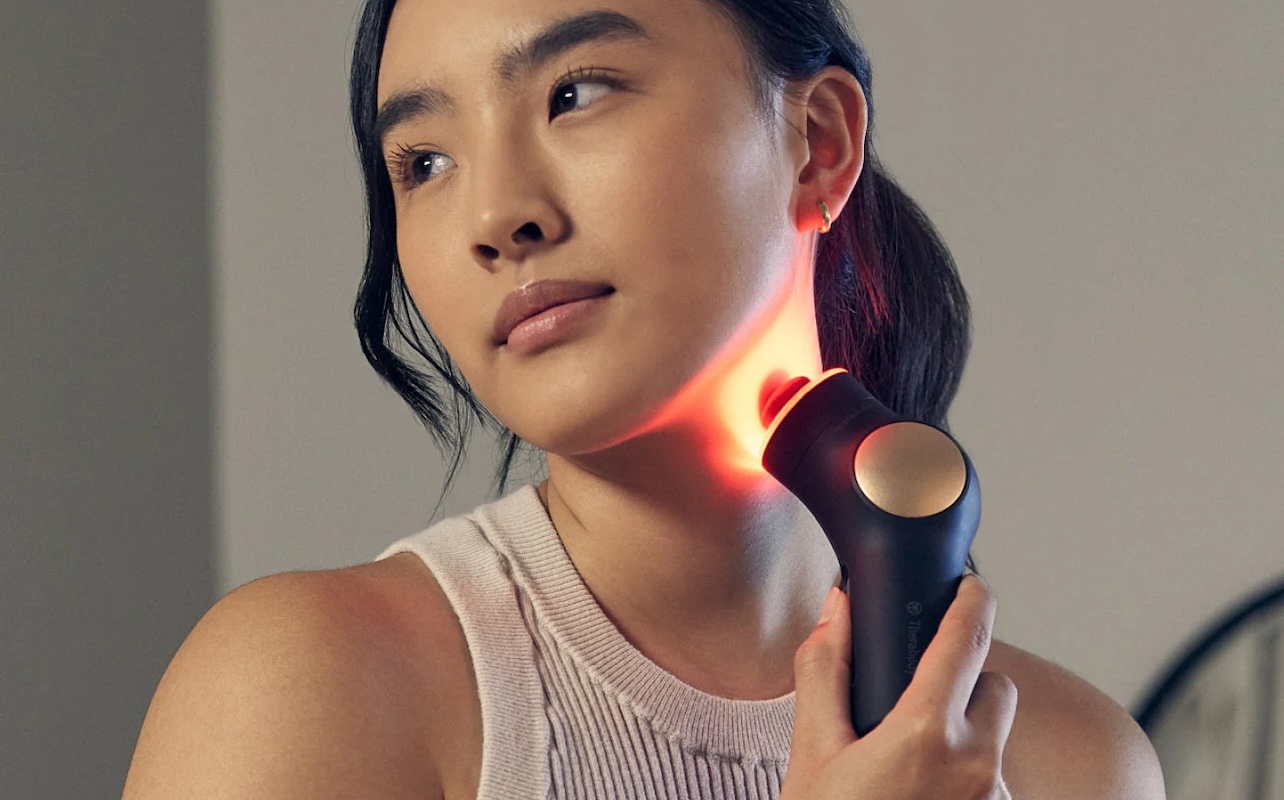
If you decide to explore beauty devices for home use, choosing the right product is key.
Here are a few factors to keep in mind:
- Device type: Match the technology to your skincare goal.
- Ease of use: Look for intuitive controls and clear instructions. For devices that need reguar deep cleaning or that are used with skincare products, read up on your device’s waterproofing, too.
- Comfort: Consider how the device feels during use.
- Treatment time: Choose something that fits your schedule.
- Safety features: Check for built-in protections and make sure to buy new from a reputable retailer. Skin bacteria and diseases may be communicable, so it’s essential to know where your device is coming from and where it has been.
- Warranty and support: Buy from trusted retailers like Best Buy.
Best Buy Canada offers a curated selection of at-home skincare technology, making it easier to compare features, read reviews, and choose a device that suits your needs. Our product range and support help take the guesswork out of getting started.
In the end, the best beauty routine is the one you’ll actually stick with—and that’s where at-home devices truly shine.
Frequently asked questions
What is the difference between professional and at-home beauty devices?
Professional beauty devices are typically used in clinics or spas by trained providers, while at-home beauty devices are designed for personal use with simpler operation and routine-friendly features.
Are at-home beauty devices as strong as professional treatments?
In many cases, no. At-home beauty devices are generally designed for regular treatment over time, while professional treatments may be stronger or more intensive in a single session.
Are at-home beauty devices worth it?
For many shoppers, at-home beauty devices are worth it. They can offer convenience, repeated use, and potential long-term value compared with paying for ongoing appointments. Or, for more advanced skincare concerns, they can offer enhanced and extended results in conjunction with professional treatments.
Are at-home beauty devices safe?
Just like with any device, safety depends on following the instructions, using the device as intended, and choosing a product that fits your needs. Watch for contraindications such as thin skin, rashes, or redness during and after use, and talk to a professional like your doctor, registered nurse, or dermatologist if you have any concerns.
Should I choose a professional treatment or a home beauty device?
That depends on your goals, budget, routine, and comfort level. Some people prefer the convenience of home devices, others prefer the in-person support of professional treatments, and some will use both.
What types of beauty devices are available for home use?
Common at-home beauty devices include LED masks, microcurrent devices, cleansing tools, facial therapy gadgets, and IPL hair removal devices.

This article was drafted using AI technology and then reviewed, fact-checked, and revised by a member of our editorial team.