Google’s Android XR may be its most ambitious attempt at validating a computing concept it’s envisioned for years. Google has tried something along these lines in the past—remember Google Glass and Daydream VR?
That also seems like so long ago considering where we are today with extended reality (XR) technology, which is the promise of blending together augmented and virtual reality (AR and VR) to deliver experiences where digital objects convincingly interact with a physical space.

Table of contents
- Introduction
- What is Android XR
- Key features of Android XR
- Google Smart Glasses: What We Know So Far
- Android Smart Glasses vs Competitors
- Use Cases for Android XR
- When Will Android XR Be Released?
- What This Means for the Future of Wearables
- Should You Be Excited About Android XR?

What is Google Android XR?
Google first announced Android XR in December 2024 as a co-developed platform with Samsung and Qualcomm. The whole premise is to deeply integrate it with Gemini, Google’s generative AI.
To understand Android XR, specifically, it’s important to know how the constituent parts work. AR overlays digital information on top of the real world, which you may have experienced with heads-up displays (HUDs) in modern vehicles. Speedometer and navigation details projecting onto your windshield are a good example of how that works. VR is all about immersing you in a fully-simulated virtual space.
XR, or extended reality, is the umbrella term that covers both, plus everything in between, like mixed reality experiences that aim to do both at once. That’s where Android XR generally fits because it’s designed to support a wider range of devices, including full headsets with immersive displays to lightweight AI glasses you could openly wear in public.
Key features of Android XR
Seamless Android integration
Android XR comes out of the gate with a major structural advantage: Google builds it from Android. That means the Play Store is available from the start, so mobile apps from your phone project directly to Android XR glasses without developers needing to do extra work. They can, however, optimize their apps for XR if they want, all of which gives Android XR glasses a sizeable content library before a single XR-native app ships.
Google also bases it on a design language called “Glimmer,” inspired by Material Design principles from its Pixel devices. The idea is that developers need to look at Android XR’s user interface like a widget on a home screen and not like a desktop application.
AI and Gemini integration
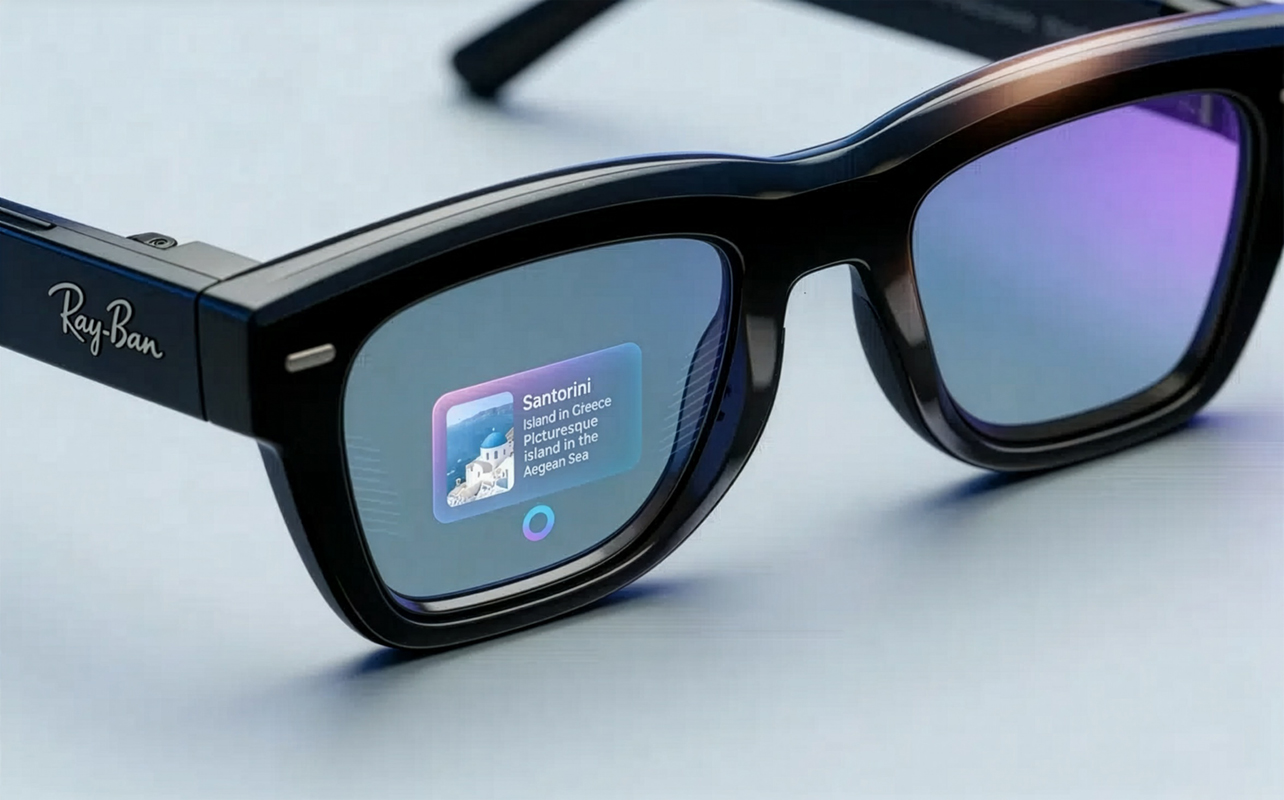
Gemini is basically the cornerstone of the entire experience. It’s a context-aware assistant that understands what you’re looking at, what you’re doing, and what you might need next without making you type a single word. Gemini Live powers all voice commands, visual queries, and real-time translation.
Google first demoed Project Astra at TED2025 with prototype glasses offering an early glimpse into what it all means in practice. For example, asking Gemini to play a song could pop up a small “Now Playing” card in your field of view, or answering a video call and seeing a full floating display of the caller’s face. In a way, it’s almost like something out of a sci-fi movie, but it’s an experience that is not far off at this point.
Lightweight smart glasses support
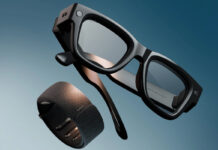
Android XR is trying to be the opposite of what Apple’s Vision Pro. Rather than be a heftier and heavier headset with dedicated sessions, Google is trying to make its XR platform work in an everyday wearable form factor. That explains why it supports both display-less smart glasses with cameras, microphones, and speakers, along with monocular pairs equipped with an embedded MicroLED display. Google’s prototype had the latter and made a good impression on those who were able to try it.
Cross-device connectivity
Google has integrated Android XR with Wear OS in ways that can feel contiguous. Take a photo on a display-less pair of Android XR glasses, and a notification lets you preview it instantly on your smartwatch. Gesture controls extend across devices to establish a functionally unified system for your phone, watch, and glasses.
The platform will also support iOS to enable iPhone users to access Gemini AI features on Android XR glasses to broaden the potential audience even further.
Google Smart Glasses: What we know so far
From Google Glass to Android XR
When the original Google Glass launched in 2013, it came off as an impressive gizmo given it was a monocular prism display mounted on titanium frames. It just turned into a commercial disaster. Not only was it bulky, it also had a small battery and sold at a very expensive price. They also didn’t fit in as regular glasses in any way, and that’s a big reason why there’s such an emphasis with some smart glasses brands on blending function and fashion together. That’s why brands like Gucci, Warby Parker, and Gentle Monster are involved in helping develop Android XR glasses.
Display technology: microLED and Waveguides
Google has invested heavily in microLED technology to enable bright, vivid images without consuming excessive power. The monocular prototype uses this to power a single-eye display that is like a floating rectangle with vibrant, phone-quality colour.
There are also tests with binocular glasses, where each lens contains a waveguide display. This configuration allows for native 3D content that can feel richer and more in-depth, like seeing it in YouTube videos or Google Maps, for instance. It’s also possible to take 2D content and add artificial 3D depth to it, potentially making existing content that you own look and feel new again.
While both monocular and binocular designs are on the roadmap, the monocular version is further along for consumer launch.
Camera and sensor capabilities
Google mandates that hardware for Android XR glasses must have three physical controls. A touchpad on the side of the frame (that controls play/pause, volume, swipe gestures), a camera, and microphone to activate Gemini. The camera is the bridge that enables Gemini to provide visual AI capabilities, like real-time object recognition, contextual answers about what you’re looking at, and navigation overlays.
Android Smart Glasses vs competitors
vs. Apple Vision Pro
This is very much an apples-to-oranges situation. Apple pursues a premium spatial computing headset market, while Android XR targets an everyday wearable. But let’s break it down a bit.
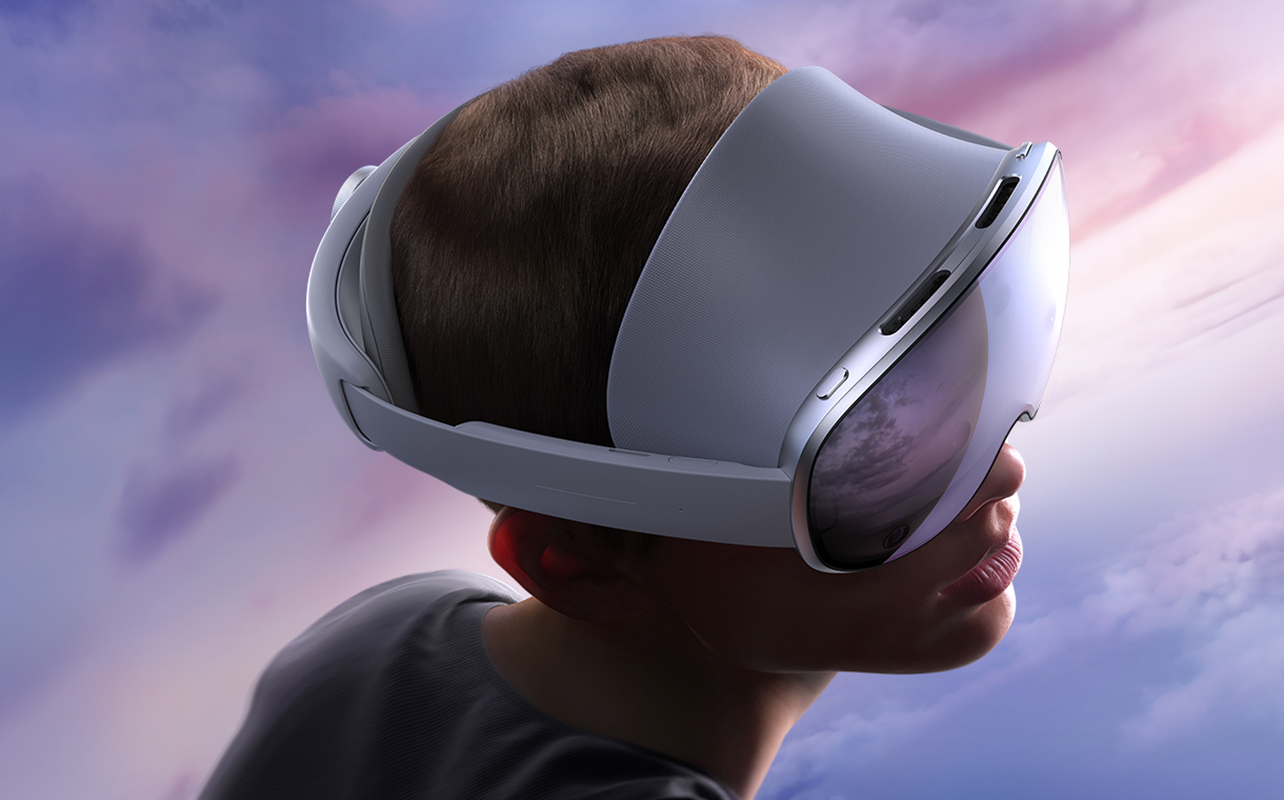
Apple’s Vision Pro is built around the visionOS ecosystem, which offers immersive, desktop-style experiences at a very premium price point. The Apple M5 processor powers those experiences, and its raw power computation significantly outperforms Android XR headsets. It has double the sensors of competing headsets and Optic ID iris scanning for security. It’s just that it’s heavy, expensive, and designed for dedicated sessions rather than all-day wear.
Android XR’s pitch is not like that at all. It’s designed to be an open platform where software can easily port across devices, with a design light enough to wear comfortably, and priced for mainstream buyers. Google and Samsung have openly said they’re seeking a more open-platform approach in contrast to Apple’s “walled garden” strategy.
vs. Meta Smart Glasses
Meta’s Ray-Ban collaboration has all but proven consumers are willing to buy and wear AI glasses when they look like normal glasses. The Ray-Ban Meta line of smart glasses now stand out as some of the best-selling models within the company in multiple markets. Not bad for a category few heard of even a few years ago.
Meta approaches this from a social and lifestyle perspective. Its glasses excel at hands-free photo and video capture, Meta AI queries, and music playback. That it has no visible display is both a feature by design and limitation all at once. You can wear them out to dinner without attracting any attention to yourself.
Android XR’s glasses look to take a broader approach by adding display capabilities and deeper platform integration that Meta’s hardware doesn’t offer. The trade-off is that integrating displays will likely make Android XR glasses more expensive. Meta has the benefit of a massive social network ecosystem, whereas Google prefers an open platform that works with its AI capabilities.
Use cases for Android XR
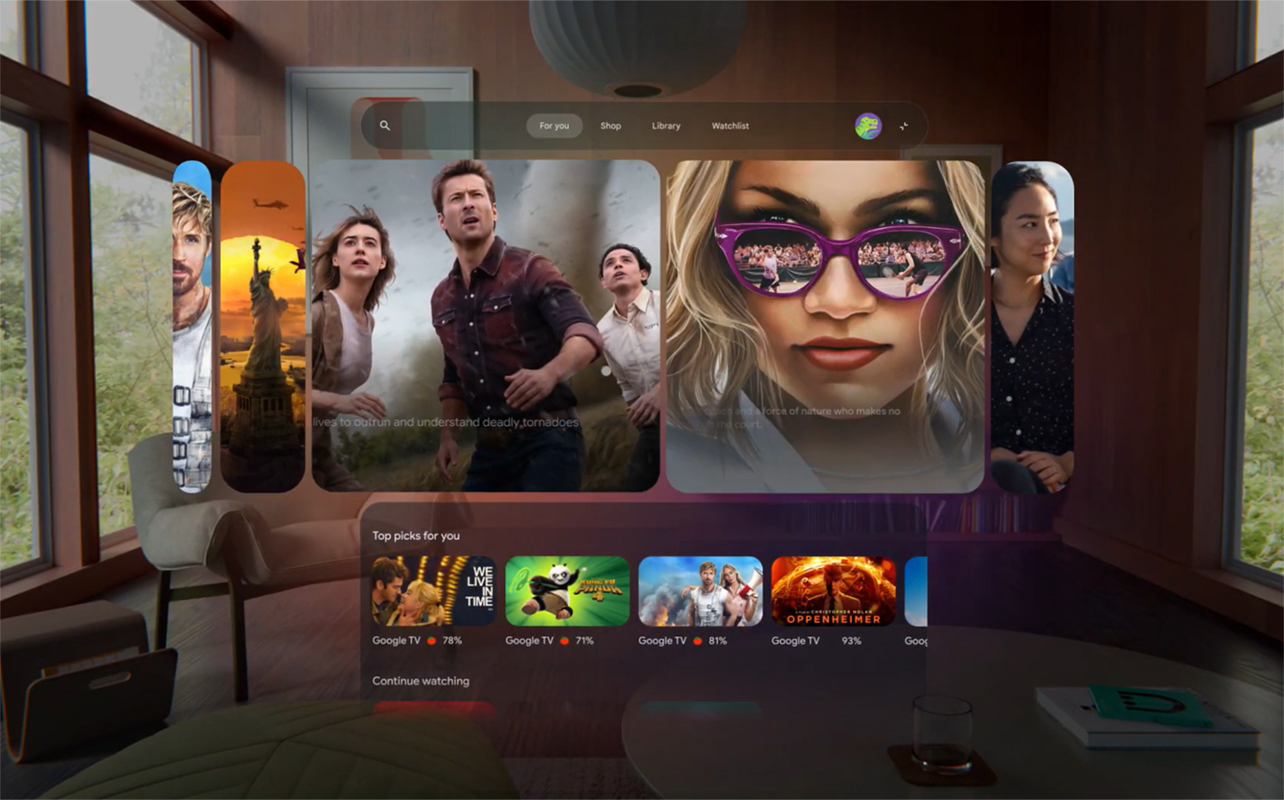
Everyday consumer use
Android XR glasses can make their mark in everyday scenarios that remove friction from things you already do with your phone. Navigation is probably the clearest example when Google Maps Live View runs on your phone and becomes a heads-up display on your glasses. When you’re walking, a small directional pill sits somewhere in your field of view. Tilt your head down and a detailed map appears, negating the need to glance at your phone all the time.
Real-time translation is another standout. Gemini can translate conversations and on-screen text as it appears, surfacing the translation as a gentle overlay without interrupting the moment. Notifications from your phone—messages, calls, reminders—arrive as compact cards you can glance at and dismiss with a gesture. This way, you can remain present in the world while keeping you connected to your digital life.
Work and productivity
Professionals at work may find Android XR opens the door to genuine remote collaboration in spatial environments. Virtual screens mean you don’t have to stay in front of a physical monitor and can take your workspace with you instead. Colleagues can join the same virtual space, view shared documents, or collaborate in ways that video calls can’t replicate.
The Samsung Galaxy XR headset currently embodies this vision, as it aims to offer a full spatial computing environment at roughly half the price of Apple Vision Pro. Developers are now able to build for the smart glasses form factor today using the Android XR SDK, which includes an emulator for optical passthrough experiences.
Entertainment and gaming
As noted earlier, binocular Android XR glasses already support native 3D video on YouTube. Google Maps’ binocular mode lets you zoom into a 3D map—a hint at what spatial interfaces could feel like as the platform evolves.
AR gaming is further out but already on the roadmap. ARCore for Jetpack XR now supports motion tracking and geospatial features, enabling developers to build games and experiences that are aware of your physical location and surroundings. Think Pokémon Go, but with a display in your glasses instead of a screen in your hand.
When will Android XR be released?
The first Android XR device, the Samsung Galaxy XR headset, is only available in the USA as of now. It launched in late 2025 and represents Google and Samsung’s initial stake in the XR headset market.
Google confirms that Android XR smart glasses are launching in 2026. The screen-less version (audio and camera only) is arriving first, followed by the monocular display version. The company has already distributed developer kits with growing access throughout the year. Retail versions co-developed with Warby Parker and Gentle Monster will fall in that timeline.
XReal’s Project Aura is an Android XR pair of glasses with headset-like immersion marked for a 2026 launch. At least five Android XR devices are expected to launch this year, including both display and non-display variants from multiple manufacturers. It’s not clear what these glasses will cost, though they’re expected to be positioned near Meta’s Ray-Ban pricing tier, so in the $300-$500 range for non-display models.
What this means for the future of wearables
It’s hard to tell exactly what the consequences will be but the maturation level today is markedly different from what it was when Google Glass launched in 2013. Android XR is essentially the same bet Google made with Android in the beginning when it wanted the operating system to be open and flexible for both manufacturers and developers. Android runs on an overwhelming majority of the world’s phones, so it’s been a successful run thus far.
Key to this is a shift from the phone-centric inputs we’ve come to know for many years to the ambient computing of a wearable that, in some cases, can see what you see. Phones have always captured users’ attention, whereas smart glasses would divert it away in interesting ways.
Rather than pull a device out of your pocket, you’d already be wearing and interacting with it through what you see and what you say or do. Google’s AI capabilities, particularly through Gemini, give it a nice foundation to try building this transition.
Should you be excited about Android XR?
For developers, the answer is a definite yes. The Android XR SDK is available now, the emulator is live, and the opportunity to build foundational apps for a new computing platform that is still nascent is an open opportunity for many. Google is providing serious tools, including ARCore motion tracking and geospatial features, to enable sophisticated applications from day one.
For early adopters, being among the first off the bat can feel like an exciting venture. It’s like buying a Bluetooth headset in 2002 or embracing the iPhone in 2007-08. Android XR glasses are pursuing a similar trajectory. The display versions in particular, courtesy of their microLED monocular displays and Gemini integration, are the most technically impressive smart glasses to emerge from a major platform company to date.
For mainstream consumers, patience is still the best approach. Challenges remain with battery life on display-equipped glasses. Not to mention privacy concerns around always-on cameras that are still murky given the lack of regulation around it. It’s not entirely clear what public adoption will look like for those who are basically wearing computers on their faces. And then there’s pricing, where the gap between screen-less and screen-equipped versions will vary widely.
The honest verdict is that Android XR is the most credible attempt yet to make smart glasses a mainstream computing platform. Google has the AI, the ecosystem, the distribution, and the partnerships to actually pull it off. Whether they can execute—and whether consumers are ready to put computers on their faces—is still unknown, but 2026 will provide clues on where the wind is blowing.