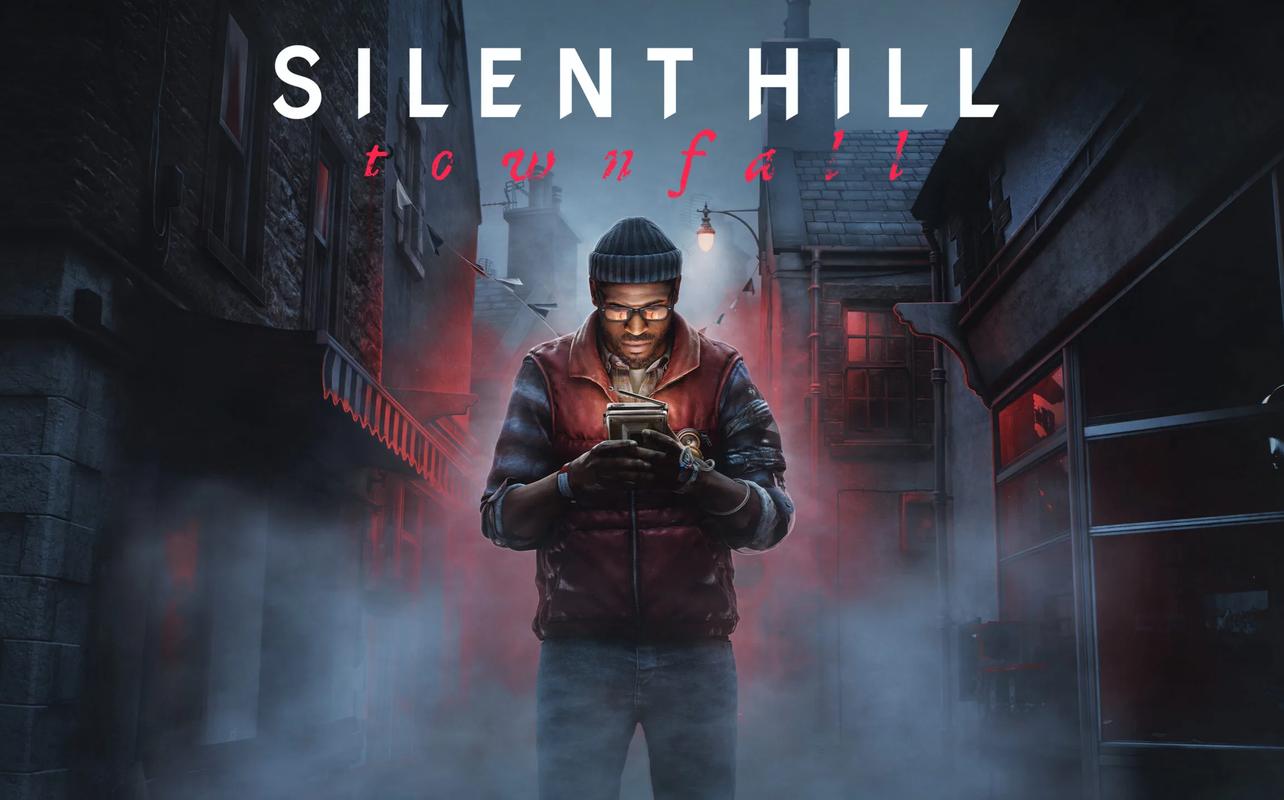
SILENT HILL: Townfall made me slow down almost immediately. Once I learned how Simon Ordell’s handheld TV could track nearby creatures, I started checking it before heading down another street or corridor. Knowing something was close without knowing exactly where it was changed how I moved through St. Amelia.
SILENT HILL: Townfall takes the series into first person, bringing you much closer to St. Amelia and the creatures hiding around it.
Townfall builds a lot of its horror around that caution. It’s a first-person survival-horror game where avoiding a creature can be smarter than trying to fight it. The CRTV can point you toward danger, but it never clears the path for you. Combat isn’t as satisfying as the rest of the game, and a few later puzzles and dark areas can slow things down. I still wanted to see what was around the next corner, even when I wasn’t sure I wanted to walk there.
Let’s see how well Townfall keeps that feeling going once St. Amelia opens up.

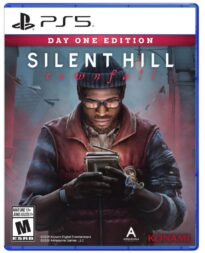
SILENT HILL: Townfall details
Platform(s): PS5, PC
Reviewed on: PS5
Developer: Screen Burn Interactive
Publisher(s): KONAMI, Annapurna Interactive
Genre: Psychological horror, survival horror
Modes: Single-player
ESRB rating: M for Mature 17+
St. Amelia anchors Townfall’s mystery
Townfall drops Simon into St. Amelia with fragmented memories and almost no idea why he’s there. The fog-covered Scottish coastal town is set in 1996, and Simon is trying to figure out what happened and why he was called there.
St. Amelia does a lot of the storytelling. Notes, signs, and abandoned spaces fill in pieces of what happened before Simon arrived. Finding those details as I explored made the town feel connected to the people who lived there instead of just giving Simon another creepy place to walk through.
Zoe Ellis brings another side of St. Amelia into the story. She’s a nurse who already knows the town and its people, so her sections fill in details Simon can’t see from the outside. By the time their stories start filling in more of the picture, St. Amelia feels like a place with a history instead of a mystery built only around Simon.
Townfall is also more direct about what its characters are going through than some older Silent Hill games. That didn’t bother me. There’s still plenty left to think about, but I never felt like the game was hiding the basic reason I should care about Simon, Zoe, or what happened to St. Amelia.
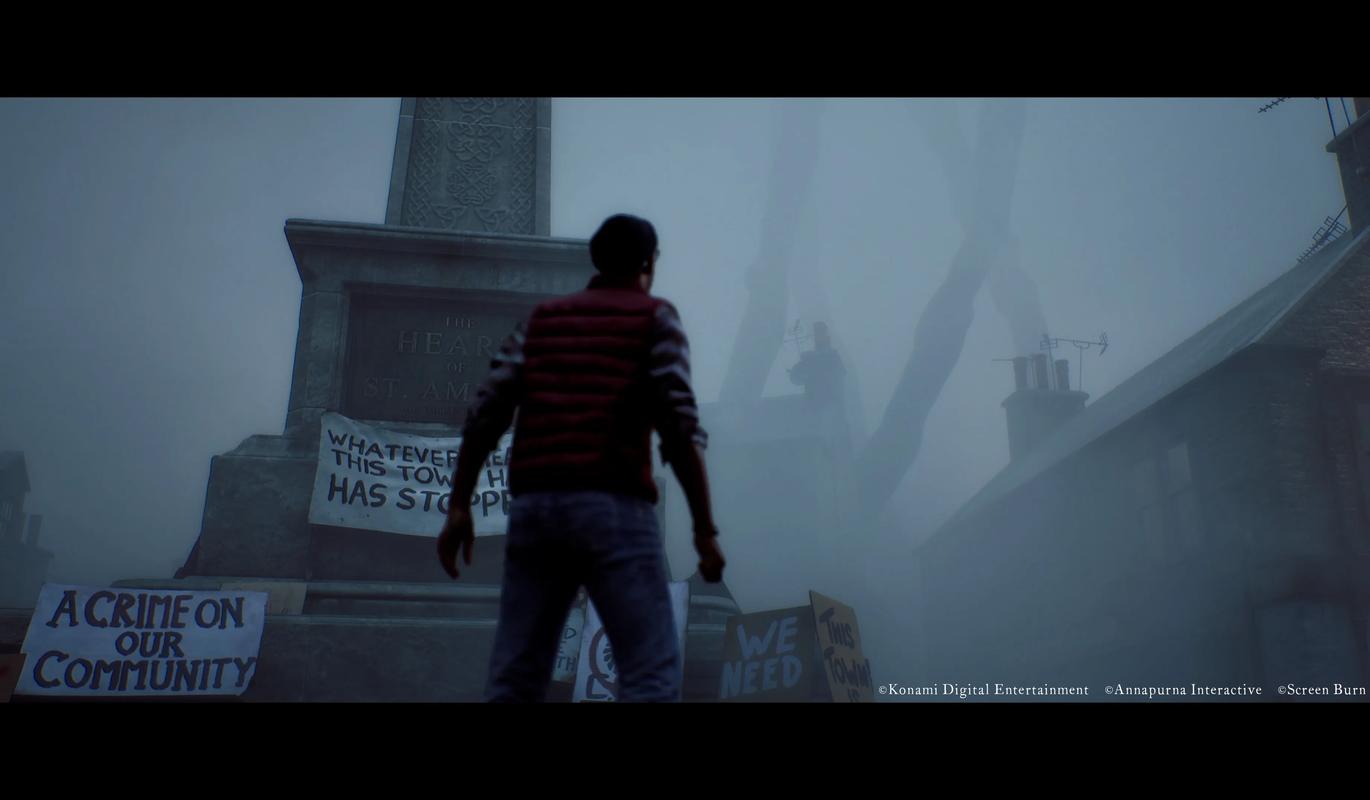
First-person survival leaves you exposed
Townfall had me slowing down whenever a dark street or corridor opened up in front of me. The first-person view narrows what you can see, so I found myself checking my surroundings before moving ahead. Having a little more information often mattered more than rushing forward.
The CRTV changes how you judge each area
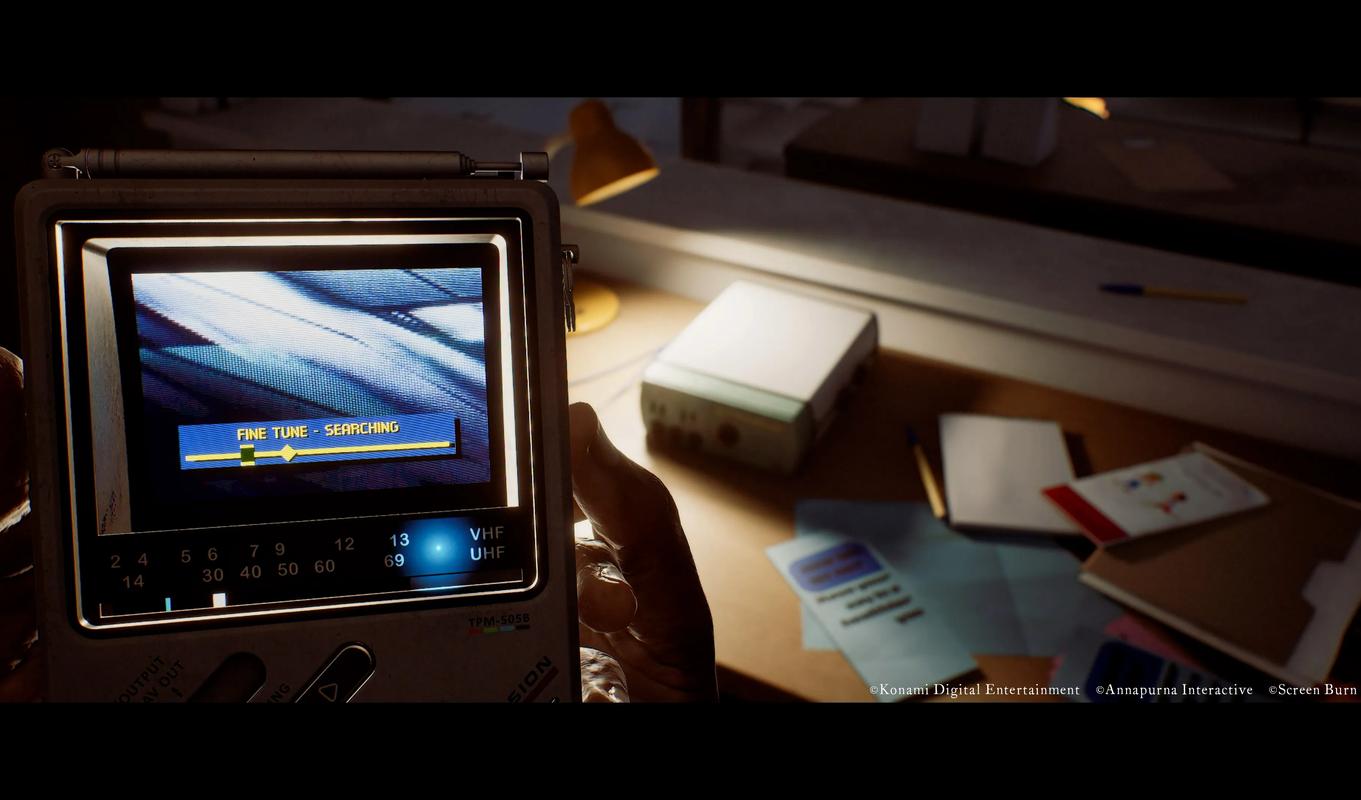
With Simon, the CRTV becomes part of many decisions about where to move next. Tuning into a creature’s frequency can tell you something is nearby and hint at where it may be moving. It doesn’t remove the danger. It gives you just enough information to decide whether you want to risk the route in front of you.
Simon’s handheld TV isn’t only useful for tracking creatures. Signals can point you toward useful information, and the device ties into both navigation and puzzles. What works for me is that it never feels separate from the rest of the game. The same device you use to track a creature can also point you toward something you need to notice in the environment.
Zoe’s pager works differently because its warning is less precise. You may know the general direction of a threat without knowing exactly where it is. That makes peeking around cover and checking your surroundings more important before you move. Her sections feel more exposed because you have less information to work with.
On PS5, I also liked using the DualSense motion controls to tune the CRTV. Moving the controller while searching for a frequency made checking for nearby creatures feel more hands-on. It’s a small detail, but it fits naturally with the way Simon uses the device.
Combat is risky, and later challenges can lose clarity
Townfall never lets weapons turn Simon into an action hero. Melee weapons wear down, ammunition is limited, and gunfire can attract more trouble. Fighting remains a decision instead of becoming the automatic response whenever a creature appears.
Throwing an object can distract or briefly stun a threat long enough to create an escape route. That keeps avoidance useful even after weapons become available. You’re often thinking about how to get through an encounter safely rather than clearing every enemy from an area.
Stealth gets frustrating when enemy detection is inconsistent. There are moments when it isn’t clear why a creature has noticed you. Not knowing where a creature is can be scary. Not knowing why it spotted you is just frustrating.
Most puzzles reward paying attention to documents or the environment, which I enjoyed. A few later ones become less clear, and some darker areas make navigation more confusing than it needs to be. Those stretches slowed me down for the wrong reason. I was trying to work out what the game wanted rather than worrying about what might be waiting ahead.
St. Amelia is unsettling before anything attacks you
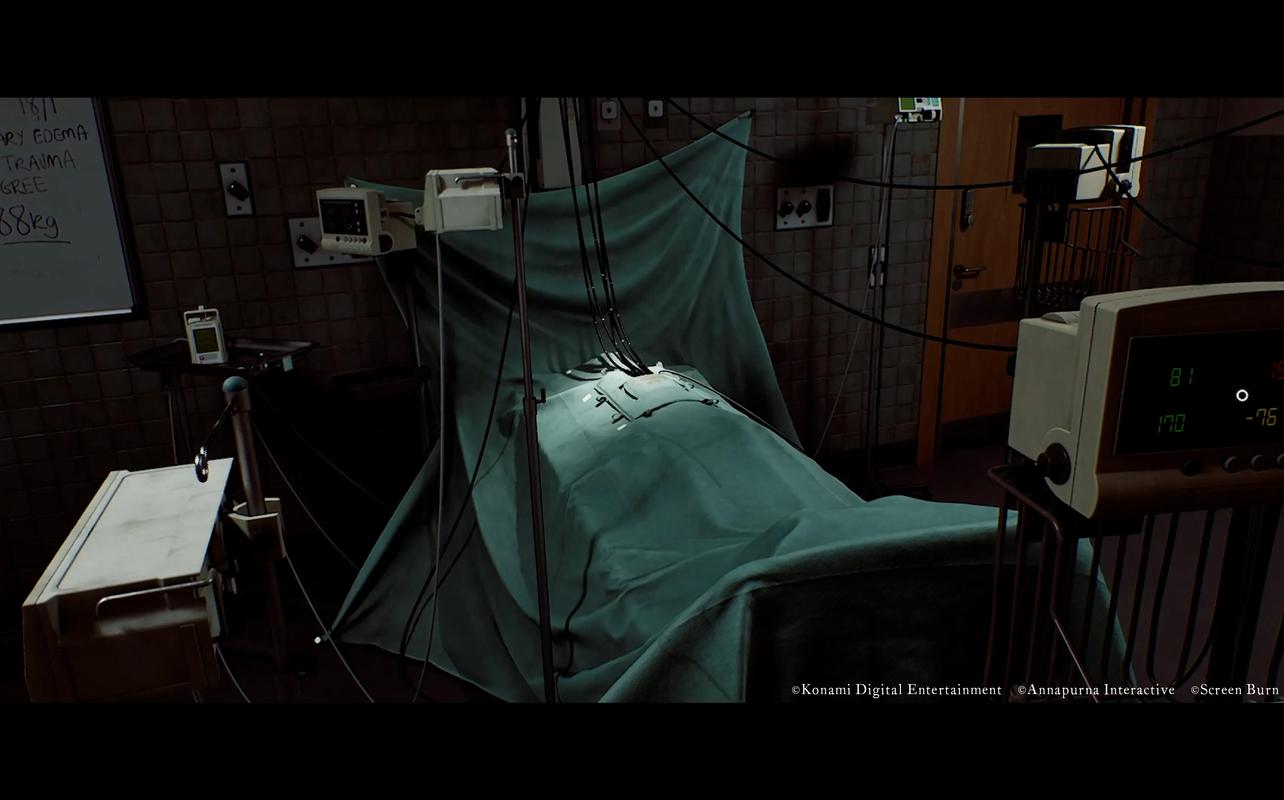
St. Amelia does a lot of the horror work on its own. Buildings look worn, interiors are dim, and heavy fog keeps outdoor spaces from ever feeling open or safe. It looks like a real place that has been left to rot, which makes the fog and empty streets more unsettling.
First person brings you closer to all of that detail. Streets and corridors can hide threats until they’re close, and the limited view makes even quiet exploration uncomfortable. Townfall doesn’t need to crowd every area with creatures to keep me cautious.
Sound can make you stop and listen even when you can’t see a threat. Creature noises and CRTV static can tell you something is nearby before you actually see it. The delay between hearing something and figuring out where it is can make you hesitate before moving.
The darkness occasionally goes too far. When an area already has few landmarks, the darkness can make it harder to figure out where to go. At those points, I was fighting the visibility more than the fear.
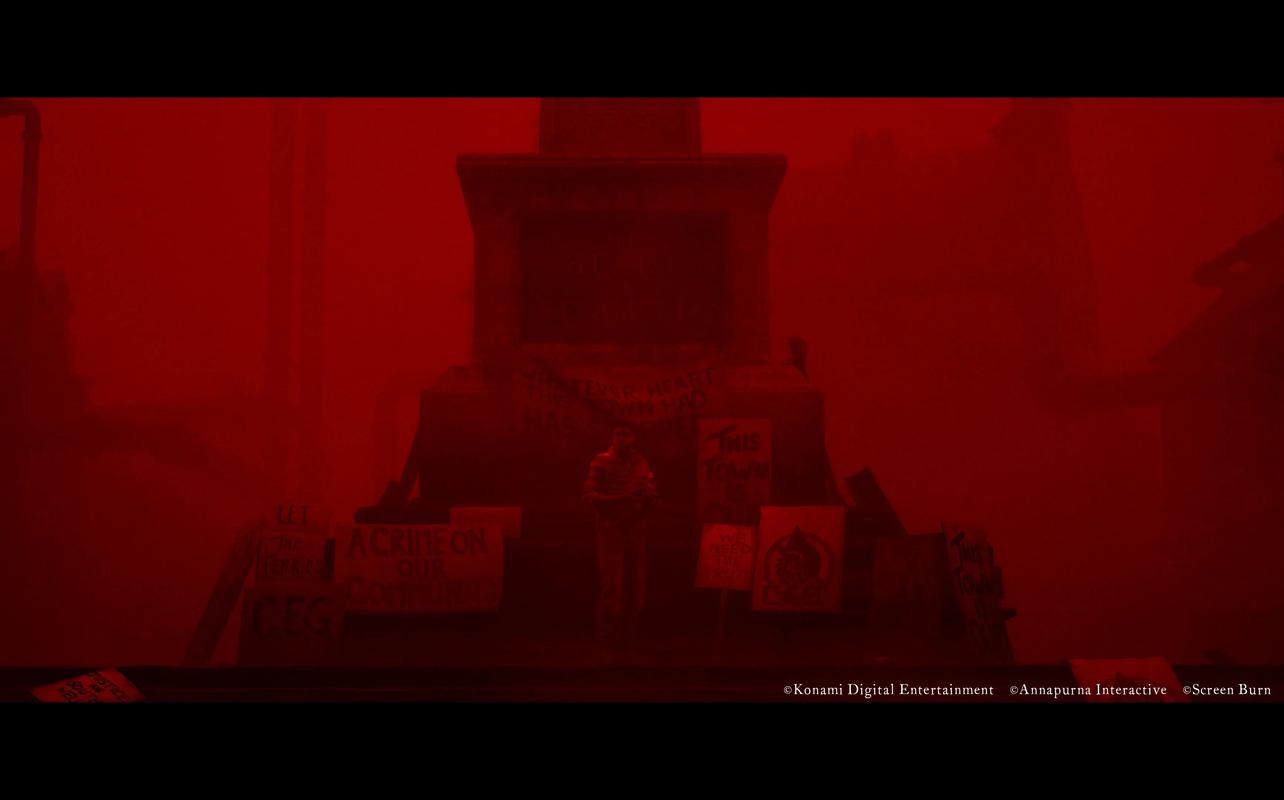
SILENT HILL: Townfall works because you never feel fully safe
SILENT HILL: Townfall never let St. Amelia feel routine. Even once I knew how the CRTV worked and had weapons to fall back on, I still slowed down before heading into another dark street or corridor.
The game is at its best when you have enough information to make a choice but not enough to feel safe. That approach carries the first-person horror much farther than the combat does.
| Pros | Cons |
|---|---|
| Strong first-person atmosphere and sense of vulnerability | Stealth detection can be difficult to understand |
| CRTV adds a distinct layer to exploration and threat awareness | Combat is less satisfying than the survival-focused horror |
| St. Amelia is memorable and full of environmental detail | Some later puzzles and routes can interrupt the pacing |
Enemy detection can still be confusing, some later puzzles are less clear than they should be, and a few darker areas make it harder to figure out where you’re supposed to go. Those were the moments when I stopped thinking about what might be nearby and started thinking about what the game wanted me to do.
If you enjoy psychological horror, puzzles, and careful exploration, Townfall has plenty to keep you in St. Amelia. If you want frequent combat or very clear enemy behaviour, those frustrations will stand out more.
Overall assessment of SILENT HILL: Townfall
Gameplay: 4.4/5
Graphics: 4.8/5
Sound: 4.8/5
Lasting appeal/Replayability: 4.5/5
Overall rating: 4.6/5 (92%)
I wanted to keep exploring St. Amelia even when I knew the next street could be a bad idea. By the end, I was still approaching each new area carefully instead of rushing ahead.
If you’re planning to play on PS5, you can find Silent Hill Townfall: Day One Edition at Best Buy Canada. It includes Rusted and Beach Edition cosmetic styles for Simon’s handheld TV.