
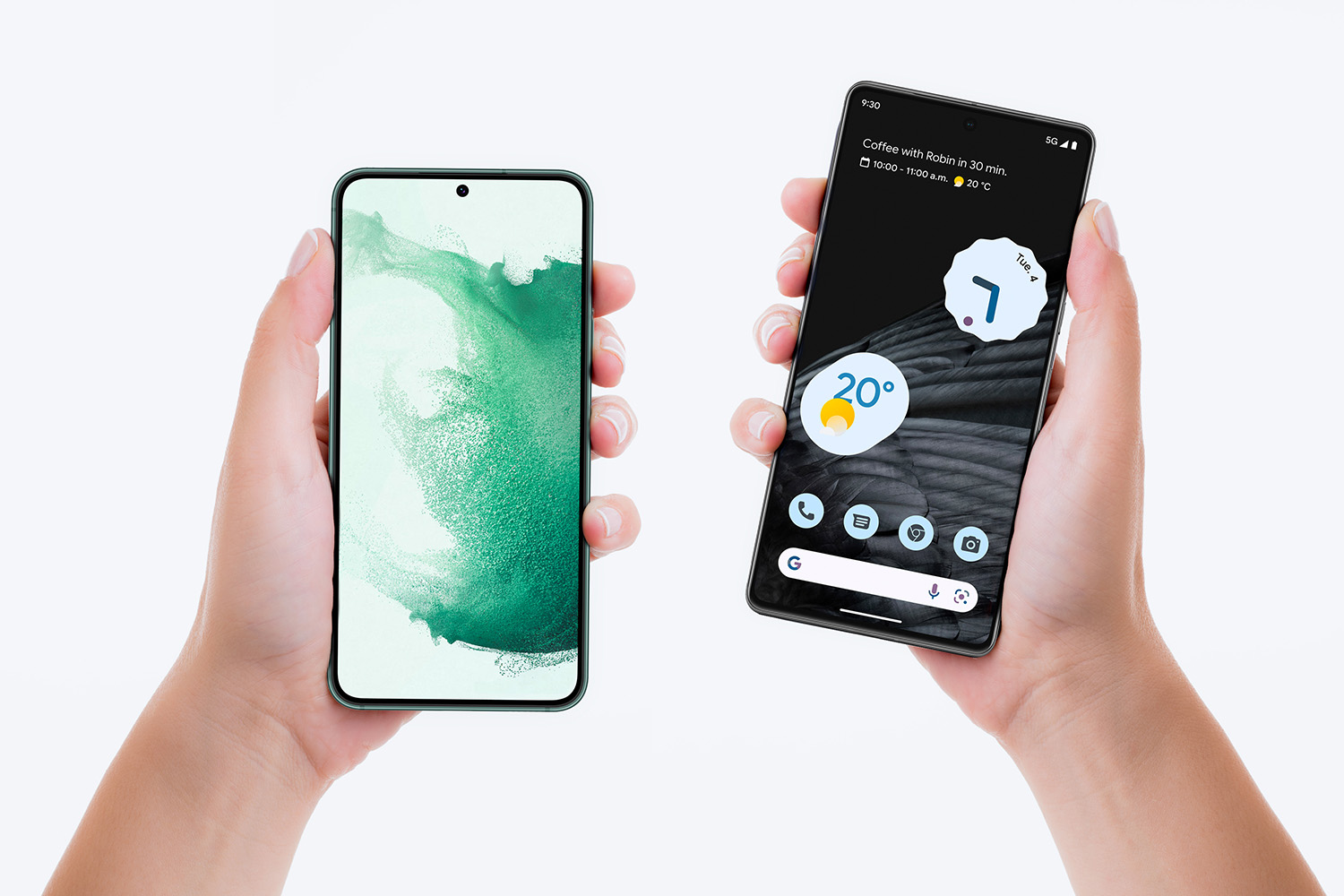
Buying a new smartphone isn’t as simple as picking the latest, most expensive model. Your phone is something you use every day—from waking up to your morning alarm and checking directions on the go to replying to texts and emails before bed. It plays a huge role in how you communicate, work, learn, and more. That’s why you need to choose a phone that fits your lifestyle and priorities while staying within your budget.
With so many models and features available, knowing where to start can feel overwhelming. Should you choose an iPhone or Android device? How much storage do you actually need? Is it better to buy outright or finance through a carrier? And with AI now built into smartphones, how do you know which features are worth paying for?
Whether you’re upgrading an older device or buying your first smartphone, this guide covers everything you should consider before making a decision. From operating systems and key features to payment options and AI capabilities, you’ll learn how to choose the phone that’s right for you.
Cellphone Buying Guide Quick Reference Handout

Table of contents
- Choose between iPhone & Android
- Understanding smartphone performance
- Find out which features matter most to you
- Understand your buying options
- Ways to save on your next phone
- Accessories worth buying
- Which phone is right for you?
- Frequently asked questions
Choose your operating system: iOS or Android
The operating system is the foundation of your phone experience. Everything—apps, security, customization, accessories, AI features—flows from this choice.
If you already use other devices, you may already have a natural starting point.
iPhone iOS
If you already use Apple products like an iPad or MacBook, you may feel right at home with iOS. It’s an operating system used exclusively on Apple devices like the iPhone and iPad. iOS is known for its clean, intuitive design, which makes it easy to navigate even for first-time smartphone users.
Key strengths of iOS:
- Seamless Apple ecosystem: iOS works smoothly with your other Apple devices. You can start something on your iPhone and finish it on your Mac or iPad, share photos through iCloud instantly, and move between devices effortlessly with features like Continuity.
- Consistent software updates: Apple supports its iPhones with regular iOS updates across compatible models at the same time.
- Built-in privacy and security: Privacy is integrated into both hardware and software, with many sensitive processes handled directly on the device to help keep your information protected.
- Simple, intuitive experience: iOS is known for being easy to use, with a clean interface that feels familiar whether you’re setting up your first smartphone or have used iPhones for years.
- Apple Intelligence features: On supported models, Apple Intelligence brings on-device AI tools like writing assistance, photo editing enhancements, and a more capable Siri—all designed to feel fast and privacy-focused.
- Wide accessory ecosystem: iPhone users have access to a huge range of compatible accessories, from cases and chargers to stands and add-ons, making it easy to customize and extend functionality.
Android
Alternatively, if you’re already using an Android device, you may want to stick with what you know. Android is an open-source platform that runs on phones from a wide range of manufacturers, including Samsung, Google, OnePlus, and Motorola.
Key strengths of Android:
- Customization: Android lets you personalize your home screen, widgets, default apps, and overall layout in ways iOS doesn’t.
- Device variety: From budget-friendly options to premium flagships, Android covers every price point and form factor, including foldable phones.
- Google ecosystem: If you rely on Gmail, Google Drive, Google Photos, or Google Maps, Android integrates these services natively.
- AI features: Google’s Gemini AI is now integrated throughout Android, with features that can assist with tasks across apps and understand what’s on your screen.
Note that within Android, the experience on each device can be uniquely different, despite the operating system being the same. For example, Samsung phones use One UI, which adds custom design elements and features on top of Android. Google Pixel phones, on the other hand, run a cleaner version often referred to as “stock Android.” This means the interface closely reflects Google’s original design, with minimal visual changes, faster software updates, and fewer pre-installed apps compared to other Android devices.
Which operating system is better?
Neither iOS nor Android is objectively better; they serve different users well.
Choose iPhone if you already use other Apple devices. It is great for someone who values consistent long-term software support, privacy, and on-device security.
Choose Android if you want more flexibility in how your phone looks and works. It’s also a great choice if you’re looking for strong value across a range of prices, rely on Google’s services, or want more options in phone designs.
If you’re switching platforms for the first time, the main consideration is ecosystem. Switching from Android to iPhone—or the reverse—means re-evaluating your apps, cloud storage, and any smart home or wearable devices connected to your current phone.
Understanding smartphone performance
Performance determines how quickly your phone responds to everything you do, like opening apps, switching between tasks, playing games, processing photos, and using AI features.
Here’s what to look for.
Processor (chip)
The processor, also known as the Central Processing Unit (CPU), is the engine of the phone. It processes data, runs apps, manages multitasking, and coordinates how all the different parts of the device work together smoothly.
RAM (Random Access Memory)
RAM affects how many apps your phone can keep open at once without having to reload them. More RAM generally means smoother multitasking, which matters most for people who switch frequently between apps or run demanding applications.
AI processing
Most modern flagship phones include dedicated AI processors—sometimes called a Neural Processing Unit (NPU)—that handle AI tasks locally on the device. This includes real-time photo enhancement, voice recognition, and on-device language processing. Local processing is both faster than sending data to the cloud and more private.
For most people, any current mid-range or flagship phone will feel fast and responsive for everyday tasks. Performance differences become most noticeable in mobile gaming, video recording and editing, and AI-powered features. If those are priorities, a higher-tier chip, such as Qualcomm Snapdragon or Apple A-series processors are worth the investment.
What kind of phone user are you?
Next, think about how you plan to use your phone. Do you want the biggest screen for watching videos or gaming? Do you spend a lot of time creating content, making a great camera important? Or would you rather have a simple device that’s mainly for calling and texting?
Everyone uses their phone differently, so the best choice depends on your needs and preferences.
You love taking photos and videos
If your camera roll is full of sunrise shots, concert videos, and clips you’re filming for TikTok, the camera should be one of your top priorities.
What you may not know is that a higher megapixel count does not automatically mean better photos. Sensor size, aperture, image processing software, and AI all play equally important roles. A 50MP sensor on one phone can produce better results than a higher-megapixel sensor on another if the underlying hardware and software are stronger.
Main (wide) camera
The primary camera does most of the work. A larger sensor size and a wider aperture (lower f-number, such as f/1.4 or f/1.8) let in more light, directly improving low-light performance.
Ultrawide camera
An ultrawide lens captures a much wider field of view, ideal for architecture, landscapes, and group photos in tight spaces.
Telephoto and optical zoom
Optical zoom uses actual glass lenses to bring distant subjects closer without degrading quality. Periscope telephoto lenses fold the optics inside the device to achieve significant optical zoom without adding thickness. Digital zoom simply crops and enlarges the image, which reduces quality. When comparing phones, look at the optical zoom specification rather than the total zoom range.
Portrait mode
Uses software and multiple cameras to blur the background (bokeh effect) while keeping the subject sharp.
Night mode
Captures multiple exposures in low-light conditions and combines them into a single, well-lit image.
Video recording
For video creators, look for:
- 4K resolution support
- Optical image stabilization (OIS) to reduce camera shake
- Strong front-facing camera quality for calls and content
- Cinematic or log video modes for post-production flexibility
AI photography
Both iOS and Android now use AI throughout the camera pipeline, including scene recognition, exposure adjustment, noise reduction, and post-capture editing features such as object removal.
Camera recommendations by use case:
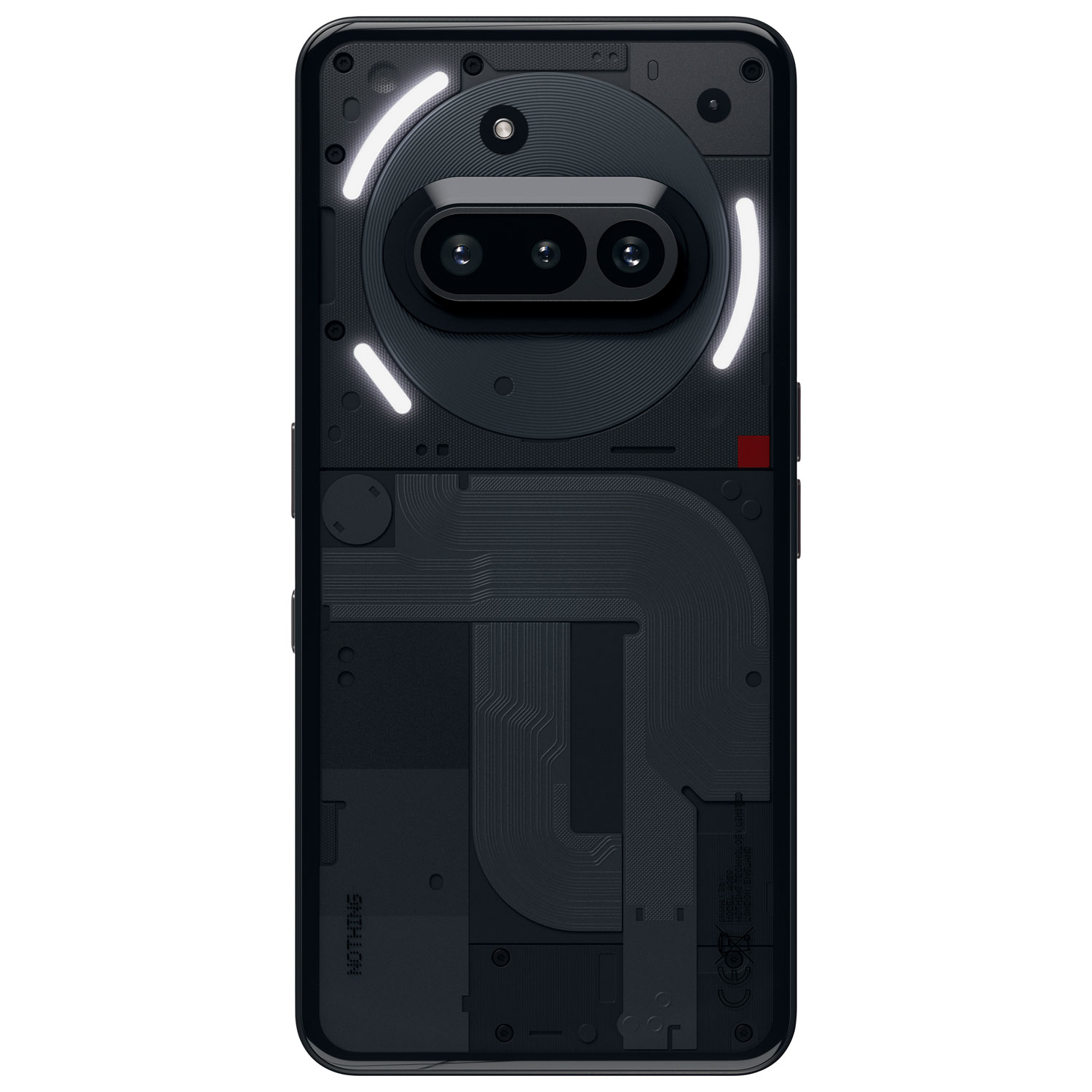
Casual everyday photos and social media
You don’t need a flagship camera if you’re mostly taking photos of family, friends, pets, or meals to share online. A mid-range phone with a reliable main camera will deliver sharp, colourful photos in most lighting conditions.
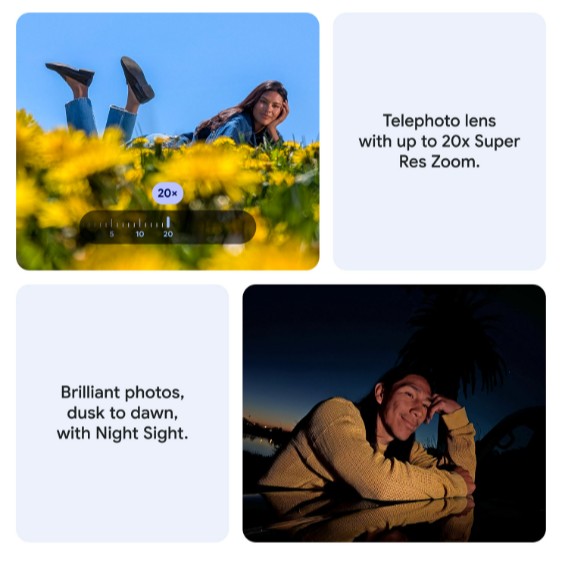
Travel photography
When you’re travelling, you’ll likely be photographing landscapes, landmarks, wildlife, and cityscapes. Look for a phone with optical zoom, strong low-light performance, and image stabilization to help capture clearer photos in a variety of environments.
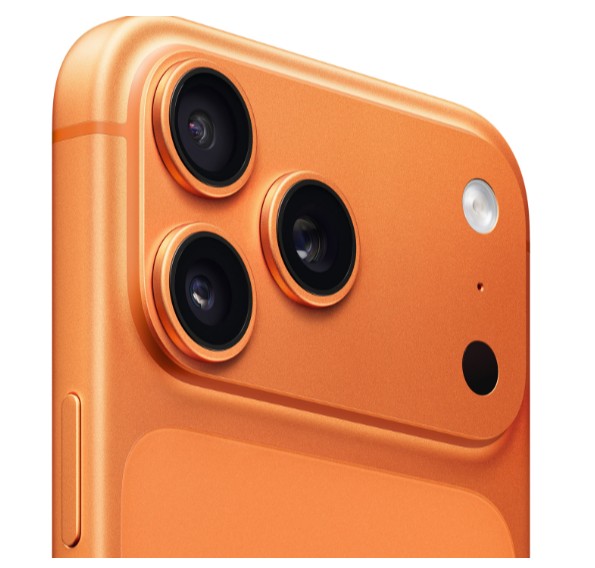
Content creation and vlogging
If you regularly create videos for YouTube, TikTok, or Instagram, prioritize video performance over megapixels. Look for features like 4K video recording, optical image stabilization (OIS) for smoother footage, a high-quality front-facing camera, good microphone performance, and AI-powered editing tools that make creating content faster and easier.
Phone cameras keep improving every year. While flagship models usually get the newest and most advanced features first, a lot of that technology quickly makes its way into affordable mid-range phones.
You spend a lot of time watching and scrolling on your phone

Your phone’s display is what you look at all day—whether you’re scrolling through social media, watching videos, or playing games. The right screen can make those everyday moments feel clearer, smoother, and more comfortable. Understanding a few key specs can help you choose a display that fits how you use your phone.
Display types
- OLED (Organic Light-Emitting Diode): Each pixel produces its own light, which means true blacks (the pixel simply turns off), vivid colours, and excellent contrast. OLED is standard on most flagship phones and is generally considered superior for media consumption and outdoor visibility
- LCD (Liquid Crystal Display): Relies on a backlight behind the pixels. More common in budget and mid-range phones. Blacks appear as dark grey rather than true black, and contrast is lower than OLED
- AMOLED and Super AMOLED: Variations of OLED technology commonly found on Samsung phones
Refresh rate
- 60Hz: Standard on budget and mid-range phones. Scrolling and animations feel smooth for everyday tasks
- 90Hz or 120Hz: Found on most flagship phones. Motion feels noticeably smoother, especially evident when scrolling through long pages or playing games
- Adaptive refresh rate: Some flagship displays automatically adjust between a lower refresh rate for static content (to save battery) and a higher rate for fast motion
Brightness Measured in nits. Higher brightness matters most for outdoor use in direct sunlight. Flagship phones generally offer significantly higher peak brightness than budget models, which can make a real difference on sunny days.
HDR High Dynamic Range (HDR) support means the display can show a wider range of colours and more detail in both shadows and highlights when playing compatible video content from streaming services.
Screen size and form factor Larger screens are ideal for reading, streaming, and gaming. Smaller phones are more pocketable but less common at the flagship level. Foldable phones offer a different approach entirely: a compact closed size that opens to a tablet-sized display. Your phone case will also affect the overall feel in hand and pocket, so factor that into your size decision.
You need plenty of space for apps, photos, and more
Storage is one of those things most people don’t think about until they run out of it. Years of messages, high-res photos, and videos can take up a ton of space. Apps are also much bigger now than they used to be. If you stream music or shows and want to download them for offline use, that also eats into storage.
Here are some suggestions:
- Light use (photos, messaging, basic apps): 128GB–256GB
- Heavy use (lots of photos, apps, downloads): 256GB–512GB
- Power users (4K video, creators, lots of offline media): 512GB–1TB
As a general rule, it’s usually safer to go one storage tier higher than what you think you’ll need. A little extra storage today can save you from constantly deleting photos and apps later.
Cloud storage as a supplement
iCloud, Google Photos, and Google Drive can extend your effective storage, but require a subscription and internet connection to access content. If you stream rather than download and have a reliable connection, you may be comfortable with less onboard storage. If you travel frequently or prefer having everything available offline, lean toward more local storage.
You’re always on the go
If you’re constantly commuting, travelling, working remotely, or spending long days away from a charger, battery life should be high on your list. A phone that easily lasts two days for a light user might struggle to make it through a workday for someone who streams video, plays games, or has email pushing constantly in the background.
Here’s what to look for.
Battery capacity (mAh)
Milliamp-hours is the most common measure of battery size, and a higher number generally means more capacity.
Most smartphones today have batteries between 3,000mAh and 6,000mAh. If all-day battery life is important to you, look for a phone with at least 5,000mAh like the Samsung Galaxy S26 Ultra.
But capacity alone doesn’t tell the whole story; a phone’s processor efficiency and software optimization matter just as much. A phone with a smaller, highly efficient chip can outlast a phone with a larger battery but a more power-hungry processor.
Charging speed
A large battery is most useful when you can top it up quickly. Check whether a phone supports fast wired charging and, if wireless charging matters to you, what standard it supports.
For wired charging, look for support for at least 20W to 30W fast charging. That’s generally enough to give you a quick boost before heading out the door. Some phones support 45W, 60W, or even higher charging speeds, which can significantly reduce charging times.
If you prefer wireless charging, look for phones that support Qi2. This newer standard uses magnetic alignment to improve charging efficiency and supports faster charging than older Qi chargers. Some newer phones may support higher Qi2 charging speeds, depending on the device.
Think about your usage habits
Heavy users—streaming video, gaming, using navigation, or making frequent calls—should pay close attention to battery size and prioritize phones with strong independent battery life test scores. Light to moderate users will find that most modern flagships comfortably last a full day.
Reverse wireless charging
Some Android phones can charge other devices, like wireless earbuds, by placing them on the back of the phone. A useful feature if you’re regularly caught with a dead accessory.
Battery longevity
All phone batteries degrade over time. Checking whether a manufacturer offers battery replacement, and understanding what the process involves, is worth factoring into a long-term purchase decision.
Check real-world reviews
Look for real-world screen-on time tests that reflect normal use.
Our bloggers regularly review the latest cell phones. Get a closer look at battery performance and what you can expect from everyday use.
You want a phone that fits your lifestyle
A phone’s size and design affect how it feels in your hand, how easily it fits in your pocket, and how comfortable it is to use every day.
You may already have a good idea of what size you’d prefer based on your current phone, but it’s worth exploring your options.
Modern phones have bigger screens but thinner borders (called bezels, the edges around the screen). Because the bezels take up less space, manufacturers can fit a bigger screen into a body that isn’t much larger than older phones. This means you get more screen without significantly increasing the overall size, so the phone still feels comfortable to hold and use.
Today, you generally have three design options to choose from.
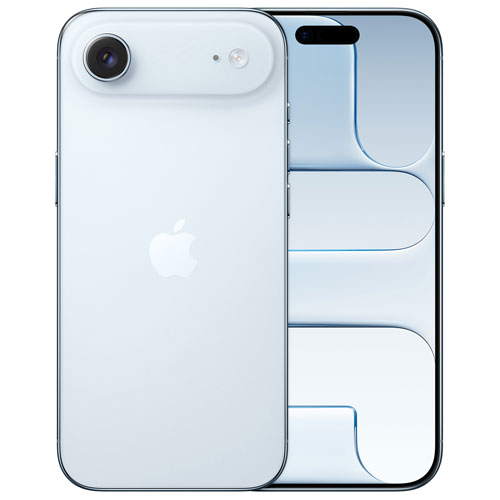
Standard phone (slab style)
The classic design most people use. Available at every price point.
If compact is your preference, Apple’s iPhone Air is the thinnest flagship you can get right now.
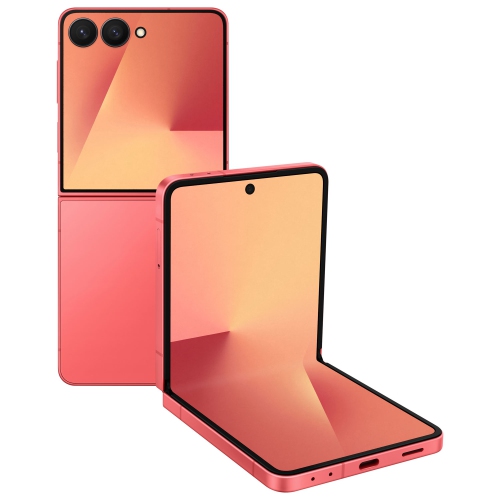
Flip foldable
Folds in half, fits in small pockets, and opens to a full-size display. The Samsung Galaxy Z Flip 7 is the category leader. Best for people who love the convenience of a compact carry but don’t want a small screen.
Ted did a hands-on review of the Flip 7 here if you’d like to check it out.
Book-style foldable
Opens like a book into a tablet-sized screen. Best for multitasking, reading, or watching content. The Galaxy Z Fold 7 is a standout option.
Foldable displays have improved dramatically: creases are nearly imperceptible, durability rivals standard phones, and designs have gotten slimmer and lighter.
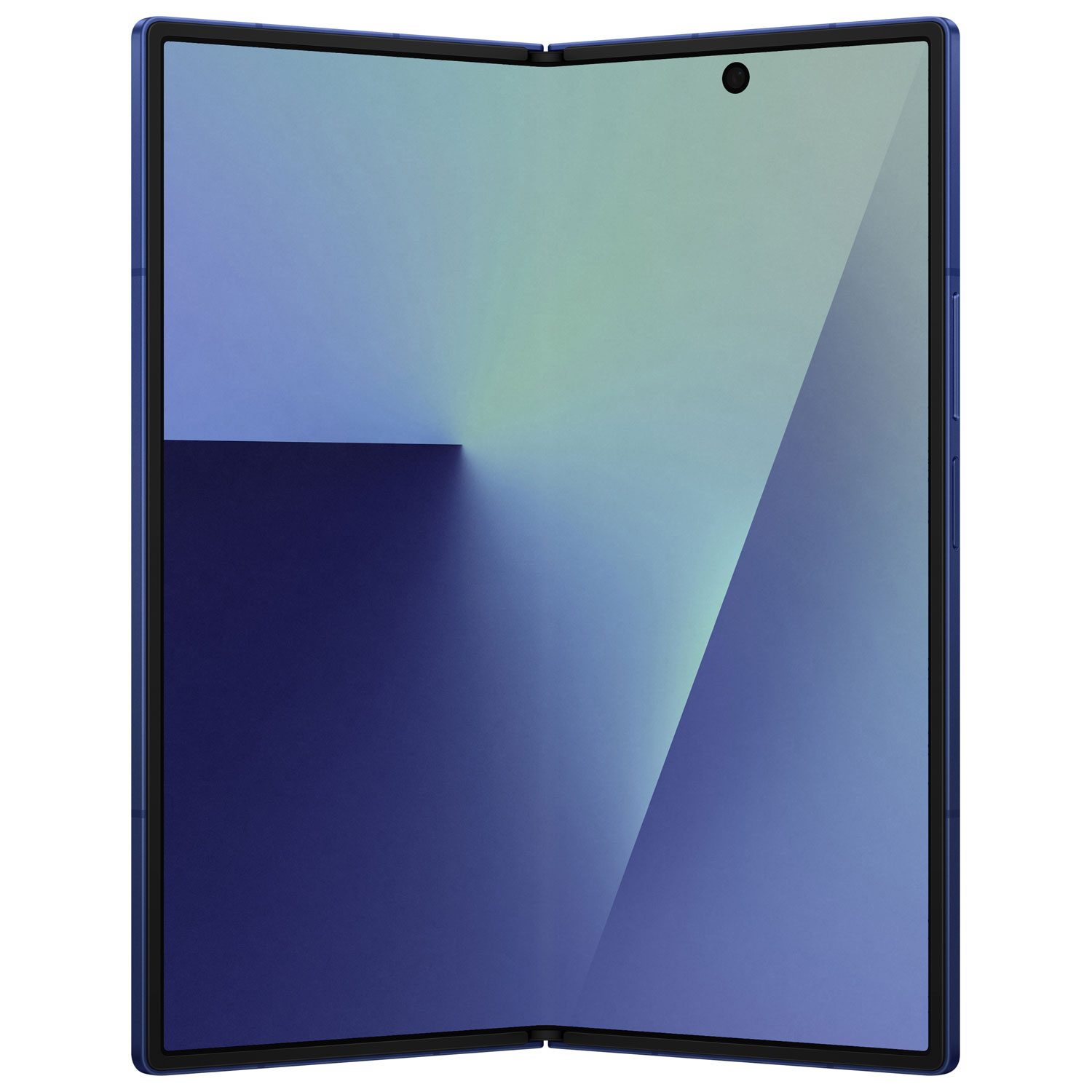
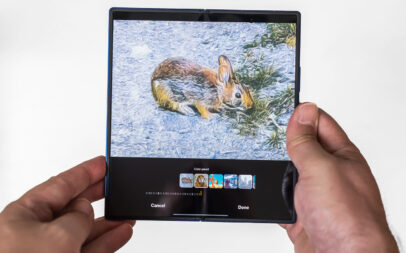
Can the Galaxy Z Fold7 replace your phone and tablet?
Read our in-depth Galaxy Z Fold7 review to see how it performs.
Your phone case also matters. A protective case can noticeably change how thick and heavy your phone feels.
You want the latest AI features
AI has become an important new consideration when choosing a phone in 2026.
Both iOS and Android now offer on-device AI assistants. They can edit photos, summarize notifications, translate calls in real time, and take action across apps on your behalf.
They work differently though.
Apple Intelligence
Apple’s AI system prioritizes on-device privacy. Most processing happens locally on the phone or through Apple’s private cloud. Available on supported iPhone models, it includes:
- Rewriting and summarizing text in Messages and Mail
- Removing unwanted objects from photos
- Notification summaries that surface what actually matters
- An upgraded Siri with improved contextual understanding
Gemini Intelligence
Google’s Gemini AI is now deeply integrated into Android. It handles multi-step tasks autonomously—from booking services to building shopping carts—and drawing context from what’s on your screen.
So, which AI platform is right for you?
Choose Apple Intelligence if privacy, on-device processing, and tight ecosystem integration matter most to you. Choose Gemini Intelligence if you want more powerful cloud-backed AI, faster feature updates, and a broader Android app ecosystem.
How do you want to pay for your phone?
Once you’ve narrowed down the phone you want, the next question is how you’d like to pay for it.
In Canada, you have three main ways to buy a smartphone: outright, on a payment plan through a carrier, or as a prepaid phone. Each comes with different tradeoffs around upfront cost, flexibility, and commitment.
Under guidelines mandated by the Canadian Radio-television and Telecommunications Commission (CRTC), carriers and retailers must sell all phones unlocked. This went into effect in December 2017, meaning any phone you buy now will work with any compatible carrier.
You can use unlocked phones with any compatible carrier and swap in a local SIM card when travelling internationally. Some newer flagship phones, like the iPhone 17, are now eSIM-only. This means there’s no physical SIM card slot—something worth confirming before buying if you travel frequently.
Buying a phone outright
When you buy a phone outright, you’re paying the full retail price upfront. You’re not obligated to sign any contracts or agree to specific monthly payment plans at the time you purchase your phone. This gives you more freedom to decide on a carrier. Plus, you can more easily switch carriers compared to committing to a long-term payment plan. Since there are no terms attached to owning a handset outright.
Buying a phone on a payment plan
When you buy a phone through a carrier financing plan, you typically don’t pay the full cost of the device upfront. Instead, the cost is spread over monthly payments, making it easier to get a new phone without paying the full retail price on day one.
For example, a phone with a full retail price of $1,905 might require $0 down and cost $13.33 per month over a 24-month financing term, depending on the carrier’s offer.
Some carriers also offer return options. With these plans, you may pay as low as $0 per month for the device if you agree to return it in good working condition at the end of your term instead of keeping it.
Carriers incorporate the cost of the phone into the monthly fee, including their fee for phone and data services on the device. So, you pay the balance of the price of the phone through the costs associated with the monthly rate plan you sign up for.
Those generally come in two-year terms, and may include the option to “pay down” the balance earlier over that term.
The advantage in doing this is a lower cost upfront, though you may have more limited options as to what monthly plans you can choose from. Additionally, switching carriers while still under contract will require you to pay off the balance first.
Learn more about mobile phone financing here.
Buying a prepaid phone
A prepaid phone is the most flexible option for light users or anyone on a tight budget. Prepaid phones come at an affordable outright price with no contract or monthly plan. You pay for talk, text, and data before you use them, so you only ever pay for what you actually need.
Prepaid phones are a great fit for:
- Seniors, kids, or teens who don’t need a full data plan
- Travellers who want an affordable backup device with a local SIM
- Someone who lacks a credit history or has bad credit
- Anyone who wants to avoid long-term contracts
That’s different from a monthly rate plan that charges you after you’ve used services at the end of a billing cycle. Note that you can still sign up for a monthly plan with a prepaid phone if your needs change, making them a highly flexible option.

Choosing the right plan for your smartphone
Once you’ve chosen your phone, it’s time to choose your service.
With most plans now offering unlimited talk and text, the main variable to compare is how much data you get and at what speed. Weigh how much data you typically consume in a month and compare across carriers to find the best value. If you have an unlocked phone and some history with one carrier, you may have room to negotiate a good deal that works best for you.
Your plan may also include a roaming add-on, letting you use your phone while travelling abroad as if you were still at home, for an additional daily charge.
Best Buy Mobile helps you choose and set up a new phone or plan right in store with support from Mobile Advisors. They walk you through everything from picking a device and carrier to activating your phone, inserting the SIM card, and getting your settings ready to go. You can also check upgrade options, and explore financing, so you leave the store with your device fully set up and ready to use.
Ways to save on your next phone
Refurbished & open box
Buying new isn’t your only option.
If you’re trying to save money and reduce overall e-waste, refurbished and open box phones are worth considering.
Refurbished phones
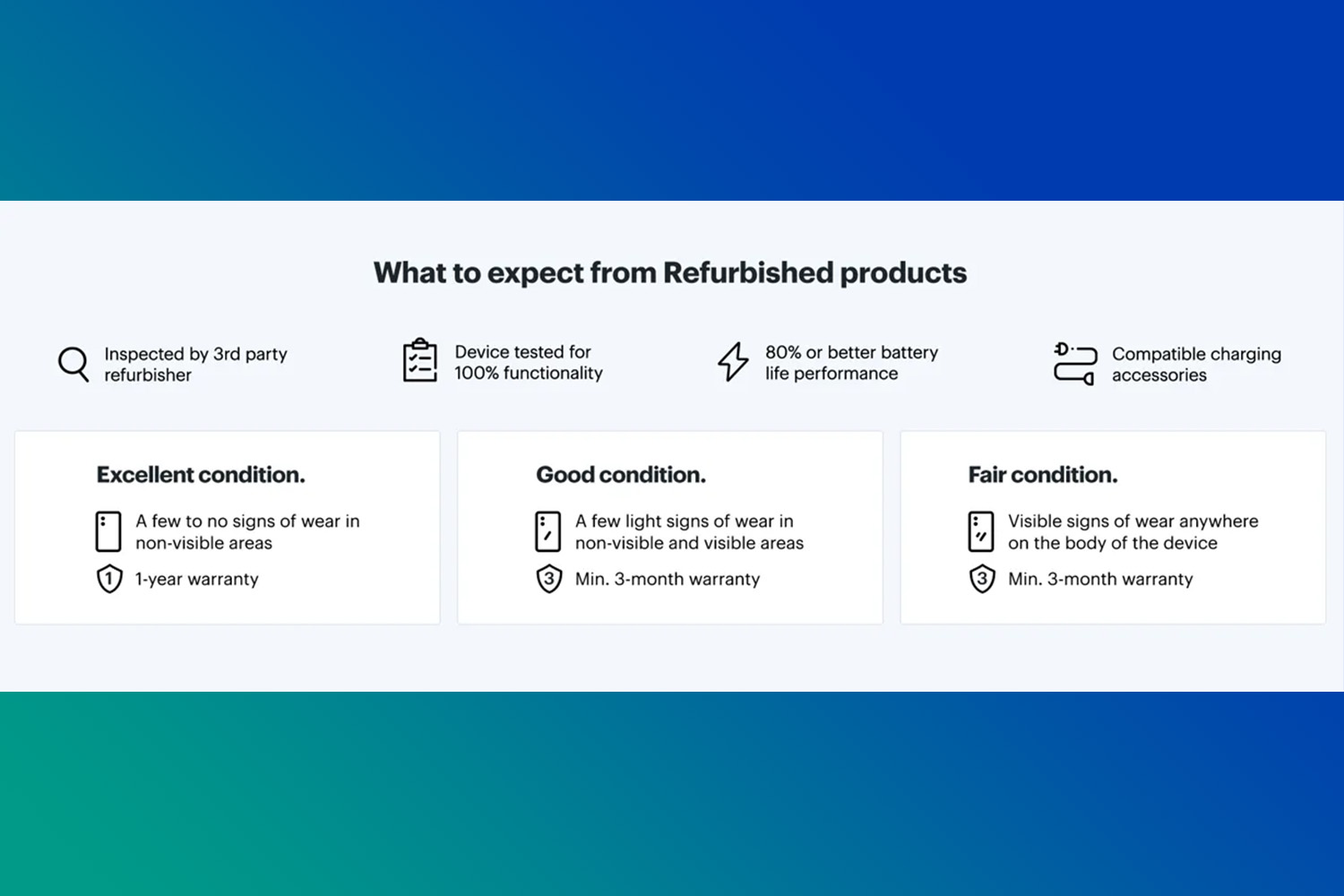
Refurbished phones are previously owned devices that have been inspected, tested, and restored to 100% functionality by the seller. They are typically sold at a lower price than new phones. Refurbished phones are also graded based on their cosmetic condition, so you’ll know what level of visible wear to expect before you buy. Learn what to expect when you buy a refurbished product from Best Buy here.
What to check before buying refurbished:
- Warranty coverage. Confirm whether the device includes any remaining manufacturer warranty or a separate seller warranty, and how long it lasts.
- Battery health. Batteries degrade with use and age, so ask about battery condition or health percentage if it’s available.
- Cosmetic grading. Sellers often use grading systems (like “Excellent,” “Good,” or “Fair”) to describe wear. Make sure you understand the seller’s specific grading criteria.
- Carrier compatibility. Confirm the device is unlocked and compatible with the network and SIM type (physical or eSIM) you plan to use.
Open box phones
A device that was purchased and returned, often with little to no use, and resold at a reduced price. At Best Buy, this includes Geek Squad Certified Open Box products, which go through rigorous inspection before resale.
Refurbished and open box phones are a great option if you want a flagship-level device without paying flagship-level prices, and you’re comfortable with a device that’s a generation or two behind the newest release.
Trading in your old cell phone
Trading in your old phone is one of the easiest ways to save on a new one. With Apple iPhone, you can get a gift card worth up to $1,125, depending on the model (trade-in values may vary over time). Get a quick estimate on the Best Buy website without bringing your phone into a store.
Before handing over your old device, make sure to:
- Back up your data: contacts, photos, and apps
- Unlock your phone through your carrier (Optional, but it’s free and may boost trade-in value)
- Factory reset the device to erase your personal information
To learn more about how to go through the process, check out the Best Buy Trade-In Program for full details.
Consider pre-ordering your new phone
Pre-ordering can guarantee you get the exact model, colour, and storage you want on launch day. No lineups. No sellouts. The most popular phones are often available for pre-order in the days or weeks leading up to the official launch. Keep an eye on pre-order announcements on Best Buy Blog!
Pre-orders also sometimes include extra incentives, like bundled accessories or gift cards. If you already know what you want, it’s worth pre-ordering as soon as the option becomes available.
You can pre-order both outright and payment plan purchases. Pre-ordering with an outright purchase will often guarantee home delivery. If you’re going with a payment plan, you’ll visit your local Best Buy to finalize the contract when the phone is ready.
Smartphone accessories worth buying
The right accessories protect your phone and improve how you use it every day.

A phone case and screen protector are the best place to start. Together, they help protect your phone from everyday bumps, scratches, and accidental drops without changing how it feels to use. A tempered glass screen protector adds an extra layer of defense for one of the most expensive parts of your phone to repair.
If your phone supports it, a wireless charger can make charging much more convenient. Instead of plugging in a cable every time, you simply place your phone on the charging pad. Newer Qi2 chargers use magnetic alignment to improve charging efficiency and reliability on compatible devices, making them a great option for a desk or bedside table.
Since many phones no longer include a charging adapter in the box, it’s also worth picking up a USB-C charger and cable if you don’t already have one. Choosing a charger that supports your phone’s fast-charging capabilities means you’ll spend less time waiting for your battery to recharge.
A power bank is a practical addition if you’re always travelling, commuting, or away from a power outlet for long periods. Look for one with enough capacity to fully recharge your phone and support for your device’s fast-charging standard if you want the quickest top-ups.
For listening to music, taking calls, or watching videos, wireless earbuds or headphones have become the go-to choice. Since most flagship phones no longer include a headphone jack, Bluetooth audio offers the easiest and most flexible way to stay connected without dealing with cables.
If you’d like quick access to notifications, fitness tracking, or health features without constantly reaching for your phone, a smartwatch can be a worthwhile companion. Apple Watch works exclusively with iPhone, while most Android smartwatches are designed to work across a range of Android devices.
Finally, it’s worth considering a protection plan. While your manufacturer’s warranty covers defects, an extended protection plan like the one Best Buy offers can help cover accidental damage, such as cracked screens or liquid spills, giving you extra peace of mind over the life of your phone.
To learn more about purchasing a phone from Best Buy, we have another article that guides you through the process.
Which phone is right for you?
The best phone depends on how you use it, your budget, and what matters most to you. Here’s a simple breakdown to help you decide.
| Who it’s for | What to look for |
| For photographers and content creators | Look for phones with a versatile multi-lens camera system, optical zoom, strong low-light performance, and 4K video with optical image stabilization. |
| For hardcore gamers | Go for a high-refresh-rate display (90Hz or 120Hz), a powerful processor, and a large battery. |
| For business and productivity | Focus on security, biometric login, reliable battery life, and smooth access to your work apps. |
| For students | Prioritize all-day battery life, durability, solid performance, and at least 256GB of storage. See our blog for recommendations. |
| For seniors | Look for a bright display, simple setup, and strong accessibility features like larger text. iPhone is often recommended for its consistent interface, but both iOS and Android offer good accessibility support. |
| For families | Choose phones that are durable, long-lasting, and good value. Family plans and trade-in deals can also help lower the overall cost when upgrading multiple devices. |
| For budget buyers | You don’t need to spend top dollar for a good phone. Mid-range models from Google, Samsung, and Motorola offer strong everyday performance, good cameras, and solid battery life. Open-box and refurbished options are also worth considering. |
| For premium flagship buyers | Flagship phones from Apple, Samsung, and Google offer the top cameras, vivid displays, and latest AI features. |
Frequently asked questions
How much storage do I need on a smartphone?
For most users, 256GB is a practical starting point. Light users who rely on cloud storage may be comfortable with 128GB. Heavy users who shoot a lot of video or play games should consider 512GB or more.
Should I buy an iPhone or Android?
Neither is objectively better; they serve different users well. iPhone integrates seamlessly with other Apple products and is generally easy to learn. Android offers more customization, a wider price range, and strong Google services integration. The best choice is the one that fits your existing devices and priorities.
Is buying a phone unlocked cheaper in the long run?
Buying outright means a higher upfront cost but no carrier commitment. Over two years, buying outright and choosing a BYOD plan with lower monthly rates can be comparable to or lower in total cost than a carrier financing deal. It depends on your carrier options, data needs, and budget. The right answer depends on your individual situation.
How often should I replace my smartphone?
Most people replace their phones every two to four years. Flagship phones from Apple and Google now receive up to seven years of software updates, which extends their lifespan. A practical guideline: replace when your phone no longer receives security updates, the battery can no longer hold a useful charge, or it no longer supports apps you rely on.
What phone has the best camera?
Camera rankings change with every new generation, and the “best” camera depends on what you’re shooting. Flagship phones from Apple, Samsung, and Google are consistently among the strongest performers for overall image and video quality. But the right camera phone is the one that fits your budget and shooting habits. Independent reviews with real-world sample photos are the most reliable way to compare.
Should I finance a phone?
Financing can be a practical choice if it lets you get the device you need without stretching your budget. Best Buy Mobile’s financing plans are typically offered at 0% interest, meaning the total cost of the phone stays the same, just spread over time rather than paid upfront. The main consideration is the 24-month carrier commitment and what that means for your plan flexibility.
What is a refurbished phone?
A refurbished phone is a previously owned device that has been inspected, tested, and restored to working condition before being resold. Best Buy grades refurbished phones based on cosmetic condition, so you know what to expect before you buy. They typically come at a lower price than new devices of the same model.
What is BYOD?
BYOD stands for Bring Your Own Device. It means using a compatible unlocked phone you already own to activate a new plan with a carrier, without purchasing a new device. BYOD plans often come with lower monthly rates and no long-term contract.
What’s the difference between a flip foldable and a book-style foldable?
A flip foldable folds in half horizontally, fitting in a small pocket but opening to a standard full-size display. A book-style foldable opens like a book to reveal a larger, tablet-sized screen. Both form factors have improved significantly in durability and crease visibility. Foldable displays on current phones have improved dramatically: creases are nearly imperceptible and durability rivals standard phones.
Find a phone you’ll love using every day
Having the right smartphone is empowering; it helps you communicate, create and consume. Streaming content, social media, and productivity are but a few things a handset can do nowadays, and they only keep getting better.
Use this guide as your checklist. Narrow down your choices. Find ways to save. Protect your investment with the right accessories and protection plan. When you’ve considered each step, you’ll be ready to pick a phone with confidence and enjoy it long after you’ve left the store.
Shop all smartphones at Best Buy today.






I asked about a phone used as a phone because I can’t hear my phone nor can people hear me. There is NOTHING in this article regarding using the phone.