
Smart home technology can feel both exciting and overwhelming for first-time buyers. With countless devices, brands, and ecosystems, it’s easy to wonder where to begin. You don’t need to transform your entire home overnight. Starting small with a smart home starter bundle lets you explore the possibilities, learn how devices interact, and build a solid foundation for future expansion.
A starter bundle is essentially a curated set of beginner-friendly smart devices. These bundles help you experience the convenience and control of a connected home without making a huge investment or contriving a complicated setup. Whether your goal is to automate lights, monitor your home, or just experiment with voice control, understanding the key devices in a starter bundle can help you make informed decisions and create a smart home that grows with you.


What is a smart home starter bundle?
A smart home starter bundle is a collection of essential devices designed to work together. Unlike building a smart home piece by piece, starter bundles give you a pre-selected combination of devices that can interact seamlessly. Starter bundles often highlight a brand’s most popular products; for instance, a smart light starter bundle might contain a connecting bridge, an assortment of different bulbs, and a smart switch to operate them with. A smart home security system bundle, on the other hand, may contain a smart display, a smart doorbell, and a number of smart cameras.
You’ll need a separate starter bundle for each aspect of your smart home, but the bundles are curated to be beginner-friendly. They often require no rewiring, are quick to set up, and are designed to integrate with popular voice assistants like Google Assistant, Amazon Alexa, or Siri. They make it easy for anyone to start controlling devices using voice commands or a single app. Starter bundles also allow you to learn automation basics, such as scheduling lights, creating routines, and remotely controlling appliances.
The key idea is to make your first experience with smart home technology simple, intuitive, and rewarding. You get enough functionality to see immediate benefits while leaving room to grow.
What smart home bundles to buy first
When building a smart home, it helps to start with a few core devices rather than trying to automate every corner of your home from the start. These essential devices focus on three main areas: control, convenience, and security. Often, households will buy their starter bundles in a specific order as it makes integration easier.
Starter bundles are intentionally limited, and they’re often something you can compile for yourself. Best Buy offers a few of them, but you can build out your own starter bundle by choosing a handful of simple “cornerstone products” to lay your smart home’s foundation. Your starter products might not include advanced features such as multi-room automation, whole-home security systems, or integrated sensor networks. However, starting small reduces complexity and allows you to learn how each component works before investing in a larger setup.
1. Smart speakers and displays
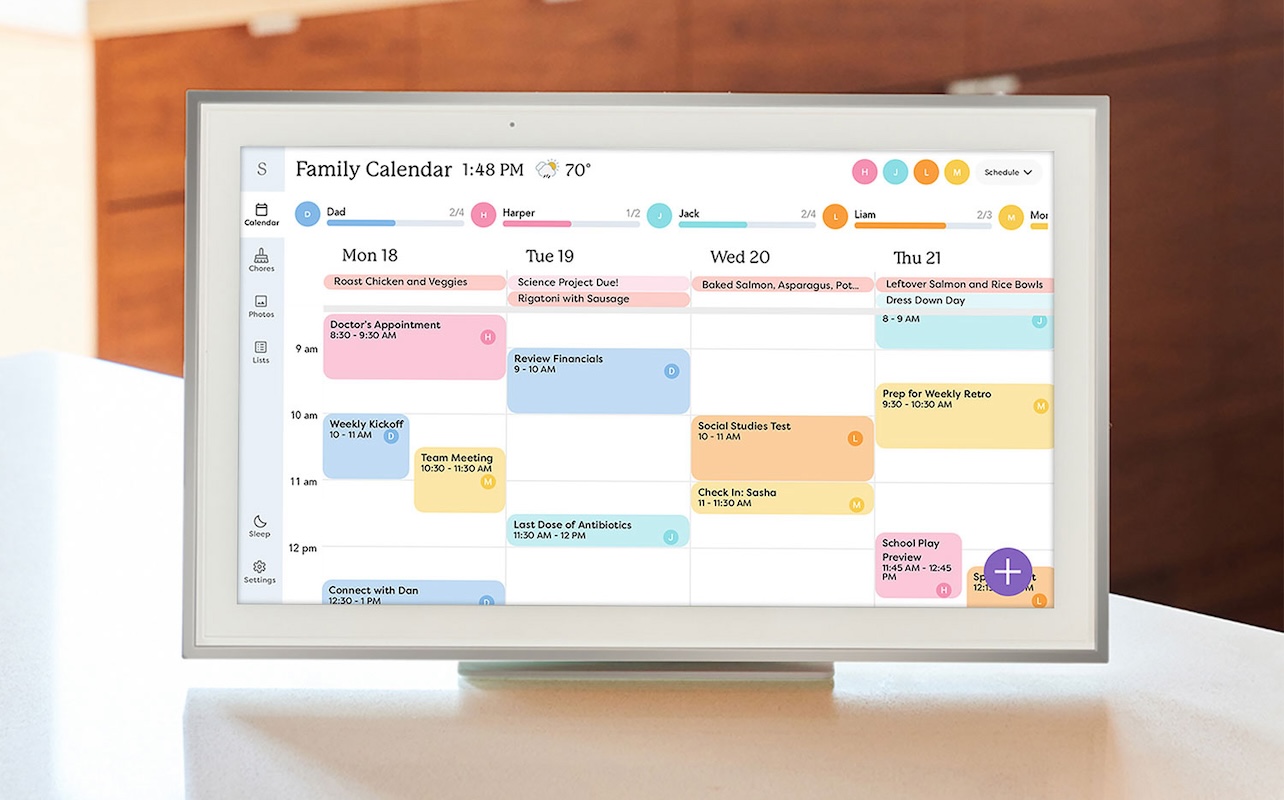
A smart speaker or display is usually the first smart device that people will buy. You can use it as the central hub for controlling all of your smart home products, so it’s a great place to start.
Like a smartphone but more convenient, a smart speaker or display will allow you to control other devices with voice commands, view routines, check notifications. At the beginning of your setup, they get you familiar with voice commands without any additional integration. You’ll learn simple habits like asking your smart speaker for the daily forecast, the news, or your recent messages.
Once you’ve added other smart products to your home, your smart speaker or display becomes a great way to interact with your smart home system without needing multiple apps. This single point of interaction simplifies setup and makes using your devices more intuitive, and they feel like part of your home instead of part of your phone.
2. Smart bulbs and smart plugs
Smart bulbs and smart plugs often come next. They’re practical, affordable, and easy to use. A smart bulb gives you the ability to adjust lighting, schedule routines, or create scenes without changing your existing fixtures. A smart plug turns any basic appliance into a smart device, allowing you to remotely control lamps, fans, or small electronics. These devices provide immediate, tangible benefits and help you develop a habit of using smart home automation.
Most importantly, lighting is simple to set up and easy to see the functionality of—making them a perfect product to include in your starter home setup.
3. Smart security devices
From there, many homes add a smart security device next. Even a basic camera or doorbell adds peace of mind from day one. Simple smart security devices introduce you to remote monitoring, alerts, and the convenience of checking on your home when you’re away.
Together, these separate starter bundles create a functional, manageable system that demonstrates the practical advantages of a smart home.
Key smart home components at a glance
Smart speakers and displays
The smart speaker or display is your control centre. Devices like a Google Nest Hub, Amazon Echo Show, or Apple HomePod let you use voice commands to manage connected devices. A smart display adds visuals, showing timers, camera feeds, reminders, and routines. For beginners, this device is critical because it provides a single interface to control and monitor all other devices in your starter bundle.
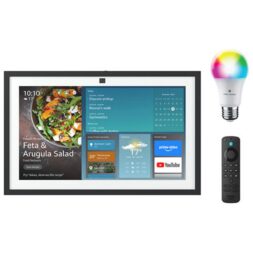
Smart display starter bundles
Smart displays will occasionally come bundled with 1-2 simple smart home accessories, like this Amazon Echo Show 15 bundle. This kind of simple smart bundle is great for starting your smart home. It’ll help you get familiar with using a smart display without overloading your learning curve. Once you get used to using your smart display, smart remote, and smart light, you can add other smart accessories (like additional lighting, security devices, kitchen tools, robot vaccums, and more) to your setup.
Smart plugs, lights, and bulbs
Smart plugs are incredibly versatile. Plug one into an outlet and connect it to your Wi-Fi, and suddenly you can control almost any simple device remotely. Smart bulbs offer similar convenience for lighting, letting you adjust brightness, set schedules, or create automated routines. Together, they provide immediate value, allowing you to experiment with automation in a simple and tangible way.
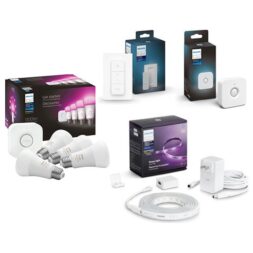
Smart lighting starter bundles
This Philips Hue smart light starter bundle comes with a Philips Hue Bridge, four standard-size A19 Hue bulbs, a motion sensor, a dimming control switch, and a light strip. It contains everything you’ll need if you want to build a smart lighting system from scratch to create a cozy, immersive home.
Smart security devices
A basic camera or video doorbell helps you monitor your home and adds an early layer of safety. You can check in remotely, receive notifications when activity is detected, or review past events. Starting with a single security device gives you hands-on experience with smart monitoring and prepares you for more advanced systems in the future.
Smart security starter bundles
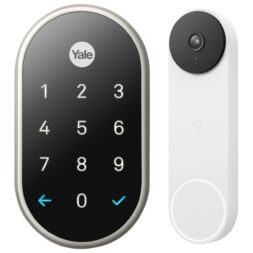
Starting with a simple doorbell camera is a great way to dip your toes into the world of smart security. Products like the Google wire-free home security bundle are perfect for beginners because they’re easy to install, easy to use, and give you the most benefit with just two product installations.
Bridges and ecosystem hubs
Some smart home devices use wireless protocols like Zigbee, Z-Wave, Thread, or the newer Matter standard. Some of these protocols may require a hub or bridge. Hubs and bridges help devices communicate reliably and simplify future expansion. Even if you start with Wi-Fi-only devices, understanding the hub/bridge concept early helps you plan for a connected home that can grow without compatibility issues.
Hubs and bridges are not the same as smart displays. While both are connectivity tools, bridges prioritize connecting devices to each other, while display prioritize connecting you to your smart home setup. Typically, if your bridge or hub does not have an interactive screen (as in the Philips Hue Bridge), it is not designed to be your point of interaction with your smart home. If it does (as in the Google Hub), then it is designed to work as your smart display as well.
Which starter bundle fits your lifestyle?
Best for renters and smart homes on a budget
Renters need non-permanent, portable solutions. Plug-in smart bulbs, smart plugs, and a smart speaker or display work perfectly in rental homes because they don’t require drilling or permanent installation. You can take everything with you when you move, making it a flexible and low-risk way to explore smart technology.
Best for apartments or small homes
Smaller living spaces don’t need dozens of devices to feel the impact of a smart home. A single smart display, a handful of bulbs, and one or two smart plugs can cover most daily needs. You can control lighting, automate routines, and monitor the home from a central device without cluttering your space.
Best for tech-forward homeowners
Homeowners looking to expand quickly may prefer a bundle that includes a smart speaker or display, multiple bulbs or plugs, and an entry-level security device. Choosing devices that support future-ready standards like Matter or Thread ensures compatibility as you add smart switches, sensors, and other automation tools. This approach creates a foundation that can grow into a full smart home over time.
Budget-friendly start
If cost is a concern, starting small is perfectly fine. One smart display, one smart bulb, and one smart plug give you all the essential benefits: voice control, automated lighting, and appliance control. From there, you can gradually add devices as you discover which features you enjoy the most.
FAQs
Can I start with just one smart device?
Yes. You can start with a single smart plug or bulb, but a starter bundle provides a more cohesive experience—and often saves you money. Combining products and starting with a smart display or speaker plus at least one other product allows you to see the real benefits of a connected home rather than trying to manage isolated devices.
Do these devices work with each other across brands?
Many devices now work across brands if they support common standards like Matter. Still, it’s easier for beginners to stick with one main ecosystem at first. This reduces setup complexity, avoids compatibility issues, and ensures a smoother experience. For instance, if all of your smart home products are made by Google, you’ll know for sure that they’ll all be controlled in the same app or by the same device.
Will I need a hub?
Not necessarily. Some devices require a dedicated hub, while others operate solely on Wi-Fi. A hub can simplify communications and make future expansions easier, especially for multi-room lighting, sensors, or switches. If you plan to grow your smart home over time, find out if the product you’re looking at will need one. A common rule of thumb is that a product that you’ll need one of—like a robot vacuum—won’t need a hub, while a product that you’ll need many of—like your lightbulbs—will need a hub.
How much should I budget for a starter bundle?
Entry-level bundles differ a lot in price. A starter lighting bundle, for instance, might cost $150 while a starter security bundle might cost $600. You can tailor your shopping list to fit your budget, and expand your smart home system as your needs become clearer and your lifestyle allows.
In conclusion: Setting up your starter smart home bundle
Starting a smart home doesn’t need to be intimidating. By focusing on a few core devices, you can experience the convenience and control of automation without overwhelming yourself. A smart home starter bundle gives you hands-on understanding, shows the practical benefits of connected devices, and sets the stage for future growth. Whether you’re a renter, you live in a small apartment, or you’re ready to invest in a tech-forward home, there’s a starter bundle style that fits your lifestyle and budget.
From experimenting with voice control to automating lighting, monitoring your home, or adding appliances to routines, the right starter bundle makes the smart home approachable, practical, and fun. By starting small, you gain confidence and insight, giving you the knowledge to expand thoughtfully and create a connected home tailored to your life.

This article was drafted using AI technology and then reviewed, fact-checked, and revised by a member of our editorial team.