
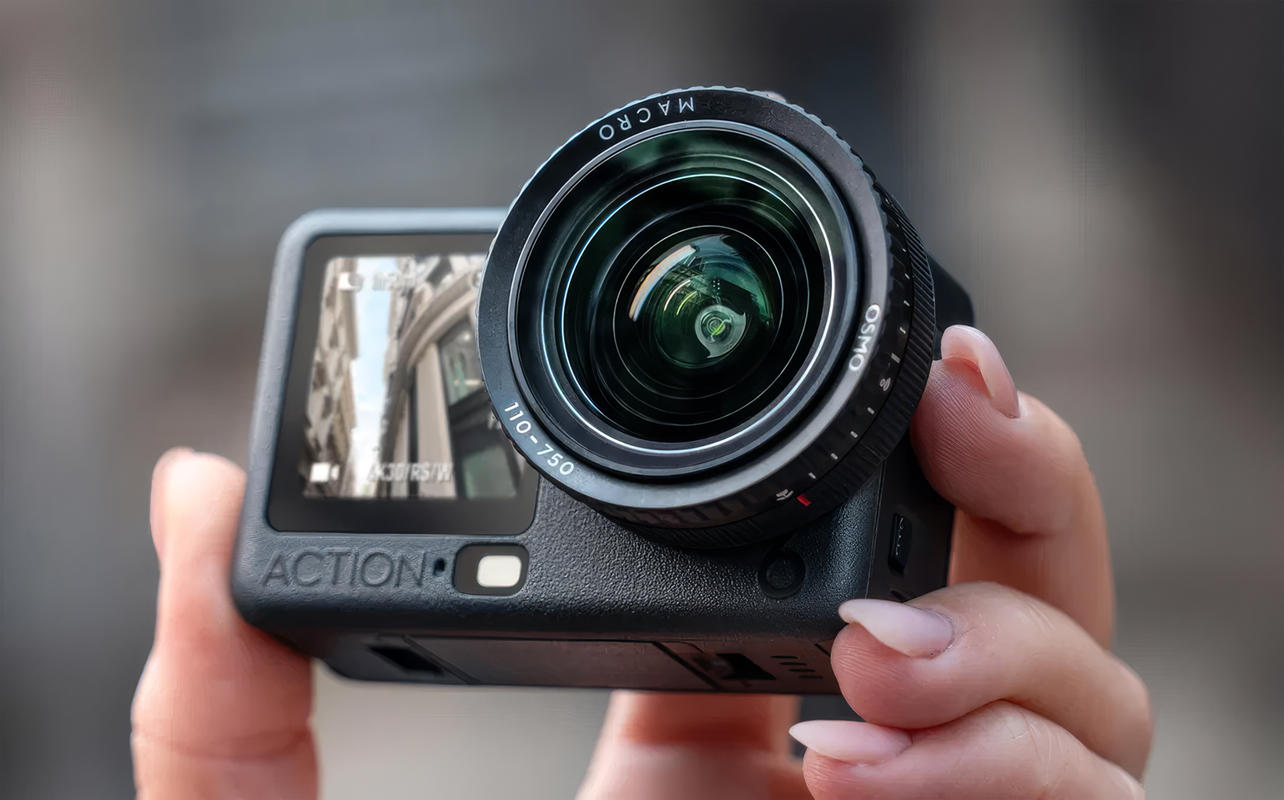
An action camera doesn’t have to be purely something you attach to your helmet. Today’s models are far more versatile. They’re smaller, tougher, and more adaptable, courtesy of better stabilization, stronger low-light performance, and slick features that make them truly useful. That can be for travel, family adventures, and everyday shooting, as well as skiing, biking, or surfing.
The good news is you don’t need to be an adrenaline junkie to find one worth carrying. It could be something simple and durable, the best image quality you can get in a tiny package, or a camera that can handle a little of everything. This list covers all of that to help you find the one that fits your adventures.

At a glance: Which action camera is right for you?
Each of these action cameras stands out for a different reason. This comparison table can help you find the right fit.
| Camera | Resolution | Standout features |
|---|---|---|
| DJI Osmo Action 6 (Best overall) | Up to 8K | Variable f/2.0-f/4.0 aperture, large sensor, dual screens, magnetic quick-release mounting |
| Insta360 Ace Pro 2 (Best for video quality) | Up to 8K/30fps | Leica lens, 1/1.3-inch sensor, excellent low-light performance, flip touchscreen, AI-powered PureVideo mode |
| DJI Osmo Action 5 Pro (Best for battery life) | Up to 4K | Outstanding battery life, 47GB built-in storage, magnetic mounting system |
| GoPro HERO (Best for beginners) | 4K | Easy-to-use controls, HyperSmooth stabilization, compact design, beginner-friendly experience |
| Insta360 Go Ultra (Best compact option) | Up to 4K/60fps | Ultra-compact design, wearable magnetic mounting, voice and gesture controls, Action Pod with flip screen |
| GoPro MISSION 1 Pro (Best premium option) | Up to 8K | 1-inch 50MP sensor, 4K/120fps Open Gate recording, improved low-light performance, subject tracking |
Best overall: DJI Osmo Action 6
The Osmo Action 6 offers a kind of variety that you don’t get from other models. It’s the first mainstream action camera with a variable f/2.0 to f/4.0 aperture. And it pairs that with the biggest image sensor in its class. The aperture lets you open up for a little more light at f/2.0 in dim conditions, or close down at f/4.0 in daylight. Additionally, the slightly tighter aperture can improve focus and increase depth of field from any range. You can shoot in 4K or 8K, and have two screens to frame your shots in either direction.
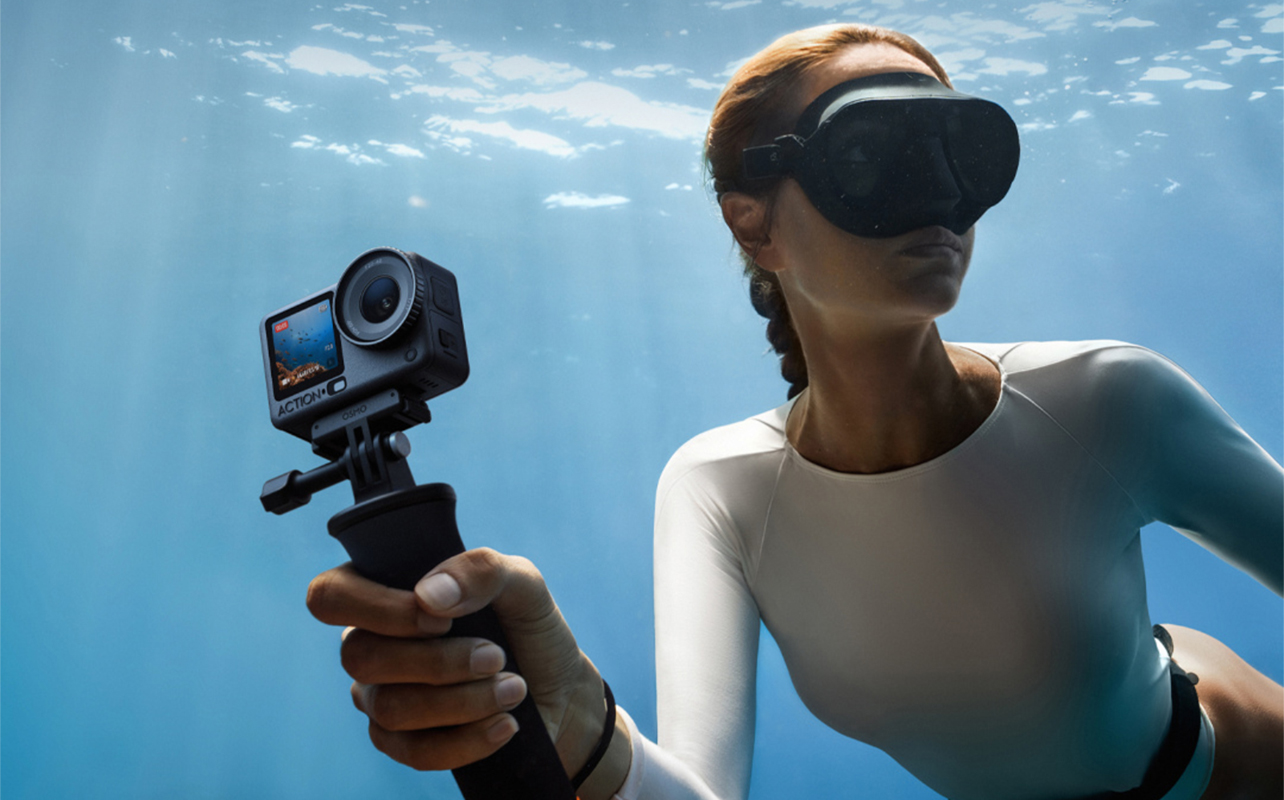
The magnetic quick-release adapter mount is still one of the best in the business, snapping on in a second. Without having to screw anything in or out, the time-saving method matters, especially when you’re wearing gloves or mitts at a ski hill or need to make a quick onscreen adjustment. Just snap it off and then back on again. Even better, GoPro-style mounts also work here because the camera comes with one of those, too. The 20-metre dive rating means you can get underwater footage down to a decent depth without a protective housing.
DJI has an existing range of accessories that can already work with the Osmo Action 6. Apart from the Standard Combo which includes both the magnetic and GoPro mounts, there’s an Adventure Combo option that includes an extra two batteries (with case), extra mounts, and the 1.5-metre extension rod.
Best for video quality: Insta360 Ace Pro 2
The Ace Pro 2 is Insta360’s flagship for people who care about how footage looks. It uses a 1/1.3-inch 8K sensor, a Leica Summarit lens, and a 2.5-inch flip touchscreen. All of these combine to produce excellent footage. The camera records up to 8K at 30fps. But you’re more likely to see the real benefits when shooting in 4K. There’s a 157-degree field of view with FlowState stabilization and horizon lock. When you like, you can also take full-resolution 50-megapixel still photos.
Low-light is a particular strength here, with solid detail, reduced noise, and effective stabilization helping the cause. The PureVideo night mode now uses a custom-trained AI network. It reduces noise and enhance detail in real time, though AI-driven noise reduction can also soften fine detail in the darkest scenes. PureVideo and HDR modes reach 4K at up to 60fps, with Insta360 claiming 13.5 stops of dynamic range from the 1/1.3-inch sensor.
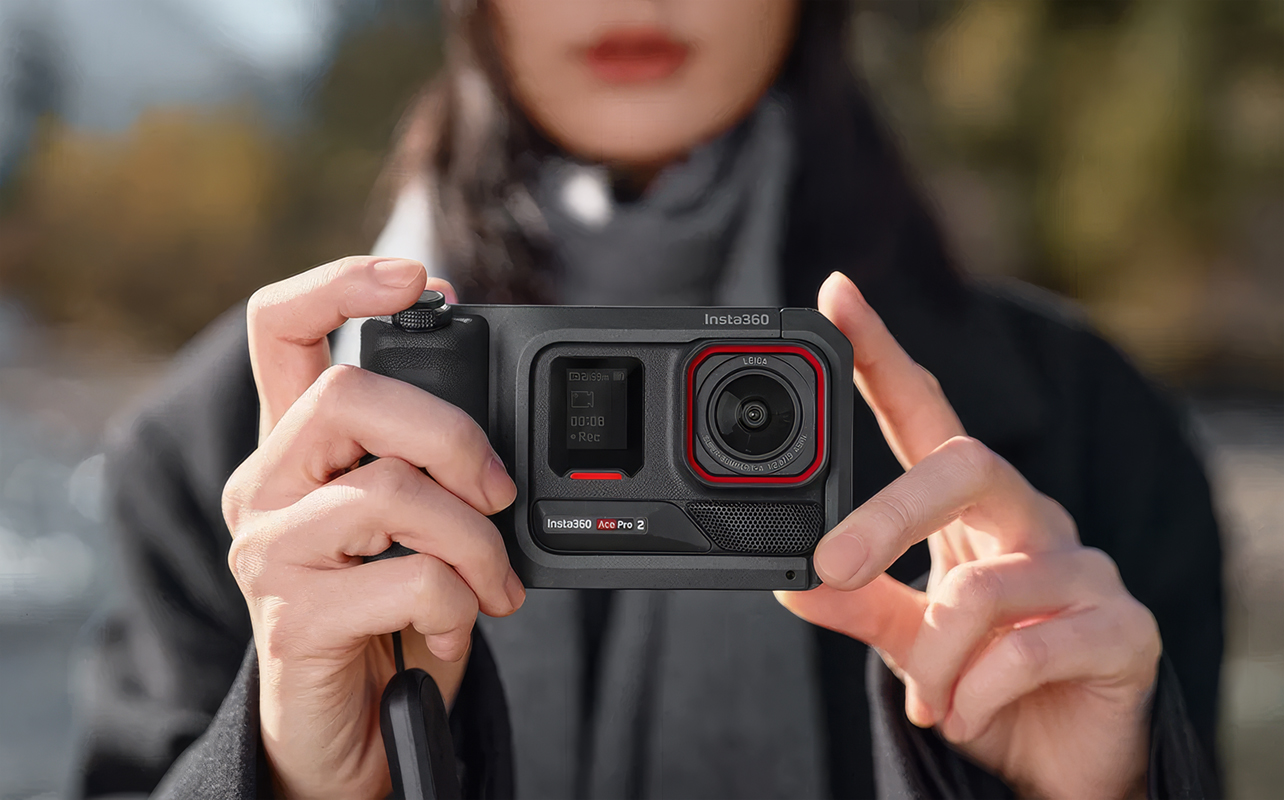
Insta360’s magnetic quick-release system works with selfie sticks, helmet mounts, mic adapters and cold shoes. It’s a quick snap on-and-off setup that can attach to flat, curved, or irregular surfaces such as helmets and vehicle bodies. There’s also a horizontal-vertical mount for social media content. The Ace Pro 2 dives to 12 metres without a case, and 60 metres with Insta360’s Dive Case.
You can get the Dual Battery Bundle that includes an extra battery. Or take it further with the Insta360 Ace Pro 2 Xplorer Bundle that includes the extra battery plus the grip, utility frame, cold shoe shutter button, and wrist strap.
Best for battery life: DJI Osmo Action 5 Pro
Battery anxiety is a real problem in a country where cold saps lithium cells quickly. So the Osmo Action 5 Pro is worth considering. By the numbers, DJI claims up to four hours of runtime but that’s at 1080p/24fps with the screen off. That naturally drops when you get to 4K with the screen on. But either way, the camera offers stronger battery life than most. Granted, the Osmo Action 6 has the same battery specs, though if longevity matters as much as image quality, you’re more likely to stretch things out a little further here.
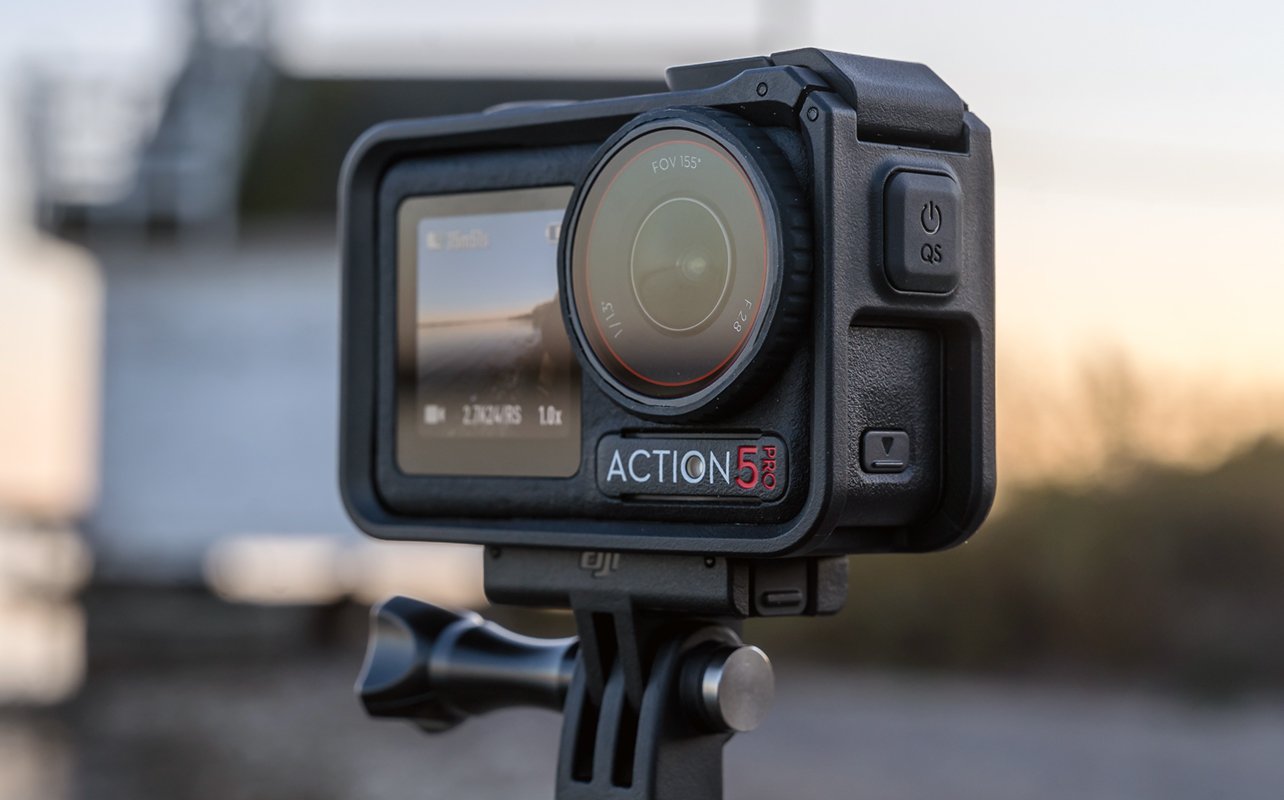
It also carries about 47GB of built-in storage, which is handy when you’ve forgotten to take a card with you. The magnetic mounting system also makes it easy to switch between landscape and portrait shooting. Compatibility with GoPro-style accessories opens up plenty of mounting options. For travel and vlogging, as well as biking and other outdoor activities, performance checks out nicely, even if it technically maxes out at 4K.
The Action 6 improves on options, so the case for the older model comes down to price. You give up the variable aperture and some sensor size, and get some value in return relative to both image quality and battery life.
Best for beginners: GoPro HERO
The GoPro HERO is appealing because it keeps things deliberately simple. It records 4K video and 12-megapixel photos. Plus, it has a 1.76-inch touchscreen, and uses GoPro’s HyperSmooth stabilization to smooth out shaky footage. The controls are designed around essentially framing your shot and pressing the shutter. That makes it a particularly good fit if you don’t want to learn a bunch of camera settings before getting started. To be clear, this is not the Hero Black series that is more premium. But you still get good bang for the buck.
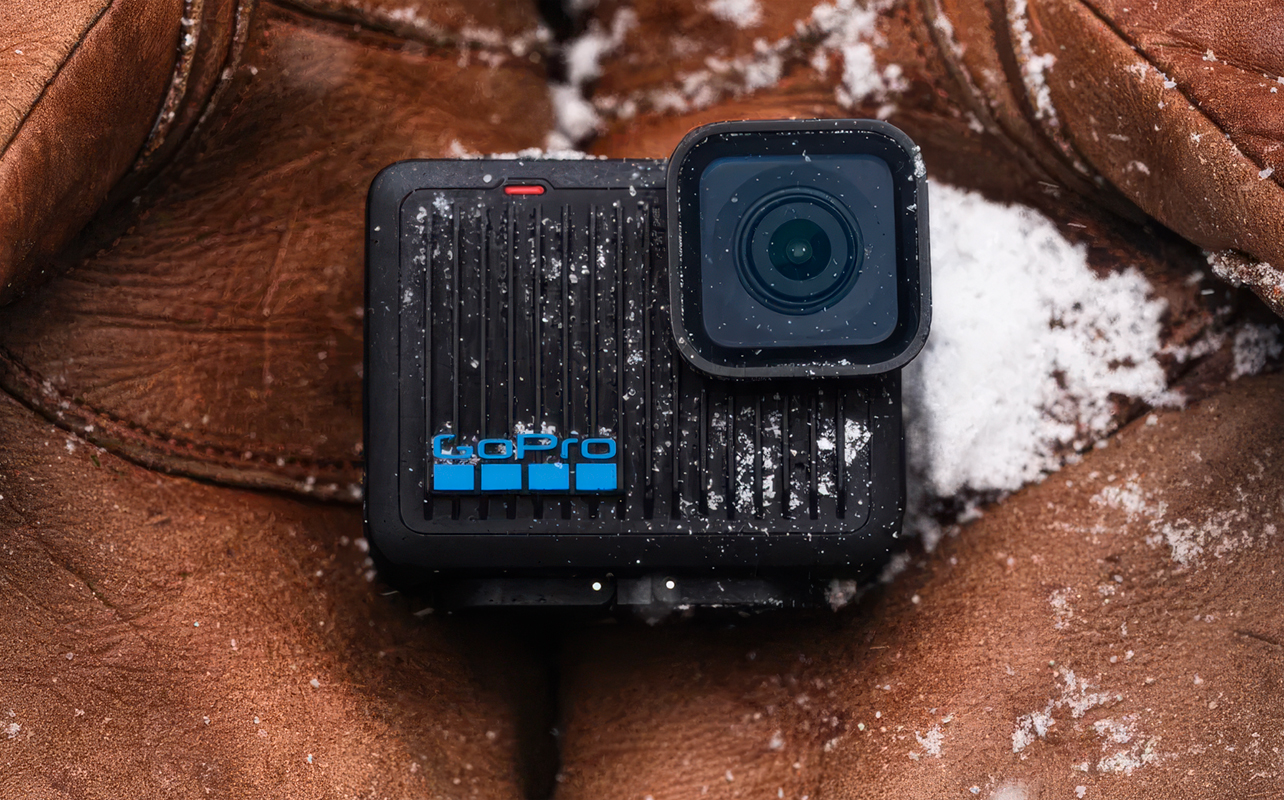
It’s tiny, rugged, and waterproof to 5 metres (16 feet). That makes it well suited to a helmet, bike, hike, ski trip, or general outdoor use. Great for travel, too. You get a curved adhesive mount, mounting buckle, thumb screw and USB-C cable in the box. And you can always expand into the broader GoPro mounting ecosystem later. The GoPro Quik app is another beginner-friendly touch, letting you transfer, edit and share footage from your phone rather than having to learn desktop video editing.
You just have to compromise on battery life. You get 60 minutes of continuous recording at the highest video setting. Maybe not the ideal camera if you expect to record for hours at a time without stopping. But it’s as straightforward as it gets as a way to get into action cameras.
Best compact option: Insta360 Go Ultra
The Insta360 Go Ultra shrinks the action camera to the size of a thumb for some real versatility. You can mount it on yourself using the included magnet or clip, making it easy to attach it to clothing, a collar, bike helmet, backpack, or the included pendant. It weighs just 53 grams, shoots 4K with a 156-degree field of view, and carries a 1/1.28-inch sensor with FlowState stabilization. It captures 4K up to 60 frames per second, 1080p up to 240, and 50-megapixel photos.
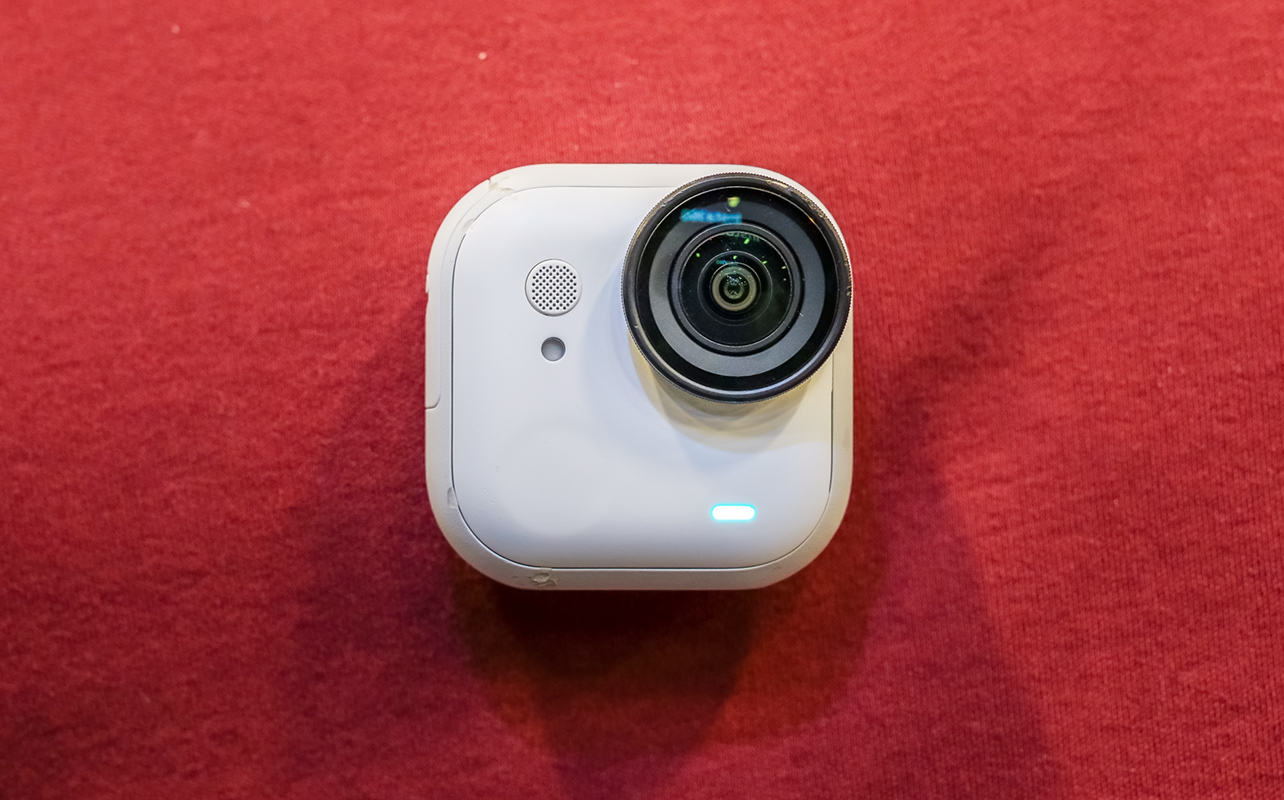
This means you don’t have to treat it like a conventional action camera. Features like QuickCapture, voice control, gesture control, and automatic switching between portrait and landscape make it very approachable for casual shooting. The Action Pod base adds a 2.5-inch flip touchscreen for previewing and controlling the camera, while still using the camera itself independently when you want the absolute smallest setup.
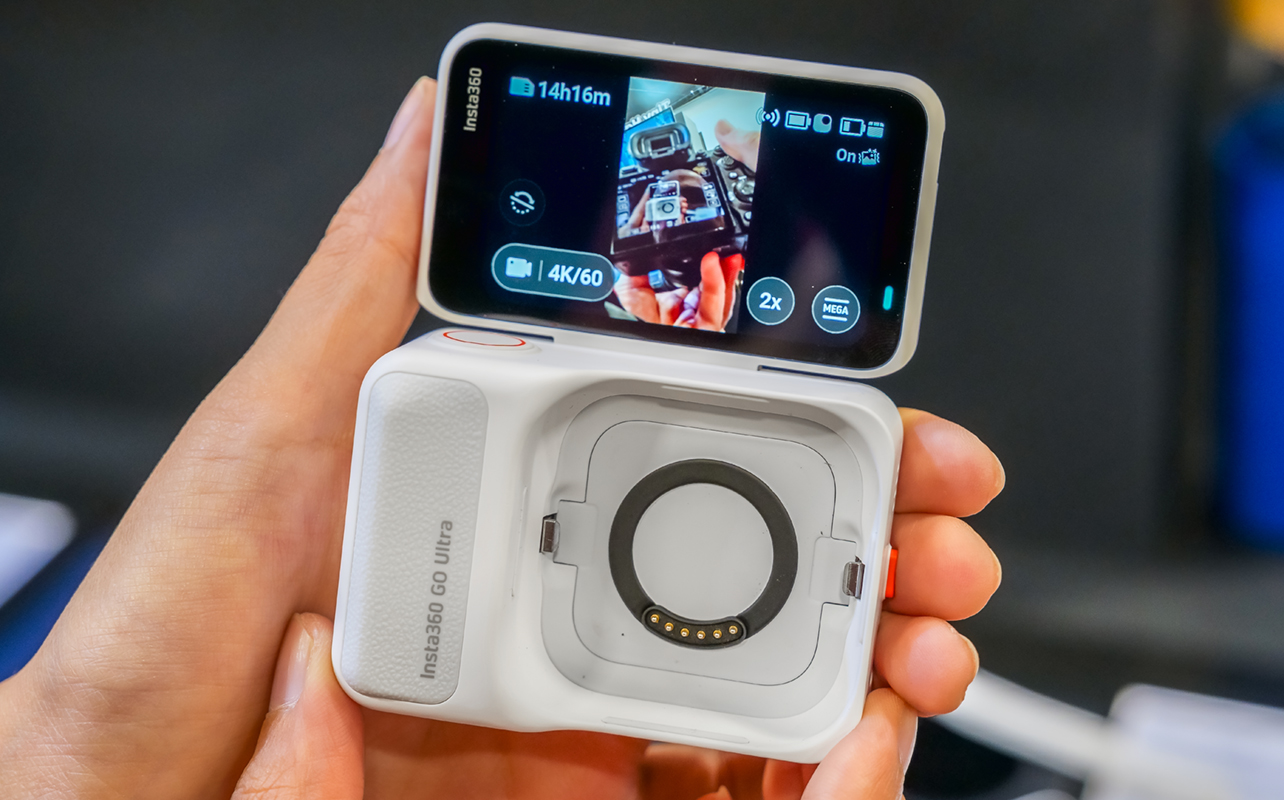
You do have to manage battery life because of all this, with up to 70 minutes standalone, or up to 200 minutes when nestled in the Action Pod. At 4K/30fps in Endurance Mode, those figures drop to about 60 and 170 minutes, respectively. It’s best for hands-free POV, travel, and action on dry land rather than rougher conditions.
The Standard Bundle comes with the magnetic easy clip and pendant, while the Creator Bundle adds a mini-tripod, quick release mount, and pivot stand.
Best premium option: GoPro MISSION 1 PRO
The MISSION 1 PRO is essentially GoPro moving into compact cinema territory, with a 1-inch 50-megapixel sensor, 8K video, 4K/120fps Open Gate recording, improved low-light performance and a new GP3 processor designed to deliver better image quality, thermal performance and battery efficiency. This 1-inch sensor can capture more light and detail, including subject tracking and improved low-light capture.
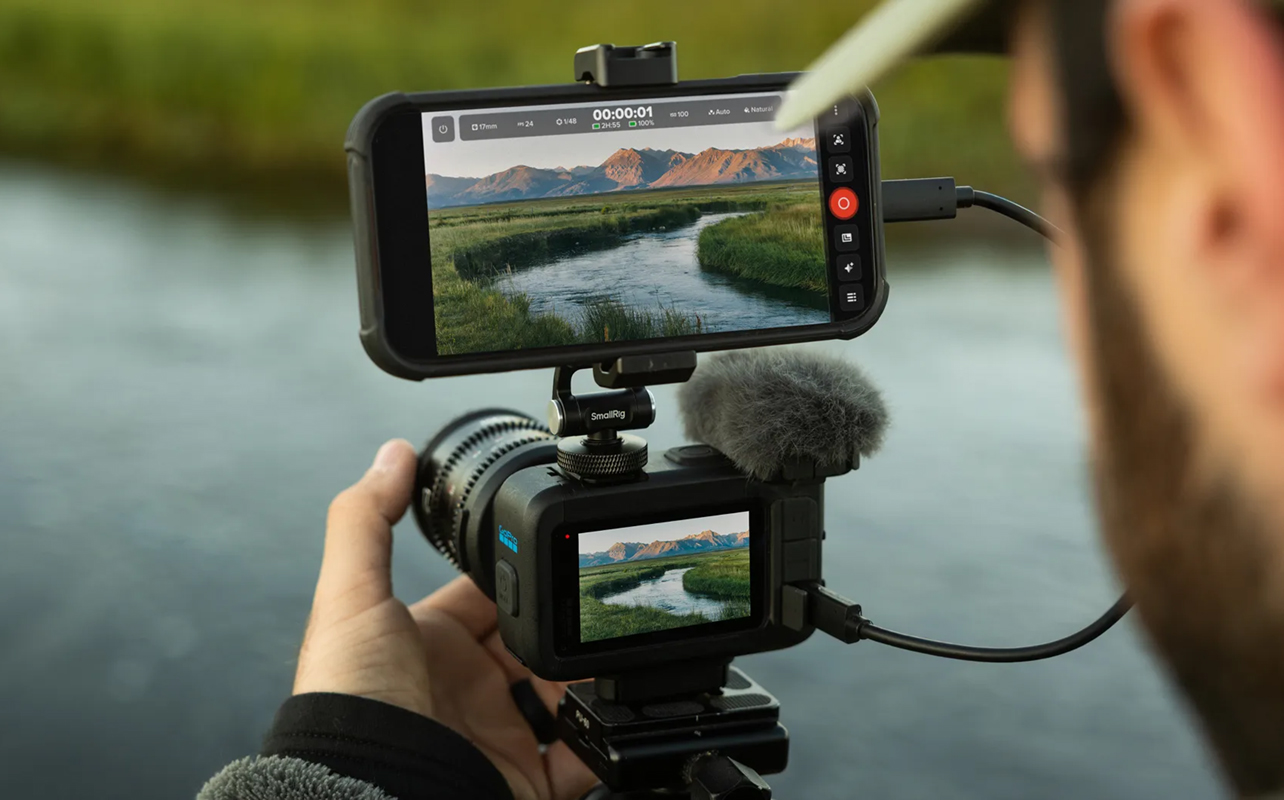
It’s important to note that at 207 grams, it weighs roughly double what a typical action camera does, so mounting on yourself may feel different. What sets it apart from something like the GoPro HERO13 Black is that it’s designed for more serious content creation rather than simply acting as an active POV camera. There’s a 1.4-inch front screen plus a 2.59-inch rear OLED touchscreen.
You always have the choice to include a myriad of GoPro-ready mounts and accessories to set up whatever shoot you have in mind. It’s probably overkill if you just want a camera to mount on a car or helmet, but it’s versatile when you have more of a filmmaking mind to go with it.
The standard kit is the bare camera with its battery and case, while the Grip Edition adds GoPro’s Point-and-Shoot Grip. There’s no difference in the camera’s specs otherwise.
Take it with you
The best action camera is ultimately the one you’ll actually want to bring with you. If you’re heading out on the trails, hitting the slopes, planning a beach vacation, or simply want a compact camera that can handle whatever the day offers, these options are prepared to capture what you have in mind.
You don’t necessarily need the most expensive or feature-packed model, either. Think about how and where you’ll use it, then choose the camera that fits your style of shooting.
Check out the latest action cameras available now.
How we decide what’s best
At Best Buy Canada, curating a “Best of” or “Top X” list is a thoughtful and transparent process. We evaluate products based on brand reputation, popularity, customer interest, and relevance within their category. Our bloggers then bring deep product knowledge and hands-on experience to help identify the best options for you.
Testing goes far beyond unboxing—products are used in real-world scenarios, with our bloggers putting themselves in your shoes to better understand how a device or accessory performs day to day and whether it meets expectations. Where possible, they compare similar models and assess key factors such as design, performance, and category-specific features to offer well-rounded, informed recommendations. For niche or new product categories where broader hands-on testing might not be possible within that category as a whole, our skilled bloggers evaluate the products using every objective method they can.
In some cases, a blogger may not have direct experience with a specific product. When that happens, they draw on broader expertise, such as time spent with comparable items, an understanding of the brand’s current lineup, and its overall reputation. We also draw on insights from Best Buy’s in-house category experts and aggregate feedback from both trusted reviewers and customer ratings to make the best selections.
We’ll always be clear about the basis of our recommendations—whether they stem from first-hand testing or extensive research. Authenticity matters to us. Every “Best of” guide is built on objective insights, product knowledge, and a commitment to helping you make confident buying decisions.