Along with its latest TVs, TCL is also launching new mobile devices with the Note A1, NXTPAPER smartphones, and new smart glasses. This broadens the company’s strategy for what it sees its mobile lineup looking like in 2026. Let’s go right into it.


TCL Note A1 NXTPAPER
The TCL Note A1 NXTPAPER is a new take on the screen technology. Rather than make a conventional tablet, the company is trying to adapt the screen to a notetaking device that actually also functions like a tablet. The 11-inch display uses what TCL is calling NXTPAPER Pure, an evolved version of the underlying screen tech that offers full colour support (16.7 million colours), 120Hz refresh rate, and optimization for the included T-Pen Pro stylus.
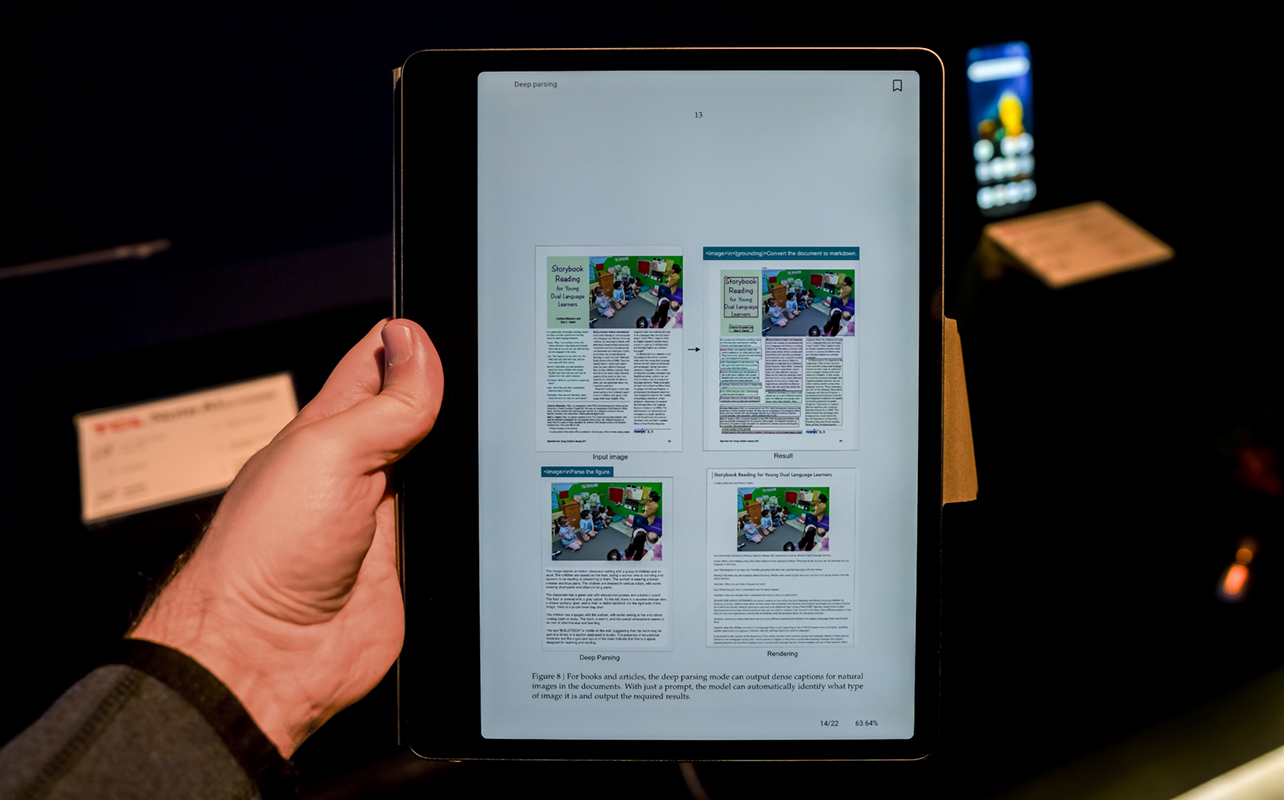
As with other NXTPAPER devices, a multi-layer screen comes with anti-glare, anti-reflection, and anti-fingerprint treatments, reducing reflections by 76% and glare by 55%. TCL claims these numbers based on lab testing but they’re impossible for me to verify just getting hands-on with the device. The point of NXTPAPER has always been to make the screen look more like paper, including the unique visual texture that goes with that. That much is obvious and the increased colour is noticeable here.
The AI part of the equation here falls under AI-generated meeting minutes, directional audio recording, and real-time translation. You can get AI article summaries and text assistance to break down complex concepts or lectures into more actionable tasks, for instance. Then there’s Inspiration Space, where you can save anything you want and let the AI assistant keep it organized and pull up whatever you want to reference later on.
Writing on the Note A1
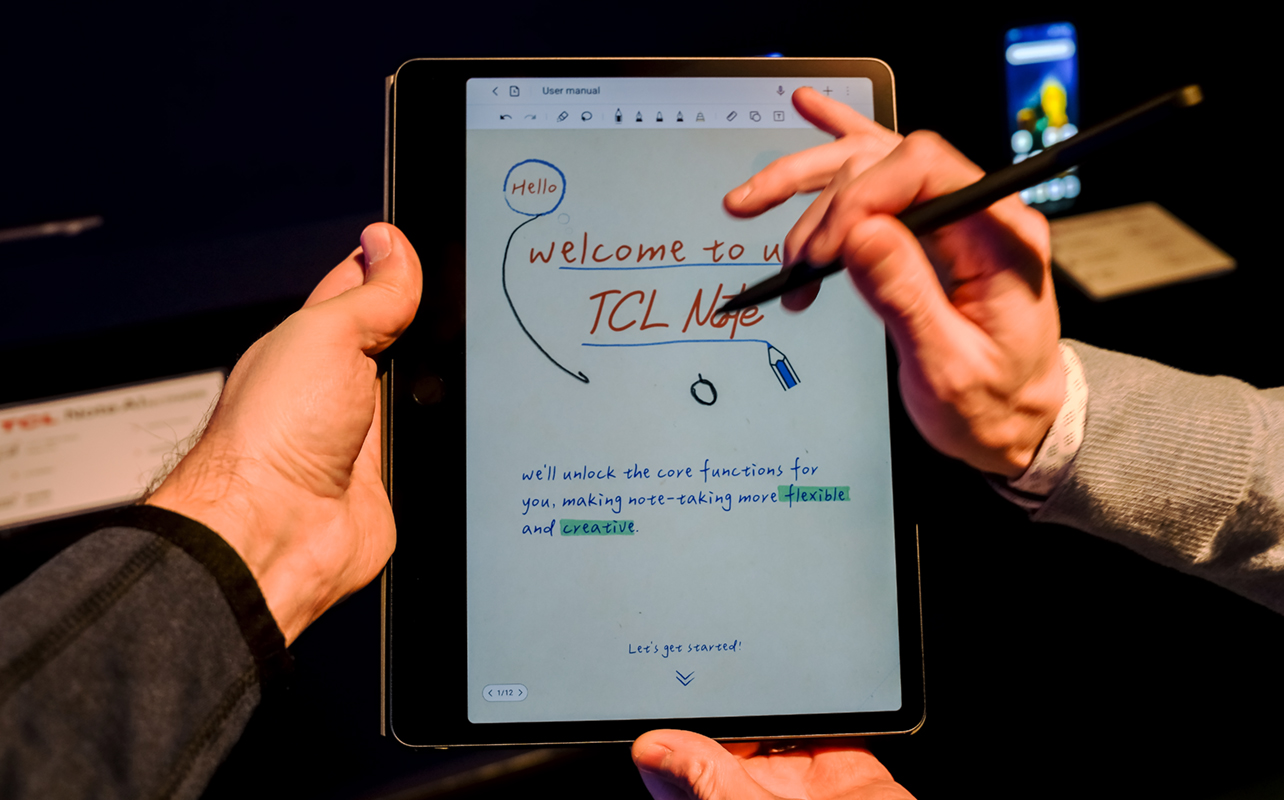
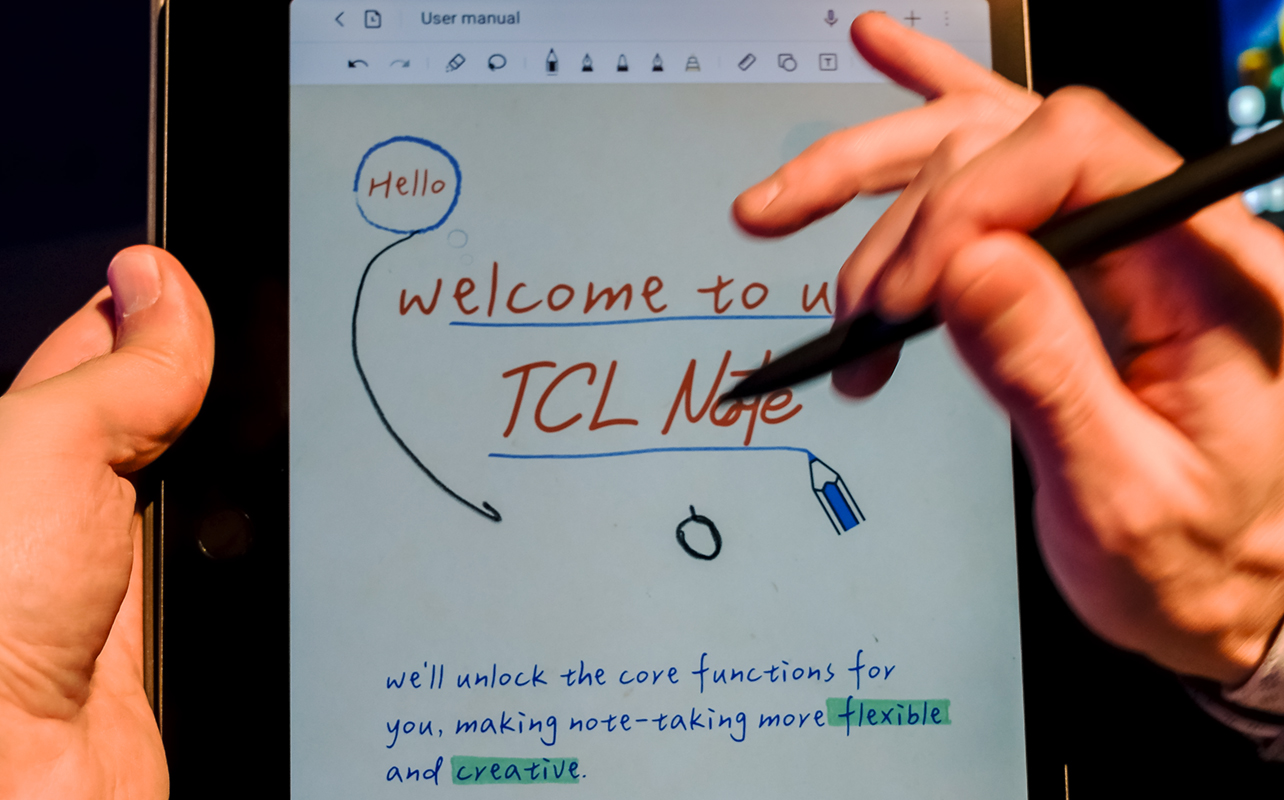
Writing on the Note A1 with the T-Pen Pro feels pretty natural and includes an eraser cap to give it some retro styling. I’m not sure it feels radically different from other notetaking devices, especially given the underlying technology probably comes from the same source (Wacom).
Nevertheless, the stylus features dual tips that can instantly switch between pen and pencil modes, along with haptic feedback that tries to simulate the real-world friction of contact with paper. These are mostly subtle vibrations that shift based on mode, so a pencil will scratch a little more compared to the glide of ink coming off a pen.
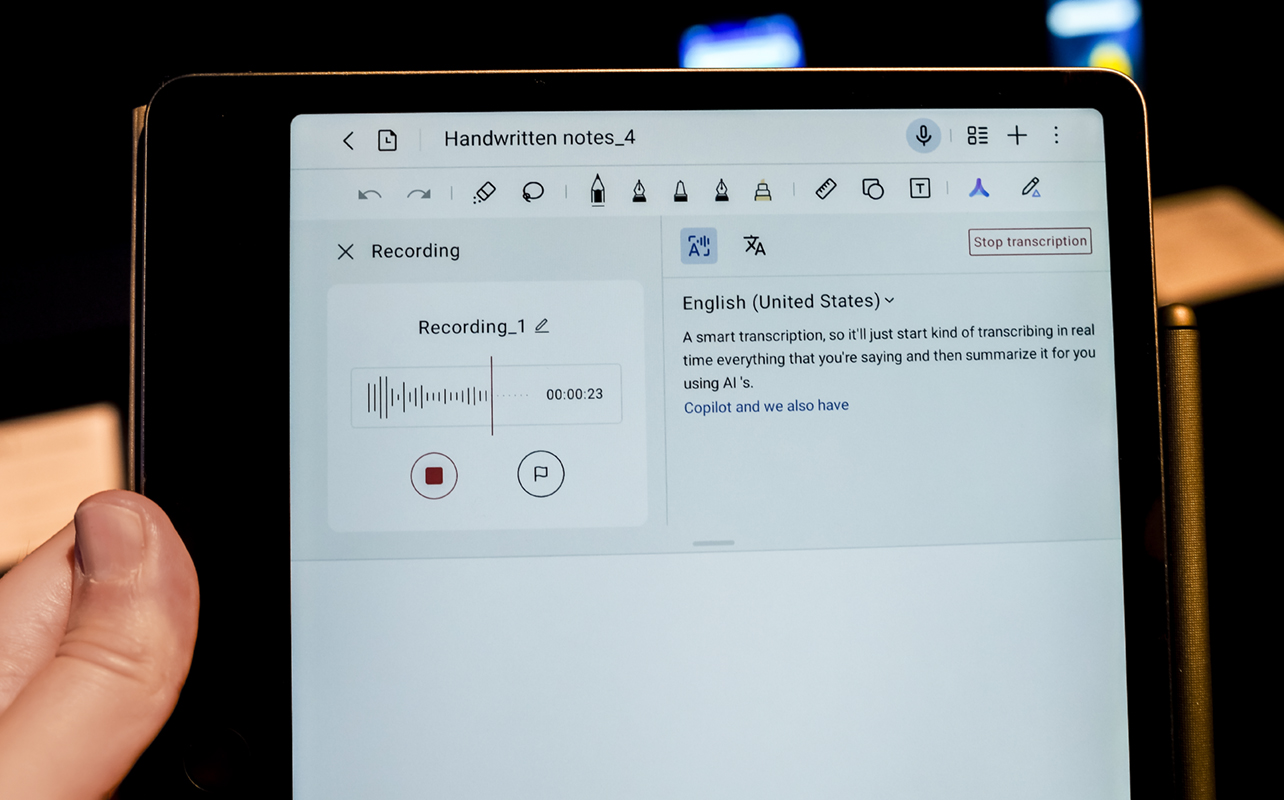
There’s also a side button to trigger actions, like bookmarking moments during recordings, circling text to save to Inspiration Space, or organizing files. Haptic responses can also confirm actions and alert errors. The Note A1 supports over 15 file formats, including PDFs, Word documents, and PowerPoint presentations, all of which you can annotate. It’s limited to a few apps for integration—Edge, Outlook, PowerPoint—making it less versatile if you’re not embedded in the Microsoft ecosystem. I do think it’s cool that it has multiple onboard mics capable of recording and transcribing a conversation.
TCL is set to begin pre-orders for the Note A1 in January, with broader availability following in late February.
TCL NXTPAPER 70 Pro
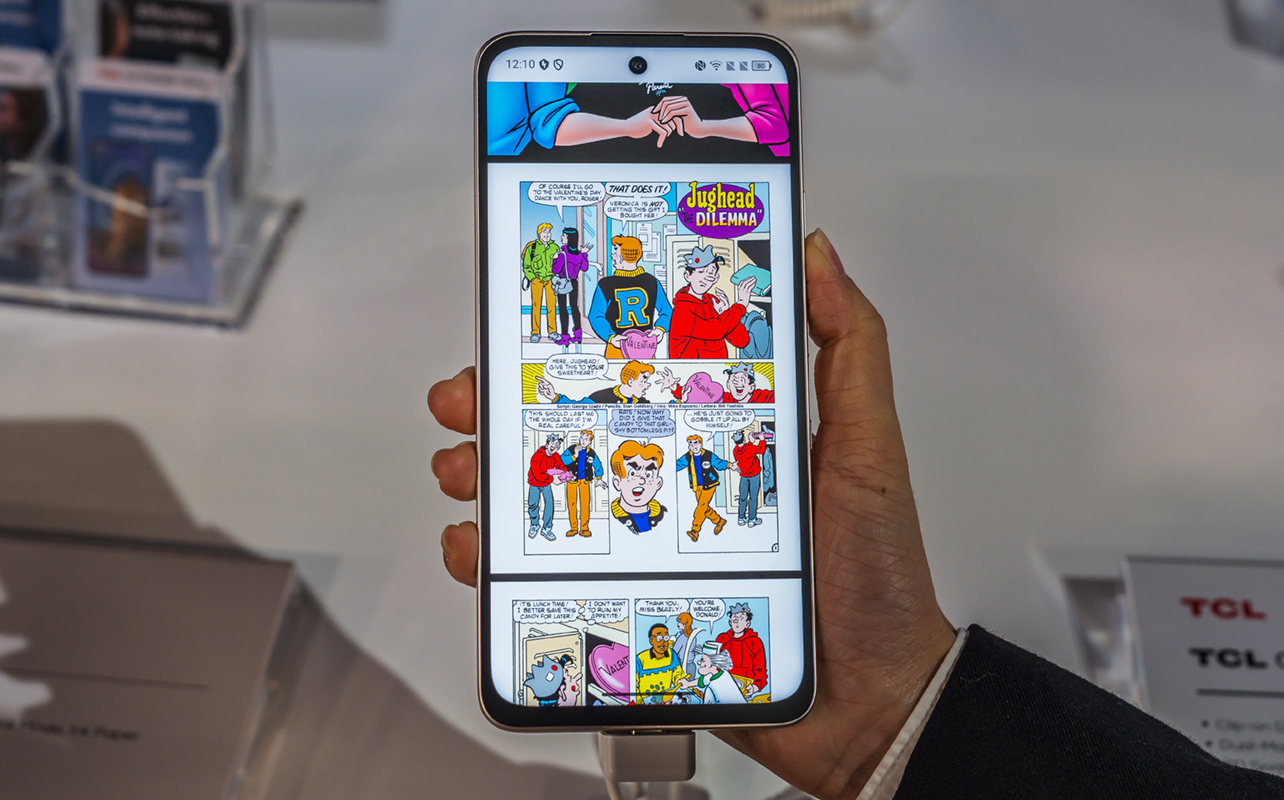
Unfortunately, the TCL NXTPAPER 70 Pro won’t be getting the Pure treatment like the Note A1. It still has version 4.0 of the technology and also supports the T-Pen. Much like past phones under the NXTPAPER line, the 70 Pro is not a flagship, but rather an affordable mid-range handset that caters to those who want something unique and easier on the eyes. I’ve been a personal fan of the technology from the start because it’s great for books, comic books, and graphic novels.
It runs on a MediaTek Dimensity 7300 chipset with 256GB of storage, RAM expansion, and includes IP68 dust and water resistance. The 6.78-inch display remains the focal point because it’s what sets it apart anyway. You get the same anti-glare and anti-reflection coatings, with less blue light exposure, though overall brightness doesn’t get a big jump over previous models. The biggest knock on NXTPAPER screens is brightness and colour accuracy. The latter looks better now than it did before, whereas it’s still a little tougher to see in the brightest sunlight.
I’m not personally expecting big things from the rear cameras, but TCL says it’s taking a step forward in quality. The main 50-megapixel camera will get MuseFilm, TCL’s in-house image processing that adds some cinematic composition to shots inspired by film. Motion, night portraits, and film-inspired filters are designed to add some depth and interest to otherwise standard images. Until I test this out, I can’t be sure just how effective it is.
RayNeo X3 Pro
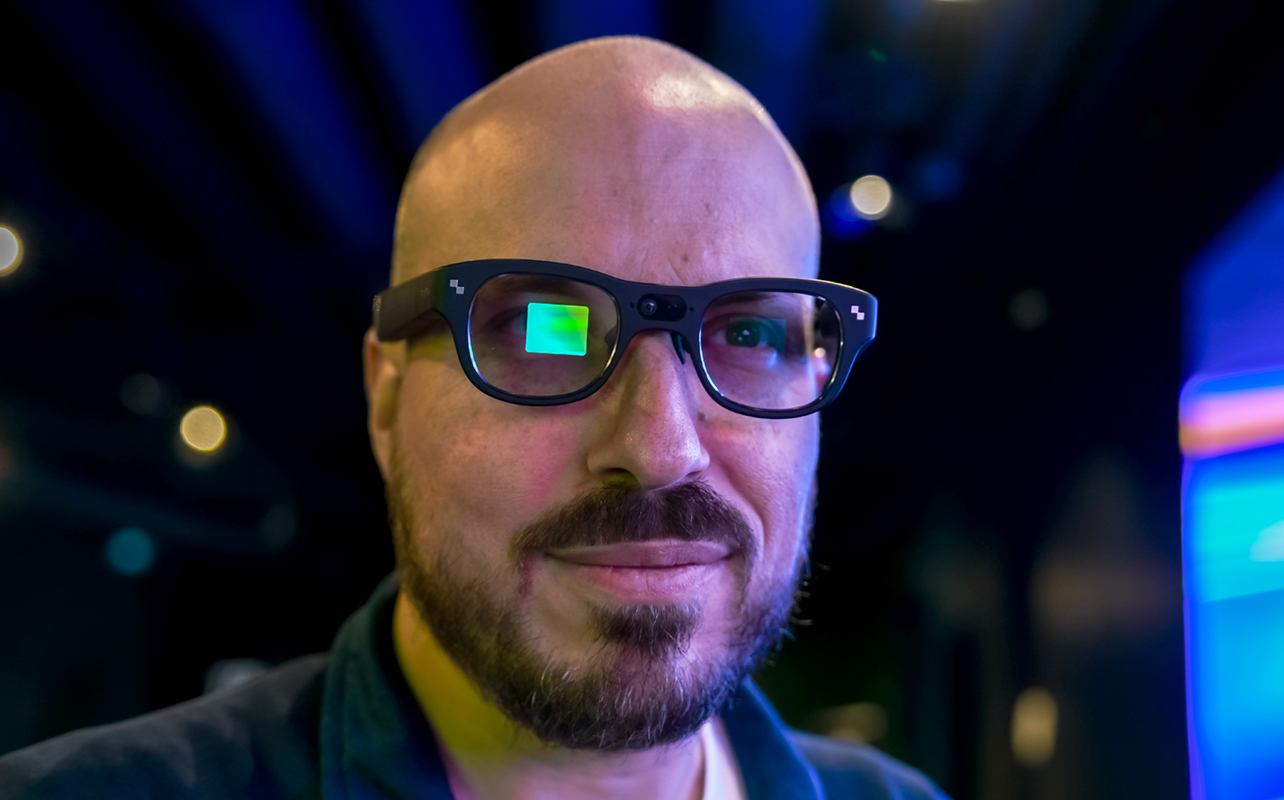
TCL’s latest smart glasses, the RayNeo X3 Pro, are an always-on, AI-powered pair with augmented reality (AR). The optics work in tandem with Google Gemini, projecting a 43-inch virtual display into the ultra-thin lenses without fully blocking your natural vision.
Recognized as one of Time’s Best Inventions of 2025, the X3 Pro introduces touchless in-air gesture control, real-time translation across 14 languages, AI-powered note-taking, and spatial UI navigation. Weighing just 76 grams, it is designed for all-day wear without compromise. More to come on what these glasses can truly do.
Coming soon
TCL expects to launch these devices in the first half of 2026, though no exact dates are known yet.
Explore CES 2026 highlights and emerging tech trends.