
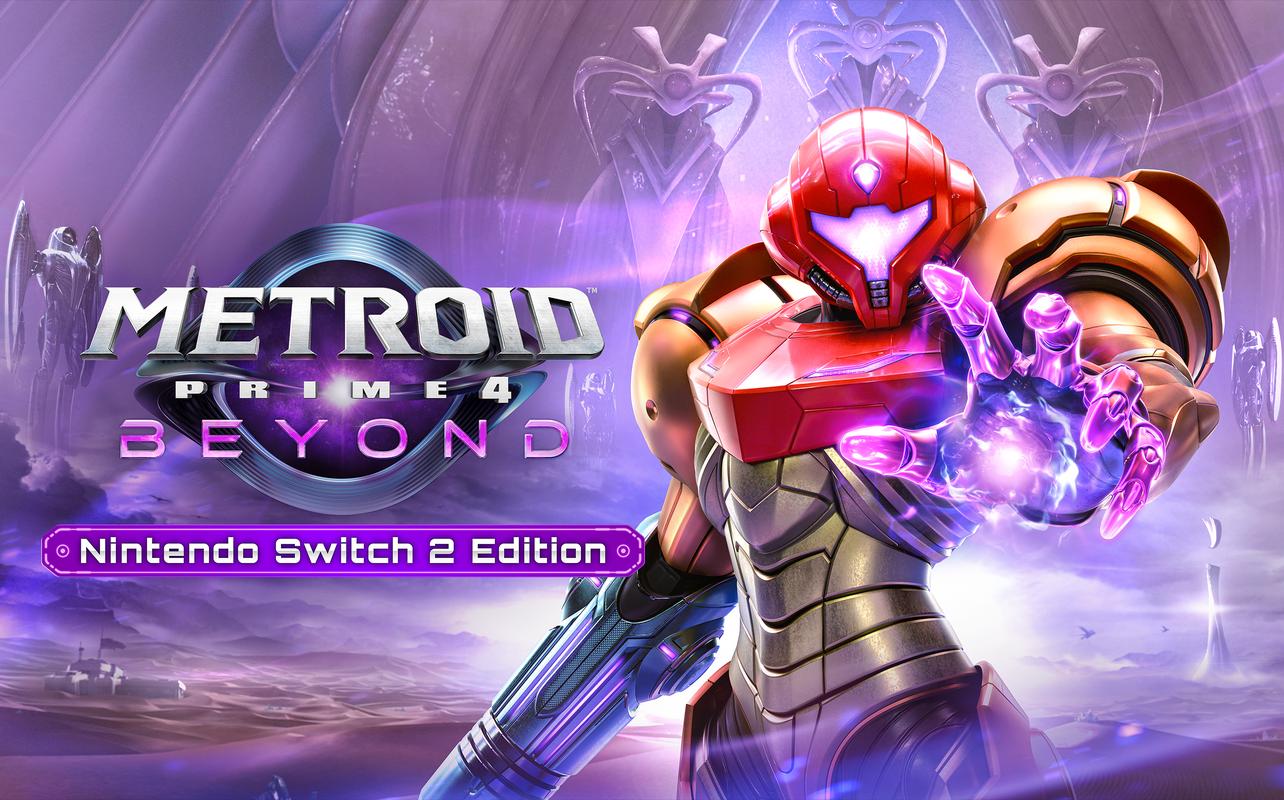
Metroid Prime 4: Beyond has been on a long road to release, and getting to play it on the Nintendo Switch 2 was everything I had been hoping for. Metroid Prime 4: Beyond was first announced for the Nintendo Switch at E3 2017. Development shifted in 2019 when Nintendo restarted the project at Retro Studios, the team behind the earlier Metroid Prime games. Nintendo later revealed the Metroid Prime 4: Beyond name in June 2024. Knowing that full timeline makes starting this new adventure feel different. You can sense the weight of the wait the moment the game begins.
I felt it as soon as I picked up the controller. There was a small flash of that old excitement from playing the Metroid Prime series years ago, mixed with curiosity about how Metroid Prime 4: Beyond would feel on new hardware. It did not take long for that curiosity to shift into the familiar flow the series is known for. You land in a new environment, begin scanning, and slowly take in the details of a world that feels strange and overgrown.
What stands out early is how natural everything feels. Movement is smooth, aiming is responsive, and the world stretches farther than anything the older games attempted. Even small touches, like the glow in a corridor or distant shapes fading in, help set the tone. Metroid Prime 4: Beyond feels like Samus returning on her own terms, and the long wait makes this opening chapter hit harder.


Metroid Prime 4: Beyond details
Platform(s): Nintendo Switch 2 and Nintendo Switch
Developer(s): Retro Studios
Publisher(s): Nintendo
Genre: Action-adventure
Modes: Single-player
ESRB Rating: T (Teen)
Finding your way across Viewros
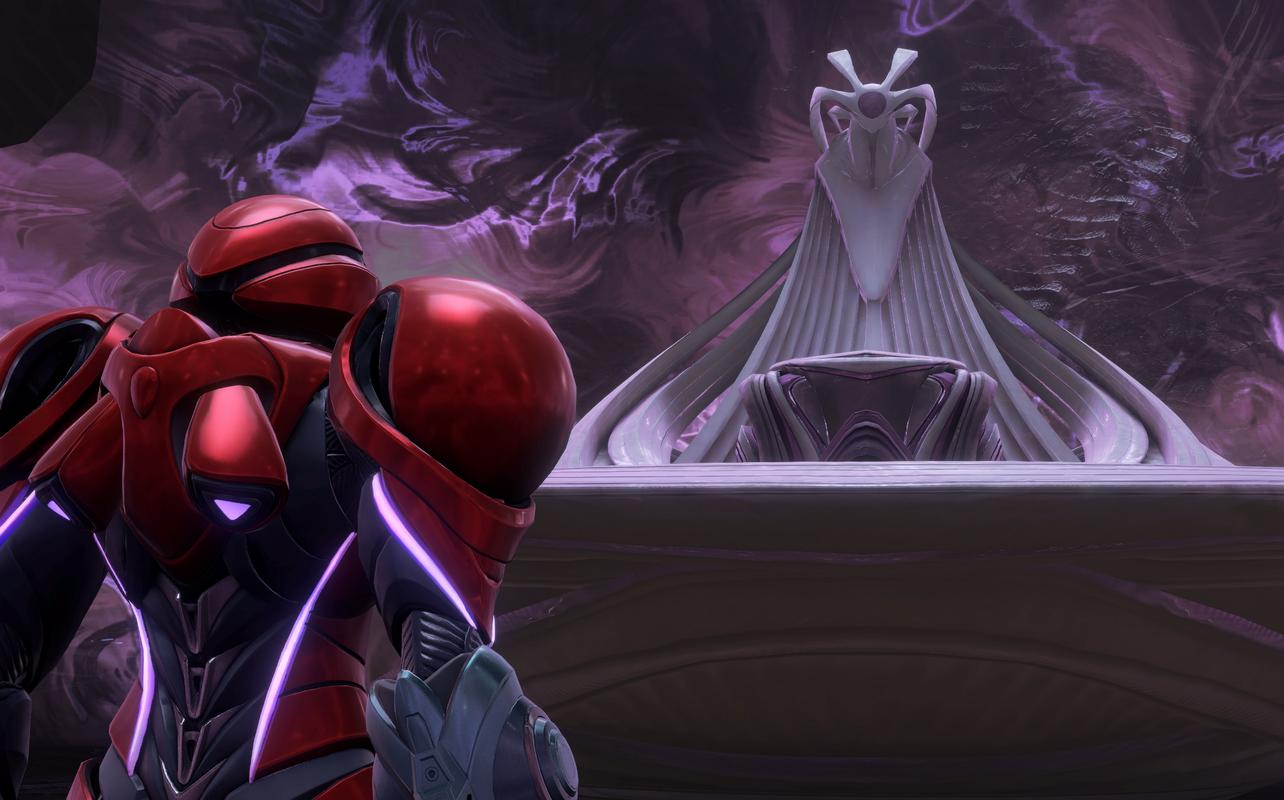
Metroid Prime 4: Beyond opens with Samus Aran in the middle of a high-pressure battle on the planet Tanamaar. She joins Galactic Federation forces as they try to hold off an attack from Sylux, a returning figure from earlier games. The encounter ends with an artifact activating and pulling Samus, the Federation team, and parts of their base across space. When she wakes up on the planet Viewros, nothing looks familiar. That sudden shift sets the tone right away. You feel isolated again, which fits the Metroid Prime series perfectly.
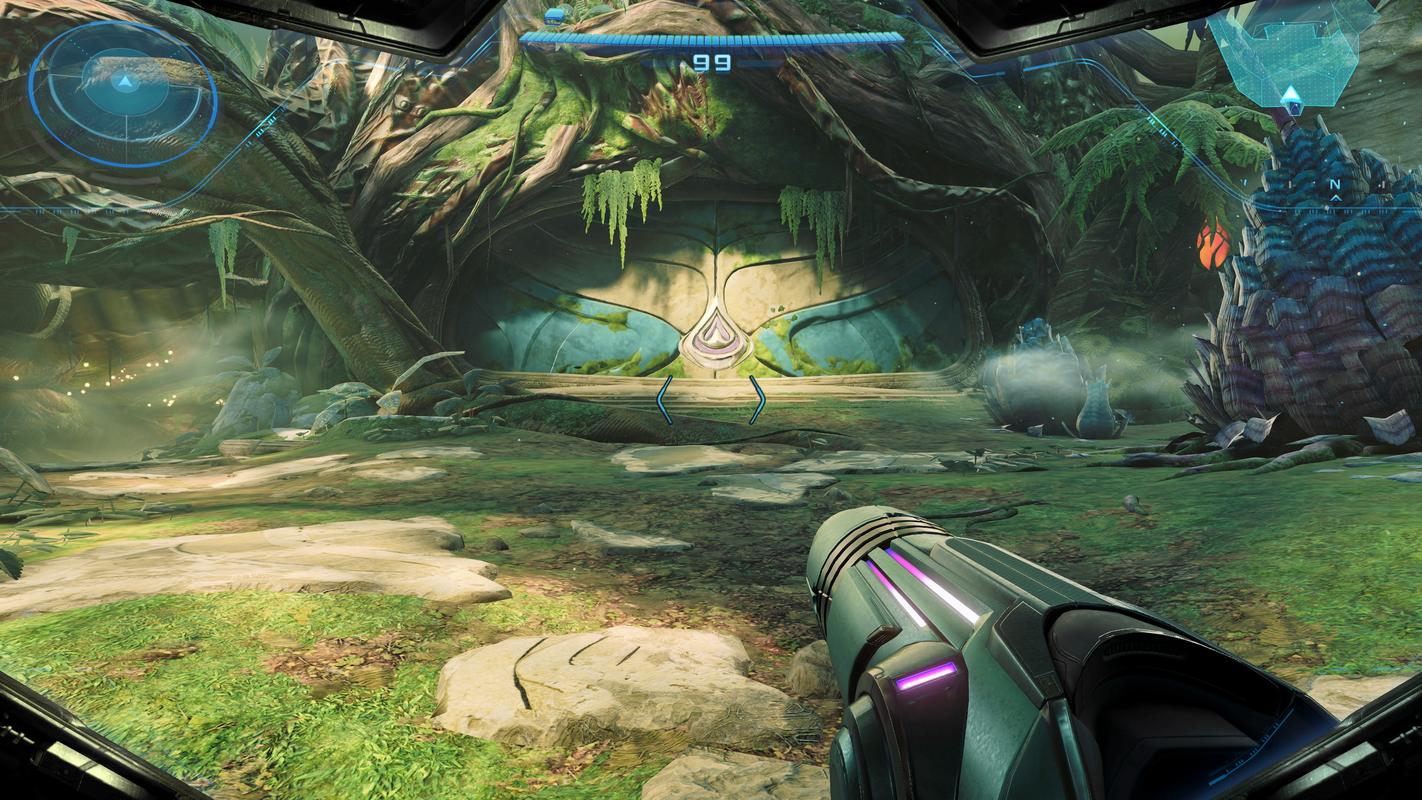
Viewros is split into several major regions, each with a different feel. One is dense with plant life. Another is filled with machinery and sparks of energy. Later, you move through frozen corridors where everything looks cold and fragile. These areas made me slow down more than once just to take in the small details. It reminded me why many fans hold the series in such high regard. The environments do a lot of the storytelling on their own, and scanning objects or structures becomes part of the rhythm.
Two main threads guide the story. One focuses on Sylux and the threat following Samus. The other introduces the Lamorn, an alien race tied to Viewros. Their history unfolds gradually through logs and devices tucked into corners of each region. The mystery kept me paying attention even when the game offered only small hints. One moment that stuck with me happened early in Fury Green. I stepped into a clearing, saw the light cut through the trees, and just paused. It was the first time I felt fully settled into this version of Samus’s journey, and it made the world feel real in a way I didn’t expect. Metroid Prime 4: Beyond keeps its narrative light and lets Viewros do the heavy lifting. It works well for anyone who enjoys exploring worlds piece by piece.
Moving through Viewros one step at a time
Gameplay in Metroid Prime 4: Beyond builds on the foundation set by the earlier Metroid Prime games while adding new ideas that fit naturally into the series. The moment you start moving, you can feel how much smoother everything is on the Nintendo Switch 2. Aiming clicks right away, and the Joy-Con 2 controllers mouse mode comes in handy when you want those precise shots. Movement stays solid, and the early rooms give you space to poke around and try things at your own pace. It drops you into that classic scan-and-search groove pretty quickly.
Combat fits neatly into that flow. Fights usually begin with a quick scan or a read of the room, then shift into movement and elemental shots. Fire, Ice, and Thunder shots come into play more than expected, and switching between them becomes second nature. Boss encounters build on those same mechanics. Patterns are readable, but they give you plenty to think about. A few of those battles pushed me to slow down and try different approaches, which helped the pacing stay interesting.
Exploration that builds momentum
Exploration carries the heart of the experience. Every region on Viewros opens slowly, then folds back on itself with new paths once psychic abilities and upgrades appear. These abilities let you move objects, rotate locks, guide projectiles, or interact with devices from a distance. None of them feel out of place. They behave like extensions of classic Metroid tools, just reimagined for new puzzles.
When I looped back to an early zone, something I’d walked past before suddenly made sense once I had the right upgrade. The route forward clicked in a way that felt natural because the game never pointed directly at it. It rewarded paying attention and trusting that a small detail might matter later.
Where Vi-O-La fits into the journey
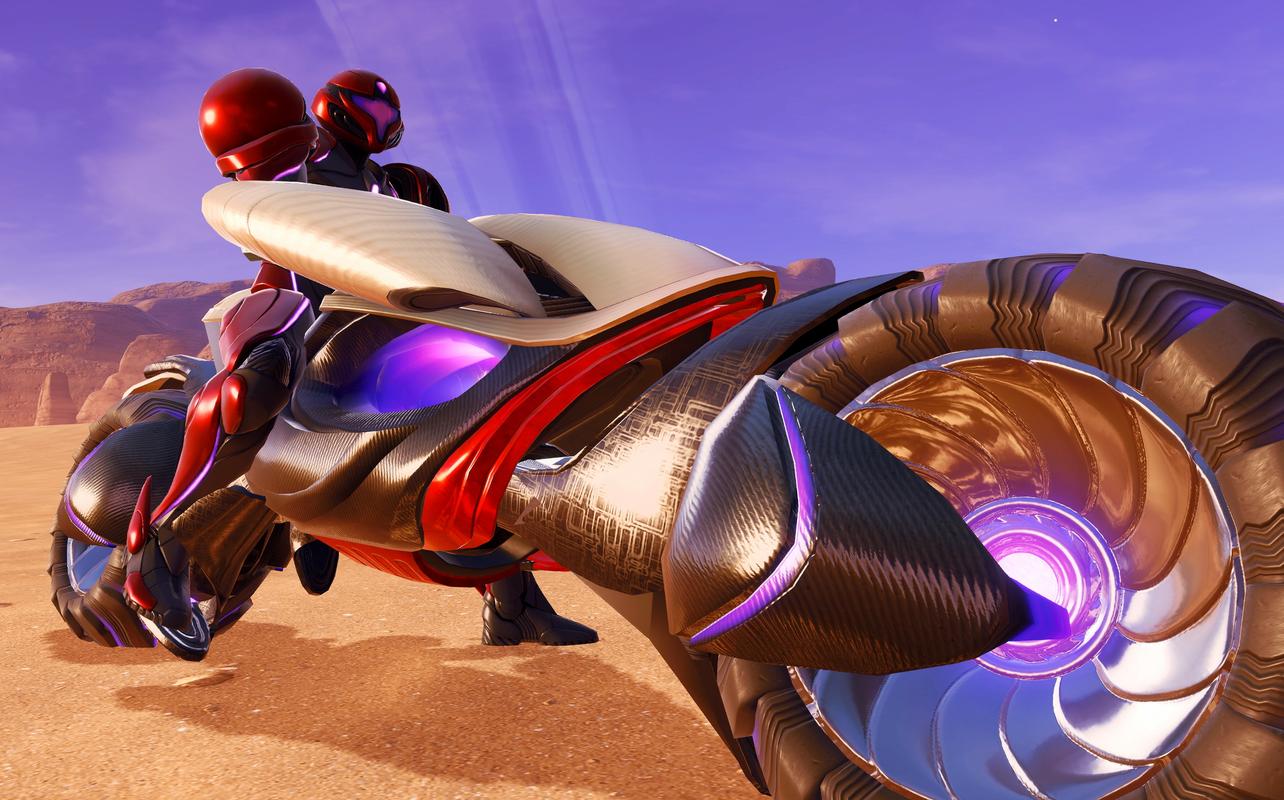
Vi-O-La, the Lamorn-built bike, changes the flow without overwhelming it. Sol Valley works as a wide connecting space, and the bike helps cut down long runs between major biomes. It slides well, lines up clean corners, and lets you use ranged attacks from the seat. The desert can feel quieter than the main areas, but grabbing crystals, finding shrines, and spotting upgrade points kept it from feeling empty during my time there.
While exploring Sol Valley, what surprised me most was how the bike eased the repetition that usually comes with backtracking. Riding between distant objectives felt quick enough that I never minded doubling back for an upgrade or checking a marked spot. The quiet stretches fit the mood of Metroid Prime 4: Beyond, too. You’re moving fast, but there’s still that sense of being out there on your own. It creates a different kind of rhythm from the main zones, and even though the valley isn’t packed with activity, it added a nice break between the more intense combat and puzzle-heavy sections.
What makes Metroid Prime 4: Beyond’s bosses hit different
Boss encounters give the gameplay its sharpest bursts of pressure in Metroid Prime 4: Beyond. Each major fight pushes you to use the tools you’ve picked up, whether that’s lining up elemental shots, locking onto weak points, or weaving psychic abilities into your movement. Some bosses test your timing, others test your awareness, but none feel like they’re pulled from older ideas. They’re built around the world of Viewros, and that helps each one land with a purpose.
What stood out to me is how readable these fights are without feeling simple. When patterns shift, the arena usually tells you what the game expects next, and that keeps the pacing steady even during the tougher moments. A few battles caught me off guard, especially when multiple weak points moved at once, but it always felt fair. The designs themselves also help carry the energy. These creatures look and behave like they belong on Viewros, which makes each showdown feel tied to the planet rather than dropped in just for spectacle.
A world built to be seen and heard
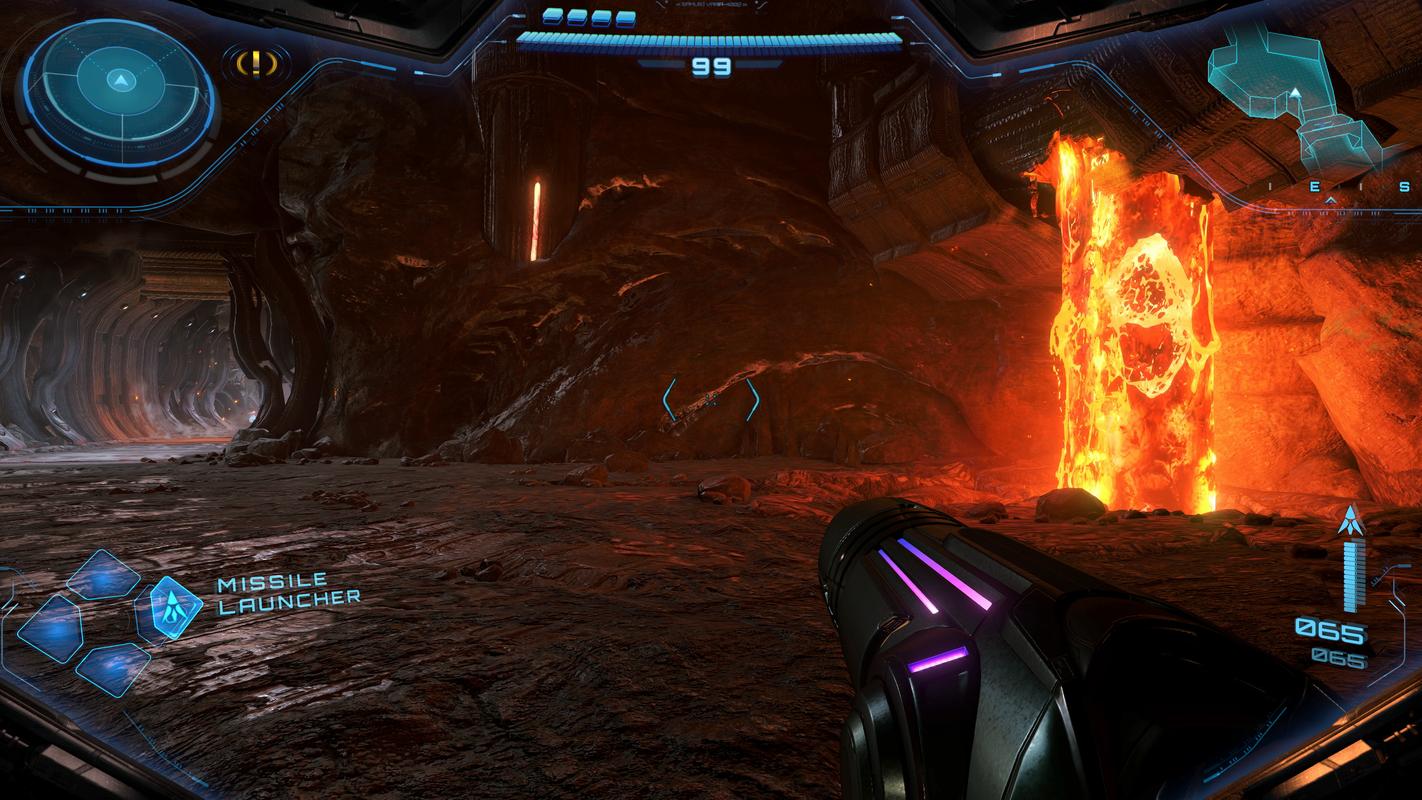
Metroid Prime 4: Beyond makes a strong first impression the moment you land on Viewros. Retro Studios utilizes the power of the Nintendo Switch 2, and the result is a world that feels sharper, brighter, and more detailed than anything the series has seen before. Quality Mode runs at 4K and 60 frames per second with HDR while docked, and 1080p at 60 frames per second in handheld. Performance Mode targets 120 frames per second, hitting 1080p when docked and 720p in handheld. It’s nice having both options because you can decide whether you want the cleaner image or the smoother feel. Either way, the game feels smooth the whole way through.
Each biome on Viewros carries its own look and mood. Walking into Fury Green brings warm tones and dense foliage, while Volt Forge leans into bright, pulsing energy across its machinery. Ice Belt shifts things again with colder lighting and small effects like frost gathering on Samus’ cannon. Those touches stood out to me, especially when I stopped to scan a creature or environmental detail and noticed the lighting react as I moved. Samus’ suit upgrades also look great in motion. Armour plates catch reflections in certain rooms, and the elemental shot effects pop without overwhelming the screen. Even the smaller particle details, like drifting dust or glowing spores, help each space feel distinct.
The soundtrack and sound work give each area a clear identity. Fury Green hits with warmer tones, Volt Forge pulses with sharper electronic cues, and Ice Belt leans into quieter echoes. Even simple things like the hum of machinery or the way footsteps shift on different surfaces help set the pace. It all blends together in a way that feels right when you’re moving through Viewros, whether you’re checking a side path or stepping into a new zone.
Metroid Prime 4: Beyond proves the wait was worth it
Metroid Prime 4: Beyond feels like a confident step forward for the series and a strong fit for the Nintendo Switch 2’s lineup. Retro Studios stuck to what makes Metroid Prime work while reshaping the structure just enough to make Viewros feel new. Exploring its biomes, experimenting with psychic abilities, and learning how each upgrade fits into the world brought back the feeling I had when first trying the earlier Prime games, only now with far cleaner movement and sharper presentation.
| Pros | Cons |
|---|---|
| Exploration is rewarding, especially when upgrades open new paths in earlier zones. | A few abilities are easy to forget until the game reminds you. |
| Combat feels natural thanks to responsive aiming and elemental shot variety. | Backtracking can still feel a bit slow when you’re outside bike-friendly zones. |
| Viewros offers varied biomes filled with atmosphere and impressive visual detail. | |
| Metroid Prime 4: Beyond runs smoothly on Nintendo Switch 2 with strong performance in every mode. |
What surprised me most is how naturally the familiar and new elements blend together. The classic scan-and-search rhythm sits right beside Vi-O-La’s fast traversal and the more open layout of Sol Valley. Boss encounters feel new without drifting too far from the series’ identity. Even the small stuff, like scanning a forgotten structure or catching the lighting move across Samus’ suit, brought back that classic Prime feeling, just with way more detail now.
Overall assessment of Metroid Prime 4: Beyond
Gameplay: 4.5/5
Graphics: 5/5
Sound: 4.5/5
Lasting appeal/Replayability: 4/5
Overall rating: 4.5/5 (90%)
For Nintendo Switch 2 owners, Metroid Prime 4: Beyond is easily one of the system’s most polished and thoughtfully built adventures. Long-time Metroid Prime fans will feel right at home here. And if you’re new to the series, the smooth pacing and clear design make it easy to pick up. After finishing the journey on Viewros, it’s hard not to think about where Samus could go next. This chapter closes cleanly, but it also suggests a path forward that feels exciting. If this is the direction Retro is taking the series, the next chapter of Metroid could be even more interesting.
Metroid Prime 4: Beyond is also available on the Nintendo Switch if you haven’t upgraded yet to Nintendo Switch 2. Nintendo also offers a paid upgrade pack to the Nintendo Switch 2 version, which gives you a straightforward path to continue your journey on the newer hardware.
Click here to see the full line of video game software available at Bestbuy.ca
Click here to see digital video game downloads offered at BestBuy.ca