
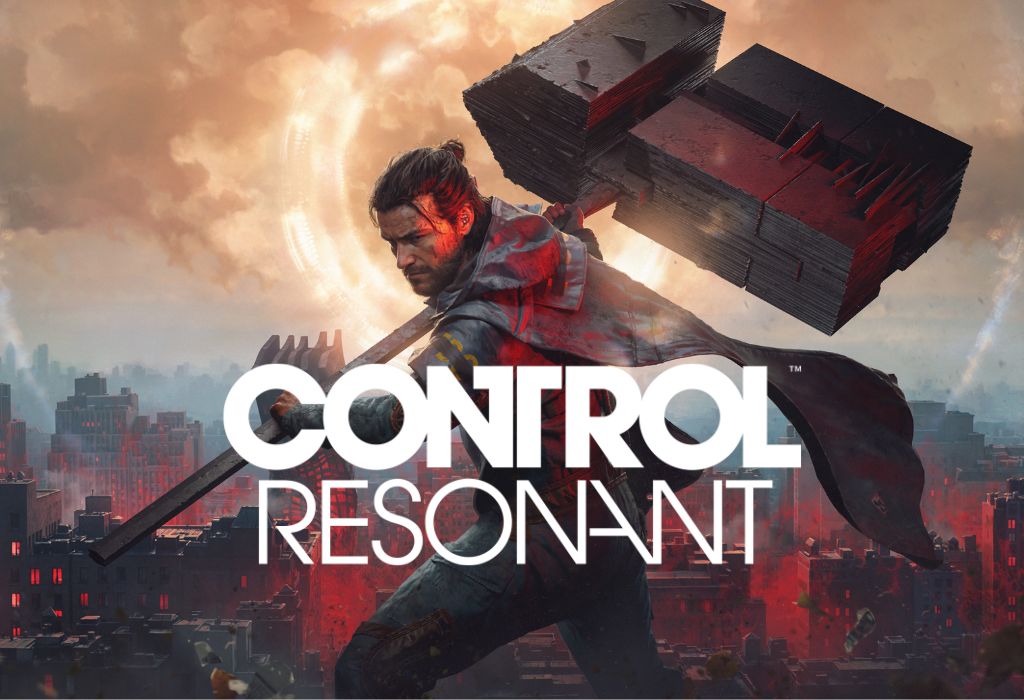
Control Resonant blends surreal, reality-bending ideas with hard-hitting action, pulling you into its strange and unsettling world almost immediately. The original Control was exceptional, while Alan Wake II remains one of Remedy Entertainment’s greatest achievements and was my game of the year in 2023. With that kind of momentum, many studios would have refined an already proven formula and stuck with it. Thankfully, Remedy has never been particularly interested in playing it safe, and Control Resonant is a stronger experience for it.
This sequel is willing to challenge its own identity. It goes bigger and bolder: changing protagonists, pushing beyond familiar settings, trading the original’s ranged third-person gunplay for aggressive melee combat, and expanding Remedy’s brand of paranormal sci-fi into something even more ambitious. Those are substantial and risky changes, but after playing through Dylan Faden’s mind-bending journey, the gamble pays off. This is unmistakably what made Control great at its core, only faster, stranger, and completely unafraid to break the paranormal action mould that came before it. Not every aspect is perfect, but the total package is incredible. Let’s dive headlong into the Control Resonant experience in my full review.
The digital download of the game launches on September 24, and the physical copy on October 15.

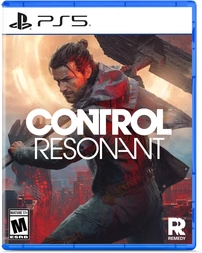
Control Resonant Details
Platform(s): PlayStation 5, Xbox Series X|S, and PC
Reviewed on: PlayStation 5 Pro
Developer: Remedy Entertainment
Publisher: Remedy Entertainment
Genre: Action-adventure RPG
Available game modes: Single-player
ESRB Rating: Mature 17+
An unlikely hero in a fractured reality
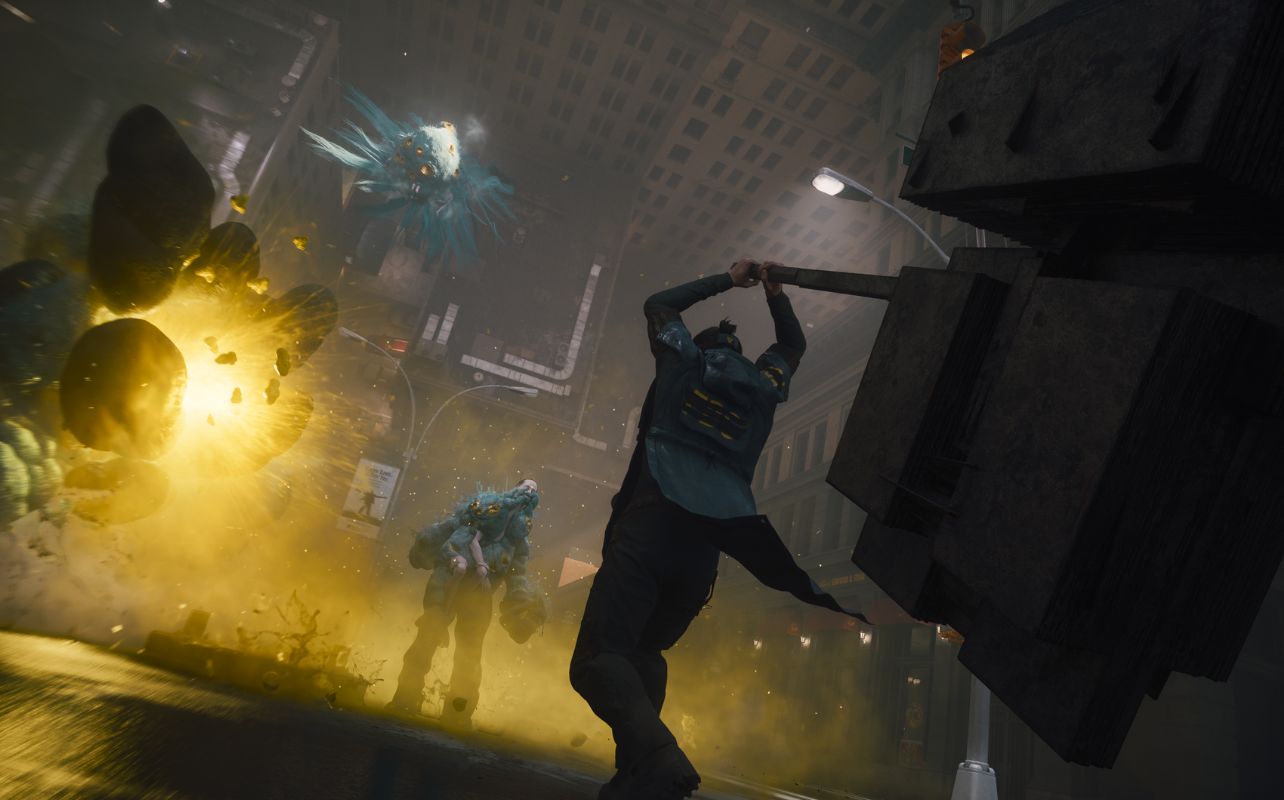
Seven years after the first game, Dylan Faden awakens from a long coma. He finds his sister Jesse missing, and Manhattan buckling under a paranatural catastrophe. The Hiss, Mold, and other forces have escaped the Oldest House, spilling out into the streets. Dylan becomes the city’s last and best chance at staving off annihilation.
If you haven’t played the first game, you’ll need some context. Thankfully, before you jump into Control Resonant, you can select a main menu option that plays a short cutscene to help you catch up on the broad strokes of the story. If you are diving into the franchise for the first time, you can manage, and you’ll be learning about these events through the perspective of a new character, which helps fill in some blanks.
Dylan carries his dark history from the original game, one where he was the “bad guy” under the influence of the Hiss, inflicting death and destruction. Many of his in-game acquaintances, like FBC agents, are visibly uneasy around him; their conversations often carry suspicion or outright hostility. You’re working on building a redemption arc while trying to save Manhattan and find your sister.
Even with all these story threads, Remedy tells a more direct story this time, with help from Supervisory Special Agent Zoe De Vera, who acts as Dylan’s handler and regular voice in his ear. The setup makes Resonant easier to follow without diluting Remedy’s trademark weirdness, while Dylan’s search for Jesse gives the crisis a personal centre.
Gameplay: Bringing a hammer to a Hiss fight
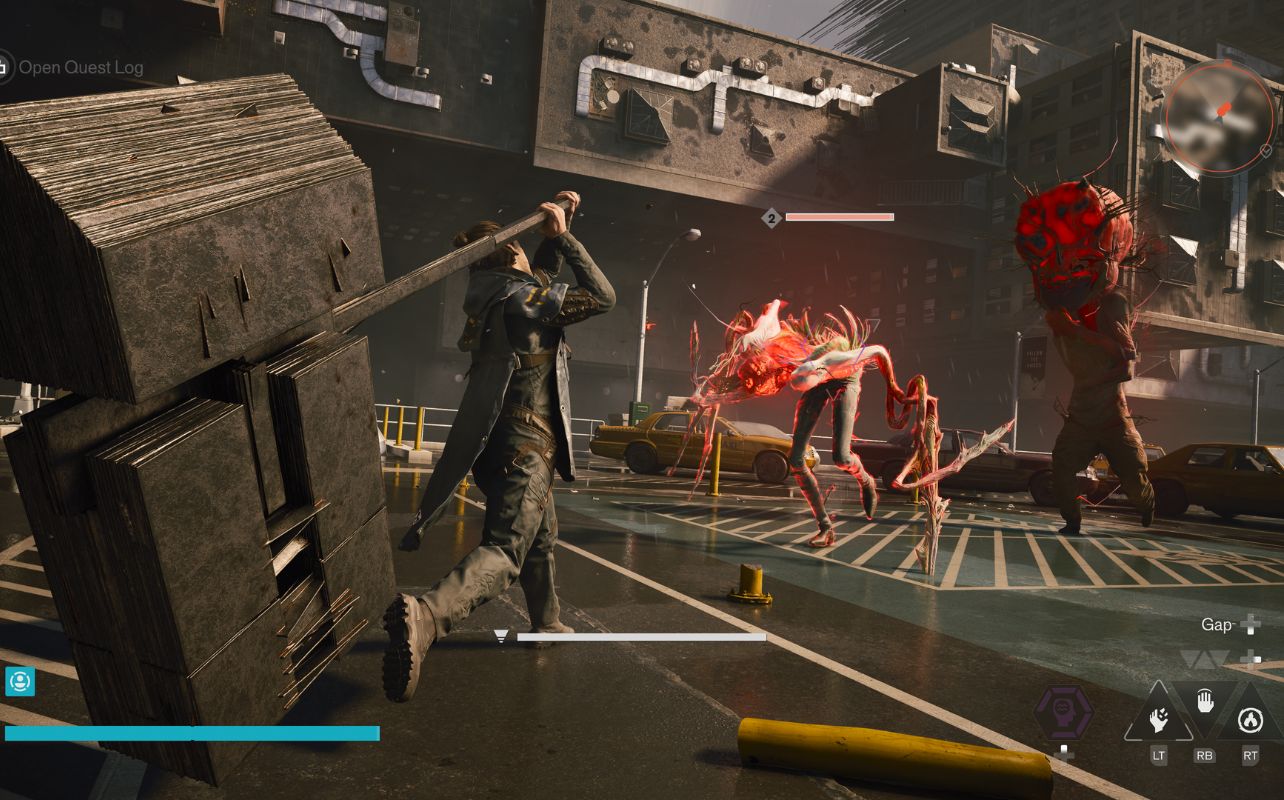
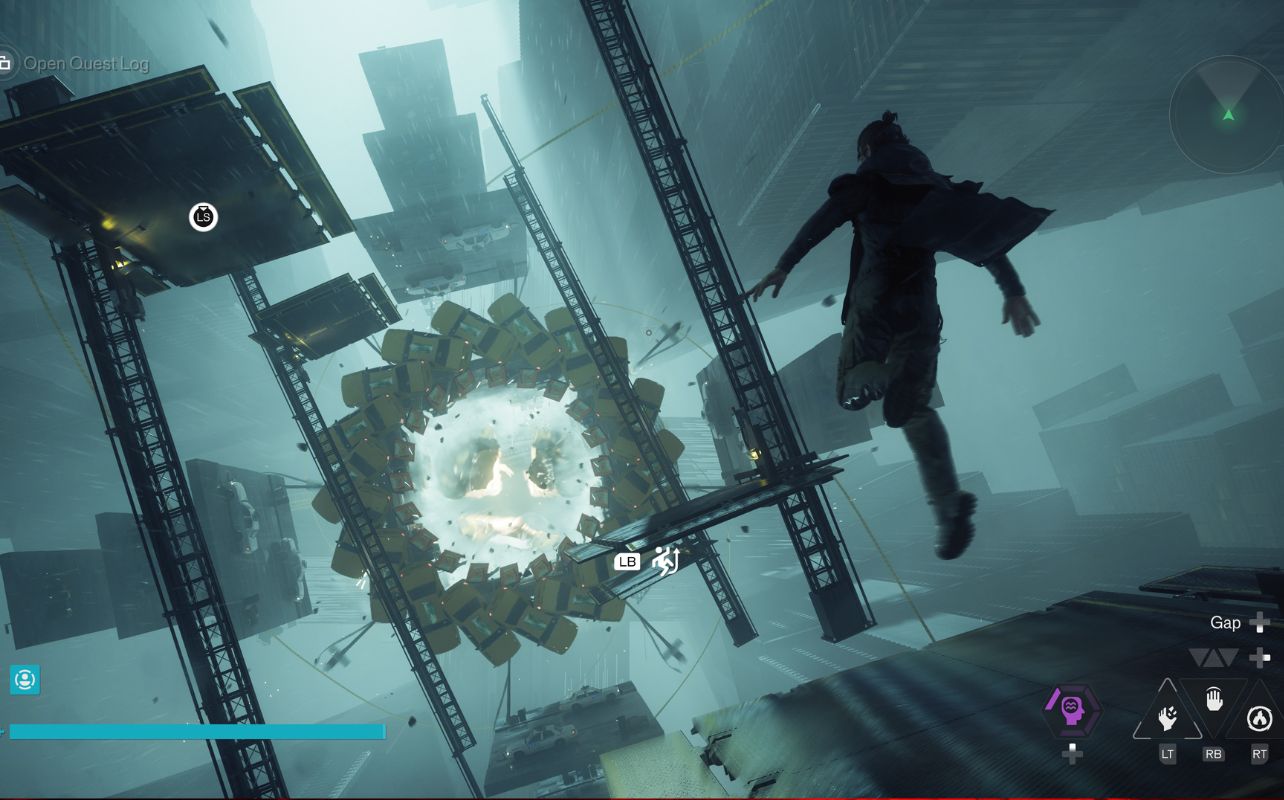
The biggest change in the gameplay formula from the original game is combat. Jesse’s Service Weapon is gone, replaced by the Aberrant, a shapeshifting melee weapon that can become dual blades, a scythe, a hammer, and other forms. Dylan is incredibly mobile, able to soar, air dash, and close distance almost instantly. The sense of freedom I felt as I learned to soar around Manhattan felt great, and the layers of gameplay blend and connect so well as they continue to evolve.
I loved experimenting with weapon forms, supernatural abilities, executions, and status effects because once everything clicks, encounters have a terrific rhythm. Overall, Control Resonant feels more like a stylish action game, focusing on staggering enemies, triggering executions, and keeping pressure on them.
Enemy encounters can drag
For all its gameplay strengths, it’s not perfect in every aspect. I did find that, especially in the early game, enemies could absorb a ton of damage and were too spongy. Thankfully, this changes as you find the right build and get stronger, but I felt like I had to hammer on foes, and some encounters really overstayed their welcome. As for bigger showdowns, boss fights are artistic showstoppers that ooze creativity. The forms you battle and how the city is integrated into their design look incredible. Unfortunately, mechanically, they boil down to dodging and chipping away at a health bar; it would have been nice to see more gameplay variety and more ways to defeat these baddies.
Combat and character progression
Thankfully, a robust progression tree smooths out some rough edges. Dylan has multiple skill trees, weapon upgrades, status effects, combat abilities, and enough build crafting to tailor him toward your preferred style. I strongly recommend investing early in abilities that increase damage and status pressure, especially Ignite, because they speed up combat and make Dylan less vulnerable. Defeating powerful Resonants also expands his toolkit, creating a satisfying loop: explore, find something deeply unsettling, defeat it, then return stronger and with more ways to break reality. The game encourages experimentation with different Aberrant combinations and supernatural powers. Once I had a build that matched how I wanted to play, combat became much more fluid and manageable. My biggest frustration is that the early hours do not show the system at its best; Resonant makes you work before it lets you become the paranormal wrecking ball you came here to be.
A warped world that transforms Manhattan
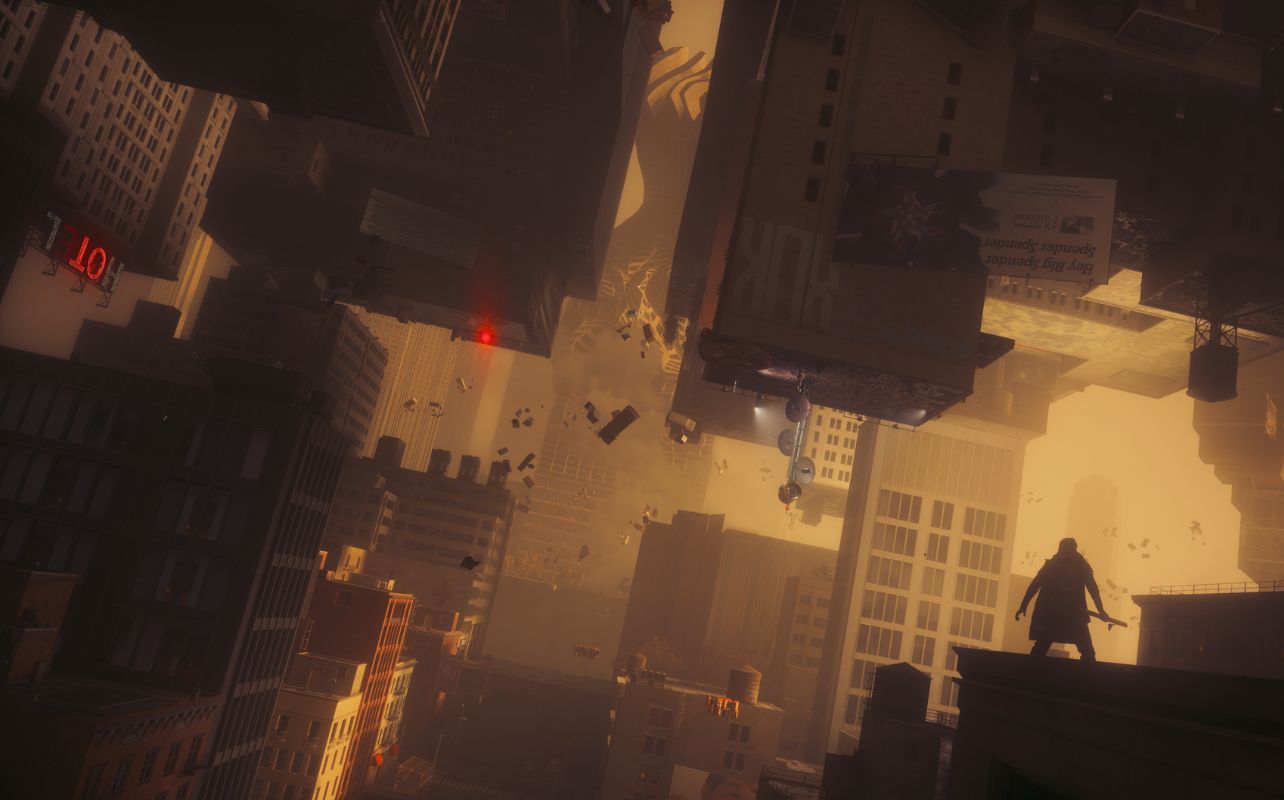
The Oldest House was one of the original game’s greatest characters, so moving outside and massively expanding its scale sounded risky. Somehow, Remedy makes warped Manhattan just as memorable, just on a larger scale. This is not a completely seamless open world, but a collection of large, open-ended zones filled with side missions, hidden encounters, strange environmental stories, and optional discoveries. I loved how quickly an ordinary street can become impossible. Buildings fold in on themselves, gravity changes direction, and later sequences force you to rethink walls, ceilings, and floors.
At times it feels like playing through the movie Inception with aspects of reality and gravity turned on its head. Better still, the level design is excellent, naturally nudging you toward points of interest rather than constantly screaming at you with icons. Exploration feels organic, and some of the best moments happen when you follow something that looks suspicious, which, in a Remedy game, is usually just the opening of the rabbit hole you are about to tumble down.
Control Resonant graphics and performance

Control Resonant is also a technical and artistic showcase on PS5 Pro. You can choose from different technical modes, including Performance Mode, which targets 2160p at 60fps; Quality Mode, which targets 2160p at 30fps with ray tracing; and a 120Hz display unlocks a Balanced 2160p/40fps ray-traced option. I favoured the Performance Mode because Dylan’s fast traversal and melee combat benefit tremendously from the responsiveness, and performance remained impressively solid in my experience.
The most incredible part is the phenomenal art direction throughout the game. Remedy’s visual language combines brutalism, impossible geometry, eerie red corruption, live-action flourishes, and surreal cityscapes into one of its best-looking worlds. The soundtrack and environmental audio are equally effective, building tension where needed and heightening emotional moments.
Final thoughts on Control Resonant
Control Resonant is Remedy continuing to push its creative boundaries, refusing to make the “safe” sequel, and I respect the team enormously for that. It retains the original game’s paranormal identity while broadening exploration, speeding up movement, and making combat more physical. Not every change lands perfectly, especially in the variety of gameplay combat. Yet the overall experience is confident, imaginative, and packed with the kind of creative swings I want from a game. If you enjoyed Control, Alan Wake II, or stylish action games that are comfortable getting very strange, Control Resonant is an ambitious sequel that earns its place beside Remedy’s best work.
| Pros | Cons |
|---|---|
| Outstanding art direction and world design | Some enemies can feel overly “spongy” especially in the early game |
| Fast, fluid traversal and satisfying melee combat | Boss mechanics do not always match their spectacular presentation |
Bold expansion of Remedy’s paranormal universe | Combat options and encounters become repetitive especially in the late game |
Overall Assessment of Control Resonant
Gameplay: 4.5/5
Graphics: 5/5
Sound: 4.5/5
Lasting Appeal / Replayability: 4/5
Overall Rating: 4.5/5 (90%)