
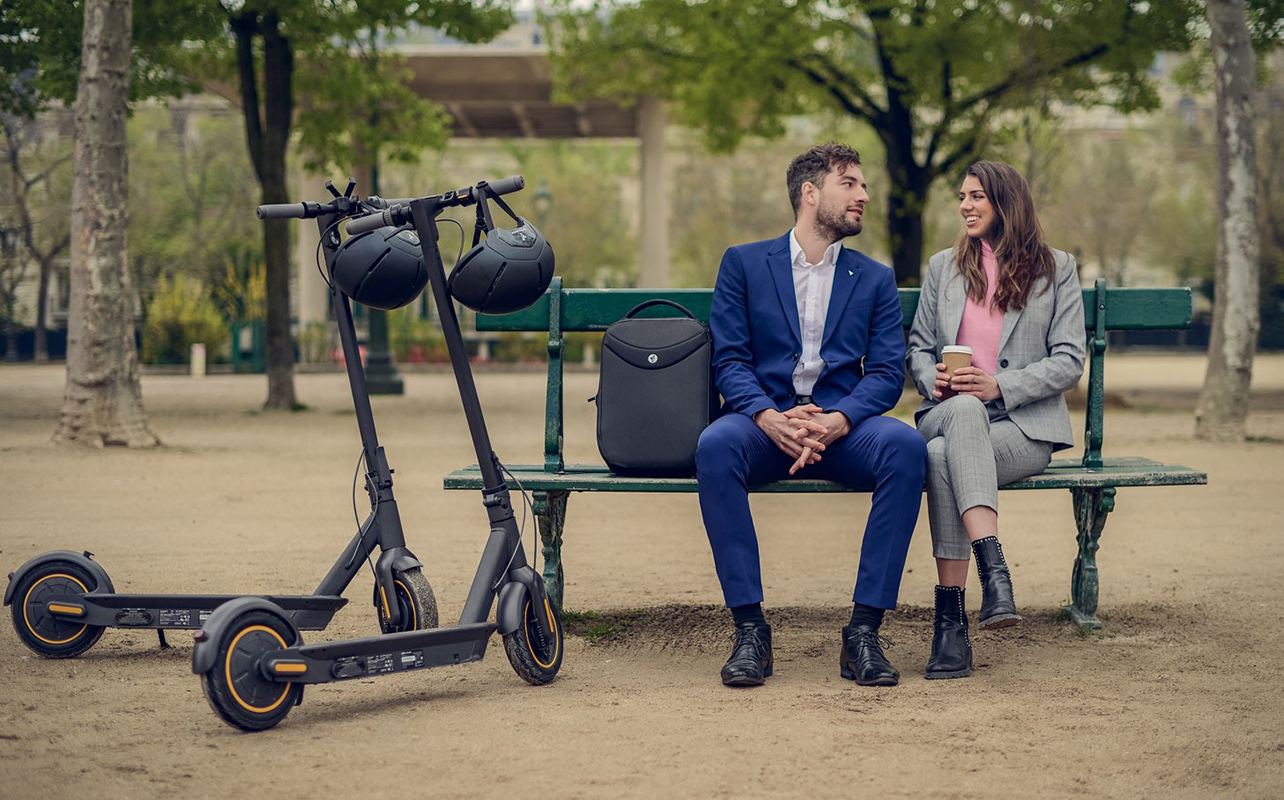
With rising gas prices, people are turning to electric transportation to get around. The selection of electric bikes, hoverboards, scooters, and mopeds available keeps expanding. If you’re in the market for an electric rideable, this guide will help. We’ll break down everything you need to know to choose the right one for you.

Table of contents
- Types of electric transportation
- What to look for when buying e-transportation
- Benefits of using electric transportation
- Safety and maintenance
- Tips to make the switch to electric transportation
- Frequently asked questions
Comparing different e-transportation: Here’s a quick guide
| Type | Typ. top speed* | Typ. range* | Best terrain | Best for |
|---|---|---|---|---|
| E–scooter | 20–32 km/h | 20–70 km | Paved roads and bike lanes | Daily commuting, short city trips, first-time riders, portability |
| E–bike | Pedal assistance up to 32 km/h | 50–150 km | Roads, bike lanes, gravel paths, hills (depending on the model) | Commuting, fitness, longer rides, replacing car trips |
| Electric moped | 32–70+ km/h** | 50–120 km | Roads and city streets | Longer commutes, errands, motorcycle-style riding, recreational trips |
| Hoverboard | 10–20 km/h** | 10–25 km | Smooth, flat pavement | Recreation, short city/ neighbourhood trips |
* Actual speed and range vary depending on the model, rider weight, terrain, weather, and battery capacity. Also, see local regulations for allowable speed.
** Licensing, registration, insurance, and permitted top speeds vary by province and by how the vehicle is classified. Always check your local regulations before purchasing or riding.
What are the different types of electric transportation?
There are a few electric transportation options you can choose from: electric scooters, electric bikes, hoverboards, and electric mopeds. With electric bikes and mopeds, you can enjoy the ride while seated, though you will find a few exceptions. Electric kick scooters and hoverboards in most cases are meant to be used by standing on a platform base.
You may also consider some differences in terms of portability. Most electric scooters and hoverboards can be carried around with ease. In that case, the overall weight becomes a consideration. Electric bikes resemble conventional bicycles and may require a specialized bike rack to transport long distances (e.g., to use as your transportation once you arrive at your vacation destination).
Let’s take a look at each of these categories in more detail to help you understand the available options.
Electric scooters

Most electric scooters consist of a T-bar-style handlebar, a standing platform, and two wheels. Some e-scooters can be folded and carried around. There are many electric scooters on the market, with both adult and kid options available.
People love to ride them because they are incredibly fun and easy to use. This makes it a great choice for beginners and kids. Their portability also makes them a great choice for city commuters; ride it to work, carry into your workplace, and store it near your desk while it charges.
Some high-end electric scooters from brands such as Segway and Gotrax rival the speed and range of e-bikes. Their small size makes zipping along city streets a breeze so you get to where you need to quickly and cheaply: no fuel or parking costs are a huge bonus.
Some even work with a corresponding app. Using the Segway-Ninebot app, as detailed in our review of the Segway Ninebot Max G2 along with other models, users can choose between riding modes, check battery life, and distances traveled.
Electric bikes or e-bikes
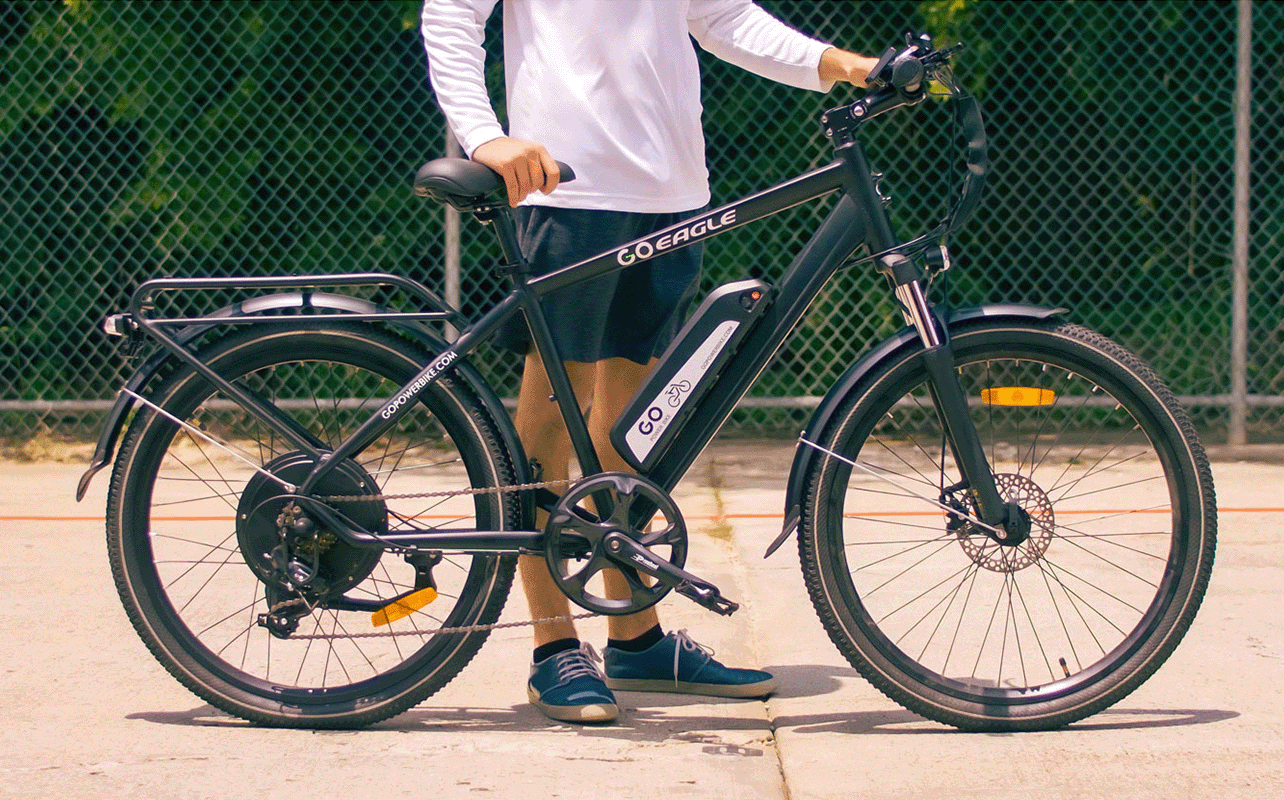
With dedicated bike lanes in many neighbourhoods, electric bikes let people travel large distances with ease. It’s really the best of both worlds. You get exercise as you would on a regular bike, and get a helpful boost up challenging hills or just to give your legs a break thanks to the electric battery and motor.
There are many e-bike designs including road, mountain, fat tire, and folding bikes. While they come with pedals, they can either be pedal assist, where the motor helps you pedal, or a combination of pedal assist and throttle assist, like the ones from Blutron where the motor can be engaged using a switch on the handle-bars.
Most e–bikes have different assisted cruise speeds. The speed varies depending on several factors including what gear is engaged on the bike and on the pedal assist setting. Generally speaking, they have a top speed of 32 kilometres per hour. While some e-bikes may be capable of travelling faster under certain conditions, riders should be aware of local laws regarding speed limits.
The battery life and range vary based on how often pedal assist and throttle assist modes are used in combination with other factors like the weight of the rider, the road conditions, and the elevation. Some manufacturers state that riders can get up to 80km of travel. However, you can increase the battery life by limiting the use of pedal and throttle assist. Also, keep in mind that you can keep riding after the battery runs out, just like a regular bicycle, so you are never stuck as you would be with a fuel powered vehicle.
Depending on the model, riders may have access to GPS tracking, anti-theft alarms, smartphone apps, ride statistics, and battery health monitoring. To learn more about electric bikes, read our e-bike buying guide.
Electric moped
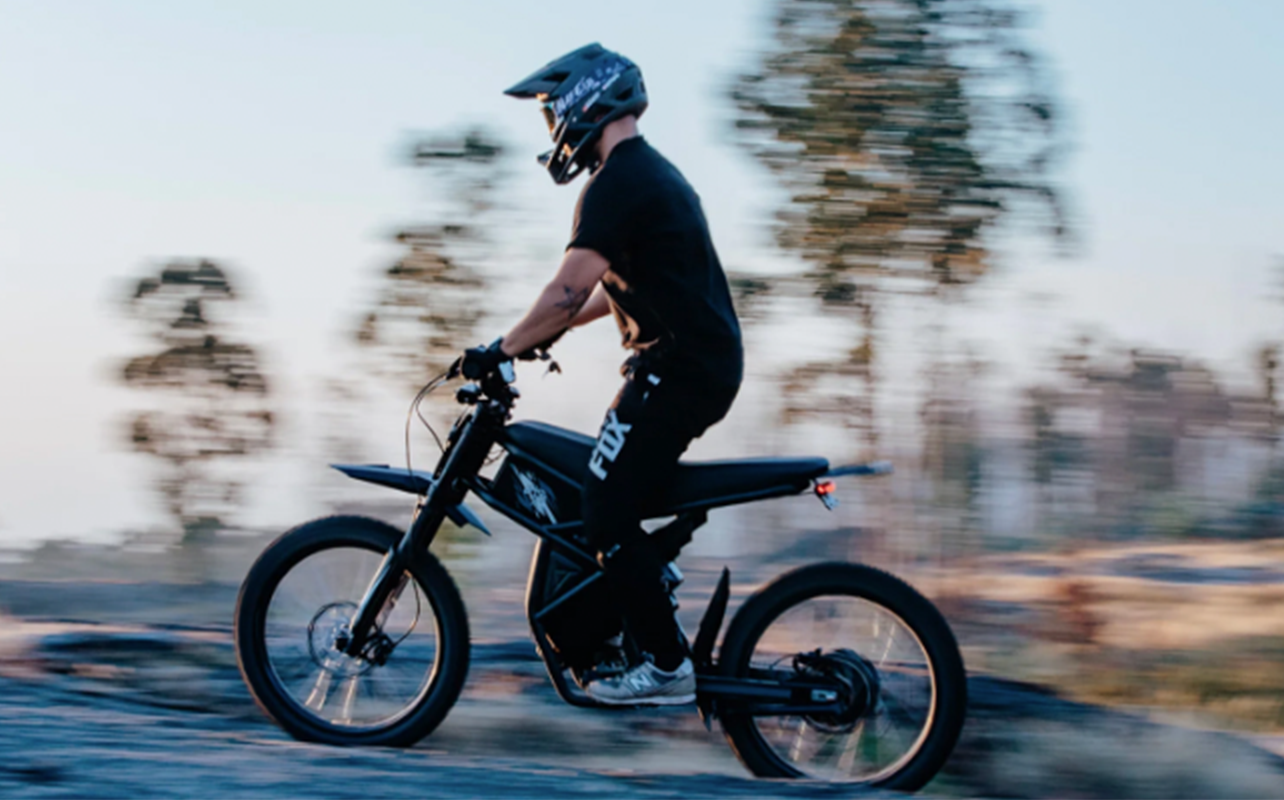
If you want something that feels more like riding a motorcycle than a bicycle, an electric moped and motorcycle-style e-bikes may be the perfect fit. Electric mopeds are designed with comfortable seating and larger frames. While electric mopeds are great for commuting, other motorcycle-style ones are popular for recreational riding.
While electric mopeds and e-bikes both run on rechargeable batteries, they’re designed for different riding experiences. E-bikes include pedals, which you can use with electric assistance. Electric mopeds, as well as many motorcycle-style e-bikes, are typically motor-powered.
Remember to check regional regulations; some models may require a driver’s licence, registration and insurance.
Hoverboards
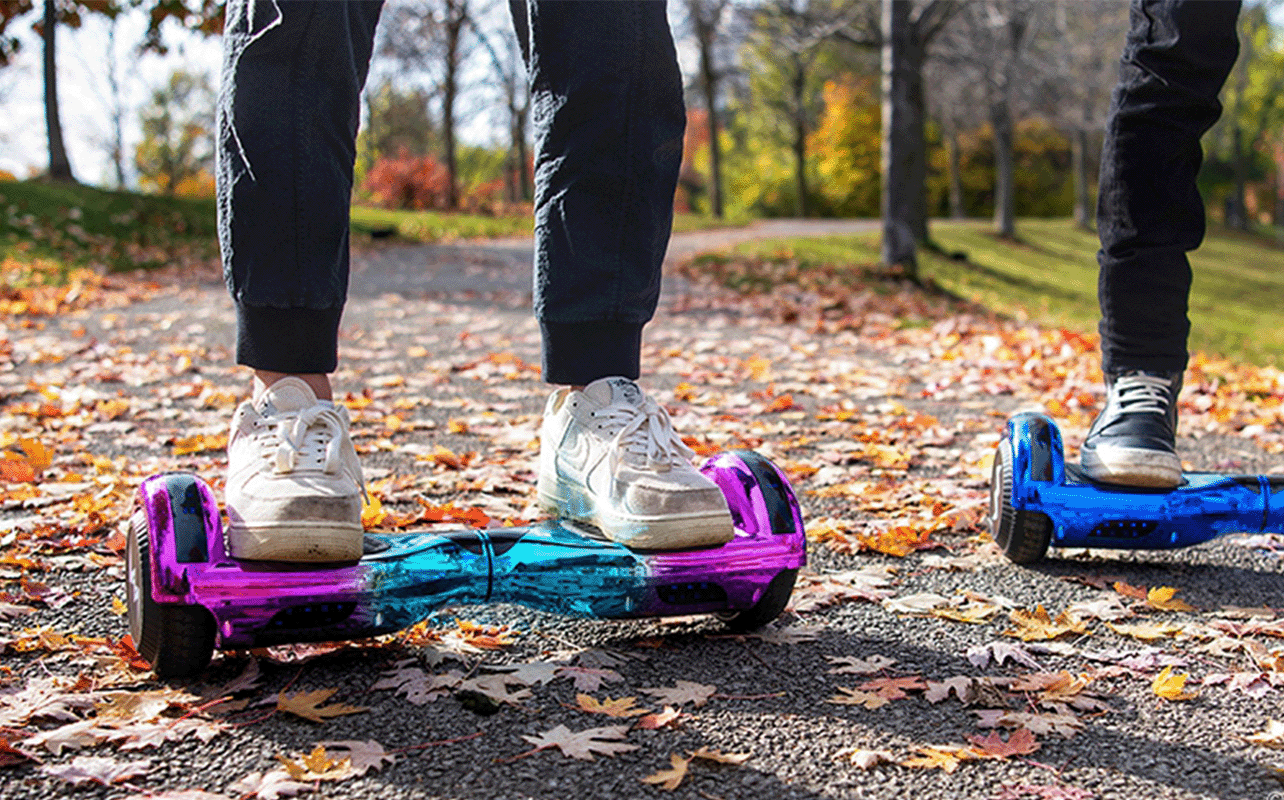
Perhaps the most novel electric transportation method is hoverboards. By definition, hoverboards are self-balancing on either one or two motorized wheels. Users stand on a platform and shift their weight to control it. It provides a hovering sensation over the ground, hence the name hoverboard.
Hoverboards are mostly used for fun but they’re also great for making short trips. They can also be carried and take little storage space when not in use.
To learn more about hoverboards, check out our hoverboard buying guide.
Other types of electric transportation
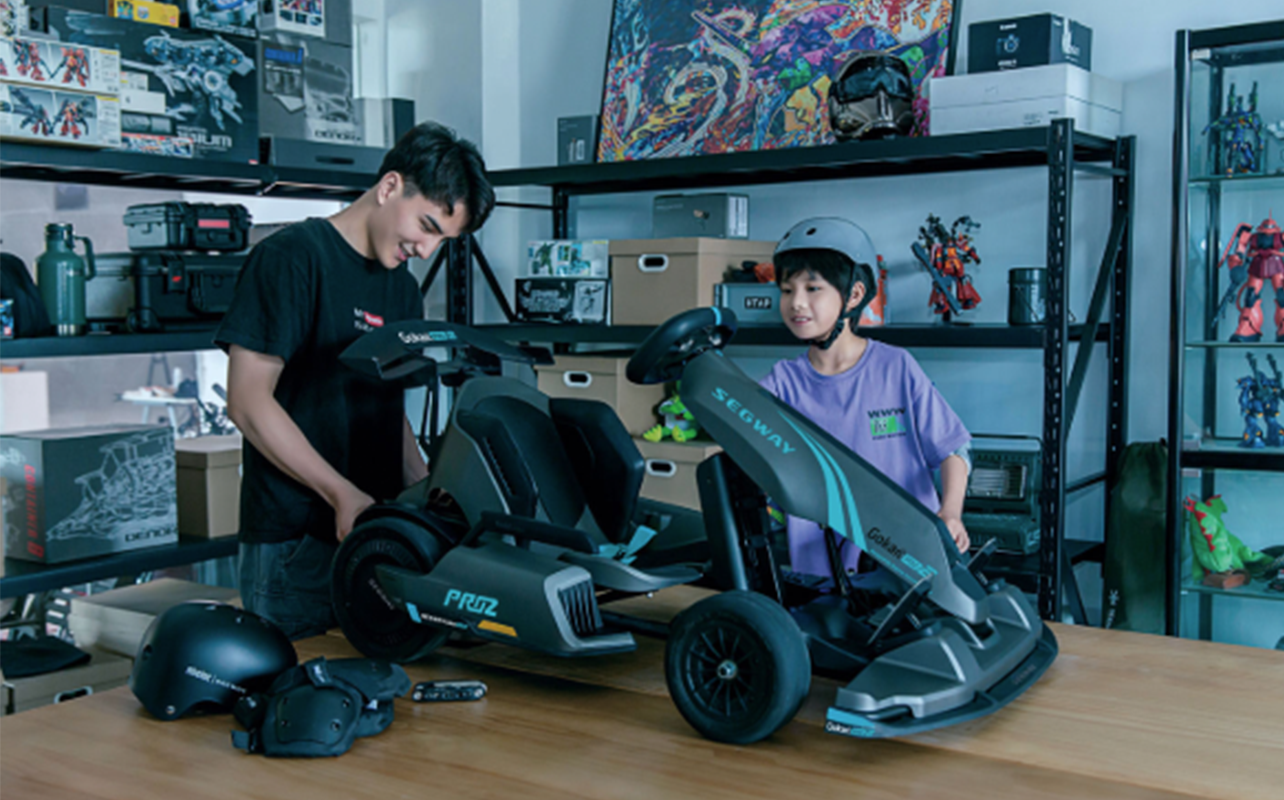
New electric vehicles are entering the market every year, giving consumers even more choices to choose from. Adventure vehicles like electric karts, skateboards/longboards, and dirt bikes, are going electric. While these are mainly used for fun, there are both kid and adult options available.
What to consider when buying e-transportation
With so many types of electric transportation available, it helps to think about how and where you’ll use yours most often. Whether you’re commuting to work, running errands around town, or simply looking for a fun way to explore your neighbourhood, choose the right model that matches your lifestyle.
E-transportation type
Start by deciding which type of electric transportation best suits your needs. Will you be riding mainly within the city, on bike paths, or rougher terrains? Would you need it for everyday commuting or leisure?
E-scooters are lightweight and portable, making them ideal for city commuting and combining with public transit. E-bikes are a great choice for longer rides, hilly routes, and riders who still want the option to pedal. Electric mopeds offer a more motorcycle-like riding experience with comfortable seating, while hoverboards are best suited for recreation and short trips.
Battery range
Battery range determines how far you can travel on a single charge. Think about your typical trips and choose a rideable with enough range to comfortably complete your journey. Keep in mind that factors such as rider weight, terrain, speed, weather, and assist level can all affect real-world battery performance.
For most urban commuters in cities like Vancouver, Toronto, or Montreal, a practical minimum is 30–50 km of real-world range to comfortably handle daily trips, errands, and unexpected detours without worrying about recharging mid-day. You might need higher battery range for longer commutes or weekend recreational rides.
Speed and power
Consider how fast you need to travel and the type of terrain you’ll encounter. Most electric rideables in the country are designed to align with local regulations, which typically limit e-bike motor assistance to 32km/h, while higher-powered models may be restricted to private property or specific road classifications.
Be sure to check your local regulations, as speed limits and vehicle classifications vary across Canada.
Portability and storage
If you’ll be carrying your rideable onto public transit, storing it in an apartment, or loading it into a vehicle, weight and size are important considerations. Many electric scooters and folding e-bikes are designed to fold for easier transportation and storage, while larger e-bikes and mopeds typically require more space.
Comfort and ride quality
A comfortable ride makes a big difference, especially if you’ll be riding regularly. Features such as suspension, larger tires, adjustable handlebars, ergonomic grips, and padded seats can improve comfort and handling on longer rides or uneven roads.
Safety features
Look for rideables equipped with reliable braking systems, bright LED headlights and taillights, reflectors, and durable tires. Some premium models also include turn signals, anti-theft alarms, GPS tracking, and companion smartphone apps that let you monitor battery health, update firmware, and record ride statistics.
Local regulations
Before making your purchase, check the rules where you plan to ride. From provincial e-scooter laws to motor-type vehicle licensing, regulations can vary between provinces and municipalities and may determine where your rideable can be used, whether a helmet is required, and if registration or insurance applies. Understanding these requirements ahead of time can help you choose a rideable that’s both enjoyable and legal to use.
The benefits of using electric transportation
Why make the switch? Not only is e-transportation fun to use, it also makes medium to short distance travelling easy, cost-effective, and eco-friendly.
1. Easy way to get around
Compared to car travel, new electric transportation methods can ease daily commutes to work. Users can take advantage of community bike lanes to avoid gridlock traffic. With electric transportation, people can still commute long distances in a short period of time. With a dedicated bike lane, this makes daily commutes consistent and predictable.
2. Cost savings
The biggest benefit that electric transportation, like e-bikes and e-scooters, provide consumers is the operating cost. The cost of electricity required to charge is significantly less than gas. Simply put, it’s a cheaper form of transportation compared to gas-powered vehicles.
3. Less reliance on fuel
Choosing electric transportation reduces fossil fuel emissions and dependency. Imagine not stopping at the gas station each week to fill a vehicle. As more people adopt electric transportation for their daily commute, whether for work, school, or running errands, the benefits for the environment add up for our planet’s overall well being.
Safety and maintenance
Electric transportation is designed with a variety of safety features to help riders travel confidently. They’re built with sturdy and durable frames and provide stability across different types of terrain. Most of them also include reliable mechanical or hydraulic braking systems that are similar to those found on traditional bicycles, so they’re easy to learn and intuitive to operate for both new and experienced riders. Plus, many models now offer enhanced braking performance and improved handling for greater control on daily rides.
Here are other key safety and maintenance considerations:
1. Electric transportation safety gear
No matter what electric rideable you choose, purchasing additional safety gear is always recommended, if not required by law in your region.
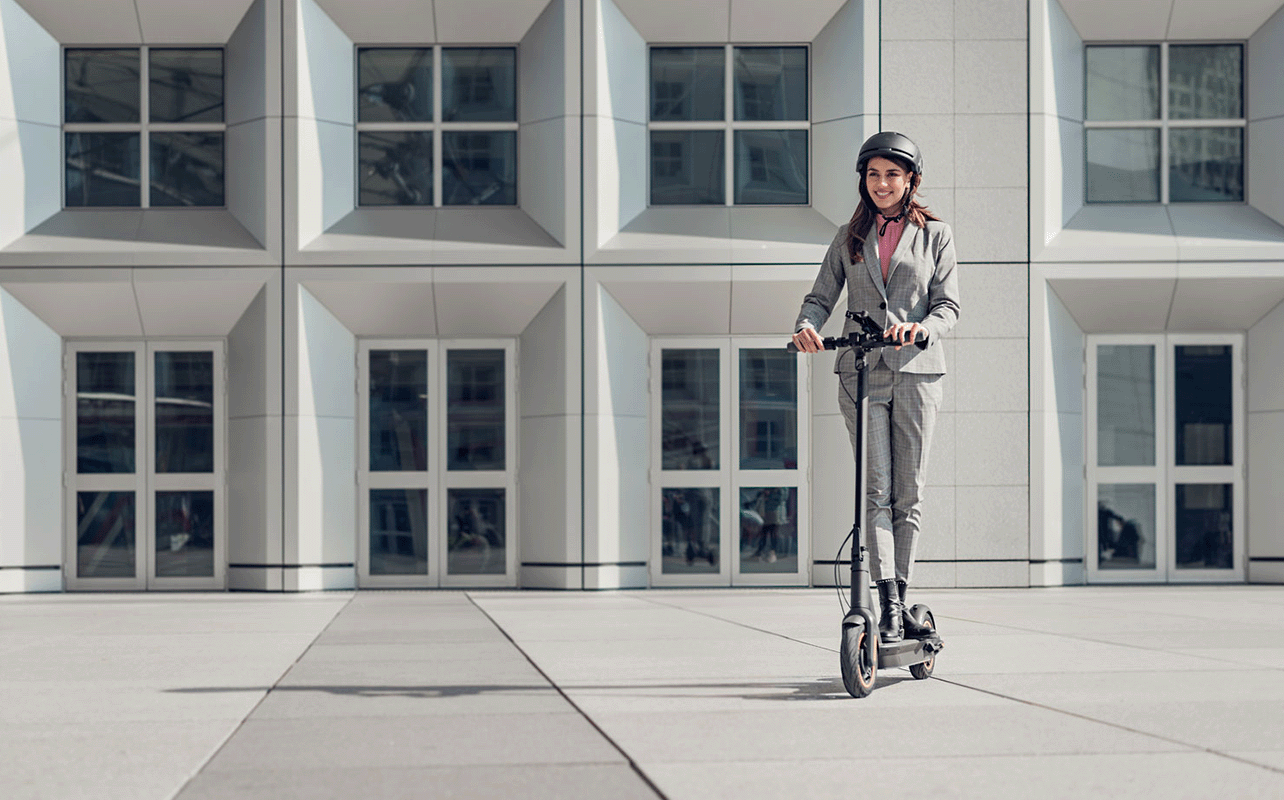
A properly fitted safety helmet is the most important piece of gear you can wear. Find helmets specifically designed for electric transportation. A standard bicycle helmet may be suitable for electric rideables that provide motor assistance up to 32km/h. However, helmets designed for e-bikes are strongly recommended, if not required, for riders who frequently travel at higher speeds. Make sure to check your local guidelines.
For riders who frequently travel in low-light conditions, additional safety lights are a worthwhile investment. While many electric rideables include built-in headlights and taillights, extra front and rear LED lights, helmet lights, and spoke lights can make you even more visible on the road. Reflective accessories such as safety vests, ankle bands, and backpack covers, can further improve your visibility and help you ride more confidently after sunset or in poor weather.
Kids and adult beginners can also purchase a protective gear set for electric rideables. This consists of wrist guards and knee and elbow pads for ultimate protection. This is advisable for beginners who want the added safety protection for peace of mind.
For everyday commuters, additional bike accessories such as locks, phone/water bottle holders, and gloves can provide more safety and convenience features. Most electric rideables require two-hand use, so it’s important to think in advance about how you plan to store your phone.
2. Regional regulations for electric transportation
Many communities are embracing electric transportation and providing citizens with incentives to make the switch. That said, regional regulations vary from towns, cities, and provinces throughout Canada.
One area of regional differences is what electric rideable is allowed on bike lanes. While most communities allow electric bikes, they may differ on other rideables such as e-scooters and hoverboards. It’s a good idea to check your local regulations so you know what is permitted and where.
3. UL certification for electric transportation

Electric vehicle manufacturers use third party testing to receive UL certification to ensure rider confidence. This is a globally recognized designation for quality assurance for electrical and industrial products. It’s issued by Underwriters Laboratories (UL). UL certification signifies a product has undergone rigorous testing to meet UL’s high standards of performance. When you see UL mark, you can purchase a product knowing it has been proven safe.
Look for certifications such as UL 2849 for e-bike electrical systems and UL 2272 for self-balancing rideables like hoverboards.
The risk of uncertified electric vehicles
One of the big concerns with electric vehicles is battery safety. Electric batteries use lithium-ion batteries. Without UL certifications, these batteries pose several risks. First is overheating. This is often due to internal faults, defects, and improper use. Overheating can lead to fire or explosions. The second risk is hazardous materials. These batteries contain materials that can be harmful if released into the environment. Finally, uncertified electric vehicles run the risk of short lifespan and underperformance. This leads to frequency replacements and additional costs for the end users. Choosing electric vehicles with UL certification ensures your electric vehicle is safe and dependable.
Choosing a UL certified electric vehicle
Consumers have a wide variety of electric vehicles to choose from. For many, the price and the performance are the two most important considerations. However, consumers should actively look for electric vehicles with UL certification. To help with that decision, Best Buy offers a wide selection of electric vehicles that have UL certification. This takes out the guesswork for the everyday consumer.
4. Battery safety
Today’s electric bikes, scooters, hoverboards, and mopeds rely on lithium-ion batteries to deliver reliable power and long riding ranges. While these batteries are designed to be safe and durable, proper charging, storage, and maintenance are essential to ensure optimal performance and longevity.
When charging, for example, always use the charger supplied or approved by the manufacturer. You can also create a dedicated charging station at home. Lastly, never use a damaged charger or battery. Be sure to check the manufacturer charging instructions and tips.
5. Tire pressure
If your rideable has inflatable tires, regularly check the tire pressure. It should never exceed the max pressure allowed by the manufacturer. Too much tire pressure can lead to a sudden burst. Having lower pressure than recommended leads to slower speeds, the potential for rim damage, and extra battery depletion.
Making the switch to electric transportation
The future of transportation is electric, so e-transportation is an easy choice. Advancements in battery technology are creating a host of new rideables that are fun to use, and inexpensive to operate. It can add a lot of value to your life by making it easier and cheaper to travel. Best of all, we can charge them in the same electric outlets we charge our smartphones.
To make the switch to electric transportation
- First, decide on the type of rideable you want: Electric bikes and e-scooters are great to travel in and around town using dedicated bike lanes. Even hoverboards can be used to make short trips. It’s a good idea to start looking for bike lanes in your community. Be sure to check with your region to see what electric rideables are permitted. It’s good information to know before choosing the type of rideable you want.
- Second, don’t forget to purchase additional safety gear. Find a helmet that is comfortable and lightweight. For added peace of mind, a full protective gear set is recommended for kids. If you’re buying an electric bike or scooter for work commutes, purchase a smartphone and water bottle holder. Riders can even purchase additional LED lights to help with visibility at night.
- Finally, ensure your electric vehicle is UL certified. This gives you peace of mind, knowing it has received a high stamp of approval for safety and performance.
Frequently asked questions
What type of electric transportation is best for beginners?
Electric scooters and pedal-assist e-bikes are great options for beginners because they’re easy to learn and available in a wide range of styles and price points. If you prefer a seated ride, an e-bike may feel more familiar than a standing scooter.
Check out our curated selection from the best overall scooter to best entry-level and best e-scooter with seat.
Do I need a driver’s licence to ride an e-bike or moped?
Most e-bikes that meet your province’s legal requirements do not require a driver’s licence, registration, or insurance. Electric mopeds and motorcycle-style rideables may have different requirements depending on how they’re classified in your province or territory, so always check your local regulations before riding.
How far can an electric rideable travel on a single charge?
Range varies by vehicle type, battery size, terrain, rider weight, and riding style. Many electric scooters travel between 20km and 70km per charge, while many modern e-bikes can travel anywhere from 50km to 150km or more under ideal conditions.
How long does it take to charge an electric rideable?
Most batteries recharge in about 3 to 8 hours, although larger batteries may take longer. Check the manufacturer’s recommendations and always use the charger supplied or approved for your rideable.
Can I ride an e-bike or e-scooter in the rain?
Many electric rideables are designed to handle light rain and wet roads, but they’re generally not intended to be submerged in water or ridden through deep puddles. Always check your model’s water-resistance rating and clean and dry your rideable after riding in wet conditions.
How can I extend my battery’s lifespan?
Avoid letting the battery fully discharge on a regular basis, store it in a cool, dry place, and use only the recommended charger. Following the manufacturer’s charging and storage guidelines will help maximize battery performance over time.
Do all electric rideables come with lights?
Many modern electric bikes, scooters, and mopeds include built-in headlights and taillights, but features vary by model. If you frequently ride at night or in low-light conditions, adding extra lights and reflective gear is a smart way to improve visibility.

This article was drafted using AI technology and then reviewed, fact-checked, and revised by a member of our editorial team.





I think I am going to seriously take a look at Ebikes this spring. I definitely learned a few things about them in this article. Thanks!
Comments are closed.