
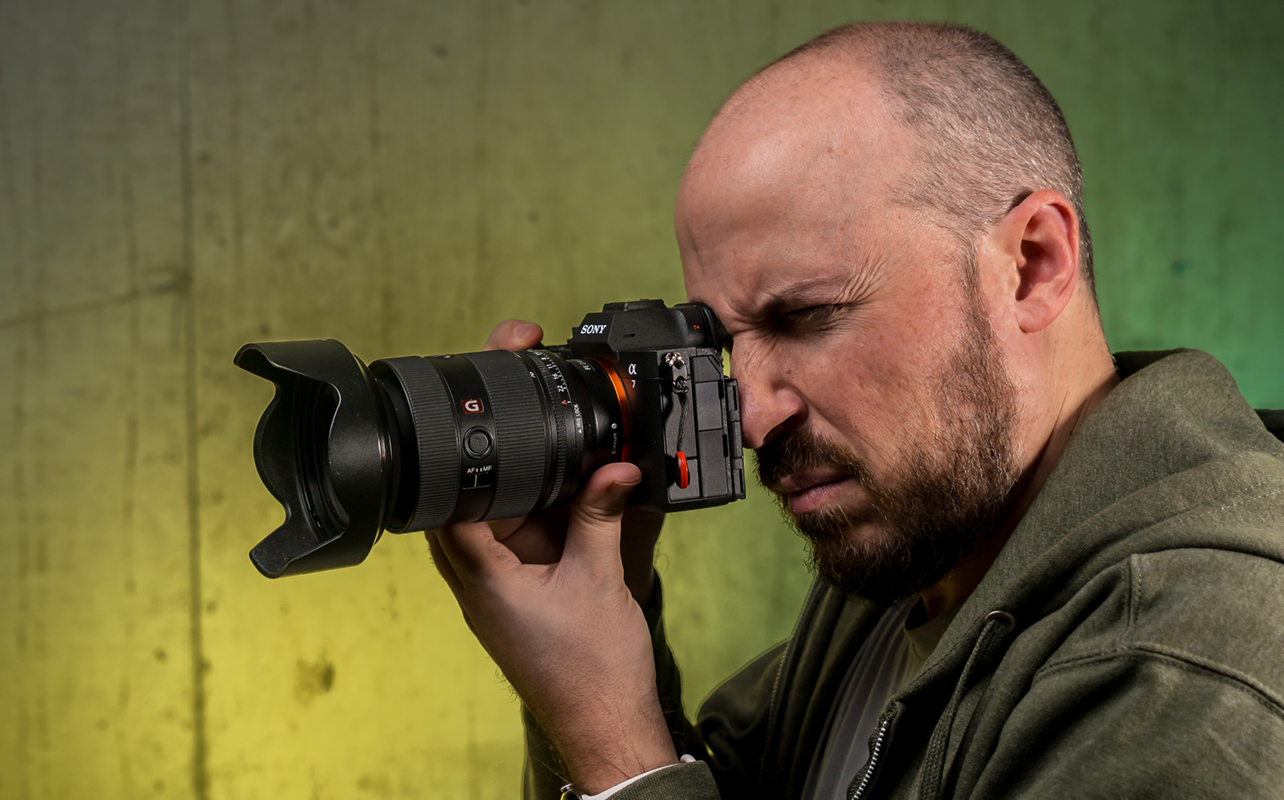
The Sony Alpha 7 V is a mirrorless camera that aims to be both more capable and more illustrious in how it captures content. It bears so many resemblances to its predecessors. Yet, it also introduces a new Bionz processor and partially stacked image sensor to really impact what it’s like to use it.
For me, the Alpha 7 V represents a personal upgrade from the Alpha 7 III I’ve been shooting with for the last seven years. Sony tries to narrow the gap in focus by maneuvering between enthusiast and professional needs, though it never fully crosses into sports or cinema territory. Even so, it offers plenty for photographers and hybrid shooters who value responsiveness as much as RAW image quality.

Watch my video review of the Sony Alpha 7 V
In this video I take a look at Sony’s latest mirrorless camera that is every bit a hybrid shooter.
Familiar design with subtle tweaks
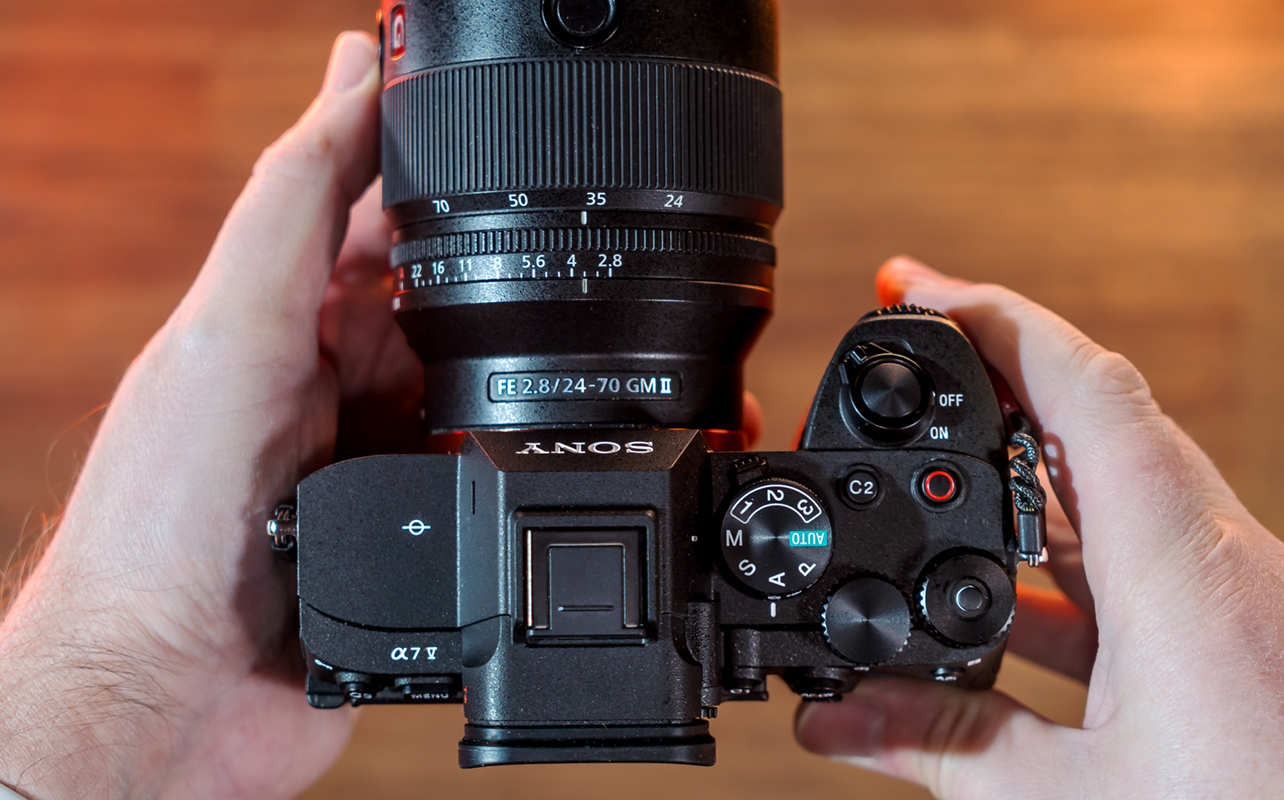
Place the Alpha 7 V’s body next to the Sony A7 IV or Sony A7R V, and you’ll notice a lot of similarities. Rather than try something really new, Sony simply chose to refine the design based on those two models. While subtle, they become more substantial in combination while using the camera.
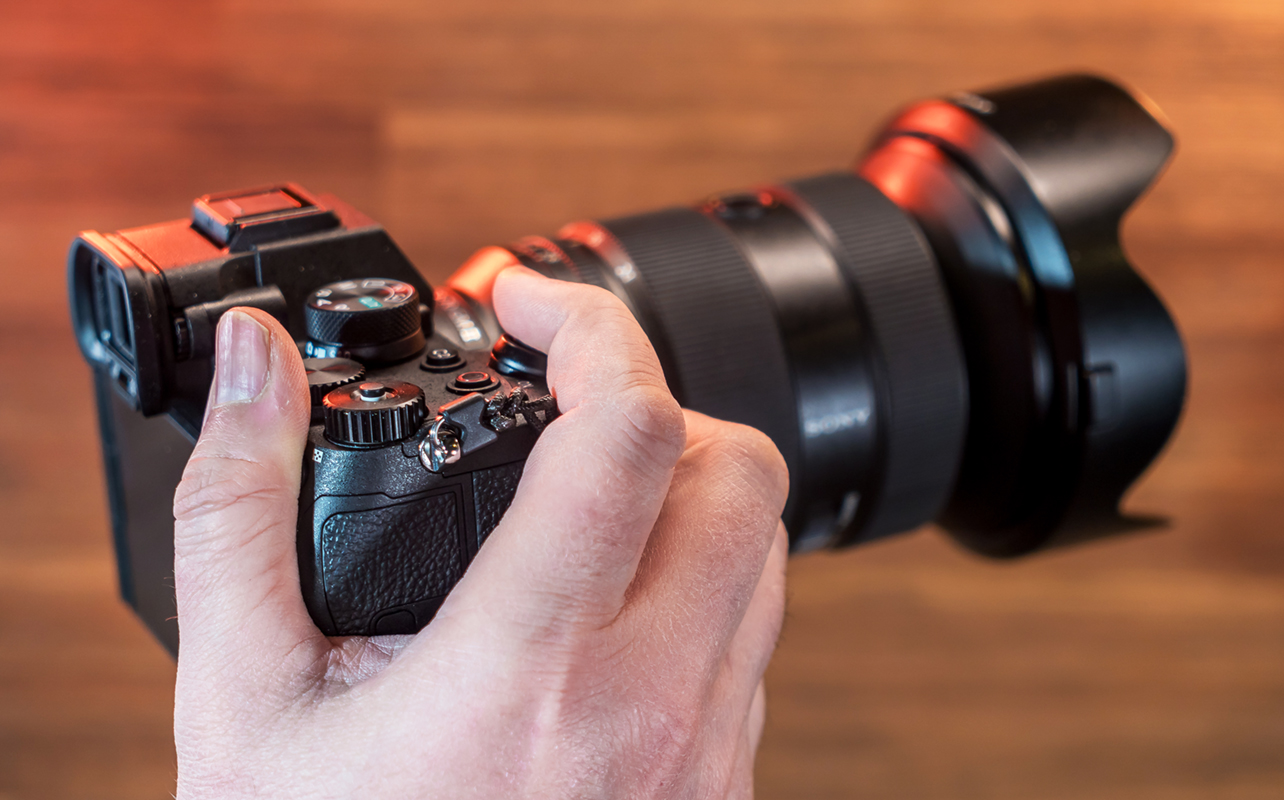
Starting with the grip, it feels slightly deeper and more comfortable for better control and stability. Sony also generally keeps the buttons in the same places, like the shutter, joystick, rear directional/dial pad, exposure compensation dial with a lock, function button, and preview and delete buttons. While there are differences from the Sony A7 III, they’re otherwise right in line with what the Sony A7 IV lays out.
The bigger shift is the rear LCD screen’s four-axis articulating design, largely borrowed from the Sony A7R V. You can still tilt it up or down but also fully pull it out and articulate it, which is hugely convenient for trying to capture varying angles, as well as vlogging scenarios. As for the OLED electronic viewfinder, you get the same 3.69 million dots that are also smooth for tracking subjects.
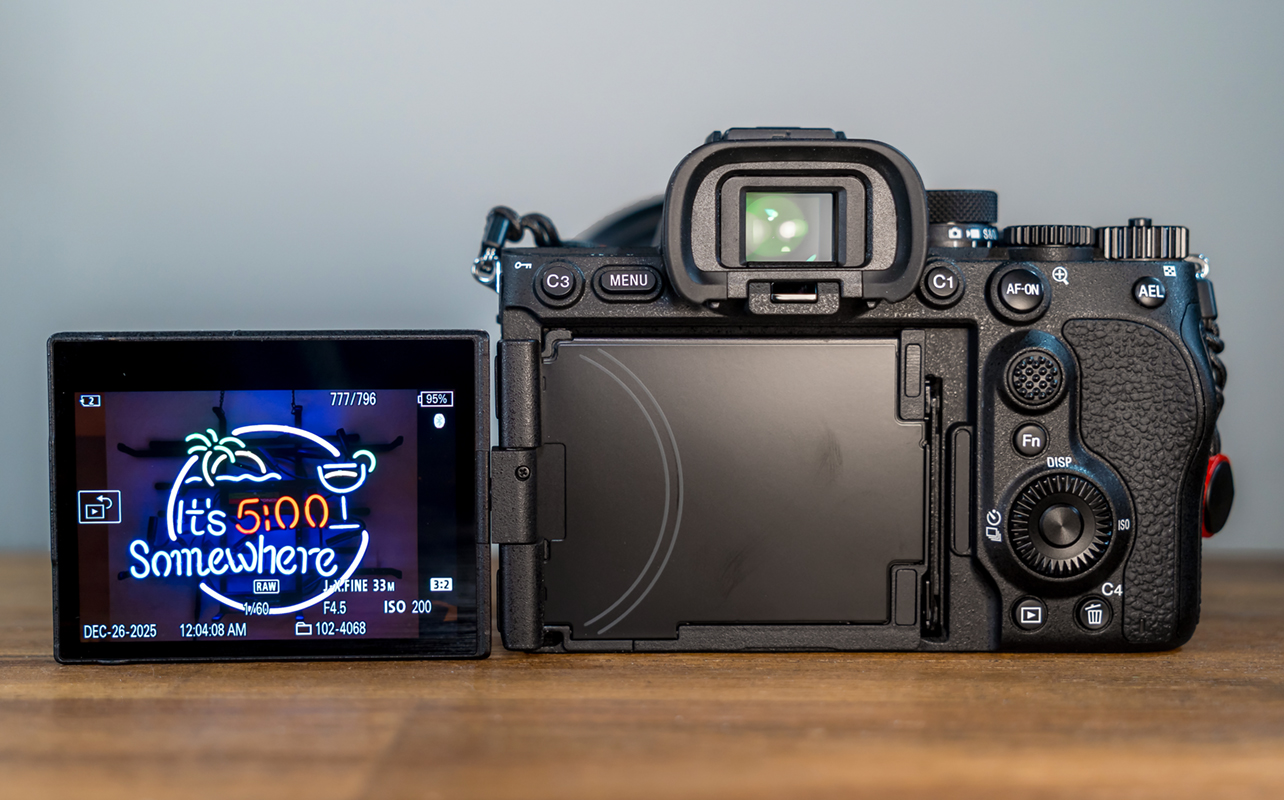
Inside, Sony’s new Bionz XR2 image processor mostly drives the newest features. It delivers faster and more precise autofocus, including AI-driven subject recognition, and helps produce higher speeds capabilities that pay dividends in both still photography and video. The added benefit is the built-in efficiency means battery life doesn’t suffer the same way it did in previous models. Throw in refined colour and white balance, and there are reasons to view this as a big upgrade from the Sony A7 III or earlier.
New features set a new tone
A 33-megapixel Exmor RS CMOS sensor might seem like recycling the same thing again, only this one is partially stacked. Previous sensors in the Alpha 7 series use traditional sensors where everything happens on one flat layer. Once the pixels on the sensor capture light, they send that information to the processor. A stacked sensor sends that data under the pixel layer, thereby creating a proverbial two processing lanes instead of one. This, along with the new Bionz XR2 processor, are the main reasons why the Sony A7 V does things (autofocus, burst, buffering, etc.) faster than its predecessors.
This combination also helps improve certain performance quirks, like a sped-up pixel readout and reduced rolling shutter. These are great to have for both high-speed photography and video capture.
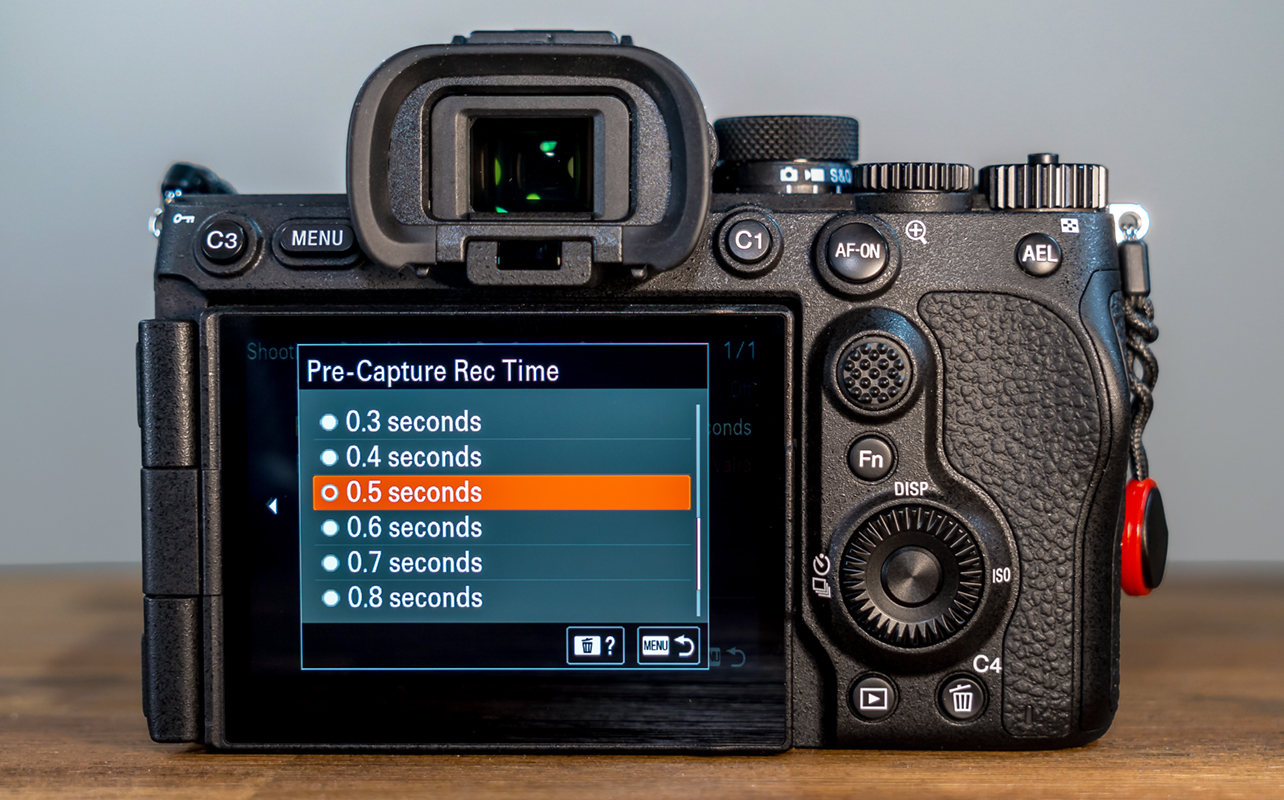
Then there’s something called Pre-Capture carrying over from Sony’s sports flagship models—the Sony Alpha 1 II and Sony Alpha 9 III. You have the option to choose how long this applies (into the milliseconds) but it lets the camera buffer up to one second of frames before you fully press the shutter to take a photo. That’s a big deal when trying to capture fast-moving subjects.
Burst shooting lets you take up to 30fps continuously with full autofocus and auto-exposure tracking, though that number is based on using the electronic shutter. Use the default mechanical one, and that number drops to about 10fps. You’ll want to keep this in mind in case you’re trying to avoid banding or rolling shutter because the mechanical shutter is better suited to handling those issues.
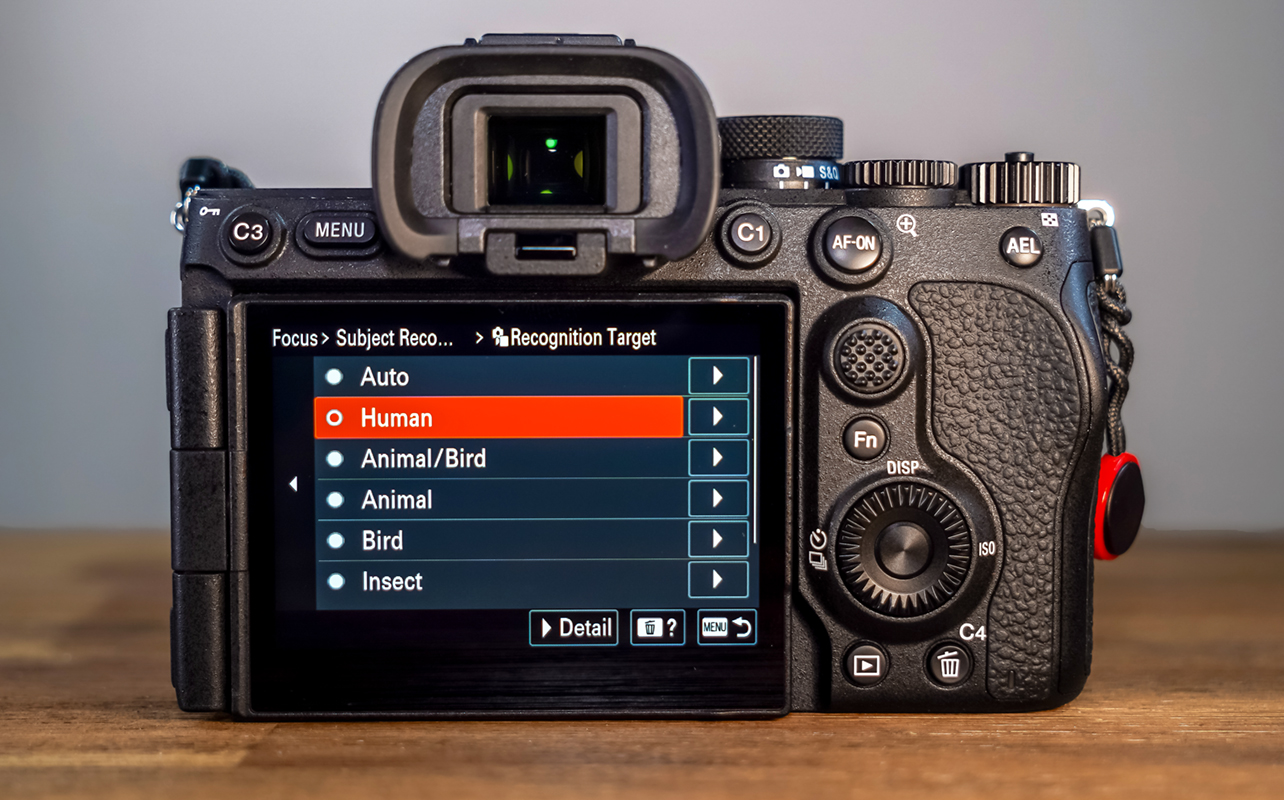
Then there’s the autofocus, where an integrated AI unit with improved subject recognition algorithms enable the Sony A7 V to detect and lock on to human and animal eyes, along with birds, insects, cars, planes, and other subjects. This works across the focal distance of whichever lens you’re using, making it a seriously key feature to have when capturing wildlife, sports, or even your active child or pet.
Setup and dealing with the menu
Sony’s menu layout leaves plenty to be desired. But I do appreciate that the company allows you to initially set up the Sony A7 V using its Imaging Edge Mobile app on iOS or Android. The faster direct connection between the two is because of Wi-Fi 6E, which also supports livestreaming in 4K at 30fps.
Dual USB-C ports are another welcome sight considering one is for high-speed transfers, while the other is for power/charging. Unfortunately, there’s no way to import settings from a previous Alpha camera to this one. You have to do it all manually, and I highly recommend going through the menu system and even making notes of where certain features are. I can assure you that you’ll forget if you’re new to this menu or system.
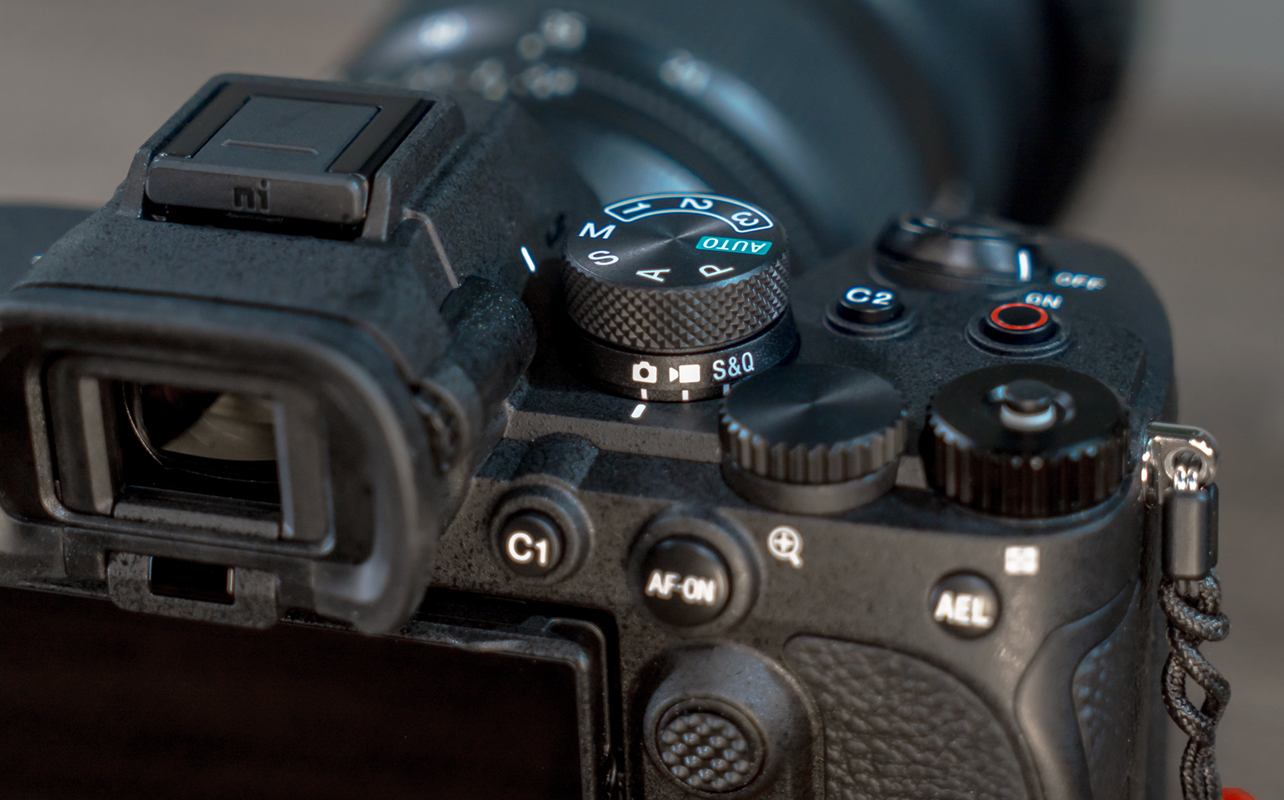
While the general layout remains unchanged from the Sony A7 IV and other current Sony cameras, it is a departure if you’re coming from the Sony A7 III or something earlier. As usual, custom buttons are available—two in the front, and at least two in the back. You can find the full manual online with helpful tips on how to set things the way you want.
My personal favourite is the Fn button and how it acts as a shortcut to up to 12 settings. It’s not new but remains one of the faster ways to make quick changes on the fly.
Storage and processing
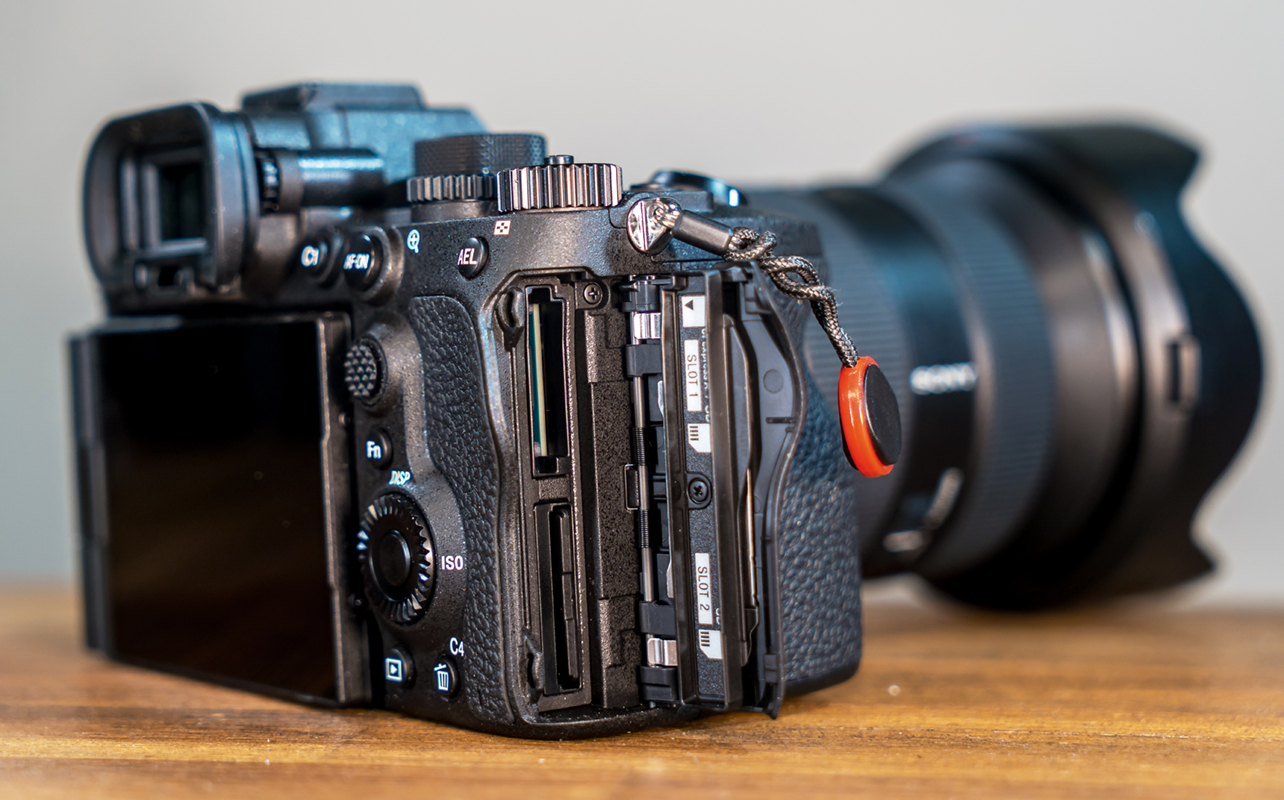
The A7 V has a dual card slot setup, where Slot 1 supports both CFexpress Type A and UHS-II SD cards, while Slot 2 only takes UHS-II SD cards. Nothing is really new here given Sony’s used this type of layout before. The key is you have the ability to switch between them a little easier in case you want faster CFexpress for burst and high-bitrate video, whereas the SD card could handle everything else. That’s not to say that a good UHS-II card can’t do the same job. The faster the card, the more effective it can be under those use cases.
If you’re going to use a camera like this for photos, you should definitely shoot in RAW, in my opinion. Another reason for that could be Sony’s Extended RAW processing engine, which combines multiple frames to deliver very high-resolution output. It’s the kind of photography you would likely appreciate more for landscape, architecture, and product work. Maybe even portraits, though Composite RAW is the better choice to reduce noise and preserve detail in low-light conditions. Since both combine multiple frames, I’d advise against trying them with fast-moving subjects.
Image quality
As I noted earlier, you should shoot in RAW (plus JPEG, if you want both) to fully capture what the onboard sensor and processor are capable of. The Sony A7R V has a 60-megapixel sensor, which means more detail, but also tougher light gathering and larger file sizes. The 33-megapixel sensor here feels like the nice compromise it’s been on previous models.









There’s strong dynamic range here, with up to 16 stops to retain highlight and shadow detail in challenging scenes. You can’t completely avoid noise in low-light situations but you can retain more detail when fixing it later in post-production. One of the biggest differences for me is the way colours and skin turn out. There’s no real oversaturation and natural tones tend to come through whilst capturing people or animals.
Sony touts its AI-driven auto white balancing, though I’m not as convinced it’s on the mark every time. Some scenes I used it in were off relative to what my eyes were seeing.
The good news is the autofocusing is absolutely superb, honing in and sticking to a subject, even in crowded situations. Half-press the shutter once it detects an eye and hold it until you’re ready to take the shot. It should rarely, if ever, let you down.
I also had the benefit of using the camera with the Sony E-Mount Full Frame FE 24-70mm f/2.8 GM II G master lens. It’s an absolute beauty, and paired together with the Sony A7 V, proves to be an ideal complement to capturing outstanding images. I also much prefer a strap like the Peak Design Slide over the one Sony includes in the box with the camera, but you can always make your own choice.
Utilizing the versatility
What I love most about the camera is its versatility. I’ve captured all sorts of scenes and subjects with the Sony A7 III over the years in my work as a journalist and pro photographer, but the Sony A7 V feels like I don’t have to tinker as much with the settings. I tend to avoid higher ISOs by sticking to 800 or lower, yet I was able to shoot at 1600 and get the same level of detail with less noise.
Burst shooting may not match the Sony A1 II or Sony A9 III but the Sony A7 V is flexible enough to catch a key moment. Especially when you use Pre-Capture to help out. Just bear in mind that it comes with its own caveats. First, it only works with the electronic shutter, so not an option with the mechanical one. Second, indoor shots with unnatural lighting and movement might show signs of banding and rolling shutter. And to take advantage of a longer Pre-Capture setting, you need a fast memory card to handle the constant buffering.
My advice is to try it in increments so you can gauge how much you really need for the job. As it is fairly new to this lineup, the subtleties—including using the electronic shutter—can feel like a learning curve if you’ve used neither.
In any case, the Sony A7 V works well in a variety of situations. There’s nothing stopping it from being a good wedding camera, just like there’s no reason not to use it for travel, street, action, sports, product, or landscape photography.
Video
It’s fair to say the Alpha series has never been wholly dedicated to video since they’ve been more hybrid shooters. That’s the same here, only with steps in the right direction. The camera records full-frame 4K up to 60fps using oversampled data for crisper detail and reduced moiré. It also offers 4K at 120fps in a Super35/APS-C crop mode for cinematic slow motion. Log profiles like S-Log3 and Sony’s cinematic-style S-Cinetone are included, along with 10-bit 4:2:2 colour.
The most glaring omission is the lack of open gate recording. This means the Sony A7 V doesn’t use the full image sensor to record video in 4:3 format because it natively crops it to 16:9 instead. This negates some flexibility in video editing afterward, which is possible with competing cameras from Fujifilm, Panasonic, Canon, and Nikon. In fairness, it probably matters more to videographers who want the extra space or care about social media content.
Sony’s vlogging cameras, like the Sony Alpha ZV-E10 II and Sony Cyber-shot ZV-1, or even the Sony Alpha FX3 Cinema Line, are more tailored to video-first features. Much like you can still take great photos with those cameras, they are hybrids in the other direction. The Sony A7 V is a photo-first camera capable of producing excellent video. I dare say the Sony A7 III is still capable of doing that, though footage on this camera is an upgrade.
It also doesn’t heat up like its predecessors did. Continuous 4K 60fps recording can go for up to 90 minutes, dropping in hotter environments. Note that there’s no 6K or 8K resolution, nor internal RAW video capture. This may not be the camera for you if you need that.
Battery life
Despite using the same NP-FZ100 battery its predecessors use, the A7 V’s efficiencies make it last longer. By the numbers, that’s approximately 630 shots with the electronic viewfinder and up to 750 shots with the LCD screen. I noticed this over time as well, where the previous trickle in battery loss appeared noticeably slower on this body.
To help, a new low brightness mode can automatically reduce the LCD’s backlight. It’s like lowering the brightness on a phone screen. The onboard USB ports also allow in-camera charging or external power delivery, so you’ve got options when you need juice for longer days.
Final thoughts
Overall, the Sony A7 V is a refined camera addressing many of the usability issues that popped up in older models. The body is still great and, when paired with a great lens, feels like it can do almost anything. That leaves plenty of room for creativity for enthusiast photographers and hybrid pros who want one body to do most of the work.
Image quality is excellent across genres, with detailed files, colour science, and dynamic range competing with rivals in its class. Video is also thoughtful and practical, even if the focus is on 4K capture. Battery life combines efficiency and smart power features to keep the camera rolling longer.
The Sony Alpha 7 V is available now bundled with the 28-70mm kit lens.