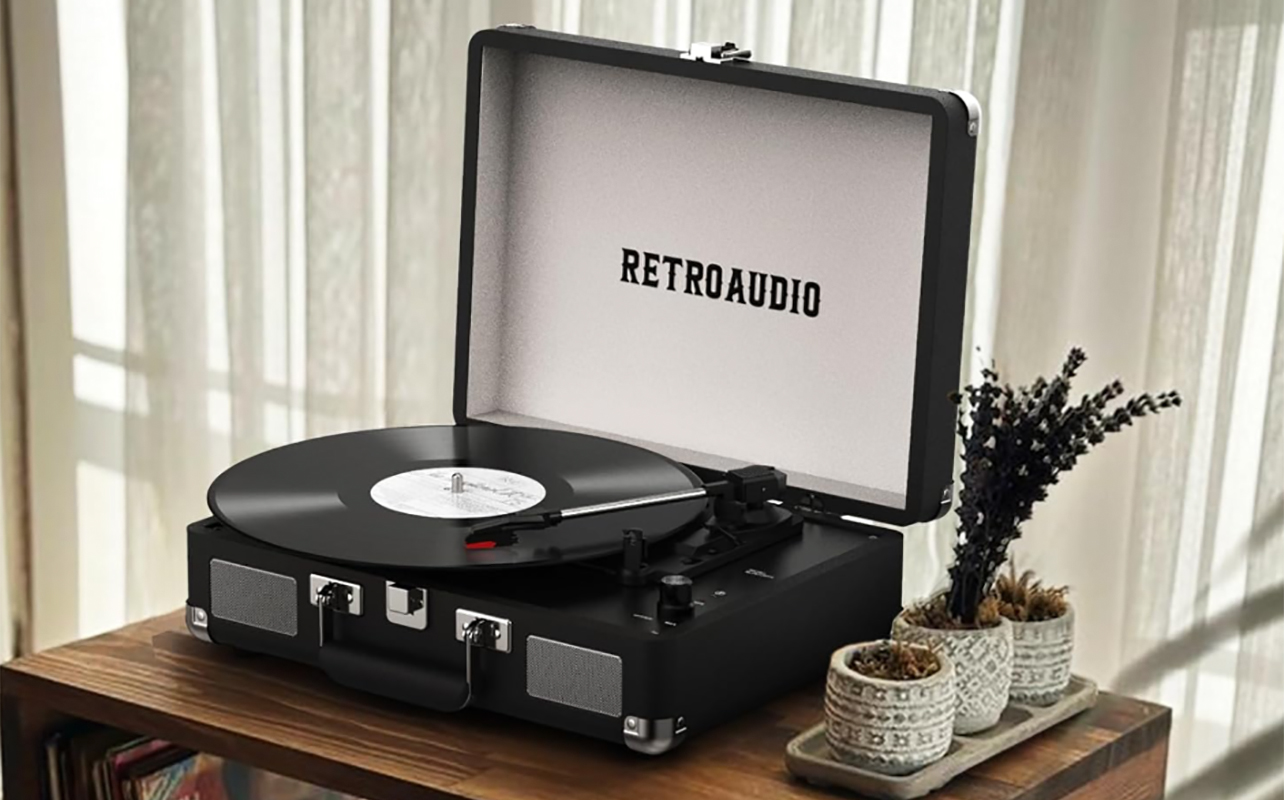
There’s something magical about the sound of vinyl. It’s warm, textured, and full of character. But behind that signature sound is a beautifully engineered set of components working together in perfect harmony. Whether you’re brand new to vinyl or getting back into it in a bigger way as an adult, getting familiar with the parts of a record player helps you understand how your favourite albums make their way from spinning disc to room-filling speakers. As you read through this guide, you can also browse the full range of turntables to see how different models combine these components and interpret them in their own unique style.
At its core, a turntable works by spinning your record at a consistent speed while a stylus (also known as a needle) tracks the grooves. Those tiny movements turn into an electrical signal, the signal gets amplified, and the rest is music. But the magic isn’t just in the process, it’s in each carefully designed part. Let’s take a closer look.


The platter is the literal centre

The platter is where everything begins. A smooth, steady stage carries your record as it spins into life. It might look simple, but the way it’s built affects every second of your listening. A lightweight plastic platter behaves differently from a dense aluminum or acrylic one. Each material has its own way of handling vibration and resonance. Aluminum tends to be stable and ensures better consistency, for example, while plastic ones are denser and work well at dampening vibrations.
When a platter is well-balanced and moves with unwavering consistency, you hear music the way it was meant to be heard: stable, clean, and uninterrupted. Even the slightest wobble can shift the sound, so the platter’s ability to glide effortlessly is fundamental to that signature vinyl warmth. It’s literally the centre of the turntable or record player experience.
The tonearm is the guide
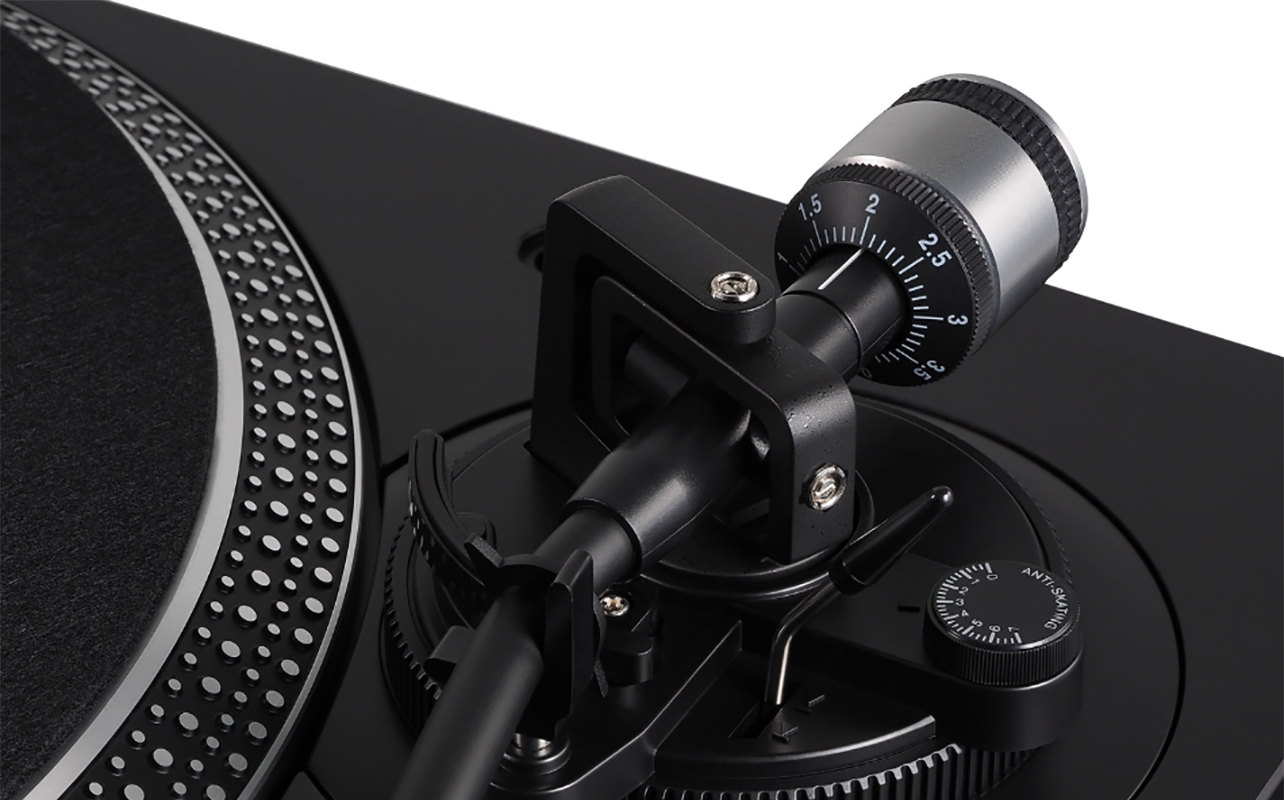
The tonearm is the elegant bridge between motion and sound. As your record spins, the tonearm gracefully guides the stylus across the grooves, almost like a dancer tracing a perfect arc. Its shape, weight, and balancing act determine how well the needle sits in the groove. All of these parameters can be adjusted, like anti-skate, tracking force, and balance measurements. This makes it one of the most influential pieces of the entire setup.
Inside this simple-looking arm lies surprising complexity. There are counterweights, anti-skate systems, and cueing mechanisms that all work together to support smooth travel. Straight tonearms bring precision, while S-shaped designs mirror the natural curve of the groove. When everything aligns, the tonearm disappears into the music, allowing the stylus to translate every nuance with confidence.
The cartridge and stylus are the action stars
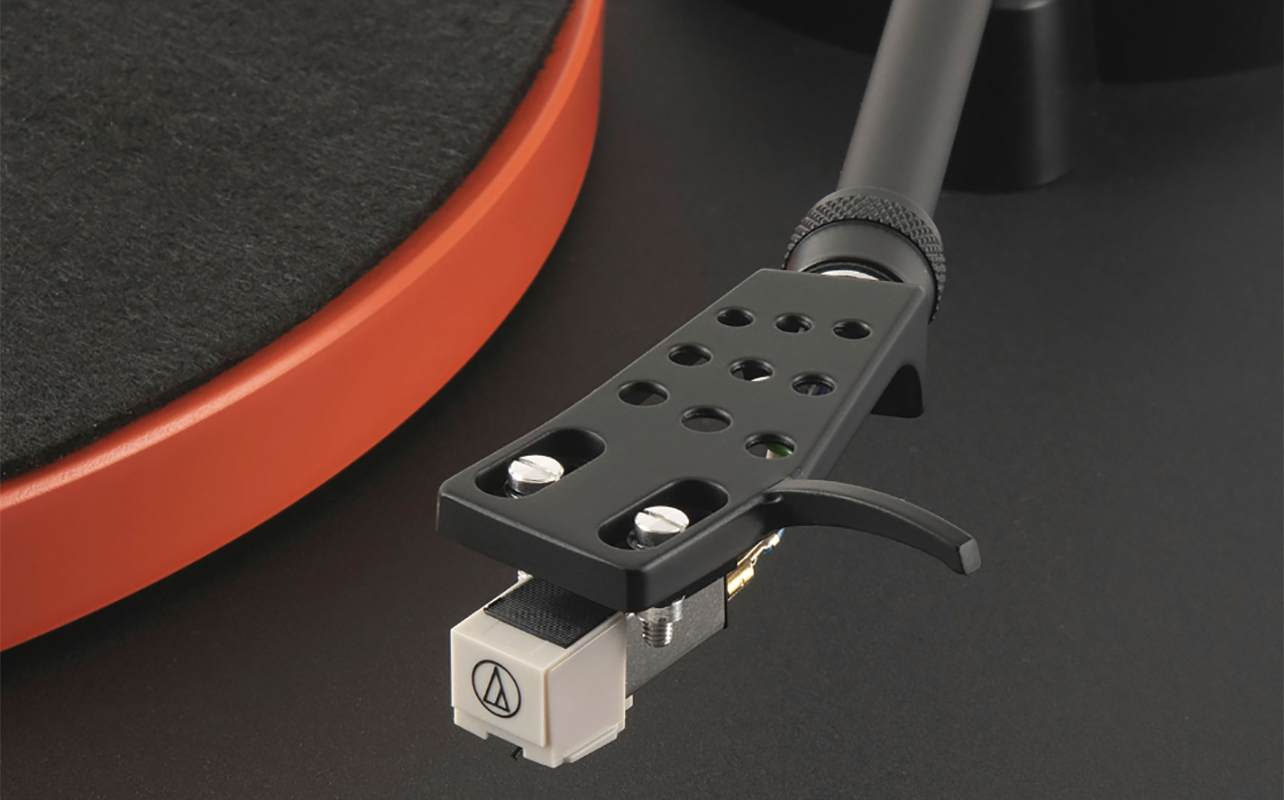
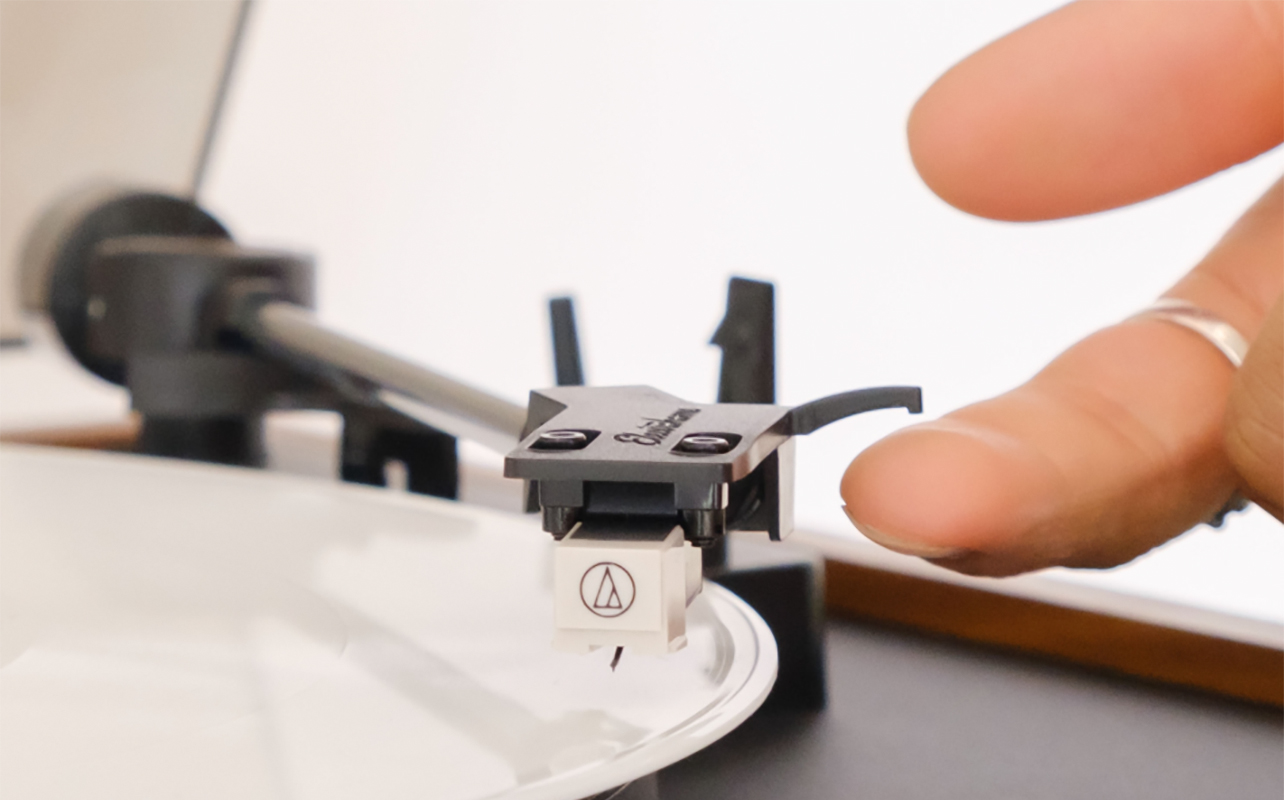
If vinyl playback were a story, the stylus and cartridge, otherwise known as the needle, would be the protagonists. The stylus delicately traces the record’s microscopic ridges, capturing vibrations as it moves along to play the tune. Those movements travel into the cartridge, where tiny internal components turn physical motion into the electrical signal that becomes your music.
Different cartridge designs lend different personalities to your sound. Moving magnet cartridges tend to be warm and approachable, while moving coil designs pull more detail and subtlety from the grooves. Over time, the stylus wears down, usually after about 800-1,000 hours of use. This is a natural part of its journey. Along with cleaning it regularly using a dedicated brush or gel cleaning solution, you should also replace it as needed.
The motor powers the system
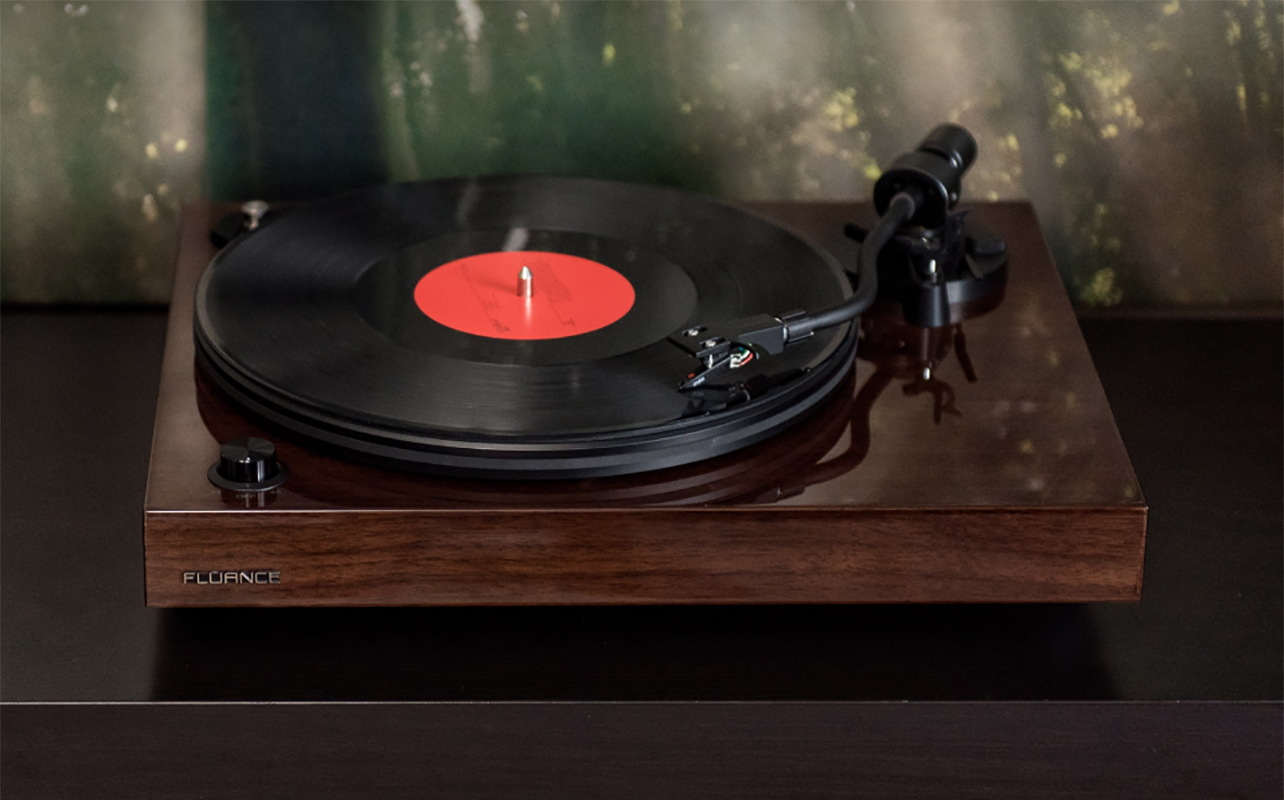
Quietly tucked away from the spotlight, the motor is the heartbeat of a turntable. It’s responsible for keeping the platter spinning at the exact speed your record needs: not a fraction faster, not a beat slower. When the motor falters, the entire musical experience can shift.
Some turntables use a belt to gently separate the motor’s vibration from the platter, creating a smoother, more tranquil sound. Others connect the motor directly to the platter for instant responsiveness. This is a favourite for DJs and those who need greater precision. No matter the method, the motor keeps the music alive with every perfectly timed rotation.
The drive belt absorbs vibration

In belt-drive turntables, the belt is the quiet connector between power and motion. Made from flexible rubber, it absorbs unwanted vibration while transmitting steady rotational energy from the motor to the platter. It’s easy to overlook, but without the belt, nothing turns and nothing plays.
Over time, belts stretch, glaze, or lose elasticity, and the symptoms creep in subtly. It can be anything from drifting speeds to sluggish start-ups, or small inconsistencies in pitch. Replacing the belt restores the turntable’s rhythm, bringing back the smooth, stable rotation that vinyl depends on. It’s a small component with a surprisingly big influence.
The plinth and feet keep it stable
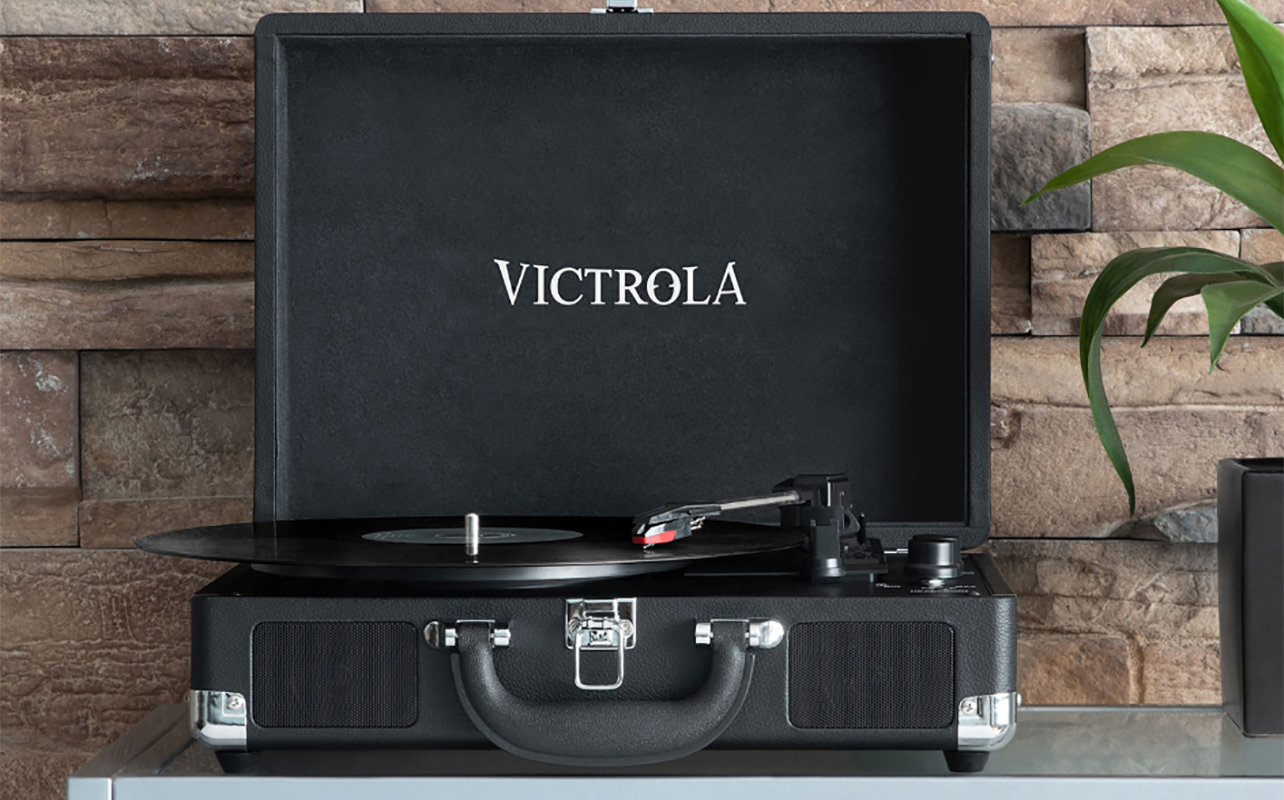
The plinth is the turntable’s foundation, the anchor that keeps everything steady. Crafted from materials like MDF, wood, or acrylic, it’s designed to absorb vibration and isolate the sensitive components above it. Think of it as the turntable’s shield against the outside world: footsteps, speaker rumble, and even room acoustics all try to interfere, and the plinth quietly holds the line.
Its feet play just as important a role, lifting the entire system slightly to create an additional layer of isolation. Some feet are soft and cushiony, others rigid and tuned for precision. But all share the same mission: keeping the stylus locked into the groove without distraction. A stable base equals cleaner sound. Note that even with these essential components, it’s still crucial to place the turntable on a flat and stable surface that properly supports the plinth and feet.
The phono preamp brings audio to life
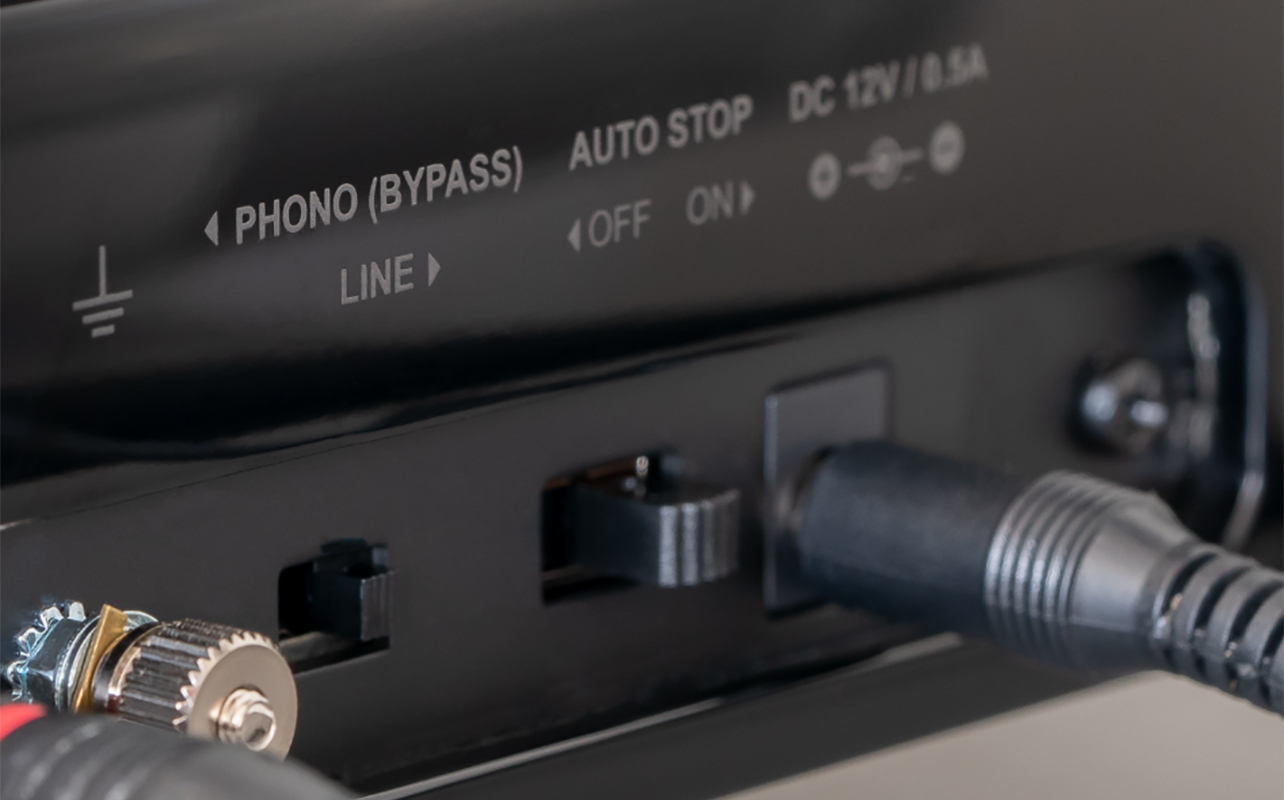
The phono preamp is where the whisper of the stylus becomes something your speakers can understand. A turntable’s raw output is incredibly quiet and follows a special equalization curve. It wasn’t designed to be listened to directly. The preamp lifts that tiny signal, shapes it, and prepares it for the rest of your audio system.
Some turntables have a built-in preamp for easy plug-and-play listening. Others leave this job to external units, where enthusiasts can fine-tune the sound to match their cartridge and preferences. Whether hidden inside your turntable or sitting on your shelf, the preamp is the translator that makes vinyl accessible, rich, and full-bodied.
The dust cover protects
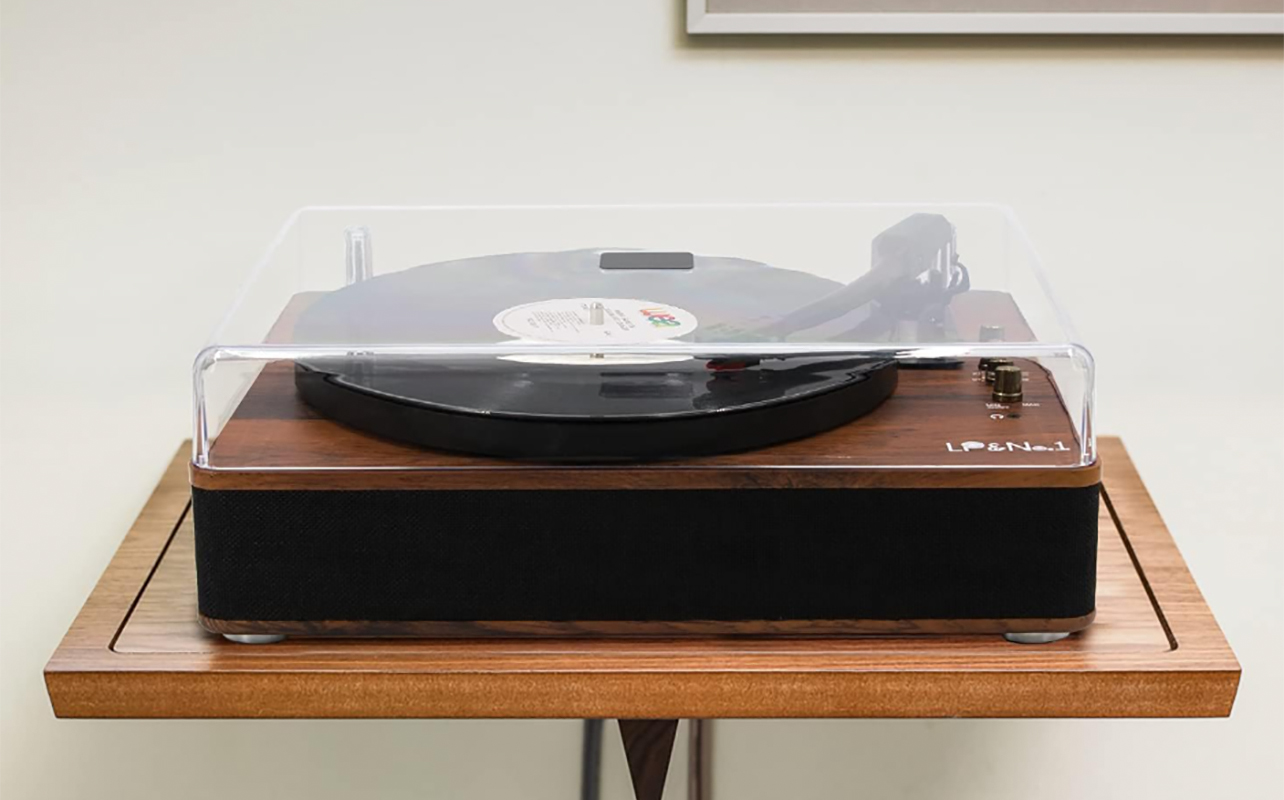
The dust cover may not seem glamorous, but it’s the guardian of your turntable’s delicate parts. When your setup isn’t in use, it protects the platter, tonearm, and stylus from dust, fingerprints, and the occasional stray elbow. Keeping these elements clean not only preserves their lifespan, it keeps your audio sounding its best.
During playback, you should lift or remove the cover to avoid potential vibration. Some may keep it closed if they require protection from pets and small kids, for example. But this will impact sound quality so you should leave it open unless there’s a specific reason to close it while playing. The dust cover’s job is to protect the music-maker beneath it when it isn’t in use.
Your vinyl journey from here
Now that you’ve explored the essential parts of a record player, you’re better equipped to care for your turntable, spot early signs of wear, and even plan upgrade paths that match your listening goals. Each component contributes something special to the experience. With a little attention, your setup can deliver the warm, immersive sound vinyl is known for. And with the understanding of what role each piece plays in the equation, you’ll have a deeper appreciation for the process.
Now that you’ve explored the essential parts of a record player, you’re better equipped to care for your turntable, spot early signs of wear, and even plan upgrade paths that match your listening goals. Each component contributes something special to the experience. With a little attention, your setup can deliver the warm, immersive sound vinyl is known for. If you’re looking for guidance on picking your first turntable, check out our article how to buy a record player to make the best choice. And with the understanding of what role each piece plays in the equation, you’ll have a deeper appreciation for the process.
If you’d like to explore turntable options or compare how different designs interpret these components, you can browse a wide selection of turntables at Best Buy Canada.

This article was drafted using AI technology and then reviewed, fact-checked, and revised by a member of our editorial team.