
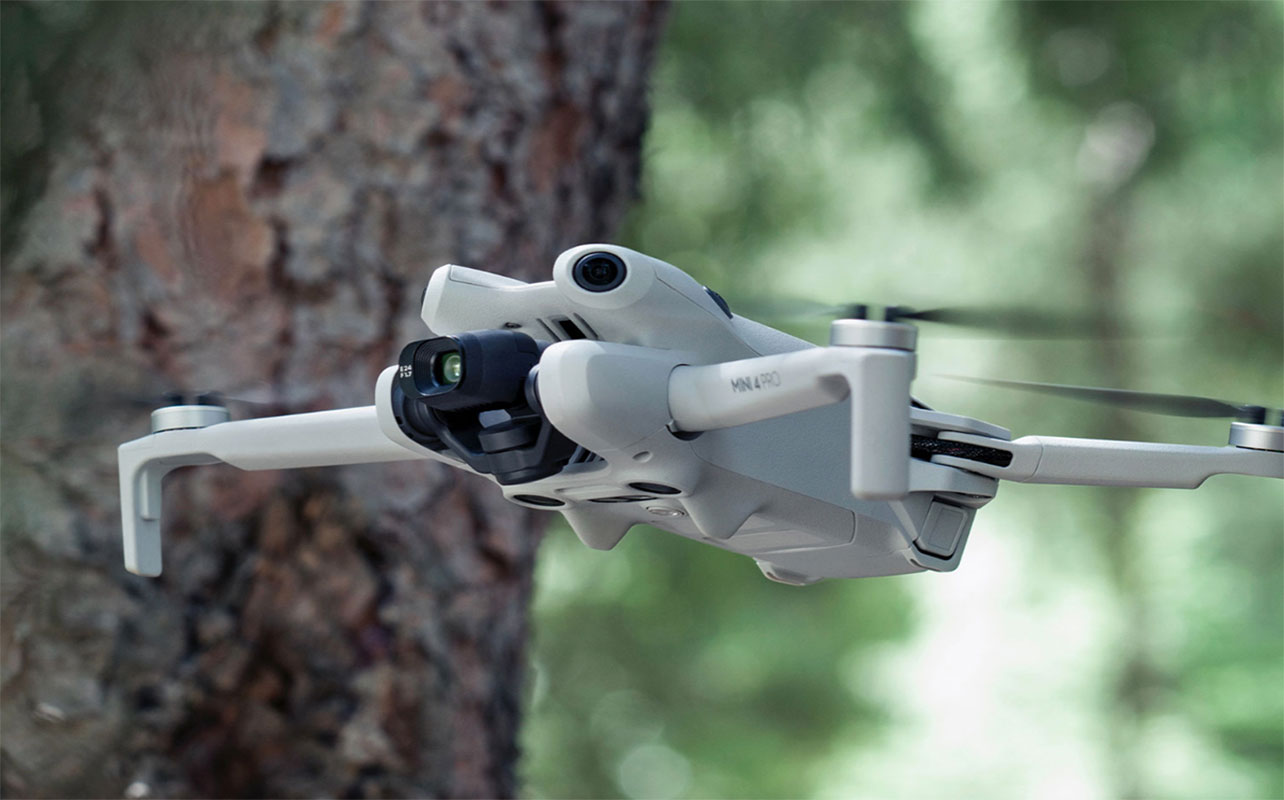
If you own a drone, or are looking to buy one for recreational purposes, it’s important to know the rules on how, when, and where to fly them. Drones can be a lot of fun, but they also come with responsibilities. Always ensure you follow local regulations to avoid fines and ensure everyone’s safety. Here’s what you need to know before you take to the skies.

Drone regulations in Canada
The initial Transport Canada regulations were announced on March 16, 2017 by the then-Transport Minister Marc Garneau, who cited safety as the primary reason for rolling back some of the previous looser rules. Those rules were to stay in effect for 12 months until a further set of amendments could follow. It wasn’t clear at the time what that would mean, but it’s all set now. The federal government first unveiled Canada’s new rules for remotely piloted aircraft systems on January 9, 2019, which then subsequently went into effect on June 1, 2019.
They apply to flying drones weighing between 250 grams and 25 kilograms and flown within a pilot’s line-of-sight, regardless of whether it is for recreational, work, or research use. That means you can’t pilot a drone that veers out of your viewpoint. Stick with those parameters, and you won’t need to apply for a special permission with Transport Canada to fly, other than following the requirements below. A key takeaway is that Canada’s regulations designate drone flights to fall under either of two categories: basic or advanced.
Transport Canada updated drone regulations again, effective November 4, 2025, after a phased rollout of new certificates and tools starting earlier in 2025. The structure generally maintains the basic and advanced categories for casual pilots, only expands on the regulatory framework to address operations like extended visual line-of-sight (EVLOS) for “sheltered” flights near structures, and lower-risk beyond visual line-of-sight (BVLOS) operations. These terms essentially attach to the basic and advanced categories by name, with the BVLOS latter flights will require additional training and certification.
Basic operations
This is still the category that applies to most hobbyists and recreational pilots, much as it did before the most recent rule updates. To operate within what Transport Canada considers “basic” conditions, you must be flying a drone that weighs 250 grams or more in uncontrolled airspace, keep it within visual line of sight at all times, avoid flying over bystanders, and maintain a horizontal distance of at least 100 feet (30 metres) from people not directly involved in the flight.
You still need a pilot certification for basic operations when flying a drone that weighs 250 grams or more. To get one, you must be at least 14 years old and pass the Small Basic Exam, which costs $10 and can be completed online. There’s no need to attend a drone flight school, nor go through an in-person flight review under this category.
The basic pilot certificate doesn’t expire, but Transport Canada notes that pilots are responsible for keeping their knowledge and skills up to date as rules and guidance evolve. As a drone pilot, you need to also carry proof of your valid certificate while flying, be it in digital or printed form.
We’ll cover registration further down but it’s important to distinguish that these rules don’t apply to microdrones weighing less than 250 grams. As an example, a drone like the DJI Neo is exempt from registration and pilot certification requirements for most recreational flights, but general safety rules and airspace restrictions still apply, nonetheless.
Advanced operations
If you don’t meet all the conditions for basic operations, your flight falls under advanced operations. That would include flying in controlled airspace, closer to bystanders and within 100 feet (30 metres) of them horizontally, or flying in situations with a higher operational risk.
That makes for a more involved certification process to qualify. You need to pass the “small advanced exam” and an in-person flight review with an authorized examiner to assess piloting ability. There’s also the self-paced Remote Piloted Aircraft (RPA) study program, a questionnaire that covers safety assurance and aeronautical regulations that you must keep on you for 24 months. Manufacturers often submit a safety assurance declaration for their drones. If you plan to build your own, you will have to go through that process as well.
An advanced operations certification also allows you to fly in controlled airspace with proper authorization, including the option to operate closer to people under defined safety conditions. The most popular models usually impose certain default limits out of the box, but if you’re not sure, contact the manufacturer directly to see what those are for that device.
The full set of rules falling under the Canadian Aviation Regulations (CARs) is available here.
General drone flight guidelines
Regardless of whether you’re flying in a basic or advanced capacity, the guidelines below are standard throughout.
- Maintain line-of-sight at all times
- Don’t fly higher than 400 feet (122 metres) above the ground
- Don’t fly closer than 100 feet (30 metres) from people and animals for basic operations
- Keep a safe distance from buildings and vehicles at all times (there is no exact regulatory distance)
- Don’t fly closer than 5.6 km from an airport, 1.9 km from a heliport
- Don’t fly within restricted airspace (drone software generally includes this anyway)
- Keep away from forest fires, outdoor concerts, and parades
- Don’t fly where it could interfere with police or first responders
- Avoid flying at night or into clouds
- Make sure your registration number is clearly marked on your drone
- Don’t fly a drone at all in any National Park across Canada. If it’s for commercial purposes, you’ll need a special Restricted Activity Permit.
Break these rules and you risk a fine. Here’s how that breaks down:
- Up to $1,000 for flying without a drone pilot certificate
- Up to $1,000 for flying unregistered or unmarked drones
- Up to $1,000 for flying where you are not allowed
- Up to $3,000 for putting aircraft or people at risk
Corporate penalties for these same infractions are higher, from up to $5,000 for administrative violations, and on up to $15,000 for safety-related breaches.
Registering a drone
Along with certification, pilots will need to mark and register their drone when it weighs 250 grams or more. It has to be visible enough, so permanent marker, permanent labeling, engraving are good enough. Once received, you’re obligated to mark the drone with that number before taking flight. It only takes a few minutes to register, and you will need a purchase date (if applicable), make, model, serial number, weight, and type of drone. The fee is $5.00 per drone, payable through online banking, and should only take a few minutes to complete. As noted earlier, none of this is necessary for microdrones weighing 249 grams or less.
Special Flight Operations Certificate (SFOC)
This is a special certification that applies to visitors of Canada, so if you’re not a citizen or permanent resident, you will need to apply for one. Even if you are a Canadian citizen or permanent resident, some of the distinct rules are important to know. For example, if you want to fly drones at a show or event, or if you want to control five or more drones at one time, you do need an SFOC. This also applies if you’re already authorized or licensed in your home country.
If you need to fly your done out of sight, or if it weighs over 25 kg, those are also grounds for an SFOC. You can see the full list of rules so you know what falls under this category. This certificate exists purely to go beyond the limits set by the basic and advanced operations. Bear in mind it may take 30 business days to review and issue the pass. Here, too, microdrones are exempt from this process.
Flying your drone safely in Canada
The rules affect city-dwellers more than rural residents for the simple reason that urban areas present more people and obstructions. Farmers who use drones to inspect crops from above will probably have nothing to worry about if they’re in open country where buildings and people are fewer and farther between. Transport Canada inspectors can investigate reports of illegal or unsafe drone use. If you infringe on people’s privacy, they will also take that seriously. Local law enforcement are able to understand what the limits are for dealing with drones where a crime or privacy matter is involved.
If you use drones for wedding photography or videography, make sure to follow the rules and get advanced certification. That will cover you going forward. The same is true if you work in real estate, film, construction, or farming—among other vocations. You may also want liability insurance. You don’t necessarily need it to fly a drone, but could be useful coverage when using it around people.
Though certification isn’t required to fly a drone that weighs less than 250g, you should still exercise caution and be careful when flying. No matter the size, what you choose to do when flying is entirely up to you, so long as you respect the rules and regulations at all times. Avoid being reckless and stay out of harm’s way, and you’re more likely to enjoy the experience. The settings in drone apps usually have sections where you can apply manual limits in line with the rules if you want to make sure you don’t stray too high or too far.
You can check out all the drones currently available at Best Buy (all of which fall within the guidelines for size and weight).






yes car drivers are more nuts then drone pilots the rules block out most major city sad but what ever could be just a bit dangerous the gov got to stick there thing in there and screw it up with licenses cash grab and dum rules I will not get a drone besides make in Asian countries
I am a pilot and have twice encountered drones flying is restricted airspace…..all those who think a drone is harmless and over regulated might be more concerned if a plane whatever size is brought down full of aviation fuel because some curious amateur decided to be a unregulated cowboy.Transport Canada rules are to protect everyone
OKay where do we fly a drone then? Not close to the public, so that rules out local parks, local beaches. Not along roads, so that rules out deserted roadways. Okay so drive up country and find a deserted field somewhere near the glacier. Ooops! that land is owned by somebody so don’t get caught flying your drone there or you’ll be fined $1,000.00 by the local Mountie! Starting to feel like a second class citizen? Why don’t they just come right out and BAN DRONES! and save everyone a lot of TIME and MONEY!!
Money grabbing is all there doing
I just read the “RULES” for flying a drone as of June 1st/19. Are you sure this isn’t the Communist China website or maybe north korean site and not the democratic free country Canada Best Buy site? Safety measures BS this paranoid government regulations.
safety for all equals communism? he is a Trump baby no doubt
Thanks for the information – I had no idea!